17 Legendary Basketball Shoes And Their Stories
Basketball shoes have evolved from simple canvas sneakers to high-tech performance machines that shaped both sports history and street culture. These kicks tell stories of legendary players, groundbreaking innovations, and moments that changed the game forever.
The world of basketball footwear is filled with iconic designs that transcended the court to become cultural phenomena. Here is a list of 17 legendary basketball shoes that defined eras, launched careers, and continue to influence fashion decades after their debut.
Converse Chuck Taylor All-Star
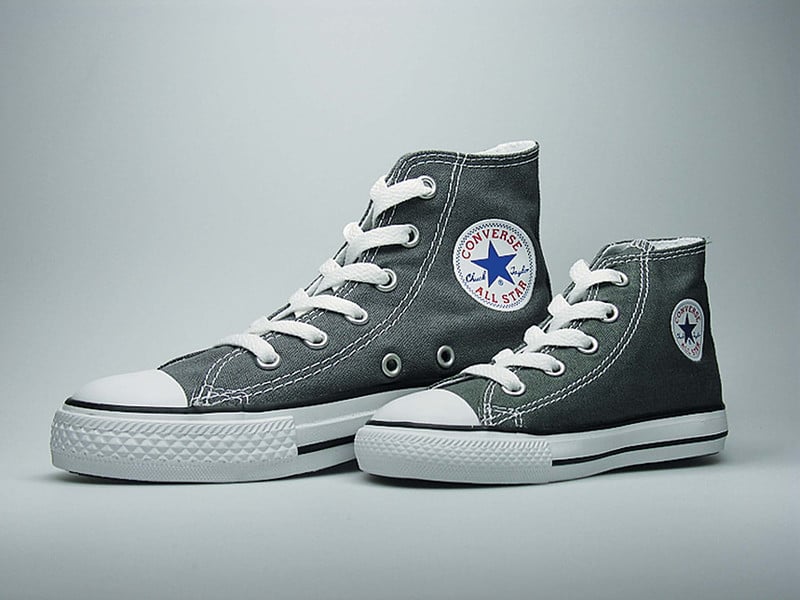
First released in 1917 as the “Non-Skid,” Converse’s basketball shoe became legendary when player-turned-salesman Chuck Taylor joined the company and suggested design improvements. In 1932, his name was added to the ankle patch, officially creating the Chuck Taylor All-Star. Worn by countless pros in the early NBA and by millions off the court, it remains one of the most iconic sneakers ever.
Air Jordan 1
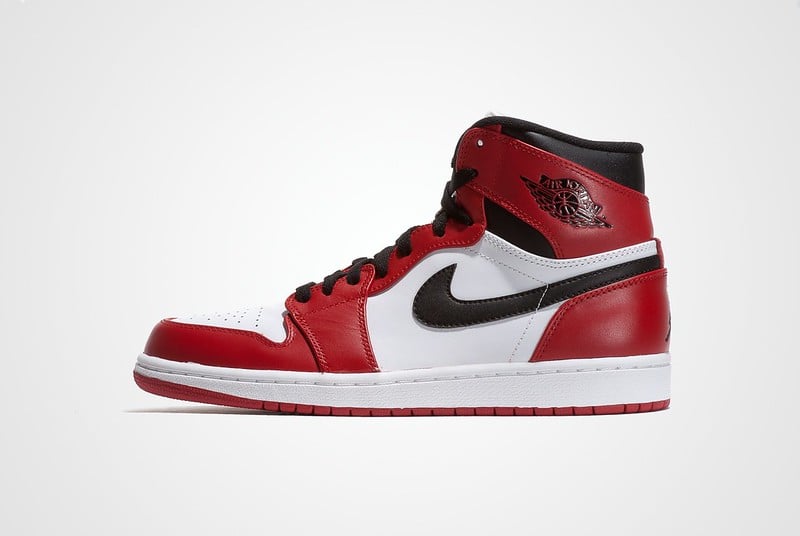
Nike released the Air Jordan sneaker line in April 1985 with the goal of making $3 million in the first three years. Sales greatly exceeded expectations, earning $126 million in one year. The shoe’s red and black colorway violated NBA policy, resulting in fines that Nike happily paid while launching the famous ‘Banned’ advertising campaign. The shoe sold out at 50,000 pairs and generated more than $150 million in sales. This marked the beginning of athlete signature shoes becoming cultural statements.
Adidas Superstar
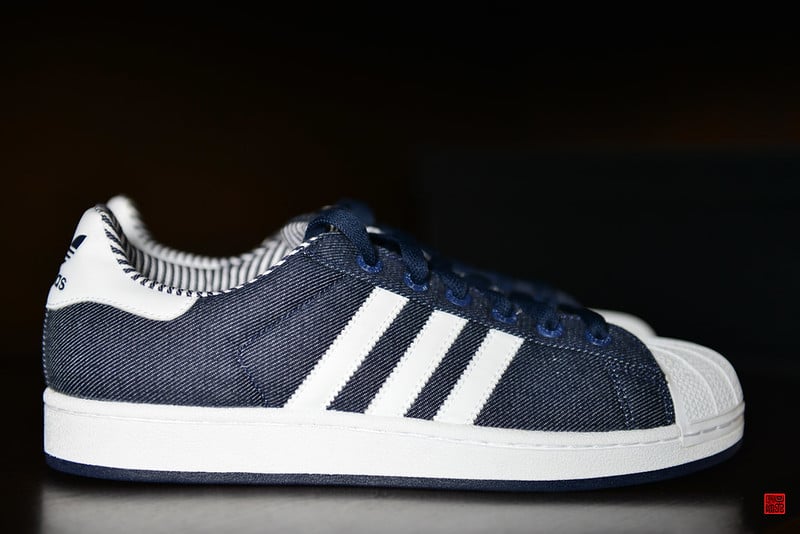
Released in 1969, Converse’s dominance would be challenged by a new entry to the sneaker market: Adidas’ Superstar sneakers. With a genuine leather upper sole, herringbone traction providing a stable bottom grip, and a cool design, the Superstar was a hit among NBA and recreational players alike. The shoe gained legendary status when hip-hop group Run-D.M.C. wore them without laces and released the hit song ‘My Adidas’ in the 1980s. The shoe may have been worn by some of the NBA’s best and originally released in 1969, but it was ’80s hip-hop that gave the Superstar its legendary status.
Puma Clyde
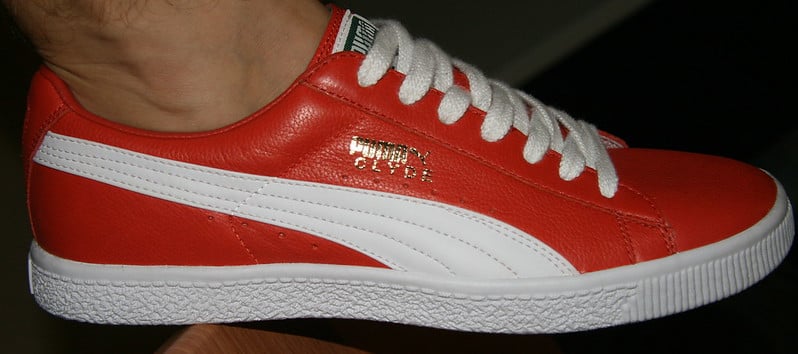
In 1973, the suave Walt ‘Clyde’ Frazier debuted the Puma “Clyde’s,” a stylish addition to the basketball sneaker market at a time when many sneakers were still utilitarian in nature. The Puma Clyde is considered the first signature sneaker in basketball history. Frazier’s smooth playing style and off-court charisma made the Clyde an instant icon that bridged sports, style, and streetwear long before those combinations became commonplace.
Nike Air Force 1
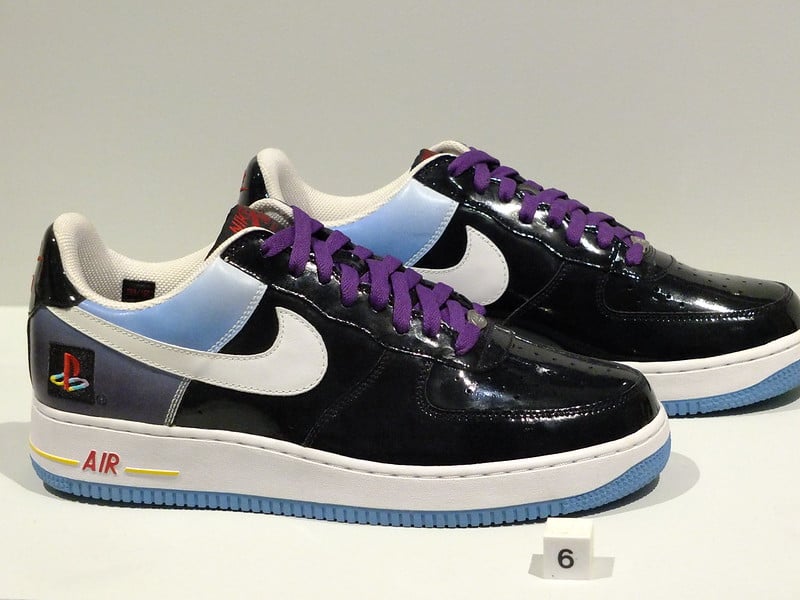
The Air Force 1 debuted in 1982 as Nike’s first basketball shoe to feature Air cushioning. Worn by “The Original Six” NBA players, it quickly gained traction on the hardwood before evolving into a cultural phenomenon. What began as a performance shoe grew into one of the most versatile and best-selling sneakers of all time, bridging basketball, fashion, and streetwear.
Air Jordan 3
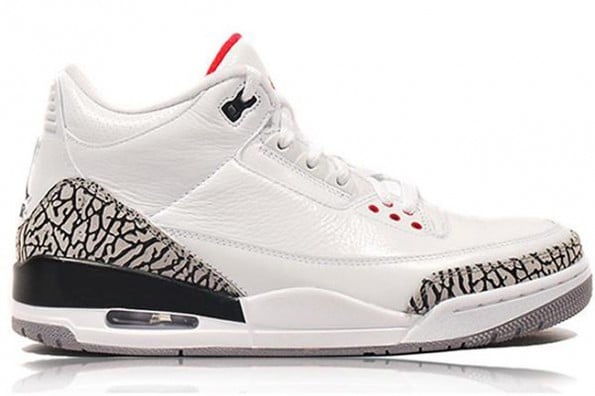
The third installment in the “Air Jordan” series was the first to feature the Jumpman symbol on the sneaker. That caricature of a dunking Michael Jordan has since become the logo of Jordan Brand. Designed by Tinker Hatfield, this shoe saved Jordan’s relationship with Nike when he was considering leaving for Adidas. During the 1988 dunk contest, Jordan wore this shoe in his epic contest with Dominique Wilkins for the slam dunk title. The gray elephant print design became one of the most recognizable patterns in sneaker history.
Air Jordan 11
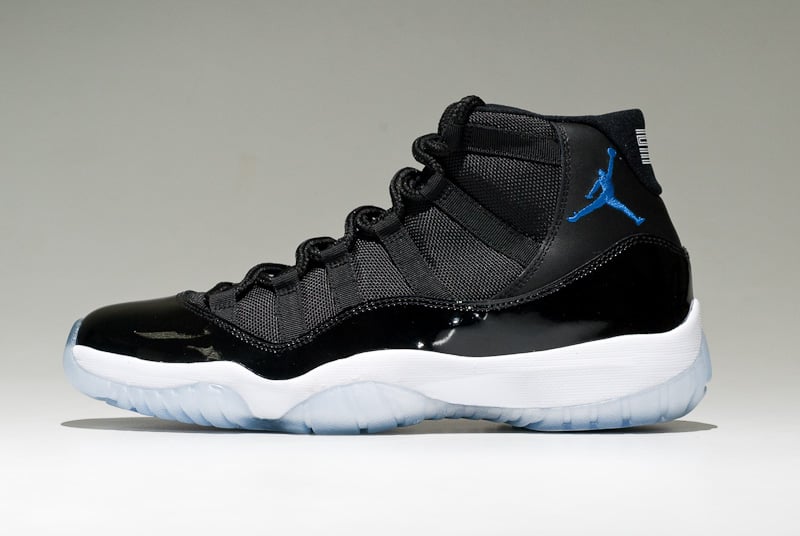
Designed by Tinker Hatfield with patent leather and ballistic nylon, the Air Jordan 11 was unlike anything the NBA had seen. Michael Jordan laced them up during the Bulls’ historic 72–10 season and the 1996 playoffs, cementing their status with both dominance on the court and instant popularity off it. The AJ11 remains one of the most celebrated Jordans in sneaker history.
Reebok Pump

Launched in 1989, it is one of the most innovative and iconic basketball shoes ever created. Known for its unique inflatable cushioning system, the Pump allowed players to achieve a custom fit by using a small pump mechanism located on the tongue of the shoe. The Pump gained legendary status during the 1991 NBA Slam Dunk Contest when Dee Brown pumped up his shoes before unleashing his no-look dunk. The technology was revolutionary, allowing players to customize their fit on the fly with the simple squeeze of an orange pump.
Converse Weapon
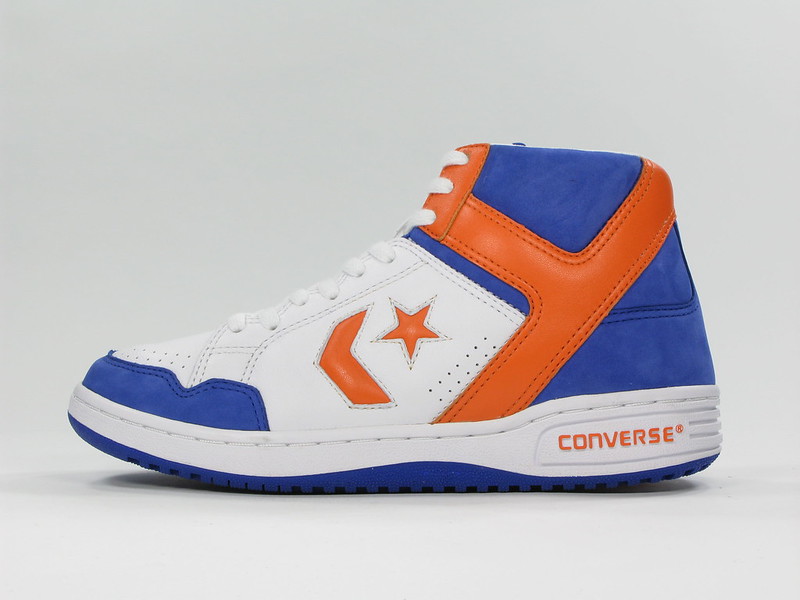
The Converse Weapon was made famous by Magic Johnson and Larry Bird during their 1980s rivalry. Marketed as “the choice of champions,” it symbolized Converse’s last huge moment of dominance in the NBA before Nike and others took over. Its bold colorways and endorsements made it a standout of the decade, and it still holds nostalgic value today.
Nike Air Max Penny
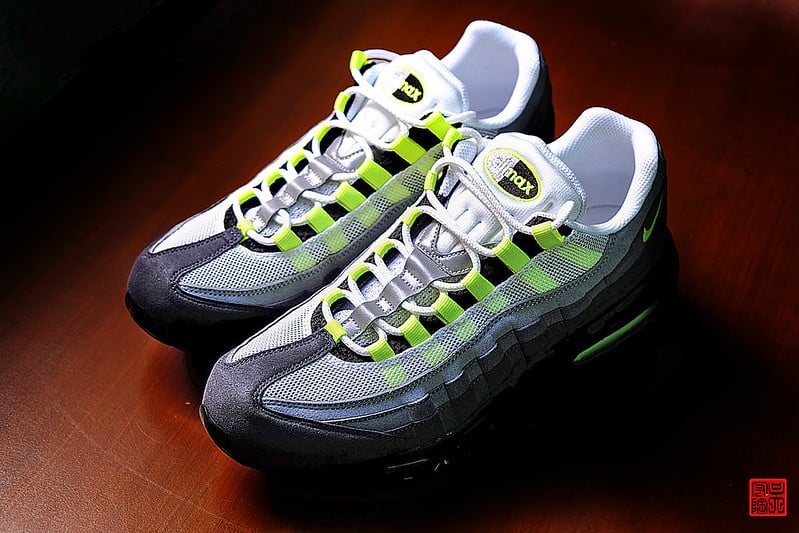
The “Lil Penny” commercials were the best. But for as cool as that talking puppet was as Anfernee “Penny” Hardaway’s sidekick, the Air Max Pennys were even cooler. These shoes featured Nike’s visible Air Max cushioning technology adapted for basketball performance. Hardaway’s flashy playing style and the memorable marketing campaign featuring his puppet alter ego made these shoes cultural icons that extended far beyond basketball courts into mainstream fashion.
Air Jordan 4
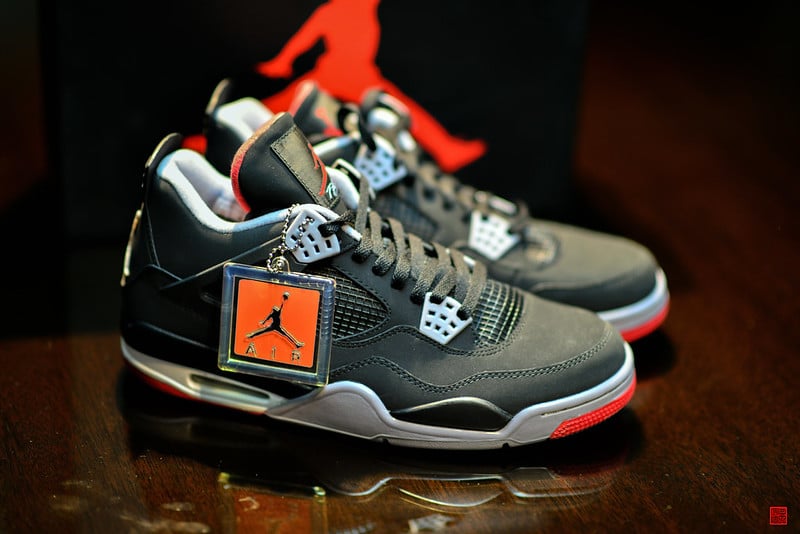
Released in 1989, the Jordan IVs are considered among the greatest basketball kicks ever created. Designed by Tinker Hatfield, it became instantly recognizable for its sleek silhouette, signature mesh panels, and the iconic cement grey accents on the midsole and lace wings. The unique mesh panels provided ventilation while the overall design struck a perfect balance between performance and style. These shoes represent Jordan at his peak, worn during some of his most memorable playoff runs.
Nike Hyperdunk
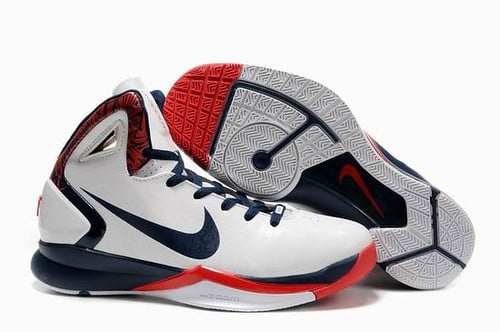
The Hyperdunk launched Nike Basketball’s new Flywire and Lunar Foam technologies in 2008, but it was Bryant and a majority of the 2008 USA national team wearing it at the Beijing Olympics that ultimately made the shoe a must-have. At 13 ounces, it was one of Nike’s lightest basketball shoes ever. The shoe marked a shift toward lightweight performance that would define modern basketball footwear. Seeing the entire Olympic team wearing matching Hyperdunks created an iconic visual that elevated the shoe’s status globally.
Adidas KB8 (Crazy 8)
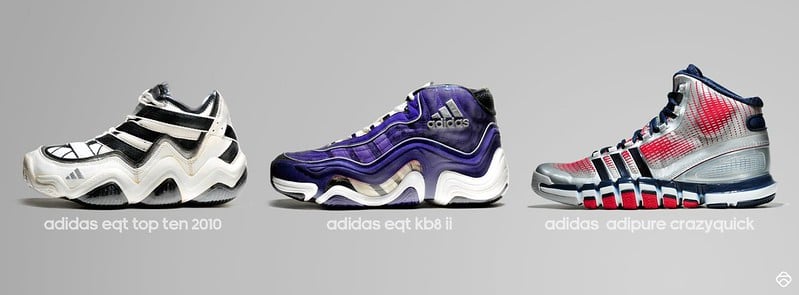
Kobe Bryant’s first signature sneaker with Adidas, the KB8 (later renamed Crazy 8), showcased Feet You Wear cushioning and a bold, wavy design. Worn during Kobe’s rise as a young Lakers star, it marked his entry into the signature shoe world and gave Adidas a powerful presence in late ’90s basketball culture.
AND1 Tai Chi
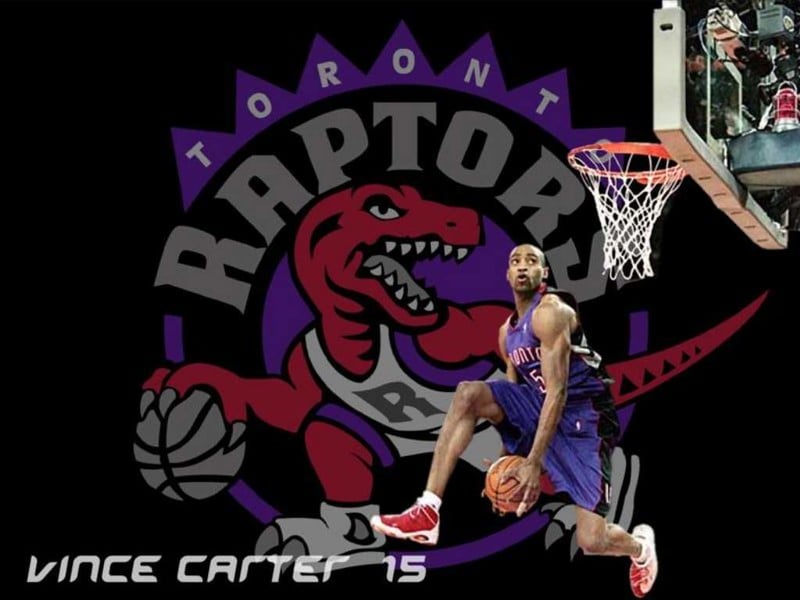
The Tai Chi gained widespread recognition during the 2000 NBA Slam Dunk Contest when Vince Carter delivered a legendary performance while wearing the red and white colorway. This moment catapulted the shoe into the spotlight, solidifying its status in basketball history. The asymmetrical design and lightweight construction made it particularly appealing to guards seeking both style and performance. Carter’s otherworldly dunking ability while wearing these shoes created an instant connection between the footwear and athletic excellence.
Ewing 33 Hi
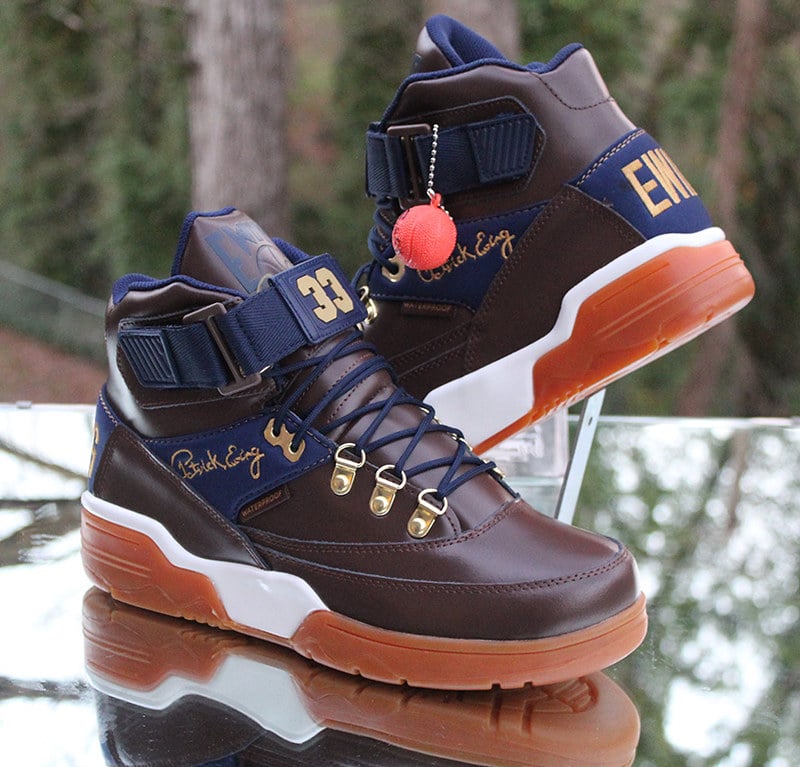
In 1989, Ewing started his own sneaker brand with Next Sports. To this day, Ewing’s foray into the footwear world remains one of the most interesting chapters in sneaker history. Patrick Ewing’s decision to launch his own brand rather than sign with a major company was unprecedented for its time. The 33 Hi featured aggressive styling and bold colorways that reflected Ewing’s intense playing style and New York attitude.
Nike Shox BB4
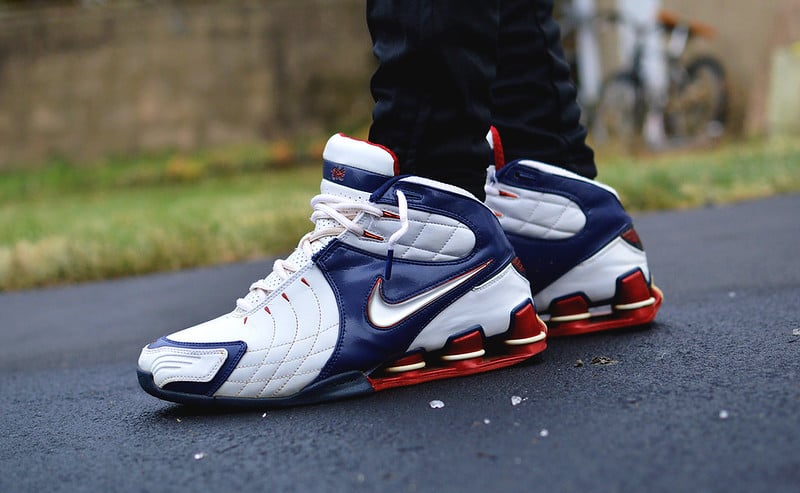
The Shox BB4 introduced Nike’s spring-like cushioning system and found its moment in history at the 2000 Sydney Olympics. Vince Carter, wearing the metallic silver and blue pair, soared over 7’2” French center Frédéric Weis for a jaw-dropping dunk that instantly made the shoes legendary. The BB4 remains tied forever to that iconic moment in international basketball.
Air Jordan 6
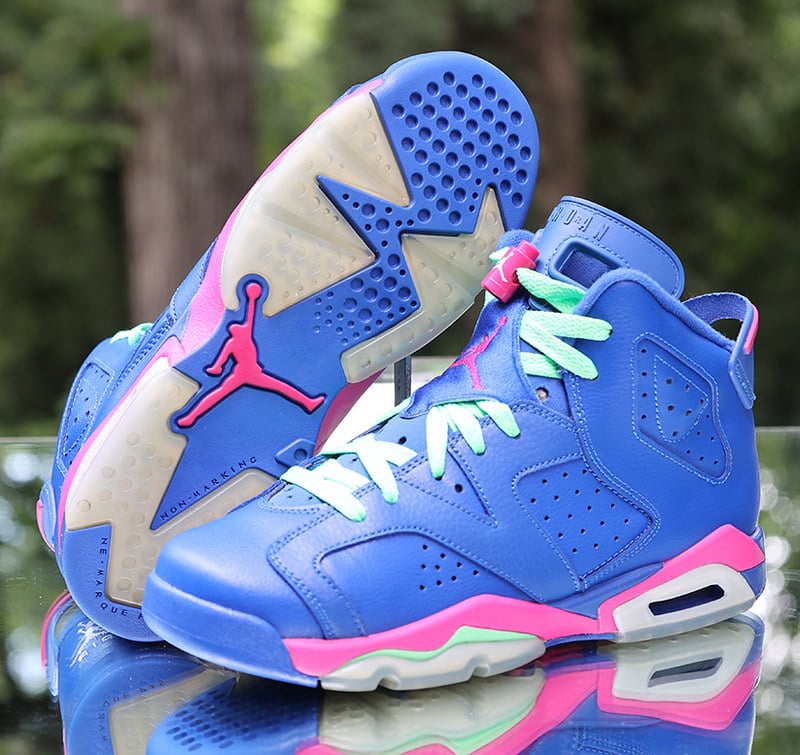
These shoes gained immortal status through their association with Jordan’s first NBA championship in 1991. The distinctive design featured a reinforced toe and heel with unique perforations that provided both ventilation and visual appeal. Jordan’s first championship. Simply a trendsetting shoe. The translucent outsole and innovative materials made these shoes stand out during one of the most important seasons in basketball history.
When Innovation Meets Legacy
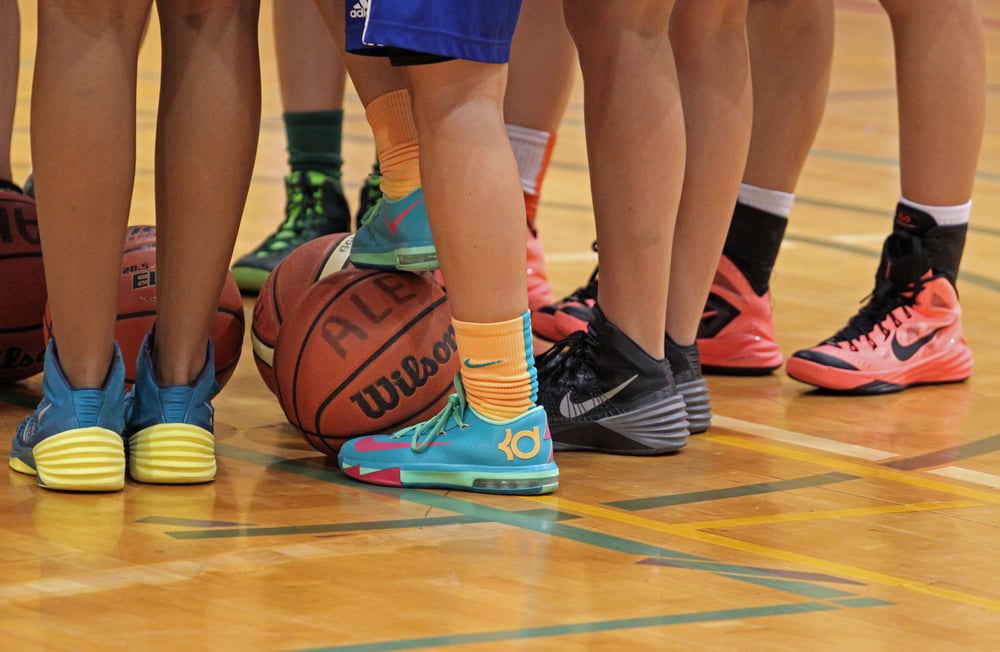
— Photo by dbriyul
Basketball shoes evolved from simple athletic gear into cultural phenomena that influence fashion, technology, and social movements. These 17 legendary sneakers represent pivotal moments when innovation, athlete partnerships, and cultural timing created something greater than footwear. Each pair tells a story of how sports equipment became personal expression, proving that sometimes the most important victories happen off the court. Today’s basketball shoes continue building on these foundations, but these classics remain the gold standard for how athletic footwear can capture the imagination of multiple generations.
More from Go2Tutors!

- 16 Historical Figures Who Were Nothing Like You Think
- 12 Things Sold in the 80s That Are Now Illegal
- 15 VHS Tapes That Could Be Worth Thousands
- 17 Historical “What Ifs” That Would Have Changed Everything
- 18 TV Shows That Vanished Without a Finale
Like Go2Tutors’s content? Follow us on MSN.