17 Most Secluded Fishing Villages on the Coast
A quiet spot feels different when it stays untouched by crowds and big restaurant names. Along the American shore, hidden corners remain unseen by most – small harbors where nets hang heavy and neighbors greet like family.
Not the kind of spots glossy brochures chase or influencers flood with photos. Life moves slow here, shaped by tides instead of trends, where pulling lobster traps means more than weekend fun – it’s how grandparents taught kids, who now teach their own.
What if the shorelines you’ve never heard of held the best views? Picture quiet coves where time stretches out, where nets arrive at dawn with tonight’s catch still kicking.
Lubec, Maine

Out here where the map nearly runs out, Lubec rests quiet and steady. Just a thin stretch of water separates it from Canada, busy with small boats making their rounds each day.
Life moves slowly in this spot home to about 1,300 souls who’ve seen little shift through the years. Along the shore, old docks creak underfoot while bright lobster floats bob beside them.
Air carries brine sharpness tangled gently with scent of nearby pines.
Port Clyde, Maine

This little village, perched at the very edge of the St. George Peninsula, often escapes notice on many maps. Though Port Clyde opens the way to Monhegan Island, travelers tend to move right through, unaware of what slips past.
Filled with active lobster boats, the harbor pulses with quiet labor while the town holds tight to its true self, even near busier tourist spots. Scattered along the rugged shore, a few homes stand firm, and inside the old general store, time feels frozen since decades gone by.
Menemsha, Massachusetts
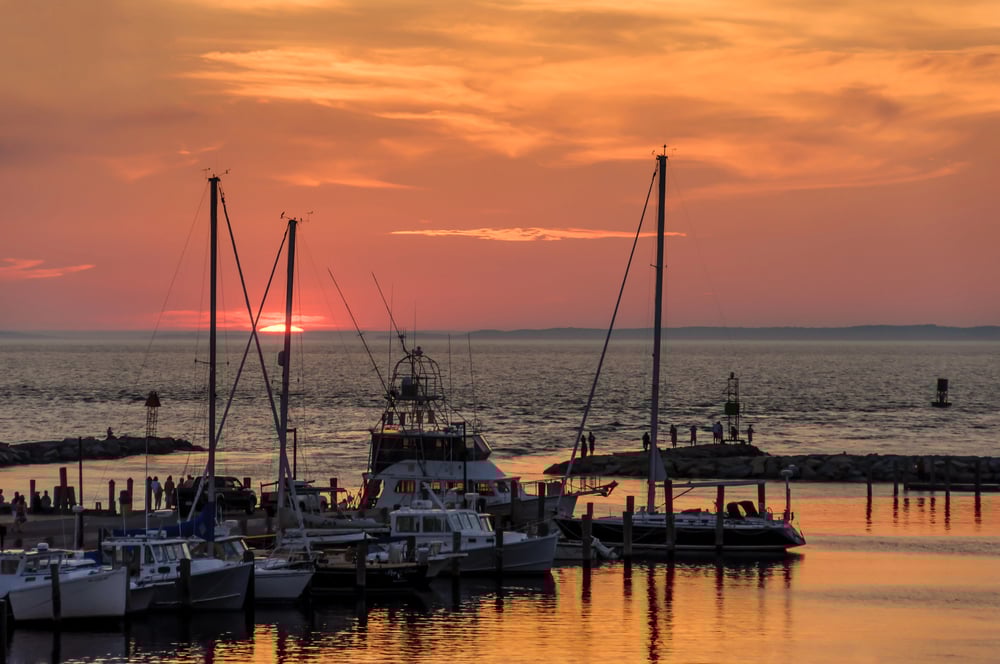
Menemsha clings to the edge of Martha’s Vineyard like it forgot time moved on. Though much of the island got polished up, this place stayed rough around the edges.
Fishing boats bob in a narrow harbor, tossing their haul straight onto wooden planks each evening. Sunset paints the sky in wild colors – no stage needed, just open space and quiet light.
Crowds rarely gather here, nor do pricey menus appear under flickering lanterns. A handful of lean-tos serve fish pulled from nets hours before, plus lobster tucked into soft buns.
Cottages tilt slightly, worn by salt wind and years without fuss. People who’ve tied knots since childhood still mend lines beside rusted buoys.
Point Judith Rhode Island

Hidden along Rhode Island’s southern shore, Point Judith stays quiet even though it sits near big towns. When vessels return loaded with fish, the port pulses with motion, home to some of the biggest fishing crews in the area.
Huge rock walls stretch into the sea, blocking out wild ocean waves. A modest cluster of buildings makes up the town – simple places serving clams and chowder, built for working sailors, not visitors looking around.
Few frills show up here, just steady rhythm tied to tides and nets.
Greenport, New York

Sitting at the northern tip of Long Island’s North Fork, Greenport holds onto its fishing village roots even as wineries and tourism creep into the area. The commercial fishing fleet still operates from the harbor, bringing in scallops, flounder, and striped bass.
Old wooden docks and boat repair shops line the waterfront, and the marina fills with working boats rather than fancy yachts. The town center has managed to stay charming without becoming a tourist trap, though it gets a bit busier during summer weekends.
Rodanthe, North Carolina
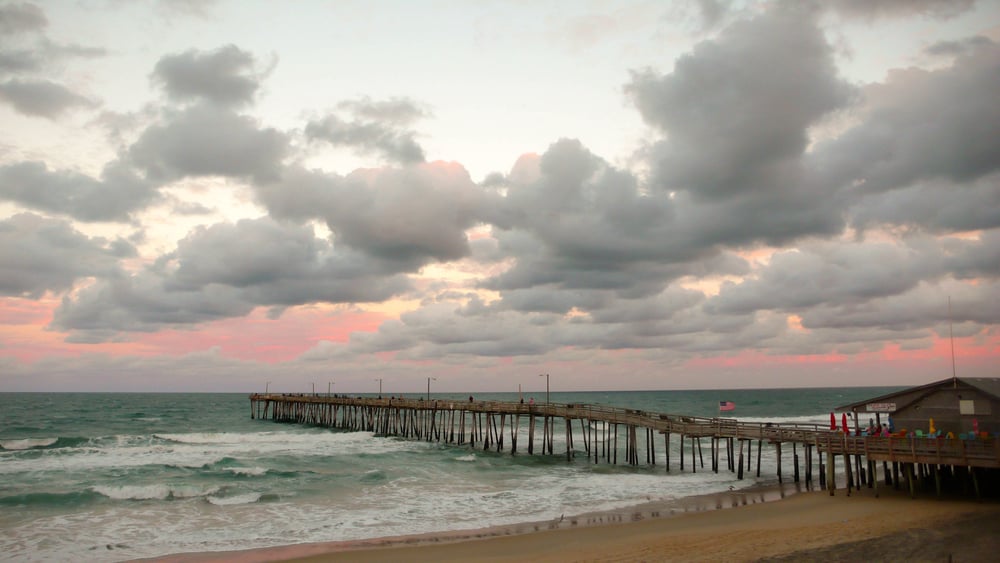
This Outer Banks village sits on a narrow strip of land between the Atlantic Ocean and Pamlomar Sound. Rodanthe is so remote that it’s only accessible by a single highway that sometimes floods during storms.
The fishing here is legendary, with pier fishing and surf fishing drawing those in the know. Houses stand on tall stilts to protect against flooding, and the population barely reaches 200 year-round residents.
There’s not much here besides fishing, the ocean, and peace and quiet.
Ocracoke, North Carolina
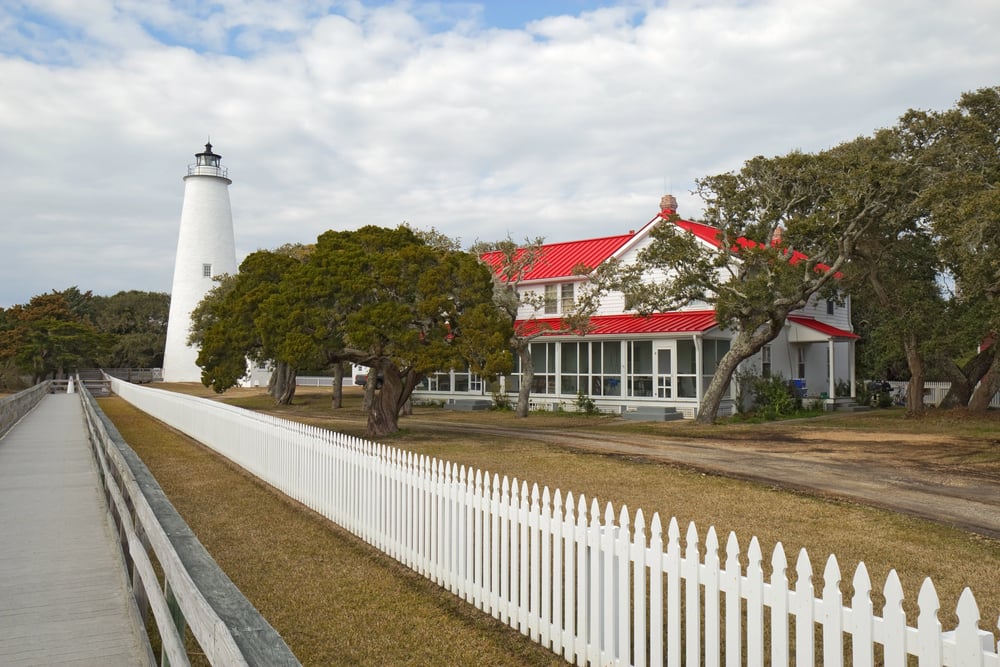
You can only reach Ocracoke by ferry or private boat, which keeps the crowds manageable even during peak season. This island village at the southern end of the Outer Banks has no bridge connection to the mainland.
The harbor stays busy with commercial fishing boats and charter vessels, and the village maintains a laid-back atmosphere that feels frozen in time. Golf carts outnumber cars, and locals still speak with a distinct accent that traces back to Elizabethan England.
McClellanville, South Carolina

Nestled between Charleston and Myrtle Beach, McClellanville sits hidden along a creek that winds through marshland to the Atlantic. The shrimp boats here are the real attraction, their nets and rigging creating beautiful silhouettes against sunrise and sunset.
Hurricane Hugo devastated this town in 1989, but it was rebuilt without losing its small-town fishing village character. The population stays under 500 people, and visitors often drive right past without noticing the turn-off.
Apalachicola, Florida

This Gulf Coast town operates at a different pace than the rest of Florida. Apalachicola produces most of Florida’s oyster harvest, and the waterfront stays busy with oyster boats and processing facilities.
The historic downtown sits right on the water, with buildings dating back to the 1800s. While it’s not completely unknown, Apalachicola remains far less developed than nearby beach towns.
The Apalachicola River meets the Gulf here, creating rich waters that support an incredible variety of marine life.
Cedar Key, Florida

A cluster of small islands off Florida’s Big Bend area, Cedar Key requires a drive through seemingly endless marshland to reach. Once you arrive, it feels like stepping back several decades.
The fishing industry here focuses on clams and mullet, and the docks buzz with activity during harvest season. Old Florida style buildings line the waterfront, and there are no chain stores or major resorts.
The entire place moves slowly, and that’s exactly how residents like it.
Port St. Joe, Florida

Located along a protected bay on the Florida Panhandle, Port St. Joe never recovered its boom-town status after several hurricanes wiped out earlier development attempts. That’s actually a good thing for anyone seeking an authentic fishing village.
The commercial fishing fleet here catches everything from shrimp to grouper, and the town maintains a working waterfront rather than a resort atmosphere. Scalloping season brings some visitors, but the town remains quiet most of the year.
Grand Isle, Louisiana

This barrier island at the mouth of Barataria Bay serves as Louisiana’s only inhabited offshore island. Grand Isle was once a pirate haven, and now it’s a fishing community that battles hurricanes and coastal erosion.
The fishing rodeo held here each summer is legendary among anglers, but most of the year the island stays peaceful. Fishing camps on stilts line the beaches, and shrimp boats work the surrounding waters.
The lifestyle here is as much Cajun as it is coastal.
Port Isabel, Texas
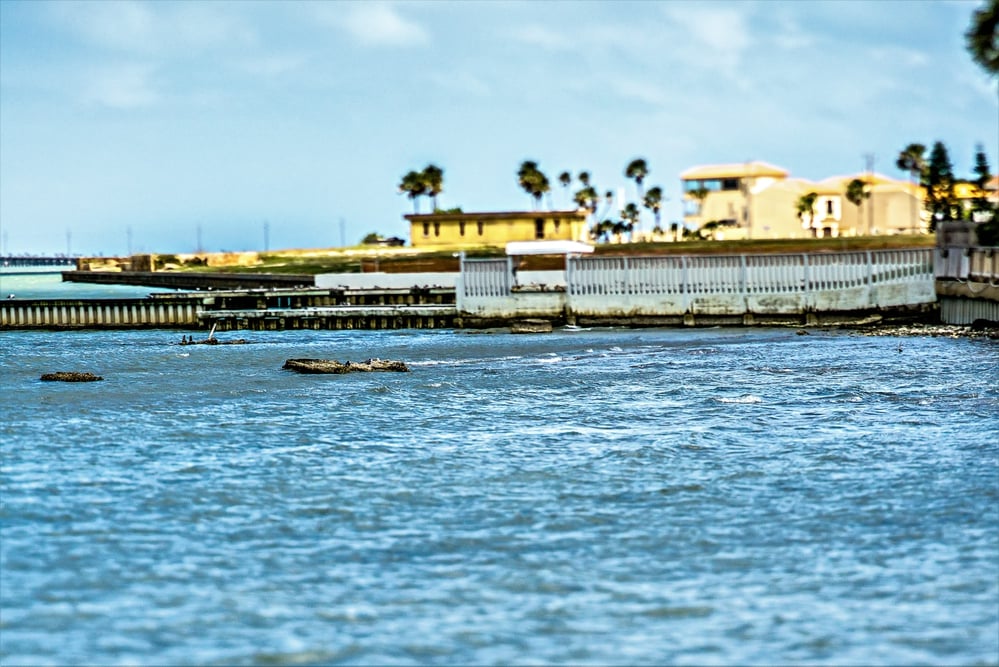
Sitting near the southern tip of Texas where the Laguna Madre meets the Gulf, Port Isabel remains overshadowed by nearby South Padre Island. The shrimp boats here create a forest of masts in the harbor, and Mexican influence is strong in both the culture and the food.
This town has been a fishing center since the 1800s, and while it’s grown somewhat, it hasn’t lost its character. The lighthouse still stands as a reminder of the town’s maritime history.
Bandon, Oregon
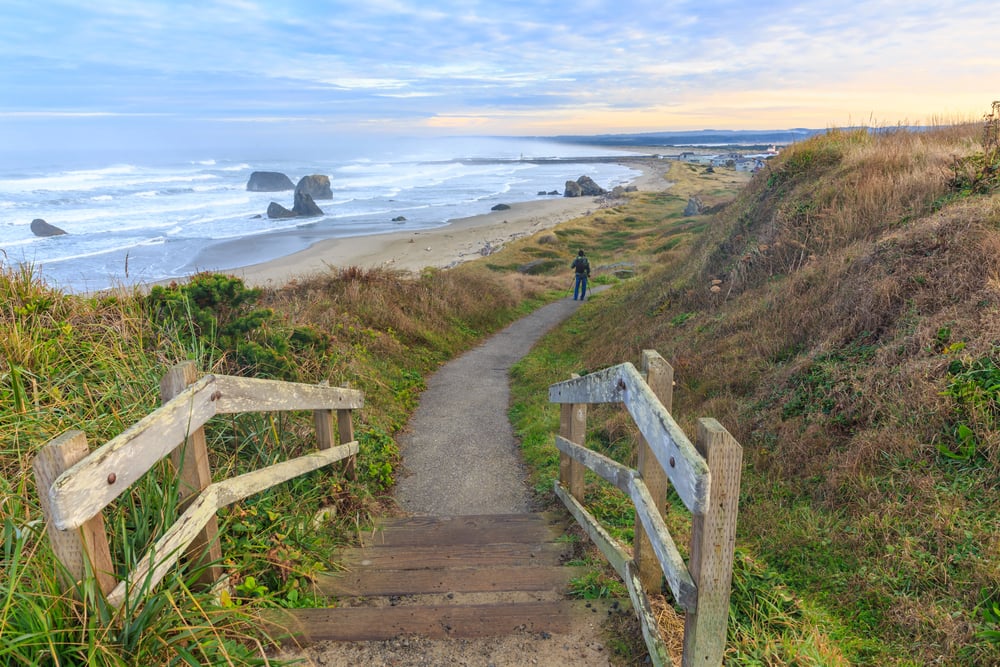
Perched on rocky cliffs where the Coquille River meets the Pacific, Bandon is about as remote as you can get on the Oregon coast. The fishing fleet here battles some of the roughest waters on the West Coast, crossing a treacherous river bar to reach the ocean.
Massive rock formations dot the coastline, and storm watching is a popular winter activity. The town itself is small, with a commercial fishing industry that’s been declining but still holds on.
Crescent City, California
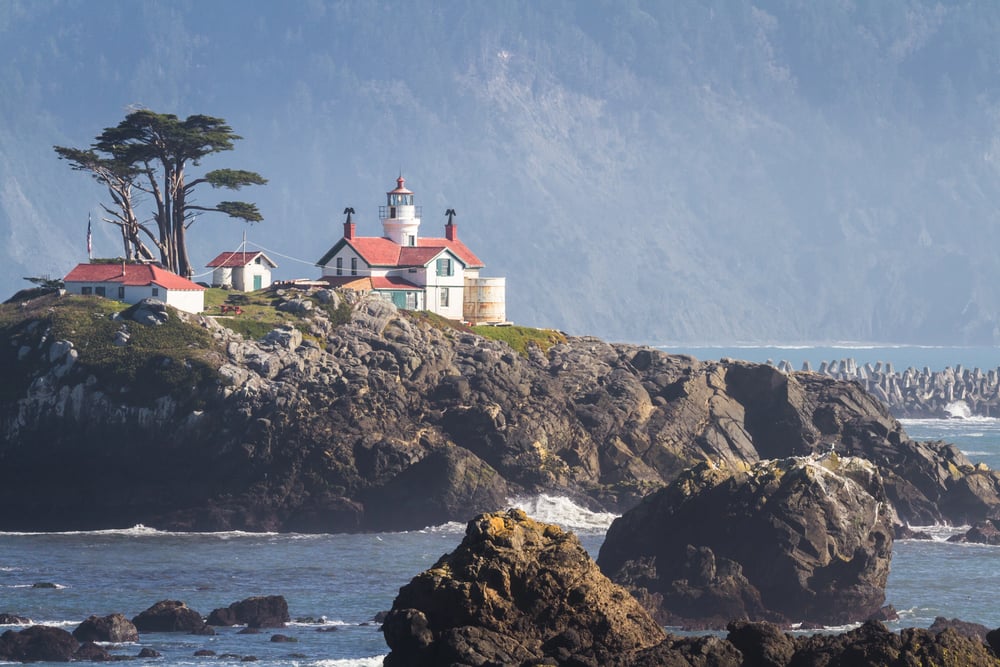
Located near the California-Oregon border, Crescent City sits in the shadow of towering redwood forests. The harbor here is the only deep-water port between San Francisco and Coos Bay, making it an important base for commercial fishing.
A tsunami destroyed much of the waterfront in 1964, and the rebuilt harbor has a utilitarian feel rather than a tourist-friendly polish. Dungeness crab and salmon fishing keep the boats busy, and the town maintains a frontier atmosphere.
Moss Landing, California

This tiny community sits right where Elkhorn Slough cuts through the California coastline about halfway between San Francisco and Los Angeles. The harbor houses a massive commercial fishing fleet, and the smell of the ocean mixes with the cries of sea lions and pelicans.
Two enormous power plant smokestacks dominate the skyline, serving as landmarks visible for miles. Despite being along Highway 1, most tourists speed right past on their way to Monterey or Santa Cruz.
Cordova, Alaska

No roads connect Cordova to the outside world—you can only get here by plane or ferry through stunning Prince William Sound. The fishing fleet here is serious business, with boats pursuing salmon, halibut, and crab in some of Alaska’s richest waters.
Enormous glaciers surround the town, and bears sometimes wander through the streets. The population stays under 2,500 people, and everyone is connected to the fishing industry in some way.
Winter brings heavy snow and isolation, but summer means endless daylight and frantic fishing activity.
Where the Catch Still Matters

These villages prove that authentic coastal communities still exist if you’re willing to venture off the main routes. Each one faces challenges from declining fish stocks, climate change, and economic pressures that make commercial fishing harder every year.
Yet the people in these places persist, maintaining traditions and lifestyles that connect directly to the ocean. Visiting these villages means witnessing a way of life that’s becoming increasingly rare, where the rhythm of the tides still dictates the daily schedule and fresh fish means what was caught that morning.
More from Go2Tutors!

- The Romanov Crown Jewels and Their Tragic Fate
- 13 Historical Mysteries That Science Still Can’t Solve
- Famous Hoaxes That Fooled the World for Years
- 15 Child Stars with Tragic Adult Lives
- 16 Famous Jewelry Pieces in History
Like Go2Tutors’s content? Follow us on MSN.



