Forgotten Silent Film Stars Who Shaped Modern Cinema
Long ago, when movies had no sound at all, some actors made crowds stop breathing just by moving. Without words or flashy tricks, they used only eyes, hands, gestures – nothing more than what skin and bone could show.
Light danced across old reels while these figures spoke louder in silence than most do now with scripts and speakers. Chaplin? Yes, nearly everyone remembers him – but others shaped film too, quietly vanishing behind years like dust on glass.
Their work carved paths through dark rooms where stories later learned to run. Who remembers them now, those early faces flickering on old screens?
Their silence speaks louder than most modern blockbusters ever could.
Lillian Gish
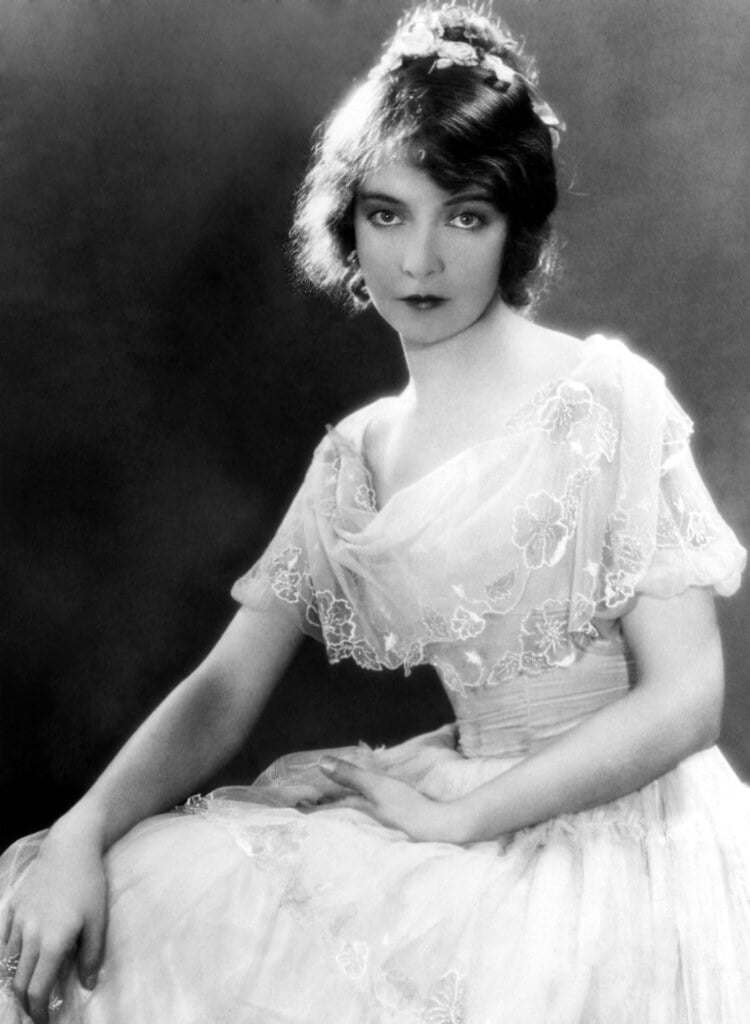
Lillian Gish moved through silent films like a storm barely contained, her face speaking volumes while staying quiet. Working beside D.W. Griffith changed how cameras leaned in on faces to catch meaning.
Her skill remains something current performers examine, drawn to its raw precision. Few have matched the way she let feeling build without uttering a sound.
Buster Keaton

Falling off rooftops was normal for Buster Keaton – no stand-ins, ever. Trains struck him full force, yet he kept moving like nothing happened.
Athletic experts might have turned down those moves, but he just did them anyway. That blank stare? Everyone remembers it now.
Comedy poured out of motion with him, never speeches. Later performers copied how he made silence loud.
Theda Bara

Born in the shadows of early cinema, Theda Bara stepped into roles few dared – sensuous, threatening, unforgettable. Not every story survives; just fragments remain from her forty-plus movies.
A presence like smoke and fire, she shaped what would later be called the femme fatale. Time moves on, yet echoes of her performances linger in modern screens.
Few names from silent film carry such weight.
Harold Lloyd

A clock tower, a dangling figure – most folks see Harold Lloyd there, whether they recognize the name or not. Smiling mid-stunt, he balanced danger so casually it left crowds half-frozen, half-laughing.
That mix of fear and humor? He proved it could share one breath. Modern action-comedy leans on that balance, though few now recall who first held it steady.
Louise Brooks

Few performers carried themselves like Louise Brooks did on camera – her look just clicked, somehow modern before modern meant anything. That bobbed haircut? Sharp.
Memorable. Yet what really stuck was how she moved through scenes without trying too hard, while others overreached.
Back when drama leaned loud and staged, she stayed cool, present, real. Even now, those who study films mention her name when talking about truth in acting – like she slipped into roles instead of playing them.
Lon Chaney

Who else could vanish into roles like Lon Chaney? His nickname – ‘The Man of a Thousand Faces’ – wasn’t just talk.
Each part demanded something new: twisted limbs, layered putty on skin, hours spent warping his own reflection. Not one performance looked like the last.
Behind each change sat raw effort, not luck. Makeup applied by his own hands, bodies shaped through discomfort – he didn’t imitate people, he became them.
Long before others took notice, he was already redefining what acting meant. Watching him move on screen feels like seeing the roots of everything actors try today.
Mabel Normand

Back then, hardly any women in Hollywood got to be funny on screen – Mabel Normand did it all: acted, made people laugh, ran the set. Not only that, she called the shots behind the camera too, shaping stories just how she wanted them.
While most folks now barely mention her name, her mark shows up in nearly every woman who’s ever tried comedy in film.
Emil Jannings

First up, Emil Jannings took home the very first Best Actor Oscar – proof of just how highly folks regarded him back then. A heavy presence on screen, his performances unsettled viewers without trying too hard.
Because of how deeply he dove into roles, later actors shaped their craft around what he did.
Norma Talmadge

Back then, Norma Talmadge stood out – not just popular but powerful. While most women followed orders, she called shots behind the scenes too.
Running her own studio gave her freedom few could touch. Because of that, movies started showing women differently.
With sharp instincts and hands-on work, she opened doors without making speeches about it. Later performers found paths already there because she built them quietly.
Douglas Fairbanks

Flying through scenes without safety nets, Douglas Fairbanks played the daring star his era craved – scaling buildings, vaulting edges, dangling from cords when few dared. Backed by Chaplin, joined by Pickford, he helped launch United Artists so creators could control what they made.
Charm mixed with physical boldness in movie leads? That trail begins squarely with him.
Mary Pickford
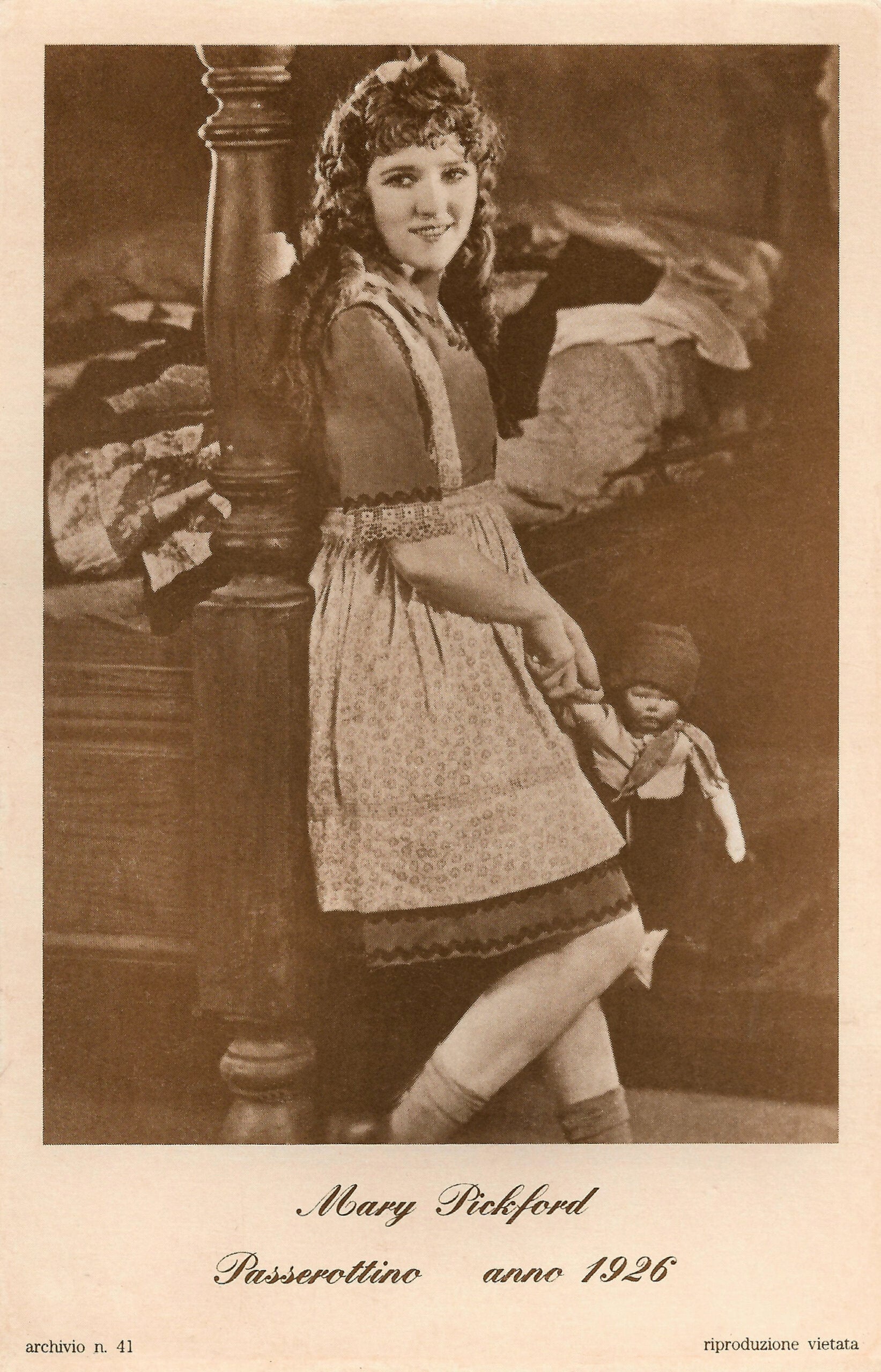
Sweetheart of America they called Mary Pickford, yet behind the charm sat a fierce strategist in old Hollywood. Not just smiles – she hammered out her own deals, step by step.
One of the minds behind United Artists, she helped build it from nothing. Nearly every choice about her movies bore her mark, down to small details.
Power in front of the camera, yes – but control behind it mattered more. Actors running things? She did it years before others caught on.
Conrad Veidt

A hunched figure on screen, Conrad Veidt brought villains to life when silent films ruled. Because of him, shadows stretched longer in horror tales long after his time.
That twisted turn in ‘The Cabinet of Dr. Caligari’? It never really left the cinema. Look closely at any cold stare from today’s antagonists – his mark often lingers beneath.
Florence Lawrence
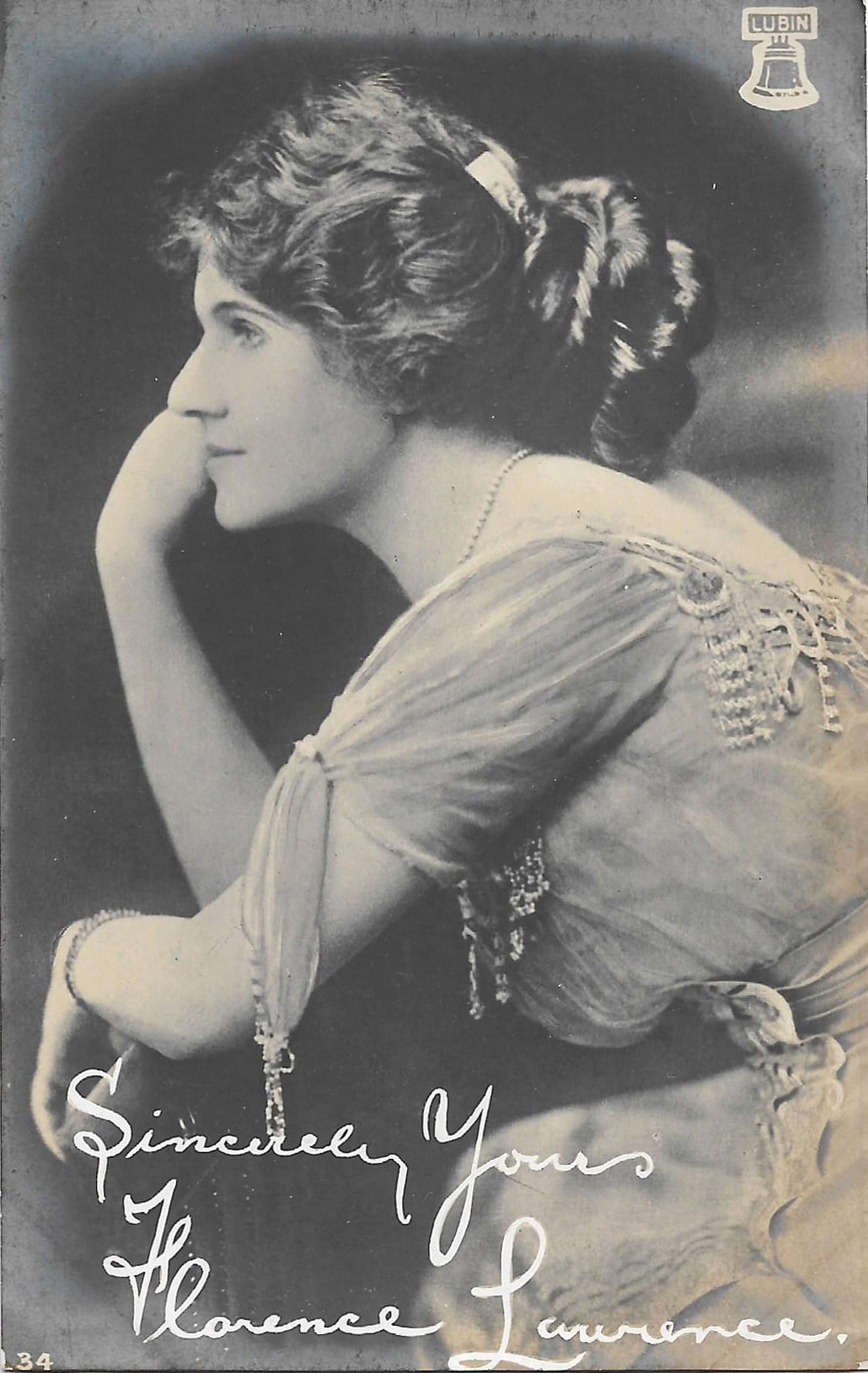
Florence Lawrence – many say she was the very first real movie star. Studios didn’t used to share actor names; people knew only the company behind a picture.
She broke that silence when fans learned who she really was. Once faces had names, everything shifted slowly but surely.
Audiences began caring about performers, not just pictures. Power moved slightly, quietly, toward the people on screen.
Recognition brought weight, presence, and worth.
Max Schreck

Strange how one actor could shift everything. Max Schreck became Count Orlok in ‘Nosferatu,’ back when movies barely spoke.
That version of horror – pale, stiff, drifting through shadows – still shows up on screens now. Instead of shouting or jumping, he just stood there, somehow worse than noise.
Because of him, creeping dread feels familiar. Later villains copy his silence without knowing why.
Asta Nielsen

Before Hollywood caught on, Asta Nielsen, a performer from Denmark, had already drawn crowds throughout Europe. What set her apart wasn’t fame alone – her performances carried weight, emotion rarely seen back then.
Instead of chasing laughs or flash, she stepped into parts full of nuance, tangled feelings. Movies, through her presence, began reflecting life as it unfolded – quiet, intense, true.
Not every story needed noise; hers proved silence could speak volumes.
The Screen Remembers

These performers built cinema from the ground up with nothing but their instincts and their bodies. They figured out, through trial and error, what works on screen and what does not.
The techniques they developed, close-ups, physical comedy, character transformation, and strong screen presence, are the same ones directors and actors still use today. The fact that so few people know their names does not reduce what they gave to the art form.
Every film watched today carries a little piece of their work in it, whether anyone notices or not.
More from Go2Tutors!

- The Romanov Crown Jewels and Their Tragic Fate
- 13 Historical Mysteries That Science Still Can’t Solve
- Famous Hoaxes That Fooled the World for Years
- 15 Child Stars with Tragic Adult Lives
- 16 Famous Jewelry Pieces in History
Like Go2Tutors’s content? Follow us on MSN.



