Most Expensive Toys from Your Childhood
There’s a specific kind of memory that hits you when you walk through a toy aisle as an adult — the price tags. Suddenly you realize your parents either loved you very much or had remarkably poor financial judgment.
Some of the toys from the 80s, 90s, and early 2000s weren’t just fun. They were genuinely expensive, and most kids who got them had no idea at the time.
Here’s a look back at the ones that really cost something.
Power Wheels
This one probably cleared out a significant chunk of someone’s savings account. A Power Wheels vehicle — the kind you actually sat in and drove around the yard — retailed anywhere from $200 to over $400 depending on the model.
The Jeep versions, the Barbie Corvette, the Harley-Davidson motorcycle — these were full-on status symbols in suburban neighborhoods. If you had one, you were the kid everyone wanted to visit on weekends.
The battery died within 20 minutes, and it topped out at about 5 mph, but none of that mattered at the time.
The Barbie Dream House
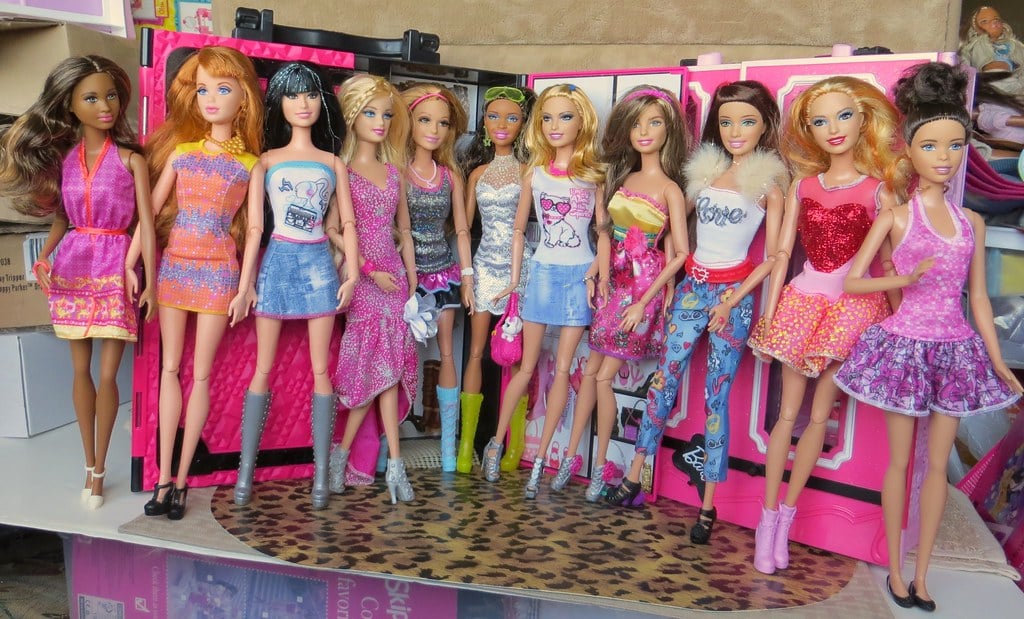
This wasn’t just a dollhouse. It was a three-story, multi-room, fully furnished property that Barbie apparently owned outright at the age of whatever she’s supposed to be. The deluxe versions in the 90s sold for well over $100, and the ones with working elevators pushed that number higher.
Parents who bought this were essentially constructing a real estate portfolio for a plastic doll. And yet, it remained one of the most requested items on holiday wish lists for decades.
American Girl Dolls
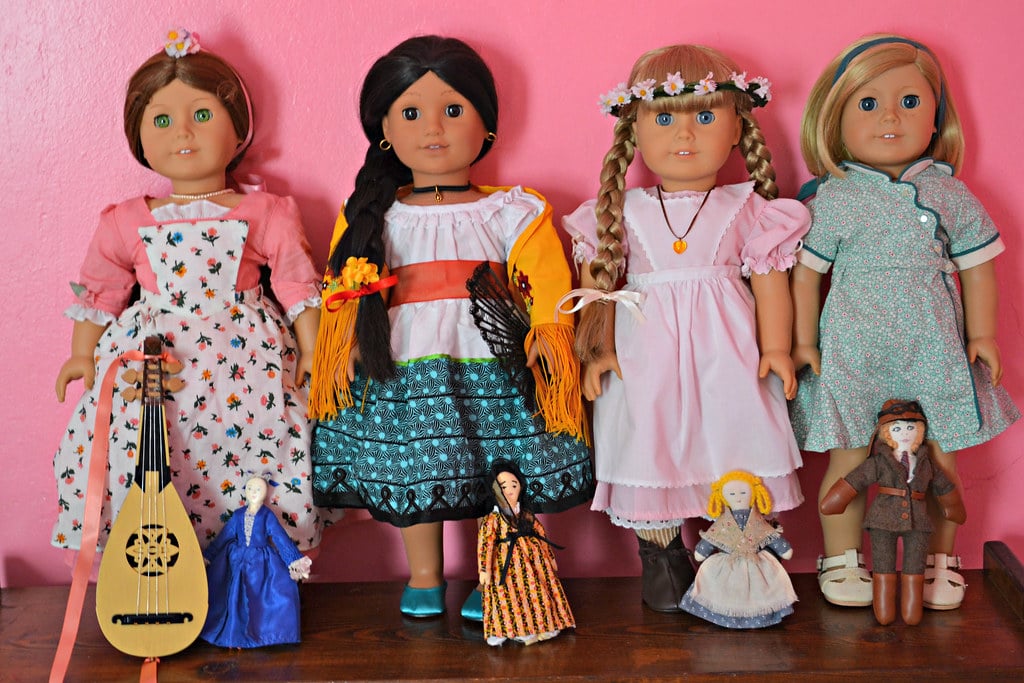
The doll itself was around $100. Then came the furniture, the accessories, the matching outfits for you and the doll, the books, the haircare kit — and suddenly the total was somewhere that made adults close the catalog and sit quietly for a moment.
American Girl built an entire world around these dolls, and it worked. Each character had her own backstory, her own historical era, her own collection of things you absolutely had to have.
The Pleasant Company knew exactly what they were doing.
Nintendo 64
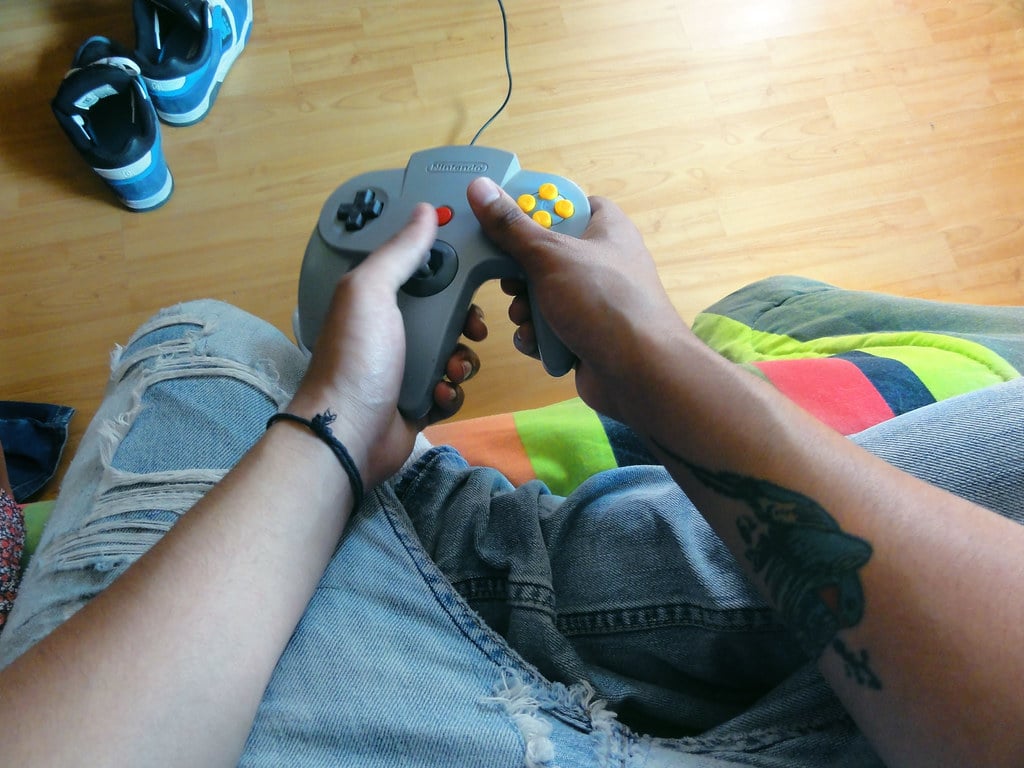
When the N64 launched in 1996, it sold for $199.99. That’s roughly $380 in today’s money.
Add a second controller and a couple of games, and you were easily past $300 at the register. It was a massive ask for most families, which is why so many kids only ever got one at a birthday or during the holidays.
The games themselves weren’t cheap either. GoldenEye, Super Mario 64, The Legend of Zelda: Ocarina of Time — each one around $60 at launch.
Furby

The original Furby debuted in 1998 at about $35, which was already steep for something that was essentially a battery-powered owl. But supply ran short fast, and that’s when things got interesting.
Resellers were flipping them for $100, $150, sometimes more during the holiday rush. It talked.
It learned words. It stared at you from the shelf with those mechanical eyes.
And parents paid whatever it took to get one under the tree.
LEGO Millennium Falcon
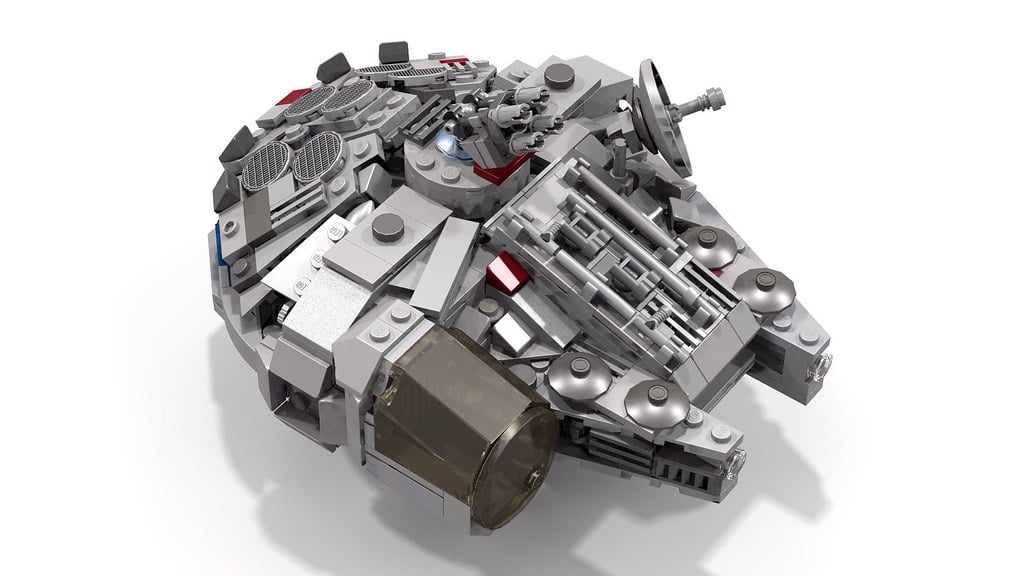
Not every LEGO set qualifies here — a basic small set was pretty affordable. But the big ones, particularly anything from the Star Wars line, were in a different category entirely.
The Millennium Falcon that came out in 2007 had over 5,000 pieces and retailed at $499.99. Even the mid-tier sets — the Hogwarts Castle, the Death Star, the massive city playsets — regularly ran $100 to $200.
Building these things took days. Stepping on the pieces took one unlucky second.
Easy-Bake Oven
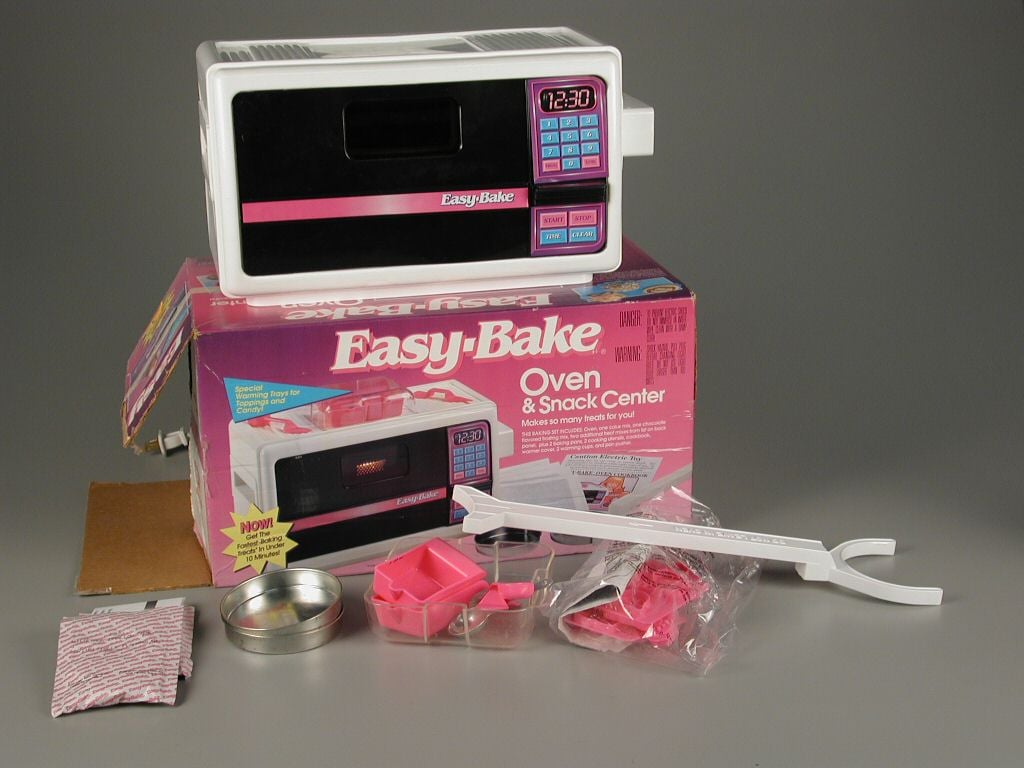
The Easy-Bake Oven seemed simple enough: a toy oven that used a light bulb to bake tiny cakes. But the base model in the 90s cost around $40, and the refill kits for the mixes added up quickly.
It wasn’t a one-time purchase — it was a subscription you didn’t know you’d signed up for. The cakes were about the size of a silver dollar and tasted mostly like warm batter.
None of that stopped it from being one of the most beloved toys of its generation.
Tamagotchi

When Tamagotchi arrived in the late 90s, it sold for around $15 to $20. That’s not eye-watering on its own, but the demand completely outpaced supply and the secondary market went wild.
Some were selling for double or triple the retail price. The real cost, though, was emotional.
These digital pets died if you forgot to feed them. Kids were sneaking them into school, waking up at night to check on them, and experiencing genuine distress when the screen showed a tiny ghost.
No toy under $20 has ever caused so much anxiety.
Remote Control Cars (the real ones)
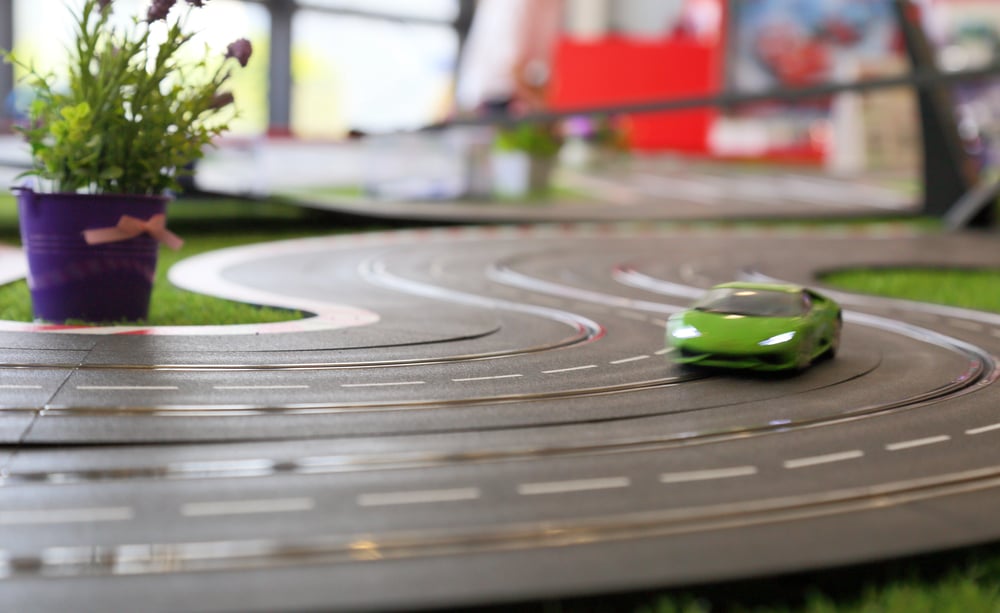
There were two kinds of remote control cars growing up: the cheap plastic ones that ran on AA batteries and the serious ones. The serious ones — Traxxas, HPI Racing, Associated RC — were gas-powered or high-performance electric, and they ran anywhere from $150 to several hundred dollars.
They also required maintenance, spare parts, and a certain level of mechanical patience. These weren’t really toys so much as scale motorsports equipment.
The kids who had them usually had dads who were equally obsessed.
Original Game Boy
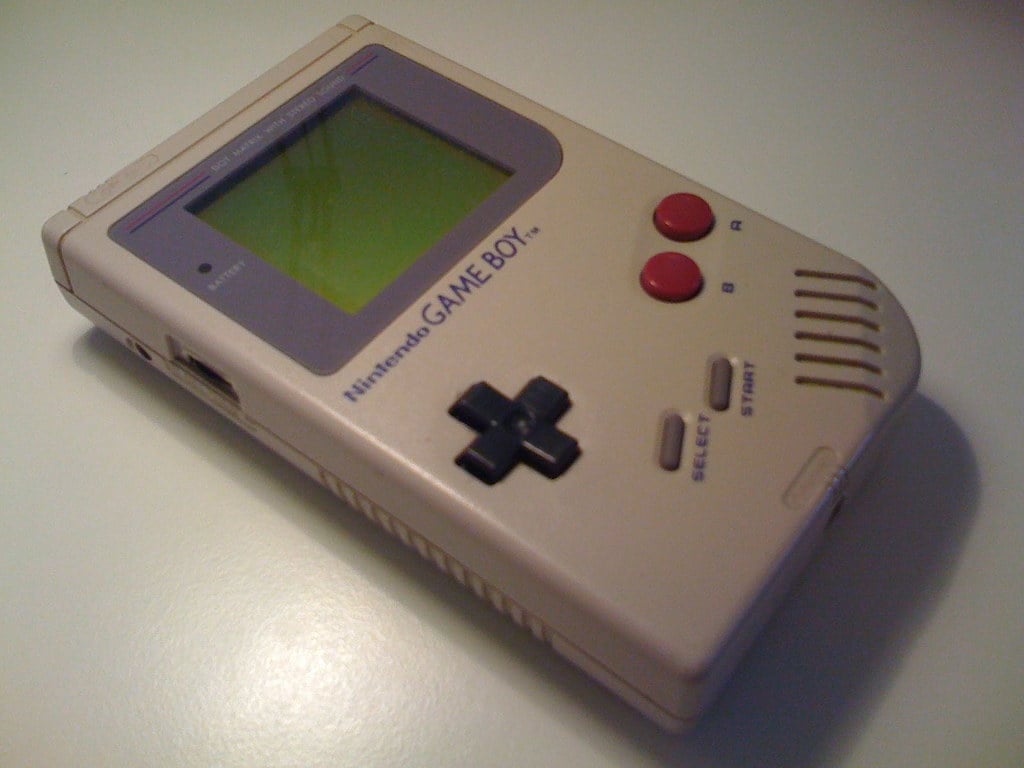
The original Game Boy launched in 1989 at $89.99 — equivalent to around $230 today. It was grey, it was blocky, and the screen was impossible to see in low light.
None of that mattered. It was portable gaming, and that was something new.
Games ran about $25 to $35 each, so building a collection got expensive fast. Tetris came bundled in. Everything else was extra.
Stretch Armstrong
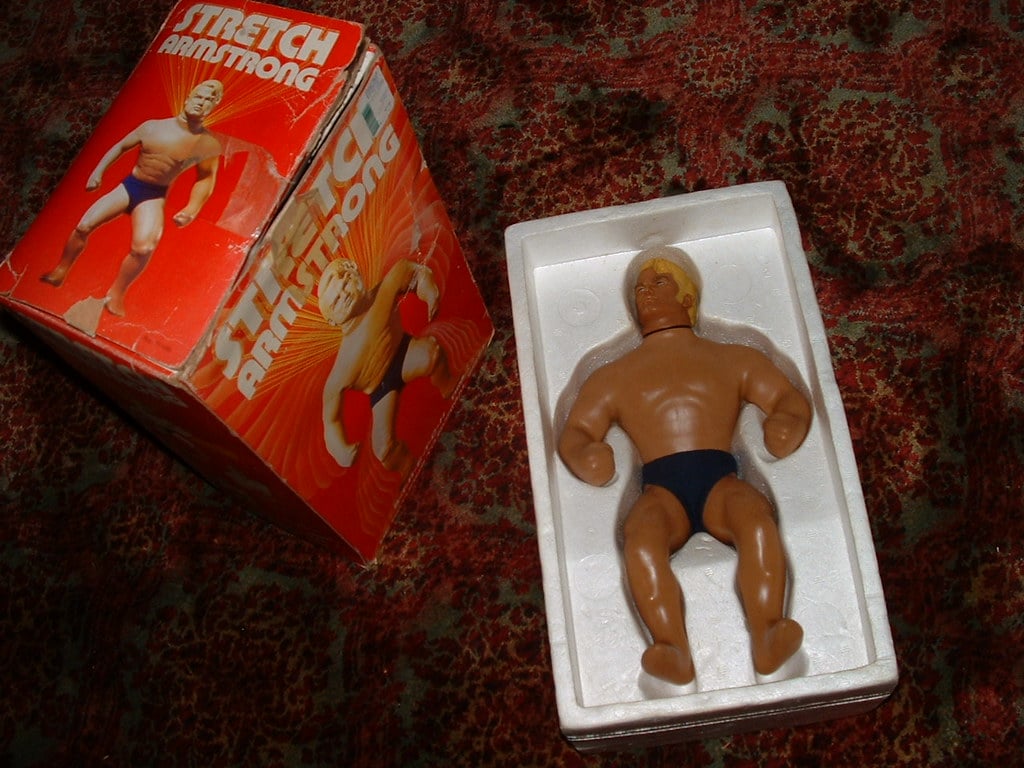
Stretch Armstrong wasn’t outrageously priced — usually between $20 and $30 — but the combination of its novelty and its tendency to eventually tear made it one of those toys parents regretted buying. The gel inside was corn syrup.
When the figure finally split open after too much stretching, cleanup was unpleasant. The real version that kids actually wanted was the original from the 70s and 80s.
When Hasbro revived it later, the price had climbed, and collectors who still had intact originals were sitting on surprisingly valuable items.
Hot Wheels Track Sets
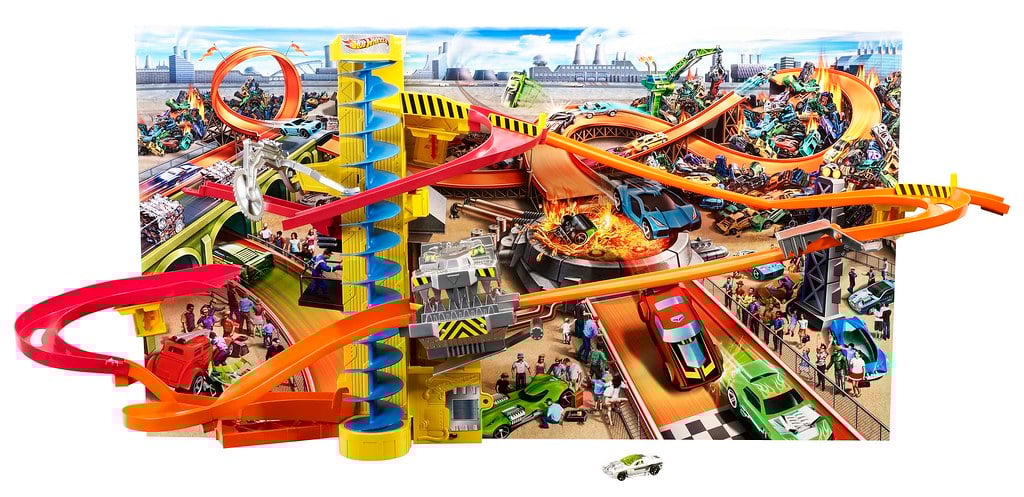
One tiny Hot Wheels vehicle didn’t take much money. Yet once you started adding tracks – those tall loops, automatic shooters, ramps that used falling speed – they piled on fast.
Full kits from the 90s? They sat right around fifty to a hundred bucks. Meanwhile, each little car came in its own separate package.
Starting at one wall, the whole track stretched clear across the living room, taking up most of the floor. Getting it laid out meant giving up space, time, whatever else came first that afternoon.
Each piece clicked together slowly, not fast, while grownups stepped carefully around corners. Once down, it stayed there, in the way until evening came.
Razor Scooters
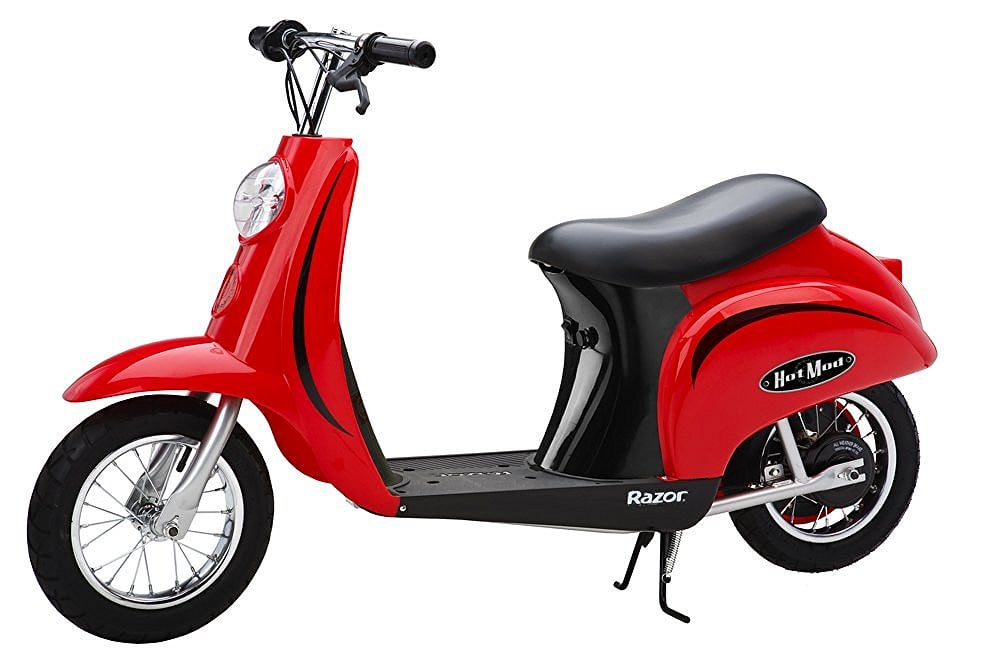
Back in 2000, Razor scooters showed up priced near a hundred bucks – high for a ride that didn’t even have an engine. Yet everyone wanted one.
Stores couldn’t keep them on shelves. Once gone, secondhand sellers charged way more than the original cost.
Suddenly owning one meant status among local kids. Two years later, costs fell fast – suddenly they filled every store.
That first winter though, just spotting one felt like luck more than shopping.
Cabbage Patch Kids

Back then, nobody expected the chaos that came with those little cabbage dolls. Around twenty-one bucks was the price tag at regular shops.
Yet shelves stayed empty almost right away. People who wanted them started pushing each other near the toy section.
Outside official stores, resellers asked for way more – up to two hundred dollars in some cases. A fresh set of papers waited inside each box, naming its new owner.
Not a sale, but an act of taking in – that idea caught on fast. People respond just like they always do when something feels real.
The rush proved it mattered.
The Price Your Parents Never Told You About
Back then, those toys rarely came with talks about price tags. Maybe your folks figured out how to afford them, or slipped different things into your pile without saying why.
If someone handed over the expensive stuff, chances are they kept the effort behind it completely hidden. A toy car sitting outside, a playhouse tucked by the wall, a game machine waiting beneath holiday lights – someone covered every cost.
Most likely, they never said a word about it.
More from Go2Tutors!

- The Romanov Crown Jewels and Their Tragic Fate
- 13 Historical Mysteries That Science Still Can’t Solve
- Famous Hoaxes That Fooled the World for Years
- 15 Child Stars with Tragic Adult Lives
- 16 Famous Jewelry Pieces in History
Like Go2Tutors’s content? Follow us on MSN.