Bizarre Secret Ingredients Found in the World’s Most Popular Foods
Ever read the ingredients list on your favorite snack and wonder what exactly “natural flavoring” means? The food industry has mastered the art of making ordinary ingredients sound mysterious while hiding some genuinely strange components in plain sight. From beetle-derived colors to wood pulp fillers, the foods sitting in your pantry right now contain ingredients that would make most people do a double take.
The truth is, many of these additives are perfectly safe and have been used for decades. But knowing what’s actually in your food might change how you think about that morning donut or afternoon candy bar.
Beaver Glands in Vanilla Flavoring

Castoreum comes from the castor glands of beavers. Food manufacturers use it to enhance vanilla and raspberry flavors.
The FDA classifies it as “generally recognized as safe.” Most people have probably consumed it without knowing.
It shows up in ice cream, baked goods, and candies labeled as having “natural flavoring.”
Wood Pulp in Shredded Cheese
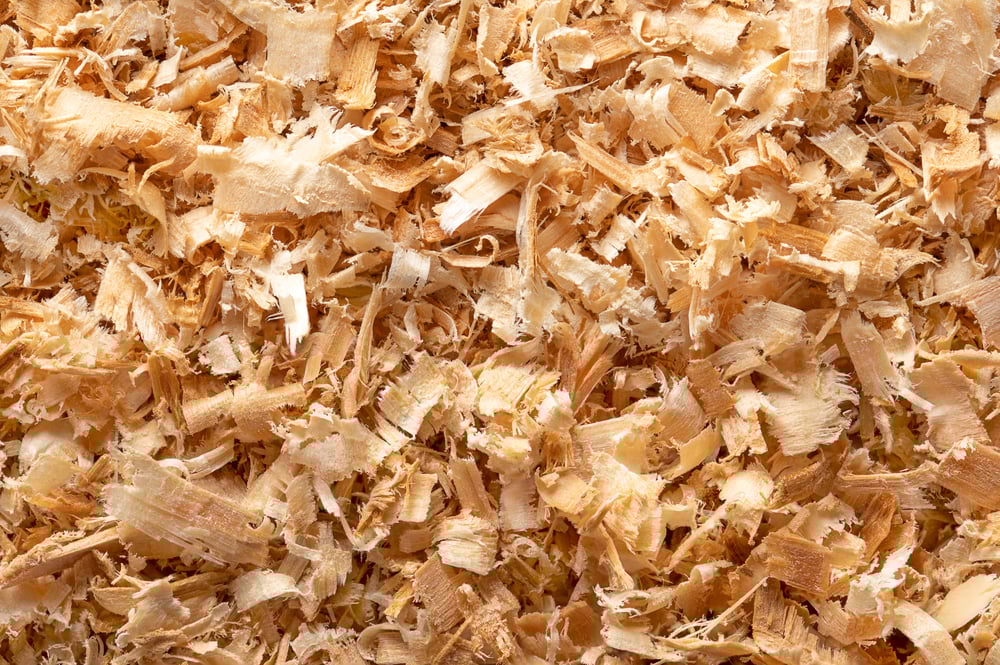
Cellulose prevents pre-shredded cheese from clumping together in the bag. It’s essentially wood pulp that’s been processed and refined.
Major cheese brands add it to keep those convenient shredded varieties flowing freely. The ingredient appears on labels as “cellulose” or “powdered cellulose.”
Fast food chains use it in their pizza cheese, and it’s standard in most bagged cheese products at grocery stores.
Crushed Beetles for Red Color

There’s something almost theatrical about how the food industry transforms insects into everyday ingredients — carmine, extracted from cochineal beetles, becomes the vibrant red that makes strawberry yogurt look so appealing, the crimson that gives certain lipsticks their allure, the rich hue that makes some fruit punch look like liquid rubies. The beetles get crushed, boiled, and processed until what remains is a concentrated dye that’s been coloring food for centuries (long before synthetic alternatives existed, indigenous peoples in South America were using these same insects to dye textiles).
And yet most people consuming it have never connected that bright red Skittle to its six-legged origins. The process itself is oddly meticulous: it takes roughly 70,000 beetles to produce just one pound of dye.
Something about that ratio makes the whole enterprise feel both industrious and slightly absurd.
Human Hair in Bread

L-cysteine improves the texture and shelf life of commercial bread. The amino acid often comes from human hair, though synthetic versions exist.
Chinese hair salons and barbershops have historically been major suppliers. Burger chains, sandwich shops, and packaged bread manufacturers rely on it to keep their products soft and pliable.
The ingredient shows up on labels simply as “L-cysteine” with no indication of its source. Pizza dough gets the same treatment.
Sheep Wool Wax on Gum
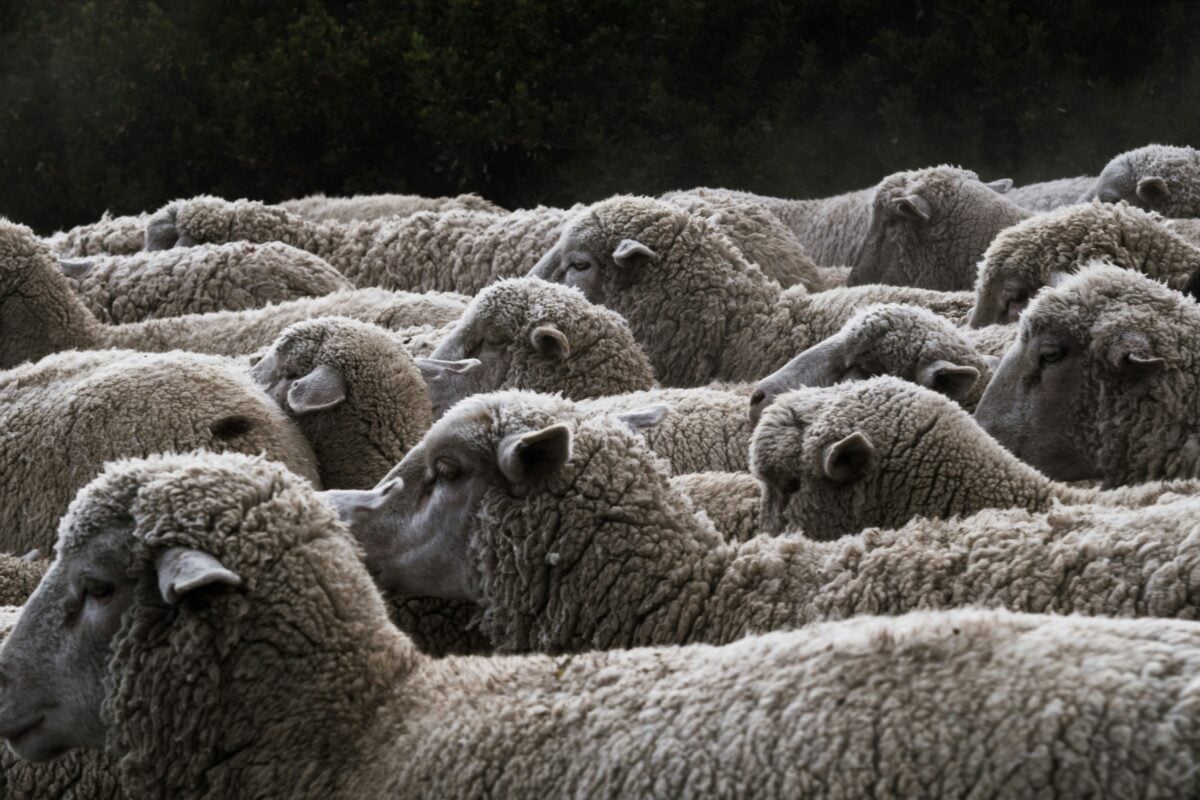
Lanolin keeps chewing gum soft and gives it that satisfying chew. Extracted from sheep’s wool, it’s the same waxy substance that waterproofs their fleece.
Gum manufacturers have used it for decades. The ingredient rarely appears by name on packaging. Instead, it hides under “gum base” or “softening agents.”
Major gum brands rely on it for texture.
Sand in Seasoning Salt

Silicon dioxide prevents clumping in powdered foods. It’s essentially purified sand that keeps salt, spices, and powdered mixes flowing smoothly.
Restaurant seasoning blends contain it regularly. The stuff shows up in garlic powder, onion salt, and those little packets that come with instant ramen.
Coffee creamers use it too. Any powdered food that pours easily probably contains some form of processed sand.
Fish Bladders in Beer
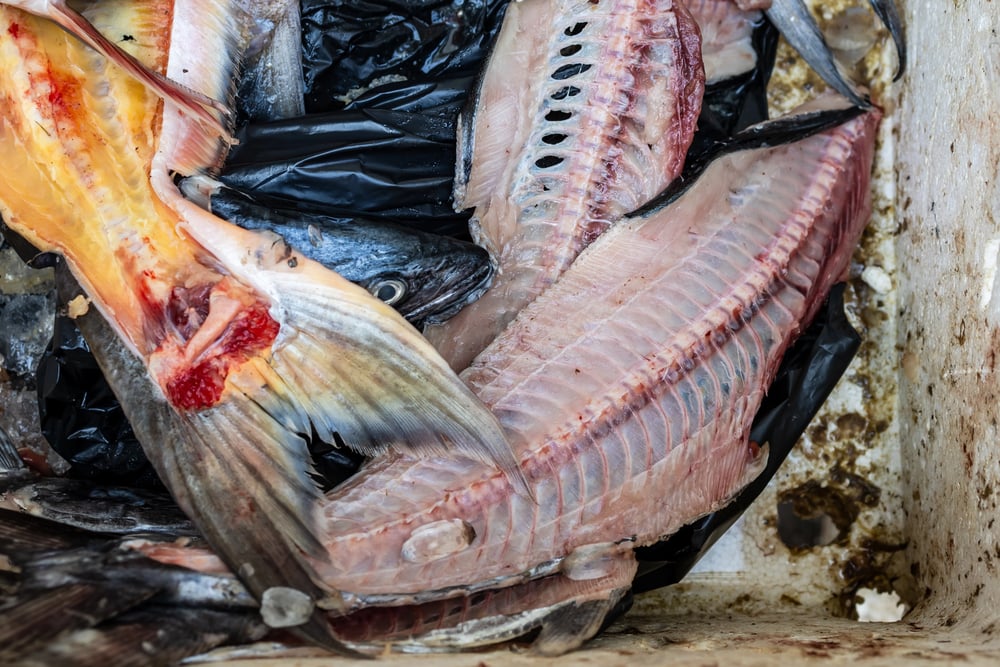
There’s an odd poetry to the way isinglass — dried fish bladders — clarifies beer, the way this remnant of something that once helped fish navigate underwater depths now settles yeast and proteins in fermentation tanks, leaving behind liquid so clear it seems to have forgotten its murky beginnings. Brewers have relied on this filtration method for centuries, and the bladders (usually from sturgeon) work with an efficiency that synthetic alternatives struggle to match. The process strips away cloudiness the way morning fog lifts from water, except what remains isn’t just clear — it’s commercially perfect.
Even craft breweries, despite their emphasis on natural ingredients, often use isinglass without mentioning it prominently. The bladders dissolve completely during filtration, leaving no physical trace behind, just clarity.
Traditional British ales almost universally use this method. The fish bladders create a brightness that consumers expect, even if they don’t know how it’s achieved.
Shellac from Insects on Candy
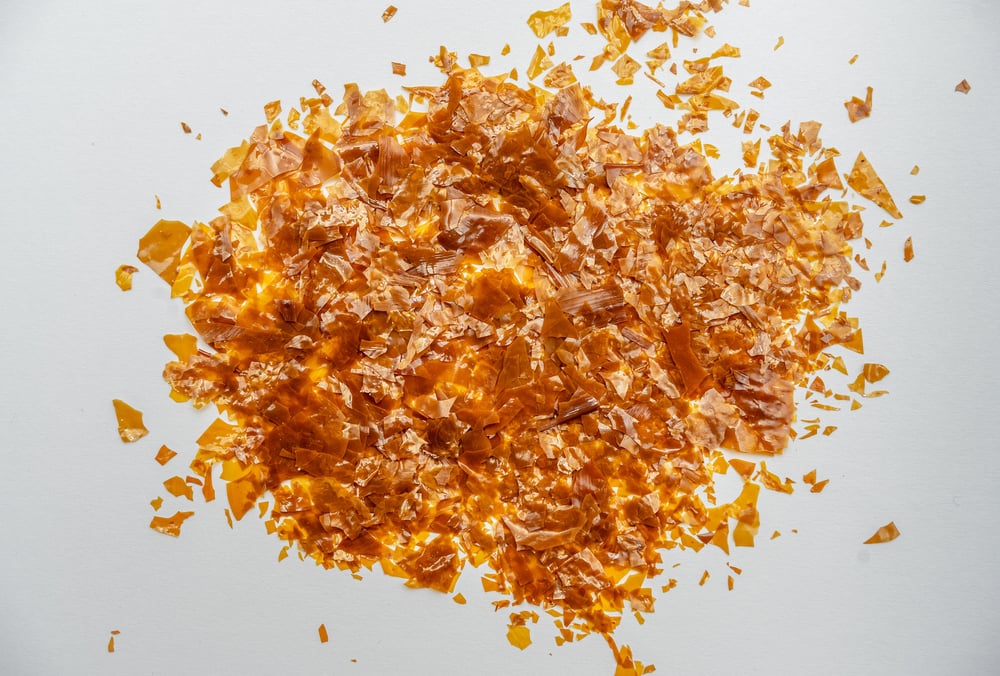
Confectioner’s glaze gives candy that glossy, appetizing shine. It’s made from lac beetles that secrete resinous substances on trees in Asia.
The same material gets refined into wood furniture polish. Jelly beans, chocolate-covered nuts, and gummy candies get coated with it.
The glaze appears on ingredient lists as “confectioner’s glaze” or “pharmaceutical glaze.” Candy manufacturers prefer it because it creates a perfect, uniform shine that synthetic alternatives can’t match.
Titanium Dioxide for Whiteness
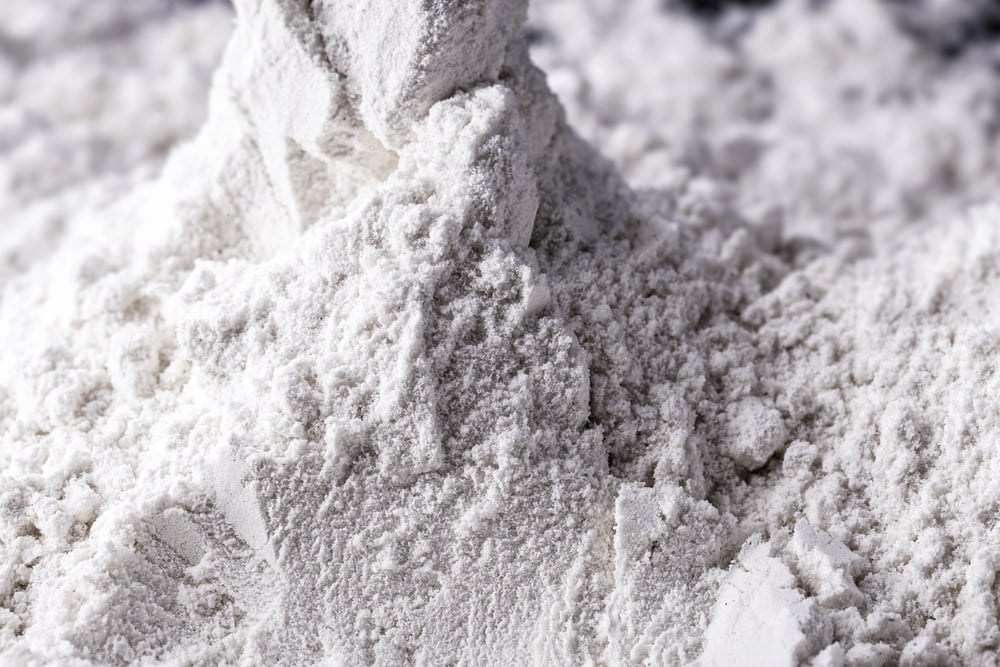
Titanium dioxide makes foods whiter and more visually appealing. The same chemical compound appears in paint, sunscreen, and toothpaste.
Food manufacturers add it to everything from salad dressing to powdered sugar. Coffee creamers depend on it for that pristine white color.
Vanilla pudding gets its clean appearance from titanium dioxide. Even some white chocolate contains it to enhance the color.
The ingredient shows up in ranch dressing, mayonnaise, and countless other products where whiteness signals freshness.
Coal Tar Dyes in Processed Foods
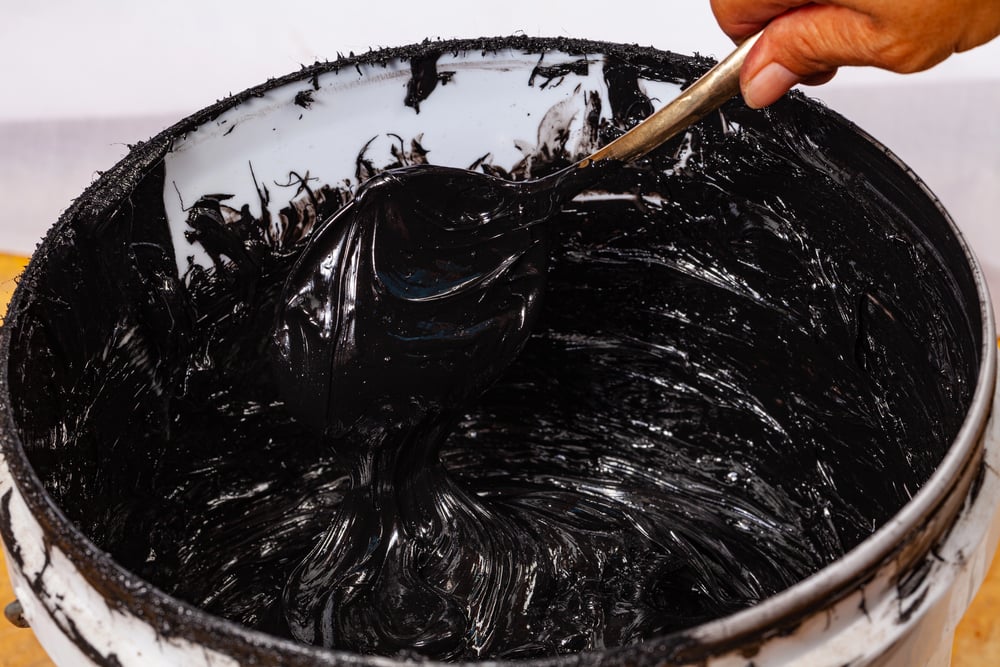
Artificial food coloring has questionable origins, and the most common dyes trace back to coal tar derivatives. These petroleum-based colorants create the bright blues, reds, and yellows that make processed foods so visually striking.
The colors have numbers instead of appealing names — Red Dye #40, Yellow #6, Blue #1. Sports drinks, breakfast cereals, and fruit snacks rely on these synthetic dyes.
Many countries have banned or restricted them, but they remain standard in American food production.
Propylene Glycol in Salad Dressing
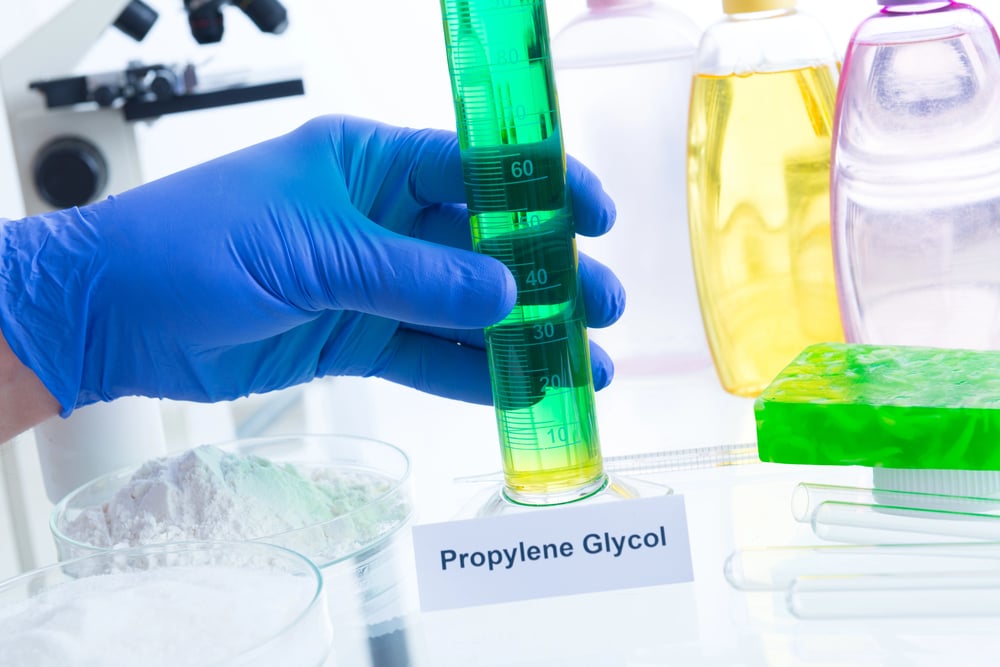
The same stuff that prevents ice crystals in antifreeze keeps salad dressings smooth and pourable (though food-grade versions are refined differently, the base chemical remains identical). Propylene glycol maintains consistency in processed foods, preventing separation and extending shelf life in ways that natural emulsifiers simply can’t match.
And it’s everywhere: cake mixes rely on it for moisture retention, flavored syrups use it as a carrier for artificial flavors, even some ice creams contain it to prevent that unpleasant crystalline texture that forms during temperature fluctuations. So your Caesar salad and your car’s cooling system have more in common than anyone really wants to think about.
The FDA considers it safe in food applications, and the concentrations used are significantly lower than industrial applications. But it’s still the same chemical compound that keeps engines from freezing.
Aluminum in Baking Powder
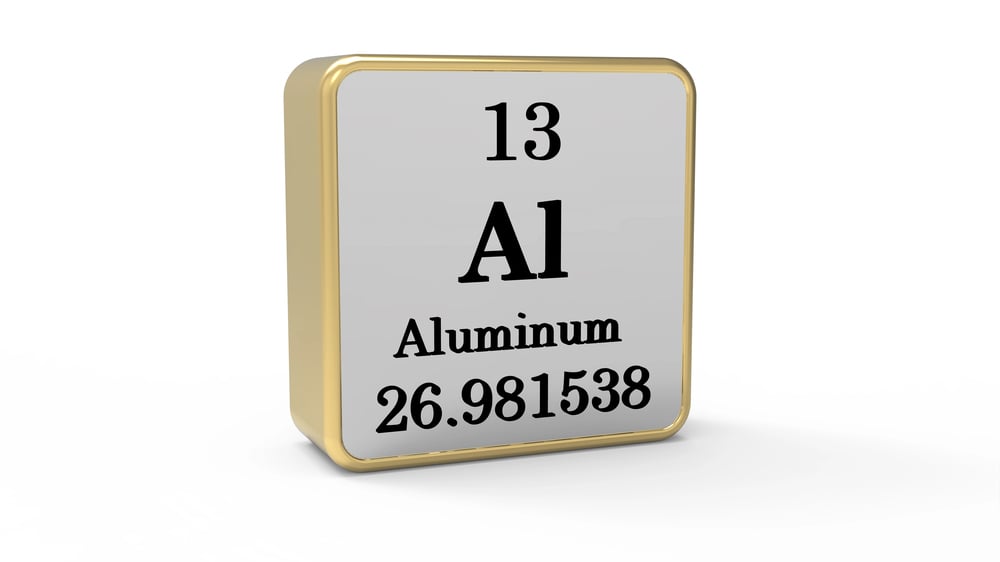
Sodium aluminum phosphate makes baked goods rise properly. Most commercial baking powders contain aluminum compounds that activate when heated.
Home bakers often don’t realize their fluffy pancakes and muffins depend on metal. The aluminum shows up in cake mixes, pancake batters, and anything that needs reliable leavening.
Some brands advertise “aluminum-free” alternatives, but standard baking powder contains it as a primary ingredient. Restaurant baked goods almost universally use aluminum-based leavening agents.
Borax in Caviar
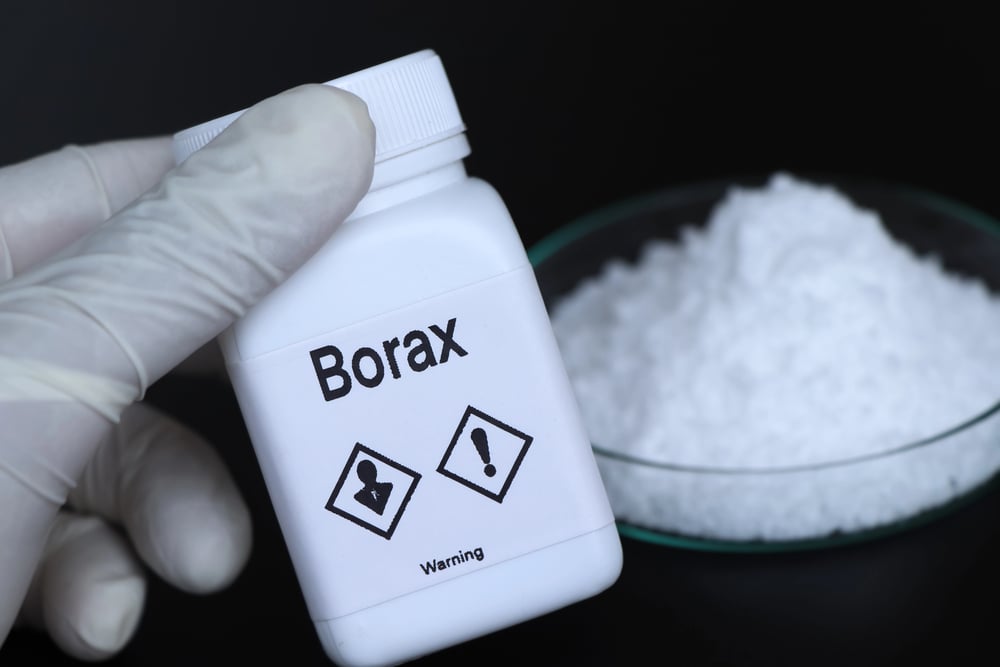
Boric acid is used to preserve certain types of imported caviar and traditionally helped preserve fish eggs during transport. However, boric acid and borax compounds are now restricted or banned for food use in most countries, including the FDA (United States) and EU, due to toxicity concerns.
High-end restaurants serve caviar that’s been treated with boric acid. The preservative prevents spoilage without affecting taste, though several countries restrict its use in food.
Imported caviar often contains trace amounts that remain from processing.
The Kitchen Chemistry Most People Never Consider
Food production operates like an invisible laboratory where chemistry meets consumer expectations. The ingredients that sound alarming often serve essential functions — preservation, texture, appearance — that make modern food distribution possible.
Understanding what goes into processed foods doesn’t necessarily mean avoiding them, but it does mean making informed choices about what feels acceptable for your own table.
More from Go2Tutors!

- The Romanov Crown Jewels and Their Tragic Fate
- 13 Historical Mysteries That Science Still Can’t Solve
- Famous Hoaxes That Fooled the World for Years
- 15 Child Stars with Tragic Adult Lives
- 16 Famous Jewelry Pieces in History
Like Go2Tutors’s content? Follow us on MSN.