Amazing Facts About the Hidden World of Insects
Insects are everywhere. They’re crawling under leaves, flying through the air, and hiding in places most people never look.
There are more insects on Earth than any other type of animal, yet most folks barely notice them unless one lands on their lunch. But the insect world is way more interesting than people give it credit for.
These tiny creatures have been around for over 400 million years, surviving everything from ice ages to asteroid impacts. They’ve developed some of the wildest abilities and behaviors in nature.
So what makes the insect world so incredible? Here are some facts that might change how you see these small but mighty creatures.
Ants can lift 50 times their own body weight
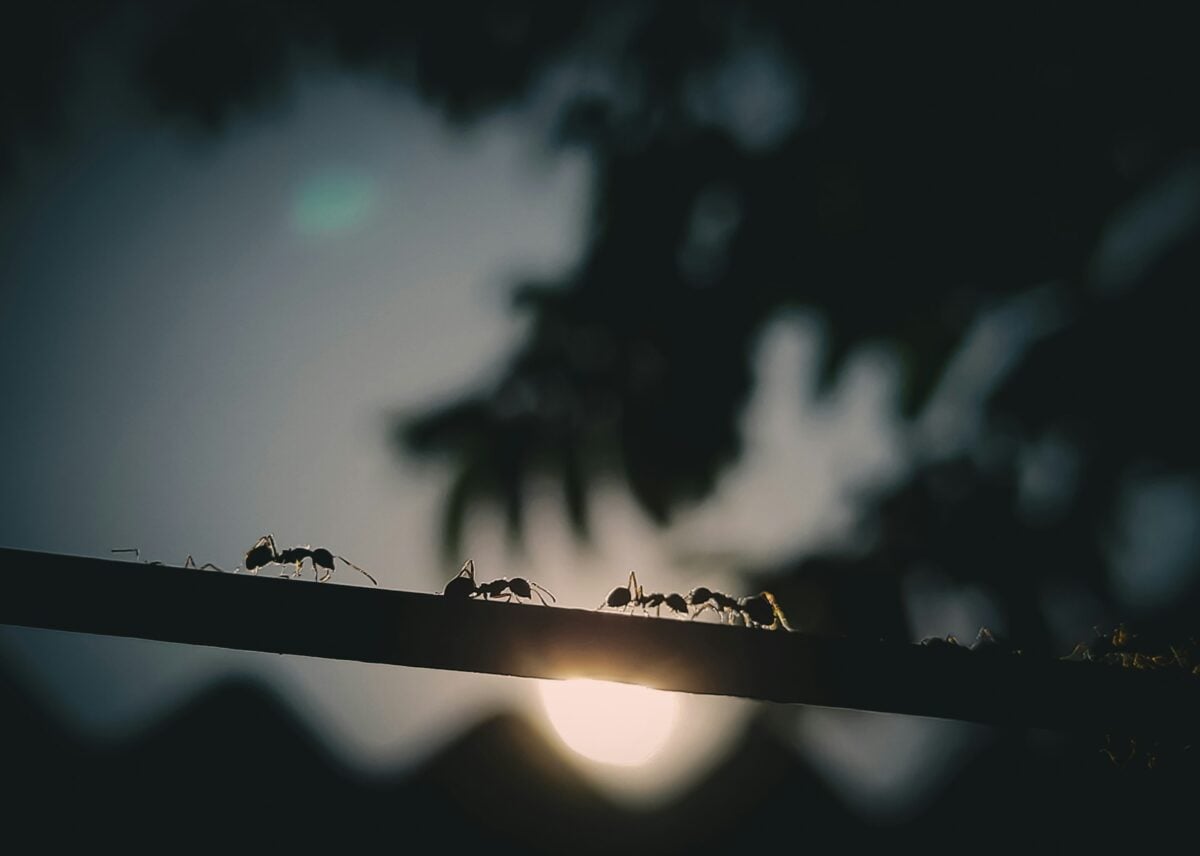
An ant weighing a fraction of a gram can carry objects that would be like a human lifting a car. Their strength comes from their tiny size and how their muscles work.
Smaller creatures have a better strength-to-weight ratio because their muscles don’t have to support as much body mass. Ants use this power to haul food back to their colonies, sometimes working together to move things even heavier.
Butterflies taste with their feet
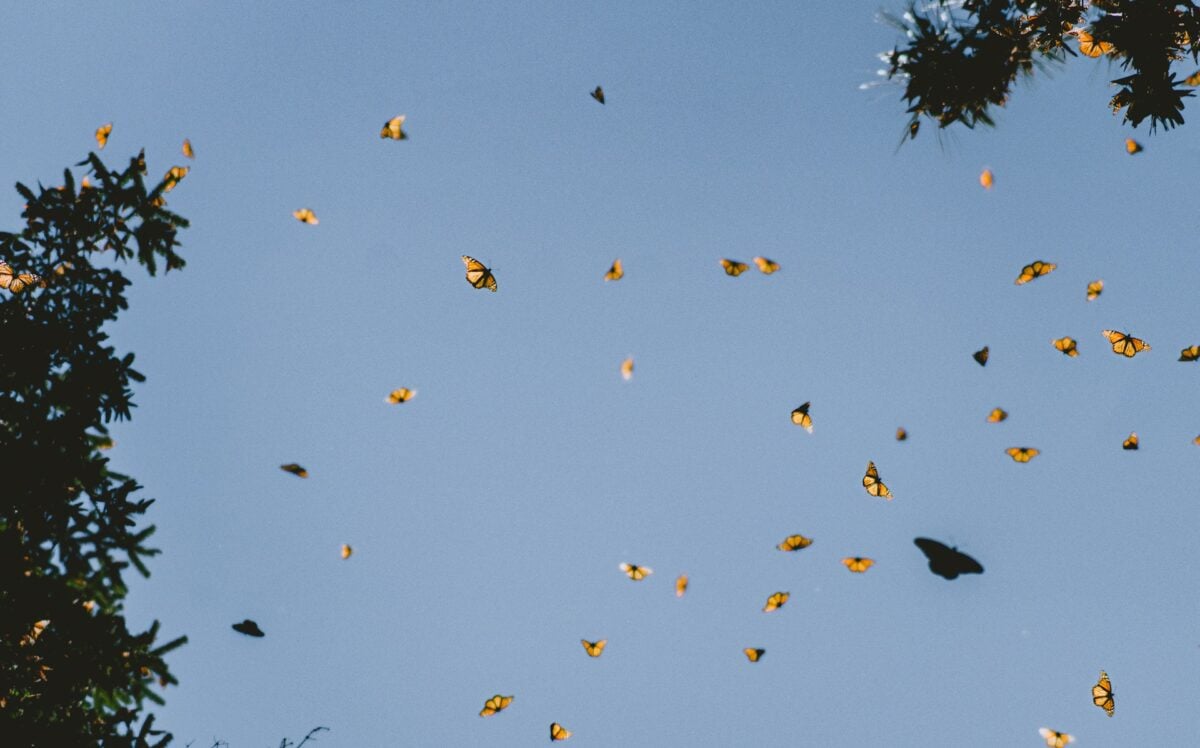
When a butterfly lands on a flower or leaf, it’s actually tasting it with special sensors on its feet. This helps them figure out if a plant is good for laying eggs or if the flower has nectar worth drinking.
The taste receptors work instantly, giving the butterfly information before it even unfurls its tongue. Female butterflies are especially picky because they need to find exactly the right plant for their caterpillars to eat later.
Like Go2Tutors’s content? Follow us on MSN.
Dragonflies catch their prey with a 95% success rate

Most predators are lucky to catch half of what they hunt, but dragonflies are incredibly efficient killers. They calculate the flight path of their prey, predict where it will be, and intercept it mid-air with shocking accuracy.
Their huge eyes can see in almost every direction at once, and their four wings can move independently for quick maneuvers. Dragonflies hunt other flying insects like mosquitoes and flies, snatching them right out of the air.
Honeybees can recognize human faces

Scientists tested this by training bees to associate certain human faces with sugar water rewards. The bees learned to fly toward the correct face even when given multiple options.
They don’t see faces the way humans do, but they recognize the pattern and features well enough to tell people apart. This ability probably evolved to help them remember specific flowers and navigate back to their hive.
Termites never sleep for their entire lives
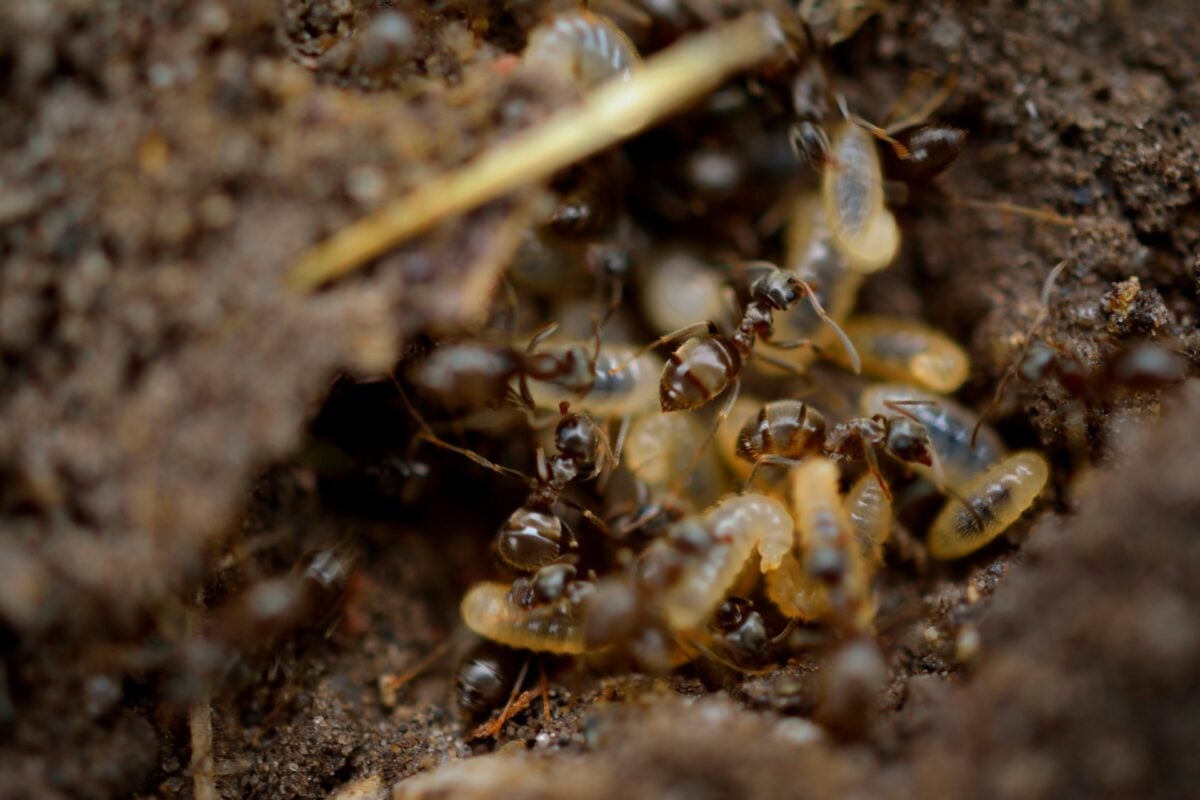
From the moment a termite is born until it dies, it never stops working and never takes a nap. These insects are constantly eating wood, building tunnels, or tending to their colony 24 hours a day.
Scientists have monitored them around the clock and never observed anything resembling sleep behavior. How they function without rest remains somewhat mysterious.
Like Go2Tutors’s content? Follow us on MSN.
Mosquitoes are the deadliest animals to humans
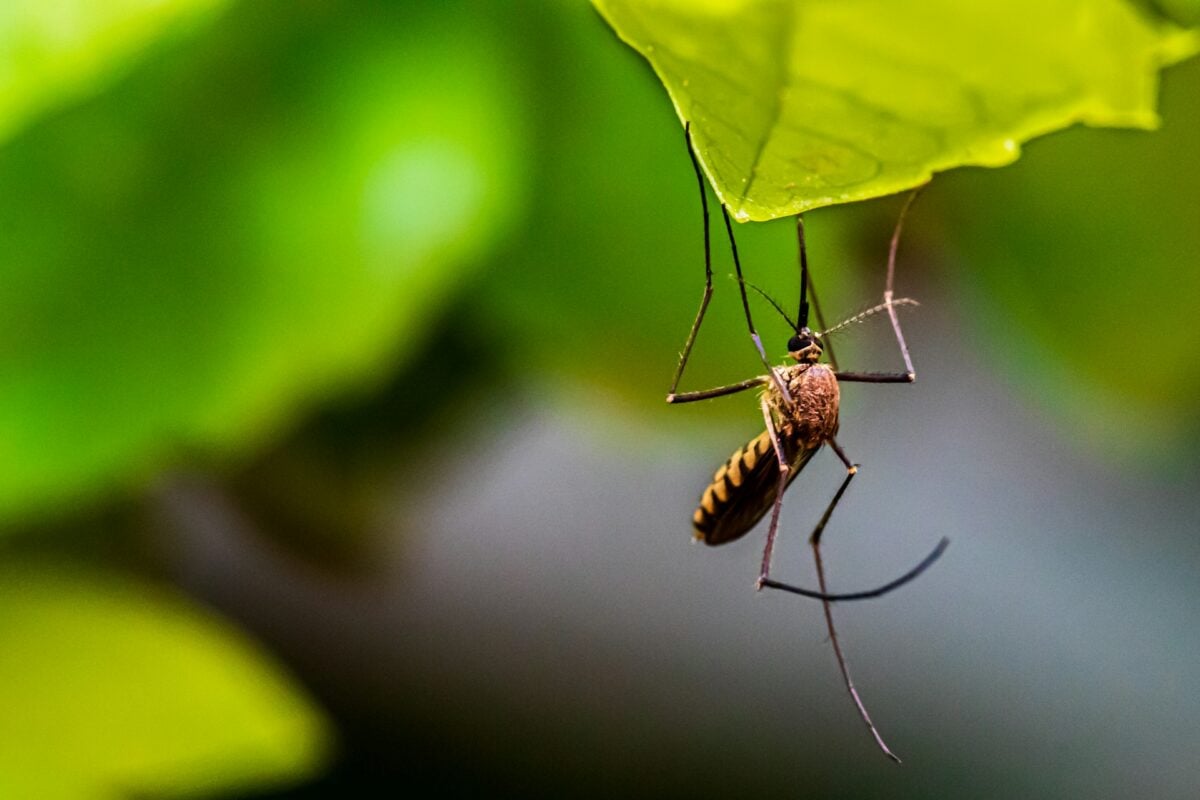
More people die from mosquito-borne diseases each year than from any other animal, including snakes, sharks, and even other humans. Mosquitoes spread malaria, dengue fever, Zika virus, and dozens of other diseases that kill hundreds of thousands annually.
Only female mosquitoes bite because they need blood protein to develop their eggs. Males just drink nectar and leave people alone.
Beetles make up one quarter of all animal species on Earth

Out of every four animals you could name, one is probably a beetle. Scientists have identified over 400,000 beetle species, and they think there might be millions more undiscovered.
They come in every size, color, and shape imaginable, living everywhere from deserts to rainforests to underwater. Some eat plants, some eat meat, some eat dung, and some eat wood.
Fleas can jump 150 times their own height
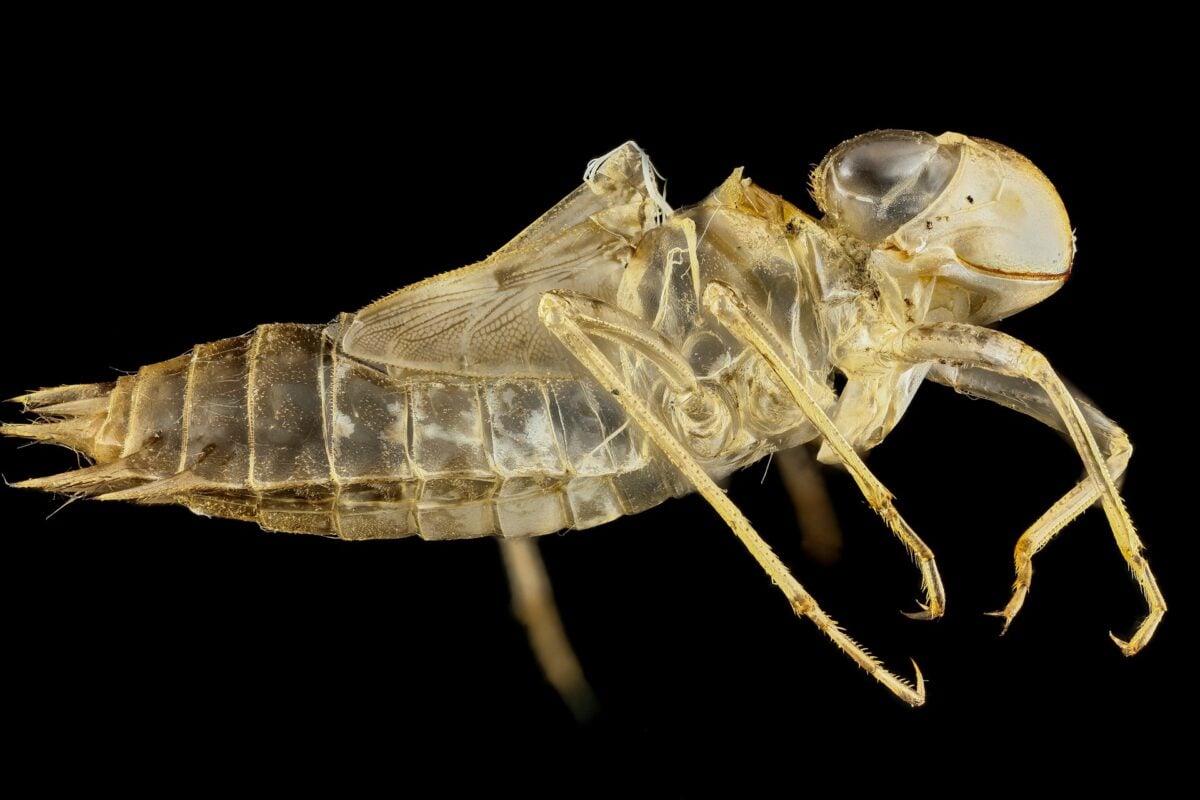
If humans could jump proportionally as high as fleas, we’d be able to leap over skyscrapers. Fleas have incredibly powerful legs with a spring-like mechanism that stores and releases energy.
They can jump about 13 inches vertically, which doesn’t sound impressive until you consider they’re only a few millimeters tall. This jumping ability helps them hop from host to host to feed.
Like Go2Tutors’s content? Follow us on MSN.
Fireflies produce light with almost no heat

Unlike a light bulb that wastes most of its energy as heat, fireflies create light that’s nearly 100% efficient. The chemical reaction in their bodies produces what’s called “cold light” because virtually no energy gets lost as heat.
Scientists have studied this bioluminescence for years, hoping to create more efficient lighting technology. Fireflies use their glow to communicate with potential mates, with each species having its own flashing pattern.
Cicadas can spend 17 years underground before emerging

Some cicada species live as nymphs underground for nearly two decades, sucking sap from tree roots in darkness. Then, all at once, millions of them emerge within a few weeks to mate.
The adults only live for a few weeks above ground before dying. This long cycle confuses predators because they can’t rely on cicadas as a regular food source.
Praying mantises have only one ear, and it’s on their chest

Most insects don’t have ears at all, but praying mantises evolved a single ear located between their legs on their thorax. They use it specifically to detect the echolocation calls of hunting bats.
When a mantis flying at night hears a bat approaching, it immediately goes into evasive maneuvers, spiraling toward the ground. This one ear only evolved in species that can fly because ground-dwelling mantises don’t need to worry about bat attacks.
Like Go2Tutors’s content? Follow us on MSN.
Dung beetles navigate using the Milky Way
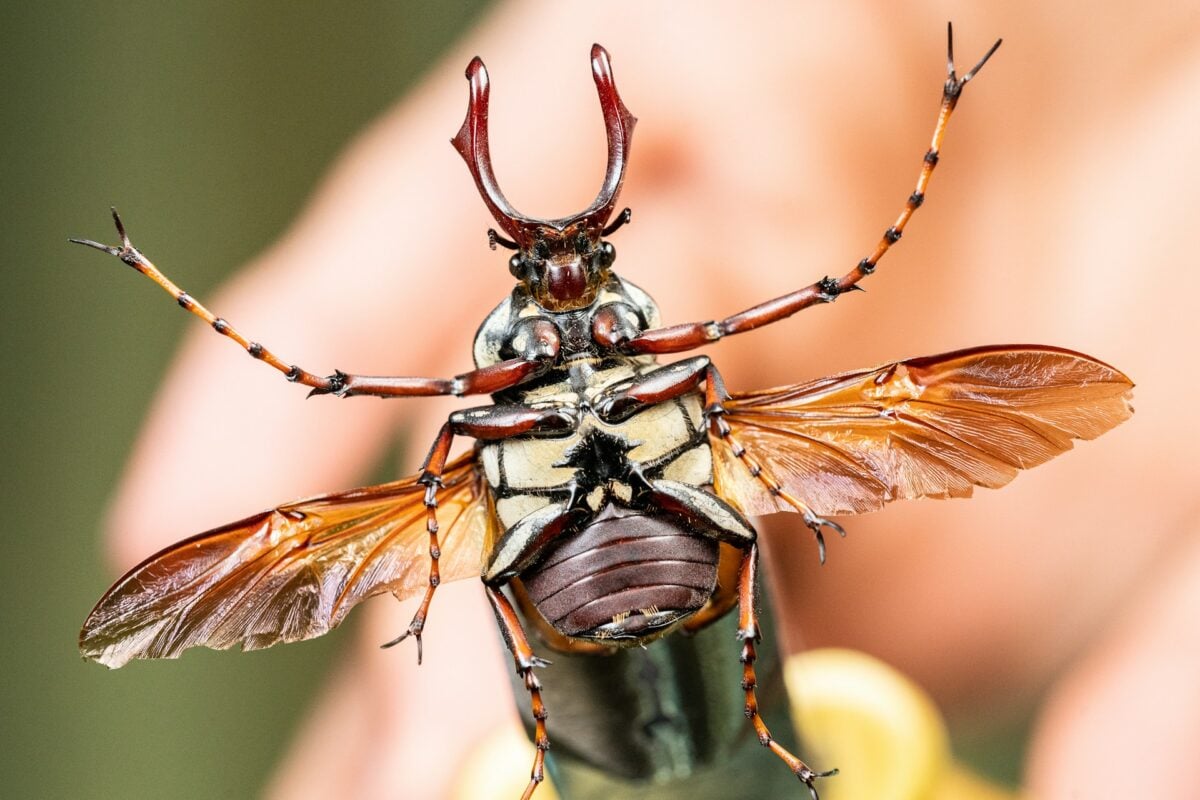
These insects collect animal dung and roll it into perfects spheres to take back to their burrows. To travel in a straight line and not accidentally circle back, they use celestial navigation.
Scientists discovered that dung beetles look up at the night sky and use the pattern of stars in the Milky Way as a compass. They’re the only insects known to navigate by starlight.
Cockroaches can live for weeks without their heads

If you cut off a cockroach’s head, it doesn’t die immediately. The body can survive for weeks because cockroaches breathe through small openings along their body, not through their mouth.
They don’t shut down because their circulatory system works differently than mammals. The headless body eventually dies from dehydration or mold, not from losing its head.
Monarch butterflies migrate up to 3,000 miles
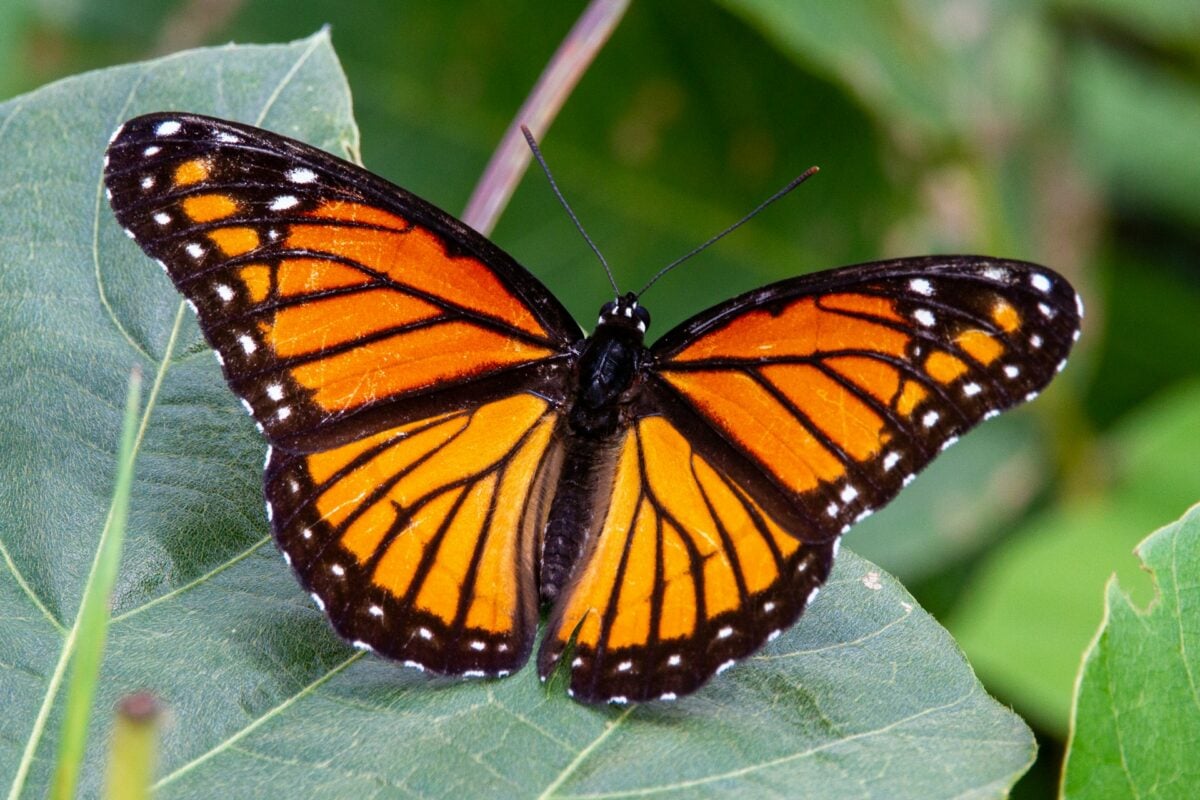
These delicate-looking insects fly from Canada and the United States all the way to Mexico each fall. No single butterfly makes the round trip.
Instead, it takes multiple generations, with each one knowing instinctively where to go despite never having been there. They navigate using the sun’s position and Earth’s magnetic field.
Like Go2Tutors’s content? Follow us on MSN.
Houseflies taste, smell, and feel with the hairs on their bodies

Those little hairs covering a fly’s body aren’t just for show. They’re packed with sensors that detect chemicals, air currents, and vibrations.
Flies use them to taste food before they land on it and to sense when something’s trying to swat them. This is why flies are so hard to catch.
Ants don’t have lungs but they still breathe
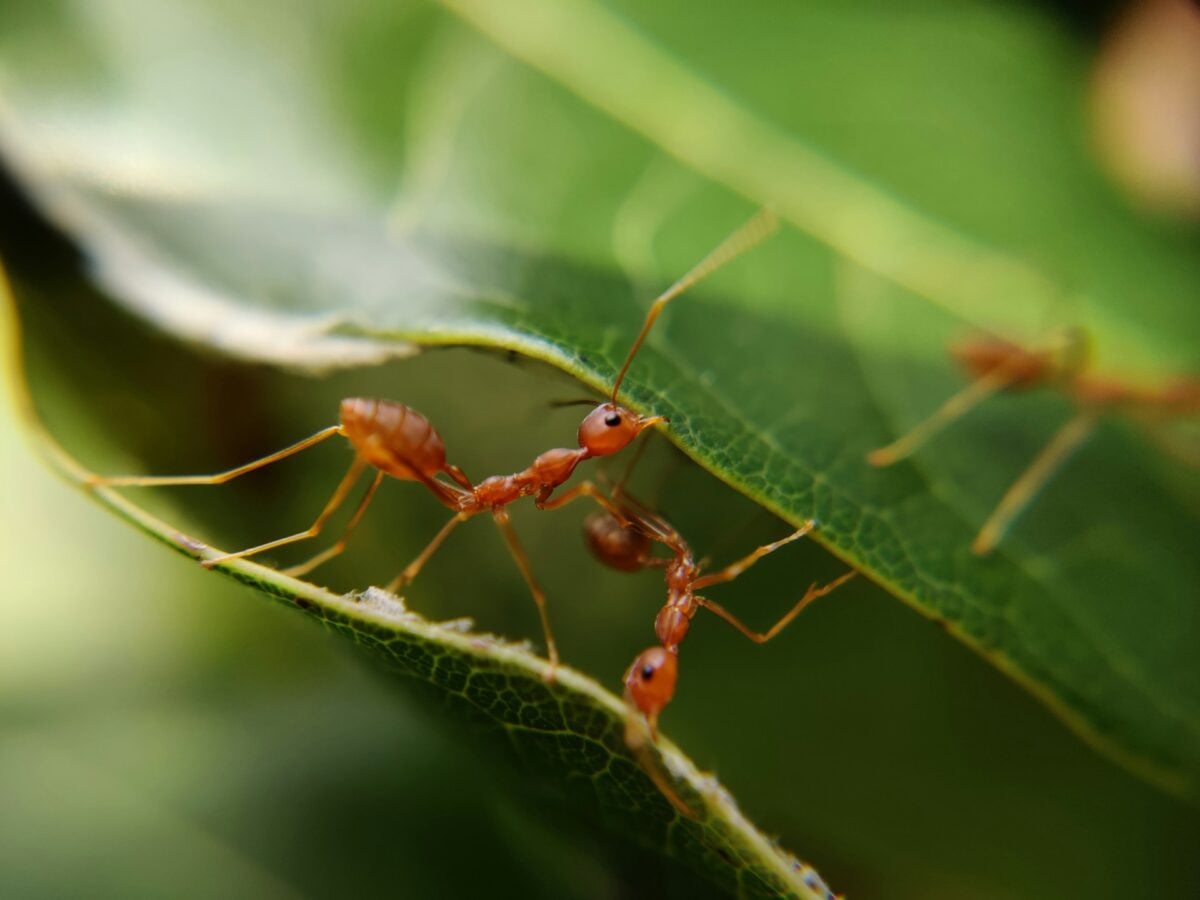
Instead of lungs, ants have tiny tubes called spiracles running through their bodies that deliver oxygen directly to their tissues. Air flows in and out through small openings along their sides.
This system works great for small creatures but wouldn’t work for anything bigger because the tubes can’t deliver oxygen efficiently over long distances. That’s one reason why insects stayed relatively small throughout evolution.
Leafcutter ants farm their own food underground
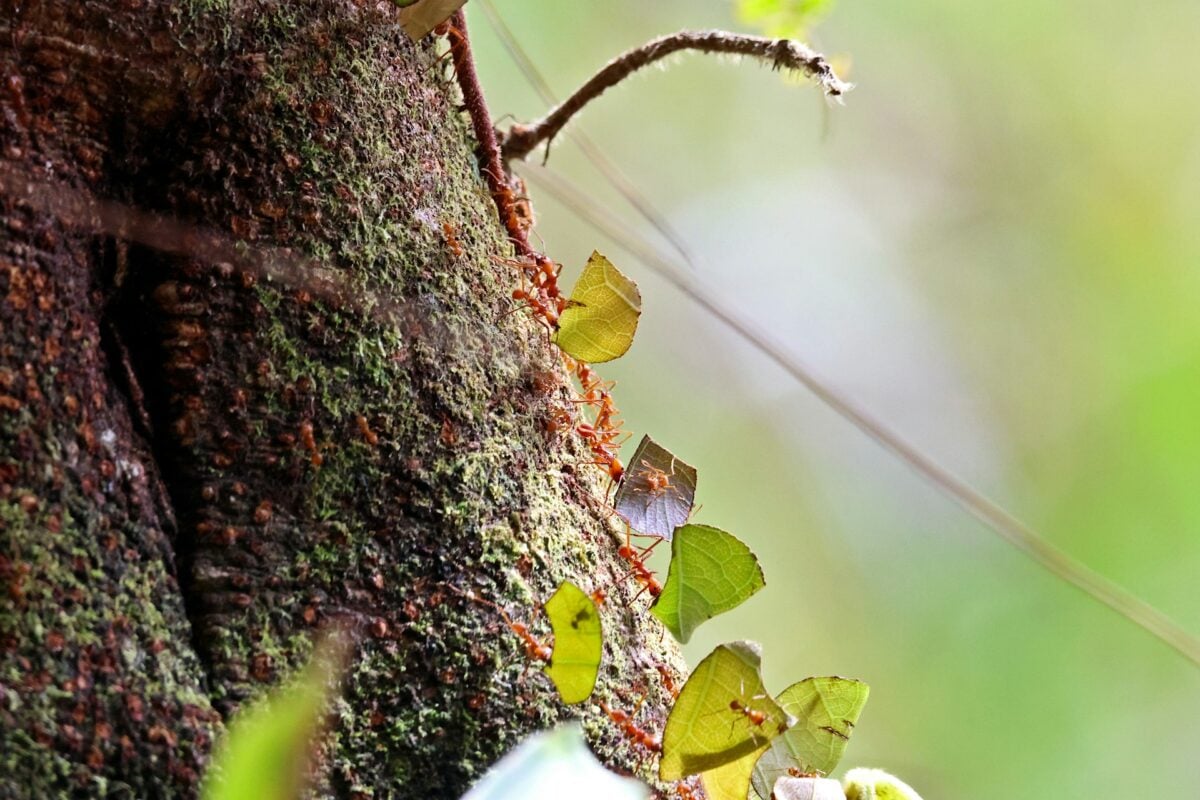
These ants don’t actually eat the leaves they cut and carry back to their nests. Instead, they use the leaves to grow fungus in underground gardens.
The fungus is what they actually eat. Worker ants tend these gardens carefully, removing any contaminated sections and adding new leaf material.
Like Go2Tutors’s content? Follow us on MSN.
Fruit flies were the first animals sent into space

In 1947, scientists loaded fruit flies into a captured German V-2 rocket and sent them beyond Earth’s atmosphere. The flies survived the trip and helped researchers understand how space travel affects living things.
Scientists chose fruit flies because they’re small, easy to study, and their biology is similar enough to humans to provide useful data. These tiny insects paved the way for bigger space missions with larger animals and eventually humans.
From tiny giants to nature’s engineers

These facts barely scratch the surface of what insects can do. There are over a million known species, with scientists estimating millions more waiting to be discovered.
Each one has adapted to survive in ways that seem almost impossible. Some can freeze solid and thaw back to life, others can survive underwater for days, and some can carry diseases that change human history.
More from Go2Tutors!

- 16 Historical Figures Who Were Nothing Like You Think
- 12 Things Sold in the 80s That Are Now Illegal
- 15 VHS Tapes That Could Be Worth Thousands
- 17 Historical “What Ifs” That Would Have Changed Everything
- 18 TV Shows That Vanished Without a Finale
Like Go2Tutors’s content? Follow us on MSN.



