17 Phobias That Have Surprisingly Logical Origins
Fear might seem irrational, but many of our deepest anxieties actually stem from very real threats our ancestors faced. While we live in relative safety today, our brains still carry the evolutionary baggage of survival instincts that kept humans alive for thousands of years. What we call phobias often represent hardwired responses to genuine dangers that once posed serious risks to our species.
Understanding these origins doesn’t make the fears disappear, but it does help explain why certain anxieties feel so universal and intense. Here is a list of 17 phobias that have surprisingly logical evolutionary and historical foundations.
Arachnophobia

The fear of spiders makes perfect sense when you consider that venomous spiders have been killing humans for millennia. Our ancestors who quickly identified and avoided eight-legged creatures had better survival rates than those who didn’t.
Even today, species like the black widow and brown recluse can cause serious harm, so this ancient alarm system still serves a purpose.
Ophidiophobia

Snakes have been one of humanity’s most consistent predators throughout history. Venomous species like cobras, vipers, and mambas could kill within hours, making snake detection a crucial survival skill.
Our brains developed such sensitive snake-spotting abilities that we often mistake ropes, sticks, and shadows for serpents.
Like Go2Tutors’s content? Follow us on MSN.
Acrophobia

Heights represented genuine danger long before humans invented safety equipment. A fall from a cliff or tall tree often meant certain death, so developing a healthy respect for elevation kept our ancestors alive.
This fear becomes problematic in modern life, but it originally served as essential protection against gravitational hazards.
Thalassophobia

Deep water posed multiple threats to early humans who lacked advanced swimming skills or watercraft. Drowning was always a risk, but large aquatic predators made open water even more dangerous.
Sharks, crocodiles, and other marine predators turned bodies of water into potential death traps for unsuspecting humans.
Nyctophobia
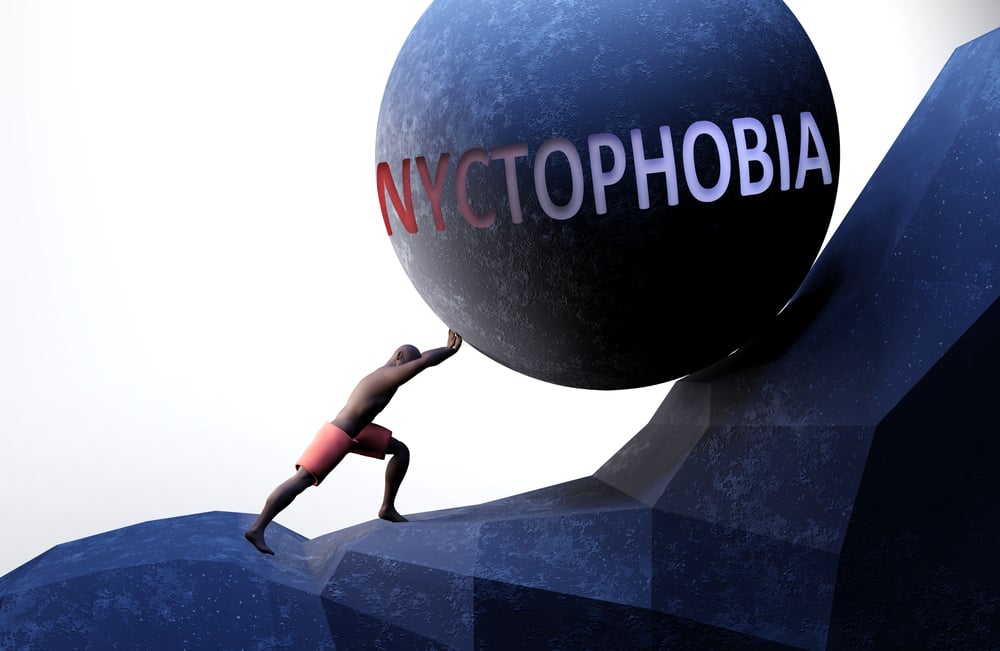
Darkness concealed predators, hostile tribes, and environmental hazards that could easily kill an unprepared person. Humans have relatively poor night vision compared to many predators, making nighttime extremely dangerous for our ancestors.
Fire became crucial for survival partly because it extended safe hours and provided protection against nocturnal threats.
Like Go2Tutors’s content? Follow us on MSN.
Claustrophobia

Tight spaces could easily become death traps through cave-ins, flooding, or entrapment. Early humans who felt uncomfortable in confined areas were more likely to survive dangerous situations like unstable caves or narrow passages.
This instinctive avoidance of cramped spaces prevented countless deaths from entrapment and suffocation.
Cynophobia

Wild dogs and wolves posed serious threats to early human settlements. Packs could attack individuals or entire families, making caution around canines a valuable survival trait.
Even domesticated dogs retain predatory instincts and can inflict serious injuries, so some level of wariness around unfamiliar dogs remains practical.
Entomophobia
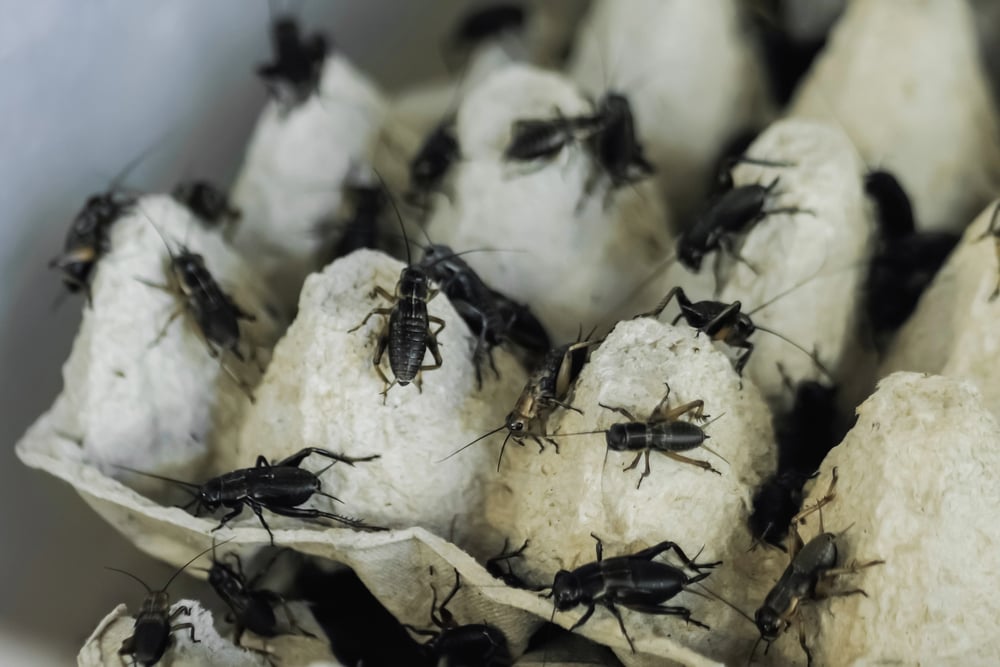
Many insects carry deadly diseases like malaria, yellow fever, and plague that have killed millions throughout history. Others deliver painful stings or bites that could become infected in pre-medical times.
Our ancestors who avoided bug-infested areas had better chances of avoiding disease transmission and painful encounters.
Like Go2Tutors’s content? Follow us on MSN.
Pteromerhanophobia

Flying represented the ultimate vulnerability for ground-dwelling humans who had no natural ability to navigate three-dimensional space. Early flight attempts often ended in death, and even modern aviation anxiety reflects our deep-seated understanding that humans are not naturally suited to flight.
Mechanical failures at altitude leave no room for the ground-based survival skills we evolved to rely on.
Agoraphobia

Open spaces offered no protection from predators, weather, or hostile humans. Our ancestors needed shelter and escape routes to survive, making exposure in wide-open areas genuinely dangerous.
Large spaces also made it difficult to track threats or maintain group cohesion, leaving individuals vulnerable to various forms of attack.
Submechanophobia

Submerged objects often indicate shipwrecks, failed crossings, or other water-related disasters. Large underwater structures can create dangerous currents, trap swimmers, or harbor aggressive marine life.
This fear reflects a practical understanding that unexpected underwater obstacles pose serious risks to anyone venturing into deep water.
Like Go2Tutors’s content? Follow us on MSN.
Thanatophobia

Death anxiety drives many survival behaviors that keep our species alive. Humans who constantly worried about mortality were more likely to avoid risky situations and take precautions against threats.
This hypervigilance about death, while sometimes excessive, originally motivated the careful planning and risk assessment that improved survival rates.
Automatonophobia

Humanlike figures that don’t behave like humans triggered ancient threat-detection systems designed to identify danger. Motionless human shapes could indicate death, disease, or hostile strangers pretending to be harmless.
Our brains evolved to quickly distinguish between friend and foe, making anything that looks human but acts wrong feel deeply unsettling.
Trypophobia

Clustered patterns or openings often indicate disease, parasites, or decay that could pose health risks. Patterns like those found in lotus pods or honeycomb trigger disgust responses that originally helped humans avoid contaminated food or infected animals.
Many dangerous skin conditions and infestations create similar markings or textures that our ancestors learned to associate with illness.
Like Go2Tutors’s content? Follow us on MSN.
Megalophobia

Massive objects posed crushing threats that early humans had no way to escape or control. Avalanches, landslides, and falling trees killed anyone unlucky enough to be in their path.
Large predators like mammoths or giant bears represented overwhelming physical threats that required immediate flight rather than fight responses.
Phonophobia

Sudden loud noises often signaled immediate danger like predator attacks, natural disasters, or hostile human activity. Thunder, roaring animals, and crashing rocks all meant potential death was nearby.
Humans who responded quickly to acoustic warnings had better survival rates than those who ignored or dismissed threatening sounds.
Hemophobia

Blood indicates injury, disease, or violence that could quickly become life-threatening. In pre-medical times, significant blood loss often meant death, and blood-borne diseases spread easily through contact.
This aversion helped our ancestors avoid contaminated areas and recognize when injuries required immediate attention or retreat from dangerous situations.
Like Go2Tutors’s content? Follow us on MSN.
The Fear Behind the Fear

These ancient survival mechanisms continue operating in modern brains despite dramatically different living conditions. What once protected us from genuine threats now sometimes interferes with daily life, but recognizing their logical origins helps explain why certain fears feel so powerful and universal.
Our phobias represent millions of years of hard-won survival wisdom, even when that wisdom no longer matches our current reality.
More from Go2Tutors!

- 16 Restaurant Chains That Went Too Fast
- 12 Things Sold in the 80s That Are Now Illegal
- 15 Strange Things People Have Tried to Ban (And Failed)
- 16 Collectibles People Tossed Out Too Soon
- 17 Myths from Your Childhood That Were Actually Based on Real Things
Like Go2Tutors’s content? Follow us on MSN.