The Most Disturbing Things Found on Live Traffic Cams
Traffic cameras were supposed to be simple. Monitor congestion, catch speeders, help with accidents.
But when you point thousands of cameras at public spaces and stream the footage live online, strange things start appearing in the frame. What began as a practical traffic management tool has become an unintentional window into some deeply unsettling moments.
The internet never sleeps, and neither do the people watching these feeds. Amateur sleuths, insomniacs, and the perpetually curious scan highway cameras around the clock, sometimes catching glimpses of things that were never meant to be seen.
From unexplained disappearances to disturbing behavior, these moments get captured in grainy, timestamped footage that raises more questions than answers.
Abandoned vehicles with doors wide open
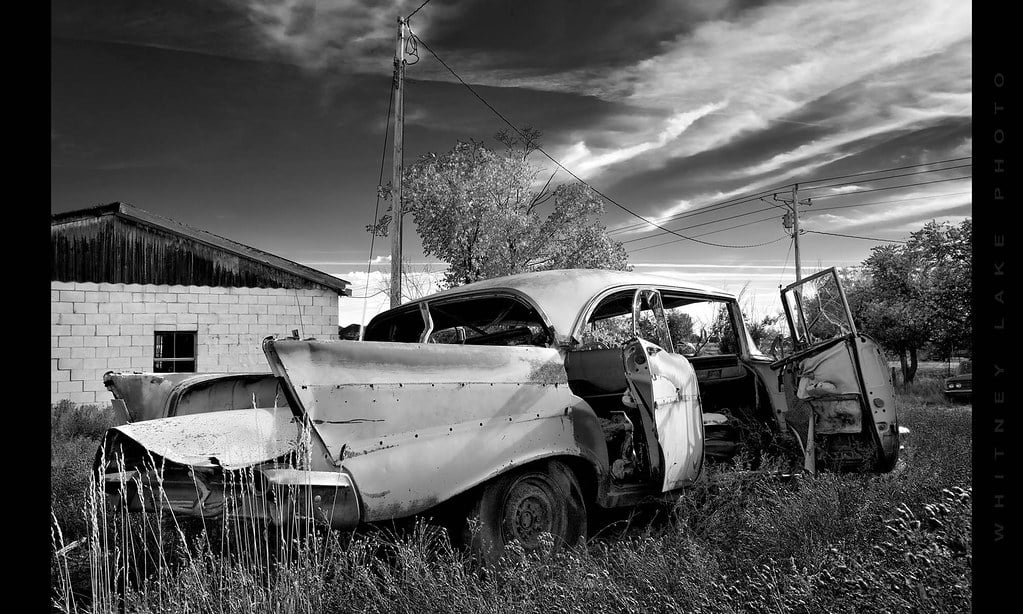
Empty cars sitting on busy highways with all doors flung open create an immediate sense of dread. Traffic cameras have captured dozens of these scenes over the years — vehicles positioned normally in lanes or pulled onto shoulders, completely vacant, doors hanging open like something forced people to flee quickly.
The most unsettling part isn’t the abandonment itself. It’s the positioning.
These aren’t cars that broke down or ran out of gas.
They’re vehicles where people clearly exited in a hurry, leaving doors open to traffic, personal belongings scattered on seats visible through the camera’s limited resolution.
People walking highways at 3 AM
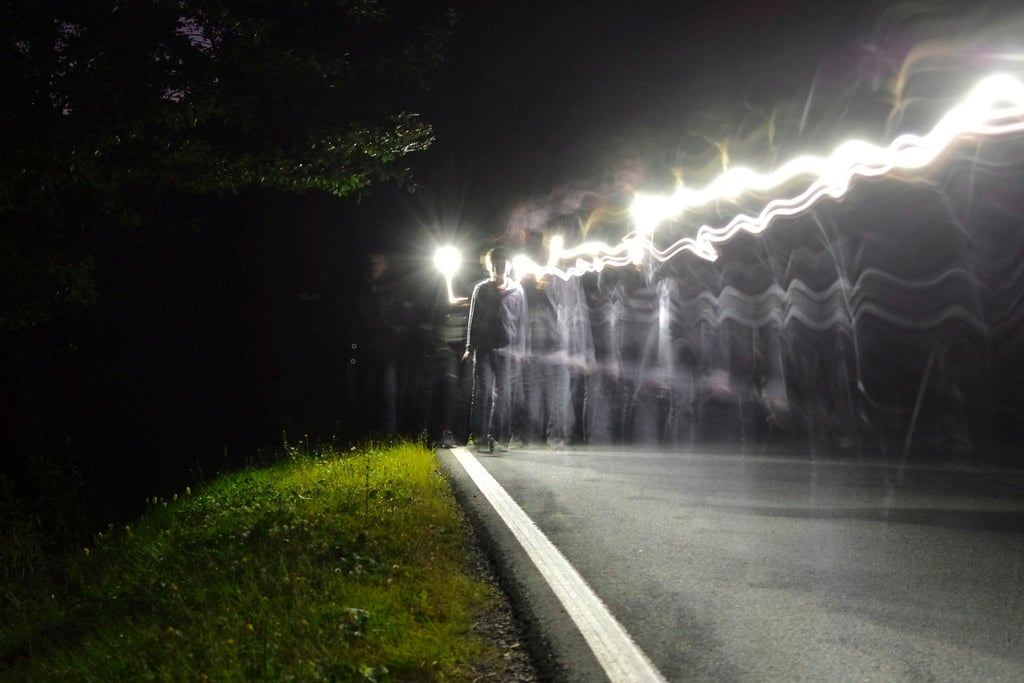
There’s something about watching someone walk alone down a dark interstate that feels fundamentally wrong, even through the detached eye of a traffic camera. These feeds capture solitary figures moving along highway shoulders in the dead of night, often in areas miles from the nearest town or rest stop.
The cameras can’t tell you why they’re there or where they’re headed (and honestly, that might be for the best), but the footage creates an immediate sense of unease. Some figures walk with purpose, others wander aimlessly between lanes, and a few simply stand motionless on overpasses for hours at a time.
The fact that these moments are being broadcast live to anyone with an internet connection makes them feel even more invasive and disturbing.
Groups gathering on remote overpasses
Highway overpasses in the middle of nowhere aren’t exactly popular hangout spots, which makes it strange when traffic cameras capture groups of people congregating there in the early morning hours. These gatherings appear on feeds from rural highways — sometimes a handful of people, sometimes dozens, standing in clusters on bridges that cross empty stretches of interstate.
What makes these scenes particularly unsettling is their coordination. People don’t just randomly end up in these locations.
Someone organized these meetings. Someone chose these specific, isolated spots.
The cameras capture the aftermath of decisions that were made deliberately, and the footage raises obvious questions about what brings people together in such remote places at odd hours.
Cars that appear and vanish between camera feeds
Highway camera systems are designed to track traffic flow, with multiple cameras positioned along the same routes. So when a vehicle appears on one camera and then simply doesn’t show up on the next logical feed, it creates a digital mystery that’s hard to explain.
These disappearances happen more often than traffic authorities like to admit. A car enters a stretch of highway captured by one camera, but never emerges on the other side where the next camera should pick it up.
The route has no exits, no side roads, nowhere for a vehicle to logically go. And yet the car simply vanishes from the digital record, leaving behind only timestamped footage of its last known location.
The technical explanations (camera malfunctions, network delays, blind spots in coverage) don’t always account for what people observe. Sometimes the footage is clear, the timestamps are accurate, and the infrastructure is working perfectly.
The cars just aren’t there when they should be.
Bodies that aren’t bodies
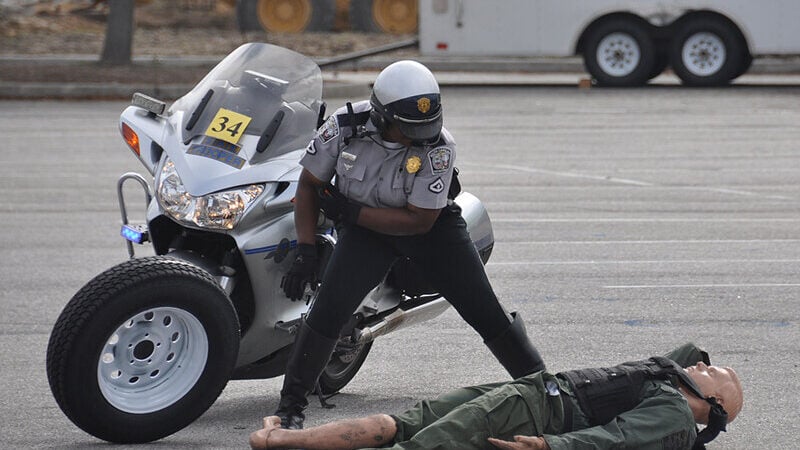
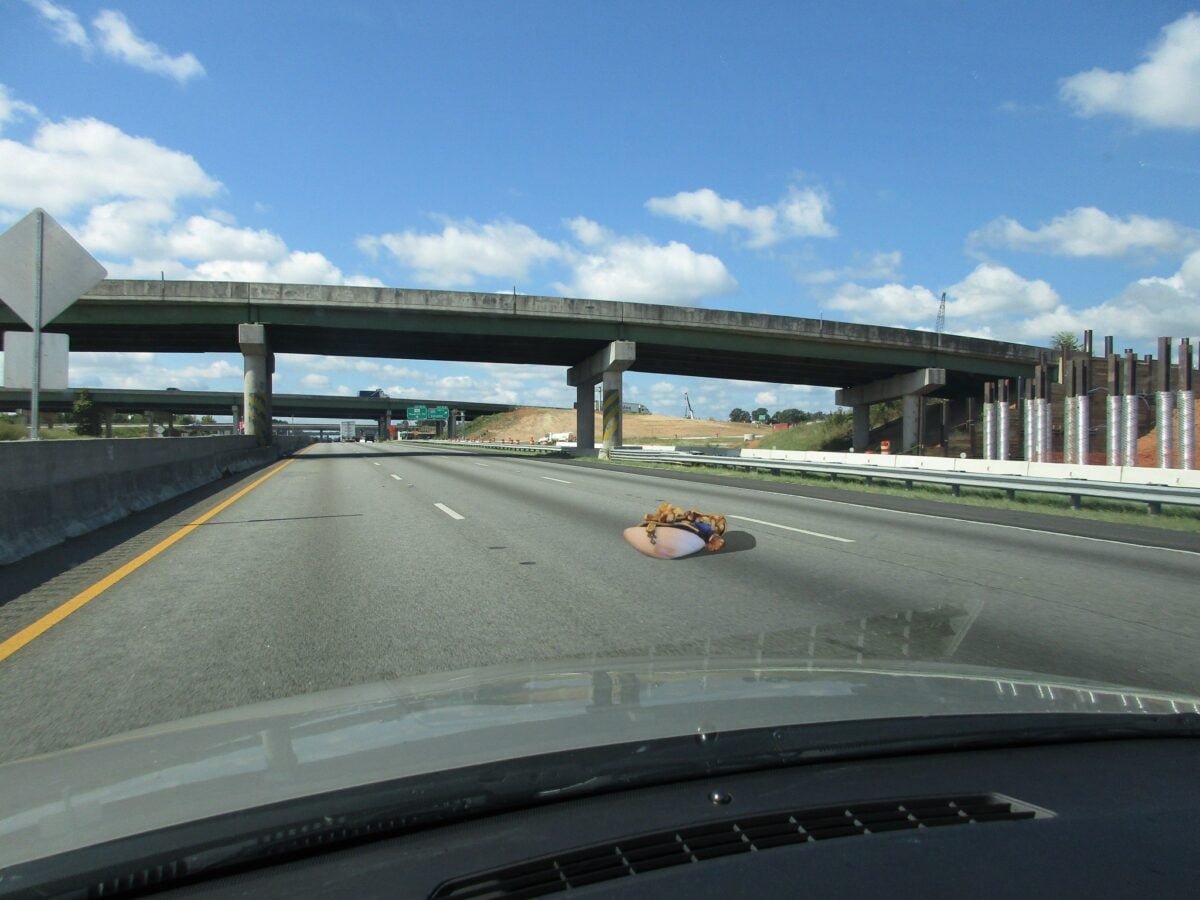
Traffic cameras occasionally capture what appears to be human remains on highways, only for closer inspection to reveal something else entirely. These false alarms create some of the most disturbing moments in live traffic feeds because the initial impression is unmistakable — something that looks distinctly human lying motionless on asphalt.
The reality is often discarded mannequins, rolled carpets, or debris arranged in ways that create the illusion of a human form. But the psychological impact of that first glance through a grainy traffic camera remains deeply unsettling.
Your brain processes the shape as human before rational thought can intervene, and that split second of recognition leaves a lasting impression even after the truth is revealed.
People standing perfectly still for hours
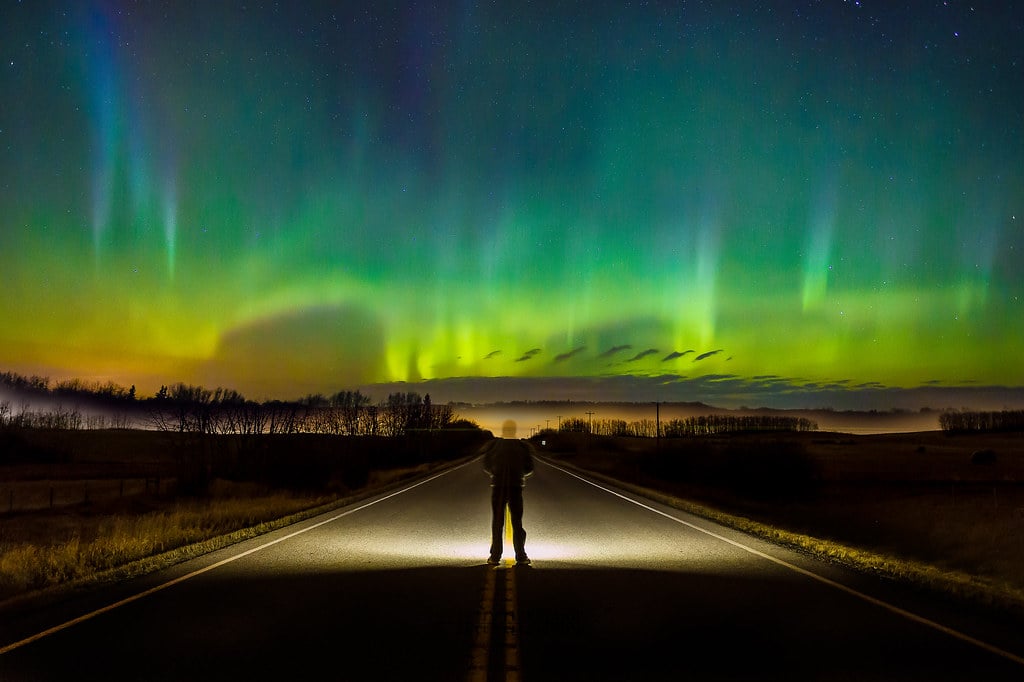
Live traffic feeds have captured individuals who remain completely motionless on highway shoulders for extended periods — not sitting, not walking, just standing in place like statues. These figures appear in the frame and maintain the exact same position for hours, sometimes through entire overnight shifts of people monitoring the cameras.
The stillness is what makes these sightings so unnerving. Humans don’t naturally stand motionless for hours at a time, especially not on busy highways with traffic rushing past.
Yet the cameras document exactly that behavior, timestamp after timestamp, showing the same figure in the identical position with no apparent movement or purpose.
Weather doesn’t seem to affect them. Rain, wind, even snow fails to prompt any movement or shelter-seeking behavior.
They simply stand there until they eventually disappear from the feed — though whether they walked away or were picked up by someone remains unclear from the camera’s limited perspective.
Vehicles moving against traffic patterns
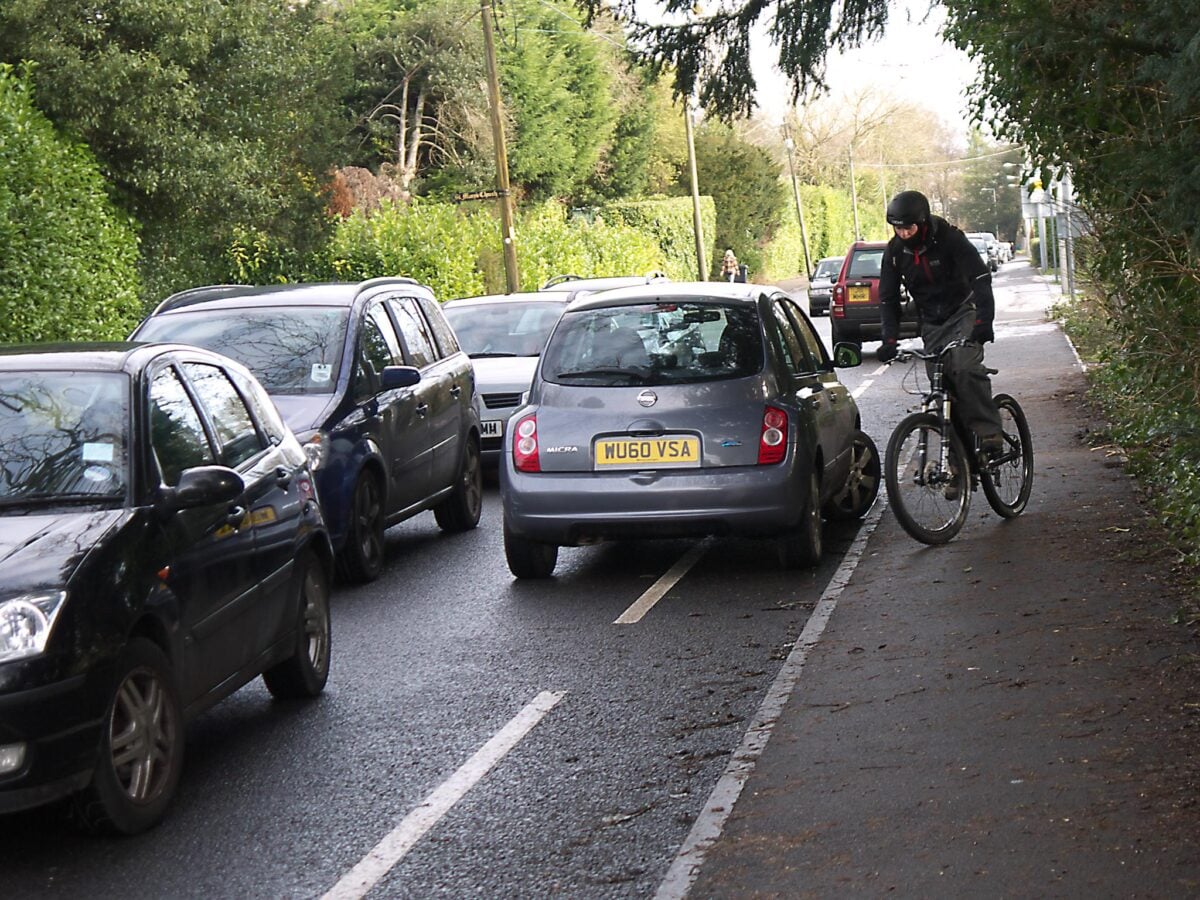
Highway cameras are positioned to monitor normal traffic flow, so when vehicles start moving in unexpected directions, the footage becomes immediately disturbing. These aren’t simple wrong-way drivers — those are unfortunately common and usually brief.
These are vehicles that move against traffic patterns in ways that suggest something more deliberate and unsettling.
Some feeds have captured cars driving slowly backward down highway shoulders, maintaining their reverse direction for miles without any apparent mechanical issue. Others show vehicles making U-turns on busy interstates and then stopping in the median, as if waiting for something or someone.
The behavior appears intentional but defies logical explanation.
Emergency responders leaving without taking anyone
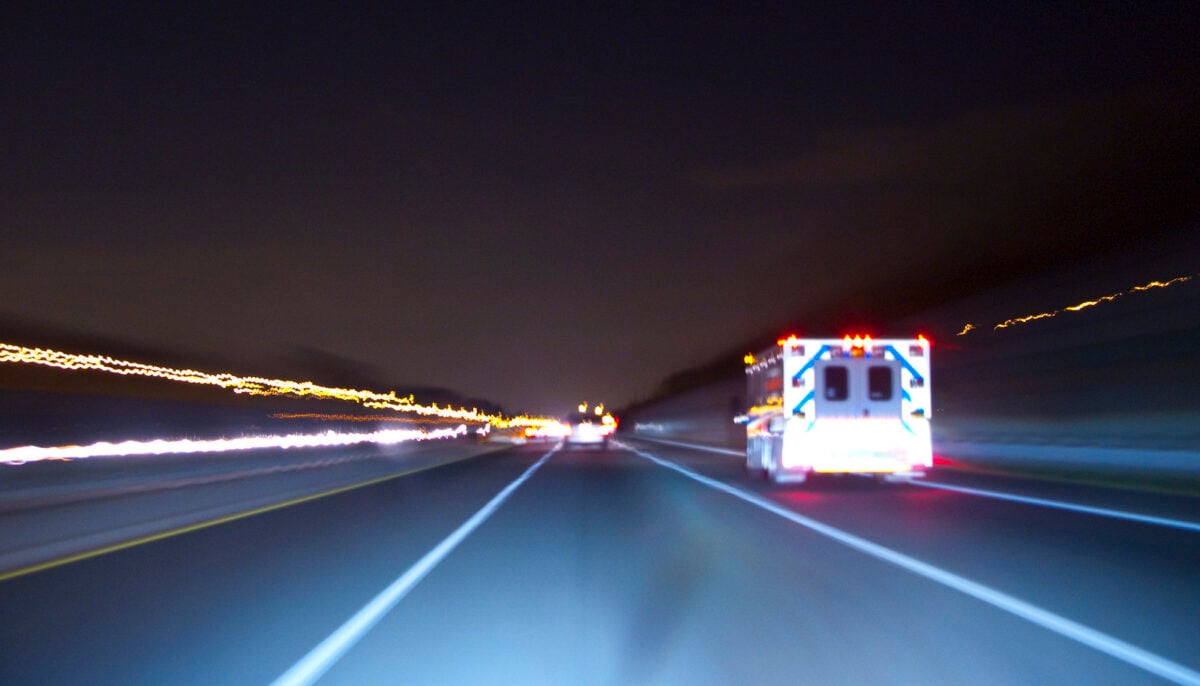
Traffic cameras document accident scenes from start to finish, which makes it particularly disturbing when emergency responders arrive, spend considerable time at a location, and then leave without any ambulance transport or evidence removal. The footage shows fire trucks, police cars, and paramedic units surrounding what appears to be a standard highway incident.
But then everyone simply packs up and drives away.
No ambulances leave for hospitals.
No tow trucks remove damaged vehicles.
No evidence is collected or secured.
The scene returns to normal traffic flow as if nothing happened, leaving behind only timestamped footage of emergency responders arriving to handle something that apparently required no handling.
The disconnect between the response and the resolution creates an unsettling gap in the narrative that traffic cameras can document but not explain.
Things being thrown from overpasses
Live traffic feeds have captured people on overpasses throwing objects onto the highways below — but not the random vandalism you might expect. These incidents involve items being dropped with apparent precision and timing, as if the person throwing them is waiting for specific vehicles or moments.
The objects themselves are often unusual: bundles wrapped in cloth, containers that appear to be deliberately sealed, packages that clearly contain something specific rather than random debris. The footage shows the throwing motion and the object falling into traffic, but the cameras can’t capture what happens to the items after they land or why they were thrown in the first place.
Drivers who never get out of stopped cars
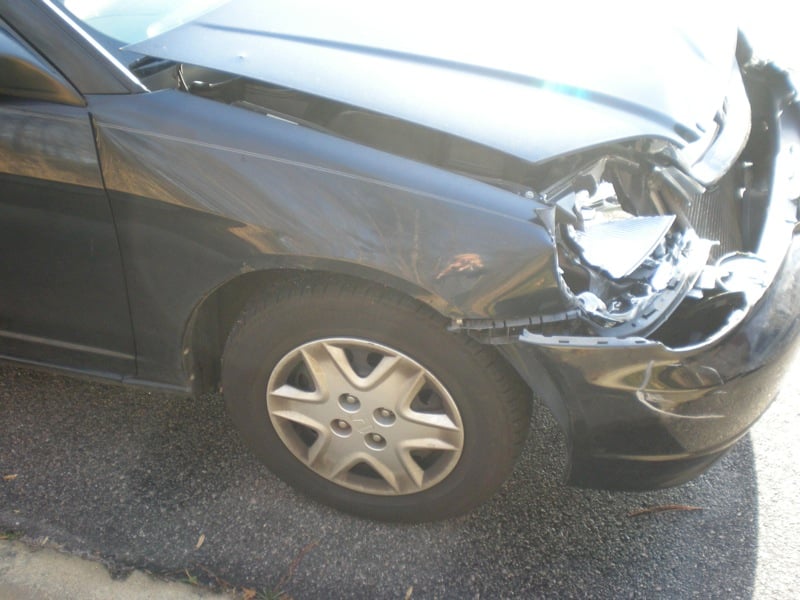
When vehicles break down or are involved in accidents, drivers typically exit to assess damage, call for help, or move to safety. But traffic cameras have documented numerous incidents where cars come to complete stops on highways and the occupants never emerge — not for hours, sometimes not at all.
These aren’t cases where people are clearly injured or incapacitated. The vehicles show no signs of damage, smoke, or mechanical failure.
They simply stop in traffic lanes or on shoulders, and whoever is inside remains there indefinitely. Emergency responders eventually arrive to investigate, but by then the cars are often empty with no sign of where the occupants went.
Animals behaving in coordinated patterns
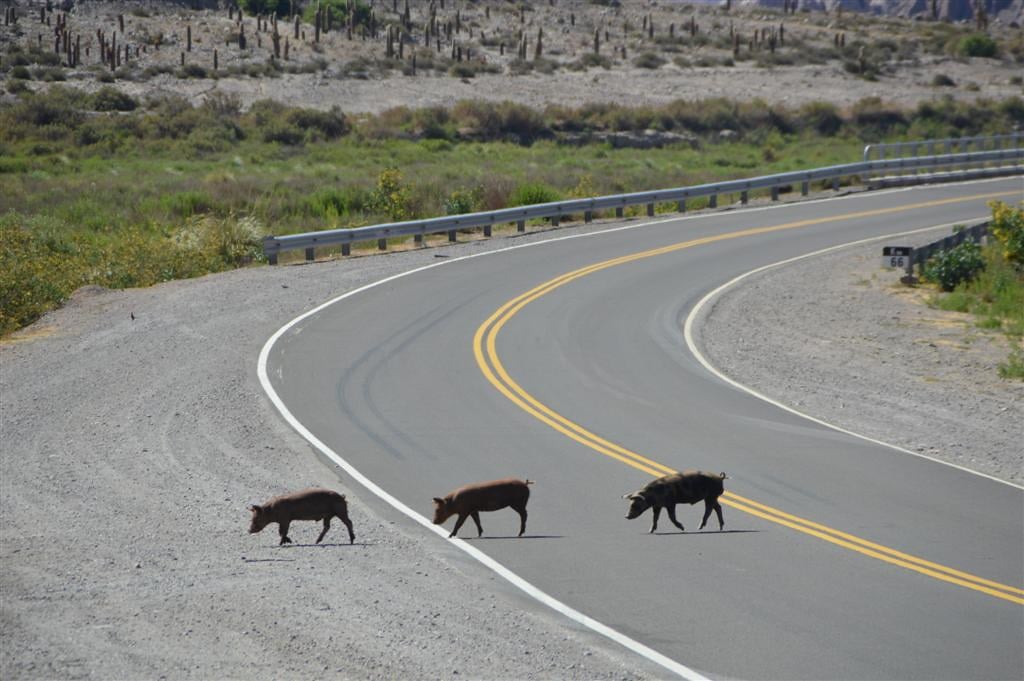
Wildlife appearing near highways isn’t unusual, but traffic cameras have captured animal behavior that seems unnaturally organized and purposeful. These incidents involve groups of animals — deer, birds, even domestic dogs — moving in formations that appear coordinated rather than instinctive.
The footage shows animals crossing highways in precise lines, standing in geometric patterns on roadways, or gathering in specific locations with timing that seems too deliberate for natural behavior. The cameras document the behavior but can’t explain what might cause wild animals to act with such apparent coordination and purpose.
Cars that circle the same area repeatedly
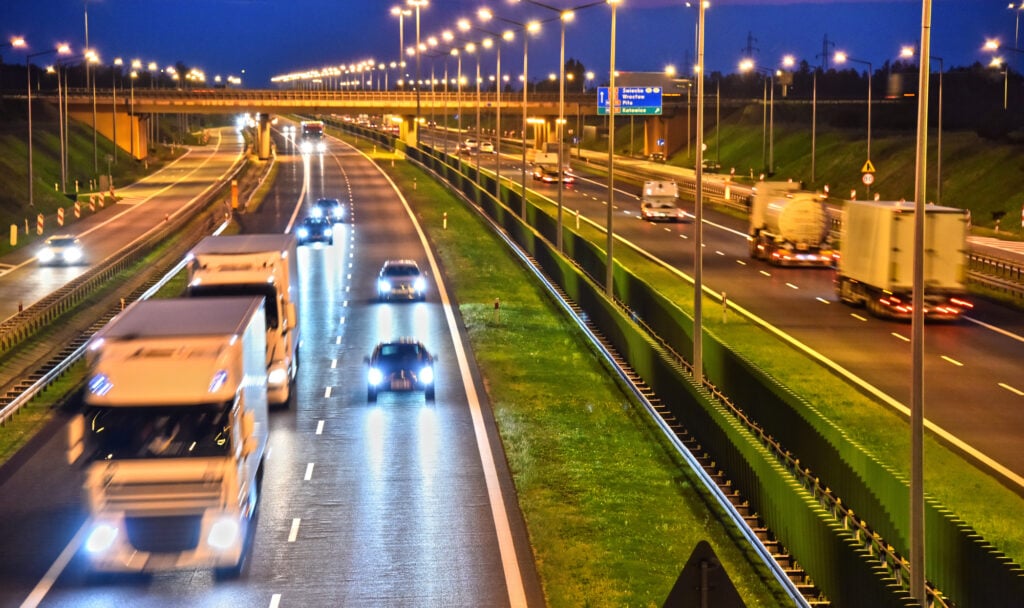
Highway camera systems occasionally capture vehicles that drive in repetitive patterns for hours — not lost drivers making a few wrong turns, but cars that deliberately circle the same stretch of highway dozens of times through the night. The footage shows the same license plate passing the same camera every 15-20 minutes for entire shifts.
These circular driving patterns often focus on specific areas: particular exits, certain overpasses, or stretches of highway near industrial facilities. The behavior suggests surveillance or waiting, but the cameras can’t capture what the drivers might be watching for or why these locations merit such extended attention.
People who wave directly at cameras

Live traffic feeds sometimes capture individuals who appear to wave directly at the camera — not general gestures, but deliberate acknowledgments of the specific camera location. These people seem to know exactly where the cameras are positioned and make direct eye contact with the lens.
The waving isn’t friendly. There’s something deliberately unsettling about the gestures, as if the person wants viewers to know they’re aware of being watched.
Some individuals hold up signs or objects toward the cameras, but the resolution is typically too poor to make out specific messages or meaning.
Lights that follow no traffic patterns
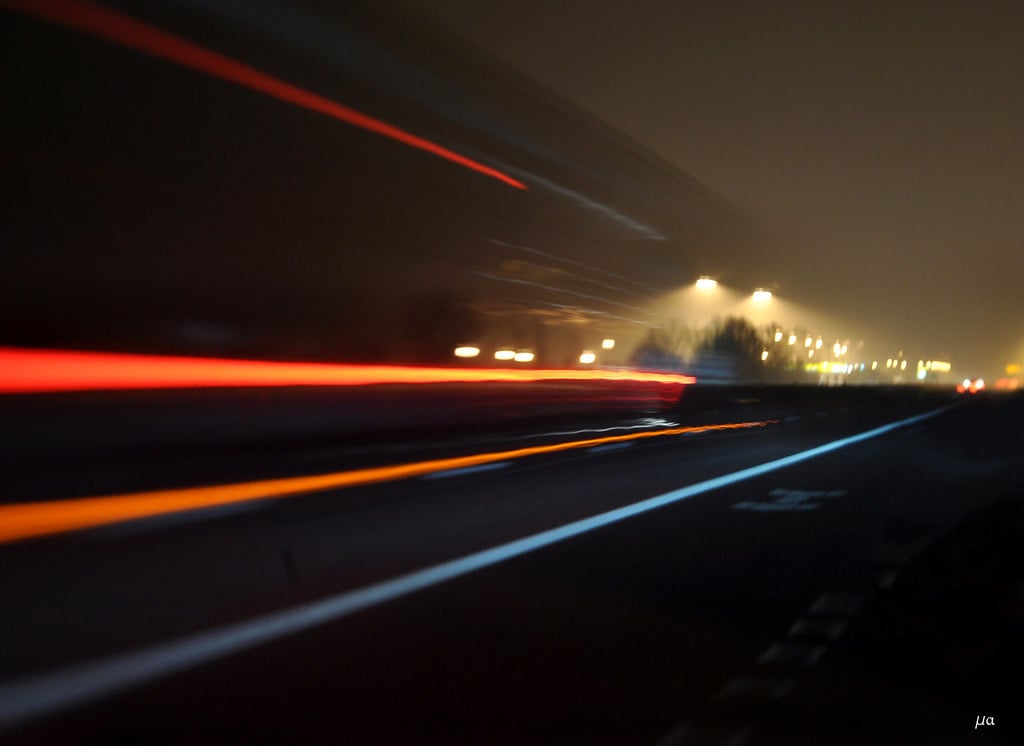
Traffic cameras regularly capture strange lights on highways that don’t correspond to normal vehicle headlights or taillights. These lights move at unusual speeds, change colors, or travel in patterns that don’t match typical traffic flow.
Some lights appear to follow vehicles for extended distances before veering off into areas where roads don’t exist. Others pulse or strobe in ways that no standard automotive lighting would explain.
The cameras document the lights’ movement and behavior, but can’t identify their source or purpose.
The footage raises questions about what creates these lights and why they appear on highways with such apparent regularity. The lights don’t behave like natural phenomena, but they also don’t match any conventional explanation for what should appear on traffic cameras monitoring normal highway activity.
When the cameras become witnesses
These disturbing discoveries reveal something unsettling about our modern surveillance infrastructure. Traffic cameras were installed to monitor normal highway activity, but they’ve become accidental witnesses to behavior that defies easy explanation.
The footage exists, timestamped and archived, but the context behind these strange moments remains largely unknown.
What makes these incidents particularly unnerving is their accessibility. Anyone can watch live traffic feeds and potentially witness something disturbing in real-time.
The cameras continue rolling, documenting whatever appears in their frame, turning highway monitoring into an unintentional form of public surveillance that captures far more than traffic violations and accident response.
More from Go2Tutors!

- The Romanov Crown Jewels and Their Tragic Fate
- 13 Historical Mysteries That Science Still Can’t Solve
- Famous Hoaxes That Fooled the World for Years
- 15 Child Stars with Tragic Adult Lives
- 16 Famous Jewelry Pieces in History
Like Go2Tutors’s content? Follow us on MSN.