16 Highly Debated Theories About the Titanic Sinking
The Titanic disaster remains one of history’s most analyzed tragedies, and for good reason. While the basic facts are clear — ship hits iceberg, ship sinks, over 1,500 people die — the devil lives in the details. More than a century later, researchers, historians, and armchair detectives continue picking apart every aspect of that April night in 1912. Some theories hold water under scrutiny.
Others seem designed more for headlines than truth. All of them reveal something fascinating about our need to understand how such an “unsinkable” ship could meet such a catastrophic end.
The Olympic Switch Theory
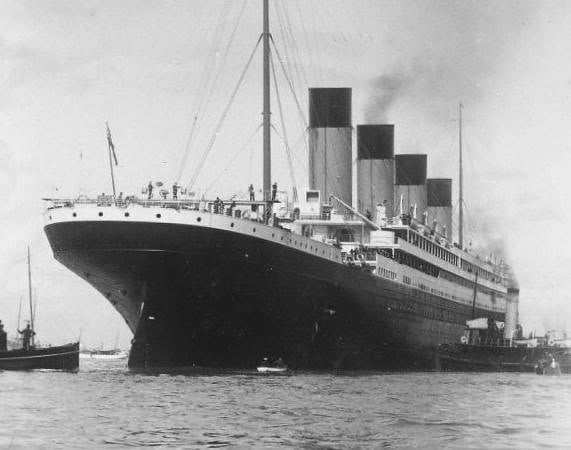
The Olympic and Titanic were sister ships built by the same company. The Olympic had suffered damage in previous accidents.
According to this theory, the damaged Olympic was secretly switched with the pristine Titanic before the maiden voyage. The plan was supposedly to collect insurance money by sinking the damaged ship.
The evidence doesn’t support this elaborate conspiracy. The ships had different window configurations, porthole arrangements, and interior layouts that would have been impossible to change quickly or secretly.
Maritime records show the Olympic continued sailing for decades after the Titanic sank.
Fire in the Coal Bunker

Documentary filmmaker Senan Molony sparked renewed debate when he proposed that a coal bunker fire had been burning for weeks before the Titanic departed. The theory suggests this fire weakened the hull exactly where the iceberg struck, turning what might have been survivable damage into a fatal breach.
Coal bunker fires were common on steamships of that era (they happened regularly and were considered manageable), but photographs do show what appears to be a large dark mark on the Titanic’s hull near where the iceberg made contact. The fire was real — whether it contributed to the sinking remains hotly contested among maritime experts.
Steel Quality and Brittle Fractures

Like watching a wine glass shatter from a single tap, the Titanic’s hull may have been more fragile than anyone realized at the time. Metallurgical analysis of recovered steel samples revealed high sulfur content and manufacturing techniques that could make the metal brittle in freezing temperatures — and the North Atlantic that night was certainly freezing.
The theory goes that modern steel would have dented rather than fractured, possibly containing the damage to fewer compartments. But this overlooks the massive force involved: six compartments flooded, and the ship was only designed to survive flooding in four.
Even perfect steel might not have mattered when faced with such extensive damage, though it’s impossible to know for certain since we can’t rewind history and try again.
Captain Smith’s Suicide Mission

Edward Smith was retiring after the Titanic’s maiden voyage. This theory suggests he was either suicidally depressed or criminally reckless.
Why else maintain such dangerous speed through an ice field? This ignores standard practices of the era.
Ships routinely maintained speed until they actually spotted ice, not just when they received warnings about it. Smith had an exemplary record over decades at sea.
The real culprit was likely overconfidence in the ship’s design rather than any death wish.
The Californian Conspiracy

The SS Californian was close enough to see the Titanic’s distress rockets. Yet Captain Stanley Lord claimed the rockets were celebratory fireworks from a passenger ship.
This theory suggests Lord deliberately ignored distress signals, possibly due to professional jealousy or company politics. Investigations found Lord’s actions negligent but not criminal.
The Californian’s wireless operator had gone to bed before the collision, and the rockets appeared white rather than red (though distress rockets could be either color). Poor communication and bad judgment seem more likely than deliberate malice.
J.P. Morgan’s Lucky Escape

Financial titan J.P. Morgan was supposed to sail on the Titanic but canceled at the last minute, citing illness. Some theorists suggest he had advanced knowledge of the planned disaster.
The same theory extends to other wealthy passengers who changed their plans. Morgan was genuinely ill and was photographed at a French spa during the sinking, looking quite unwell.
Last-minute cancellations were common among wealthy travelers who often changed plans on a whim. The theory requires believing dozens of people kept a massive secret — something humans are historically terrible at doing.
The Mummy’s Curse
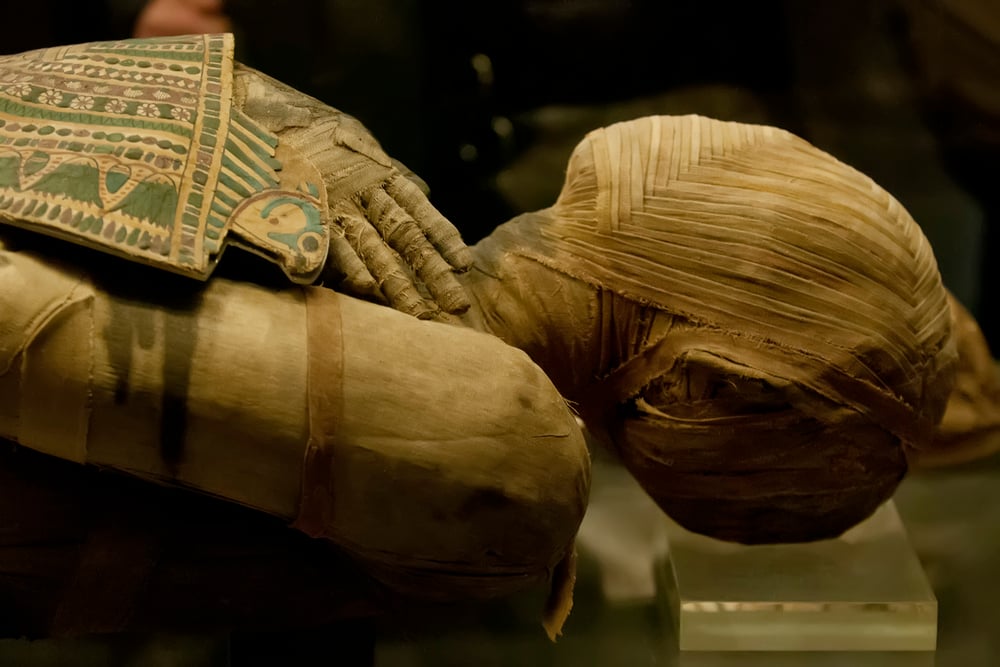
British Museum officials have repeatedly denied this, but the theory persists that an ancient Egyptian mummy was aboard the Titanic. The curse supposedly doomed the ship from the moment it left port.
No mummy was listed on any cargo manifest. The story appears to trace back to a journalist who fabricated the tale years after the disaster.
Yet the theory endures, perhaps because people find supernatural explanations more satisfying than mundane ones like ice, steel, and human error.
Rudder Design Flaw

The Titanic’s rudder was proportionally smaller than those on other ships its size. This theory argues that a larger rudder would have allowed the ship to turn away from the iceberg in time.
Some naval architects suggest the rudder design was based on smaller ships and wasn’t scaled up properly for the Titanic’s massive size. Computer simulations show mixed results.
A larger rudder might have helped, but it also might have caused the ship to turn directly into the iceberg rather than striking it with a glancing blow. The physics of turning something that massive in just 30 seconds — the time between spotting the ice and impact — suggest no rudder design could have prevented disaster entirely.
Jesuit Assassination Plot

This theory claims the Titanic was deliberately sunk to eliminate wealthy opponents of the Federal Reserve. Benjamin Guggenheim, Isidor Straus, and John Jacob Astor IV — all aboard the Titanic — supposedly opposed the banking system changes that would create the Federal Reserve in 1913.
The timeline doesn’t work. Plans for the Federal Reserve were already well underway before the Titanic sailed, and these men weren’t the primary opposition anyway.
More importantly, orchestrating an iceberg collision in the middle of the North Atlantic would require supernatural powers that even the most powerful conspirators presumably lack.
Defective Rivets

Rivets hold a ship’s hull plates together, so naturally they became suspects when investigators started looking for mechanical failures. Analysis of recovered rivets showed that some were made from inferior iron rather than steel, and others were poorly installed.
The theory suggests these weak points allowed the hull to open up like a zipper once the iceberg made contact. Metallurgical evidence supports this to some degree — rivet quality was inconsistent, especially in areas where access was difficult during construction.
But the Titanic was built to the highest standards of its time using the best available techniques. The real issue may be that those standards simply weren’t good enough for the unprecedented stresses involved, rather than any deliberate corner-cutting by the builders.
The Cursed Crew Member

Several crew members were transferred from other ships at the last minute, including some who had been involved in previous maritime accidents. This theory suggests one crew member was cursed or jinxed, bringing bad luck to any ship he sailed on.
Crew transfers were routine in the shipping industry, and maritime work was dangerous by nature — accidents followed sailors because the job was inherently risky, not because of supernatural curses. Still, some surviving crew members apparently believed in this theory and refused to sail with certain colleagues after the disaster.
Inadequate Lifeboat Drills

The Titanic’s crew had never conducted a full lifeboat drill with passengers. When disaster struck, chaos ensued as crew members fumbled with unfamiliar equipment while passengers stood around unsure what to do.
This theory suggests proper drills could have saved hundreds more lives by speeding up the evacuation process. This one has substantial evidence behind it.
Many lifeboats launched half-empty because crew members weren’t sure how many people they could safely hold, and passengers were reluctant to climb into small boats suspended high above a dark ocean. Better training might not have prevented the sinking, but it almost certainly would have reduced the death toll significantly.
Sabotage by German Agents

With World War I looming, some theorists suggested German agents sabotaged the Titanic to demonstrate British maritime vulnerability. The theory proposes that explosives were planted in the coal bunker or that German spies provided false ice warnings to lure the ship off course.
German intelligence was sophisticated, but this theory requires believing they could predict exactly where and when an iceberg would appear — or that they had the ability to tow massive icebergs into shipping lanes. The war wouldn’t start for another two years, and Germany had no particular strategic interest in sinking a passenger liner full of their own potential customers and allies.
Design Hubris and Corner Cutting
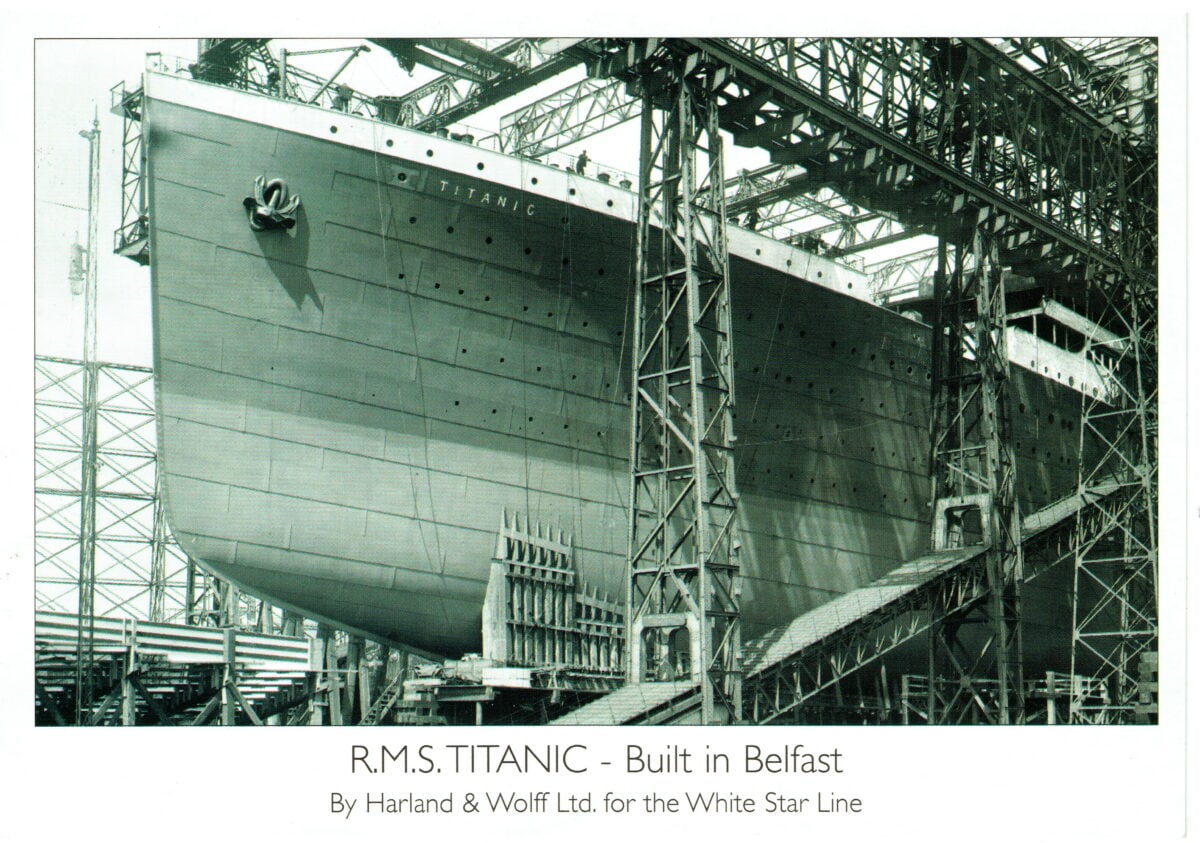
Rather than focusing on any single technical failure, this theory suggests the real problem was systematic overconfidence. The shipbuilders, owners, and crew all believed the Titanic was essentially unsinkable, leading them to make dozens of small decisions that individually seemed reasonable but collectively created disaster.
This theory has the ring of truth precisely because it doesn’t rely on any single smoking gun or conspiracy. Watertight bulkheads that didn’t extend high enough, insufficient lifeboat capacity, dangerous speed through ice fields, ignored warning signs — each decision made sense at the time but combined to create a perfect storm of vulnerability.
The Ice Patrol Cover-Up

After the Titanic disaster, the International Ice Patrol was established to track icebergs and warn ships. This theory suggests the patrol’s records have been deliberately altered to hide evidence that the iceberg which sank the Titanic was unusually large, unusually hard, or in some other way exceptional.
Ice Patrol records are actually quite transparent and have been extensively studied by researchers. The iceberg was large but not unprecedented.
What made it dangerous was the combination of clear, calm weather (which made it harder to spot) and the ship’s speed and course. Sometimes the most mundane explanations are the most accurate.
Wireless Interference and Missed Messages

The Titanic’s wireless operators were employees of the Marconi company, not the ship’s crew, and they prioritized paying passenger messages over navigation warnings. Multiple ice warnings never reached the bridge because the operators were busy sending personal telegrams for wealthy passengers.
This theory has documentary support. The wireless log shows that several ships tried to warn the Titanic about ice conditions, but the messages were either delayed or never delivered to the officers who needed them.
Commercial priorities literally took precedence over safety — a mistake that cost over 1,500 lives and changed maritime communication procedures forever.
Lessons in the Wreckage

The real tragedy isn’t that the Titanic sank — ships had been sinking since humans first ventured onto water. The tragedy is how many of the deaths were preventable through better preparation, better communication, and less hubris.
Most of these theories share a common thread: they’re searching for the moment when everything went wrong, the single decision or design flaw that sealed everyone’s fate. But disasters rarely work that way.
They’re usually the result of multiple small failures cascading into something catastrophic. The Titanic sinking wasn’t caused by a conspiracy or a curse — it was caused by ice, steel, and a series of human decisions that seemed reasonable at the time but proved fatal in combination.
That’s somehow both more mundane and more terrifying than any conspiracy theory could ever be.
More from Go2Tutors!

- The Romanov Crown Jewels and Their Tragic Fate
- 13 Historical Mysteries That Science Still Can’t Solve
- Famous Hoaxes That Fooled the World for Years
- 15 Child Stars with Tragic Adult Lives
- 16 Famous Jewelry Pieces in History
Like Go2Tutors’s content? Follow us on MSN.



