17 Phone Games That Took Over Our Lives
Mobile gaming has completely transformed how we think about entertainment. What started as simple time-killers during commutes evolved into full-blown obsessions that had millions of people tapping, swiping, and strategizing on their phones for hours each day. These games didn’t just occupy spare time — they created entirely new habits and social phenomena that changed daily routines.
From puzzle games that made people rearrange their schedules to strategy games that kept players awake well past midnight, certain mobile titles became cultural touchstones. Here is a list of 17 phone games that completely took over our lives.
Snake

Before smartphones even existed, Snake ruled the mobile gaming world on Nokia phones. The simple concept of guiding a growing snake around a small screen while avoiding walls and your own tail became surprisingly addictive.
Players would spend countless hours trying to beat their high scores — and the game became so popular that it was pre-installed on over 400 million devices. Snake proved that mobile games didn’t need fancy graphics or complex mechanics, though sometimes the most basic concepts create the strongest hooks.
Tetris

Tetris made the jump from arcade cabinets to mobile devices and found a whole new generation of players. The falling block puzzle game became the perfect companion for bus rides and waiting rooms, offering quick sessions that could easily stretch into hour-long marathons.
Its simple yet challenging gameplay translated perfectly to touchscreens — and many people discovered they could lose entire afternoons trying to clear just one more line. The game’s mathematical precision and escalating difficulty created a hypnotic experience that felt both relaxing and intensely focused.
Angry Birds
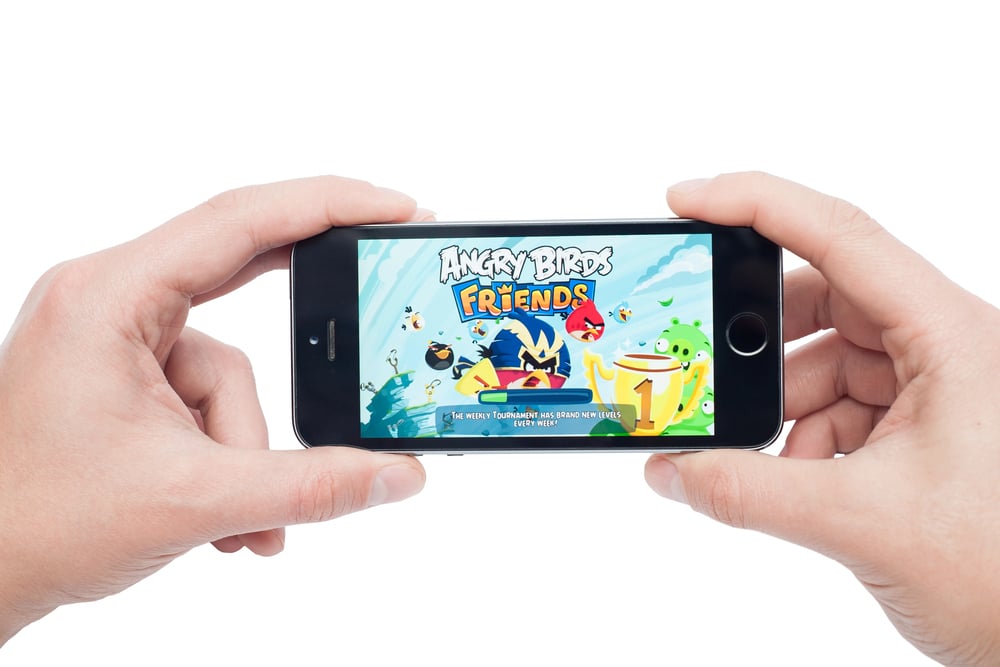
Angry Birds launched the modern mobile gaming era when it debuted in 2009. The physics-based puzzle game had players launching birds at pig fortresses, while its combination of simple controls with challenging level design proved irresistible.
Within two years, the game had been downloaded over a billion times and spawned movies, merchandise, and theme parks. The game’s three-star rating system kept players coming back to perfect each level — turning a simple concept into an obsession that dominated app stores and social conversations.
Candy Crush Saga
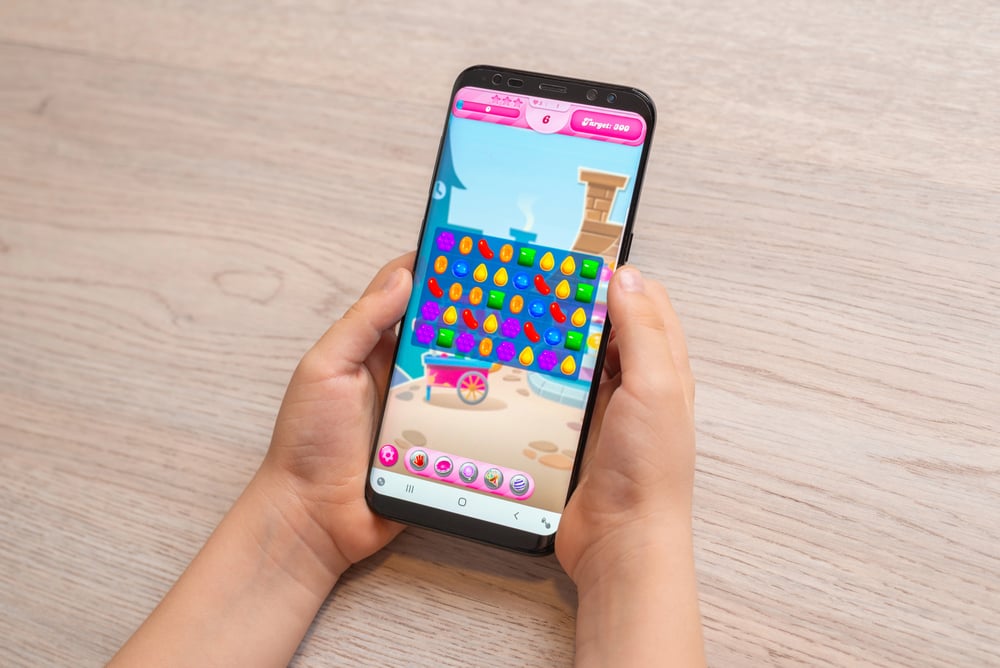
Candy Crush Saga transformed match-three puzzle games into a social phenomenon that had people begging friends for extra lives. The game’s colorful candy-matching gameplay seemed innocent enough — but its limited life system and increasingly difficult levels created a cycle of frustration and satisfaction that kept millions hooked.
Players would set alarms to collect their recharged lives, and the game generated over $1 billion in revenue within two years of launch. King Digital Entertainment had created the perfect recipe for mobile addiction: easy-to-learn mechanics combined with social pressure and artificial scarcity.
Temple Run
Temple Run brought endless running games to the mainstream with its simple swipe controls and heart-pounding chase sequences. Players controlled an explorer fleeing from demon monkeys through ancient ruins — collecting coins and power-ups while avoiding obstacles.
The game’s endless nature meant there was always a chance to beat your previous score, while its quick restart feature made ‘just one more try’ an irresistible proposition. The addictive formula was so successful that it inspired countless imitators — proving that mobile games could be just as engaging as console titles.
Words with Friends
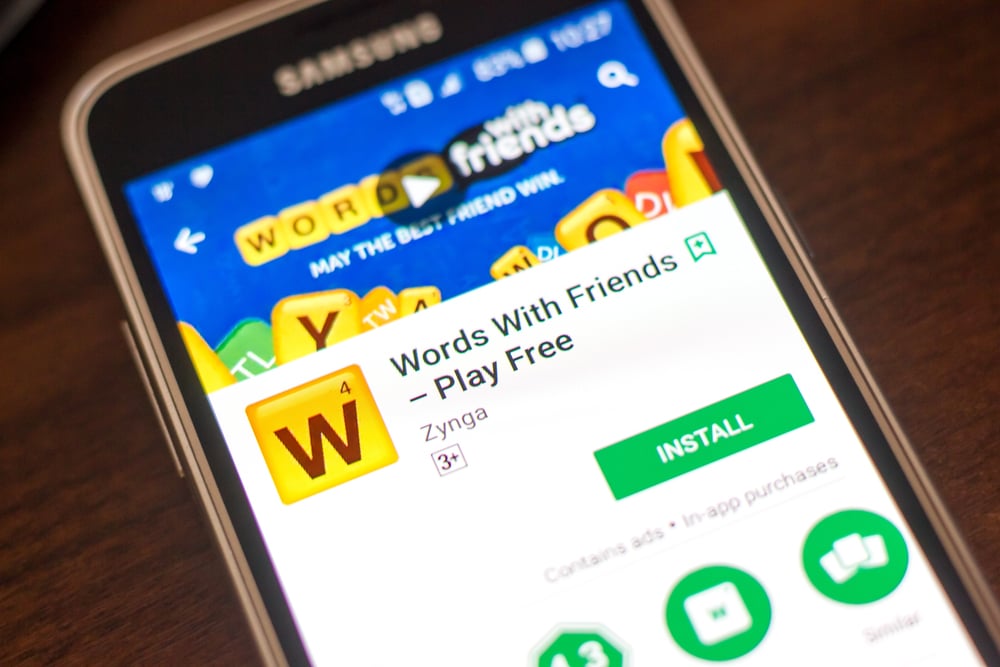
Words with Friends turned Scrabble into a social mobile experience that had people scheduling their lives around word games. Players could maintain multiple games simultaneously with different opponents — creating ongoing battles of vocabulary and strategy.
The asynchronous gameplay meant you could make moves throughout the day, though many people found themselves thinking about letter combinations during meetings and conversations. The game became so popular that it influenced real-world relationships — with some couples bonding over high-scoring words while others argued about whether certain combinations were legitimate.
Plants vs. Zombies
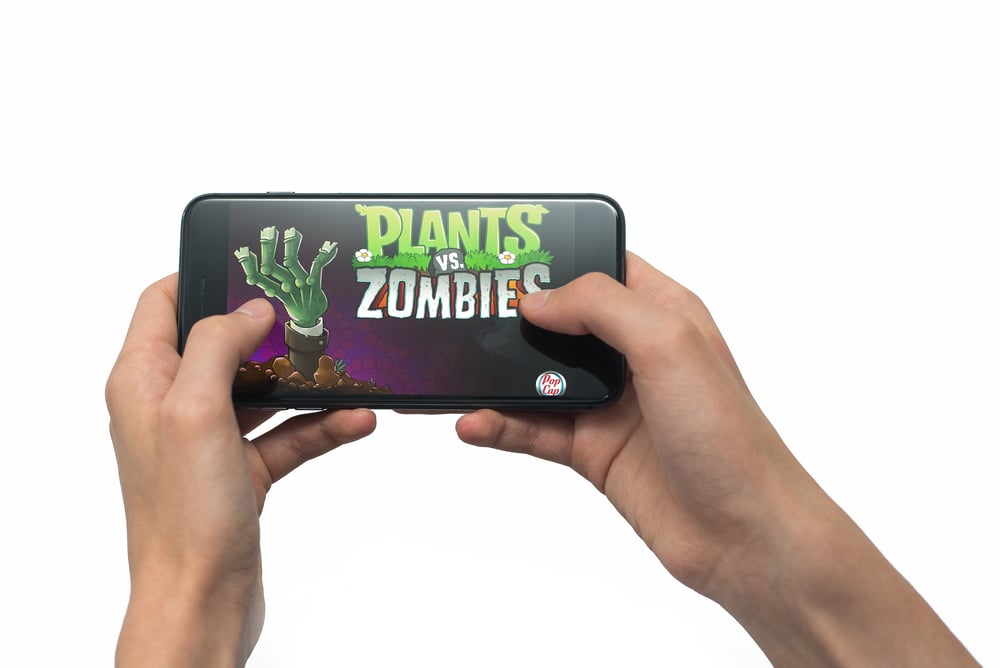
Plants vs. Zombies combined tower defense strategy with quirky humor to create an unexpectedly addictive mobile experience. Players defended their homes by strategically placing plants that shot projectiles at waves of zombies — and each level introduced new challenges and plant types.
The game’s progression system kept players invested in unlocking new defensive options, yet its increasing difficulty demanded careful planning and resource management. What seemed like a silly concept became a deep strategic game that had people analyzing zombie patterns and optimizing their garden layouts.
Clash of Clans
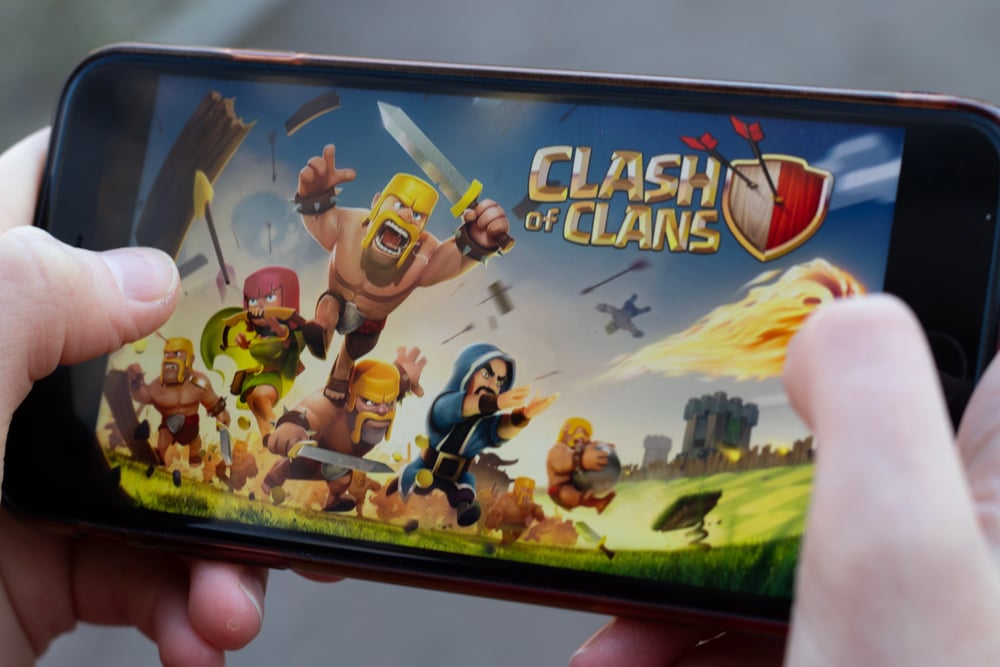
Clash of Clans created the blueprint for mobile strategy games that blend city-building with social warfare. Players built and upgraded their villages while training armies to attack other players’ bases — creating a competitive environment that never truly ended.
The game’s clan system fostered teamwork and social connections, though its real-time building timers meant there was always something to check on. Many players found themselves setting multiple daily alarms to collect resources and start new upgrades — effectively scheduling their real lives around their virtual villages.
Pokémon GO
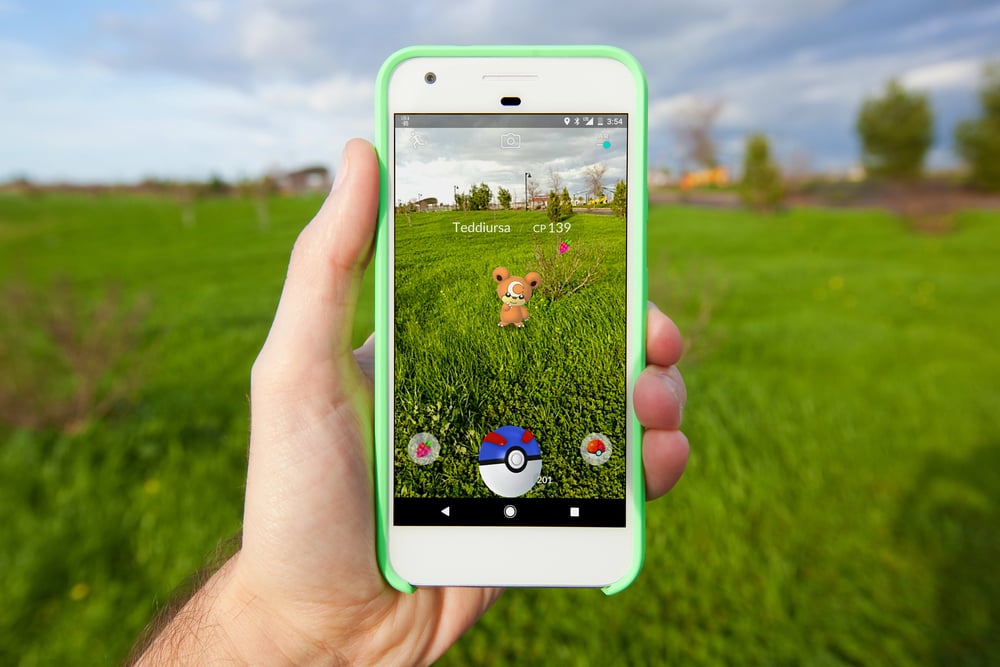
Pokémon GO did something unprecedented — it got people off their couches and walking around their neighborhoods to catch virtual creatures. The augmented reality game overlaid Pokémon onto real-world locations, turning everyday spaces into hunting grounds.
Parks, landmarks, and city centers became gathering spots for players — and the game sparked a social phenomenon that had people of all ages exploring their communities together. The game’s impact went beyond entertainment, with many players reporting increased physical activity and social interaction as unexpected benefits of their Pokémon hunting adventures.
Subway Surfers
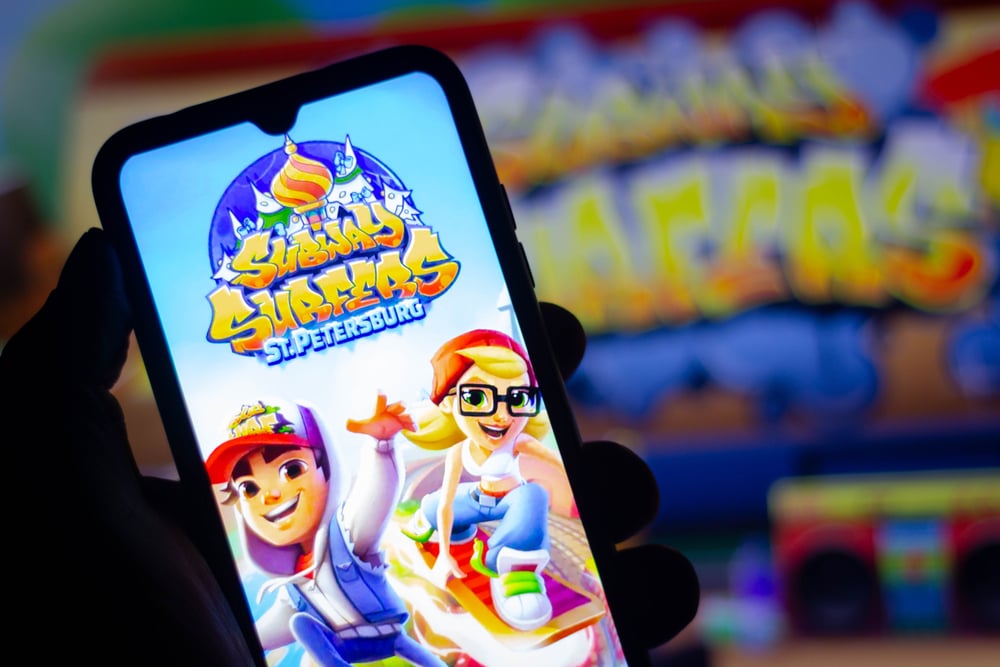
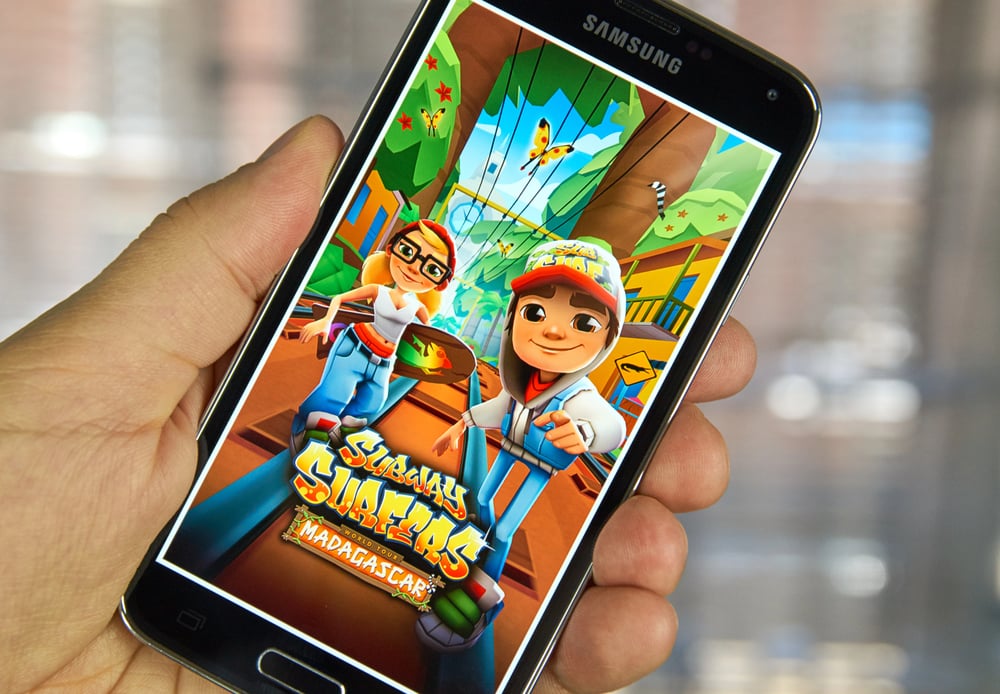
Subway Surfers refined the endless runner formula with colorful graphics and global themes that took players on virtual tours around the world. The game featured a young graffiti artist running from a transit inspector — collecting coins and power-ups while dodging trains and obstacles.
Each update transported players to new cities with unique visual themes, keeping the experience fresh and encouraging regular check-ins. The game’s simple swipe controls made it accessible to all ages — while its character collection and power-up systems provided long-term goals that kept players engaged for months.
Fruit Ninja
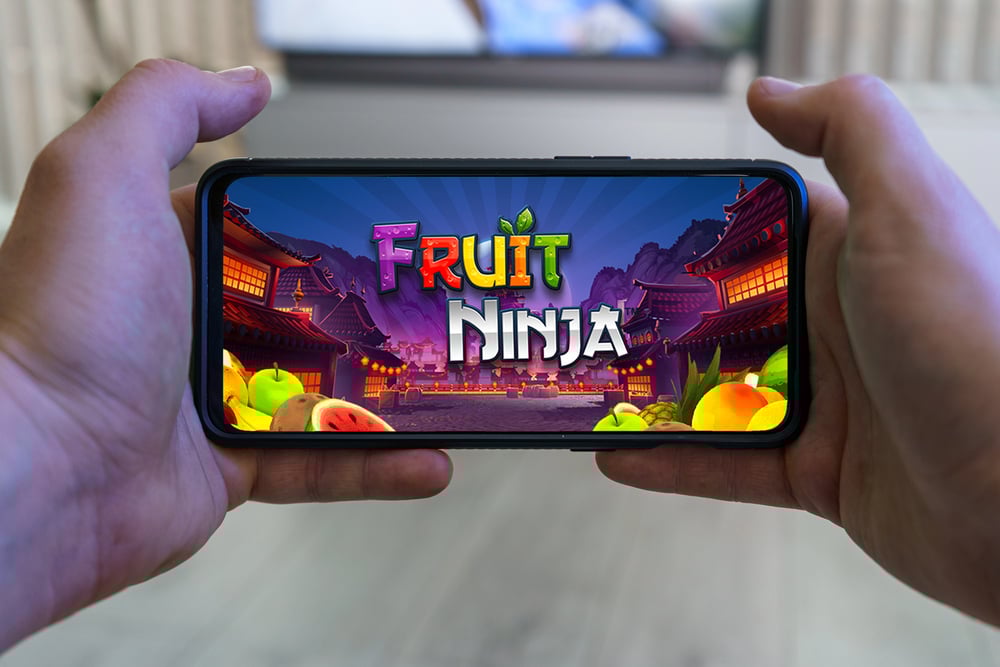
Fruit Ninja turned the simple act of slicing fruit into an unexpectedly satisfying mobile gaming experience. Players used finger swipes to cut flying fruit while avoiding bombs, yet the game’s physics engine made each slice feel responsive and rewarding.
The combination of quick reflexes and satisfying sound effects created an almost meditative experience that was perfect for short gaming sessions. The game’s various modes and achievement system gave players plenty of reasons to keep coming back, whether they wanted to beat high scores or unlock new blades and backgrounds.
Draw Something
Draw Something turned everyone into artists by combining drawing with guessing games in a social mobile experience. Players took turns drawing pictures to represent words while their friends tried to guess the answers, creating a cycle of creativity and communication.
The game became a cultural phenomenon as people shared their artistic attempts on social media, though many discovered hidden drawing talents they never knew they possessed. The asynchronous gameplay meant friends could participate in ongoing creative conversations throughout the day, making it feel more like communication than traditional gaming.
2048
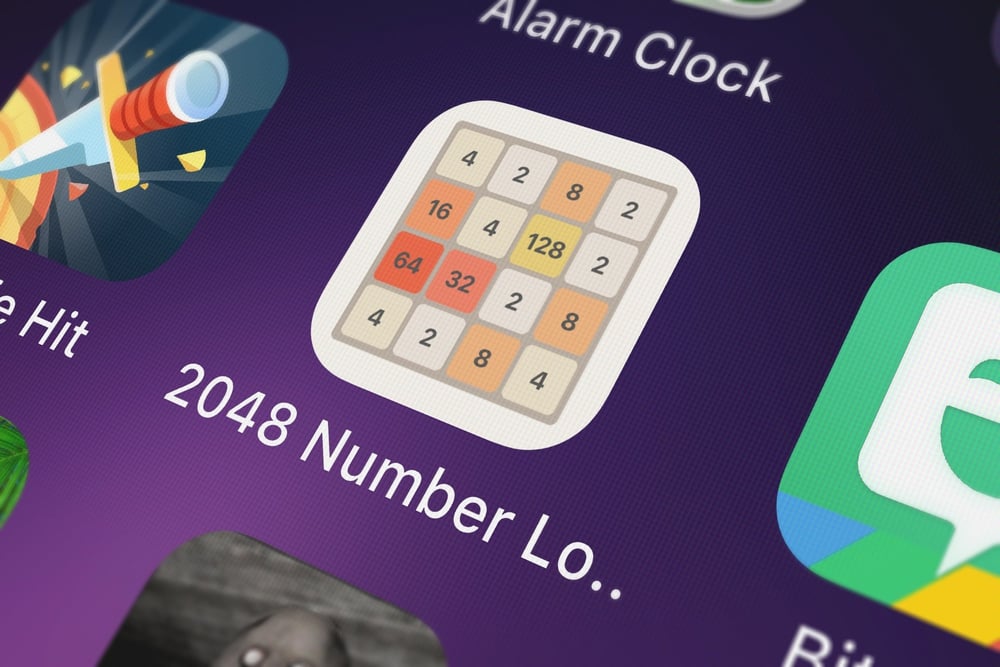
2048 distilled puzzle gaming down to its mathematical essence with a grid-based number combining game that was deceptively simple yet incredibly challenging. Players slid numbered tiles to combine them into larger numbers, working toward the goal of creating a tile with 2048.
The game’s minimalist design hid complex strategic depth, and achieving the target number required careful planning and a bit of luck. Many players became obsessed with not just reaching 2048 but continuing beyond to see how high they could go, turning a simple puzzle into an endless mathematical challenge.
Clash Royale
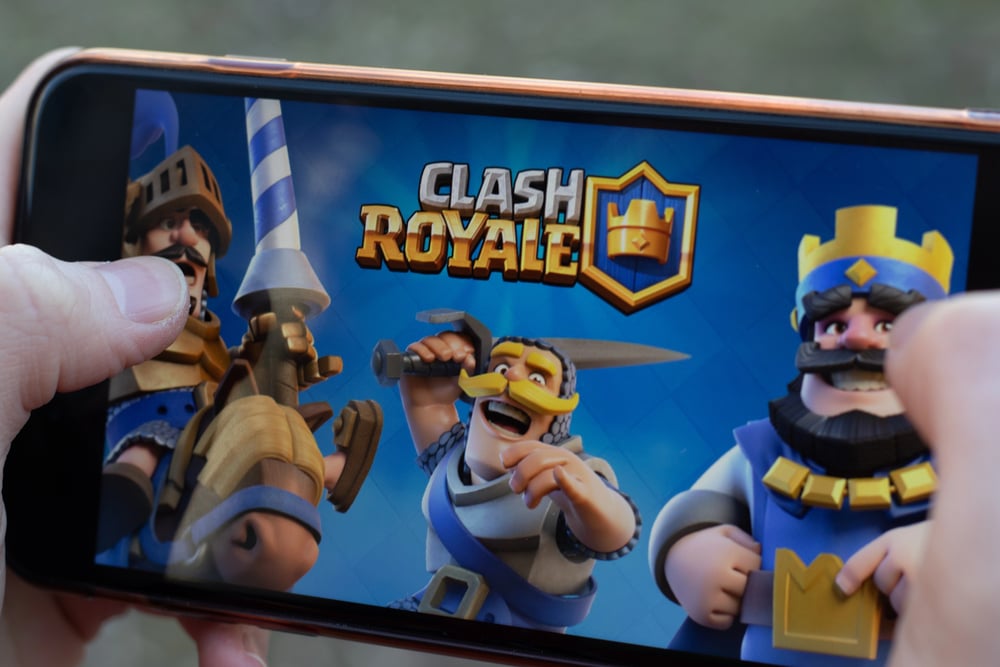
Clash Royale brought real-time strategy battles to mobile devices with fast-paced matches that combined card collecting with tower defense gameplay. Players built decks of cards representing troops, spells, and defenses, then battled opponents in three-minute matches that demanded quick thinking and strategic planning.
The game’s ladder system and clan features created a competitive environment that had players constantly tweaking their strategies and card combinations. Its blend of skill-based gameplay and collectible card mechanics meant there was always a new strategy to try or a better card to unlock.
Among Us
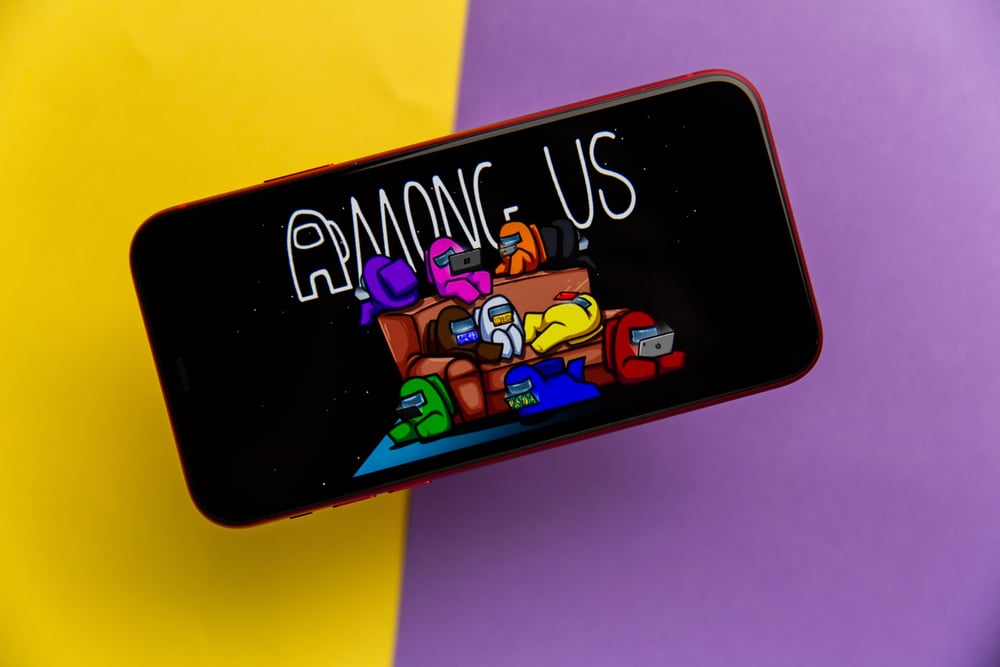
Among Us became a global sensation during the pandemic by combining social deduction with cute astronaut characters in a game of trust and betrayal. Players worked together to complete tasks on a spaceship while hidden impostors tried to eliminate crew members without being caught.
The game’s emphasis on communication and psychology made it perfect for streaming and social media, leading to viral moments and celebrity endorsements. What started as a simple party game became a cultural phenomenon that had friends, families, and coworkers suspicious of each other’s every move.
Flappy Bird

Flappy Bird achieved legendary status by being simultaneously simple and impossibly frustrating, creating an addiction that spread like wildfire across social media. The game required players to tap their screen to keep a bird flying through gaps between pipes, but its unforgiving difficulty made even basic progress feel like a major achievement.
Players would spend hours attempting to beat their high scores, often becoming increasingly frustrated yet unable to stop playing. The game’s eventual removal from app stores only increased its mystique and led to countless clones trying to capture its inexplicable appeal.
Monument Valley
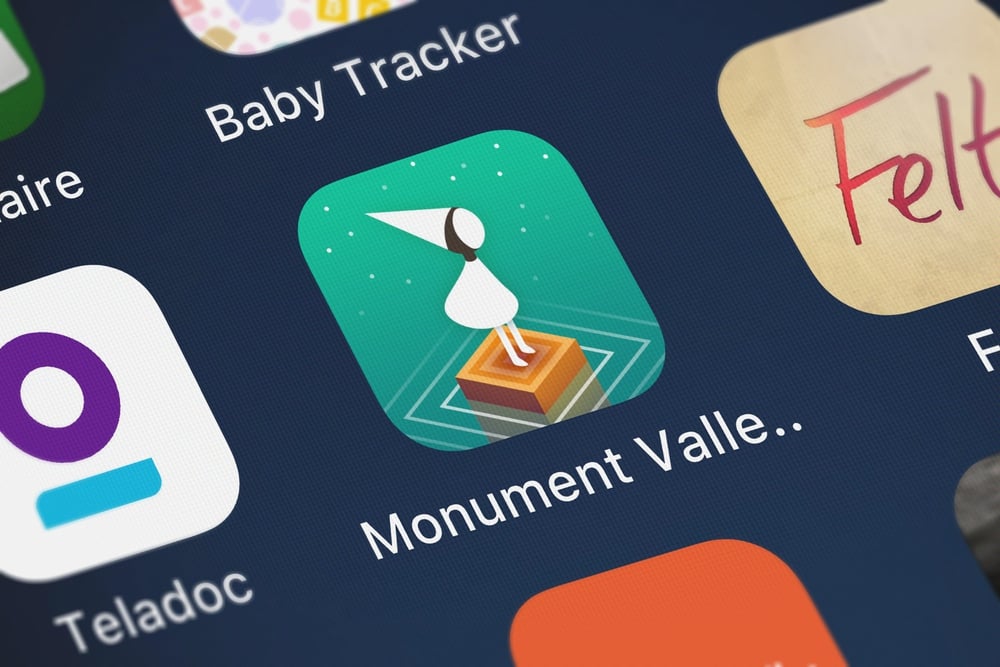
Monument Valley elevated mobile gaming into an art form with its stunning visual design and mind-bending puzzle mechanics based on impossible architecture. Players guided a silent princess through surreal geometric landscapes that shifted and transformed as they manipulated the environment.
The game’s aesthetic beauty and innovative level design created an almost meditative experience that felt more like interactive art than traditional gaming. Each level presented new optical illusions and spatial challenges that had players questioning their perception while enjoying one of the most visually striking mobile experiences ever created.
The Pocket Revolution Continues

These 17 games didn’t just entertain — they fundamentally changed how we interact with technology and each other. They proved that powerful gaming experiences could fit in our pockets and adapt to daily routines, whether someone had two minutes or two hours to spare.
The social connections, competitive spirits, and creative outlets these games provided became woven into the fabric of modern life. As mobile technology continues advancing, these pioneering titles remain proof that great game design transcends platform limitations, creating experiences that capture attention and refuse to let go.
More from Go2Tutors!

- The Romanov Crown Jewels and Their Tragic Fate
- 13 Historical Mysteries That Science Still Can’t Solve
- Famous Hoaxes That Fooled the World for Years
- 15 Child Stars with Tragic Adult Lives
- 16 Famous Jewelry Pieces in History
Like Go2Tutors’s content? Follow us on MSN.