17 Pop Culture Fads That Didn’t Last
Every generation has those moments when something takes over completely, then disappears just as fast. One month everyone’s doing it, buying it, or talking about it.
The next month it’s gone, leaving behind embarrassing photos and a bunch of stuff collecting dust in closets. These fads burned bright and faded fast, leaving us wondering what we were thinking.
Let’s take a trip through the trends that had their moment and then vanished into thin air.
Silly Bandz

These colorful rubber bands shaped like animals, objects, and characters took over elementary schools around 2010. Kids wore dozens of them up their arms, traded them like currency, and collected entire sets with the dedication of treasure hunters.
Schools eventually banned them because students spent more time swapping Silly Bandz than paying attention in class. By 2012, the craze had completely died out, and those packages of shaped rubber bands ended up in junk drawers everywhere.
Planking

People suddenly decided that lying face-down in random places and photographing it counted as entertainment. The trend exploded around 2011, with folks planking on cars, railings, shopping carts, and increasingly dangerous spots.
Social media feeds filled up with these bizarre horizontal photos as everyone tried to find the most unusual location. The fad fizzled out almost as quickly as it started, probably because lying on stuff gets boring pretty fast.
Google Glass

Google released these futuristic eyeglasses with built-in cameras and displays in 2013, expecting them to change how people interacted with technology. Instead, wearers got labeled as ‘Glassholes’ and faced backlash over privacy concerns.
Restaurants and theaters banned them, and the hefty $1,500 price tag didn’t help either. Google pulled them from the consumer market by 2015, though they still exist in some industrial settings.
Pokémon Go Mania
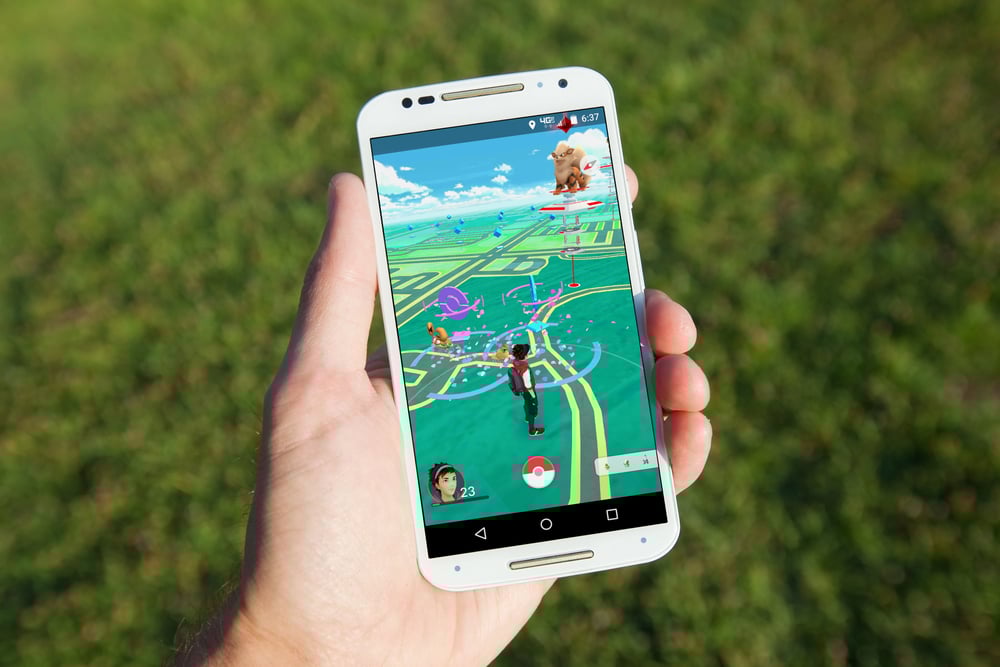
The summer of 2016 saw millions of people wandering around staring at their phones, trying to catch virtual creatures in the real world. Parks filled with crowds hunting for rare Pokémon, and the game made nearly $1 billion in its first few months.
People walked into poles, trespassed on private property, and caused traffic jams in their quest to catch them all. The initial frenzy lasted only a few months before most players lost interest and deleted the app.
Fidget Spinners
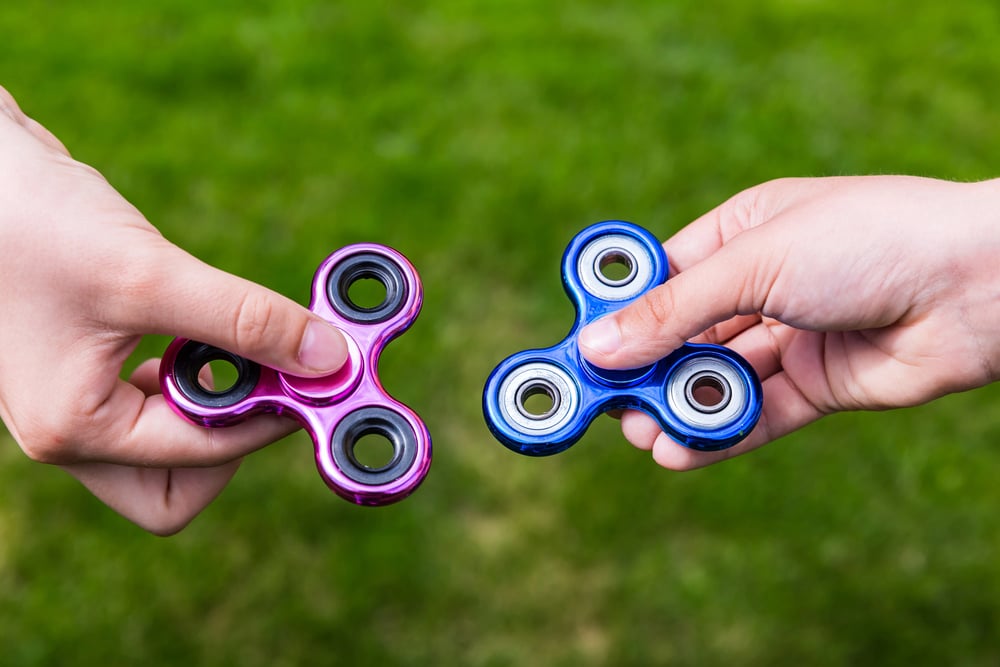
These small spinning toys appeared everywhere in 2017, marketed as tools to help with focus and anxiety. Kids brought them to school, adults spun them in offices, and stores couldn’t keep them in stock.
Teachers quickly banned them from classrooms because they caused more distraction than concentration. Within a year, bins of unsold fidget spinners sat in clearance sections, and the trend completely vanished.
The Harlem Shake
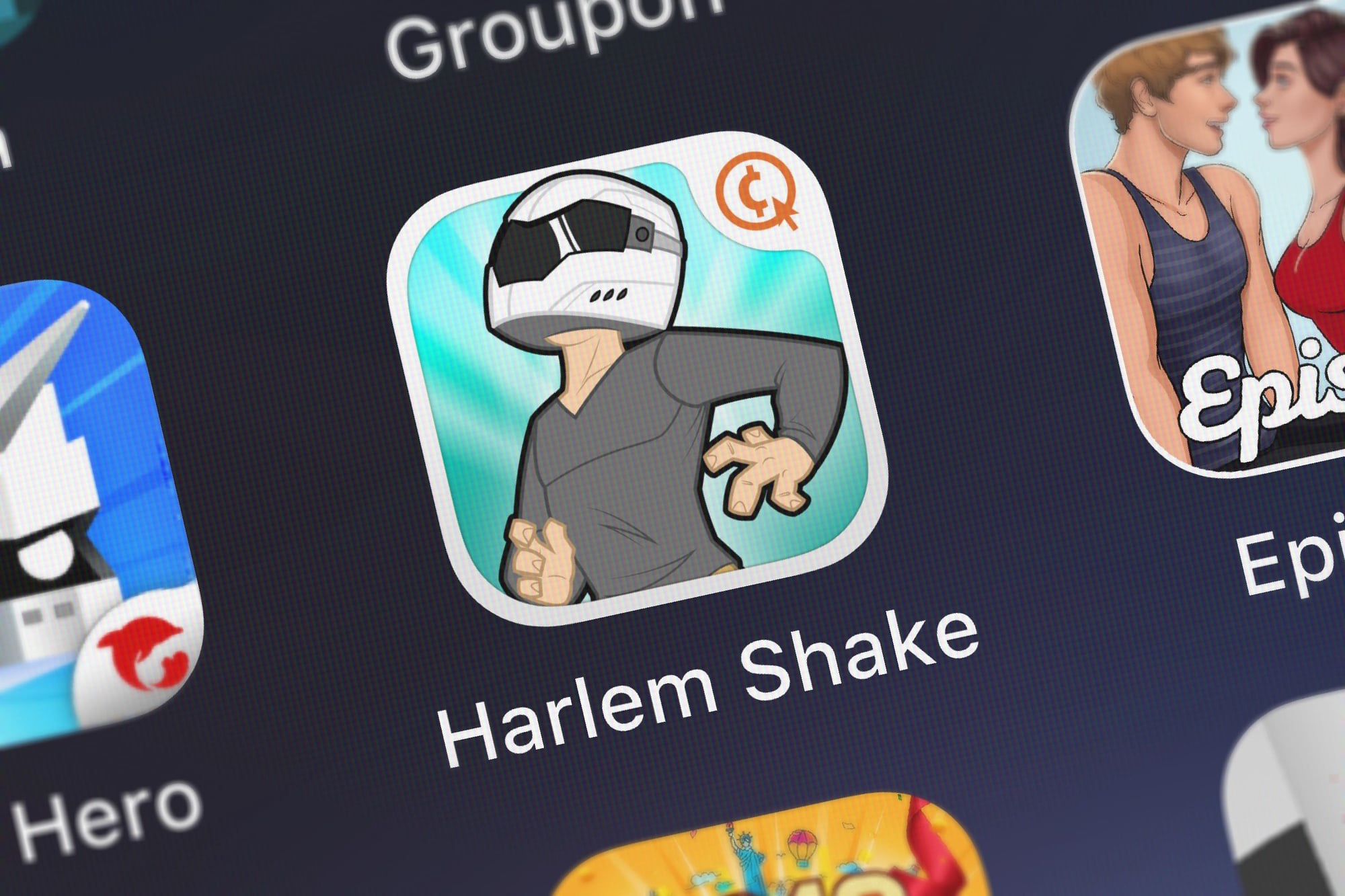
This 30-second video trend dominated early 2013, with groups filming themselves dancing wildly to Baauer’s electronic track. The format stayed the same in every video, starting calm then erupting into chaos.
Companies, sports teams, and even military units posted their own versions. The whole thing lasted about a month before people got tired of watching the exact same concept over and over.
Beanie Babies
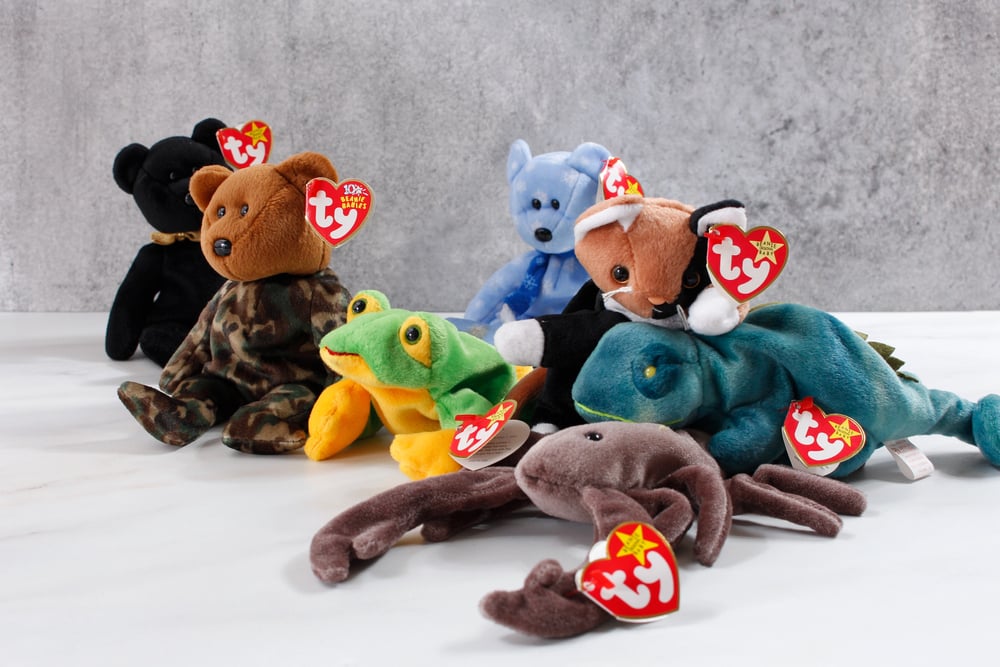
These stuffed animals with their heart-shaped tags convinced people in the 1990s that they were buying future retirement funds. Collectors spent thousands on rare editions, kept them in pristine condition, and believed the value would skyrocket forever.
The bubble burst around 2000, and those ‘investments’ turned out to be worth basically nothing. Attics and basements still hold collections of Beanie Babies that nobody wants.
3D Movies At Home

Television manufacturers pushed 3D TVs hard in the early 2010s, insisting everyone needed to wear glasses to watch TV at home. The technology required special glasses, gave some people headaches, and limited viewing angles.
Most families tried it once or twice, then never bothered with the glasses again. Companies stopped making 3D TVs by 2017 because almost nobody actually used the feature.
Cronuts
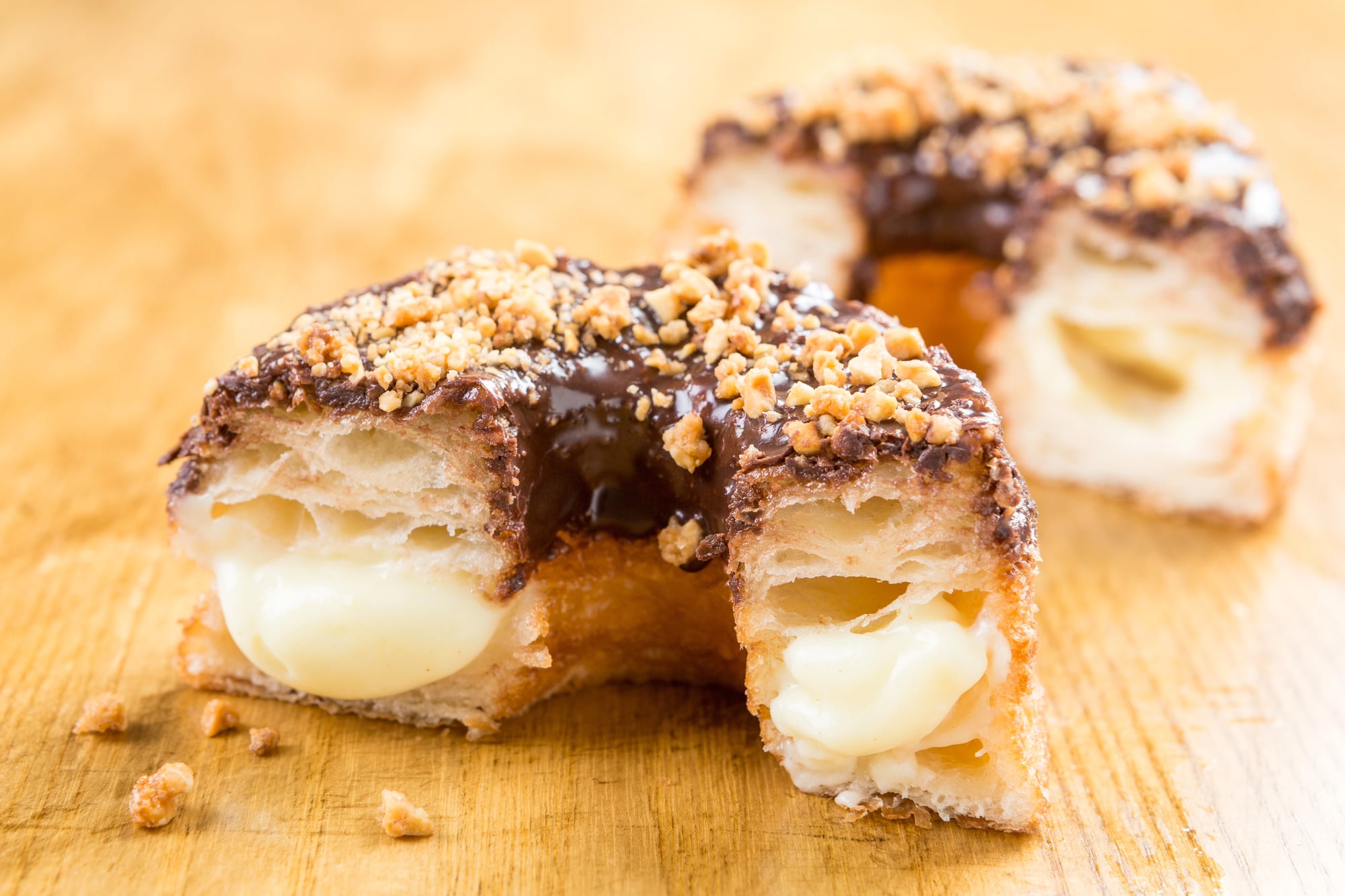
This croissant-doughnut hybrid caused actual lines around the block when it debuted in New York City in 2013. People waited hours to buy them, scalpers resold them for ridiculous markups, and bakeries everywhere rushed to make their own versions.
The cronut itself still exists, but the craze died down within a year as people realized waiting three hours for a pastry wasn’t worth it.
Livestrong Bracelets
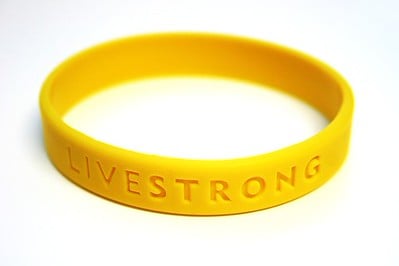
Lance Armstrong’s yellow rubber bracelets became the must-have accessory of the mid-2000s, raising millions for cancer research. Everyone from celebrities to regular folks wore them to show support for the cause.
Armstrong’s doping scandal in 2012 killed the trend instantly, and those yellow bands disappeared from wrists overnight. The foundation still exists but rebranded completely away from Armstrong’s name.
MySpace
Before Facebook took over, MySpace ruled social media from 2005 to 2008 as the place to connect online. Users customized their profiles with music, glittery graphics, and HTML code that often made pages nearly impossible to load.
Tom from MySpace was everyone’s first friend, and picking your Top 8 friends caused genuine drama. Facebook’s cleaner interface and better features won out, and MySpace became a ghost town by 2009.
Gangnam Style Dance

Psy’s viral hit in 2012 had everyone attempting the horse-riding dance move at weddings, parties, and flash mobs. The video became the first on YouTube to hit one billion views, and the song played constantly on radio stations worldwide.
Politicians, athletes, and celebrities all jumped on the trend. By 2013, people had moved on to the next viral dance, and Gangnam Style became a time capsule of that particular moment.
Heelys
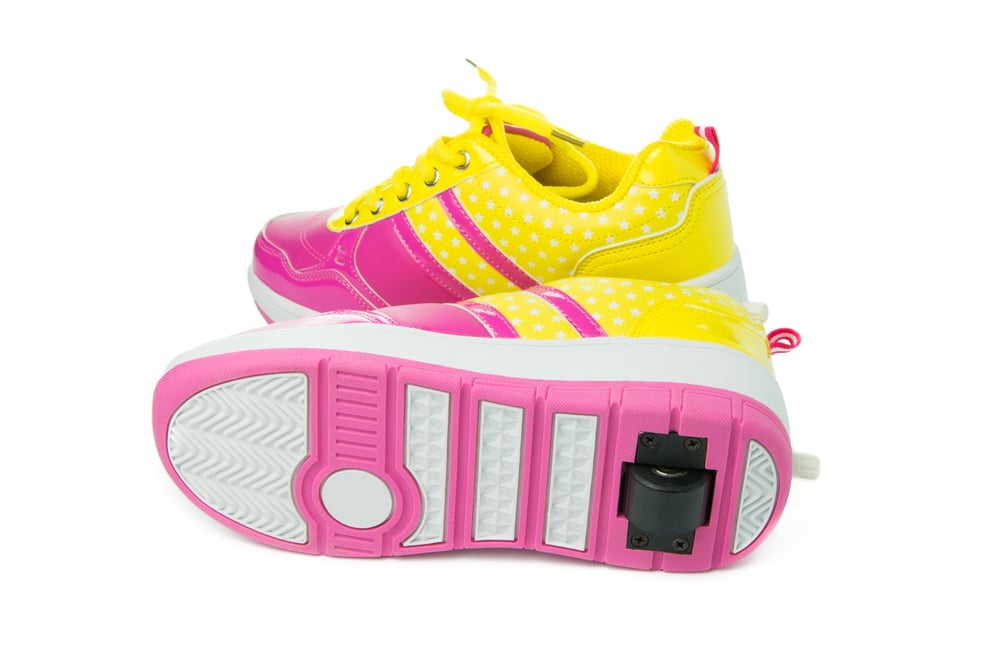
These sneakers with wheels built into the heels let kids roll through stores and malls in the mid-2000s. Parents bought them thinking their children would get exercise, but kids mainly used them to glide around indoor spaces.
Shopping centers and schools banned them after too many collisions and falls. The company still makes them, but they went from everywhere to basically nowhere within a few years.
Ice Bucket Challenge

The summer of 2014 saw everyone from celebrities to regular people dumping ice water on their heads for ALS awareness. The challenge raised over $115 million for ALS research and dominated social media for months.
People nominated friends, filmed their reactions to the cold water, and the campaign genuinely made a difference for the cause. Like most viral challenges, it disappeared completely by fall, though it remains one of the most successful charity campaigns ever.
Farmville
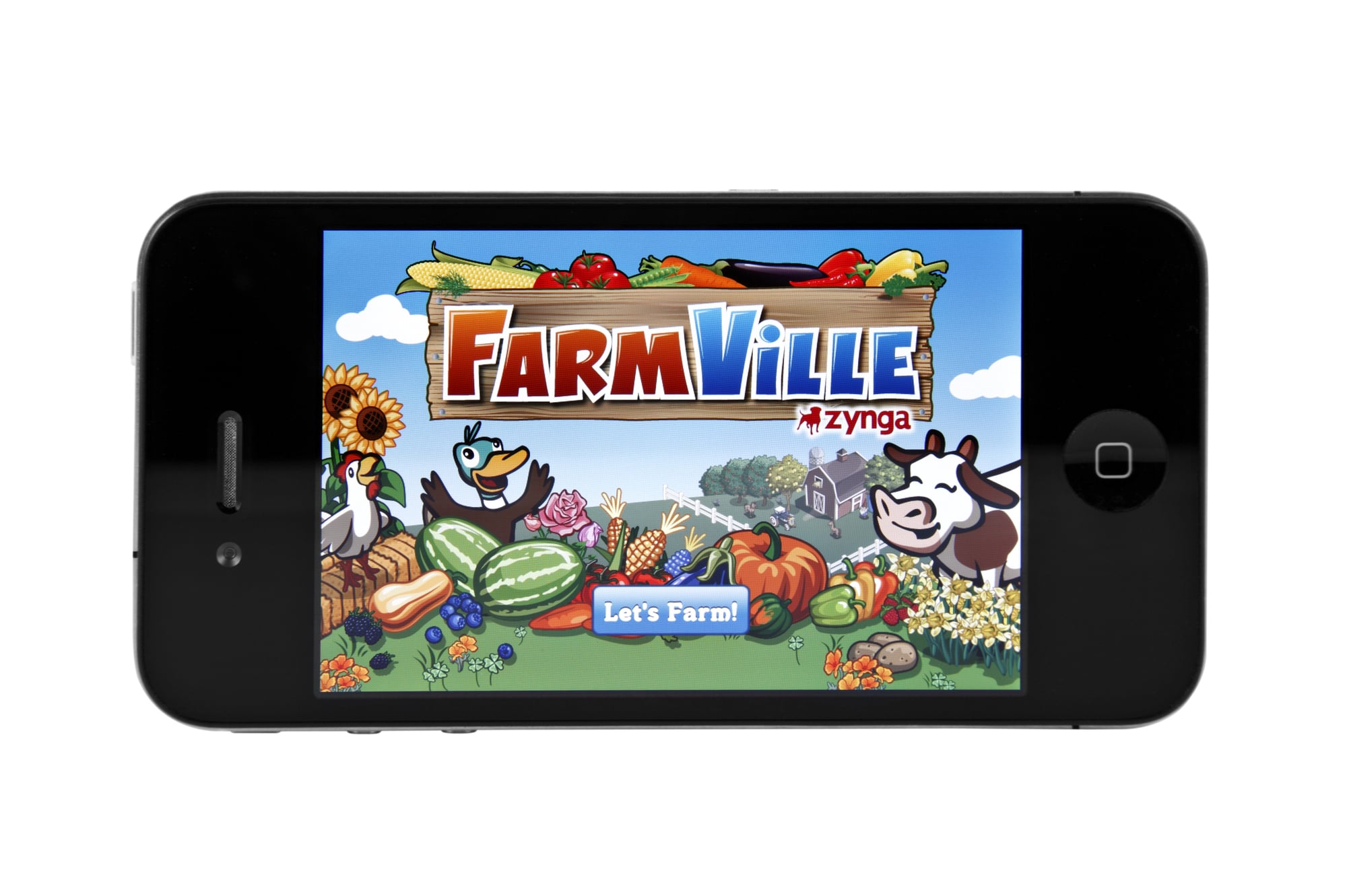
This Facebook game had over 80 million players in 2010, with people setting alarms to harvest their virtual crops on time. Friends constantly sent each other requests for farm help, clogging up news feeds and annoying non-players.
The game made millions through in-app purchases as players bought virtual tractors and decorations. Most people abandoned their digital farms by 2012, though the game technically still exists with a tiny fraction of its former players.
Flash Mobs
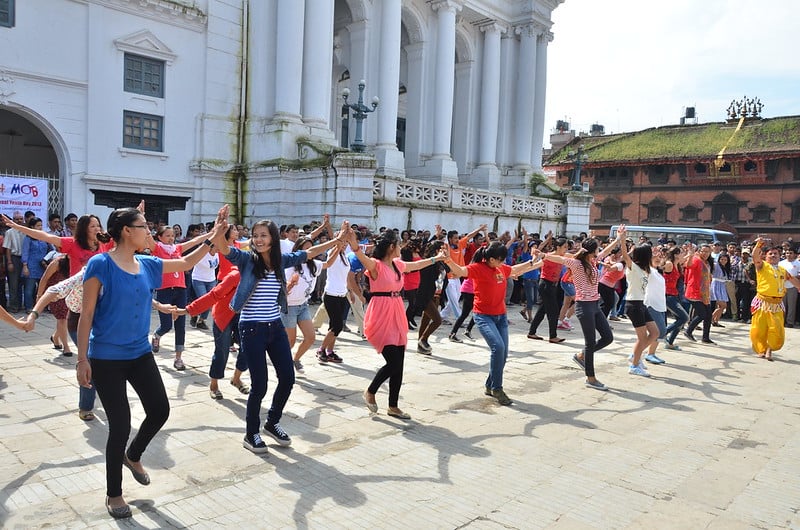
Out of nowhere, crowds would burst into dance or song right in the middle of a plaza – catching everyone off guard. Places like transit hubs or retail centers turned into impromptu theaters where onlookers stood puzzled but grinning.
Online clips spread fast, racking up huge numbers with each share. Soon enough, the idea lost its edge when brands hijacked it, draining away every bit of genuine surprise; What felt alive at first just felt staged by the end.
YOLO
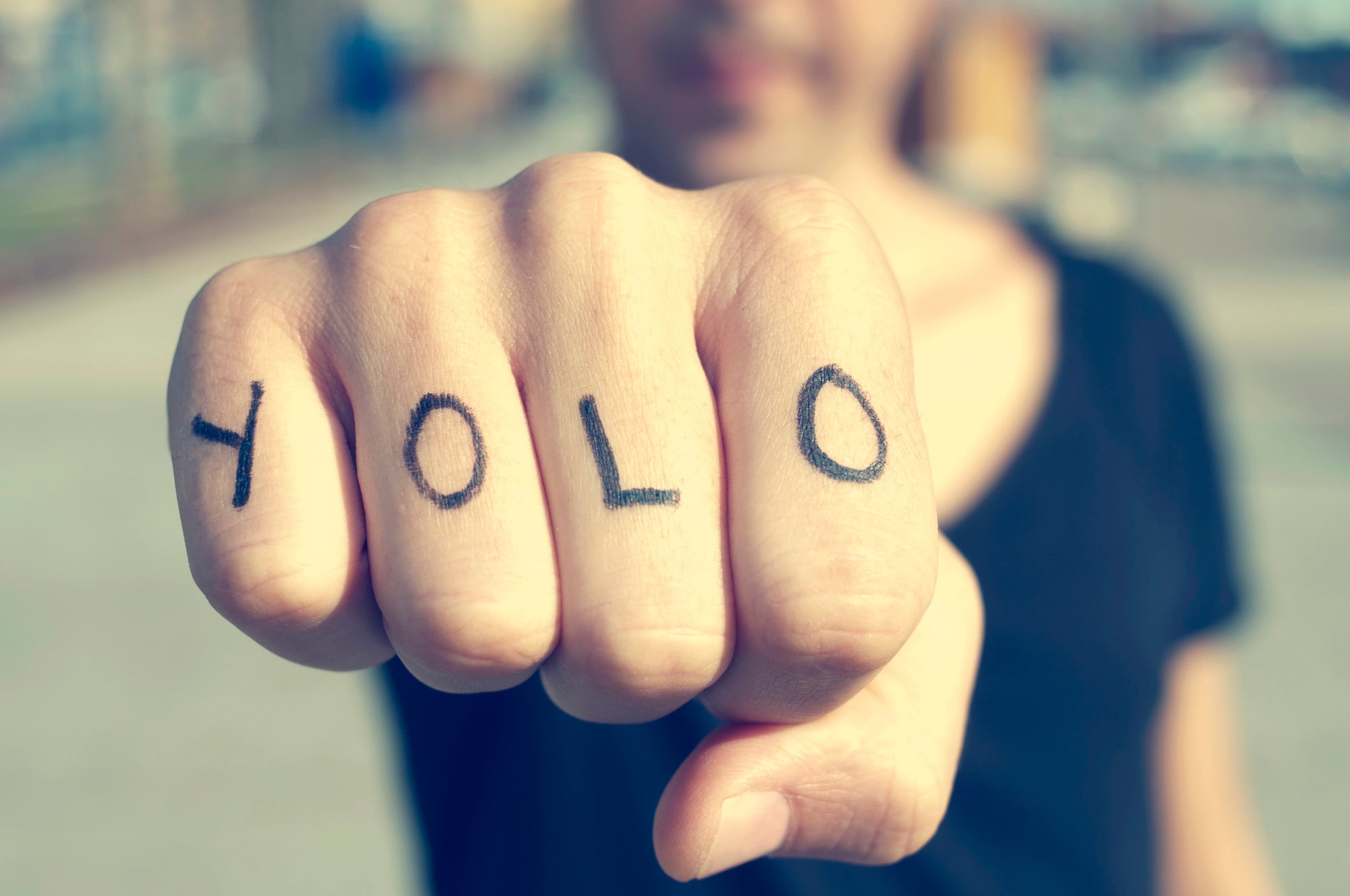
Back in 2011, Drake dropped a track that pushed an abbreviation standing for ‘You Only Live Once’ into the spotlight. Teens started sticking it everywhere – like a tag they used when making iffy choices.
Instead of just talking, people began typing it online, printing it on shirts, even tossing it into chats without thinking twice. For roughly twenty-four months, you could barely scroll or speak without tripping over YOLO.
After being stretched too far and applied way too loosely, it stopped feeling real. Fast forward to 2014, anyone using it straight-faced instantly sounded clueless.
Where Trends Go To Rest

One after another, these trends rushed in then disappeared – way quicker than people thought they would. A few brought laughter later on, maybe a photo or two worth keeping; others dumped boxes of junk into storage spaces.
Fast fame, then silence: proof of how fast tastes shift when online noise pushes everything forward. What feels essential right now could seem silly soon enough – that’s simply where we are.
More from Go2Tutors!

- The Romanov Crown Jewels and Their Tragic Fate
- 13 Historical Mysteries That Science Still Can’t Solve
- Famous Hoaxes That Fooled the World for Years
- 15 Child Stars with Tragic Adult Lives
- 16 Famous Jewelry Pieces in History
Like Go2Tutors’s content? Follow us on MSN.



