17 Rare Facts About the Day the U.S. Bought Alaska
The purchase of Alaska from Russia in 1867 represents one of America’s most remarkable land deals. Often called “Seward’s Folly” after Secretary of State William Seward who orchestrated the purchase, this massive acquisition added an area twice the size of Texas to United States territory.
While many Americans know the basics of this historic transaction, the actual day of the purchase was filled with fascinating details that rarely make it into history books. Here is a list of 17 rare facts about the day the United States purchased Alaska, revealing the peculiar circumstances and surprising elements that surrounded this monumental event.
The Exact Price Tag

The United States paid exactly $7.2 million for Alaska, which works out to about 2 cents per acre. Adjusted for inflation, that’s approximately $140 million in today’s currency.
The check was written on a standard Treasury warrant, just like any ordinary government expenditure of the time.
Middle-of-the-Night Negotiations

The final negotiation session concluded at 4 a.m. on March 30, 1867. Secretary Seward and Russian Minister Eduard de Stoeckl had been discussing the deal for hours when they finally settled on terms.
Seward was so eager to complete the transaction that he refused to wait until morning.
Like Go2Tutors’s content? Follow us on MSN.
No Presidential Presence
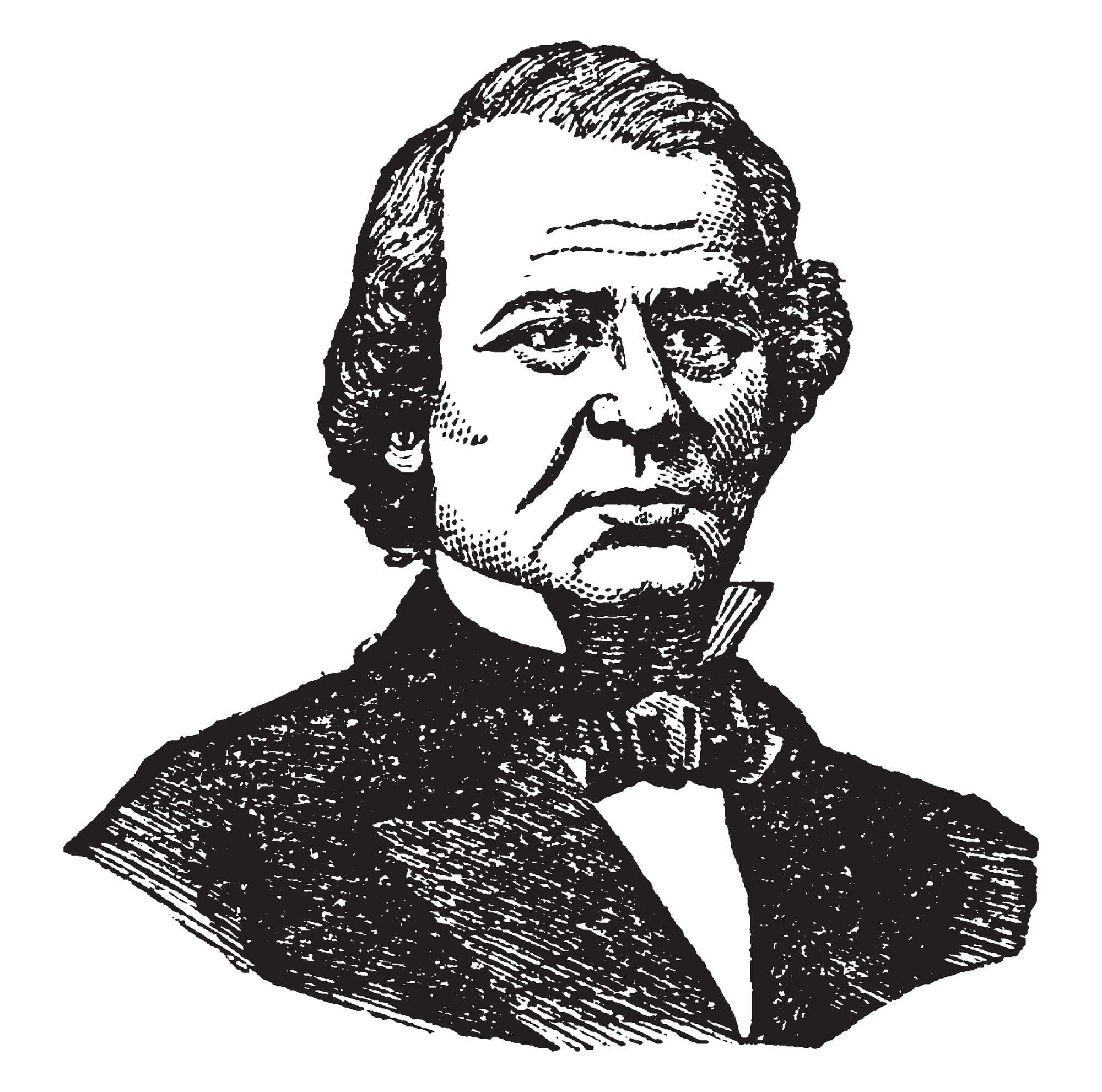
President Andrew Johnson was notably absent from the signing ceremony. He was dealing with impeachment proceedings at the time and delegated the entire Alaska matter to Seward.
The president didn’t even issue a public statement about the purchase until several days later.
Missing Paperwork

The original treaty document went missing for several hours during the signing day. A State Department clerk had misplaced it while making copies, causing momentary panic among officials.
It was eventually found underneath a stack of unrelated correspondence.
Weather Delay
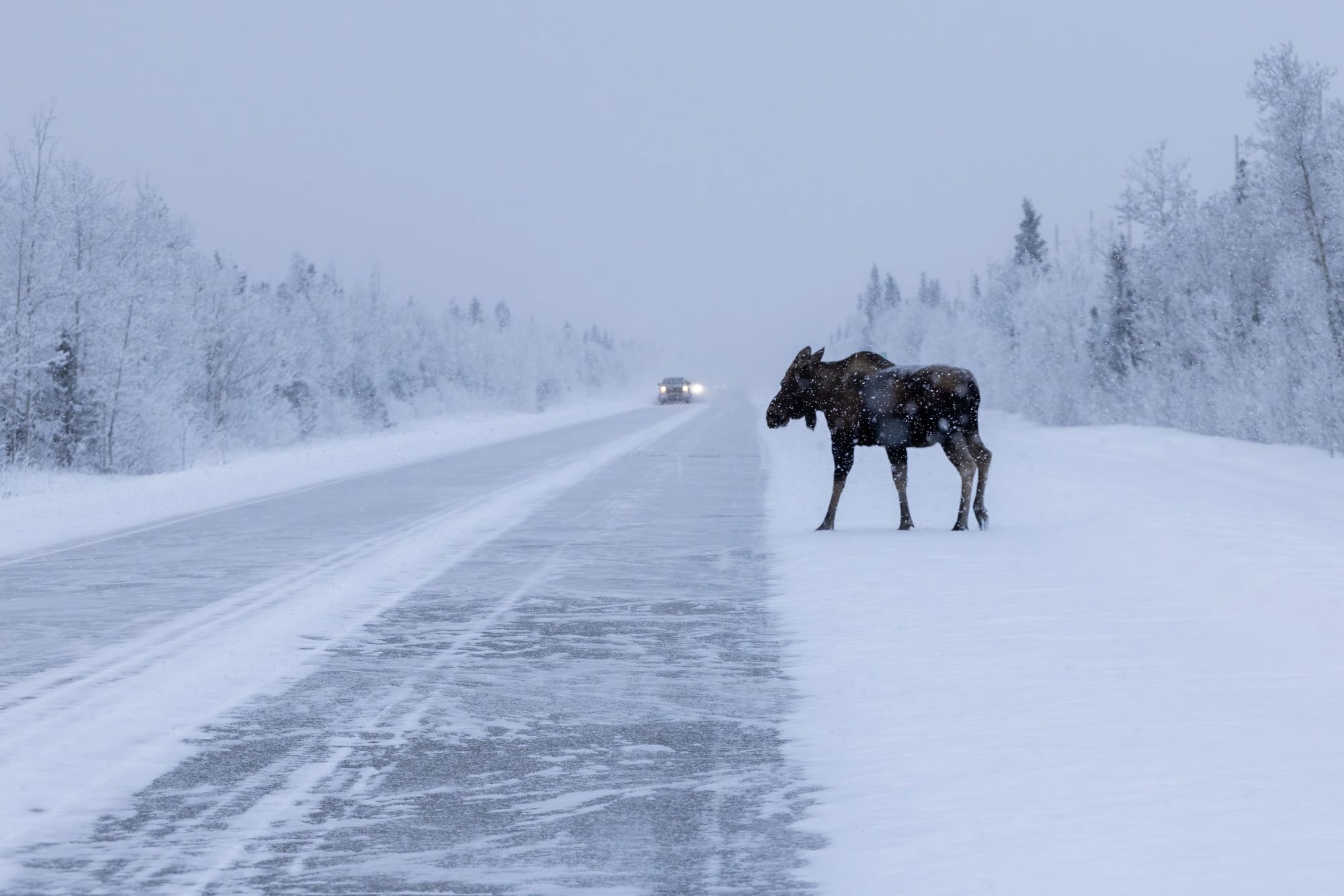
The formal transfer ceremony in Sitka was delayed by three weeks due to terrible weather. The American delegation arrived off the Alaskan coast but couldn’t safely land because of fierce October storms.
They circled in increasingly rough seas until the weather cleared enough for boats to reach shore.
Like Go2Tutors’s content? Follow us on MSN.
Immediate Mining Rush
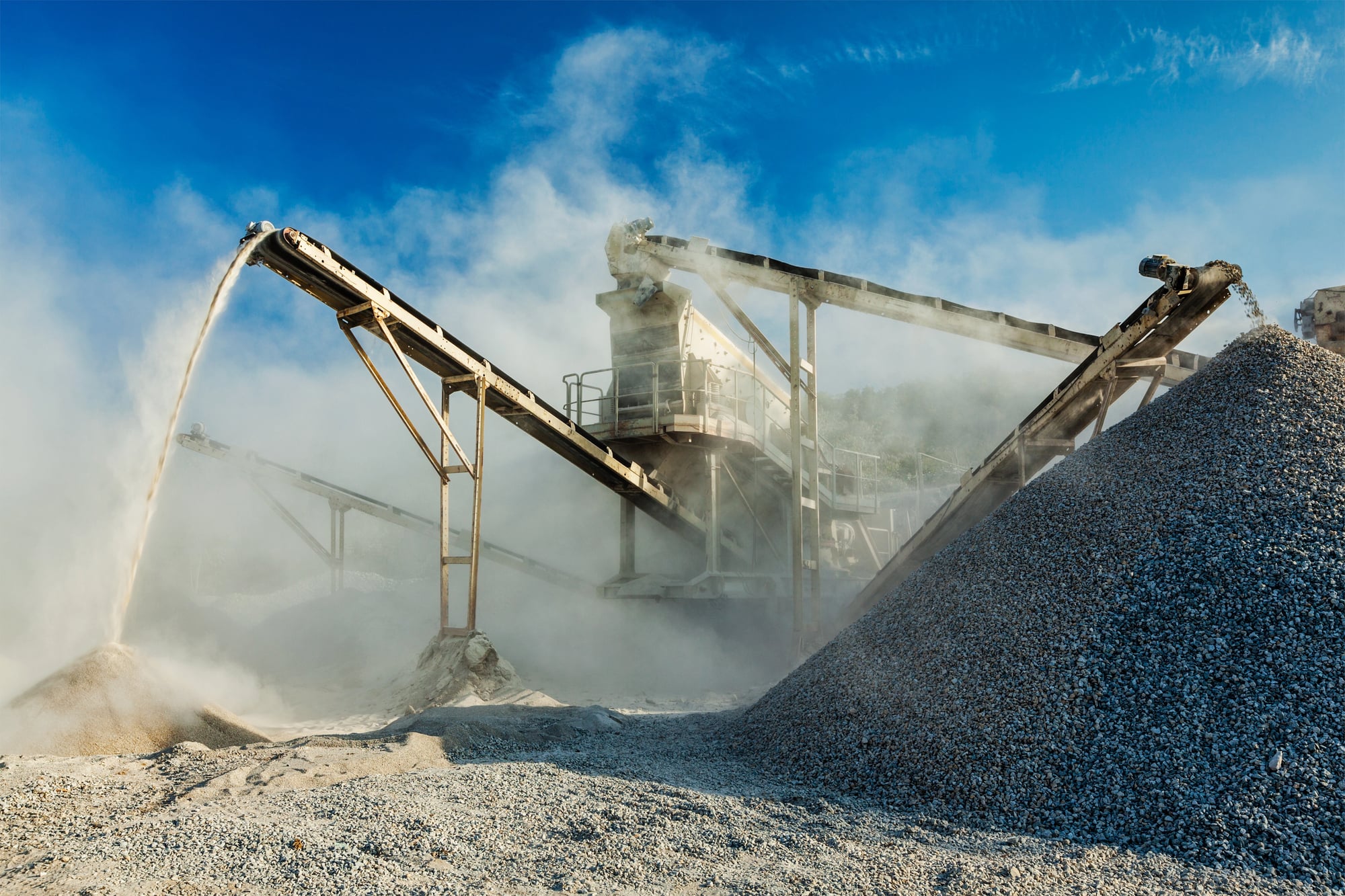
The very day news of the purchase reached San Francisco, a mining company was formed to exploit Alaska’s resources. Before the ink had dried on the treaty, entrepreneurs were already planning expeditions to search for gold in the territory.
Their rushed preparations proved premature, as the major Alaskan gold rush wouldn’t happen for another 30 years.
Silent Locals
Not a single Alaska Native was consulted or even present during the purchase negotiations or signing. The indigenous populations learned about their new nationality only after the deal was complete.
Many villages didn’t receive official notice of the change in governance for months.
Congressional Resistance

The House of Representatives initially refused to appropriate the money to complete the purchase. For over a year after the treaty was signed, the deal hung in limbo.
Funding was finally approved by a margin of just one vote, with rumors of bribery surrounding the sudden change of heart from several representatives.
Like Go2Tutors’s content? Follow us on MSN.
Military Confusion
American military units assigned to take possession of Alaska arrived with outdated maps and incorrect information. Several detachments got lost trying to locate Russian outposts mentioned in their orders.
Some remote Russian settlements weren’t officially transferred to American control until nearly a year later.
Newspaper Mockery
The day after the purchase was announced, newspapers across America mocked Seward mercilessly. The New York Tribune called Alaska ‘a frozen wasteland’ while the Detroit Free Press suggested it would be better to buy a volcano.
Political cartoonists had a field day depicting Seward buying icebergs and polar bears.
Forgotten Flag
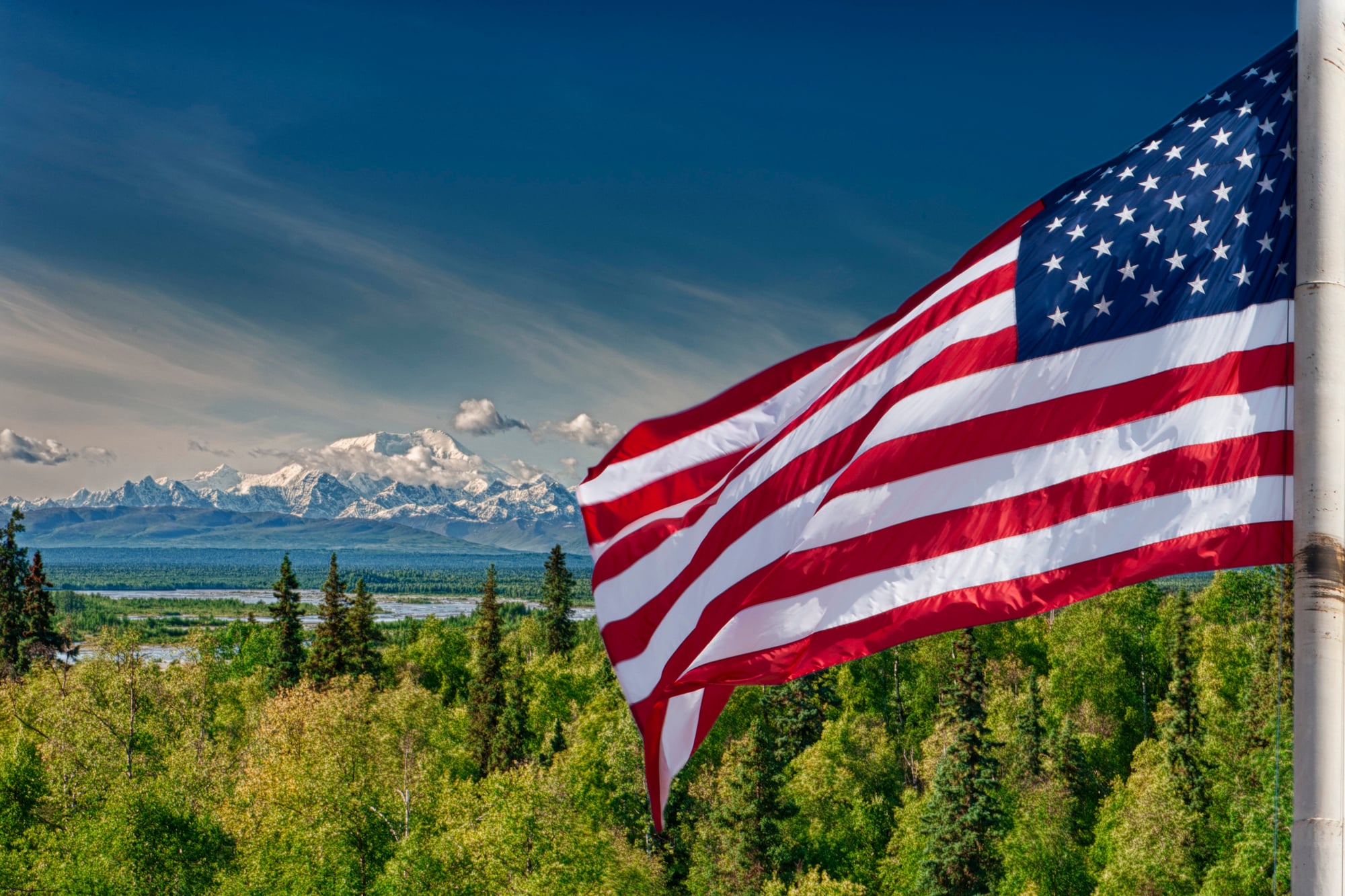
During the official transfer ceremony in Sitka, officials realized they had forgotten to bring an American flag. A resourceful soldier quickly improvised by cutting up a Russian officer’s wife’s red petticoat, some blue fabric, and white bedsheets to create a makeshift Stars and Stripes.
Like Go2Tutors’s content? Follow us on MSN.
Calendar Confusion

When the United States took over Alaska, the territory jumped ahead by 12 days. Russia still used the Julian calendar while America used the Gregorian calendar, so October 6 in Russian Alaska instantly became October 18 in American Alaska.
This caused considerable confusion for record-keeping and business contracts.
Immediate Border Disputes
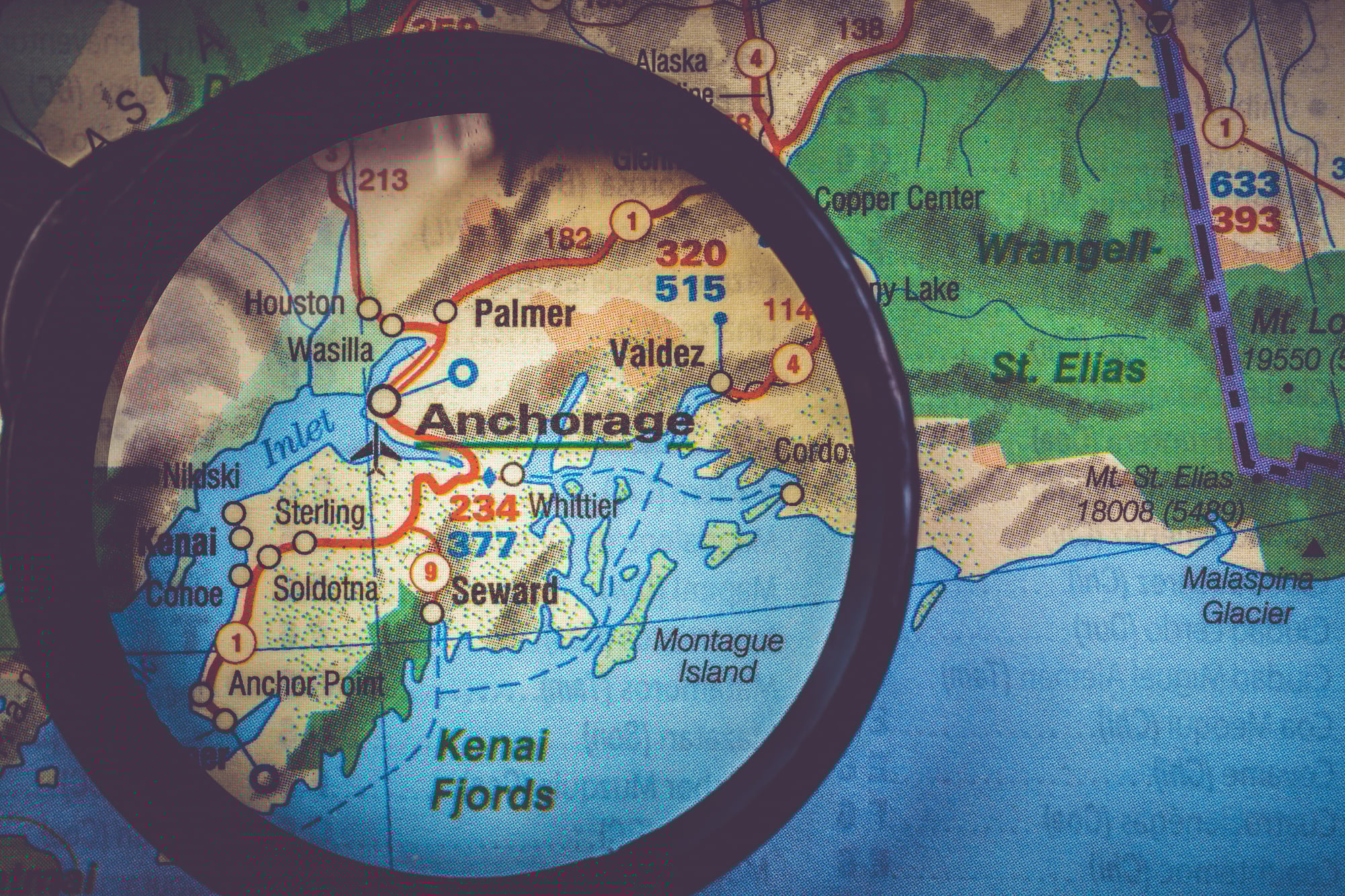
The same day as the purchase, questions arose about the exact eastern boundary between Alaska and British Canada. The border was described using vague geographical landmarks rather than precise measurements.
This ambiguity would lead to decades of territorial disputes, culminating in an international arbitration in 1903.
Language Barriers
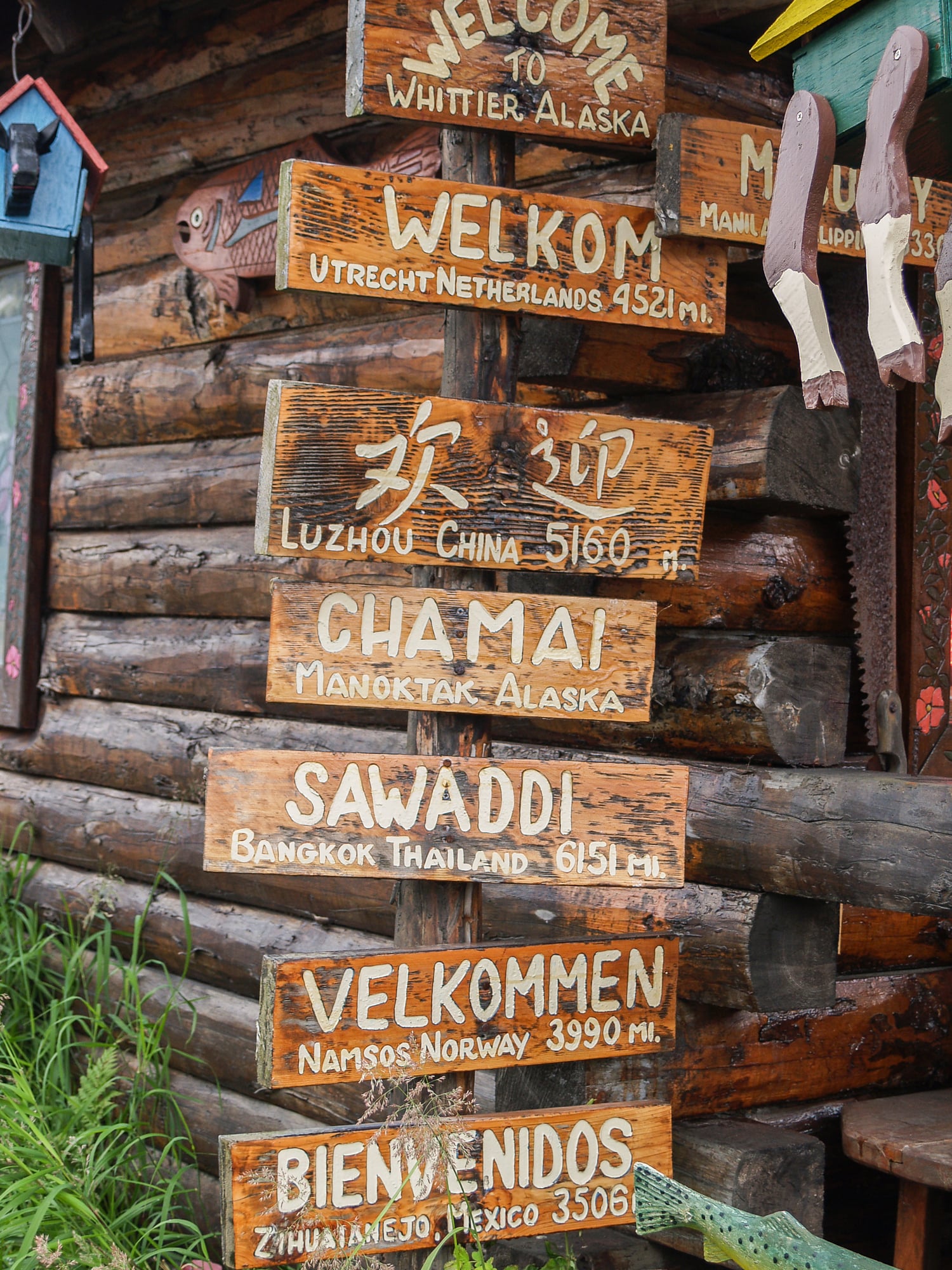
Not a single American official at the transfer ceremony spoke Russian, and few Russians spoke English. The transfer documents had to be translated multiple times through French, creating several discrepancies between versions.
Some terms in the official handover were interpreted differently by each side.
Like Go2Tutors’s content? Follow us on MSN.
Abandoned Archives
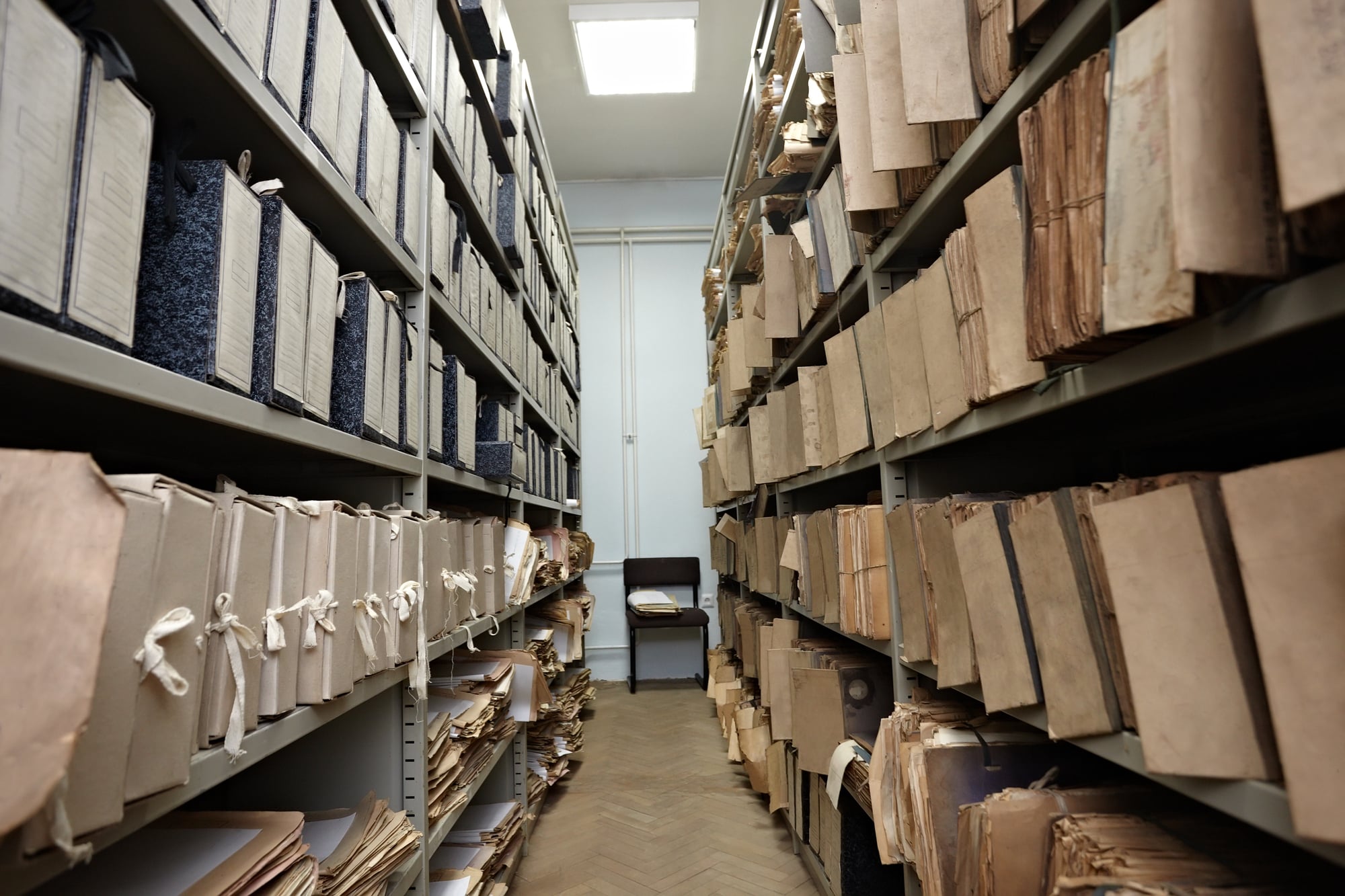
Russian officials hastily burned numerous government documents the day of the transfer. Valuable historical records dating back to the earliest Russian settlements were destroyed within hours of the American arrival.
Officials claimed they were eliminating ‘unnecessary paperwork,’ but historians believe they were concealing evidence of mistreatment of indigenous populations.
Immediate Price Inflation

The day American authorities took control, prices in Sitka doubled. Merchants, anticipating American spending habits and unfamiliarity with local values, immediately raised costs for everything from basic supplies to housing.
Some American officials were forced to sleep in tents because accommodations suddenly became unaffordable.
Diplomatic Afterthought
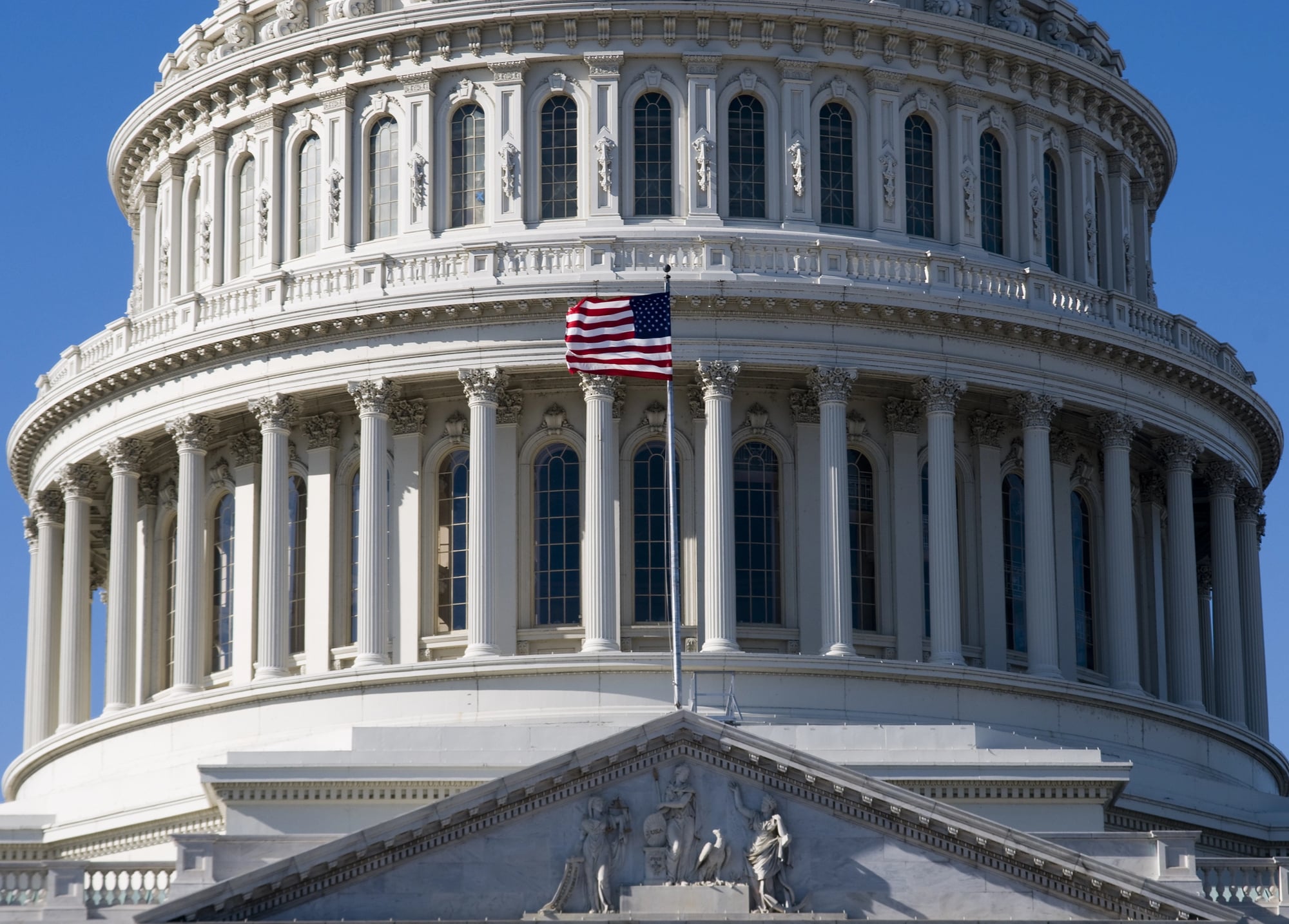
The official reception celebrating the Alaska purchase in Washington D.C. was notably sparse. Most foreign diplomats sent their aides instead of attending personally, considering the acquisition a minor diplomatic event.
The Russian ambassador himself left early, reportedly saying the celebration was ‘depressingly modest for such a grand territory.’
Like Go2Tutors’s content? Follow us on MSN.
Beyond the Frozen Frontier
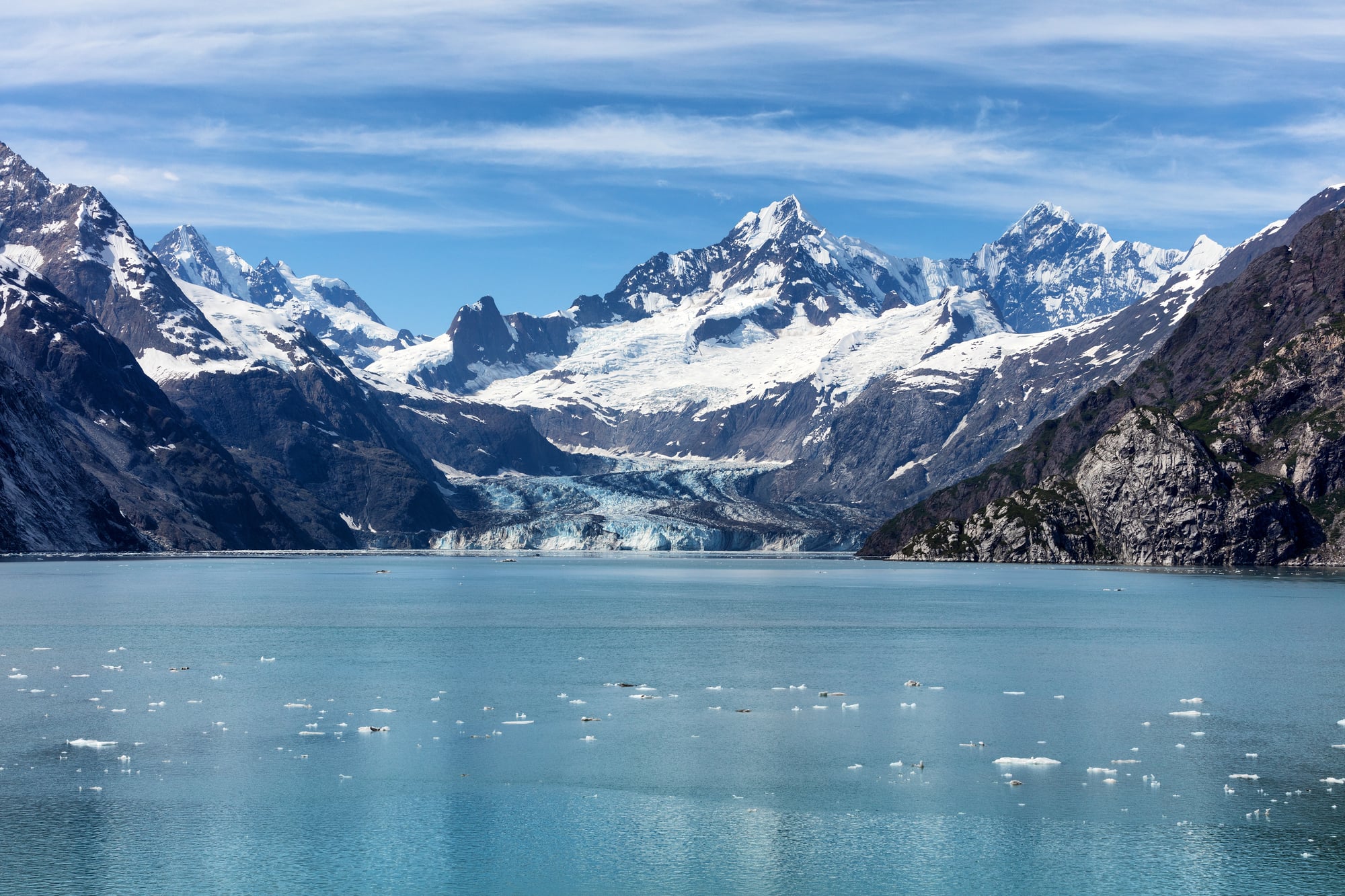
What began as a ridiculed real estate transaction has transformed into one of America’s most valuable and resource-rich regions. Alaska’s journey from dismissed territory to vital state reflects America’s evolving understanding of value beyond immediate agricultural potential.
The purchase represents perhaps the greatest land bargain in American history, proving that today’s mockery often becomes tomorrow’s marvel.
More from Go2Tutors!

- 18 Unexpectedly Valuable Collectibles You Might Have Lying Around
- 20 Little-Known Historical Battles That Had Huge Consequences
- 20 Historical Artifacts That Scientists Can’t Explain
- 15 Inventions That Were Immediately Banned After Being Created
- 20 Actors Who Were Almost Cast in Iconic Roles
Like Go2Tutors’s content? Follow us on MSN.