17 Roles That Were Written for One Actor But Made Another Famous Instead
Hollywood’s casting process is rarely straightforward. Sometimes a director envisions a specific actor for a role, only for circumstances to lead to someone entirely different stepping in. These casting switches often come with fascinating stories behind them, and in some cases, they’ve launched careers into the stratosphere or revitalized fading stars.
Here is a list of 17 iconic roles that were originally intended for different actors but ultimately became career-defining performances for those who took their place.
Harrison Ford in Star Wars

George Lucas initially refused to cast actors from his previous film “American Graffiti” for Star Wars. He wanted fresh faces and had considered Kurt Russell, Nick Nolte, and Christopher Walken for Han Solo.
Harrison Ford was only helping read lines with other actors during auditions when Lucas realized the perfect Han Solo was right in front of him. Ford’s portrayal of the space smuggler became one of cinema’s most beloved characters and launched him into superstardom.
Tom Cruise in Iron Man
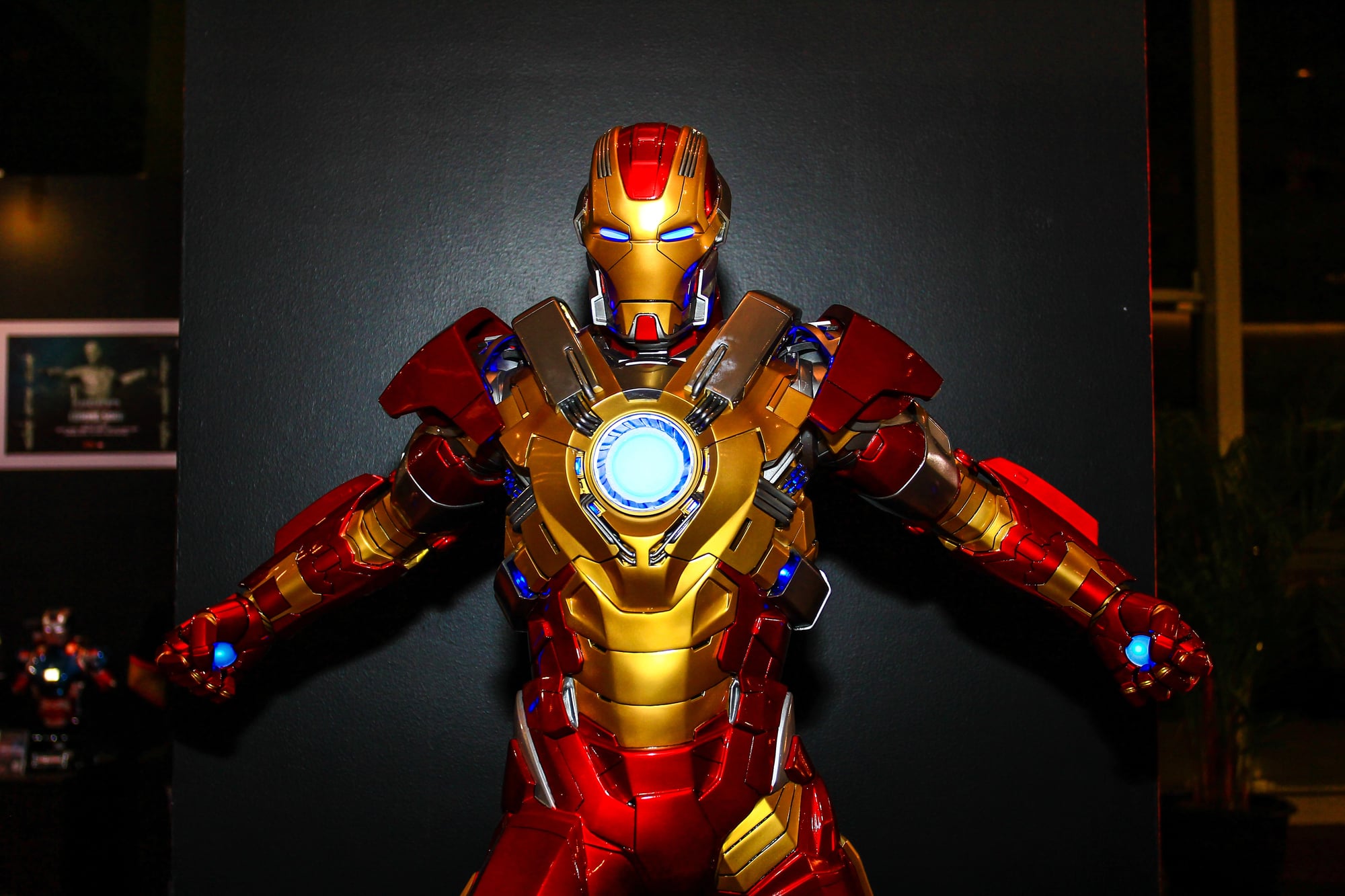
While it’s hard to imagine anyone but Robert Downey Jr. as Tony Stark, Marvel had originally approached Tom Cruise for the role years before the Marvel Cinematic Universe was established. Cruise turned down the opportunity, feeling the script wasn’t right at the time.
Downey Jr., whose career was in a slump due to personal struggles, convinced director Jon Favreau to give him a chance. His charismatic performance not only revitalized his career but also helped establish the foundation of the entire Marvel film empire.
Leonardo DiCaprio in The Matrix
The Wachowskis initially wanted Will Smith to play Neo in their groundbreaking sci-fi film. Smith famously declined to star in “Wild Wild West” instead, a decision he later regretted.
The role then went to Keanu Reeves, who was not the studio’s first choice either. Reeves’ stoic delivery and commitment to the physically demanding role helped make “The Matrix” a cultural phenomenon and revitalized his career, establishing him as an action star for a new generation.
Jennifer Lawrence in Silver Linings Playbook
Anne Hathaway was originally set to play Tiffany opposite Bradley Cooper in this acclaimed romantic drama. When scheduling conflicts forced her to drop out, director David O. Russell took a chance on the relatively unknown Jennifer Lawrence, who was considered too young for the role.
Lawrence delivered a powerful performance that earned her an Academy Award and cemented her status as one of Hollywood’s most sought-after actresses.
Hugh Jackman in X-Men
Dougray Scott was cast and had begun preparing to play Wolverine in the first X-Men film. However, shooting delays on “Mission: Impossible II” forced him to withdraw.
Director Bryan Singer hurriedly cast the relatively unknown Australian actor Hugh Jackman, who was primarily known for musical theater. Jackman went on to play Wolverine for years across multiple films, becoming the record holder for longest career as a live-action Marvel superhero.
Jodie Foster in The Silence of the Lambs
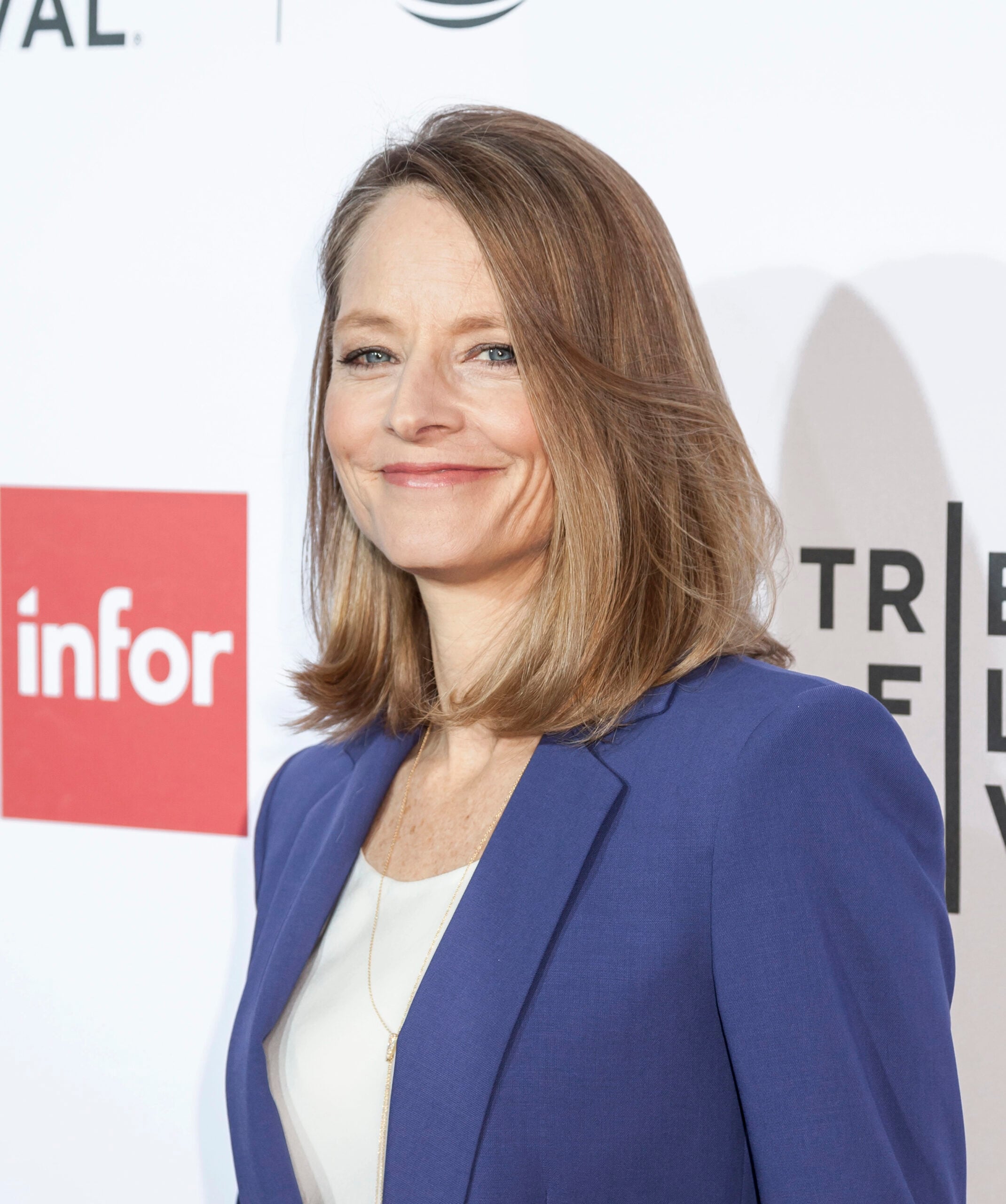
Michelle Pfeiffer was originally offered the role of Clarice Starling but turned it down, uncomfortable with the film’s dark themes. The role then went to Jodie Foster, who delivered an intensely focused performance that earned her an Academy Award.
Her portrayal of the determined FBI trainee opposite Anthony Hopkins’ Hannibal Lecter created one of cinema’s most memorable dynamics and is regarded as a landmark feminist character in the thriller genre.
Tom Hanks in Forrest Gump
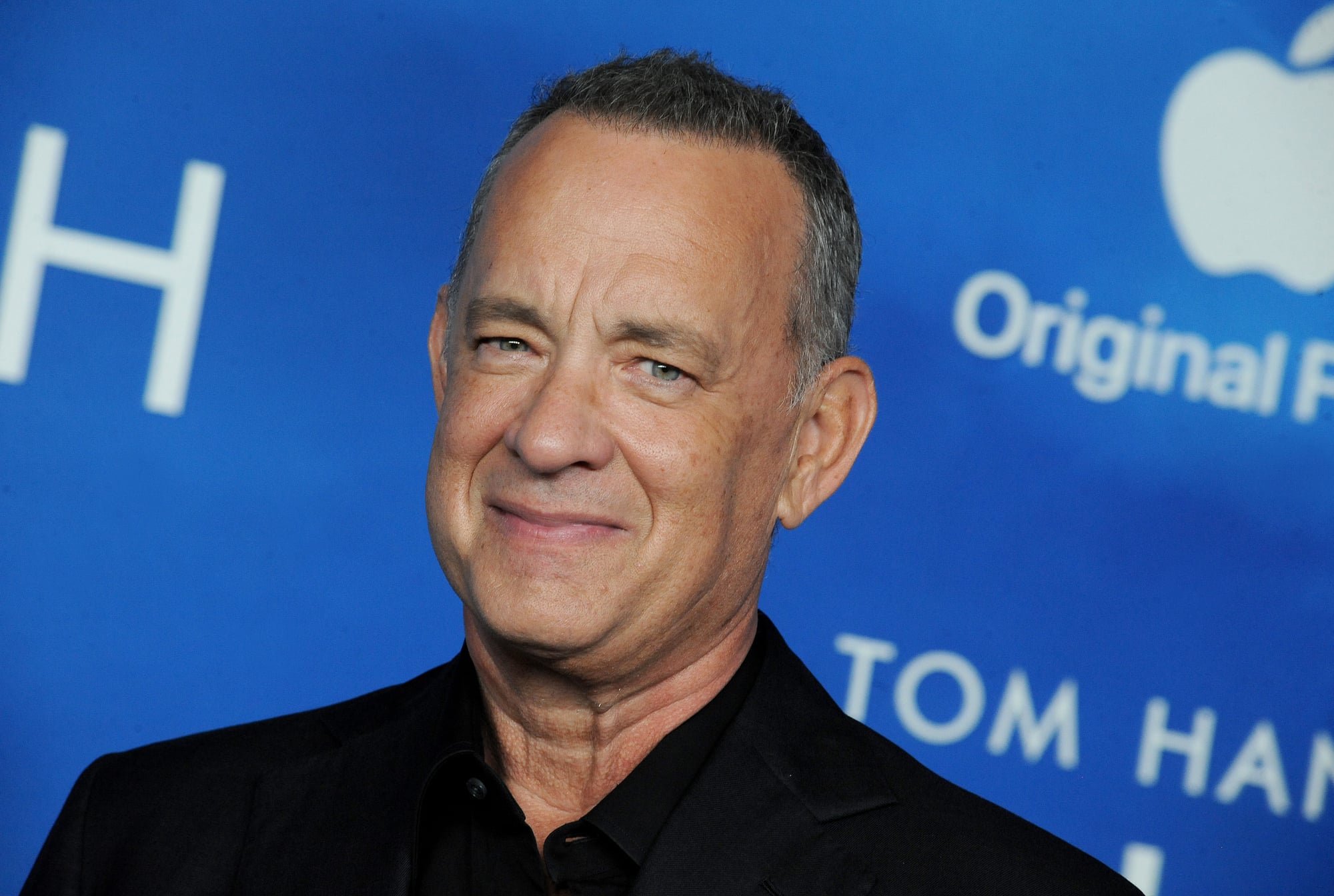
John Travolta was the first choice to play the lovable, simple-minded Forrest. After declining the role, it went to Tom Hanks.
Hanks’ heartfelt portrayal earned him an Academy Award for Best Actor and delivered countless iconic lines and moments that remain embedded in popular culture.
Viggo Mortensen in The Lord of the Rings
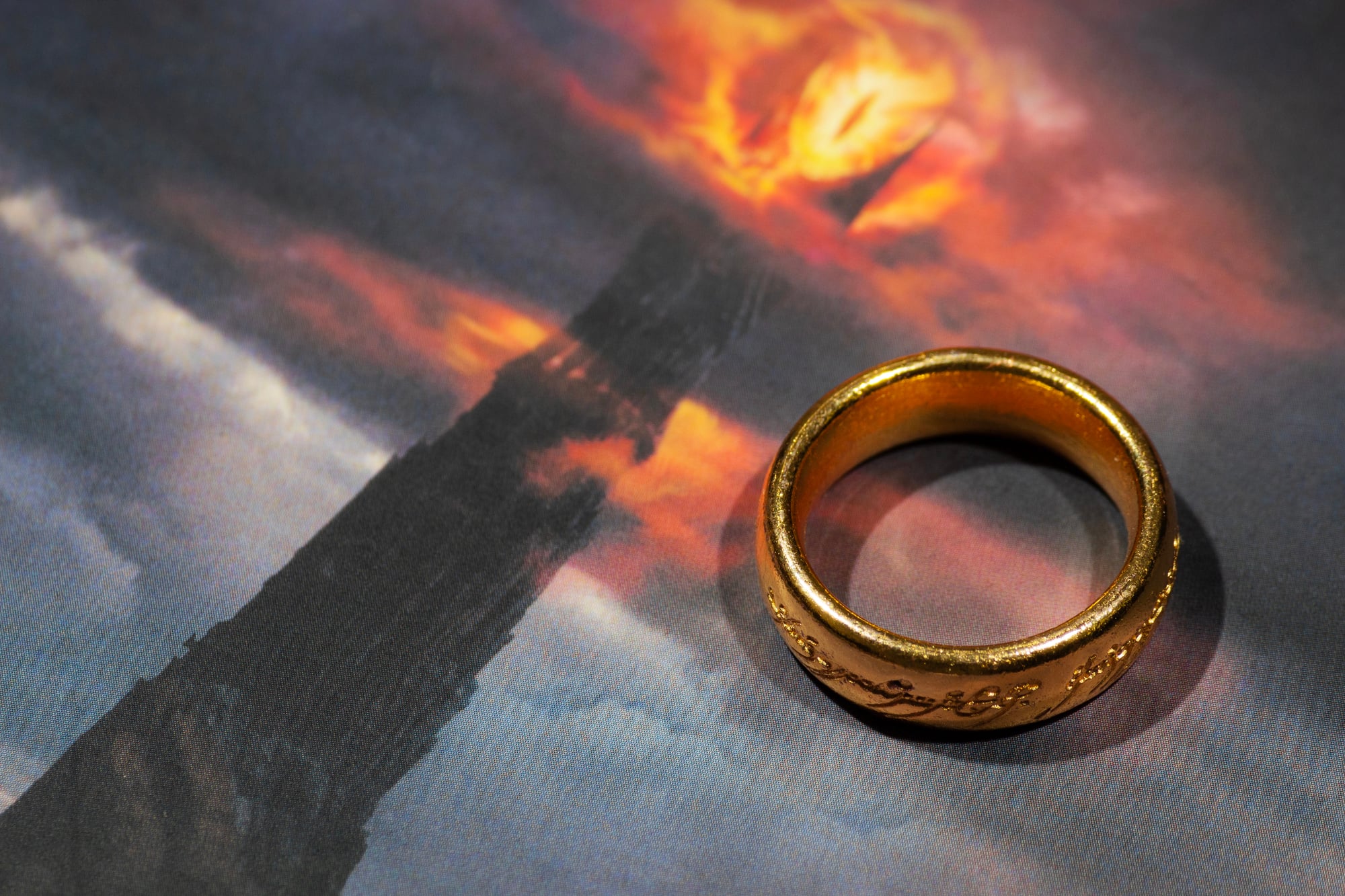
Stuart Townsend was originally cast as Aragorn and had begun filming when director Peter Jackson realized he wanted someone older for the role. Townsend was replaced by Viggo Mortensen, who initially hesitated to take the part.
Mortensen’s nuanced portrayal of the reluctant king-in-waiting became one of the trilogy’s most compelling character arcs and elevated him from a supporting actor to a leading man in Hollywood.
Heath Ledger in The Dark Knight
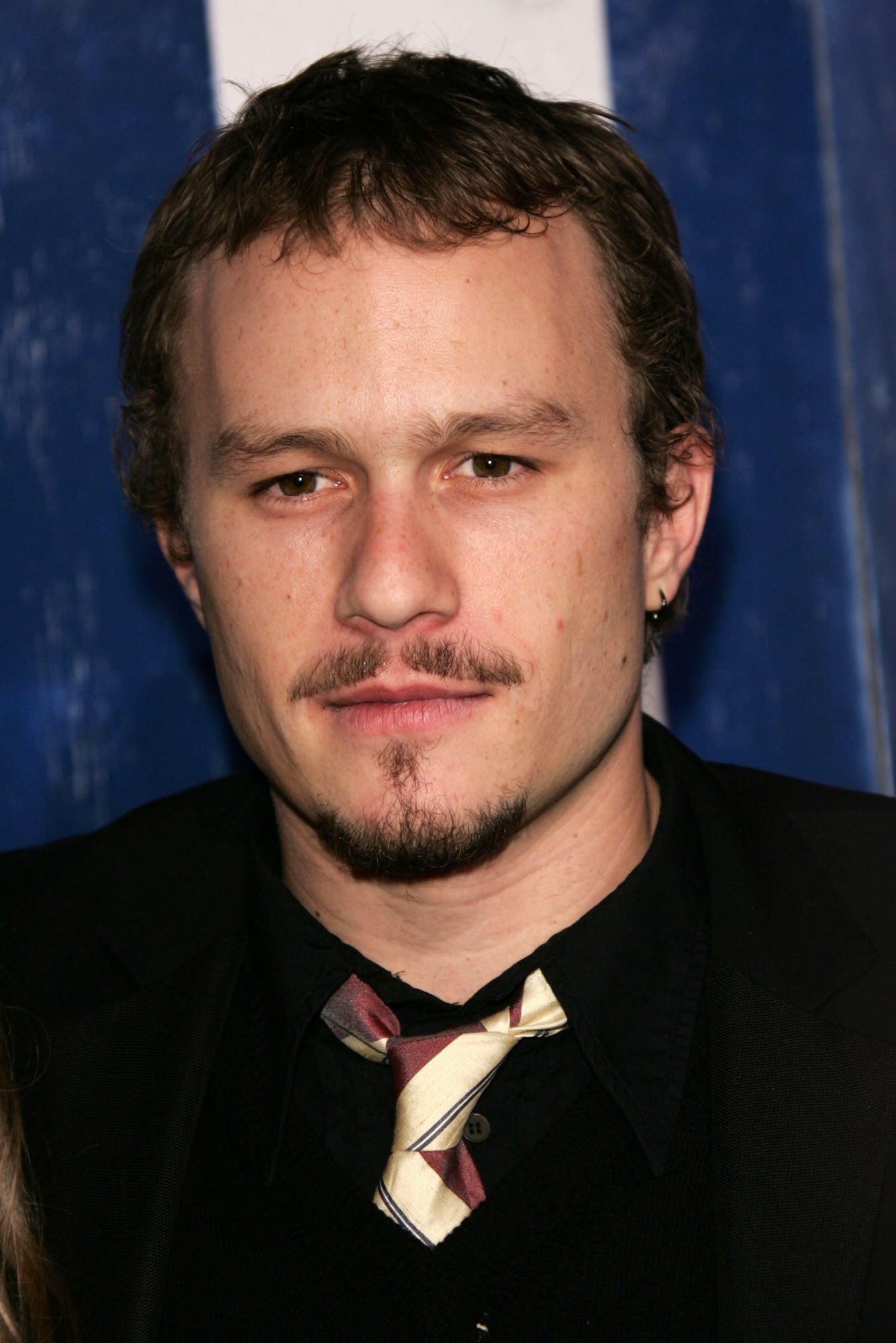
Director Christopher Nolan reportedly considered several established actors including Robin Williams for the Joker in his Batman sequel. The choice of Heath Ledger was initially met with skepticism from fans, who knew him primarily from romantic roles.
Ledger’s disturbing, anarchic interpretation silenced critics and posthumously earned him an Academy Award. His performance is widely considered one of the greatest villain portrayals in film history.
Mark Ruffalo as The Hulk
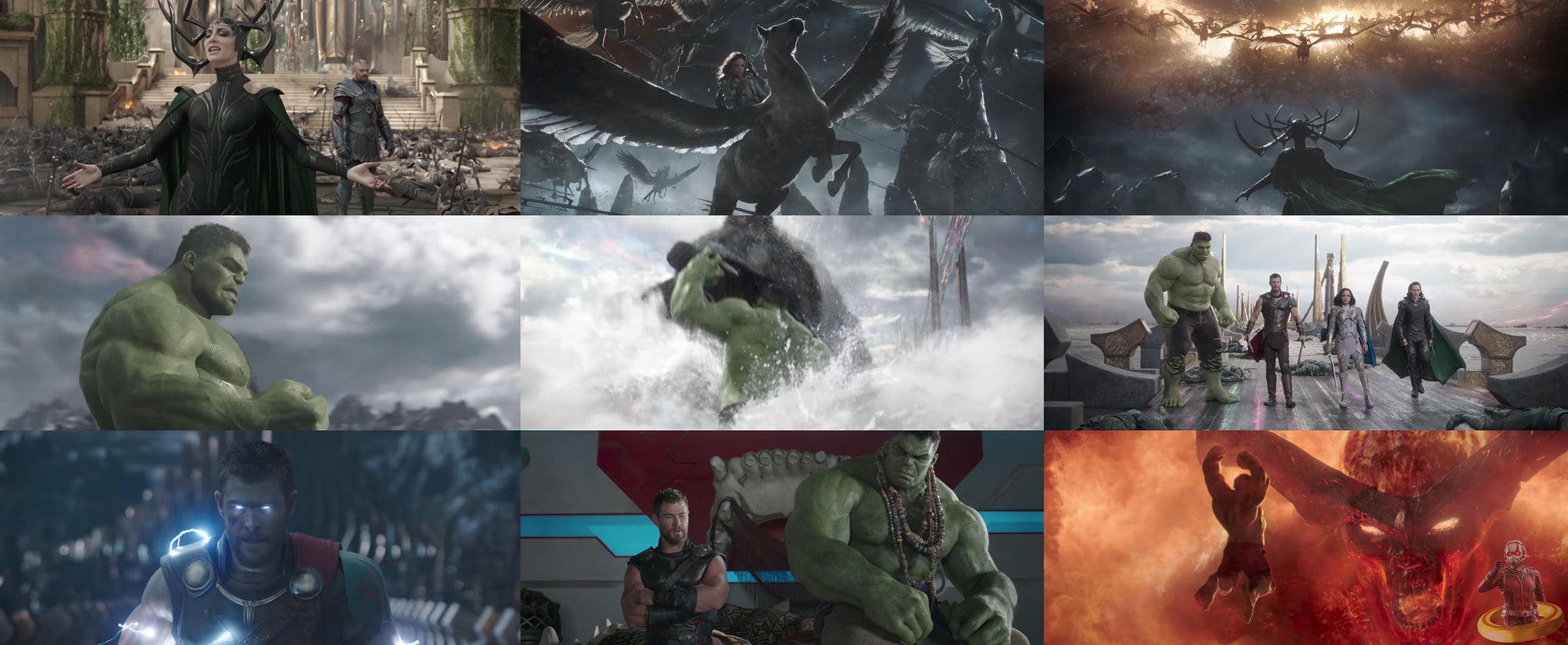
Edward Norton played Bruce Banner in the earlier film but was replaced due to reported creative differences with Marvel. Mark Ruffalo stepped in for “The Avengers” and subsequent films, bringing a vulnerable, weary quality to the character that resonated with audiences.
Ruffalo’s interpretation as a man perpetually at odds with his monstrous alter ego has made him a fan favorite throughout the Marvel Cinematic Universe.
Chris Pratt in Guardians of the Galaxy

Marvel initially pursued more established action stars for the role of Peter Quill, including Joseph Gordon-Levitt. Director James Gunn saw something special in Chris Pratt, who at the time was known primarily as the lovable goofball Andy Dwyer on “Parks and Recreation.”
Despite initial studio hesitation, Pratt was cast and transformed both physically and professionally into a leading man. His charismatic performance helped turn a relatively obscure Marvel property into one of its most beloved franchises.
Reese Witherspoon in Legally Blonde
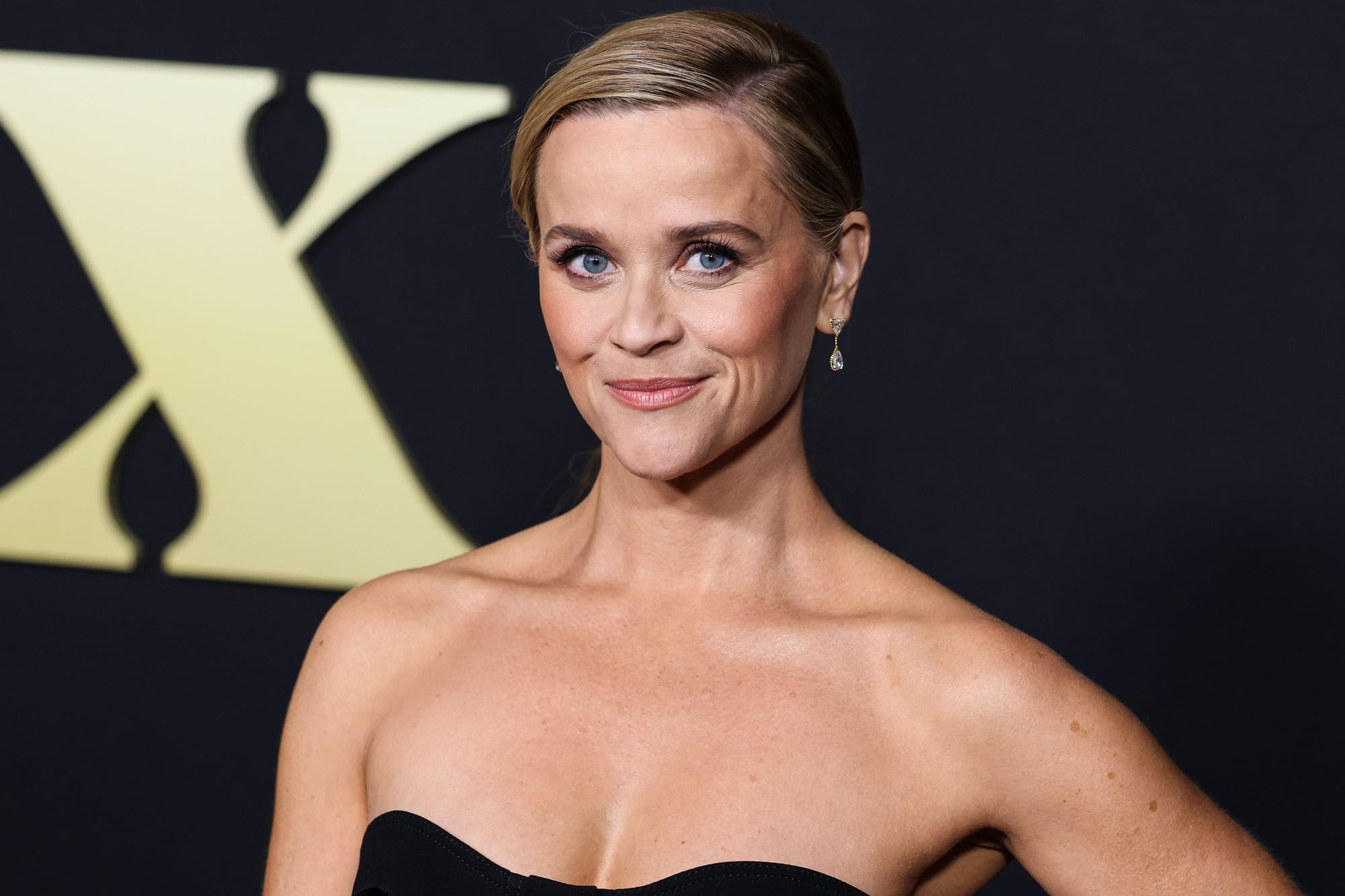
Christina Applegate turned down the role of Elle Woods, concerned about being typecast in blonde roles after “Married with Children.” The part went to Reese Witherspoon, who brought depth and sincerity to what could have been a one-dimensional character.
Witherspoon’s portrayal of the fashion-obsessed law student who defies everyone’s expectations became her signature role and established her as a comic talent with dramatic range.
Dustin Hoffman in The Graduate
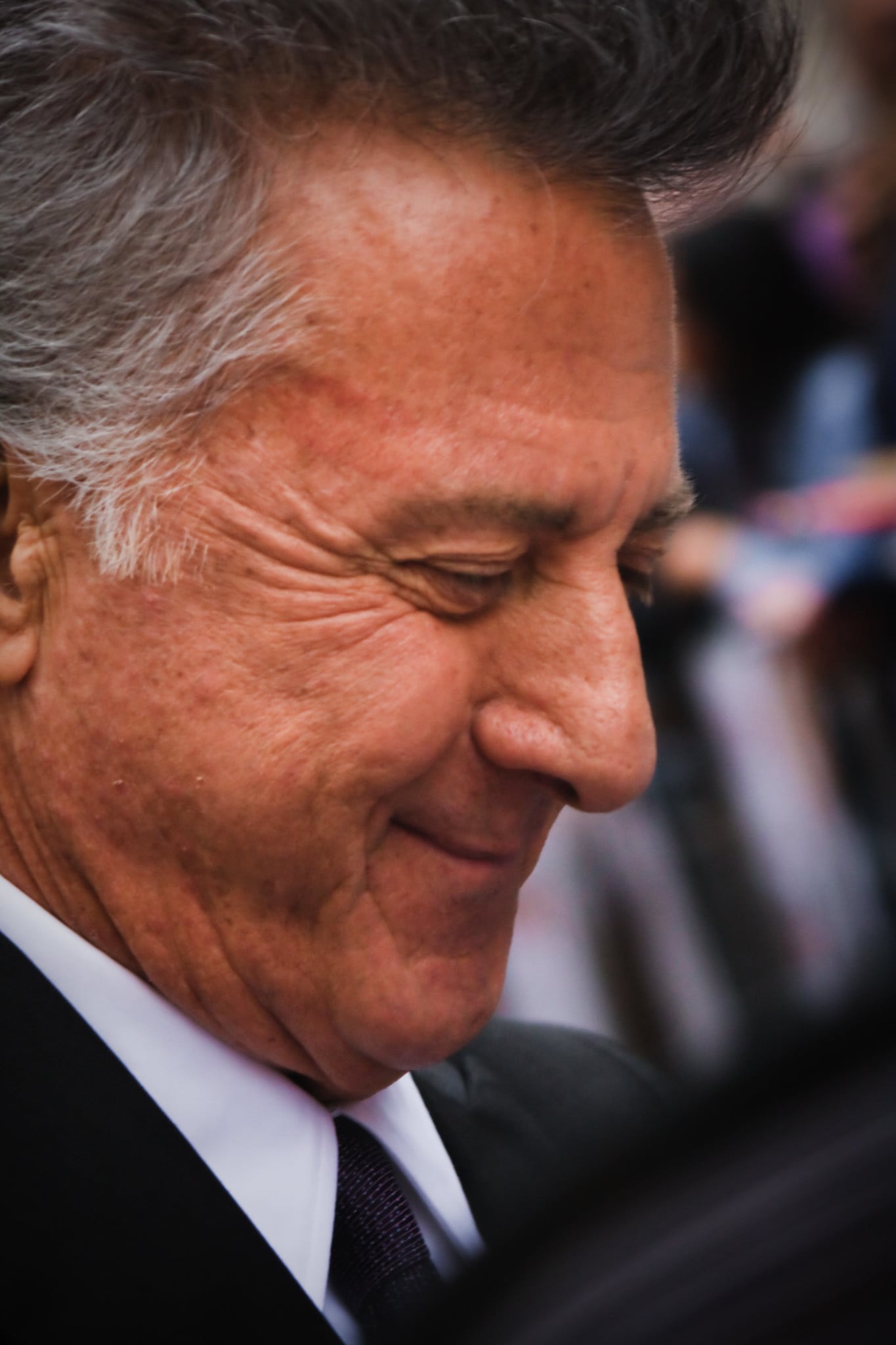
Robert Redford was initially considered for Benjamin Braddock, but director Mike Nichols felt he wouldn’t be believable as “a guy who couldn’t get a date.” The role went to the relatively unknown Dustin Hoffman, whose awkward charm and vulnerability perfectly captured the alienation of youth.
The film’s success launched Hoffman’s extraordinary career and helped usher in a new era of unconventional leading men in Hollywood.
Daniel Craig as James Bond
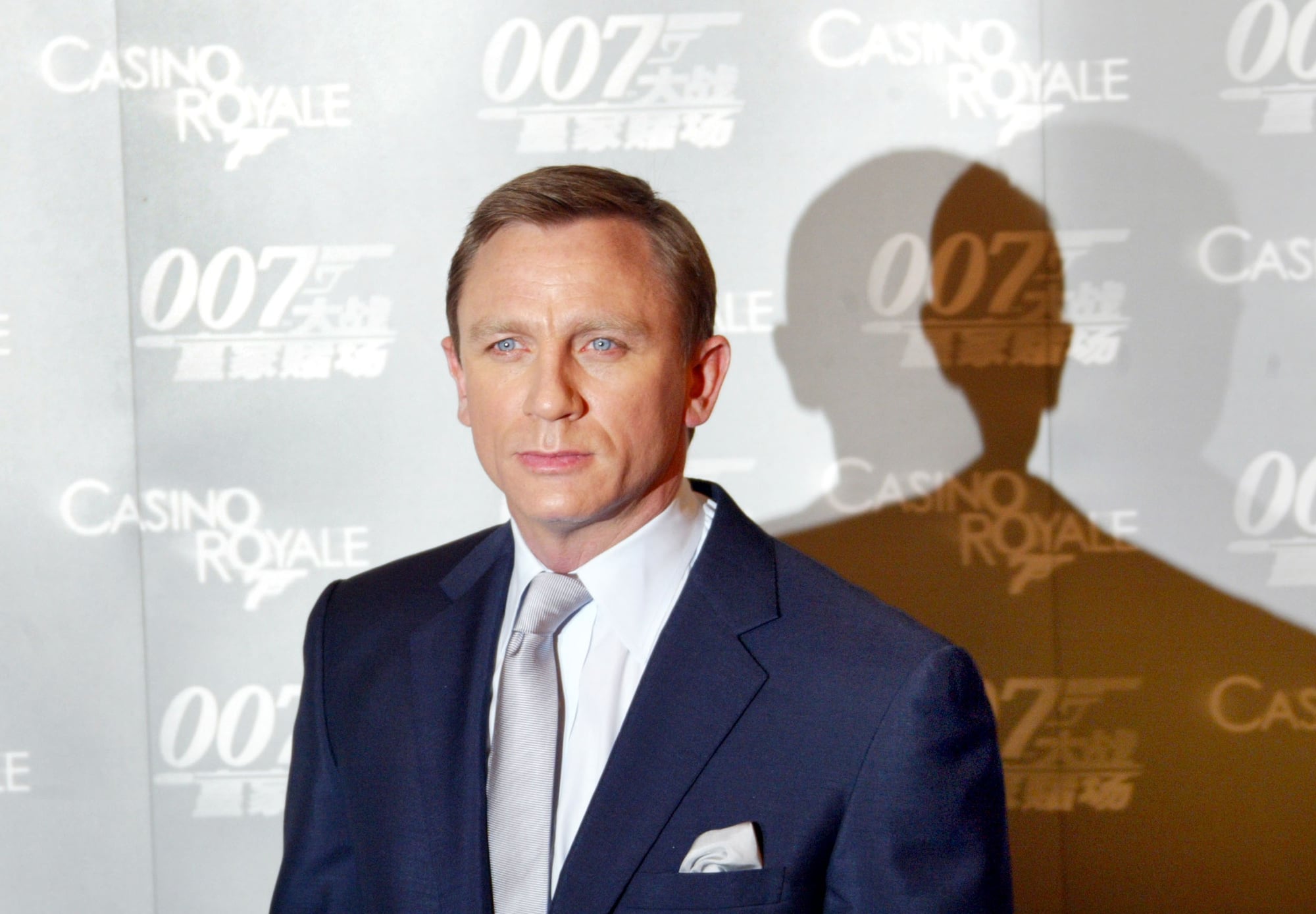
After Pierce Brosnan’s departure from the franchise, actors including Hugh Jackman and Clive Owen were considered stronger candidates than the relatively unknown Daniel Craig. The announcement of Craig’s casting was met with intense backlash, with critics deriding him as “James Bland” and “too rough” for the sophisticated spy.
Craig silenced the critics with “Casino Royale,” bringing a gritty realism to Bond that revitalized the franchise. His multi-film tenure is now considered among the best in the series’ long history.
Johnny Depp in Pirates of the Caribbean
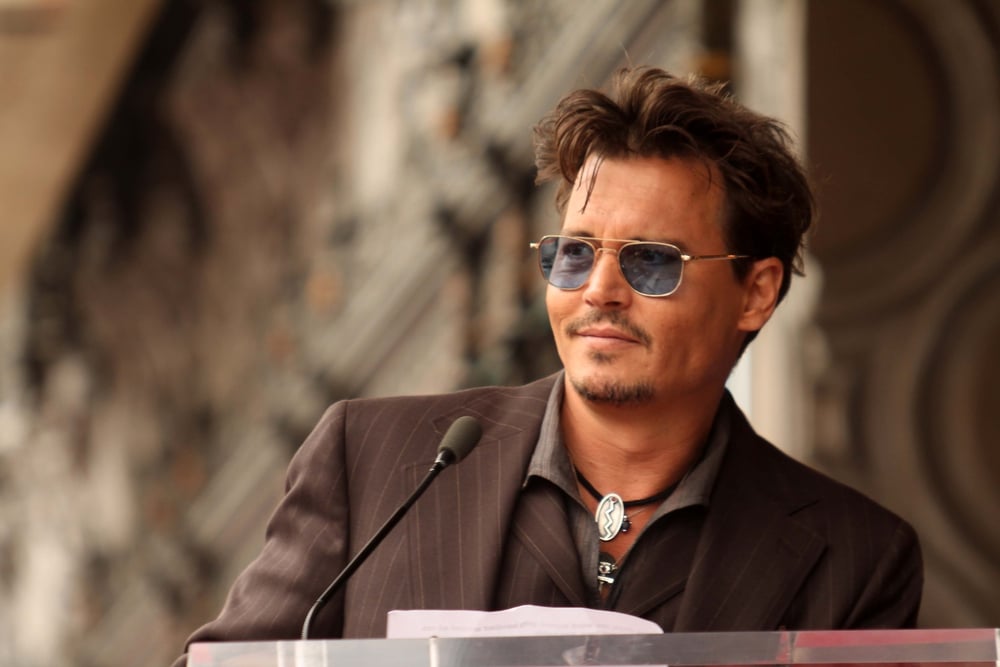
Disney executives were initially bewildered by Johnny Depp’s eccentric interpretation of Captain Jack Sparrow, reportedly asking, “Is he drunk? Is he gay?” The studio had envisioned a more traditional swashbuckling hero and considered Hugh Jackman and Matthew McConaughey.
Depp’s quirky, Keith Richards-inspired performance not only stole the film but transformed what was expected to be a modest movie based on a theme park ride into a multi-billion-dollar franchise.
Alan Rickman in Die Hard
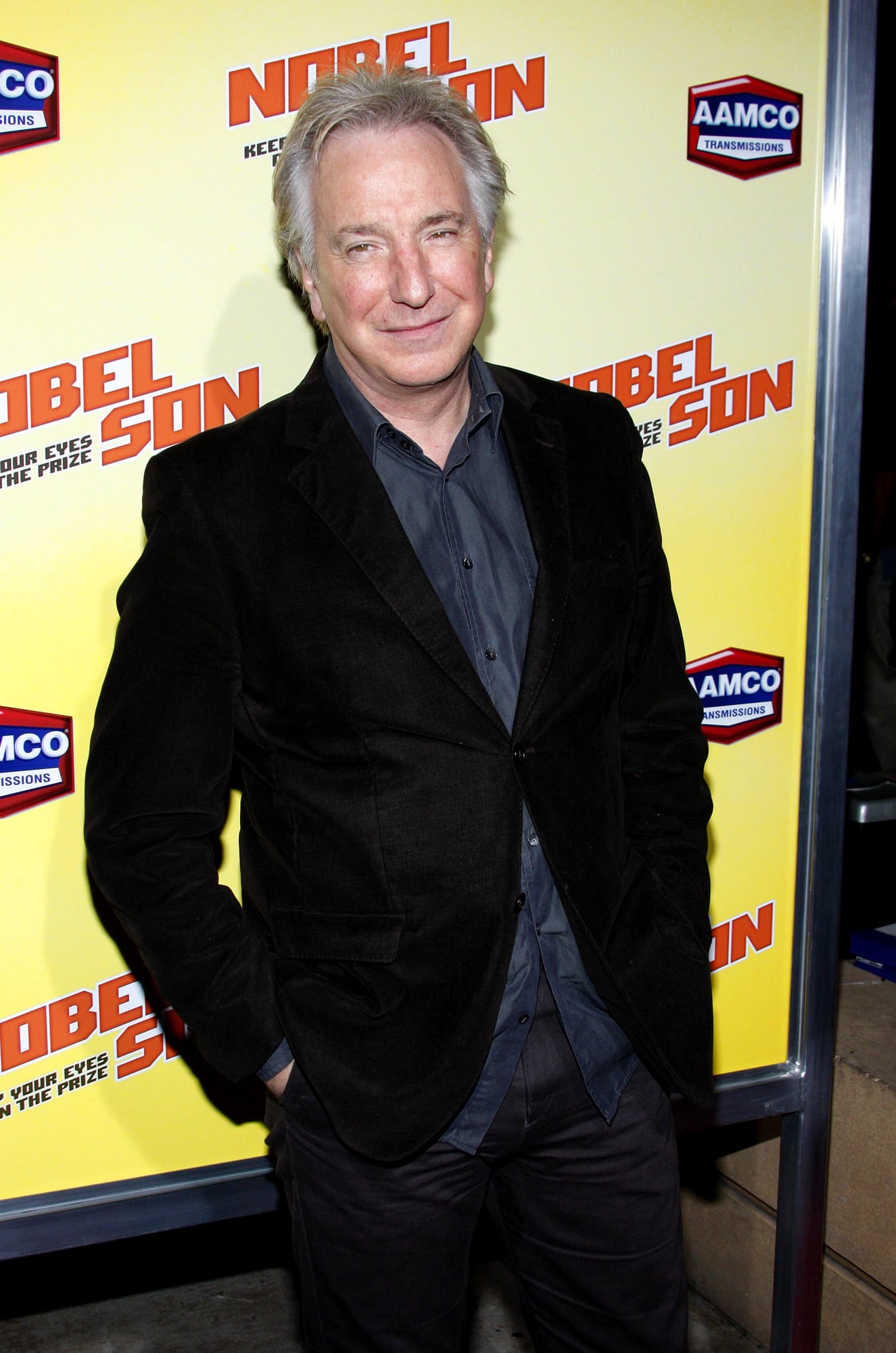
The role of Hans Gruber was offered to several actors, including Sam Neill, before going to Alan Rickman, who had never appeared in a feature film before. Rickman’s sophisticated, sardonic villain became the template for action movie antagonists for decades to come.
His controlled performance opposite Bruce Willis’ scrappy hero proved so compelling that it launched Rickman’s film career and established him as one of cinema’s most memorable villains.
Matthew McConaughey in Dallas Buyers Club
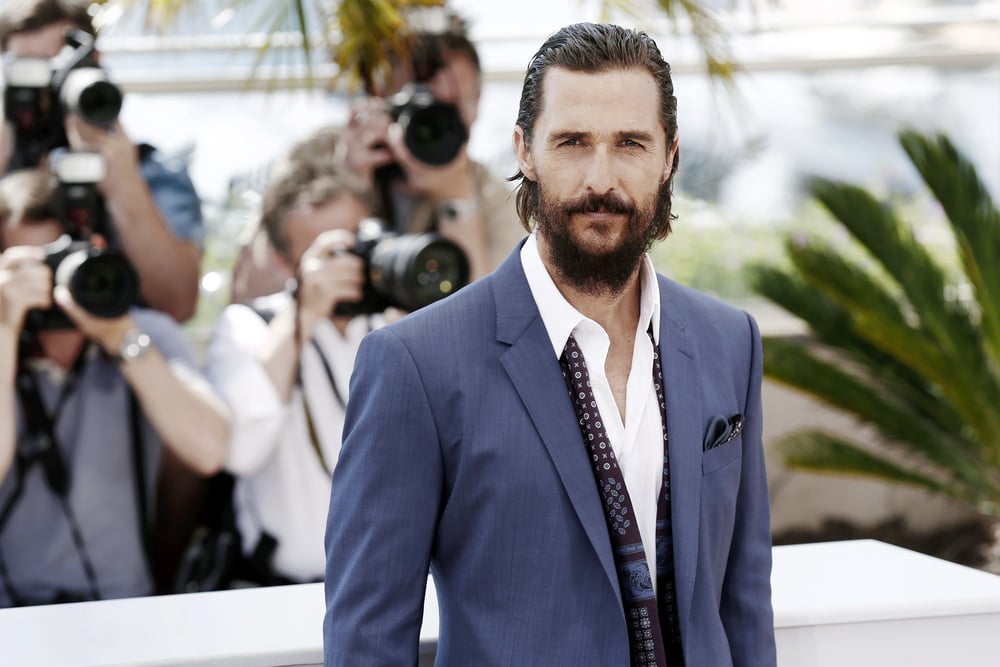
The role of Ron Woodroof was initially developed for Brad Pitt and later Ryan Gosling, but the project stalled for years. Matthew McConaughey, determined to break out of his romantic comedy typecasting, pursued the role aggressively.
He lost significant weight and delivered a transformative performance that earned him an Academy Award and became the centerpiece of the “McConaissance” that revitalized his career.
The Cultural Ripple Effect

Looking back at these casting decisions, it’s fascinating to consider how different film history might have been if the original choices had played these iconic parts. The right actor in the right role creates a kind of alchemy that transcends the script, changing not just careers but sometimes the entire trajectory of cinema.
These performances remind us that in the collaborative art of filmmaking, sometimes the most powerful creative decisions happen when plans fall apart and opportunity knocks for someone who wasn’t expecting it.
More from Go2Tutors!

- The Romanov Crown Jewels and Their Tragic Fate
- 13 Historical Mysteries That Science Still Can’t Solve
- Famous Hoaxes That Fooled the World for Years
- 15 Child Stars with Tragic Adult Lives
- 16 Famous Jewelry Pieces in History
Like Go2Tutors’s content? Follow us on MSN.



