17 Royal Abdications That Shocked the World
Throughout history, few events have captivated the public imagination like a royal abdication. When someone born to rule suddenly walks away from ultimate power, it sends shockwaves through entire nations and beyond. Unlike the predictable succession that follows a monarch’s death, abdication represents something far more dramatic—a conscious choice to abandon the throne.
From love affairs that toppled dynasties to military defeats that ended centuries of rule, these moments have reshaped entire countries and changed the course of history. Here are 17 royal abdications that truly shocked the world.
Edward VIII of England

The most famous abdication in modern history occurred when Edward VIII gave up the British throne in 1936 after ruling for less than a year. He chose love over duty, stepping down to marry American divorcée Wallis Simpson.
On December 11, 1936, he delivered a radio address explaining, ‘I have found it impossible to carry on the heavy burden of responsibility and to discharge the duties of king, as I would wish to do, without the help and support of the woman I love.’ This decision thrust his unprepared younger brother George VI onto the throne and ultimately paved the way for Elizabeth II’s historic reign.
Napoleon Bonaparte

Napoleon actually abdicated twice, making him unique among history’s rulers. His first abdication came on April 6, 1814, when coalition forces invaded France and his own marshals urged him to step down.
By the Treaty of Fontainebleau, the allies granted him the island of Elba as a sovereign principality and an annual income of two million francs. After his famous return and defeat at Waterloo, Napoleon abdicated again on June 22, 1815, in favor of his son Napoleon II, though this time he was exiled to the remote island of St. Helena.
Like Go2Tutors’s content? Follow us on MSN.
Kaiser Wilhelm II of Germany
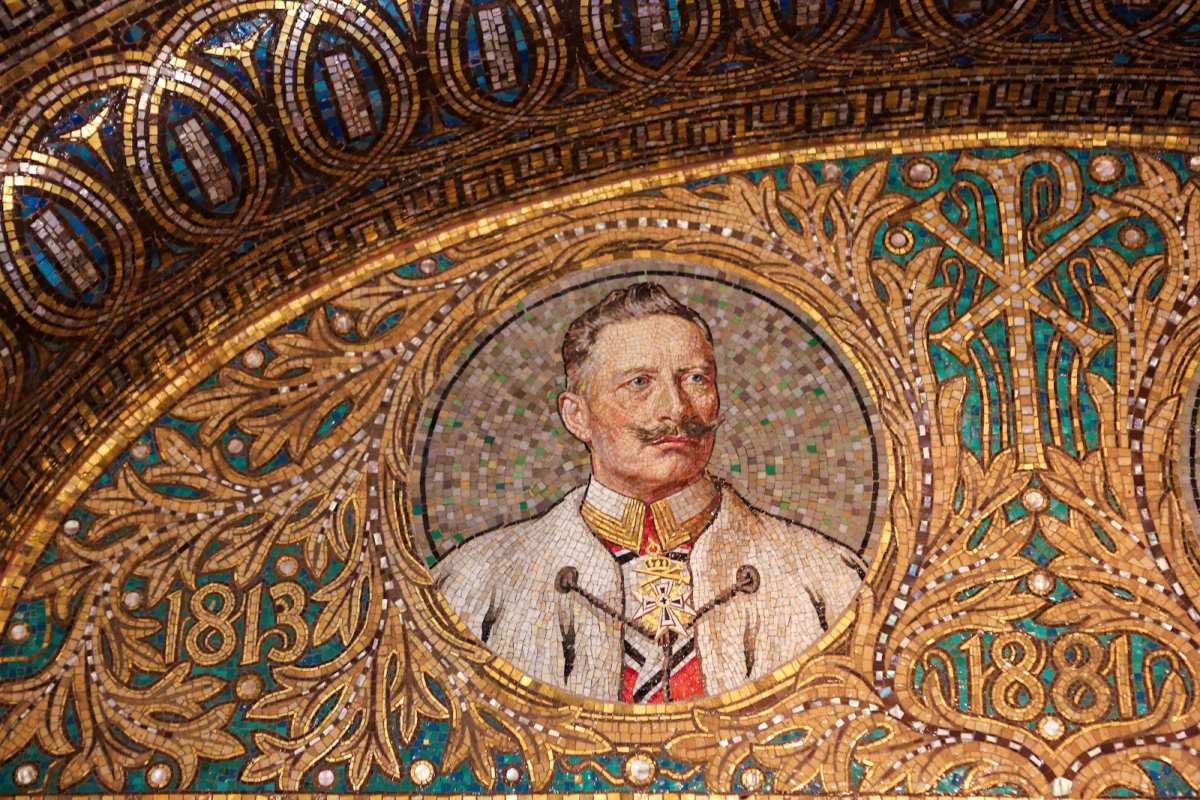
The German Emperor’s abdication on November 9, 1918, marked the end of World War I and the collapse of the German Empire. Chancellor Max von Baden declared Wilhelm’s abdication without his knowledge as revolution erupted across Germany.
His abdication ended the House of Hohenzollern’s 300-year rule over Prussia and 500-year rule over Brandenburg. Wilhelm fled to the Netherlands the next day, and his official abdication came on November 28, bringing the 500-year-old Hohenzollern dynasty to a quiet end with almost no violence.
Tsar Nicholas II of Russia
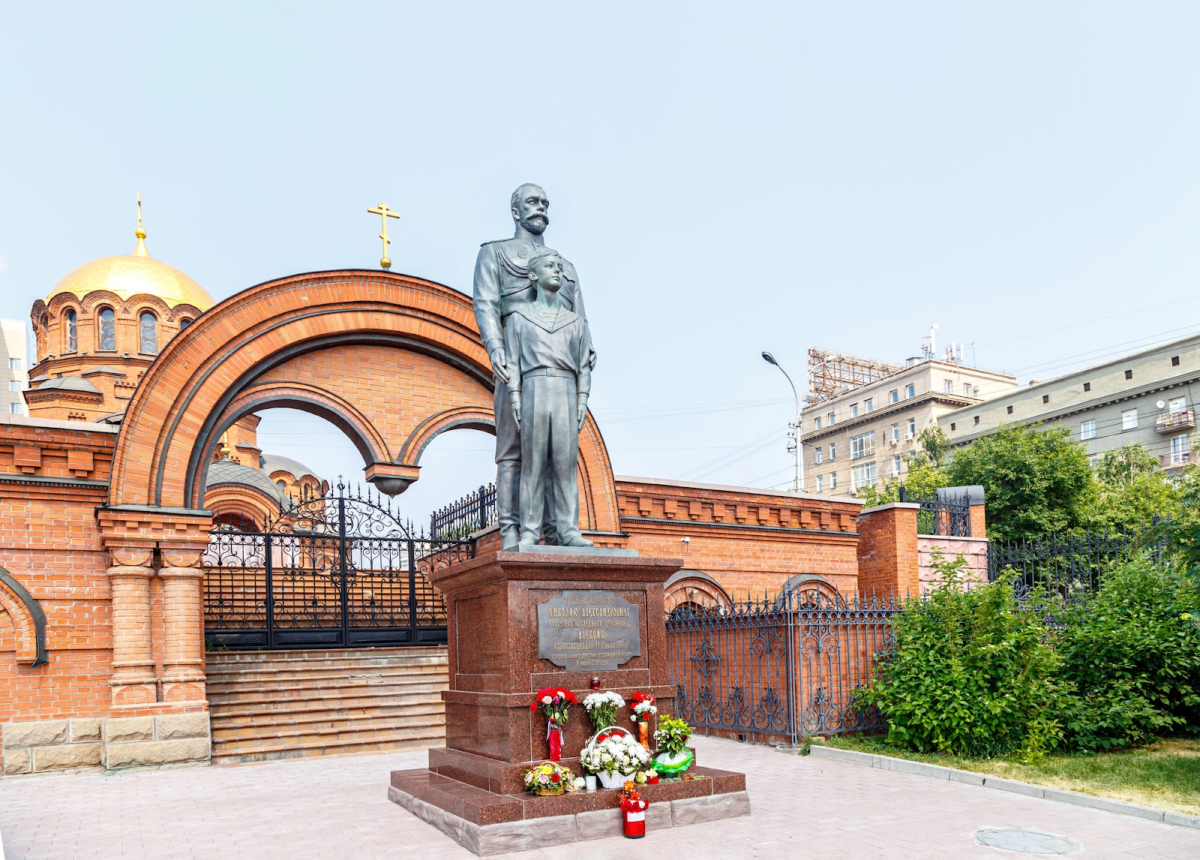
The last Russian Emperor abdicated on March 15, 1917, during the February Revolution and World War I. Nicholas first intended to abdicate in favor of his son Alexei, but changed his mind after doctors warned the hemophiliac boy wouldn’t survive separation from his parents.
Instead, he abdicated on behalf of both himself and his son in favor of his brother Grand Duke Michael, who refused to accept the throne unless chosen by a democratic assembly. This decision ended three centuries of Romanov rule and led directly to the Russian Revolution.
James II of England
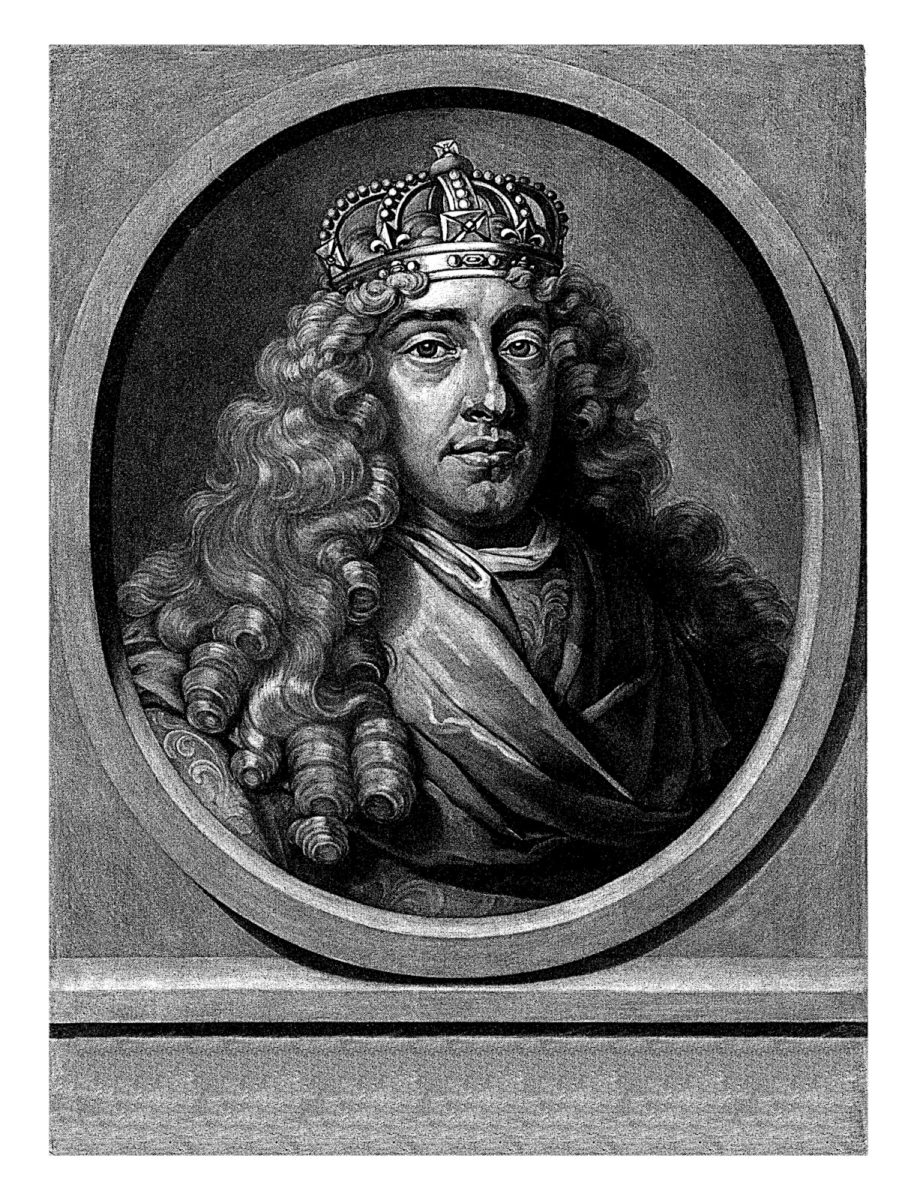
James II’s abdication in 1688 wasn’t voluntary—he fled England during the Glorious Revolution when Protestant William of Orange invaded at the invitation of Parliament. On December 11, James attempted to escape to France, throwing the Great Seal into the River Thames.
Though captured initially, he was allowed to escape on December 23. Parliament declared that James had effectively abdicated by fleeing, and on February 12, 1689, they offered the crown to William and Mary.
This bloodless revolution established Parliament’s supremacy over the monarchy forever.
Like Go2Tutors’s content? Follow us on MSN.
Charles V, Holy Roman Emperor
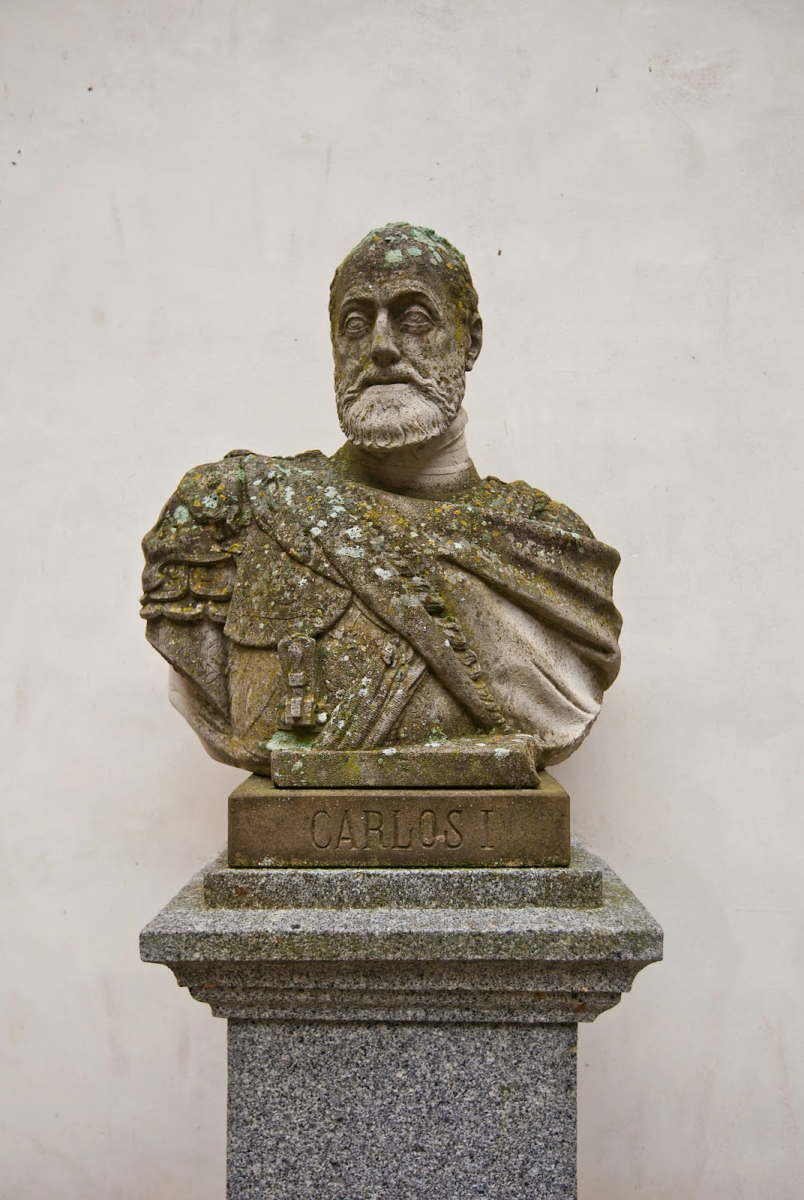
In the mid-1550s, one of Europe’s most powerful rulers shocked the continent by voluntarily stepping down. Charles V surrendered his imperial titles as Holy Roman Emperor to his brother Ferdinand I and abdicated all his other possessions to his son Philip II.
Charles’s health had been deteriorating for years, and he suffered from severe bouts of gout that impaired his ability to rule effectively. The fierce conflicts that had characterized his reign had also taken their toll, leading him to seek a peaceful retirement in a Spanish monastery.
King Juan Carlos I of Spain
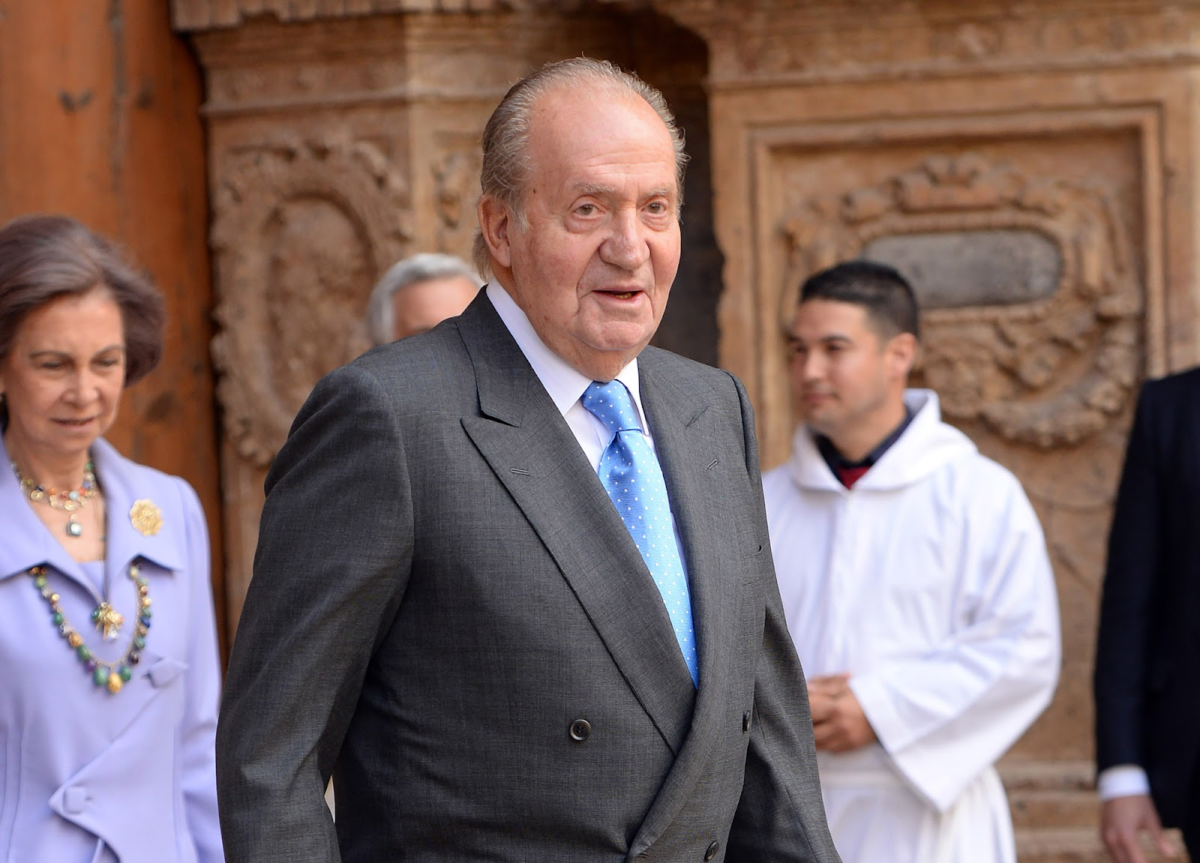
In 2014, Spain’s King Juan Carlos I surprised his nation by announcing his abdication after nearly four decades on the throne. The 76-year-old declared it was ‘time to hand over to a new generation’ during Spain’s economic crisis.
His popularity had plummeted due to corruption allegations and a controversial elephant hunting trip during the country’s financial difficulties. His abdication was seen as an attempt to modernize and restore credibility to the Spanish monarchy through his son Felipe VI.
Emperor Akihito of Japan
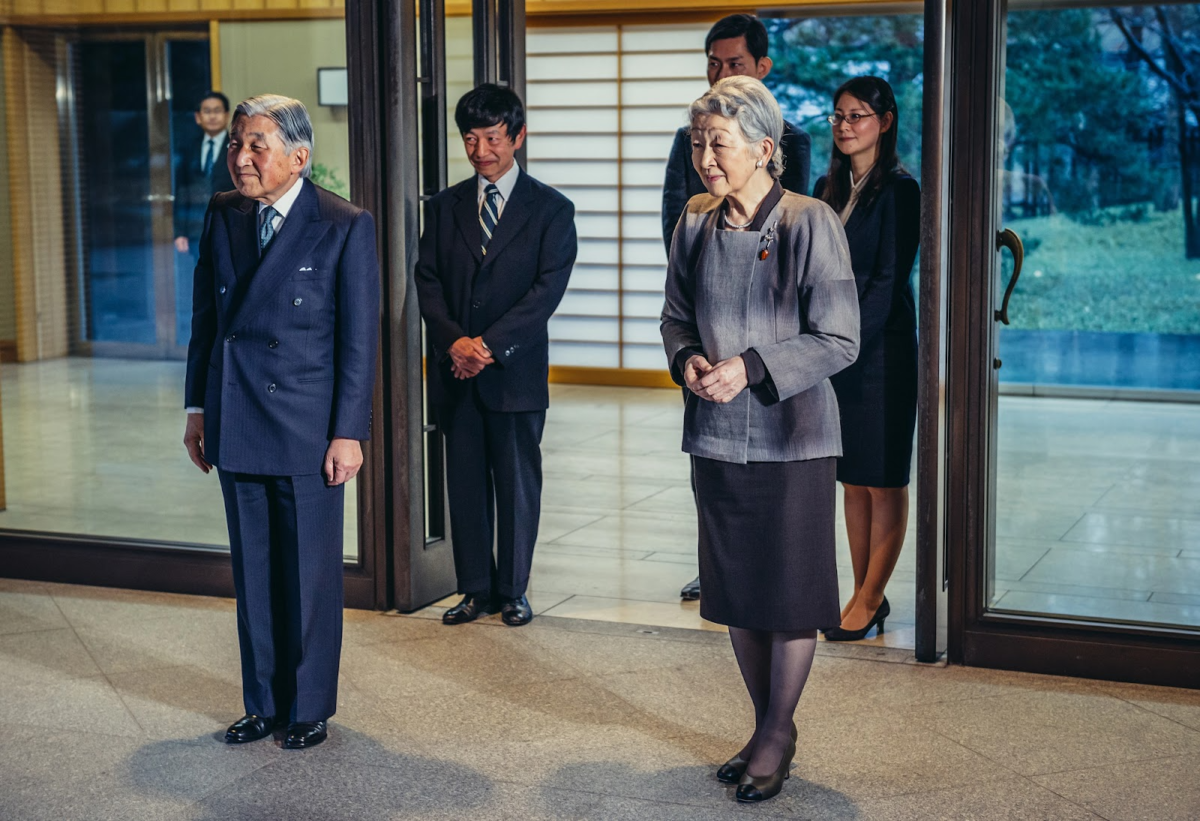
Emperor Akihito became the first Japanese monarch to abdicate in 200 years when he stepped down in April 2019. He had expressed concerns that his health and age would affect his ability to fulfill his duties as emperor.
The official reason given was age, though his decision represented a break from centuries of Japanese tradition where emperors typically reigned until death. His abdication paved the way for his son Naruhito to begin the Reiwa era.
Like Go2Tutors’s content? Follow us on MSN.
Queen Beatrix of the Netherlands
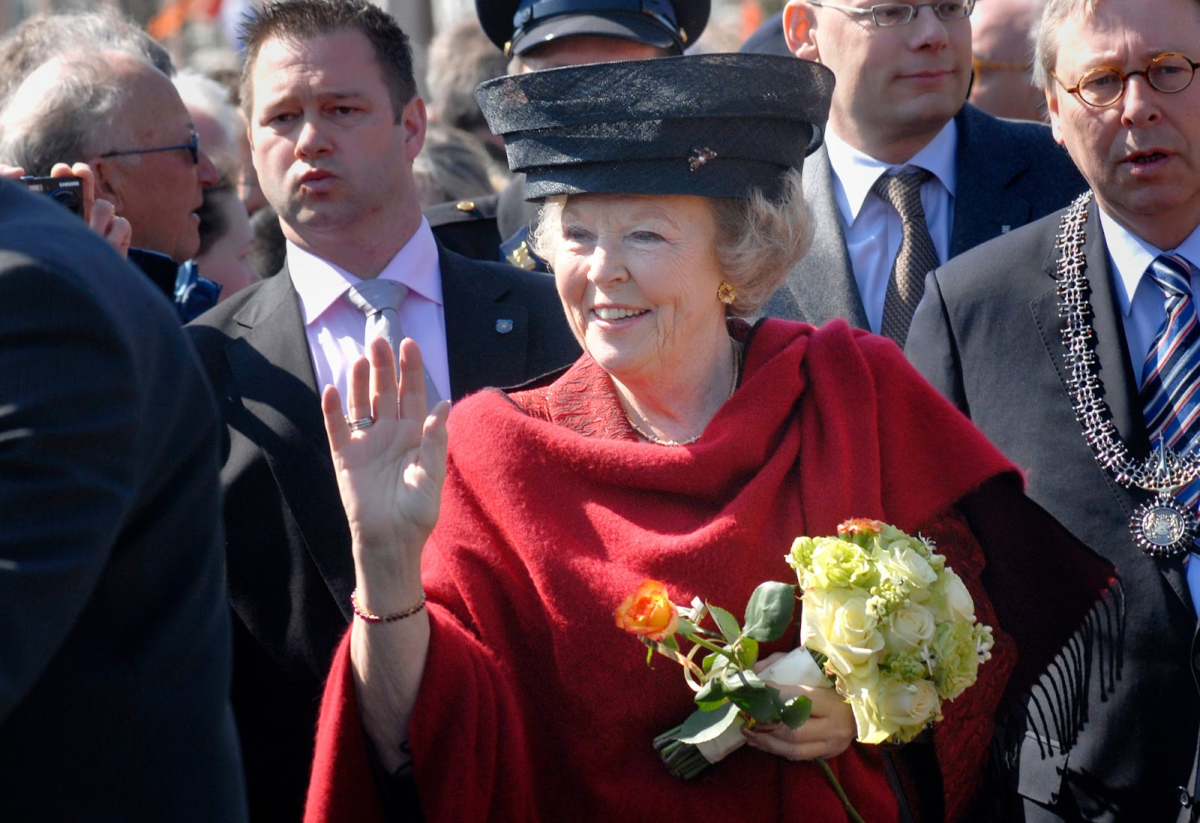
In 2013, Queen Beatrix surprised the world by announcing her abdication after 33 years on the throne, following Dutch tradition as the third successive monarch to step down voluntarily. She said, ‘I realize that my age and my health are no longer allowing me to carry out my duties as I would like to. Prince Willem-Alexander is well prepared to succeed me.’
Her decision was seen as a strategic move to ensure a smooth generational transition while she could still guide her successor.
King Albert II of Belgium
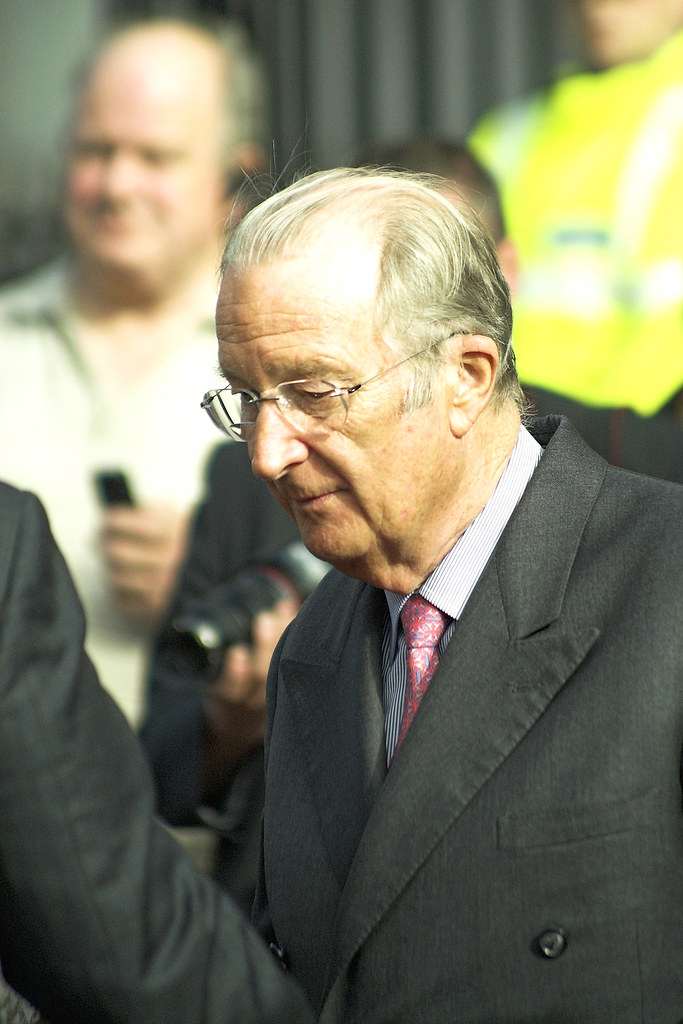
King Albert II of Belgium abdicated in July 2013 at age 79, citing concerns that he was too old to carry out his royal duties effectively after 20 years of rule. His reign had been marked by political crises and revelations of a longstanding affair, making his abdication both a personal and political decision.
He passed the throne to his son Philippe, who took a more active role in mediating between Belgium’s divided communities.
Queen Margrethe II of Denmark
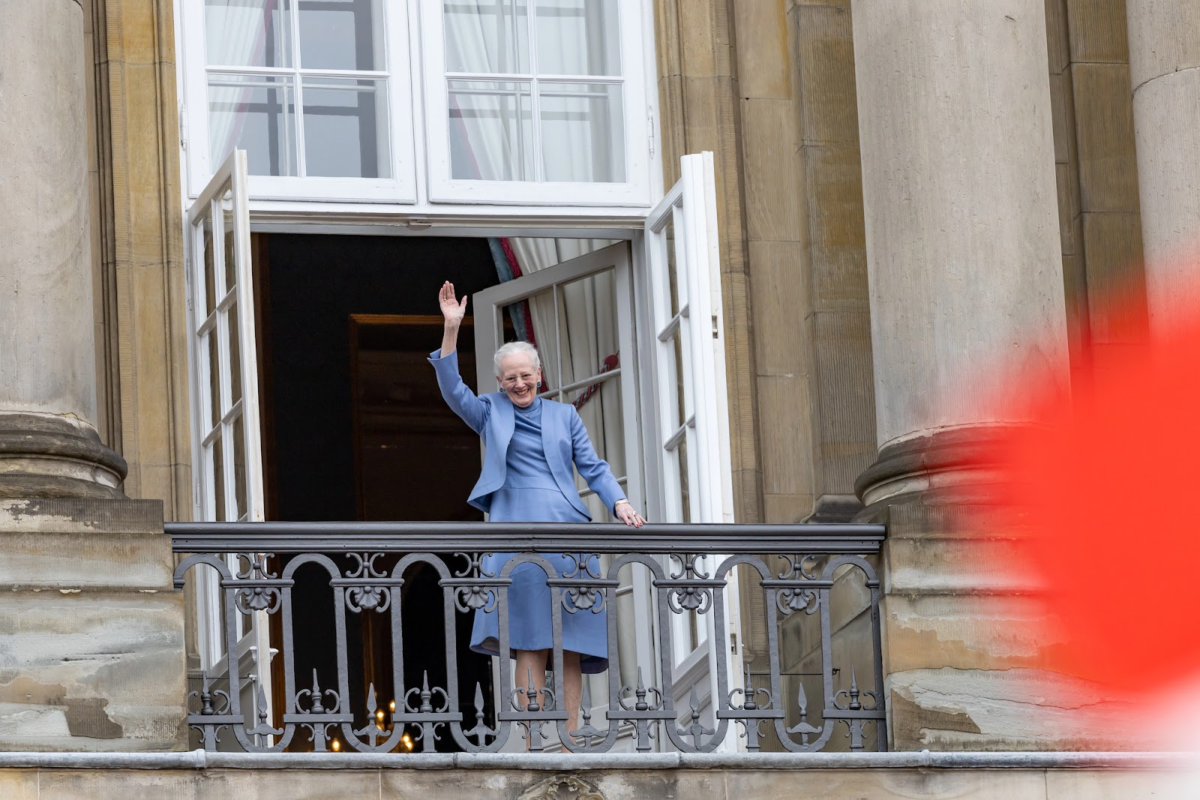
Queen Margrethe shocked Denmark and the world on New Year’s Eve 2023 when she announced she would abdicate in just two weeks, passing the throne to her eldest son Frederik. At age 83, following difficult back surgery, she felt it was time to pass the crown on.
On January 14, 2024, exactly 52 years after she had risen to the throne, Margrethe II stepped down. This marked the first time in nearly 900 years that a Danish monarch had abdicated.
Like Go2Tutors’s content? Follow us on MSN.
Richard II of England
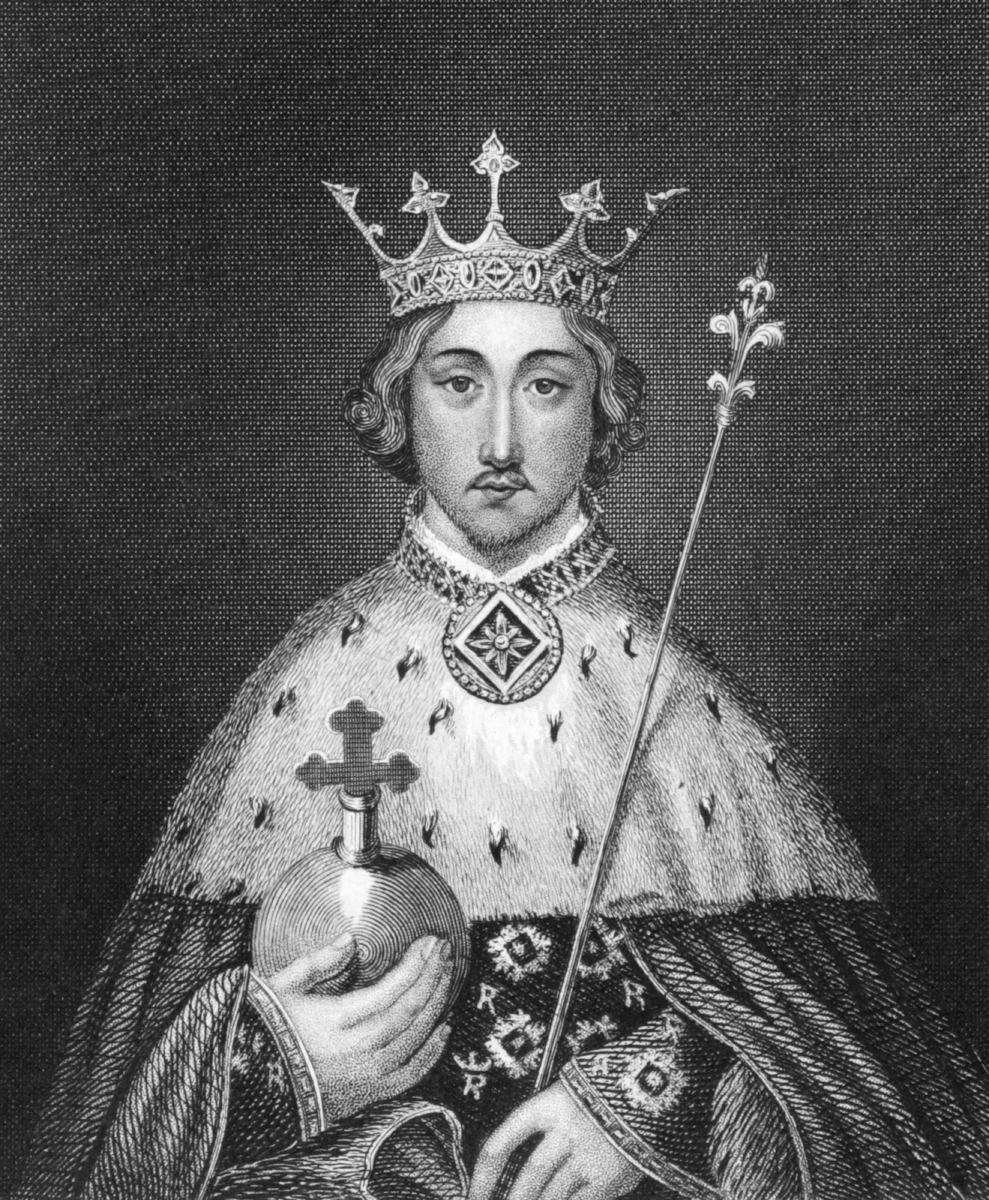
Richard II’s forced abdication in 1399 came after his authoritarian rule and vengeful nature cost him support among the nobility. His uncle, the Duke of Gloucester, led a group of lords to overthrow Richard and his supporters.
Richard II was forced to abdicate after power was seized by his paternal first cousin Henry Bolingbroke while Richard was abroad. When Henry took Richard’s inheritance and divided it among his own supporters, it was the final straw that led to Richard’s downfall and Henry’s ascension as Henry IV.
Mary, Queen of Scots

In Scotland, Mary, Queen of Scots, was forced to abdicate in 1567 in favor of her one-year-old son, James VI. Mary’s marriage to Henry, Lord Darnley turned disastrous, and combined with marital scandals and her uncompromising Catholic faith, she faced mounting pressure from Protestant nobles.
Her forced abdication came after a series of political and personal crises that made her position untenable, leading to her eventual imprisonment and execution.
Pope Benedict XVI
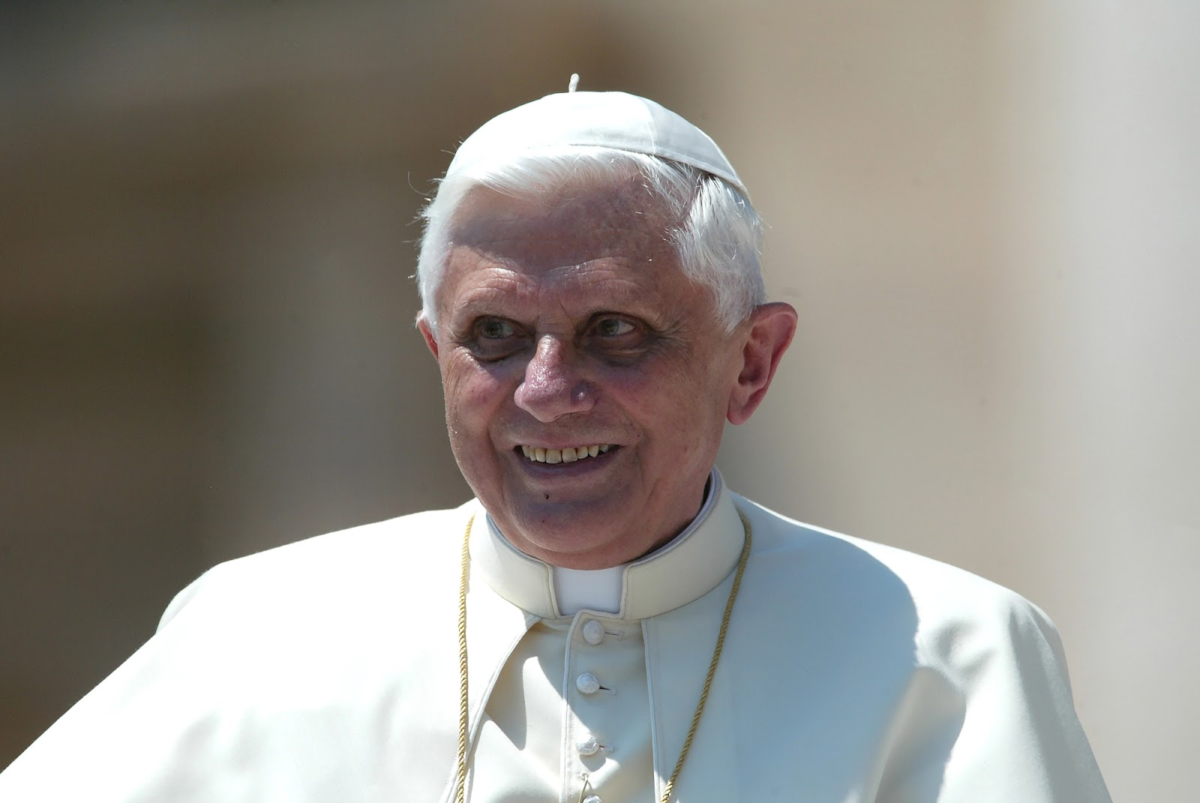
Pope Benedict XVI’s resignation in 2013 marked the first papal abdication since Gregory XII in 1415, shocking the Catholic world. Benedict became the first pope to resign in nearly six centuries, citing his advanced age and declining health as reasons he could no longer effectively lead the church.
His unprecedented decision cleared the path for Pope Francis to take leadership of the world’s 1.3 billion Catholics.
Like Go2Tutors’s content? Follow us on MSN.
Sheikh Hamad of Qatar
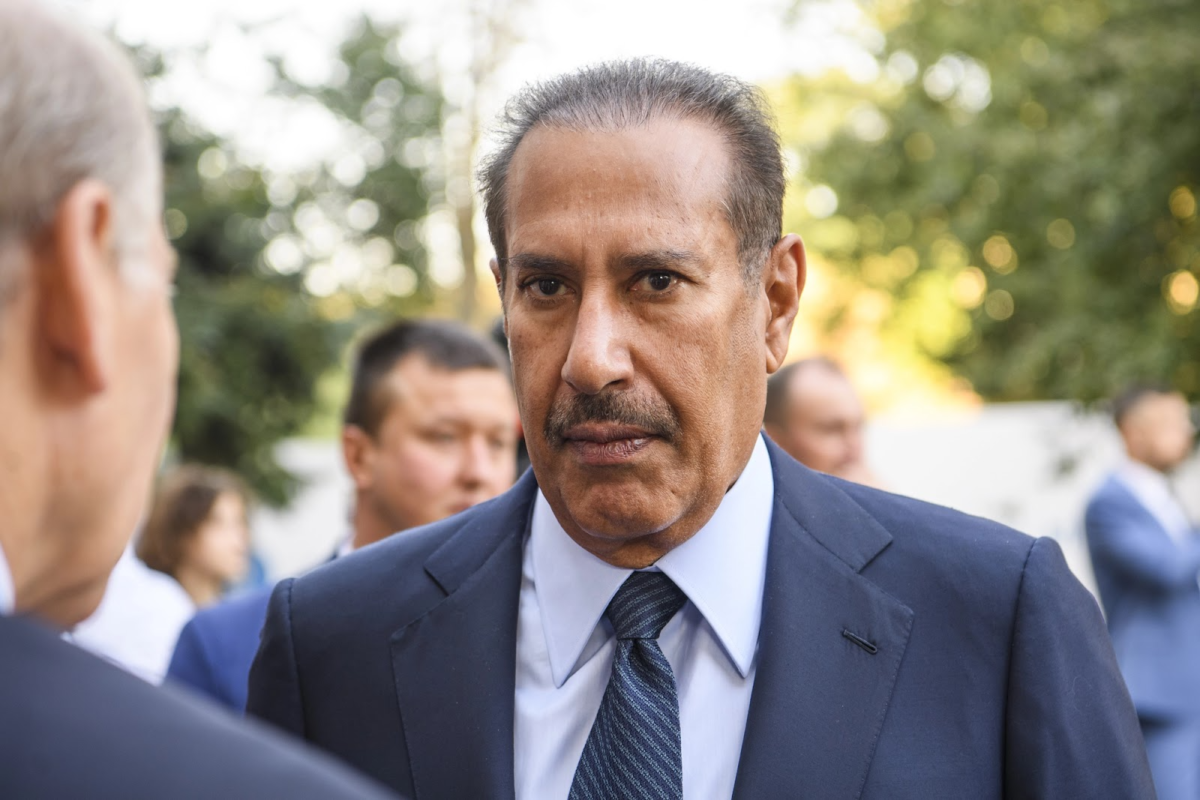
Sheikh Hamad ibn Khalifa Al Thani of Qatar abdicated in 2013, transferring power to his son in a smooth transition. Having deposed his own father in a bloodless coup in 1995, Sheikh Hamad ensured a much smoother transition for his son, simply stating that he was ‘fully certain’ his son was ‘capable of shouldering the responsibility.’
This abdication represented a modernizing move in the Gulf region.
Grand Duke Jean of Luxembourg
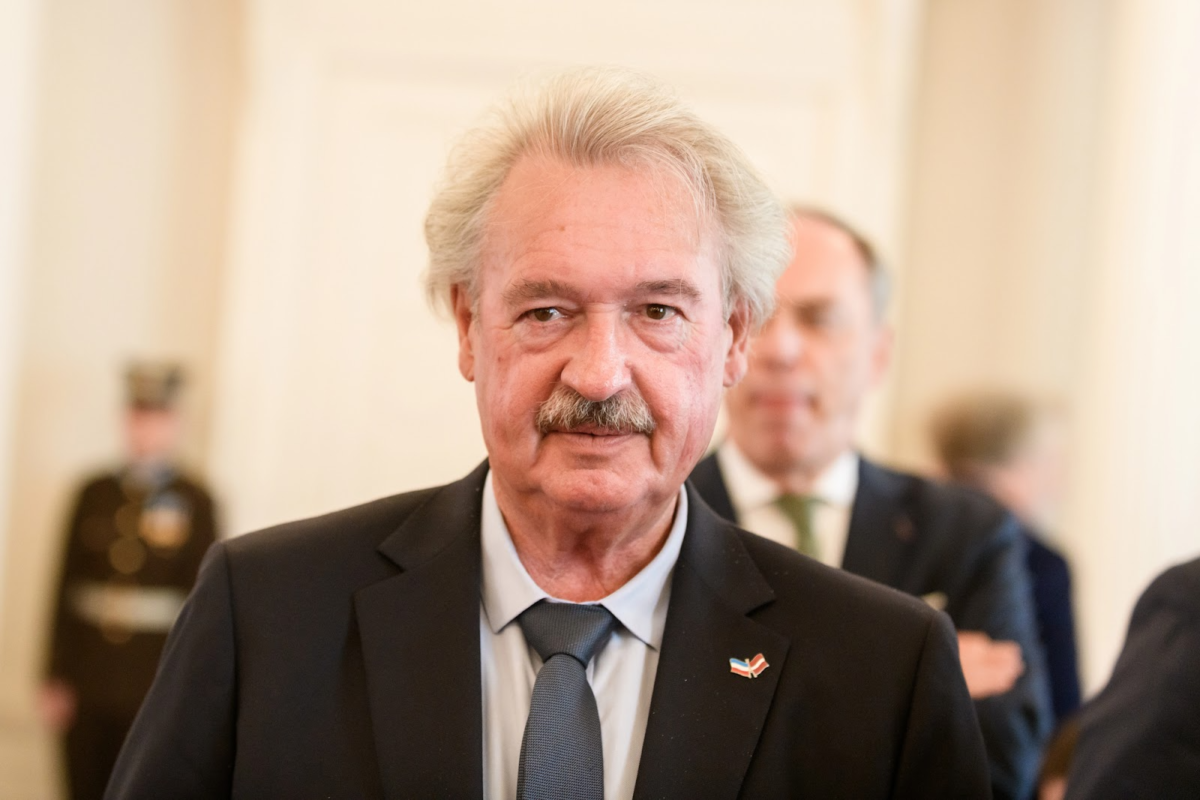
Grand Duke Jean of Luxembourg abdicated in 2000 after 36 years of rule, passing the throne to his son Henri. This abdication was part of a planned succession that helped modernize the small European nation’s monarchy.
Jean’s decision to step down while still healthy allowed him to guide his son’s early reign and ensure continuity in Luxembourg’s constitutional monarchy.
King Farouk I of Egypt
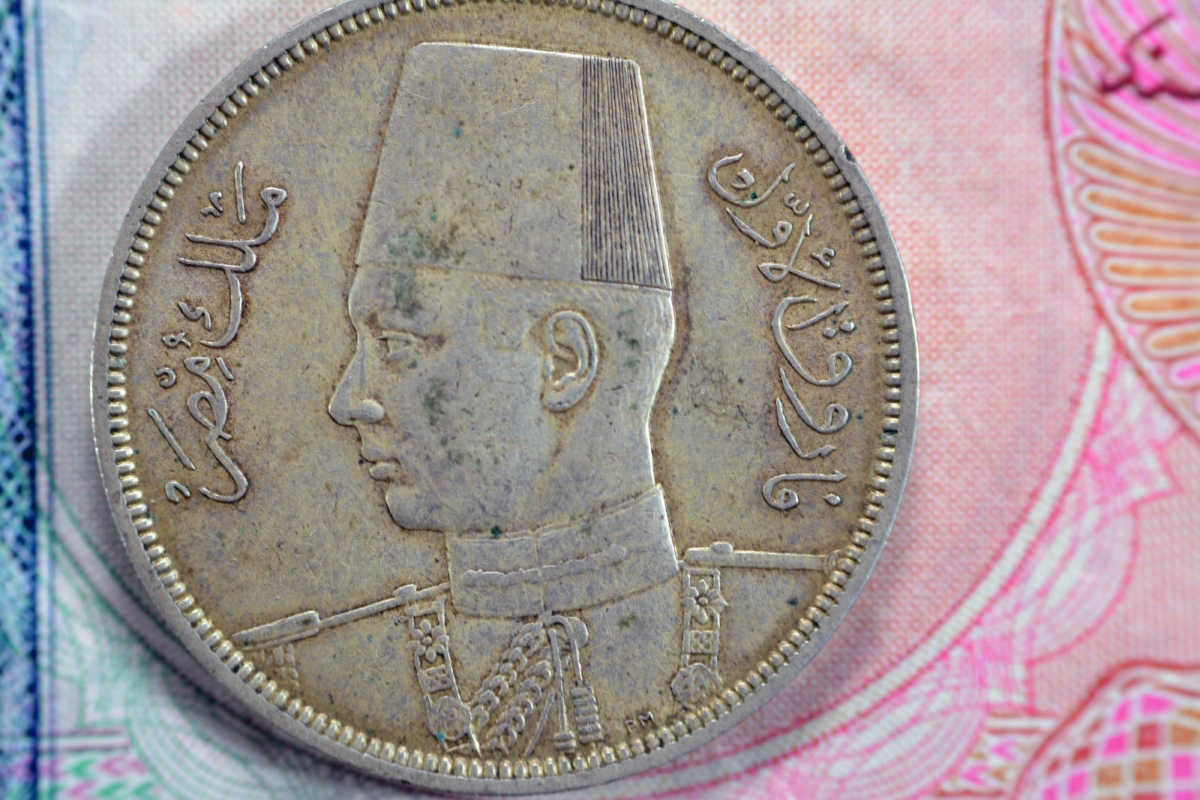
After mass protests began on July 23, 1952, the Egyptian military forced King Farouk I to abdicate in favor of his infant son Fuad II during the Egyptian revolution of 1952. Farouk’s lavish lifestyle during Egypt’s economic struggles had made him deeply unpopular.
His forced abdication marked the end of the Muhammad Ali dynasty and paved the way for Egypt’s republican government under Gamal Abdel Nasser.
Like Go2Tutors’s content? Follow us on MSN.
When Crowns Become Too Heavy
These seventeen abdications reveal the complex forces that can topple even the most established monarchies. Some rulers chose love over duty, others succumbed to military defeat or political pressure, and a few wisely recognized when it was time to pass the torch.
As monarchy continues to evolve in the 21st century, abdication may become a more practical option for elderly monarchs seeking stable transitions. What remains constant is the profound shock these decisions create—reminding us that even those born to rule are ultimately human, capable of surprising the world by walking away from ultimate power.
More from Go2Tutors!

- 16 Historical Figures Who Were Nothing Like You Think
- 12 Things Sold in the 80s That Are Now Illegal
- 15 VHS Tapes That Could Be Worth Thousands
- 17 Historical “What Ifs” That Would Have Changed Everything
- 18 TV Shows That Vanished Without a Finale
Like Go2Tutors’s content? Follow us on MSN.