17 School Supplies from the ’90s That Hit Completely Different
The scent of fresh crayons and crisp notebook paper once held the promise of a brand-new school year. But somewhere between digital textbooks and online assignments, the magic got lost.
These weren’t just tools for learning — they were artifacts of a time when shopping for school supplies felt like preparing for an adventure rather than checking items off a mandatory list.
Trapper Keeper
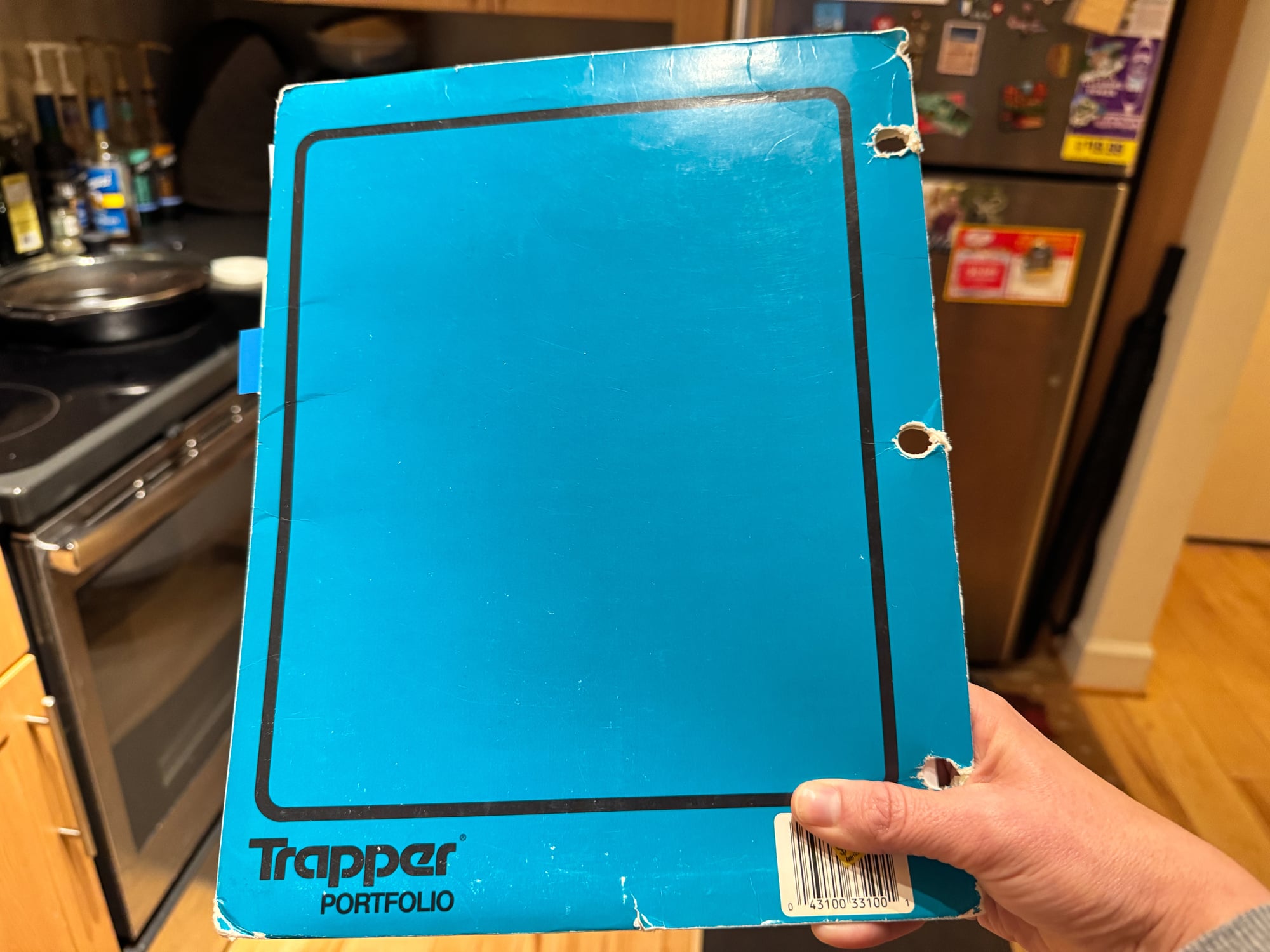
The Trapper Keeper wasn’t just a binder. It was a fortress for your homework, complete with that satisfying velcro rip that announced your arrival to math class.
The folders inside had those genius prongs that actually held loose papers without tearing them to shreds on the first day. Everyone had a hierarchy based on their Trapper Keeper design.
Lisa Frank meant you were living your best life, while solid colors suggested your mom picked it out during a rushed back-to-school run.
Gel Pens
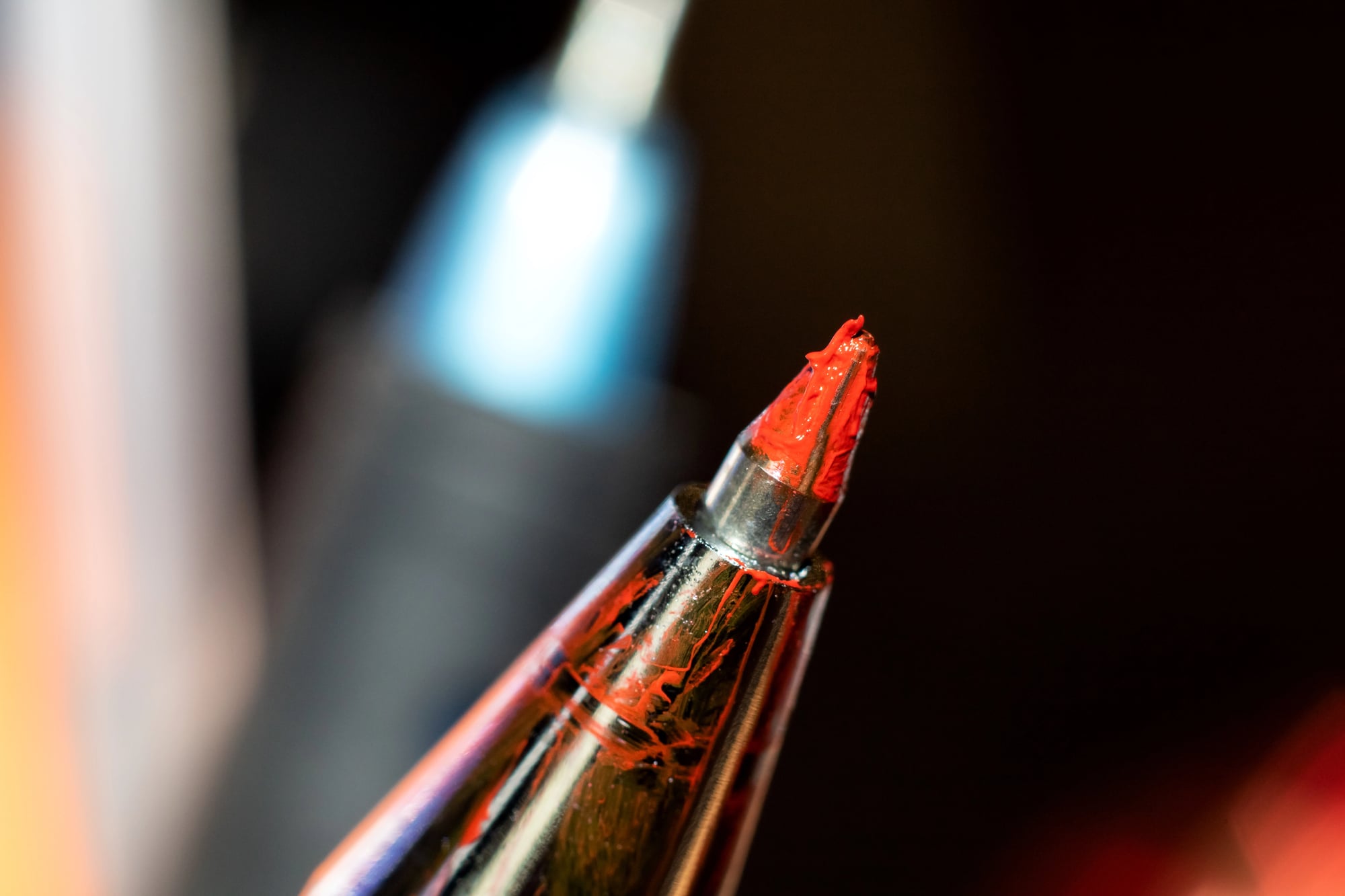
Before smartphones turned writing into thumb-tapping, gel pens made every assignment feel like creating art (even when you were just copying vocabulary definitions). The ink flowed differently than regular ballpoint pens — smoother, more deliberate, and with that slight delay that made you slow down just enough to appreciate the act of putting thoughts on paper.
But the real magic happened when you discovered the glittery ones, because apparently nothing said “serious student” like turning in homework that sparkled under fluorescent classroom lights, which was absolutely the point, and teachers who complained about readability clearly didn’t understand that education should involve some degree of pizzazz. The metallic silver ones were pure luxury.
And when you found a store that sold the individual colors instead of forcing you to buy a 64-pack where half the colors were various shades of brown (because who needed four different browns?), that was basically winning the lottery.
Overhead Projector Transparencies
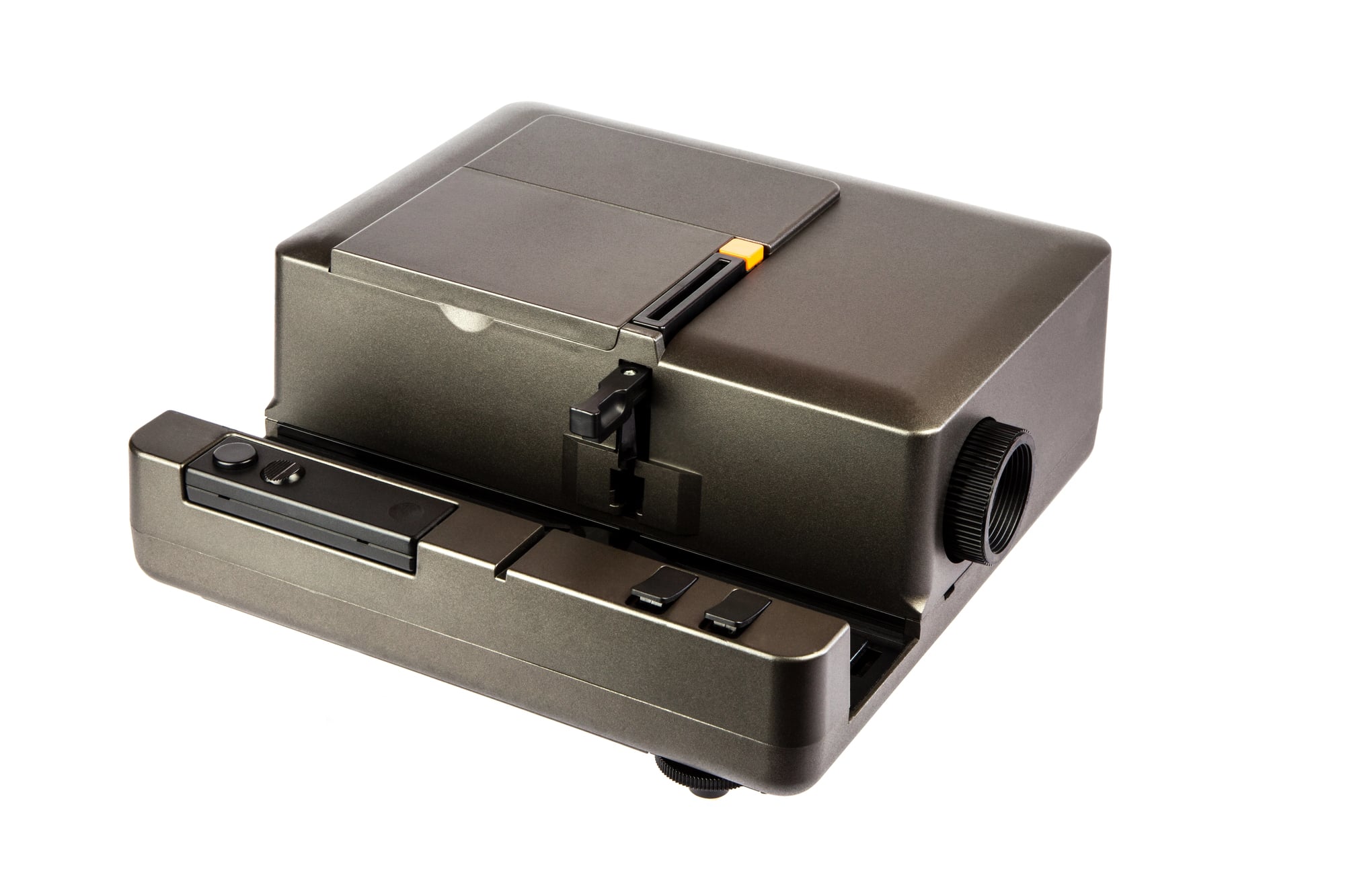
There’s something almost ceremonial about watching a teacher write on a clear sheet while their words appear magnified on the classroom wall. The slight delay between pen touching plastic and image hitting the screen created a rhythm that regular whiteboards never matched.
The best part wasn’t the technology itself but the way it turned every lesson into a small performance. Teachers became conductors, pointing at projected text with those long wooden sticks, orchestrating knowledge in real time.
Mechanical Pencils
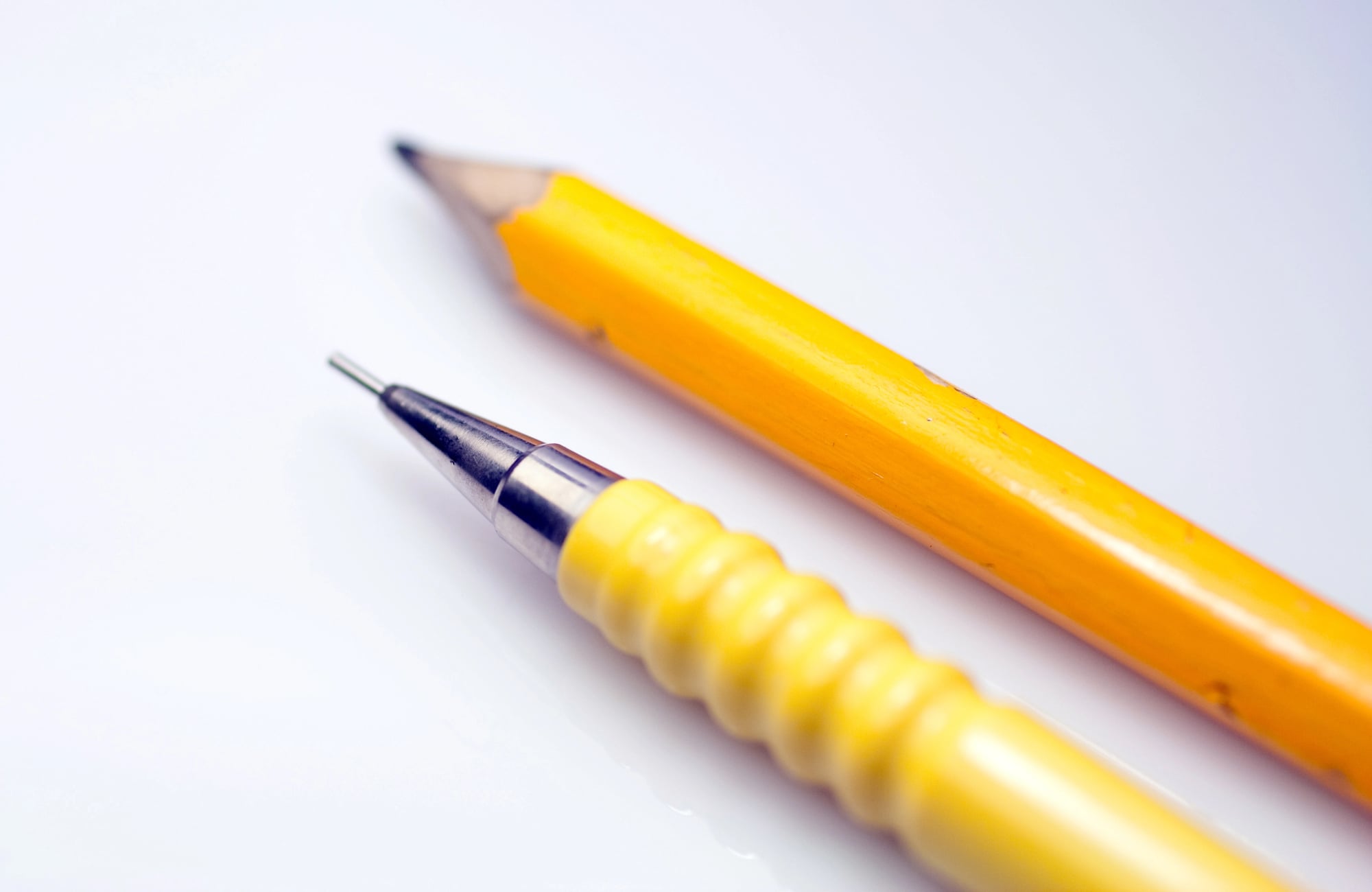
Mechanical pencils were the grown-up version of regular pencils, and everyone knew it. No sharpening, no wood shavings, just that satisfying click that dispensed exactly the right amount of lead.
They broke constantly, which was annoying, but also meant you got really good at loading tiny graphite sticks without losing them in your backpack. The 0.5mm lead was the sweet spot — thin enough for detailed work but not so fragile that breathing on it wrong would snap it in half.
Having a mechanical pencil meant you were serious about precision, even if you were just doodling in the margins.
Slap Bracelets
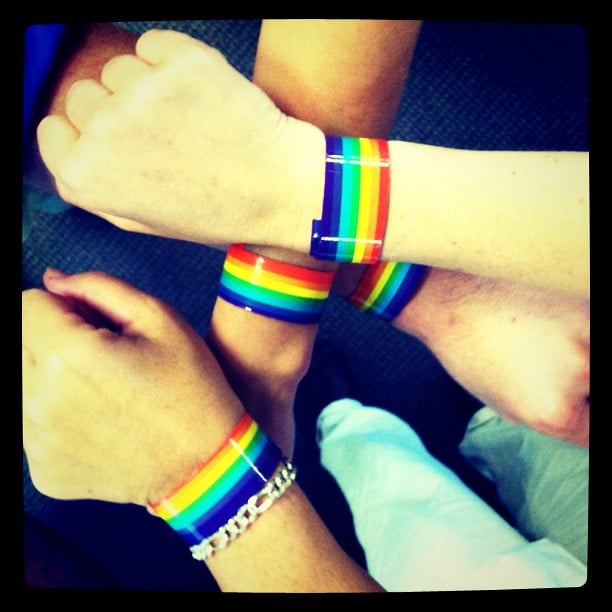
Slap bracelets lived in that perfect intersection between school supply and toy that administrators never quite knew how to handle. They were technically jewelry, but they lived in pencil cases right next to erasers and paper clips.
The satisfying snap of metal wrapping around your wrist provided the perfect punctuation to finishing an assignment. Then schools started banning them, which only made them more desirable.
Nothing quite captures the rebellious spirit of the ’90s like contraband accessories that doubled as rulers.
White Out
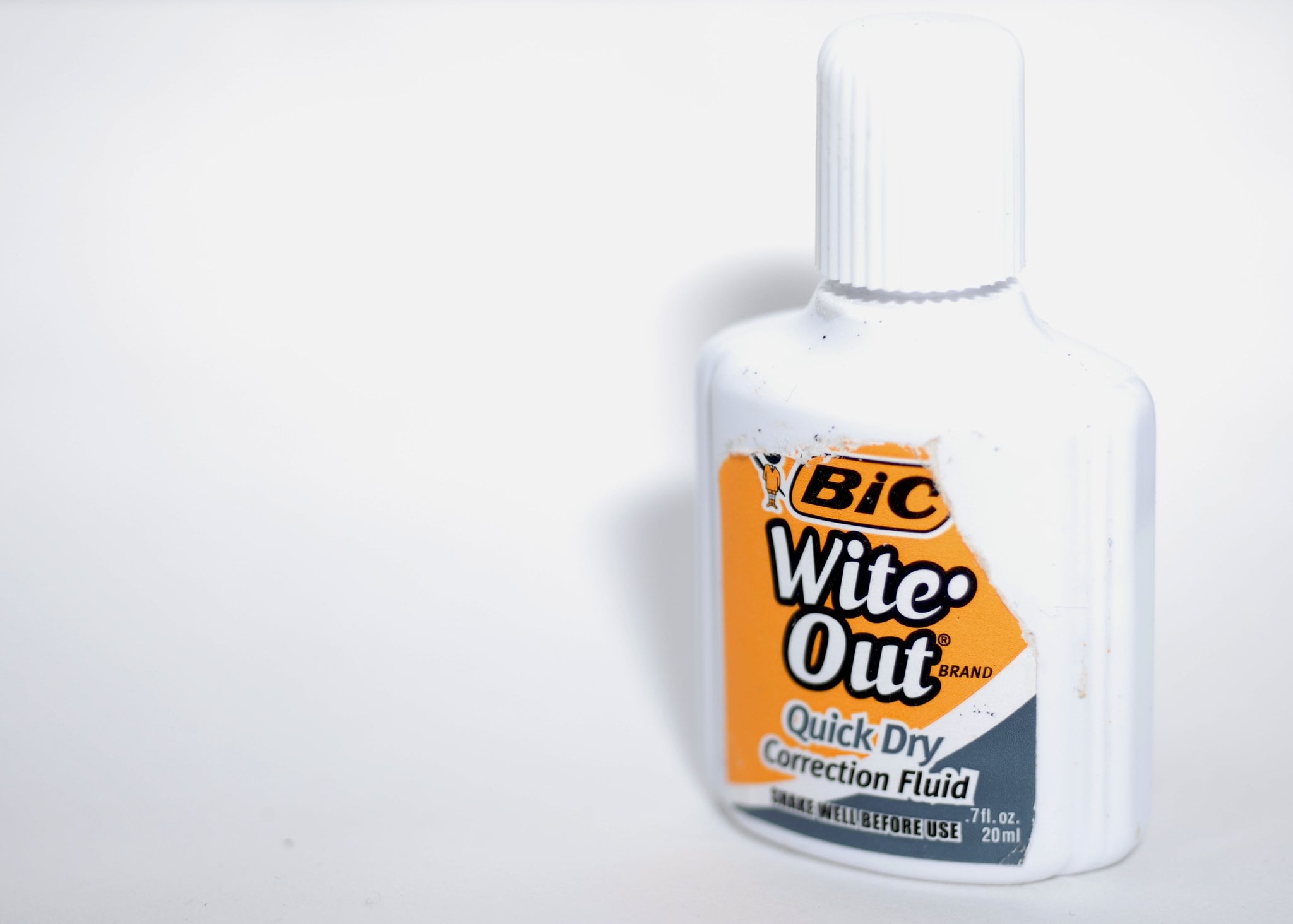
Before spell-check and backspace keys made mistakes disappear instantly, White Out was the closest thing to magic most students ever encountered. That thick, chalky liquid could erase history — at least the handwritten kind.
The brush applicator required actual technique, and getting a smooth coat without visible brush strokes was a skill worth developing. The smell was distinctive and probably not great for developing brains, but it marked the transition from childhood acceptance of permanent mistakes to the adult understanding that most things could be fixed with the right tools.
Folder Dividers With Tabs

The promise of organization lived in those plastic dividers with the little tabs you could label by subject. Math, English, Science, Social Studies — each section representing a different corner of academic life, neatly separated and immediately accessible.
Of course, by November, half the tabs had broken off and everything was just shoved randomly into whatever section had room. But for those first few weeks of school, your binder was a masterpiece of systematic thinking.
Pencil Boxes
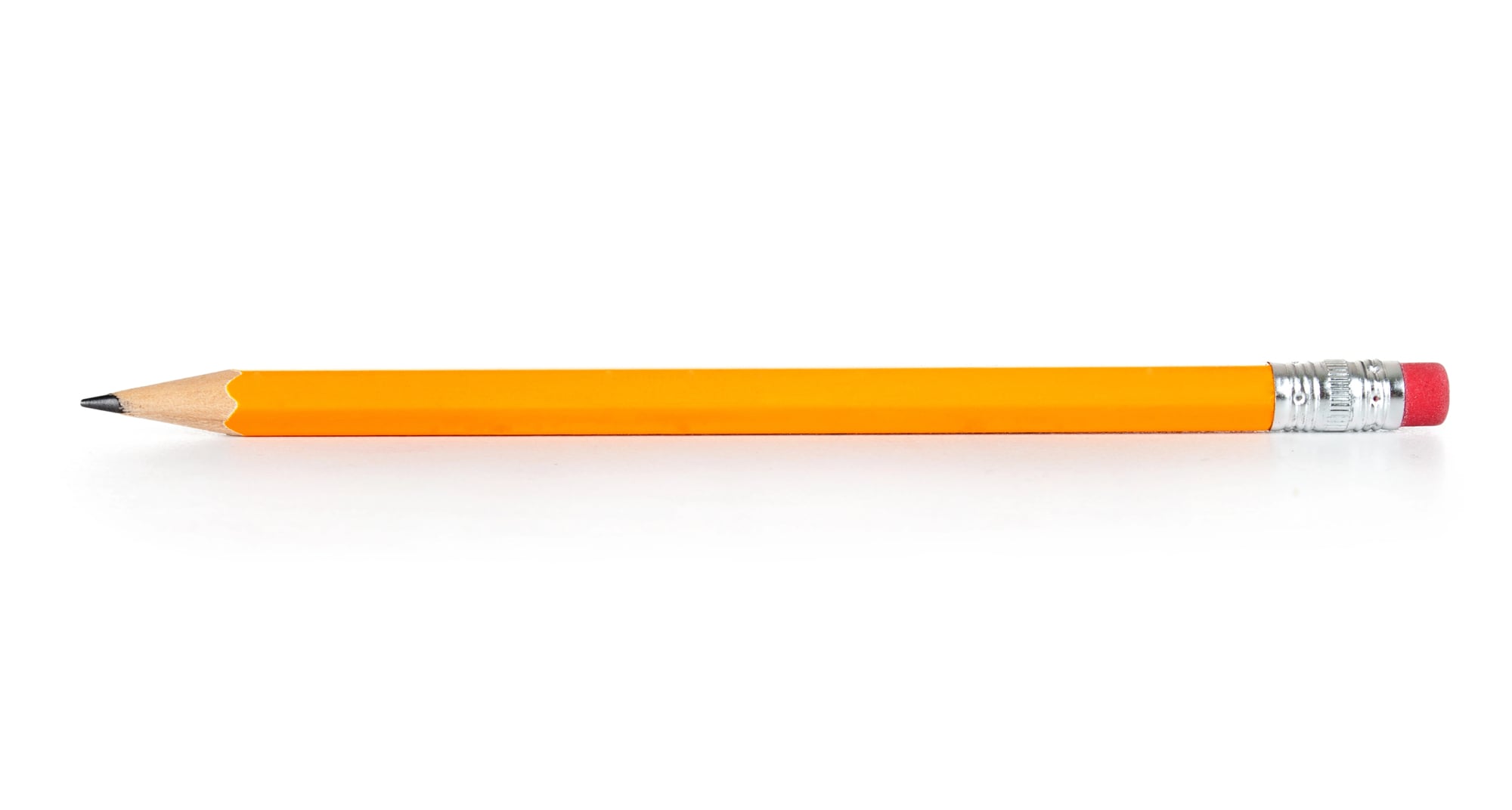
Pencil boxes were like having a tiny office that fit in your desk (and later, your backpack when schools started making everyone carry their entire academic life between classes, which happened because someone decided that assigned desks were somehow limiting students’ intellectual growth, though mostly it just meant everyone’s supplies got mixed up and half your pens went missing by October, but the pencil box remained your fortress of personal organization). The snap-shut plastic ones were reliable.
Metal ones felt more serious but dented when dropped. The real magic happened in the organization — designated spots for different types of pens, a special compartment for erasers, and that perfect pencil-sized groove that kept everything from rattling around when you walked to class.
Composition Books
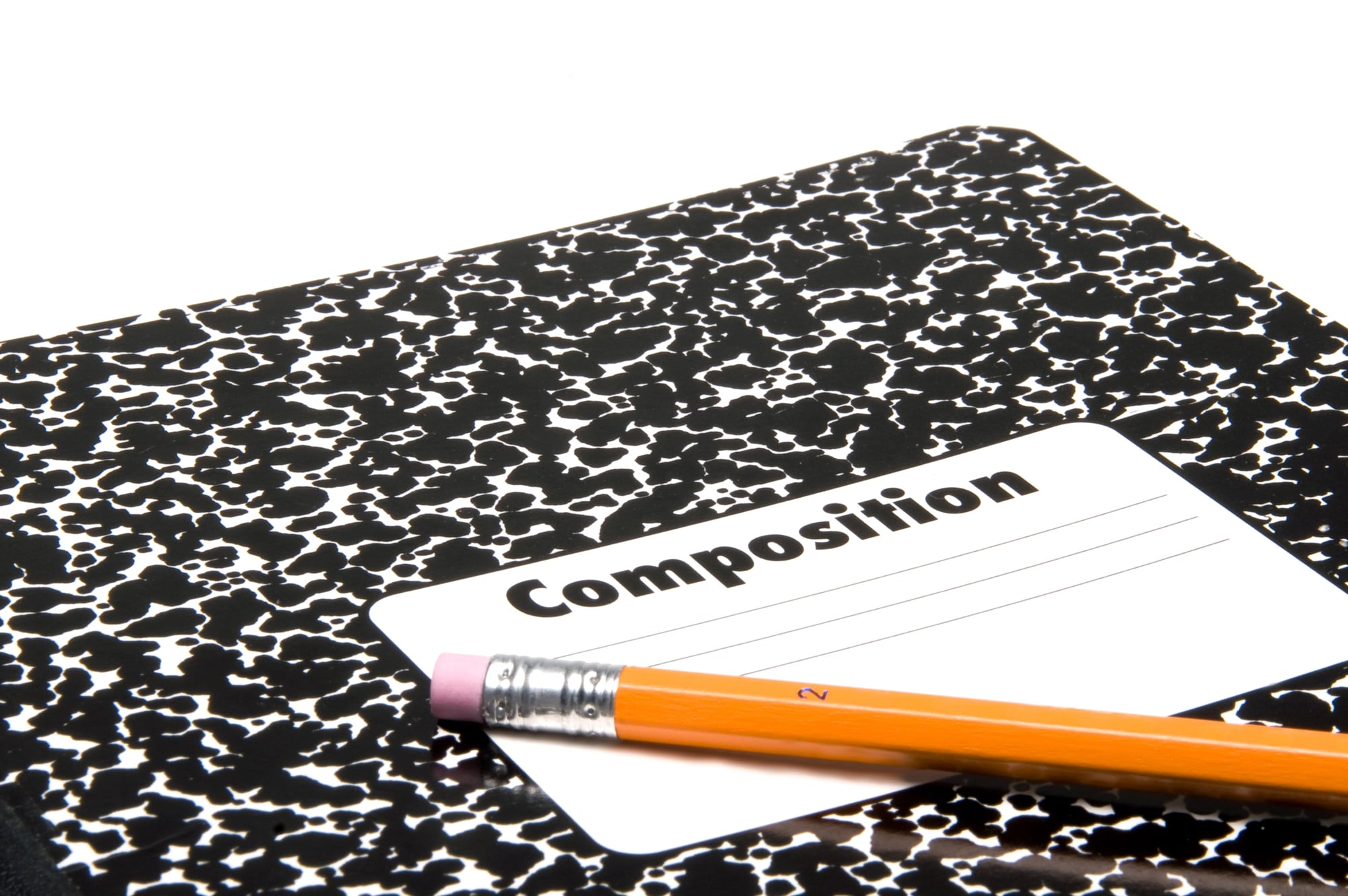
The black-and-white marbled cover of a composition book meant serious business. These weren’t spiral notebooks for casual note-taking; they were bound volumes that suggested permanence, like the thoughts inside might actually matter years later.
The wide-ruled pages had more character than loose-leaf paper. Something about the sewn binding made writing feel more intentional, more literary.
Teachers loved them because pages couldn’t be torn out and “lost,” which probably saved countless forgotten homework assignments from convenient disappearance.
Highlighters
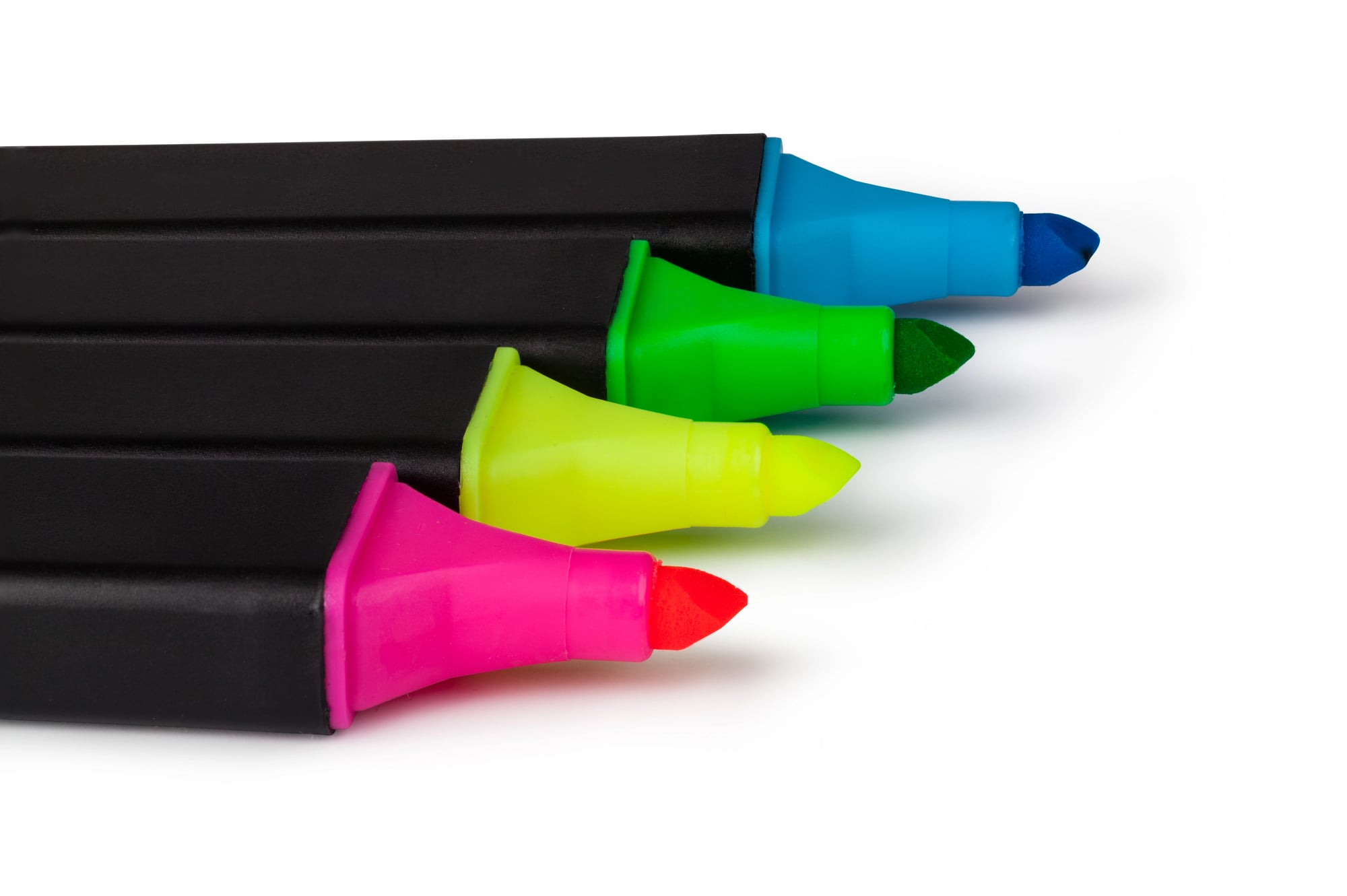
Highlighters turned studying into an art form, even when the highlighting strategy made no sense whatsoever. The fluorescent yellow was standard, but pink and green added personality to textbook pages.
The satisfying squeak of marker against paper provided audio feedback that regular reading just couldn’t match. The real skill was in restraint — highlighting everything meant highlighting nothing.
But when you found that perfect sentence that captured the essence of a chapter, dragging that bright marker across it felt like capturing lightning in a bottle.
Erasers
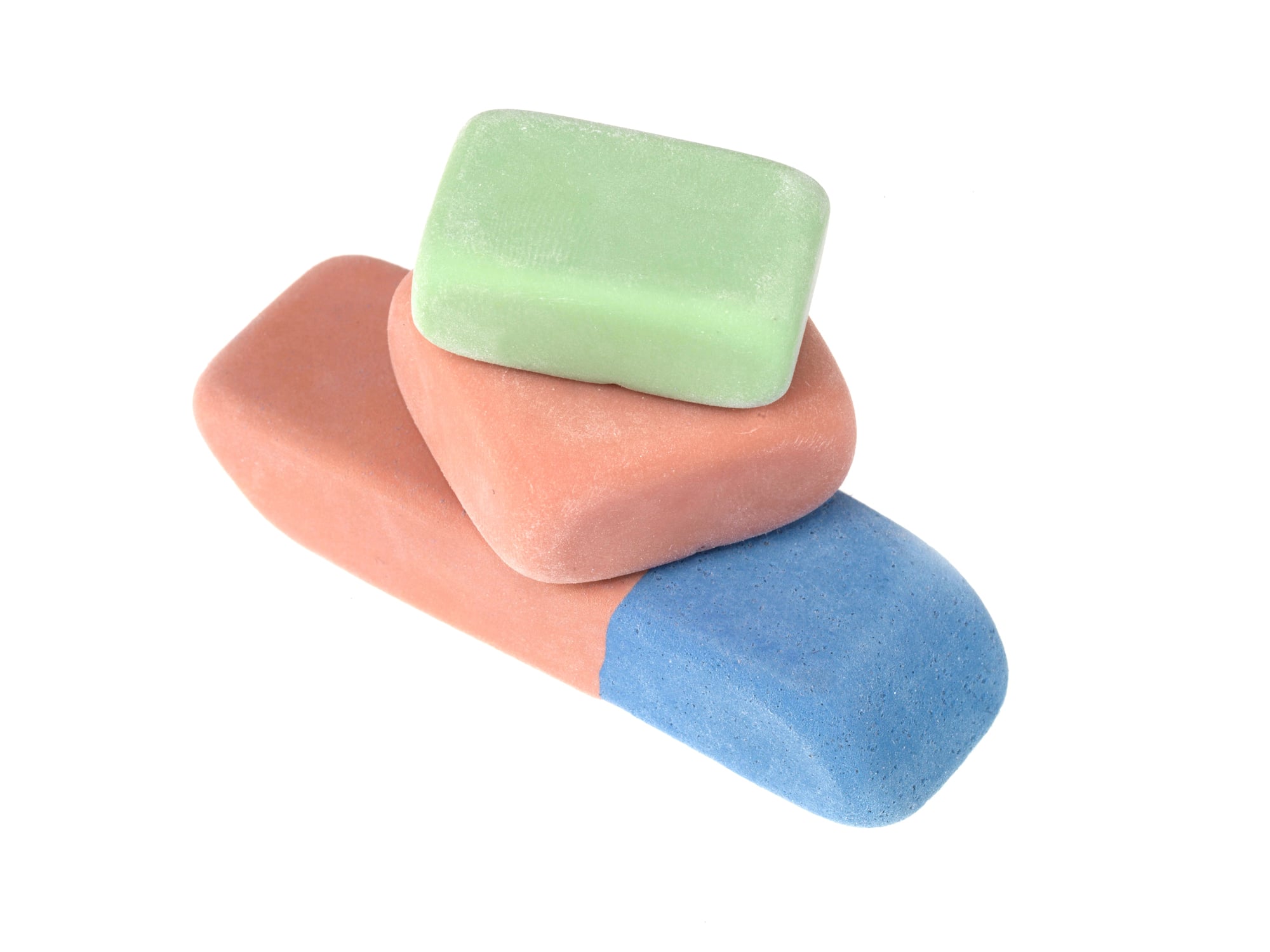
Pink Pearl erasers were the reliable workhorses, but the real excitement lived in novelty erasers (those tiny hamburgers, miniature animals, and geometric shapes that came in every color except the standard pink, because apparently regular erasers weren’t stimulating enough for developing minds, which might have been true since everyone collected them instead of actually using them to erase anything, and half of them didn’t work very well anyway but looked fantastic lined up on your desk). But pencil-top erasers?
Those were pure function over form. And yet those little themed erasers served a purpose beyond actual erasing: they were social currency, traded like baseball cards, and having a good collection meant you always had something to occupy your hands during boring lectures.
Rulers
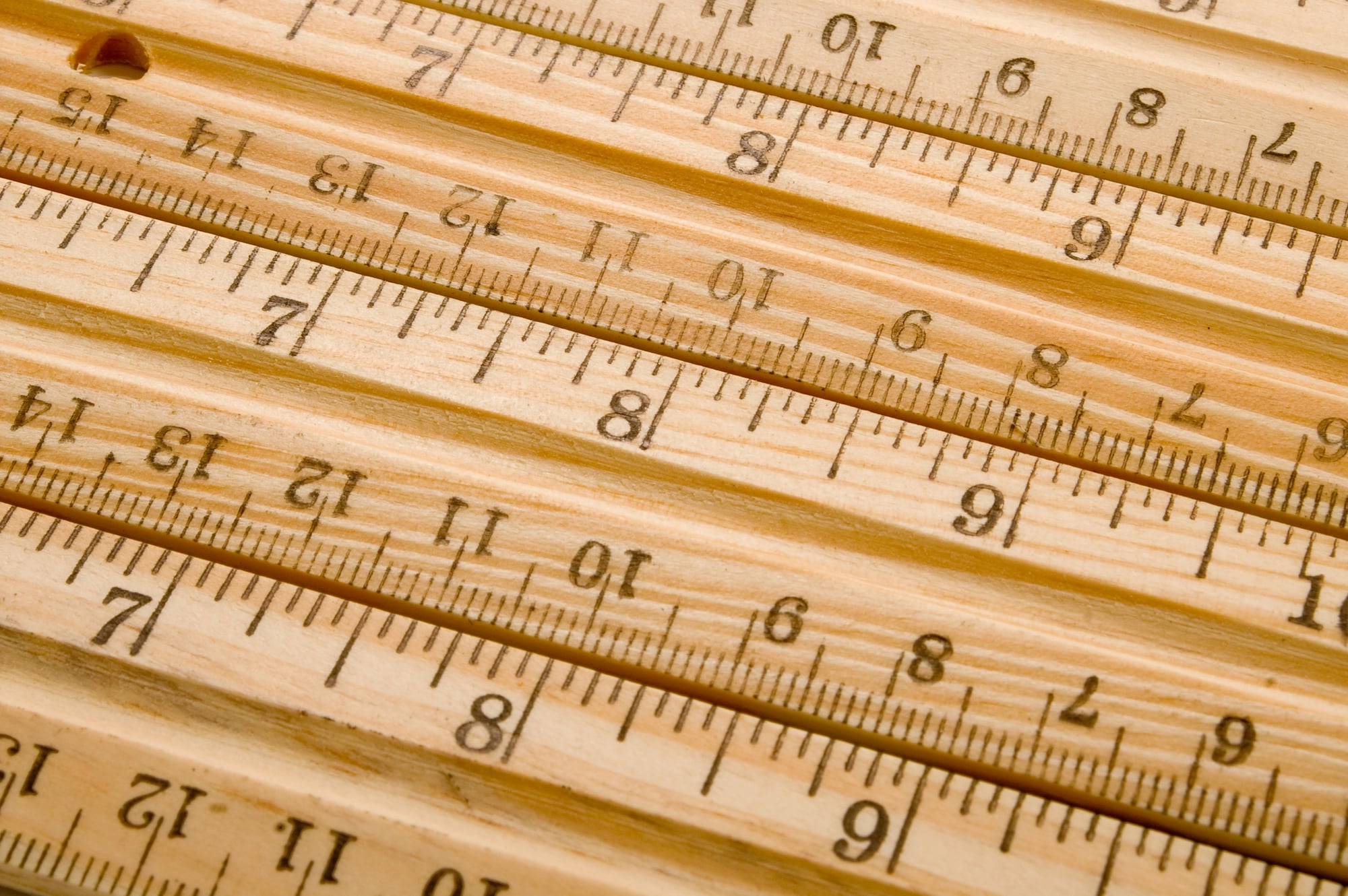
Rulers were multi-tools disguised as measuring devices. Sure, they could draw straight lines and measure margins, but they were also perfect for creating paper airplane creases, desk drumsticks, and emergency bookmarks.
The clear plastic ones with the cork backing were premium — no slipping, and you could see through them to line things up perfectly. The metal ones felt more professional but left dents in your desk if you pressed too hard.
Wood rulers had character but warped if they got wet, which happened more often than anyone expected in a school environment.
Spiral Notebooks
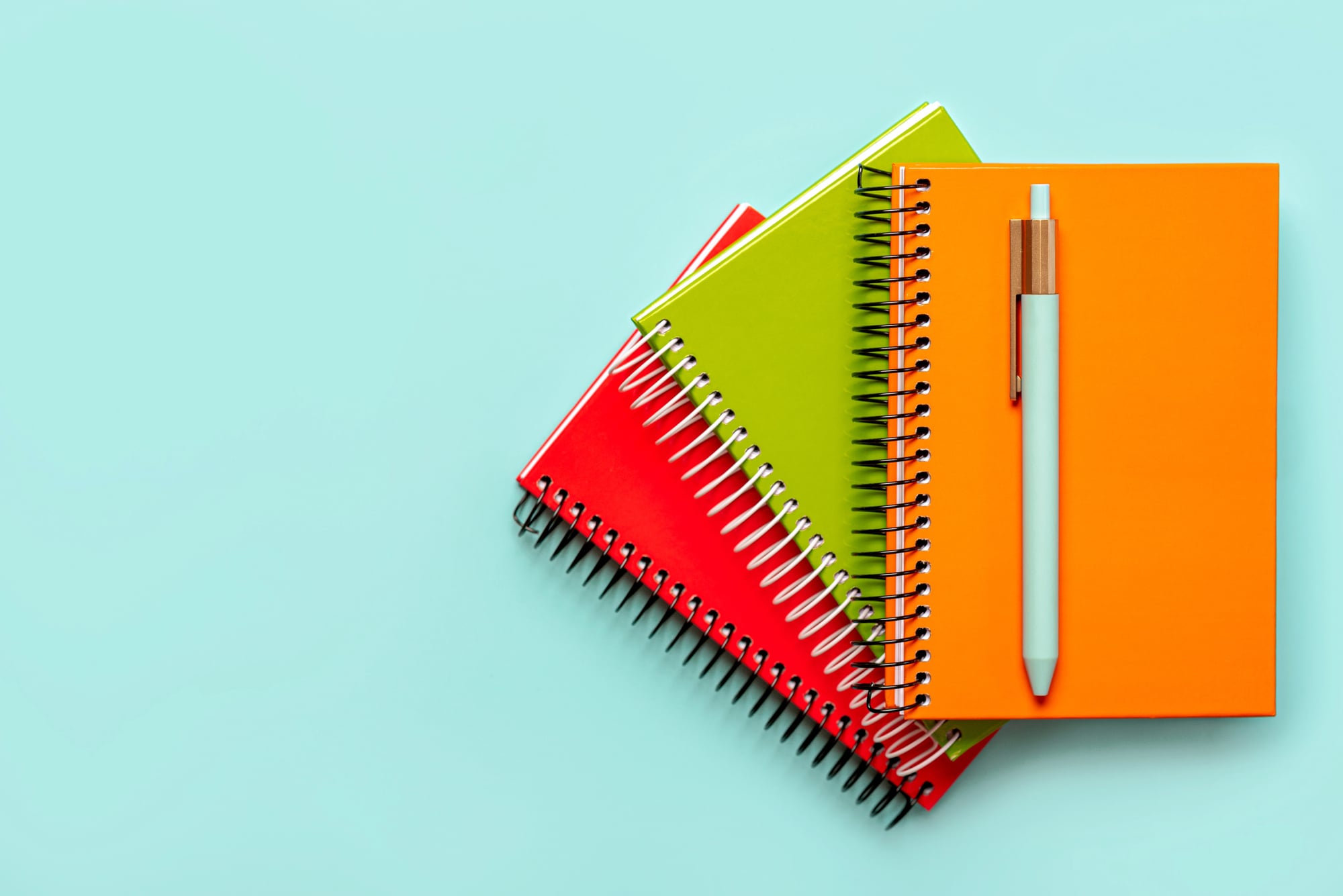
Spiral notebooks were the workhorses of academic life, but they came with their own set of challenges and satisfactions that regular bound notebooks couldn’t match. The perforated edges promised clean page removal, though they rarely delivered without leaving those little paper triangles behind.
The metal spiral itself became a fidget device decades before anyone knew that term. Spinning it between your fingers, bending it slightly (but not too much, because once it bent too far it would catch on everything), and using it to hang the notebook from desk edges or backpack zippers.
Calculator Watch
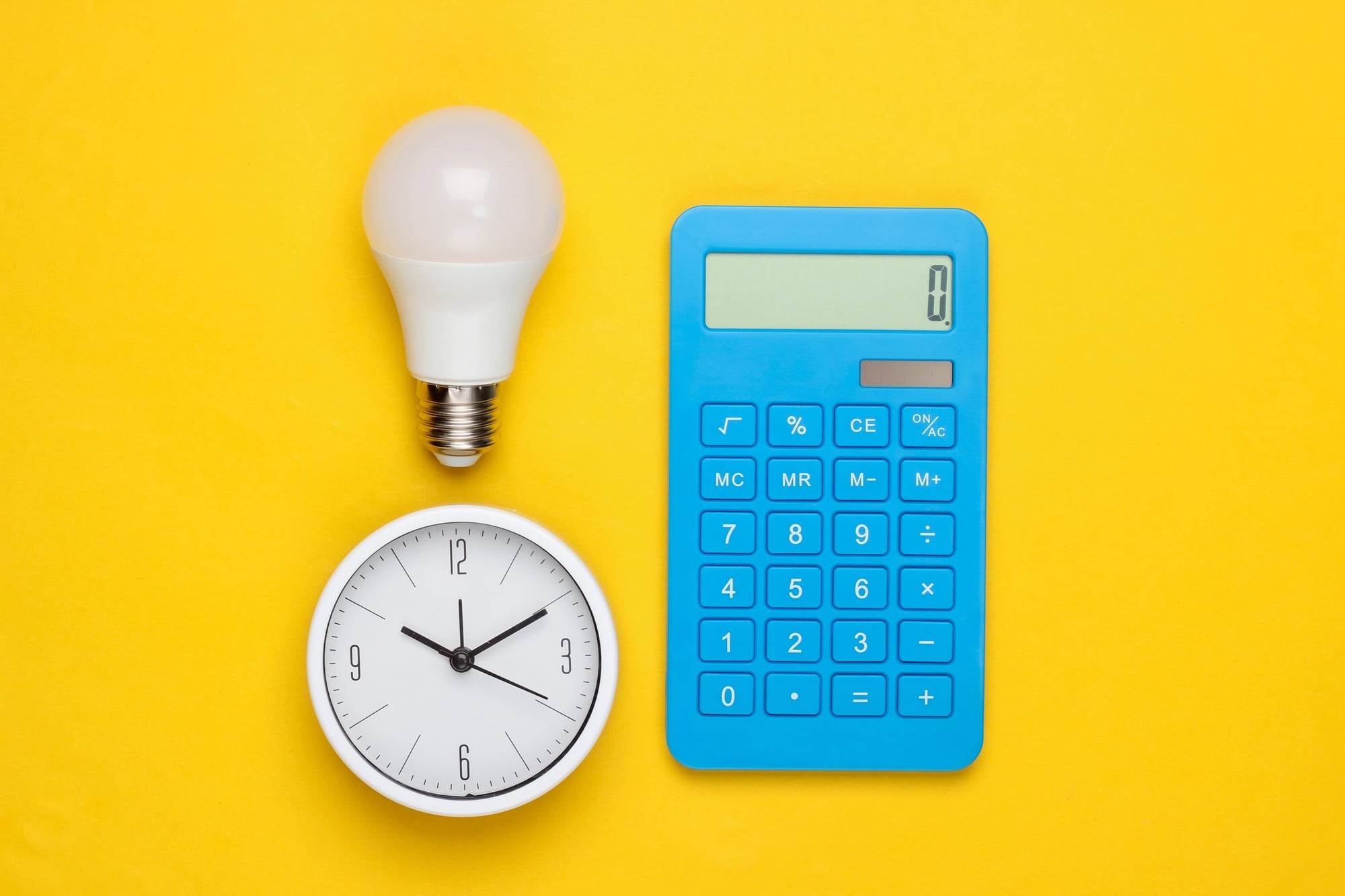
Calculator watches represented the pinnacle of academic technology, even though everyone knew the built-in calculator was barely functional for anything beyond basic arithmetic. The tiny buttons required fingernail precision, and the display was so small you had to squint to read longer numbers.
But wearing a calculator on your wrist meant you were prepared for mathematical emergencies at any moment. Plus, they usually had multiple alarms, a stopwatch, and sometimes even a tiny flashlight, making them the Swiss Army knife of timekeeping devices.
Correction Tape
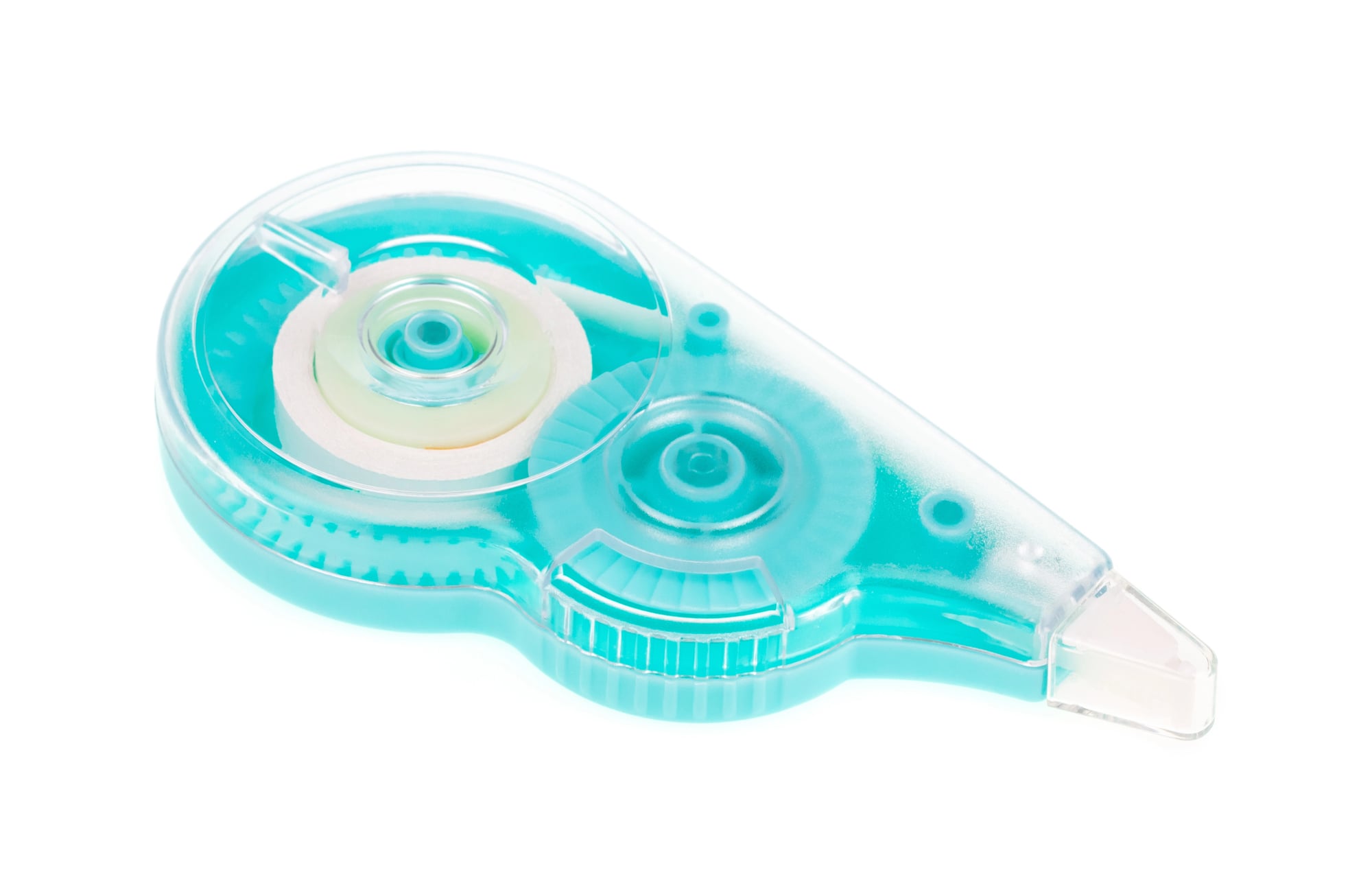
Correction tape was White Out’s more sophisticated cousin. No waiting for liquid to dry, no brush technique required — just pull, press, and write over it immediately.
The tape dispensed smoothly when it worked, which was about 60% of the time. The other 40% involved jammed mechanisms and tape that broke at crucial moments.
When it worked properly, though, correction tape was pure satisfaction. Clean, precise, and immediate — everything that messy liquid correction fluid wasn’t.
Having one meant you were forward-thinking, embracing the cutting edge of mistake-fixing technology.
Sticky Notes

Before digital reminders and phone alerts, sticky notes were the external memory system that kept academic life from falling apart completely. The original yellow was classic, but the rainbow packs opened up color-coding possibilities that made organization feel almost enjoyable.
They stuck to everything — textbook pages, locker doors, calculator screens, and occasionally foreheads when classmates weren’t paying attention. The repositionable adhesive was revolutionary; you could move reminders around as priorities shifted, creating a dynamic system of academic management.
Pencil Sharpeners
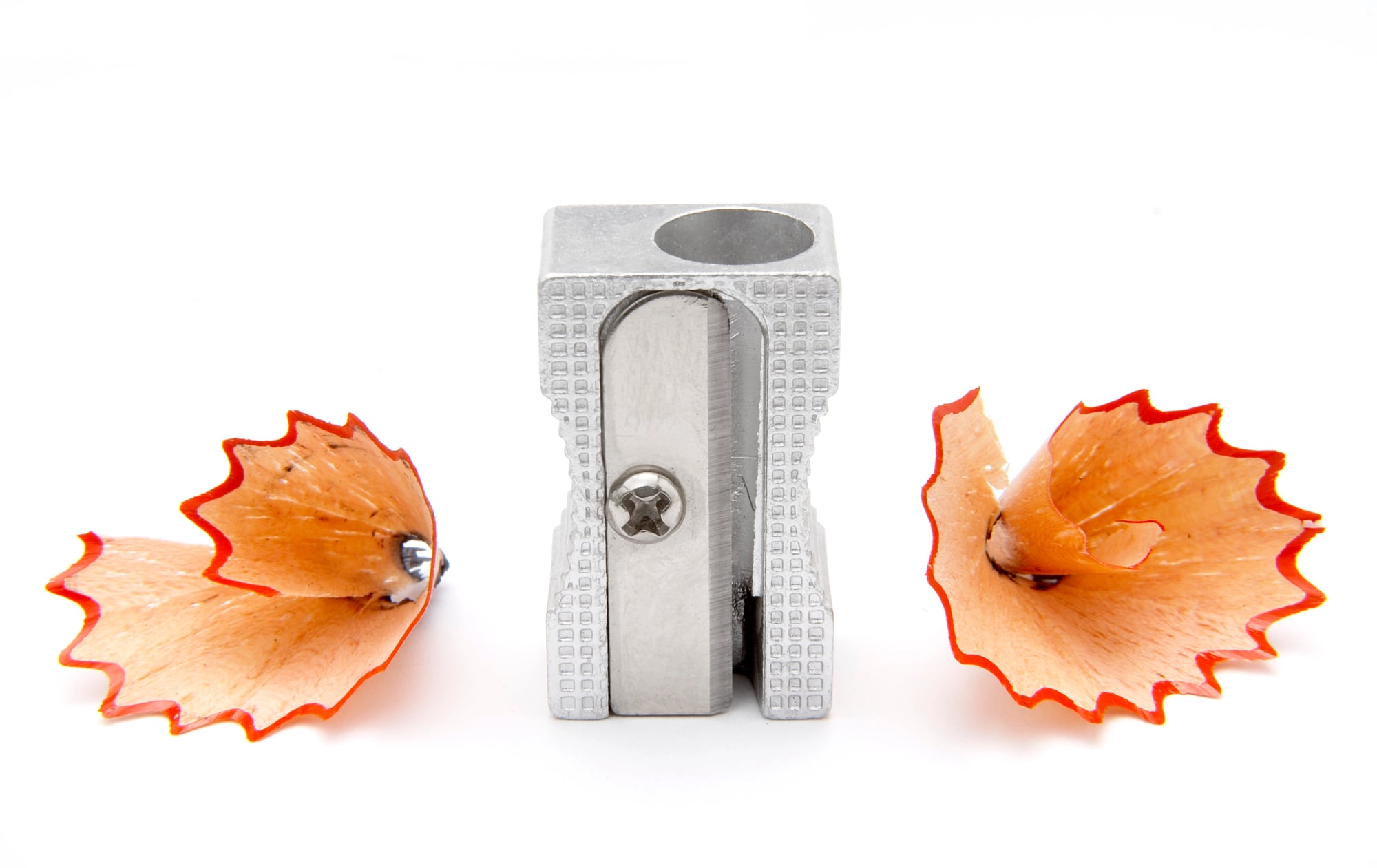
Electric pencil sharpeners were the luxury appliances of classroom life. That aggressive grinding sound meant serious business — your pencil was getting the professional treatment it deserved.
The motor’s hum became white noise that somehow made concentration easier, and the perfectly conical point that emerged was worth the occasional pencil that got eaten by overeager mechanisms. Manual sharpeners required more skill but gave you complete control over the process.
The resistance in the crank told you when to stop, when to back off, and when your pencil was approaching that perfect sweet spot between sharp and structurally sound.
The Supplies That Shaped Us
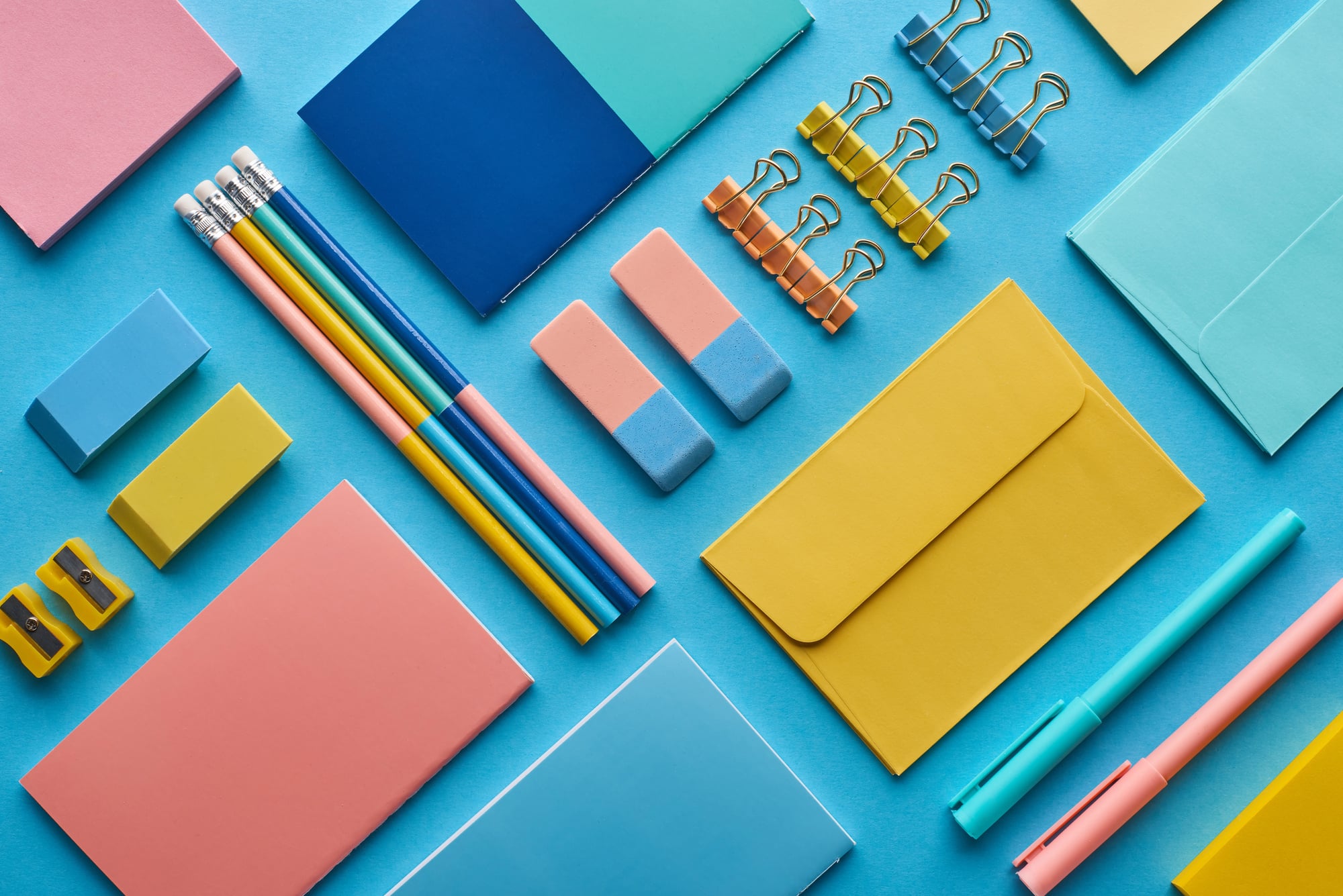
These weren’t just tools for learning — they were the props in a daily performance of becoming educated, organized, responsible humans. Each item carried its own small ritual, its own promise of academic success if only you could master its particular requirements.
The modern digital classroom might be more efficient, but efficiency was never really the point.
More from Go2Tutors!

- The Romanov Crown Jewels and Their Tragic Fate
- 13 Historical Mysteries That Science Still Can’t Solve
- Famous Hoaxes That Fooled the World for Years
- 15 Child Stars with Tragic Adult Lives
- 16 Famous Jewelry Pieces in History
Like Go2Tutors’s content? Follow us on MSN.



