90s Commercials That Became Cultural Icons
The 1990s wasn’t just about grunge music, dial-up internet, and questionable fashion choices. It was the golden age of television advertising, when commercials transcended their original purpose and became part of the cultural zeitgeist.
These weren’t just product pitches between your favorite shows. They were miniature masterpieces that spawned catchphrases, influenced pop culture, and created memories that lasted decades.
Some made us laugh until our sides hurt, while others became so iconic they’re still referenced today in memes, movies, and everyday conversation. The decade saw advertisers pulling out all the stops, creating characters and slogans that would outlive the products themselves.
Here is a list of commercials from the 1990s that didn’t just sell stuff—they became cultural phenomena.
Budweiser Wassup
Four friends, some cold beers, and one stretched-out greeting created advertising magic in 1999. The ‘Wassup’ campaign debuted on Monday Night Football in December 1999 and aired during Super Bowl XXXIV in 2000, quickly becoming a global phenomenon even in countries where Budweiser wasn’t sold.
The campaign won a Cannes Grand Prix and became a pop culture catchphrase, parodied in movies like Scary Movie and quoted by talk show hosts everywhere. The genius was in its simplicity—just guys checking in on each other while watching sports and drinking Bud.
The commercial was based on director Charles Stone III’s short film featuring his actual friends, and the ad agency recognized it could resonate because it showed authentic friendship and casual moments. Within months, everyone from DJs to late-night hosts was yelling ‘Wassup’ at each other, and the phrase became embedded in the American lexicon.
Got Milk Aaron Burr
Directed by a young Michael Bay in 1993, this commercial featured a history buff who couldn’t answer a $10,000 radio trivia question about who shot Alexander Hamilton because his mouth was full of peanut butter and he had run out of milk. The premise was brilliantly simple yet devastatingly relatable—we’ve all experienced that moment when bad timing ruins everything.
Actor Sean Whalen became instantly recognizable after the ad aired, with people yelling ‘Got milk! Aaron Burr!’ at him wherever he went, and director Steven Spielberg even cast him in Twister after seeing the commercial. The ad won numerous awards including a Directors Guild of America Award and was named one of the ten best commercials of all time by a USA Today poll in 2002.
That two-word tagline became one of the most successful slogans in advertising history, launching a campaign that would dominate the 90s.
Taco Bell Chihuahua
A tiny dog named Gidget became a massive star starting in August 1997 with the catchphrase ‘Yo Quiero Taco Bell,’ which translates to ‘I want Taco Bell.’ The dog’s voice was provided by Carlos Alazraqui, and the character quickly became a pop culture phenomenon, with talking toy figures sold at Taco Bell locations and the phrase becoming instantly recognizable.
Despite the dog’s popularity, the campaign ended in July 2000 after same-store sales fell by 6% and the commercials drew criticism from some Latino advocacy groups who found certain depictions stereotypical. The little chihuahua with the big personality proved that sometimes a memorable mascot can become more famous than the product it’s selling, even if the campaign doesn’t always boost sales.
Budweiser Frogs
Three frogs sitting on lily pads, croaking ‘Bud’ ‘Weis’ ‘Er’ in sequence—it sounds ridiculous, and that’s exactly why it worked. The 1995 Super Bowl commercial became an instant hit, with its simple premise and perfect comedic timing.
Kids loved imitating the frogs, adults found it hilarious, and suddenly everyone was talking about beer-loving amphibians. The frogs became so popular that they spawned merchandise, follow-up commercials, and even inspired competitors to create their own animal mascots.
The campaign showed that you didn’t need complex storytelling or celebrity endorsements to create something memorable—sometimes three computeranimated frogs doing basically nothing was entertainment gold.
Apple Think Different
The 1997 Apple ‘Think Different’ campaign featured iconic figures like Albert Einstein and Martin Luther King Jr., using powerful imagery and inspiring messaging to represent the brand’s values rather than just product features. Unlike traditional tech ads that focused on specs and features, this black-and-white montage celebrated rebels, innovators, and creative thinkers who changed the world.
The campaign was praised for its storytelling approach that created an emotional connection with consumers by focusing on broader brand ethos rather than solely on product specifications. It wasn’t about computers—it was about identity and aspiration.
The two-word slogan perfectly captured Apple’s positioning as the choice for creative, independent thinkers who dare to be different. This campaign helped revitalize Apple’s brand during a crucial period and established the company’s reputation for marketing that transcends typical advertising.
Mentos The Freshmaker
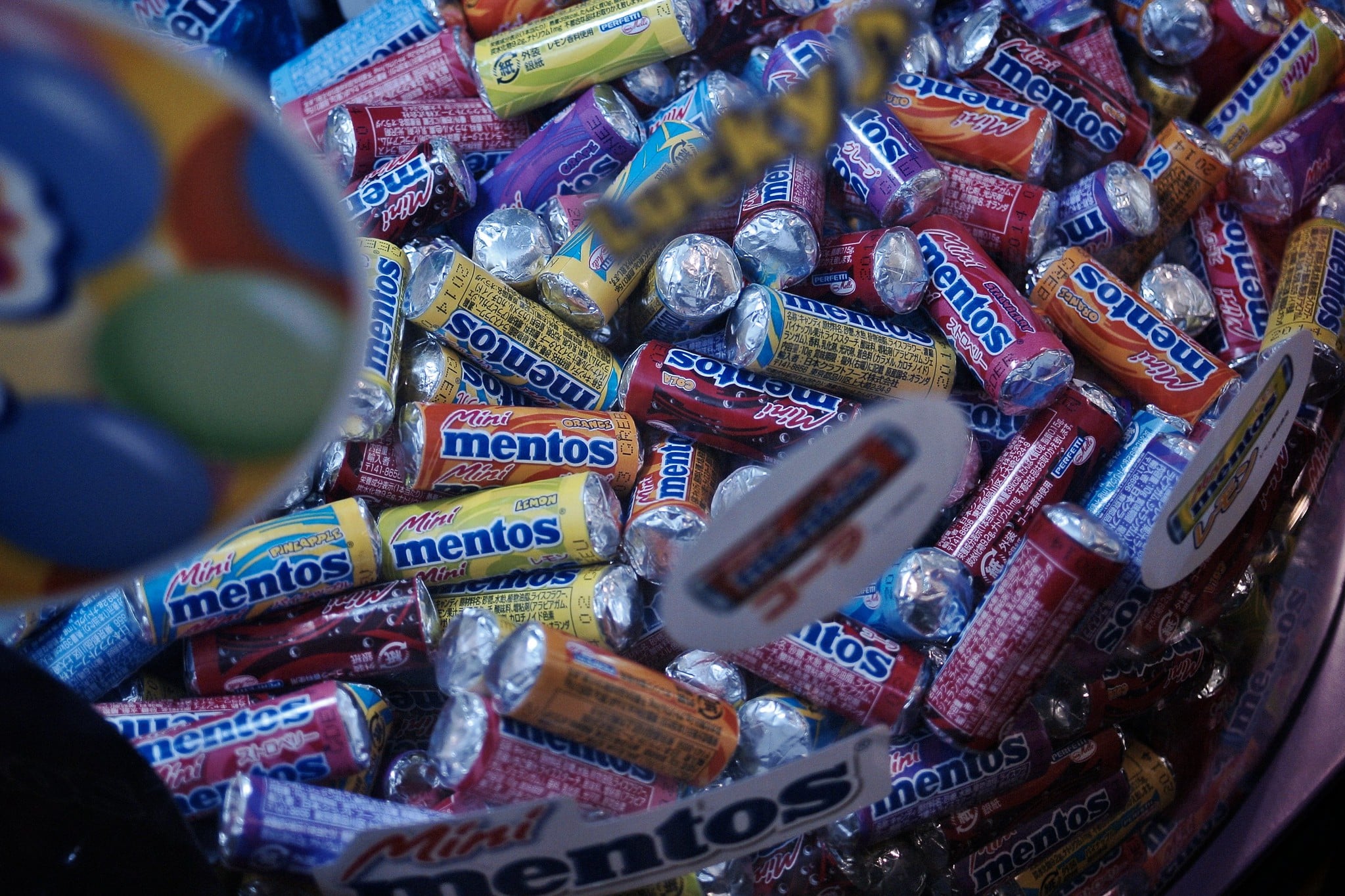
Starting in July 1992, Mentos commercials featured people solving everyday problems in absurdly cheerful ways after popping a mint, all set to an impossibly catchy jingle with the tagline ‘The Freshmaker.’ The ads seemed disconnected from actual human behavior, with lyrics that felt like an awkward English translation, which drove viewers to distraction—but in a way that made them unforgettable.
By 1996, Mentos had reached $135 million in sales and the commercials were being parodied everywhere, including by the Foo Fighters in their ‘Big Me’ music video and mentioned in the movie Clueless. The campaign’s bizarre cheerfulness and surreal problem-solving scenarios made it both beloved and mocked, proving that even ads people claim to hate can be incredibly effective at building brand awareness.
Energizer Bunny
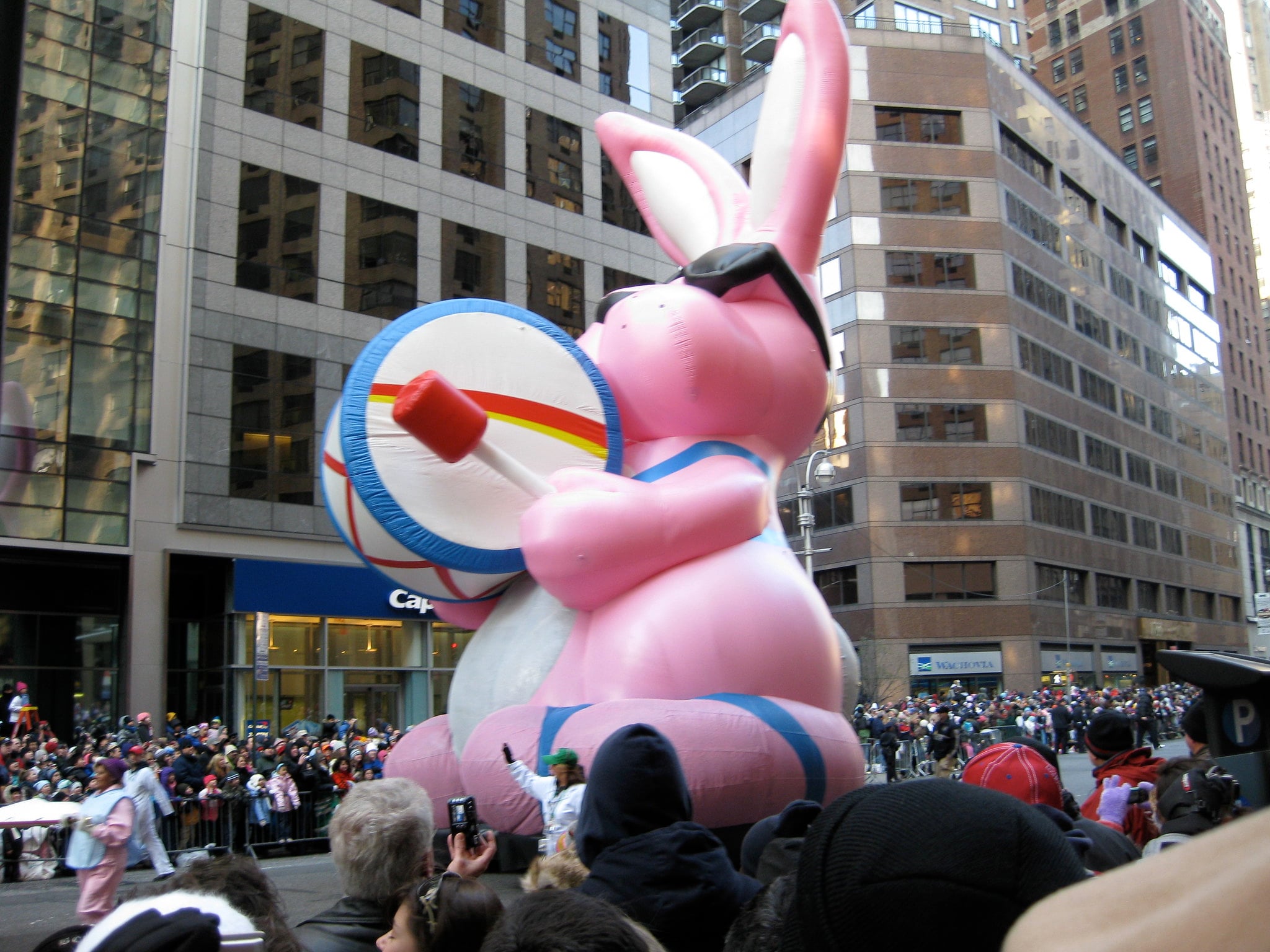
First broadcast in October 1988 as a parody of Duracell’s drumming bunny, the Energizer Bunny entered commercials midway through, beating a bass drum while the narrator proclaimed ‘it keeps going and going and going.’ Throughout the 1990s, the bunny would interrupt fake commercials for fictional products, and later versions featured villains like Darth Vader and the Wicked Witch of the West trying unsuccessfully to stop the relentless rabbit.
The pink mechanical bunny wearing sunglasses became one of the most recognizable mascots in advertising history. The Energizer Bunny appeared in more than 115 television commercials and the phrase ‘keeps going’ entered everyday language as shorthand for anything with inexhaustible energy.
The campaign’s meta-advertising approach—interrupting other commercials—was revolutionary for its time and kept audiences engaged because they never knew when the bunny would appear next.
LifeCall I’ve Fallen and I Can’t Get Up
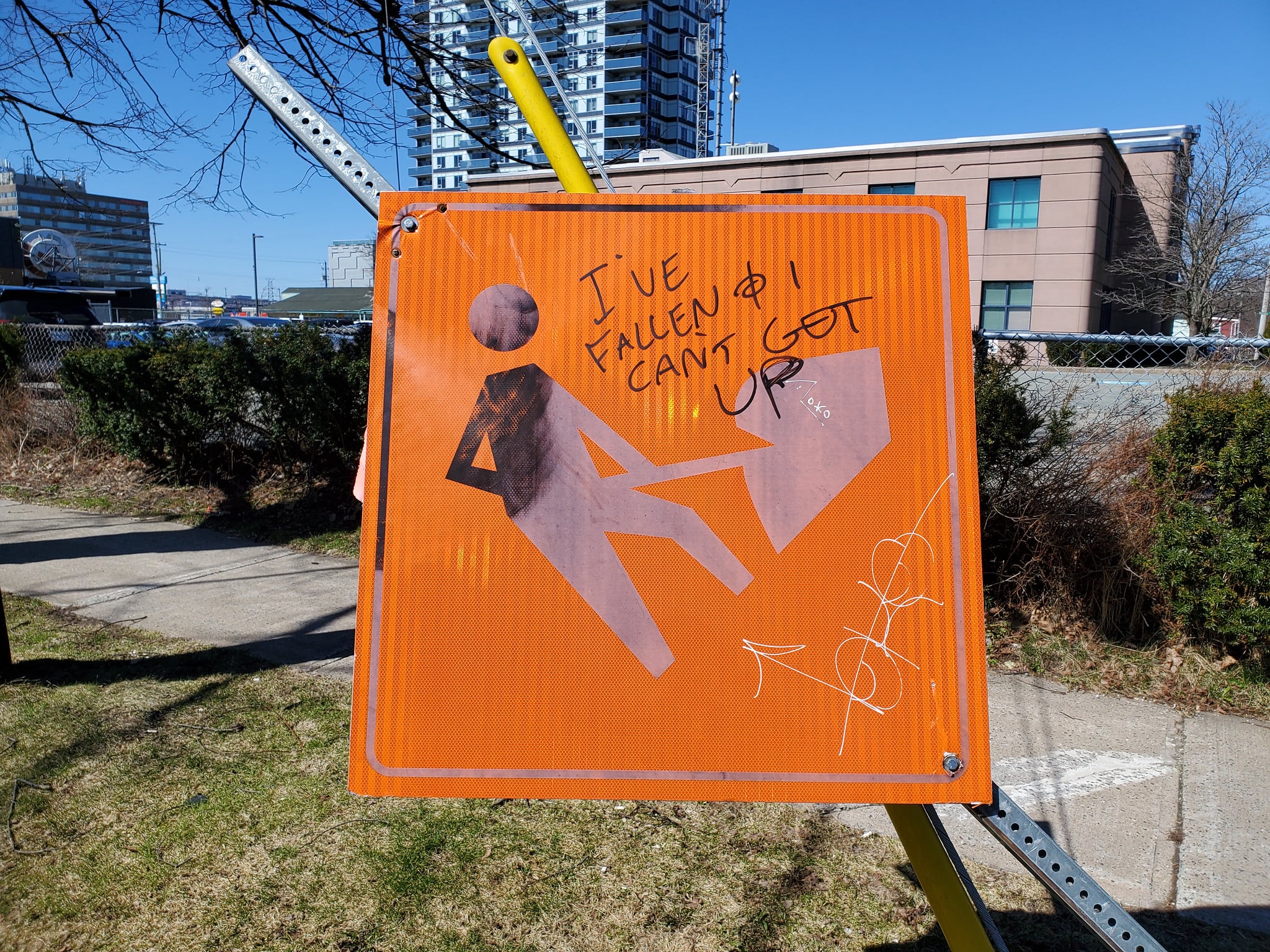
This 1989 commercial bled into the early 90s and became one of the most parodied ads of the decade. An elderly woman falls and desperately calls out the now-immortal phrase, ‘I’ve fallen and I can’t get up!’
While the product—a medical alert system—served a genuinely important purpose, the delivery became unintentional comedy gold. Late-night TV viewers couldn’t escape this ad, and the phrase quickly became a cultural punchline used in countless TV shows, movies, and everyday situations.
Despite the mockery, the commercial was actually effective at raising awareness about the service. It’s a perfect example of how something can simultaneously be ridiculed and remembered, proving that in advertising, being memorable matters more than being cool.
Pepsi Cindy Crawford
Supermodel Cindy Crawford pulling up to a gas station in a red Lamborghini, stepping out in cut-off shorts, and drinking a Pepsi while two young boys watched—this 1992 commercial was peak 90s glamour. The boys weren’t actually admiring Crawford, though.
The punchline revealed they were checking out the new can design. The ad perfectly captured the era’s obsession with supermodels and clever twists.
Crawford’s appearance elevated Pepsi’s cool factor and created a moment that defined 90s advertising’s blend of celebrity power and aspirational lifestyle marketing. The commercial ran during the Super Bowl and became instantly iconic, proving that sometimes the best product pitch is barely about the product at all.
California Raisins
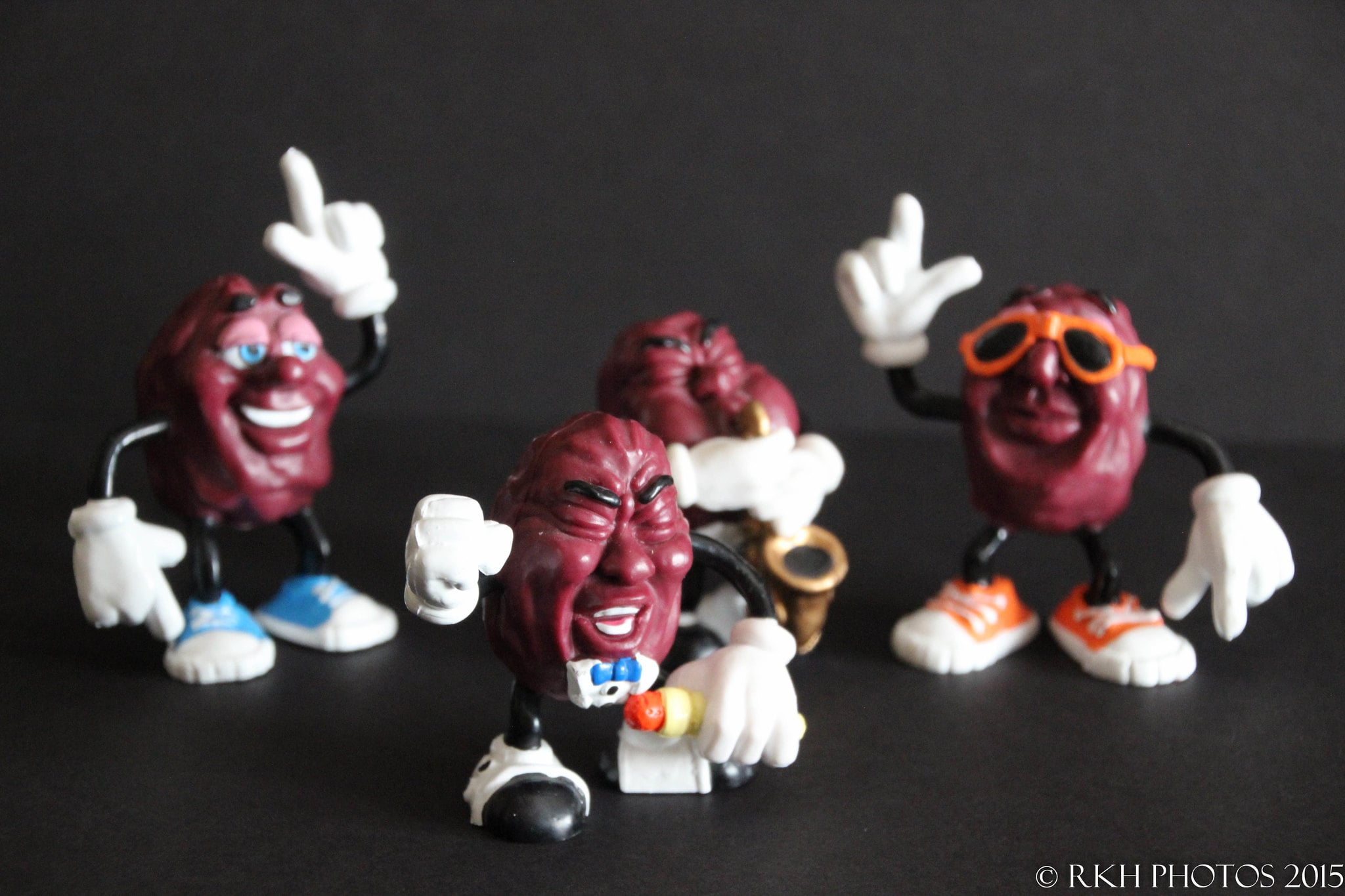
The dancing claymation raisins singing ‘I Heard It Through the Grapevine’ in the original 1986 commercial became such sensations that the campaign continued strong through the 90s, spawning merchandise, albums, and even a Saturday morning cartoon show. The commercials featured astonishingly detailed stop-motion animation that brought personality to each individual raisin character, transforming humble dried fruit into music industry stars.
These cool, sunglasses-wearing raisins made the least exciting snack imaginable seem hip and fun. Kids who would normally never choose raisins suddenly wanted them because of these groovy animated characters.
The campaign demonstrated that with enough creativity and personality, you could make literally anything appealing—even wrinkled dried grapes.
Reese’s There’s No Wrong Way
Throughout the 1990s, Reese’s created a long-running campaign series based on the insight that everyone eats Peanut Butter Cups differently, featuring various scenarios from domino champs to race car icons. One memorable version showed people eating the candy in wildly different ways—some nibbled the edges, others ate it whole, some even separated the chocolate from the peanut butter.
This versatility made the campaign successful for years, running on cartoon networks and popular TV stations, with the long-standing nature of the campaign becoming something consumers grew to love because each example was familiar and fresh simultaneously. The genius was acknowledging what people actually did rather than telling them the ‘right’ way.
It made eating a Reese’s feel personal and celebrated individual quirks, turning a simple candy choice into an expression of personality.
Nike If You Let Me Play
This powerful 1995 ad featured young girls stating facts about how sports participation would benefit their lives—lower teen pregnancy rates, better self-esteem, reduced depression. The stark, simple presentation with girls looking directly at the camera made it impossible to ignore.
Unlike Nike’s flashy athlete-driven campaigns, this one was quietly revolutionary, advocating for girls’ sports before it was mainstream. The ad didn’t just sell shoes—it made a social statement about equality and opportunity.
It resonated deeply with parents and young athletes alike, proving that advertising could be both commercially successful and socially conscious without feeling preachy.
Super Soaker

Kids absolutely drenching each other with water while high-energy music pumped in the background—Super Soaker commercials made backyard water fights look like extreme sports. The 90s ads emphasized the sheer power of these water guns, showing streams shooting across entire yards with impressive force.
Before Super Soaker, water guns were wimpy little squirt toys. These commercials revolutionized the category by making water warfare intense and exciting.
The ads captured everything kids loved about summer—running around outside, soaking friends, and feeling powerful. Super Soaker commercials didn’t need elaborate plots or celebrity endorsements.
They just showed the product being awesome, which was honestly all kids needed to see before begging their parents to buy one.
Tango Orange Man
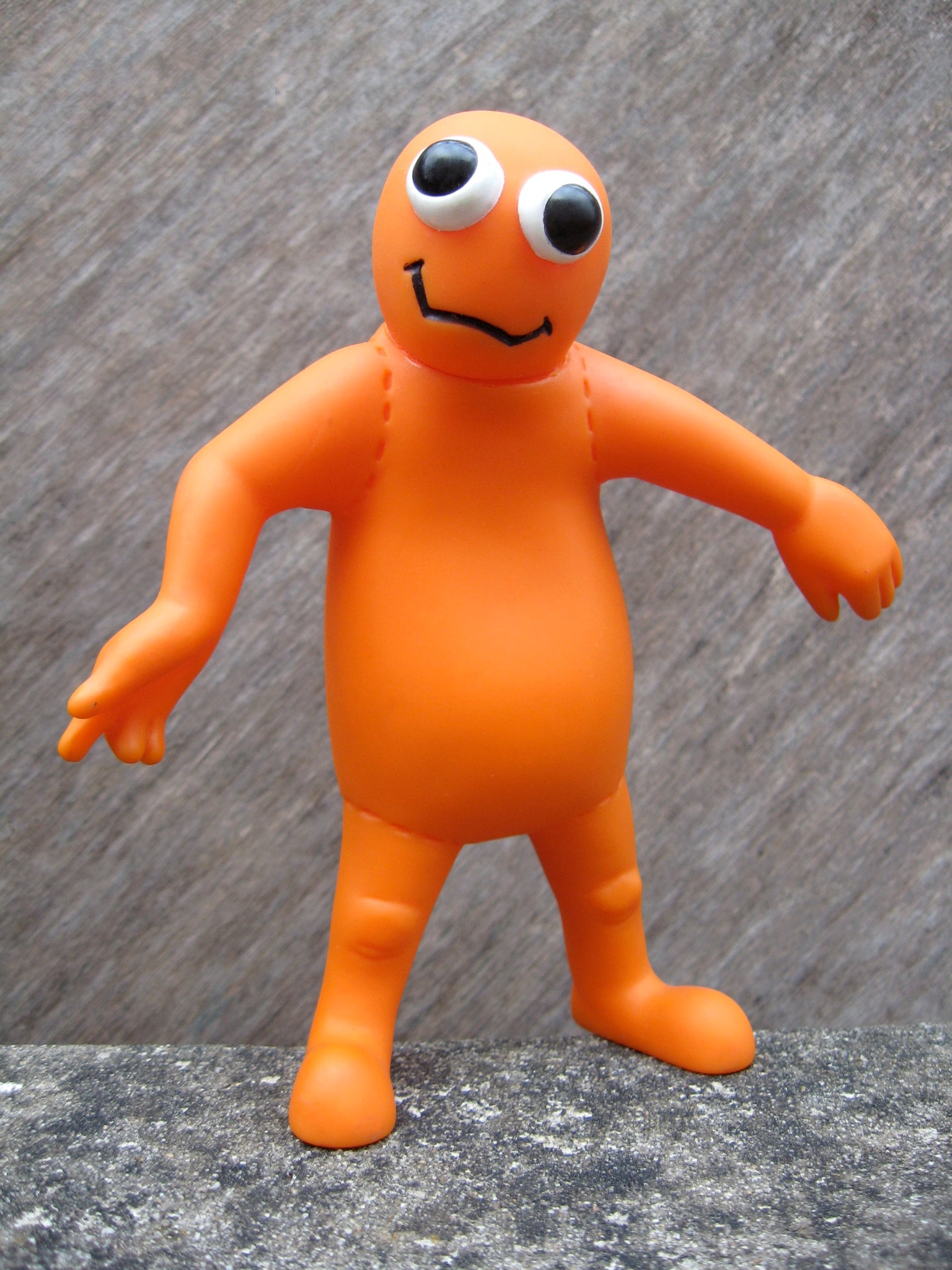
The UK’s Tango soft drink commercial featured an orange man running up and slapping someone in the face after they drank Tango, representing the intense hit of flavor, and giving birth to the catchphrase ‘You’ve Been Tango’d.’ This commercial was created with the goal of making Tango famous in a world of high-impact ads, and it succeeded by using shock value and humor.
The absurdist humor and slightly violent imagery made it unforgettable, though it was eventually pulled after concerns about kids imitating the slapping. The commercial perfectly captured the 90s trend toward edgier, more outrageous advertising that pushed boundaries.
It showed that British advertising was willing to go places American commercials wouldn’t, creating something that was equal parts hilarious and horrifying.
Grey Poupon
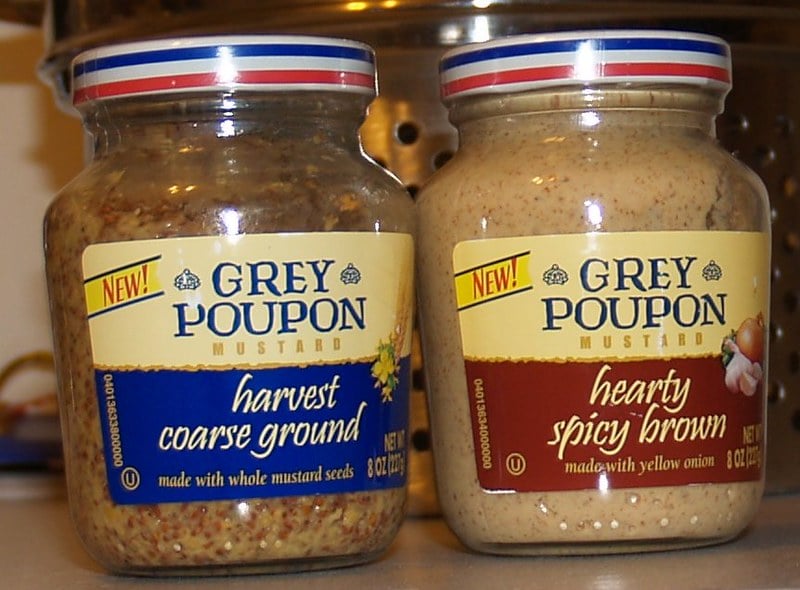
‘Pardon me, do you have any Grey Poupon?’ became one of the most quoted lines from 90s advertising. The commercial featured two wealthy gentlemen in Rolls-Royces pulling up beside each other, with one requesting the fancy mustard from the other.
The joke was simple—making an everyday condiment seem incredibly sophisticated and exclusive. The absurd pretentiousness of asking for mustard with such formality made it endlessly mockable and quotable.
People started using the line ironically whenever passing condiments, turning a straightforward luxury pitch into self-aware comedy. The campaign positioned Grey Poupon as the choice of the refined elite, even though it was just mustard you could buy at any grocery store, proving that perceived sophistication matters more than actual exclusivity.
Where We Are Now
These commercials didn’t just move products—they created shared cultural experiences that united people across the country. The ‘Got Milk?’ campaign became an ad-world cultural touchstone, while Budweiser’s ‘Wassup’ was parodied across media and the Energizer Bunny became a metaphor for endless perseverance.
Today’s advertising landscape looks vastly different, with streaming services letting us skip ads entirely and social media fragmenting audiences into countless niches. Yet these 90s commercials remain relevant, frequently resurfacing in nostalgic articles, YouTube compilations, and even modern ad campaigns trying to recapture that magic.
They proved that when advertising transcends salesmanship and becomes genuine entertainment, it earns a permanent place in our collective memory—something no algorithm or skip button can erase.
More from Go2Tutors!

- The Romanov Crown Jewels and Their Tragic Fate
- 13 Historical Mysteries That Science Still Can’t Solve
- Famous Hoaxes That Fooled the World for Years
- 15 Child Stars with Tragic Adult Lives
- 16 Famous Jewelry Pieces in History
Like Go2Tutors’s content? Follow us on MSN.