17 Smallest National Parks Preserved by the US
Most people picture national parks as vast, untamed wilderness stretching for millions of acres. And plenty of them are.
But tucked into the same system that holds Wrangell-St. Elias — a park so large it could swallow six Yellowstones — are parks that fit inside a single city neighborhood, a remote island chain, or a narrow canyon you can cross in an afternoon. These smaller parks don’t always get the attention they deserve, but the stories behind their preservation are just as interesting as anything you’d find in a sprawling Alaskan wilderness.
Here are the 17 smallest national parks in the United States, ranked from smallest to largest.
1. Gateway Arch National Park, Missouri — 91 Acres

Gateway Arch sits in the middle of downtown St. Louis, making it the smallest national park in the entire country. The arch itself stands 630 feet tall, and a tram ride to the top takes about four minutes.
Most visitors spend an hour or two here, walk the grounds along the Mississippi River, and explore the Museum of Westward Expansion tucked beneath the arch. There are no hiking trails.
No campgrounds. Just an iconic steel structure, a bit of open lawn, and the river.
The park commemorates the westward expansion of the United States, and the courthouse nearby is where Dred Scott’s freedom case was tried. Small in size, but not in history.
2. Hot Springs National Park, Arkansas — 5,550 Acres

Hot Springs is the oldest area set aside for federal protection in the country, though it wasn’t officially designated a national park until 1921. The thermal springs that flow here pour out at around 143 degrees Fahrenheit, and for more than a century, people traveled from across the country to “take the waters.”
Bathhouse Row, a stretch of grand early 20th-century bathhouses along Central Avenue, still defines the park’s character. A few are still operating.
Others have been converted into a brewery, a gallery, and a visitors center. The surrounding forested hills offer quiet hiking trails that most visitors skip entirely, which means you can often have them to yourself.
3. National Park of American Samoa — 8,257 Acres
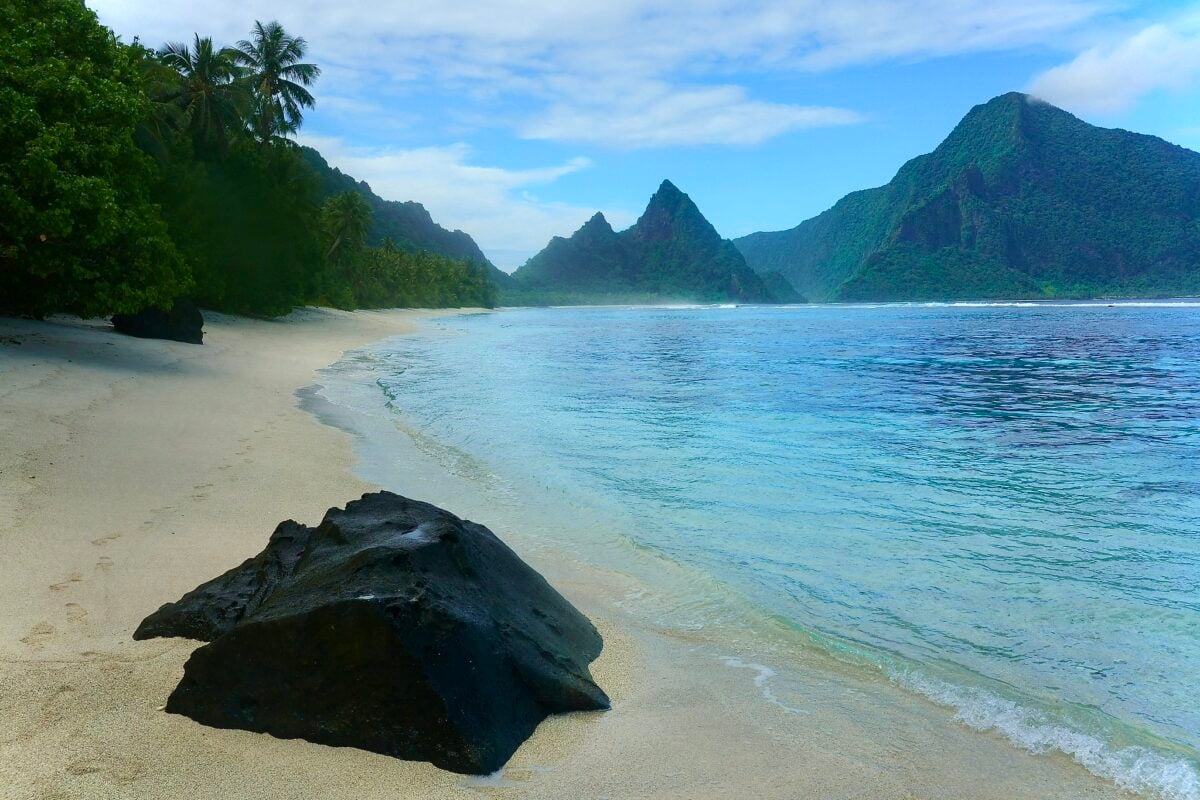
This is one of the most remote national parks in the system. Located across three islands in the South Pacific — Tutuila, Ofu, and Ta’ū — it’s the only US national park south of the equator.
Getting there requires a flight to Pago Pago, and the park itself has no visitor center in the traditional sense. Much of the park is tropical rainforest, home to flying foxes — large fruit bats that are among the most distinctive wildlife in the park.
Offshore, coral reefs wrap around the islands and shelter a remarkable variety of marine life. The park was established in 1988 through a 50-year lease agreement with Samoan villages, a setup that’s unlike anything else in the national park system.
4. Virgin Islands National Park, U.S. Virgin Islands — 14,689 Acres
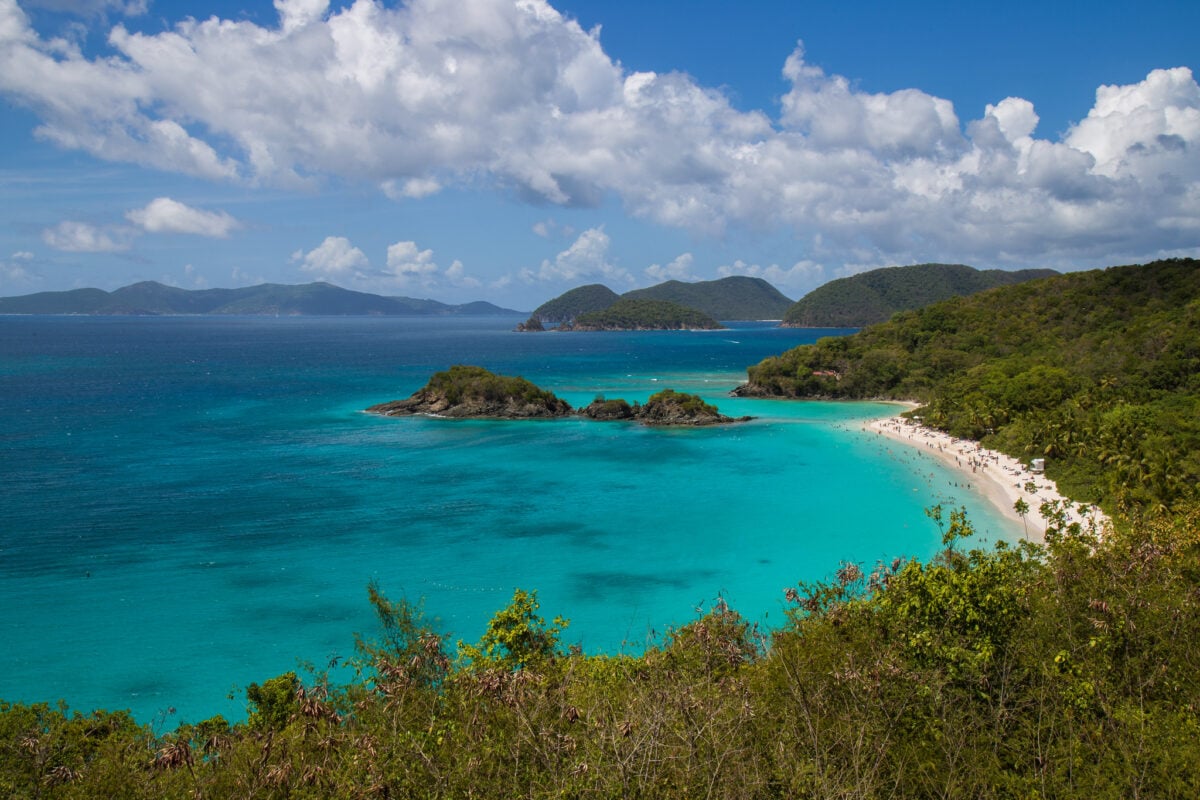
Roughly two-thirds of the island of St. John is protected as national parkland, which is the reason St. John remains so undeveloped compared to its neighbors in the Caribbean. The park covers forested hills, white sand beaches, and a significant stretch of underwater territory in Trunk Bay and elsewhere along the coast.
Trunk Bay is one of the most photographed beaches in the Caribbean, but the park’s less-visited trails through the ruins of old sugar plantations tell a quieter story about the island’s history. The marine environment here is particularly healthy, and snorkeling along the underwater trail at Trunk Bay is a straightforward way to see it up close.
5. Indiana Dunes National Park, Indiana — 15,349 Acres

Indiana Dunes sits along the southern shore of Lake Michigan, sandwiched between the steel mills and industrial landscapes of northwest Indiana. That contrast — industrial sprawl giving way to towering sand dunes and quiet beachfront — is part of what makes this park so surprising.
The dunes themselves reach up to 200 feet, and climbing them in summer heat is genuinely tiring. Beyond the beach, the park contains bogs, marshes, prairies, and forests that represent a remarkable range of ecosystems for such a compact area.
Naturalist Henry Cowles did foundational ecological research here in the early 1900s, and the science he developed on plant succession is still taught today. Indiana Dunes didn’t receive national park status until 2019, ending a long campaign that began decades earlier.
6. Congaree National Park, South Carolina — 26,476 Acres

Congaree protects the largest intact expanse of old-growth bottomland hardwood forest remaining in the southeastern United States. The trees here are enormous — some of the tallest in the eastern part of the country — and the park holds several national and state champion trees by height.
Much of Congaree floods periodically, which is what kept it from being logged. Boardwalk trails wind through the forest above the floodplain, and paddling the Cedar Creek Canoe Trail is one of the best ways to experience the park’s interior.
At night, synchronized fireflies appear here in late spring, drawing visitors who camp specifically to watch the display. Congaree became a national park in 2003.
7. Pinnacles National Park, California — 26,606 Acres

Pinnacles sits in the Diablo Range of central California, about 80 miles south of San Jose. The rock formations that define it are the remnants of an ancient volcano, eroded over millions of years into spires and crags that make it one of the more dramatic-looking parks on this list.
California condors were reintroduced here starting in 2003, and the park now supports one of the largest free-flying condor populations in the country. You can often spot them soaring above the talus caves — boulder-filled gorges that create dark, narrow passages you can walk through.
Pinnacles became a national park in 2013, upgraded from its earlier status as a national monument.
8. Black Canyon of the Gunnison National Park, Colorado — 30,750 Acres

Few places in the country feel as vertically dramatic as Black Canyon. The Gunnison River has carved a gorge that drops nearly 2,700 feet, and in some sections the canyon walls close to just 40 feet apart at the bottom.
Sunlight only reaches the canyon floor for a short window each day. Rim drives on both the north and south sides offer overlooks, but the canyon’s real character only reveals itself to those who descend into it — a technical and demanding undertaking that requires a permit.
The river below is considered one of the best Gold Medal trout fisheries in Colorado. Despite its striking scenery, this park often gets overlooked in favor of bigger Colorado destinations.
9. Cuyahoga Valley National Park, Ohio — 32,572 Acres
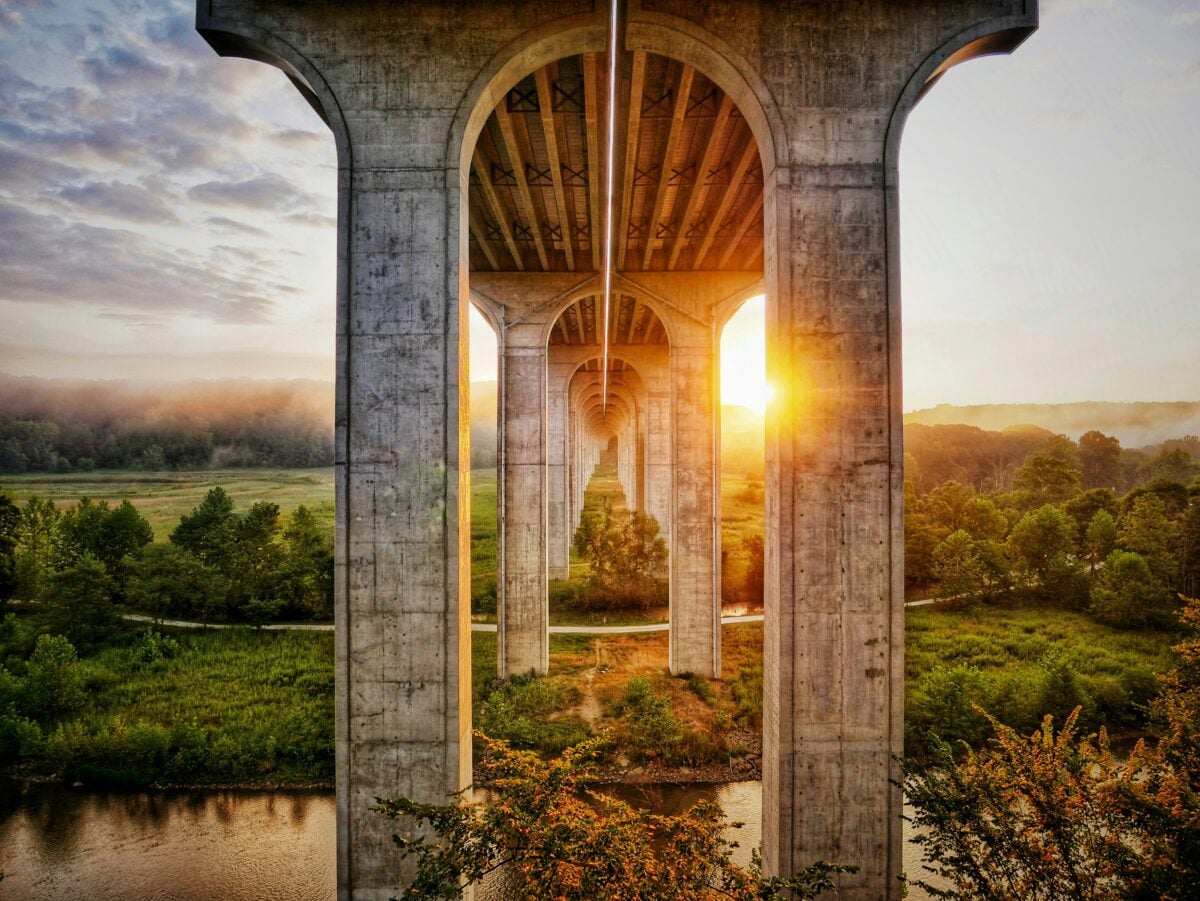
Cuyahoga Valley occupies a stretch of land between Cleveland and Akron along the Cuyahoga River, making it the most urban national park on this list — and one of the most visited in the country. Over two million people visit each year, most of them from the surrounding metro areas.
The towering waterfall at Brandywine Falls is the park’s most photographed feature, but the restored Ohio and Erie Canal Towpath Trail runs 20 miles through the park and connects a network of smaller trails through forests and wetlands. A scenic railroad still operates along the valley. The park was redesignated from a national recreation area in 2000.
10. Haleakalā National Park, Hawaii — 33,265 Acres

Haleakalā is a dormant shield volcano on the island of Maui, and the park stretches from its summit — at more than 10,000 feet — all the way down to the coast. The summit crater is so vast it contains its own weather system, and the silversword plant, found nowhere else on Earth, grows on the crater’s slopes.
Watching sunrise from the summit is one of those national park experiences that people plan trips around. Reservations are required to enter the summit area before 7 a.m., and for good reason — the number of vehicles that would otherwise converge before dawn is significant.
The coastal Kīpahulu section of the park, reached by a separate road, protects freshwater pools and lush rainforest, and is as different from the summit as two places can be while sharing the same park boundary.
11. Wind Cave National Park, South Dakota — 33,970 Acres
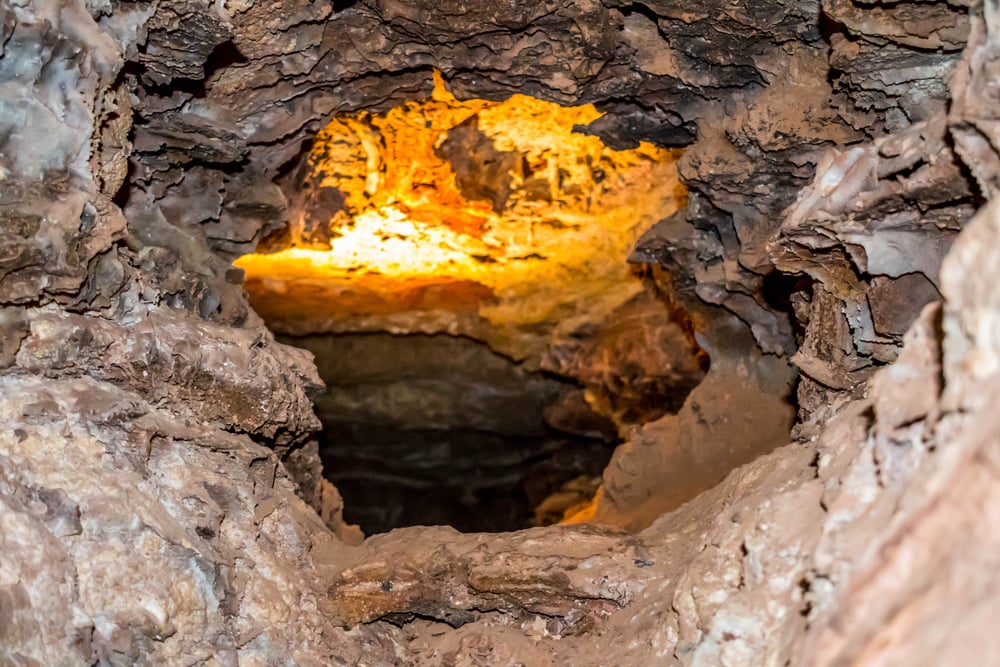
Wind Cave is one of the oldest national parks in the country, established in 1903. The cave system beneath the Black Hills of South Dakota is among the longest in the world, and much of it remains unmapped.
The cave takes its name from the strong air currents that flow in and out of its narrow entrance as atmospheric pressure changes above ground. The cave itself is known for a rare calcite formation called boxwork — a honeycomb-like structure that covers the cave walls.
About 95 percent of the world’s known boxwork exists here. Above ground, the park protects a mixed-grass prairie where bison, elk, pronghorn, and prairie dogs live in one of the few remaining intact prairie ecosystems in the region.
12. Bryce Canyon National Park, Utah — 35,835 Acres
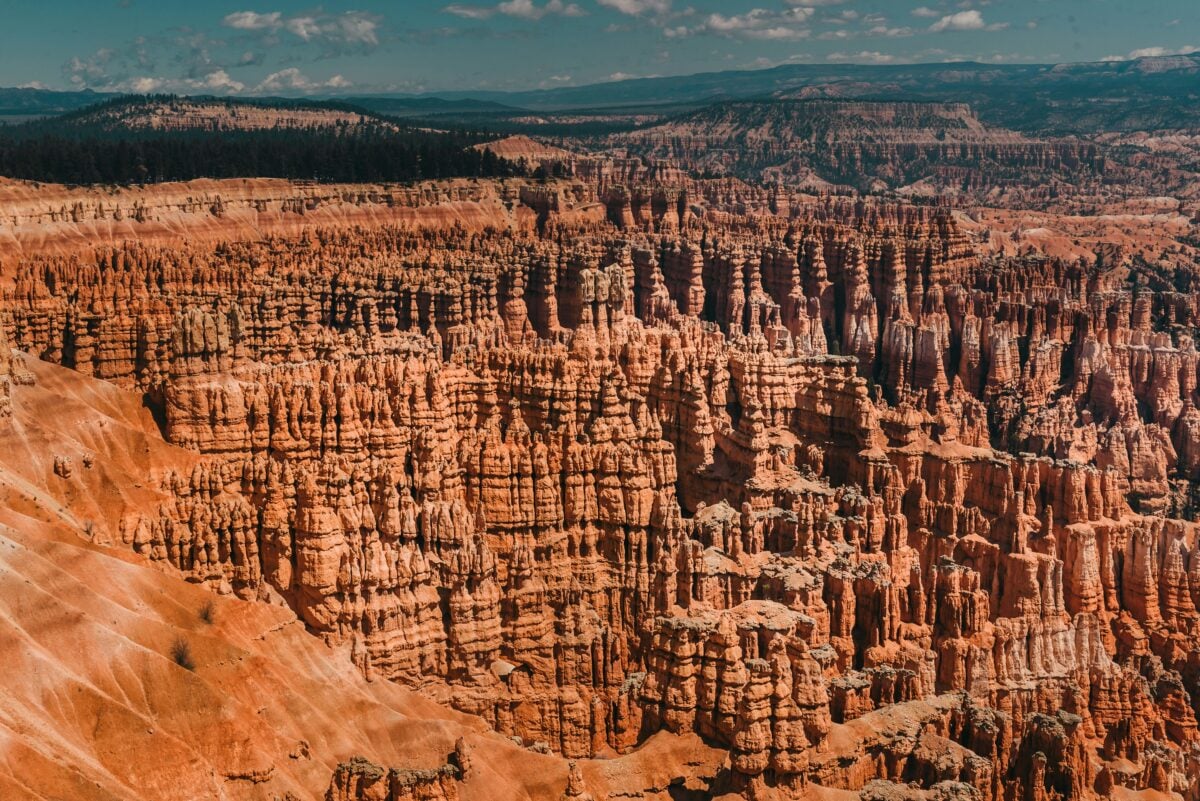
Bryce Canyon isn’t technically a canyon — it’s a series of natural amphitheaters carved into the edge of the Paunsaugunt Plateau. The formations inside those amphitheaters, called hoodoos, are tall orange and red spires shaped by frost and erosion over millions of years.
Bryce has more hoodoos than anywhere else on Earth. The rim sits at around 8,000 to 9,000 feet, which means the park gets snow well into spring and cools quickly at night even in summer.
Hiking down among the hoodoos on Navajo Loop or Queen’s Garden Trail puts you inside a landscape that photographs genuinely can’t fully capture — the scale and color are different from below than they are from the rim.
13. Carlsbad Caverns National Park, New Mexico — 46,766 Acres
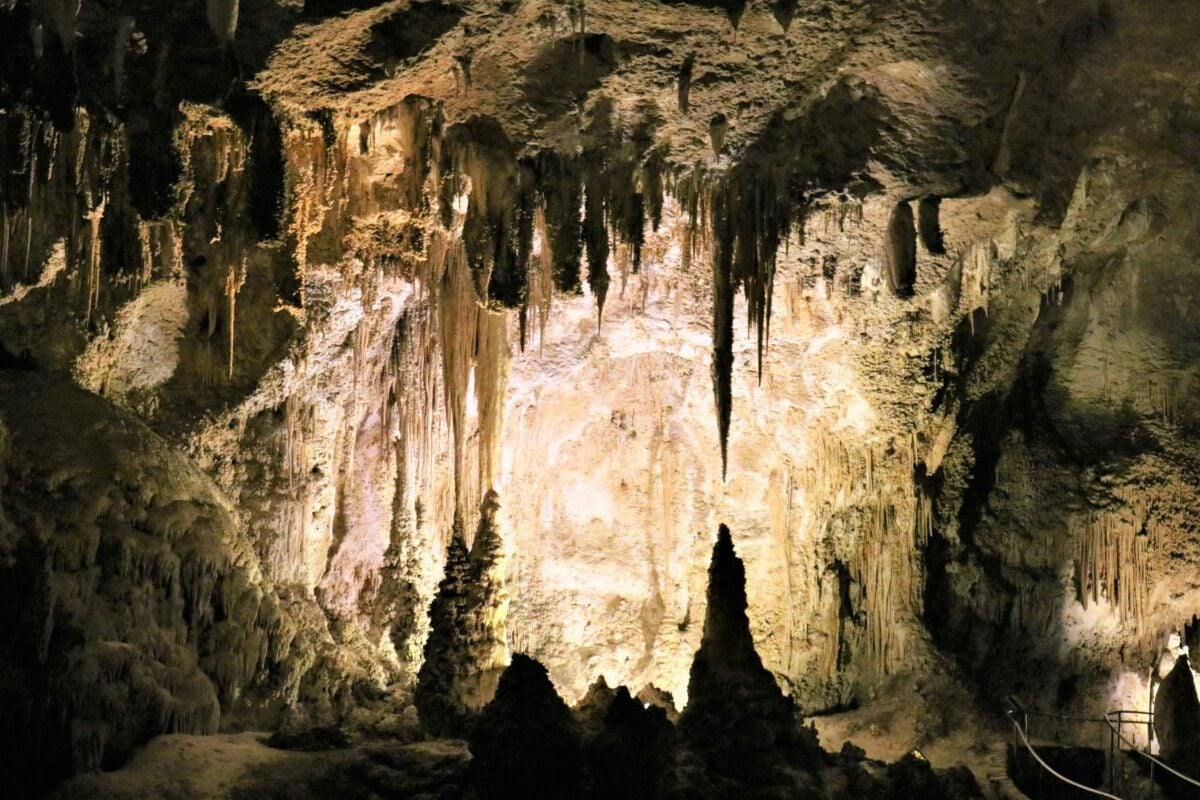
Most visitors come to Carlsbad Caverns for one of two things: the cave or the bats. The main cavern is one of the largest cave chambers in North America, and walking through it feels like being inside a cathedral built over millions of years.
The formations — stalactites, stalagmites, columns, and draperies — fill every corner. Each summer evening from late spring through October, roughly 400,000 Brazilian free-tailed bats pour out of the cave’s natural entrance in a spiral column that takes about two hours to empty.
It’s one of the largest bat colonies in the world, and watching the flight from the amphitheater at the cave entrance is free with park admission. The Chihuahuan Desert above the cave is largely overlooked, but it supports its own diverse range of wildlife.
14. Dry Tortugas National Park, Florida — 64,701 Acres
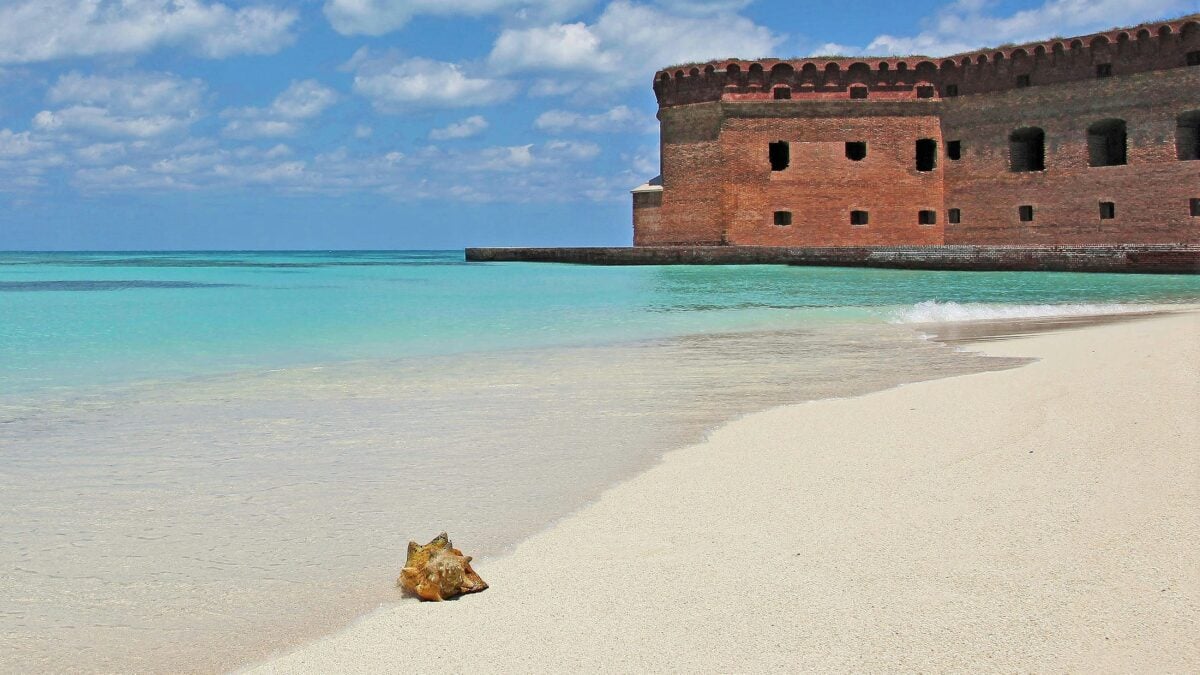
Dry Tortugas sits 70 miles west of Key West in the Gulf of Mexico, accessible only by boat or seaplane. The park is almost entirely water — its 64,000-plus acres include just seven small islands.
The centerpiece is Fort Jefferson, a massive 19th-century brick fortress that was never completed and was later used as a military prison. The coral reefs and seagrass beds surrounding the islands are among the healthiest in Florida, largely because the park’s remoteness keeps visitor numbers low.
About 99 percent of the park is water and underwater habitat. Snorkeling off the fort’s moat wall puts you above clear, shallow water with immediate access to marine life.
The journey here is part of the experience.
15. Great Basin National Park, Nevada — 77,180 Acres
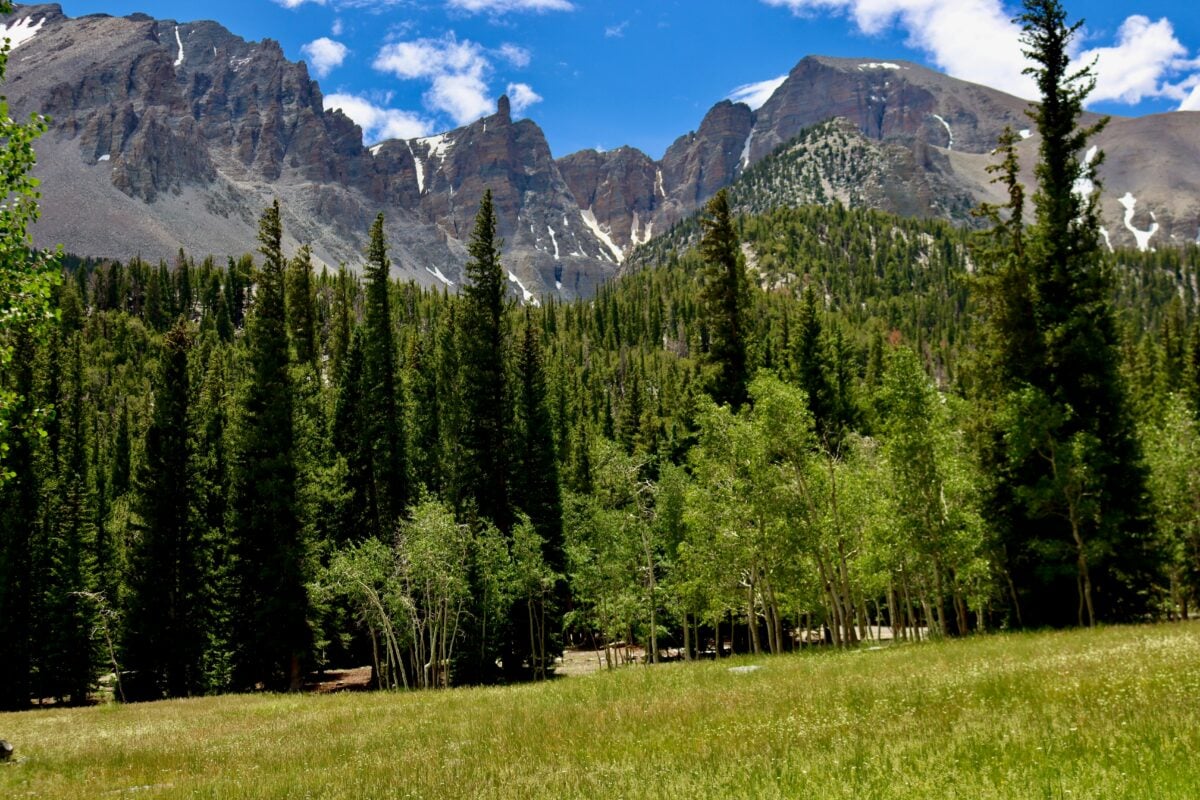
Great Basin is one of the least-visited national parks in the country, which is partly a matter of geography — it sits in a remote corner of eastern Nevada near the Utah border, far from major highways. That distance keeps most casual visitors away and gives the park an unusual quietness.
Lehman Caves, carved into the base of Wheeler Peak, holds some of the best-preserved cave formations in the National Park System, including rare shield formations. Wheeler Peak rises to 13,063 feet and is ringed by one of the few remaining ancient bristlecone pine groves in the Great Basin — trees that are among the oldest living organisms on Earth, some more than 3,000 years old.
The drive to the summit area passes through multiple climate zones in just a few miles.
16. Guadalupe Mountains National Park, Texas — 86,367 Acres

Guadalupe Mountains contains the highest peak in Texas, Guadalupe Peak at 8,749 feet, and protects what is considered the world’s most extensive and well-exposed example of an ancient fossil reef. That reef, called the Capitan Reef, formed around 265 million years ago when the area was covered by a shallow inland sea.
The park gets far fewer visitors than most others in the National Park System, in part because it has no paved roads into its backcountry, no lodging, and limited services. The Guadalupe Mountains Trail to the summit is a strenuous 8.4-mile round trip, and the view from the top extends across the Chihuahuan Desert into New Mexico.
El Capitan, the prominent limestone escarpment near the park entrance, served as a landmark for Butterfield Stage passengers and the U.S. Army in the 1800s.
17. Saguaro National Park, Arizona — 91,716 Acres
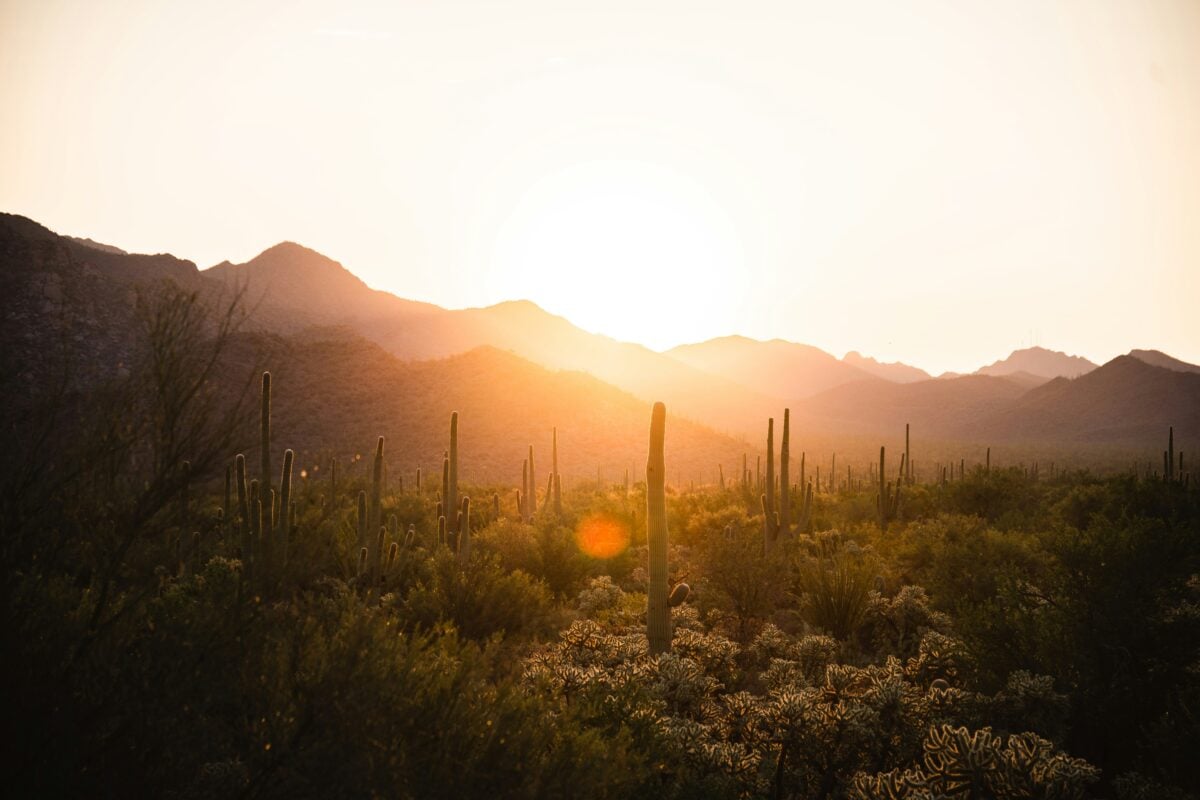
Over Tucson’s eastern edge lies one part of Saguaro – called the Rincon Mountain District. Westward sits its twin district, named after the Tucson Mountains nearby. This stretch of Sonoran Desert that links them holds a rare claim.
Nowhere else in the world does the saguaro cactus rise from the ground like it does here. One saguaro might wait seventy-five years before showing its first arm; some giants here stood tall long before Arizona joined the Union.
Though known for cactus-strewn flats, this place also guards pine-oak woodlands climbing into the Rincons. As evening settles, those towering plants stretch dark fingers over stone – and something about that stillness lingers.
When Small Holds Meaning
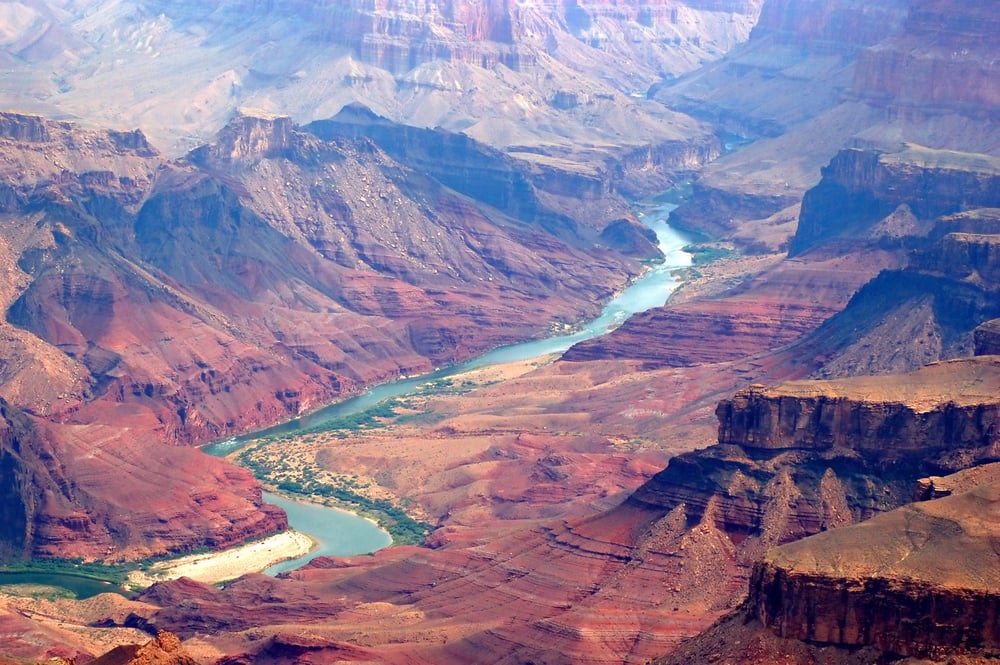
A few park sites here lack vast stretches like Yellowstone or the steep drop-offs seen at Grand Canyon. Yet nearly each one guards a distinct feature – a coral ridge, an underground labyrinth, clusters of old-growth timber, even just one famous building – that might vanish if left unprotected.
Big does not always mean vital. Worth isn’t measured by square miles alone.
Certain spots across America, though small, carry unmatched value within their borders.
Start small, maybe. These parks skip the spectacle but keep the soul.
Less traffic hums on the roads here, distances shrink between sights, while history still runs wide and old beneath your feet.
More from Go2Tutors!

- The Romanov Crown Jewels and Their Tragic Fate
- 13 Historical Mysteries That Science Still Can’t Solve
- Famous Hoaxes That Fooled the World for Years
- 15 Child Stars with Tragic Adult Lives
- 16 Famous Jewelry Pieces in History
Like Go2Tutors’s content? Follow us on MSN.