Unsettling Historical Terms Explained
Words have a way of hiding their true weight behind familiar sounds. It takes only a moment of knowing to turn ordinary speech into something startling.
Once meaning clicks, comfort slips away. What happens when you dig too deep?
These chilling words from the past, broken into clear meaning. Odd echoes pop up where least expected.
Each one carries weight without saying much. Hidden stories live behind simple labels.
Some names stick long after silence falls.
Trepanation

Drilling or scraping a pit into someone’s skull while alive – this happened long ago. Across distant regions like South America and parts of Europe, ancient groups carried it out.
Headaches or seizures might prompt the act, one reason among others. Spiritual beliefs could also play a role, guiding the decision.
What feels chilling now is how some walked away from it. Signs of healing in aged bones show survival was real.
Modern medicine keeps a form of this method around. Tools have changed completely, plus care during the process.
Anesthesia makes all the difference these days.
Pest House
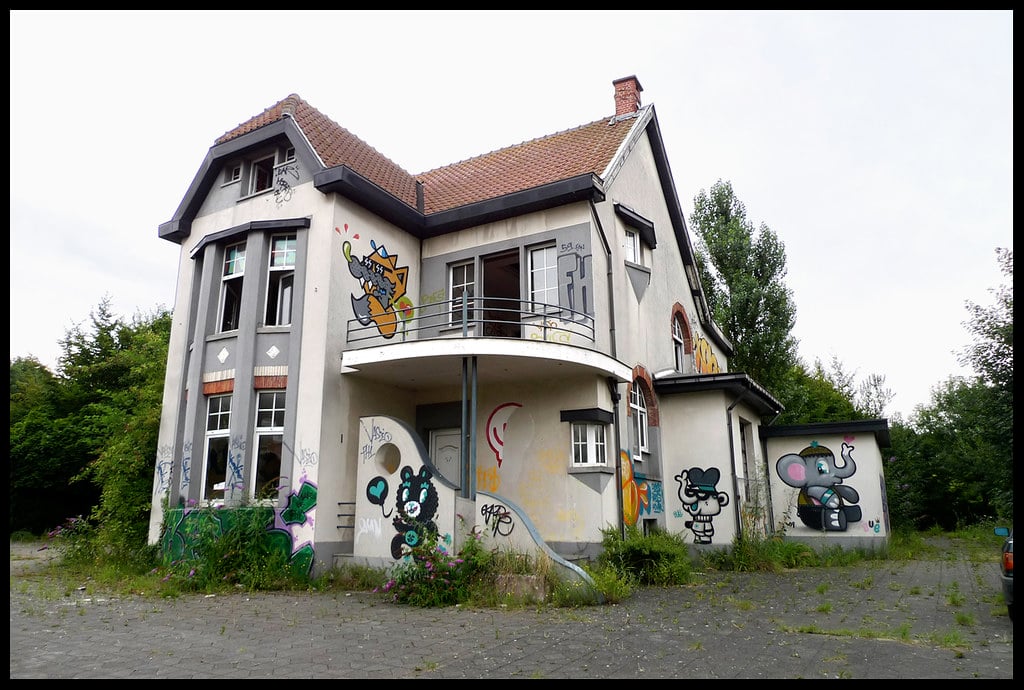
A place called a pest house held no bugs at all. People showing signs of spreading sickness – smallpox, maybe typhoid – ended up here, cut off from town life.
Usually cramped, rarely cleaned, staff hardly ever enough. Relatives could do almost nothing once officials decided someone must go.
Most who walked inside never walked back out.
Debtors’ Prison
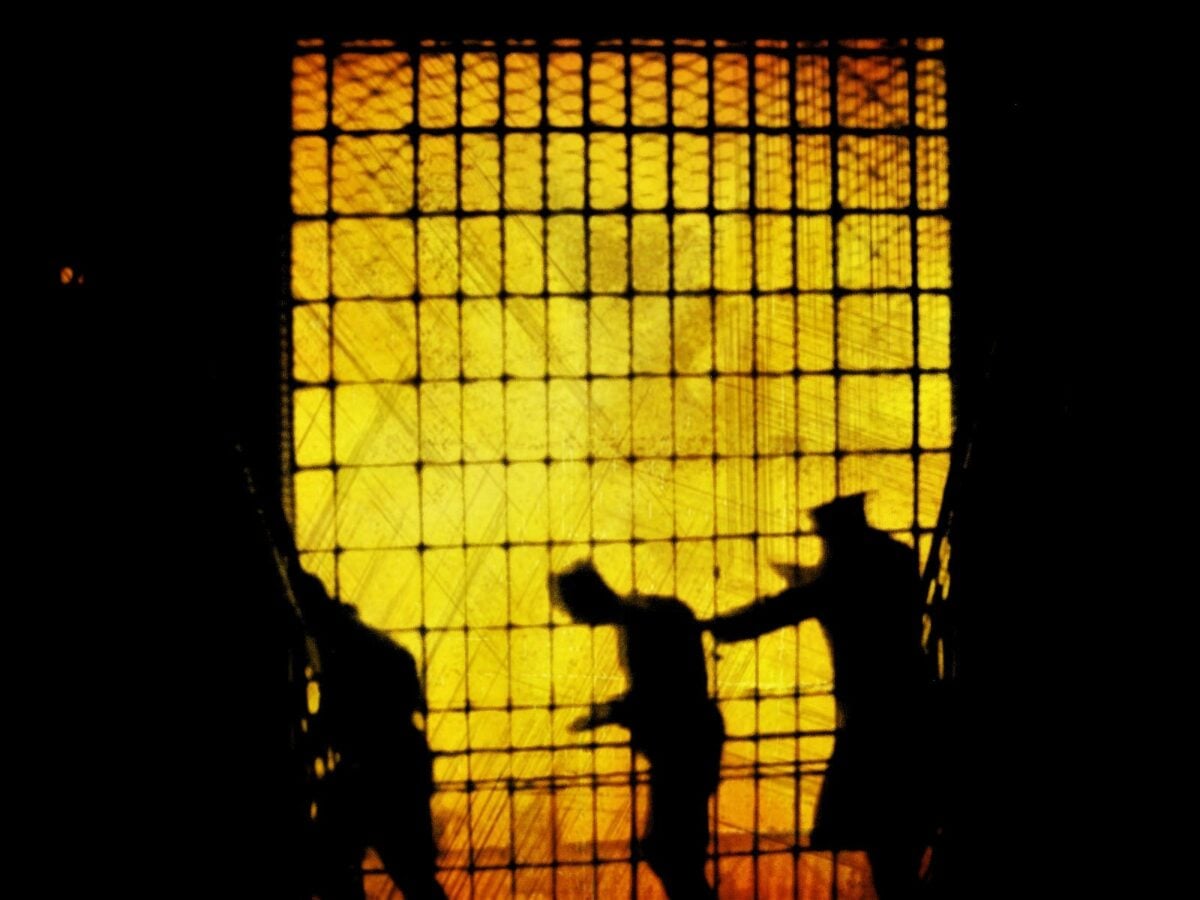
Back then, folks across Britain and America during the 1700s and 1800s landed in jail just for not paying what they owed. Trapped inside, they had no way to earn cash – so freedom faded into endless days behind walls.
This grim circle fueled stories by Charles Dickens, who saw his dad hauled off while he was still small. Over time, society scrapped the system after countless souls wasted years caged not for crime, but empty pockets.
Galley Slave

A single seat bolted to wood held them day after night, rowing without choice. Not one signed up freely – captured warriors, jailed offenders, bodies taken by force filled those rows.
Starvation and exhaustion shaped each moment, overseen by harsh hands. Drowning came quick when vessels split open beneath waves, locked in place as water rose.
Long past the 1600s, fleets across Europe kept this cruel rhythm alive. Lives measured only by oar strokes, treated like replaceable cogs inside a machine built on suffering.
Bodysnatching

Back when hospitals could not legally get corpses for research, physicians struggled to find enough dead bodies. Because of that gap, grave robbers – often named resurrectionists – took fresh remains from burial sites and passed them to teaching clinics.
In both Britain and America during the 1700s and 1800s, this underground business thrived. Relatives mourning lost loved ones occasionally posted lookouts near cemeteries or set thick stones across tombs to block intruders.
Coverture

A marriage could erase a woman’s legal standing overnight under coverture. Once wed, her name faded into his on paper – her money, belongings, work income, kids – all shifting by law to him without delay.
Not an odd rule tucked away somewhere. Deeply rooted instead across generations in both Britain and America.
A wife once had no right to sign deals, bring a case to court, or hold property under her name. Years passed – full of tough courtroom fights – before that setup began to fade.
Press Gang

Men found themselves hauled away by squads acting under naval orders, groups known officially to seize others for duty. These gatherings appeared without warning near docks, pubs, even city corners, hauling strong-limbed individuals straight toward war vessels – rarely time left to speak to loved ones first.
Across the 1700s, British forces leaned hard on such methods, especially when conflict raged and enlistments fell short. Once caught, escape proved impossible; years vanished on salt-heavy decks, serving despite refusal.
Convict Leasing

After the American Civil War ended and slavery was abolished, several Southern states found a loophole. They used the prison system to essentially bring back forced labor.
Black men were arrested on minor or even invented charges, then ‘leased’ out to work on farms, in mines, and on railroads under extremely harsh conditions. The state made money.
The businesses got free labor. And the men got nothing but punishment.
This system lasted in some states well into the 20th century.
Ducking Stool

The ducking stool was a chair attached to a long wooden beam that sat over a body of water. Women accused of being ‘scolds,’ which meant they argued or spoke too loudly in public, could be strapped into the chair and dunked repeatedly into the water as punishment.
It was a public spectacle designed to humiliate as much as punish. England and colonial America both used this device, and its targets were almost always women who were seen as stepping out of line socially.
Laudanum

Laudanum sounds like a fancy Roman word, but it was really just opium dissolved in alcohol, and it was sold freely at pharmacies in the 1800s as a cure for almost everything. Headaches, coughs, menstrual cramps, crying babies — laudanum was prescribed or self-administered for all of it.
People became deeply addicted without even understanding what was happening to them, because addiction itself was not well understood at the time. It was especially common among women, who were often given it by doctors as a general remedy for emotional distress.
Lunatic Asylum
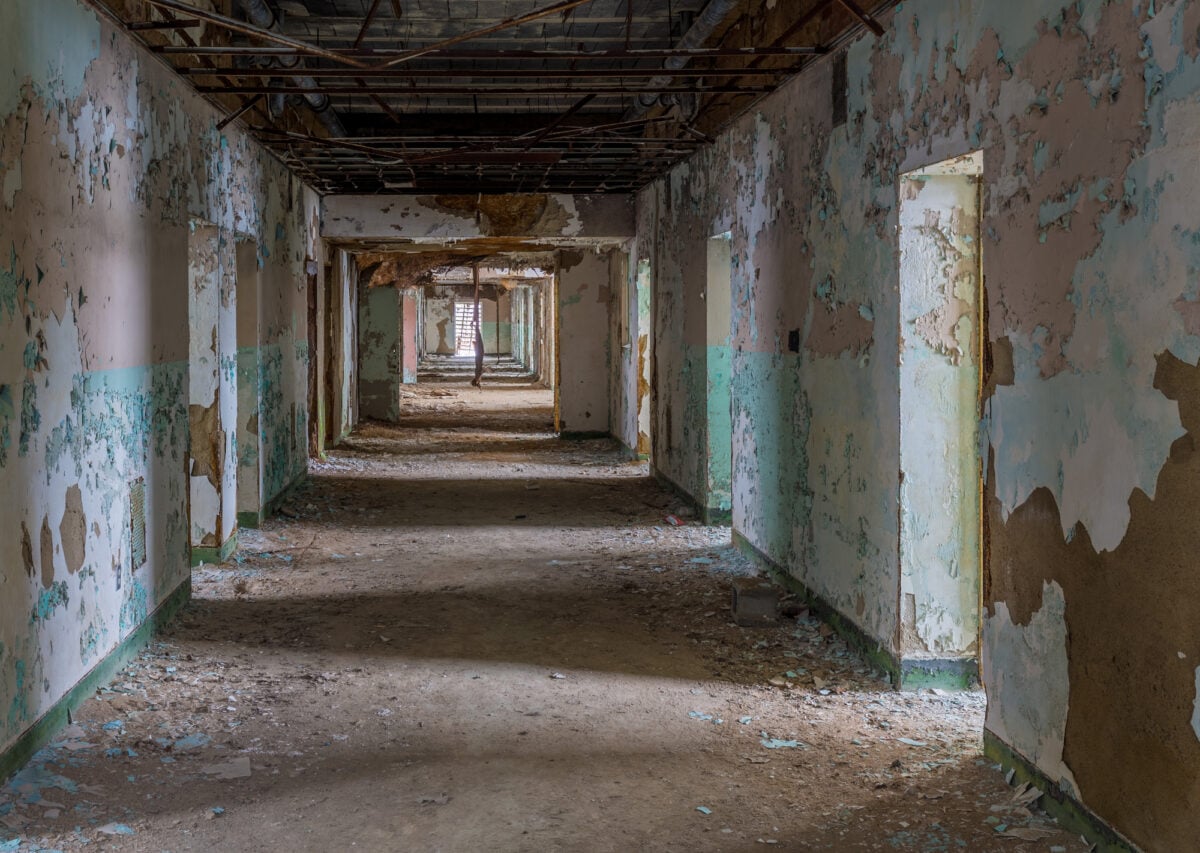
The word ‘lunatic’ comes from the Latin word for moon, based on the old belief that the moon caused mental illness. Asylums were built to house people considered mentally unfit, but conditions inside many of them were terrible.
Patients were often restrained, put on display for public viewing, and subjected to treatments that had no real medical basis. The term ‘asylum’ literally means a place of safety, but for many people sent there, it was anything but safe.
Tarring And Feathering

This was a public punishment used in colonial America and beyond. A crowd would strip a person down, pour hot tar over their body, and then throw feathers on them before parading them through town.
It sounds almost comical from a distance, but it was actually extremely painful and dangerous. The tar caused serious skin burns, and the humiliation was designed to destroy a person’s reputation in front of their entire community.
It was mob justice with no court, no trial, and no mercy.
Freakshow
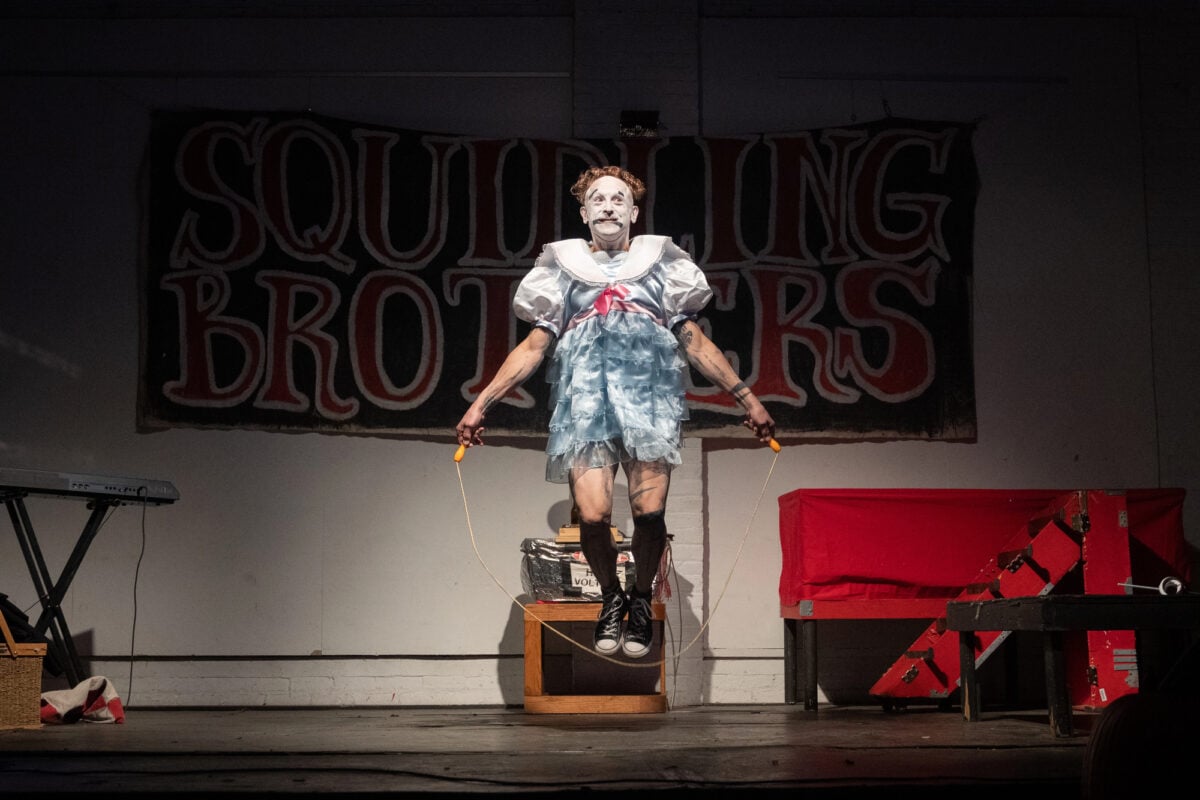
Traveling freakshows were a popular form of entertainment in the 1800s and early 1900s, where people with physical differences, disabilities, or unusual appearances were put on display for paying audiences. These were real people, often from very poor backgrounds, who had very few other options for survival.
Some were genuinely exploited, while others negotiated their own terms and earned decent money. The practice faded as public attitudes shifted, but it left behind a complicated history of entertainment built on staring at human beings as curiosities.
Enclosure Movement

In medieval England, large areas of land were shared by common villagers for farming and grazing. The enclosure movement saw wealthy landowners and the government fencing off this shared land and claiming it as private property.
Millions of ordinary people lost access to the land they depended on for food and survival. Many were forced to move into cities where they worked in factories under terrible conditions.
It was one of the biggest transfers of power from the poor to the rich in English history, and it shaped the modern economic world.
The Shape Of History, Still With Us
These terms are not just old words in dusty textbooks. They describe real systems and real punishments that shaped how societies were built, who had power, and who had none.
Many of the ideas behind these terms, like using poverty as a crime or silencing people who speak out, did not just vanish when the words went out of fashion. Understanding where these concepts came from makes it a lot easier to spot when echoes of them show up in the present day.
More from Go2Tutors!

- The Romanov Crown Jewels and Their Tragic Fate
- 13 Historical Mysteries That Science Still Can’t Solve
- Famous Hoaxes That Fooled the World for Years
- 15 Child Stars with Tragic Adult Lives
- 16 Famous Jewelry Pieces in History
Like Go2Tutors’s content? Follow us on MSN.