17 Strange Foods Considered Delicacies
What makes one person’s delicacy another person’s nightmare? Food culture is deeply personal and shaped by geography, history, and tradition.
What seems perfectly normal on one side of the world can appear absolutely shocking on the other.
From fermented shark meat in Iceland to live octopus in Korea, these unusual dishes have earned their place as prized culinary treasures in their home countries.
Here is a list of 17 strange foods that are considered delicacies around the world.
Balut
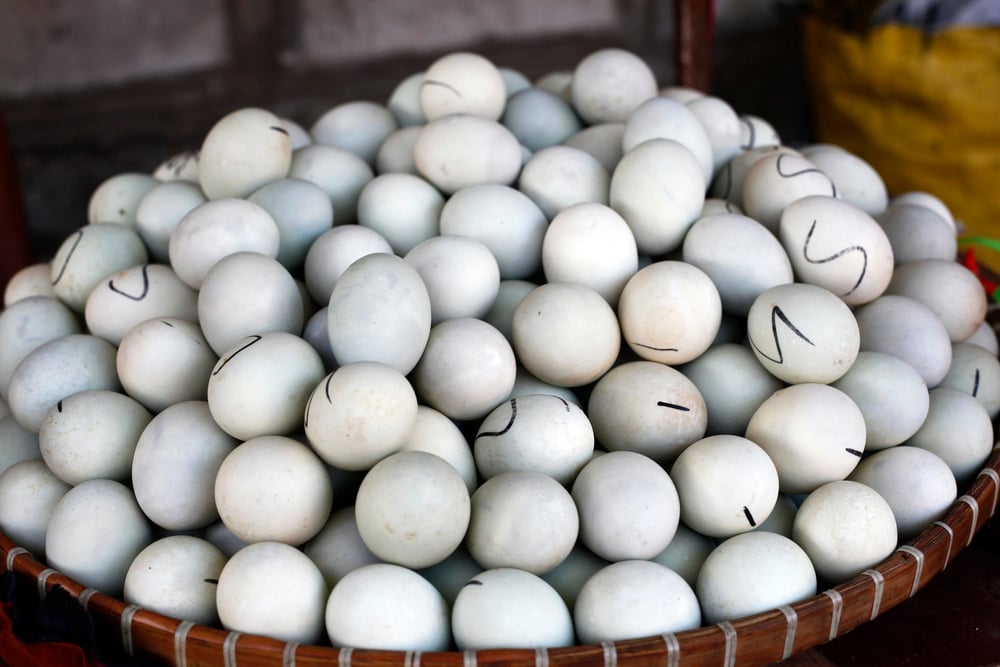
This Filipino street food takes the concept of breakfast eggs to an extreme level. Balut consists of a fertilized duck egg that’s been incubated for 14 to 21 days before being boiled and eaten directly from the shell.
The partially developed duck embryo inside is consumed whole, often seasoned with salt, chili, or vinegar.
Casu Marzu
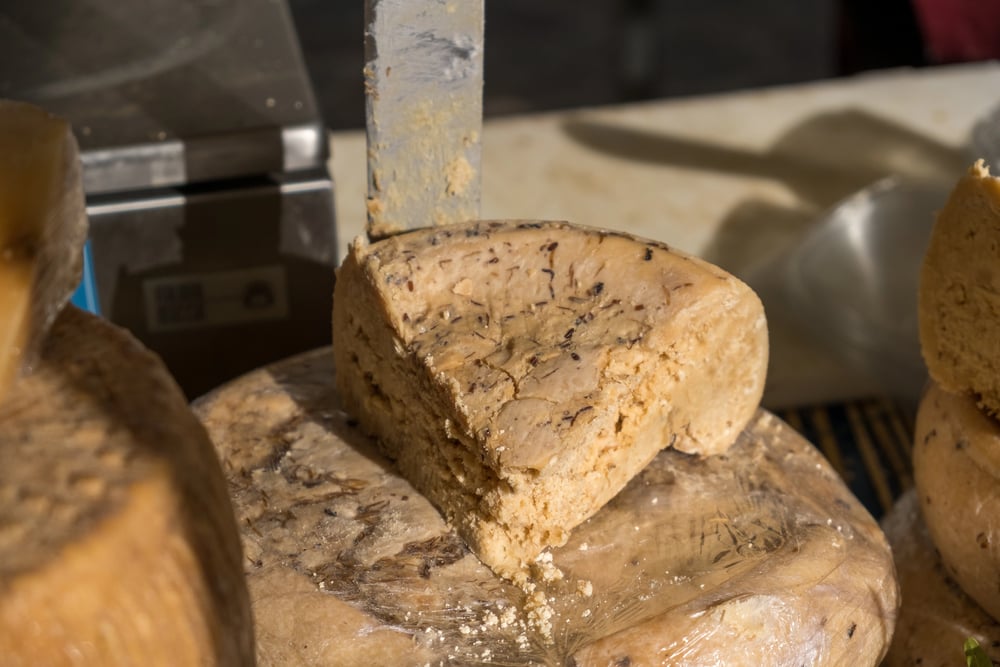
Italy’s ‘rotten cheese’ pushes the boundaries of what most people consider edible. This Sardinian specialty is made from Pecorino cheese that’s been deliberately infested with live maggots from cheese flies.
The larvae digest the fats and proteins, creating a soft, creamy texture with a pungent flavor that can bring tears to your eyes.
Like Go2Tutors’s content? Follow us on MSN.
Century Eggs
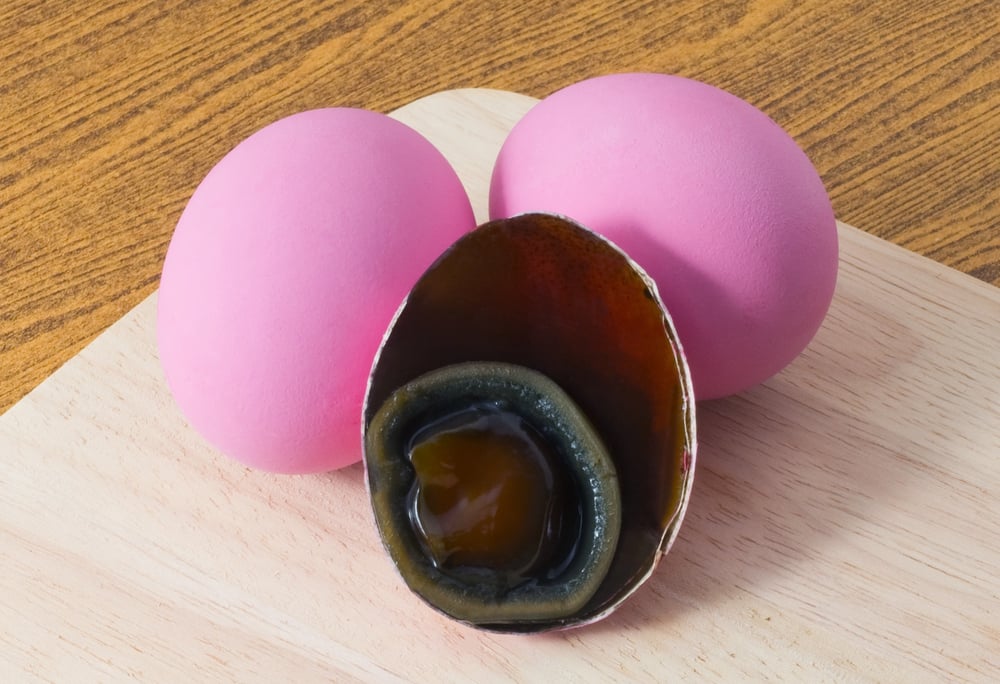
Despite their name, these Chinese delicacies don’t actually take a century to make – just a few months. Duck, chicken, or quail eggs are preserved in a mixture of clay, ash, salt, and lime until the yolk turns dark green and the white becomes a brown, jelly-like substance.
The result smells strongly of ammonia and sulfur but is prized for its rich, complex flavor.
Hákarl
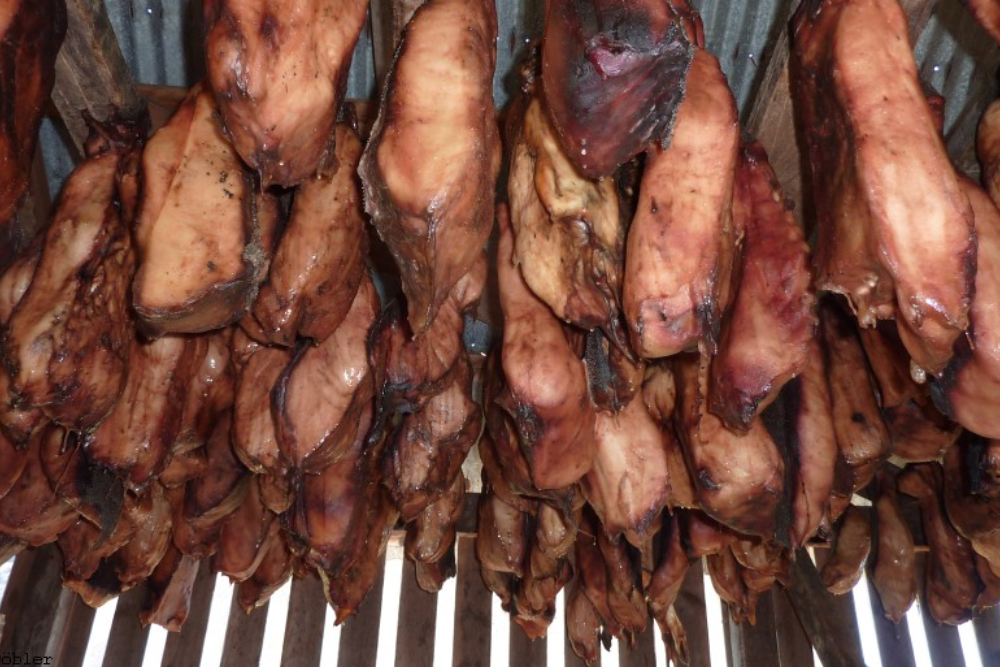
Iceland’s national dish requires serious commitment from both the chef and the diner. This fermented shark meat is buried underground for several months, then hung to dry for another few months.
The Greenland shark’s meat is naturally toxic when fresh, so this lengthy process makes it safe to eat – though the overwhelming ammonia smell remains.
Rocky Mountain Oysters
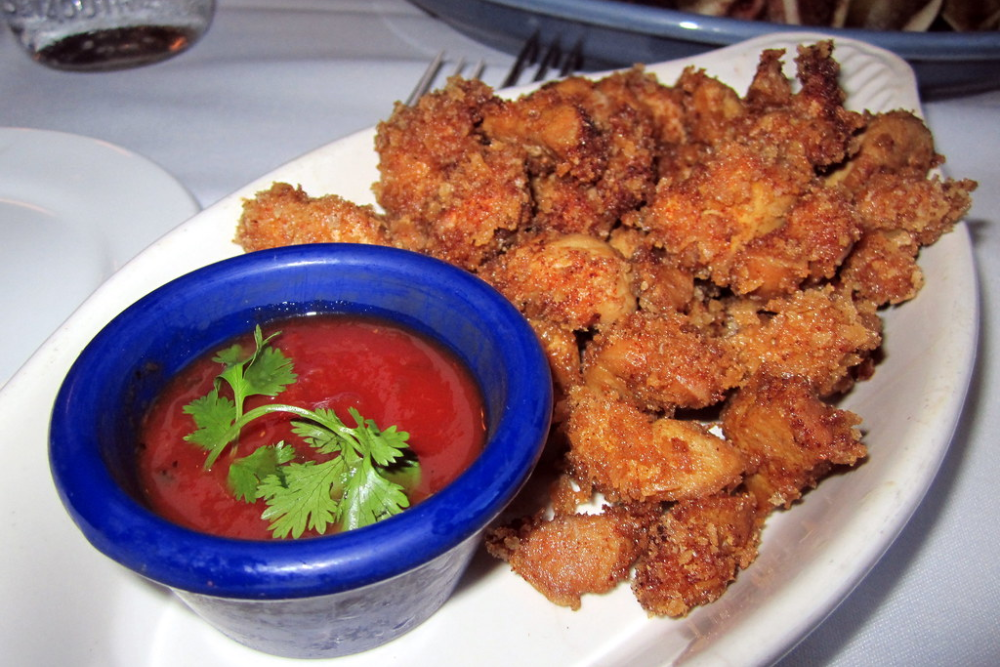
Don’t let the name fool you – these aren’t from the ocean at all. This American delicacy consists of deep-fried bull or sheep reproductive organs, typically served with cocktail sauce or ranch dressing.
Found mainly in the western United States, they’re said to have a texture similar to chicken with a slightly chewy consistency.
Like Go2Tutors’s content? Follow us on MSN.
Bird’s Nest Soup

Known as the ‘Caviar of the East,’ this Chinese luxury soup is made from the actual nests of swiftlet birds. The birds build their nests almost entirely from hardened saliva, which dissolves into a gelatinous texture when cooked.
A single bowl can cost hundreds of dollars due to the dangerous process of harvesting nests from cave walls.
Escamoles
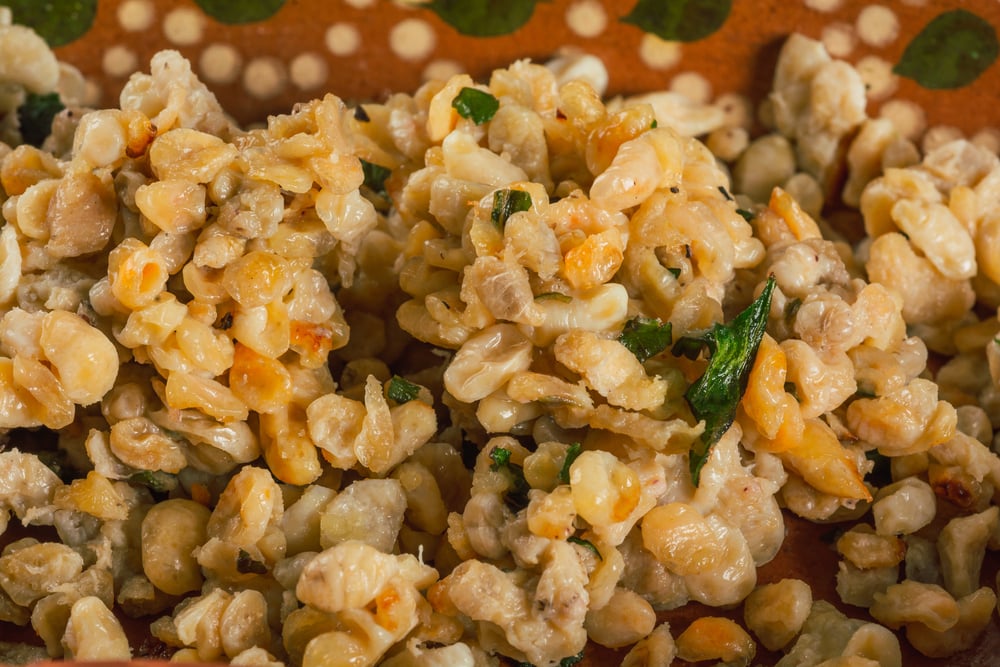
Mexico’s ‘insect caviar’ consists of ant larvae harvested from agave plant roots. These tiny white eggs are considered a delicacy for their buttery, nutty flavor and are often compared to corn kernels in texture.
They’re typically sautéed with butter and spices or used as a taco filling.
Fugu
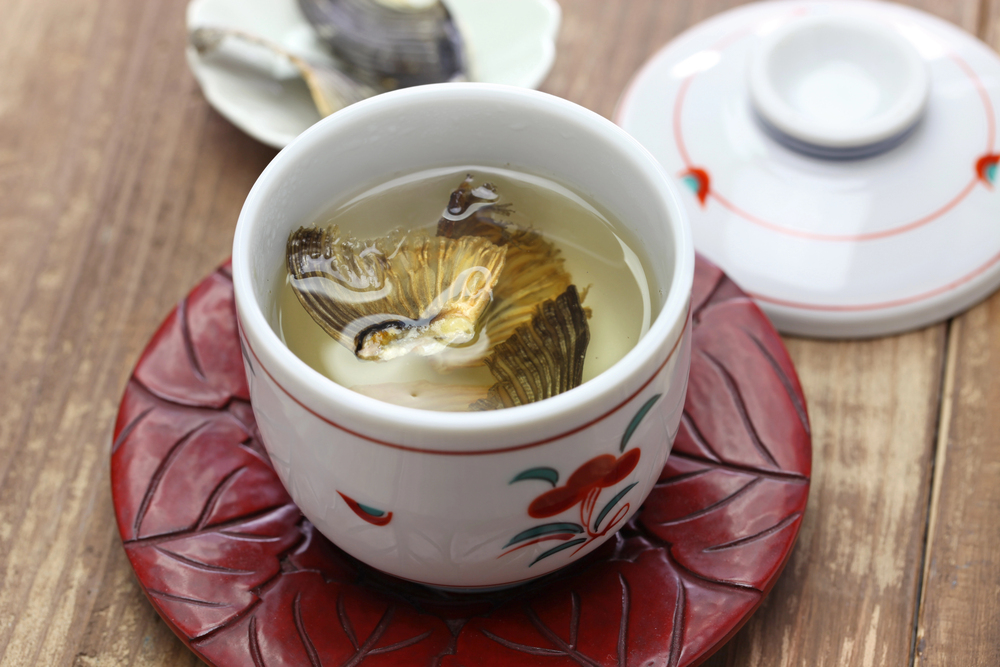
Japanese pufferfish preparation requires years of training because one mistake can be fatal. The fish contains tetrodotoxin, a poison so potent that a single drop can kill an adult.
Licensed chefs must skillfully remove the toxic parts while leaving just enough trace amounts to create a slight tingling sensation on the tongue.
Like Go2Tutors’s content? Follow us on MSN.
Live Octopus
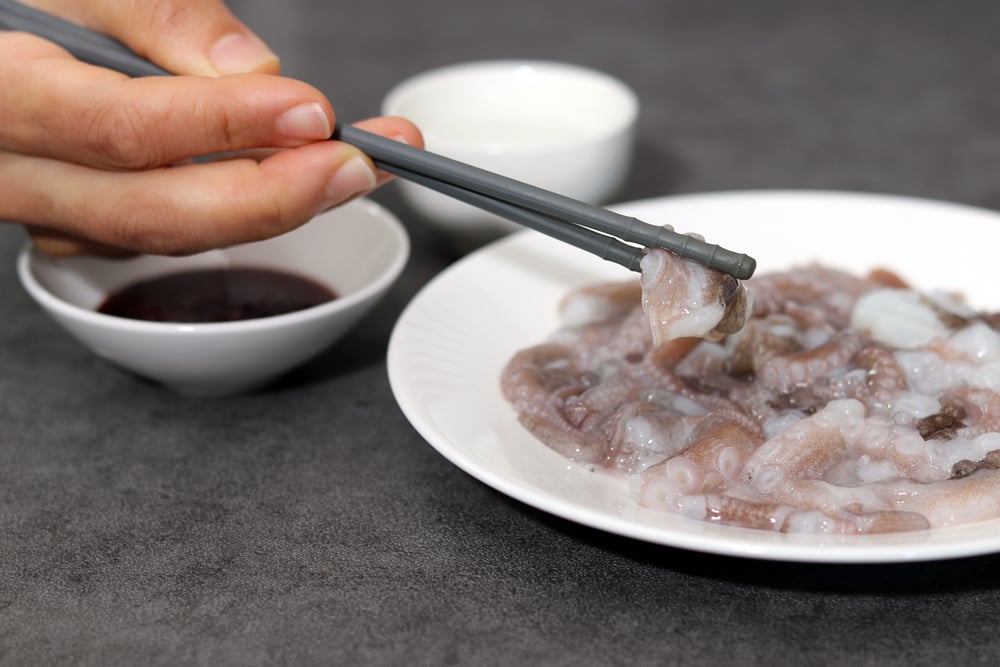
South Korea’s sannakji brings new meaning to ‘fresh seafood.’ The octopus tentacles are chopped and served immediately while still moving, creating a unique dining experience where your food literally fights back.
Diners must chew thoroughly to prevent the suction cups from sticking to their throat, which can cause choking.
Kopi Luwak
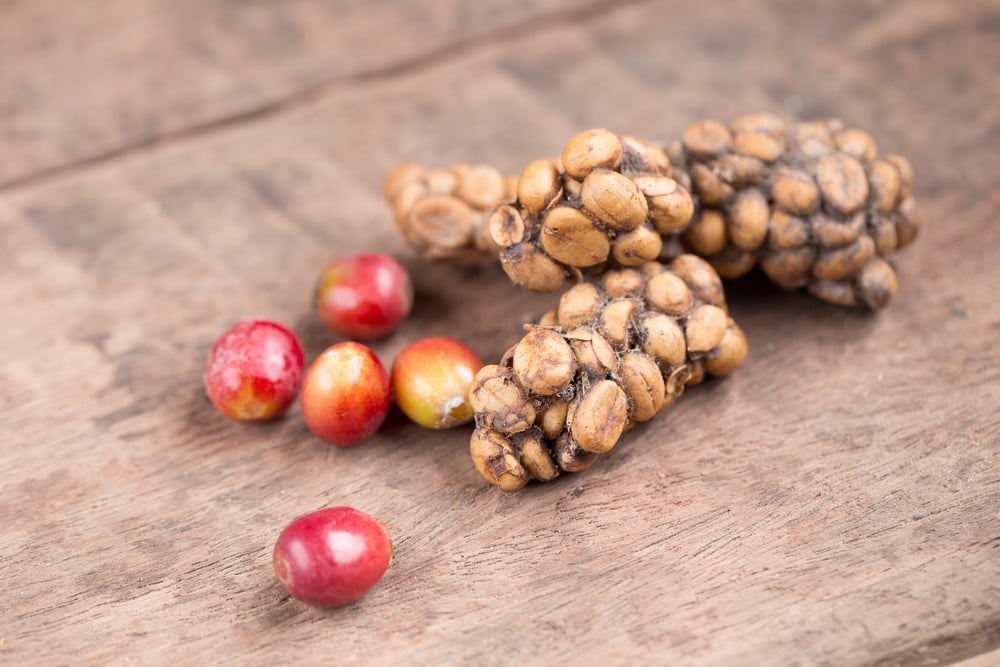
This Indonesian coffee represents one of the world’s most expensive beverages, made from beans that have been eaten and partially digested by Asian palm civets. The animals’ digestive process allegedly improves the coffee’s flavor profile, though a cup can cost over $100.
The ethics of civet farming have made this delicacy increasingly controversial.
Blood Pudding
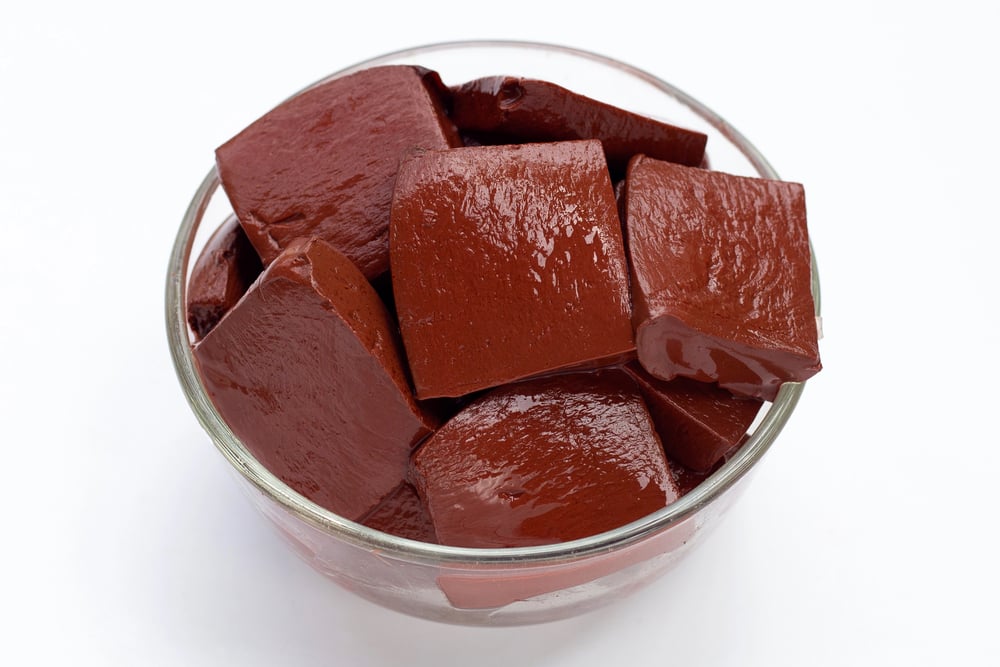
Found across Europe and beyond, this sausage is made from pig’s blood mixed with fat, breadcrumbs, and spices. Different countries have their own versions – Britain’s black pudding, Spain’s morcilla, and Germany’s blutwurst all follow the same basic concept.
The iron-rich blood creates a distinctive metallic flavor that’s surprisingly mild.
Like Go2Tutors’s content? Follow us on MSN.
Durian
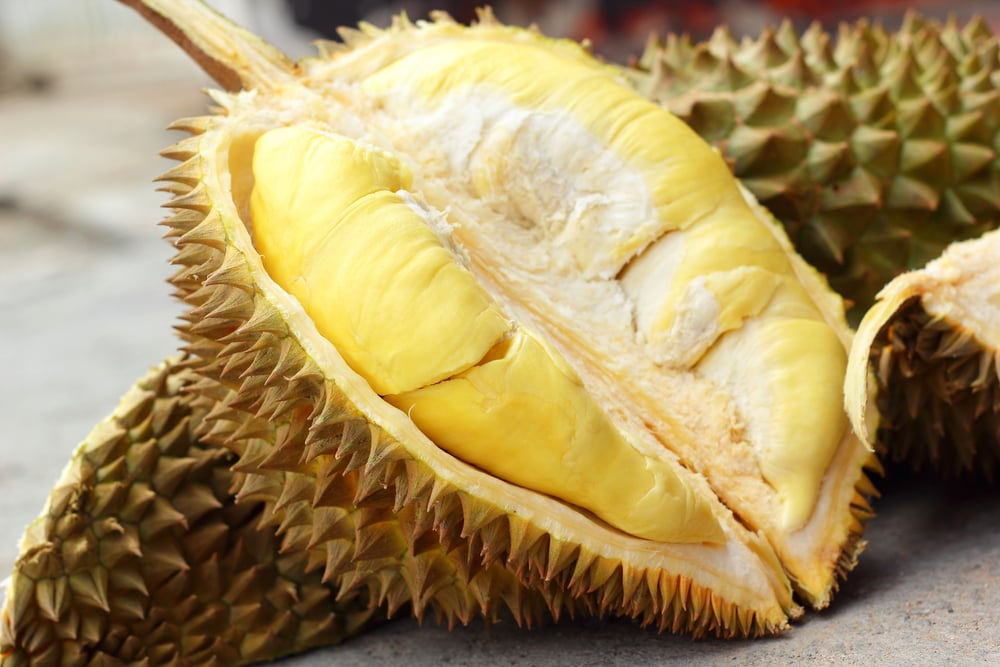
Southeast Asia’s ‘king of fruits’ is notorious for its overwhelming smell, described as rotting onions mixed with turpentine. Many hotels and public transportation systems ban durian due to its pungent odor, yet those who get past the smell often become devoted fans of its custard-like texture and complex sweet flavor.
Fried Tarantulas
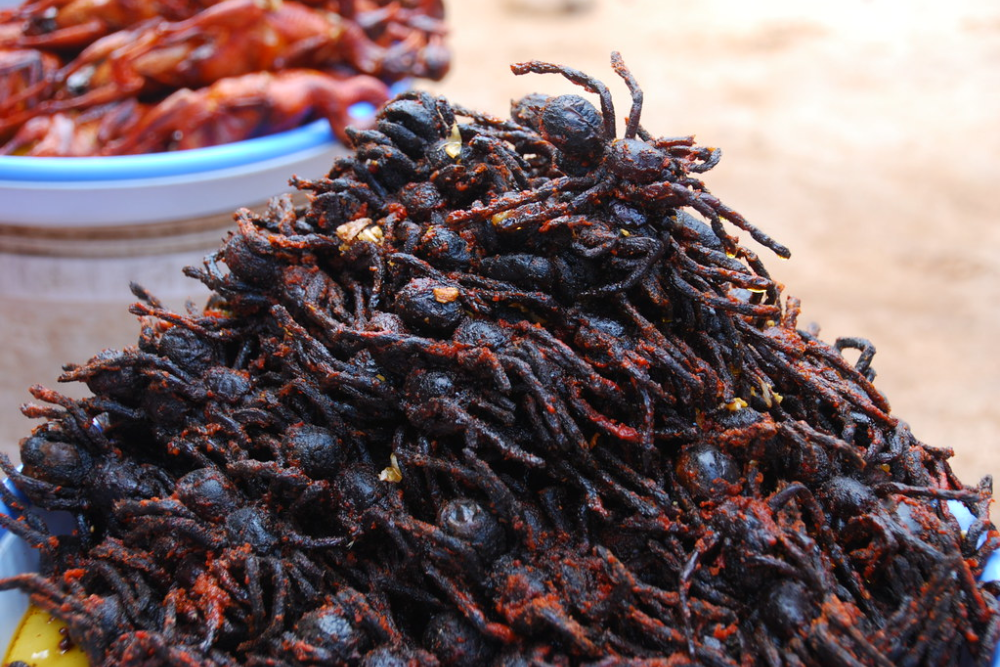
Cambodia’s crunchy street snack originated during food shortages under the Khmer Rouge but has since become a tourist attraction. These deep-fried arachnids are seasoned with garlic and salt, creating a crispy exterior with a gooey interior.
The flavor is often compared to soft-shell crab or chicken.
Foie Gras
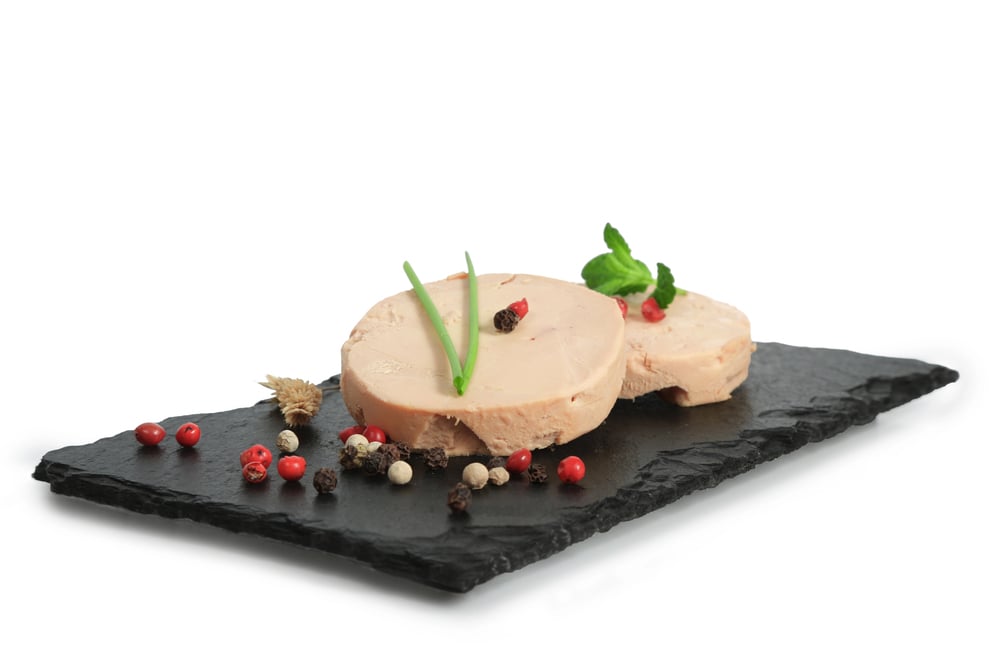
France’s controversial luxury food involves force-feeding ducks or geese to enlarge their livers up to ten times normal size. The resulting ‘fat liver’ has a rich, buttery texture that melts in your mouth.
While prized by gourmets worldwide, animal welfare concerns have led to bans in several countries and cities.
Like Go2Tutors’s content? Follow us on MSN.
Tripe
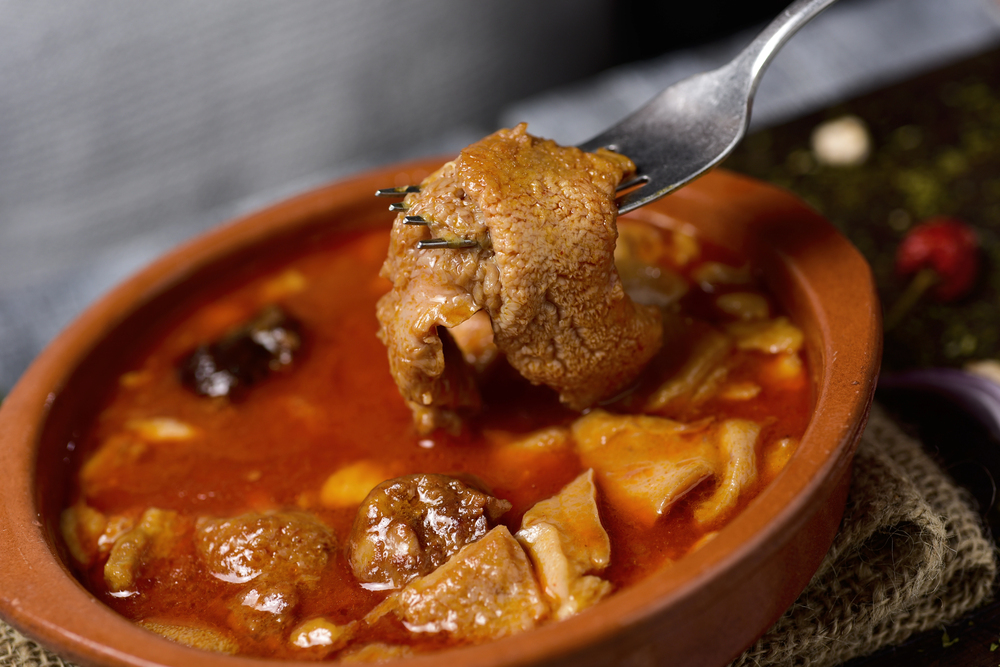
The stomach lining of cattle, sheep, or pigs appears in cuisines worldwide, from Mexican menudo to Italian trippa. The chewy, honeycomb-textured meat requires lengthy preparation to become tender.
When prepared properly, tripe absorbs flavors beautifully and provides a unique texture that devotees find irresistible.
Chicken Feet
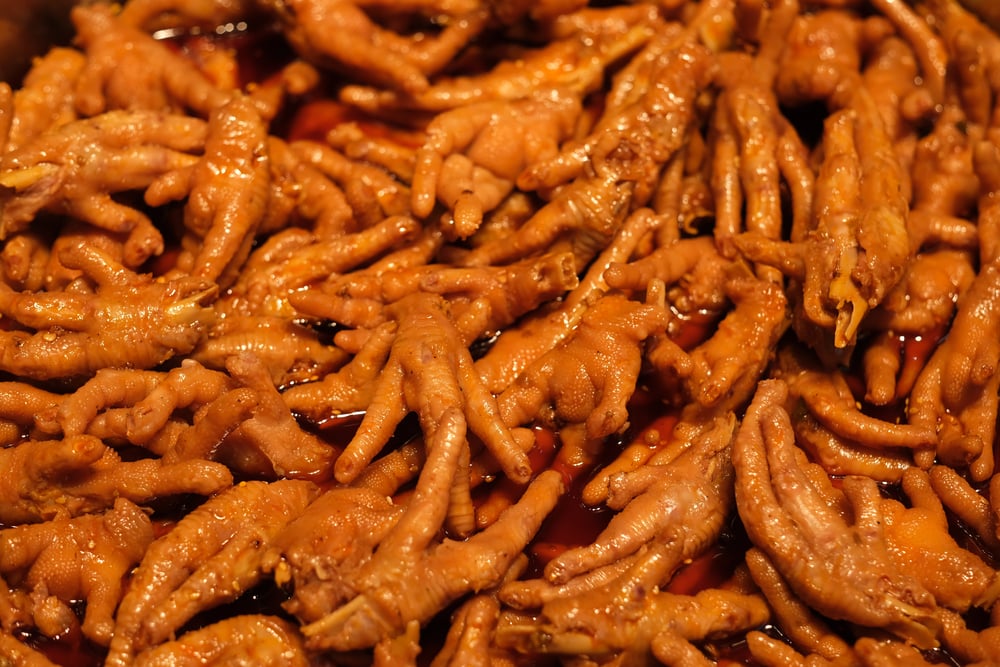
Popular throughout Asia and increasingly available in Western cities, chicken feet offer more than just novelty value. The collagen-rich skin and cartilage provide health benefits while the small amount of meat between the bones delivers concentrated chicken flavor.
They’re often braised in soy sauce or served dim sum style.
Frog Legs
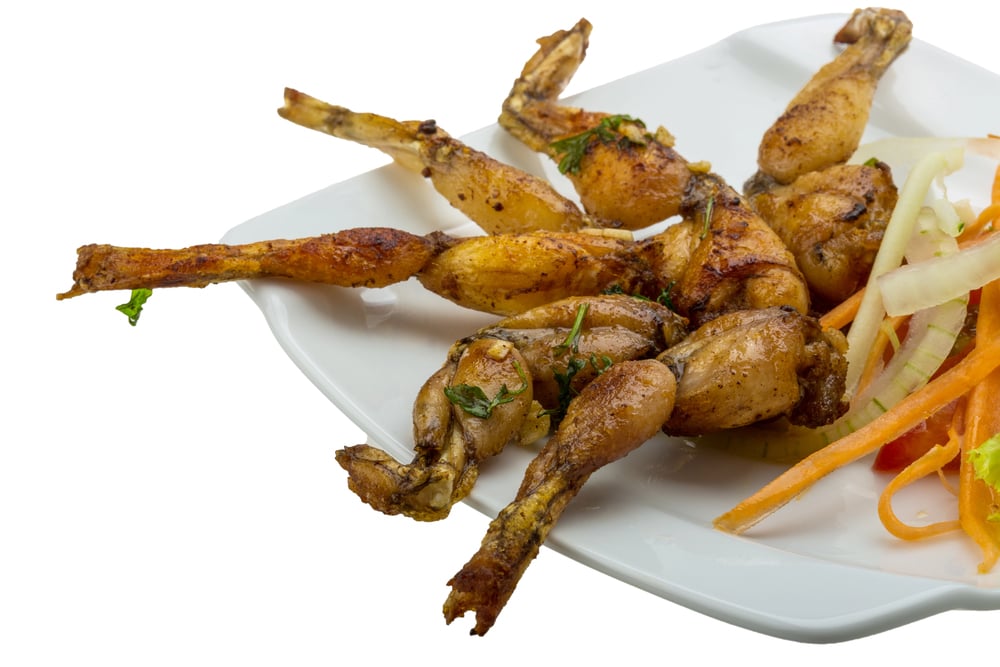
France’s grenouilles aren’t as exotic as they once seemed, now appearing on menus worldwide. The meat tastes remarkably similar to chicken but with a slightly fishy undertone and more delicate texture.
Usually prepared with garlic, butter, and parsley, they’re typically served as an appetizer rather than a main course.
Like Go2Tutors’s content? Follow us on MSN.
A World of Flavors
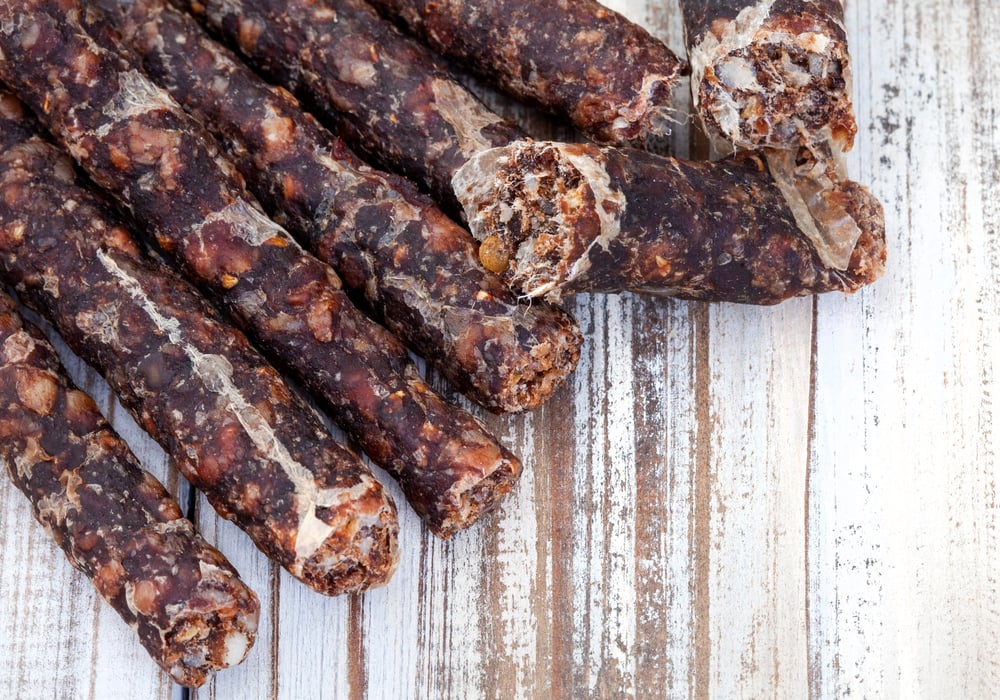
These unusual delicacies remind us that food culture is endlessly diverse and deeply rooted in local traditions and available resources. What seems strange to outsiders often represents centuries of culinary evolution and cultural significance.
While you might not find all of these on your dinner table tonight, each one tells a story about the people and places that created them.
More from Go2Tutors!

- 16 Historical Figures Who Were Nothing Like You Think
- 12 Things Sold in the 80s That Are Now Illegal
- 15 VHS Tapes That Could Be Worth Thousands
- 17 Historical “What Ifs” That Would Have Changed Everything
- 18 TV Shows That Vanished Without a Finale
Like Go2Tutors’s content? Follow us on MSN.