16 Common Phrases You Have Been Saying Wrong
16 Common Phrases You Have Been Saying Wrong
Everyone has those moments when they realize they’ve been messing up something basic their entire life. Maybe it was learning that “for all intents and purposes” isn’t actually “for all intensive purposes,” or discovering that the thing you’ve been confidently saying at dinner parties is completely backward.
Language is tricky that way — it lets you get by with the wrong version until someone (or some embarrassing situation) corrects you.
I Could Care Less
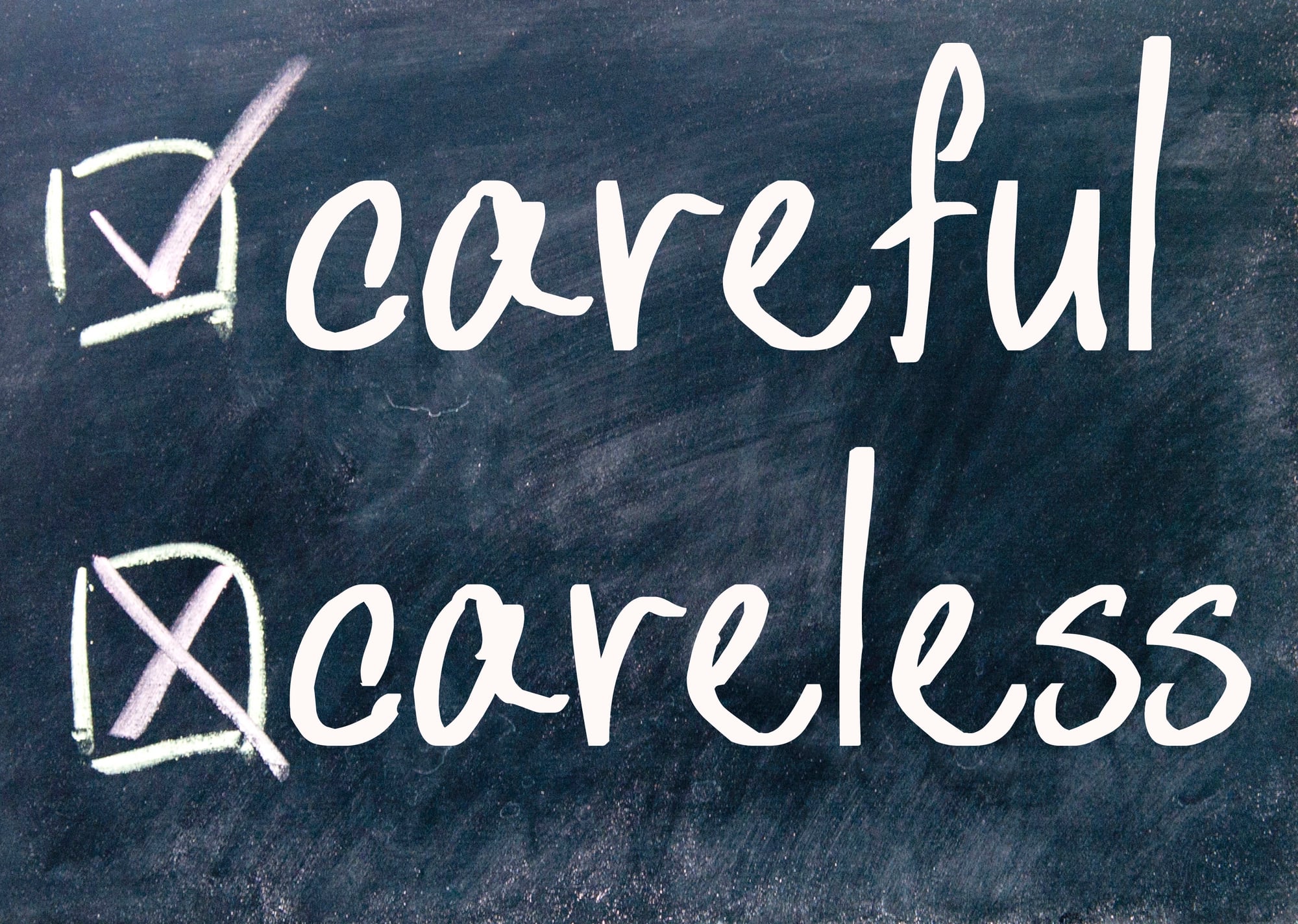
This one drives people crazy, and rightfully so. The phrase should be “I couldn’t care less.”
Think about it logically — if you could care less, that means you actually do care somewhat. But when you’re trying to express complete indifference, you want to say you couldn’t possibly care any less than you already do.
Nip It In The Butt

The correct phrase is “nip it in the bud,” like a flower bud that gets pinched off before it can bloom. This expression means to stop something early before it becomes a bigger problem.
The gardening metaphor makes perfect sense once you know it (and suddenly the “butt” version sounds pretty ridiculous).
One In The Same

Here’s where English gets sneaky, because “one in the same” sounds perfectly reasonable when you say it out loud — two things that are identical, existing as one in the same space or category, right? But the actual phrase comes from a different logic entirely: “one and the same” suggests that what appears to be two separate things is actually just one thing viewed from different angles.
So when you’re pointing out that your neighbor Bob and that guy who always steals your parking spot are actually the same person, you’re saying they’re “one and the same,” not occupying some mystical shared space. And yet the wrong version persists because (let’s be honest) it sounds almost identical when spoken quickly, which is how most of these mix-ups happen in the first place.
Irregardless
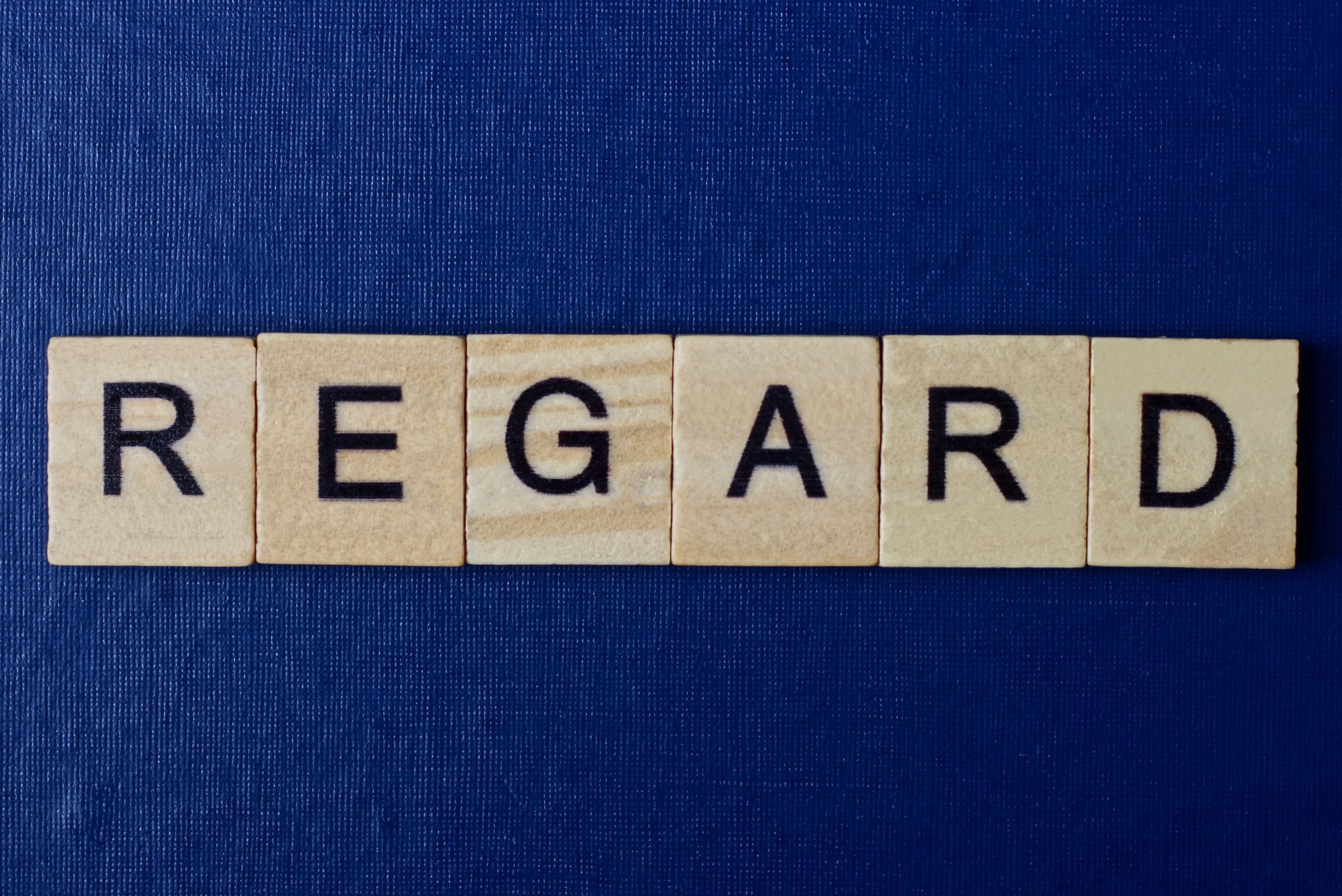
This isn’t a word. The correct term is “regardless.”
Adding “ir-” to the beginning creates a double negative that doesn’t make sense. You’re either saying “regardless” or “irrespective,” but “irregardless” is trying to be both and failing at it.
Each One Is Worst Than The Last

People mess up comparisons constantly, and this construction shows why English grammar matters more than it gets credit for. When you’re comparing exactly two things, you use the comparative form: “worse than.”
When you’re talking about three or more items and identifying the extreme end of the spectrum, that’s when “worst” enters the picture. So if you’re complaining about a series of bad movies, each subsequent film is “worse than the last” — unless you’re specifically identifying the final one as “the worst of all.”
Chomping At The Bit

The original phrase is “champing at the bit,” referring to how horses chew on their bits when they’re eager to run. “Champ” means to chew or bite repeatedly.
“Chomp” works too and has become widely accepted, but “champ” is the traditional version that connects to the actual behavior being described.
Case And Point

The correct phrase is “case in point” — meaning an example that proves your argument. You’re not making a case and then adding a separate point; you’re presenting a case where your point is demonstrated.
The “in” matters because it shows the relationship between the example and the argument.
Baited Breath

When you’re waiting anxiously for something, you hold your “bated breath,” not “baited breath” (like you’re trying to catch fish with your exhalation). “Bated” means restrained or held back — it’s the same root as “abated.”
Your breath becomes still, suspended, waiting.
Free Reign

This one trips people up because both “reign” and “rein” are real words, but only one fits the phrase. “Free rein” comes from horseback riding — when you give a horse free rein, you loosen the straps so the animal can move wherever it wants.
Giving someone “free reign” would mean letting them rule over something, which changes the meaning entirely.
Bold-Faced Lie

The traditional phrase is “bald-faced lie,” meaning a lie told without any attempt to hide it — as bare and exposed as a bald face. “Bold-faced” has become common enough that many dictionaries accept it, but it changes the emphasis from “exposed” to “audacious.”
Both work, but they paint slightly different pictures of the liar’s intent.
Extract Revenge
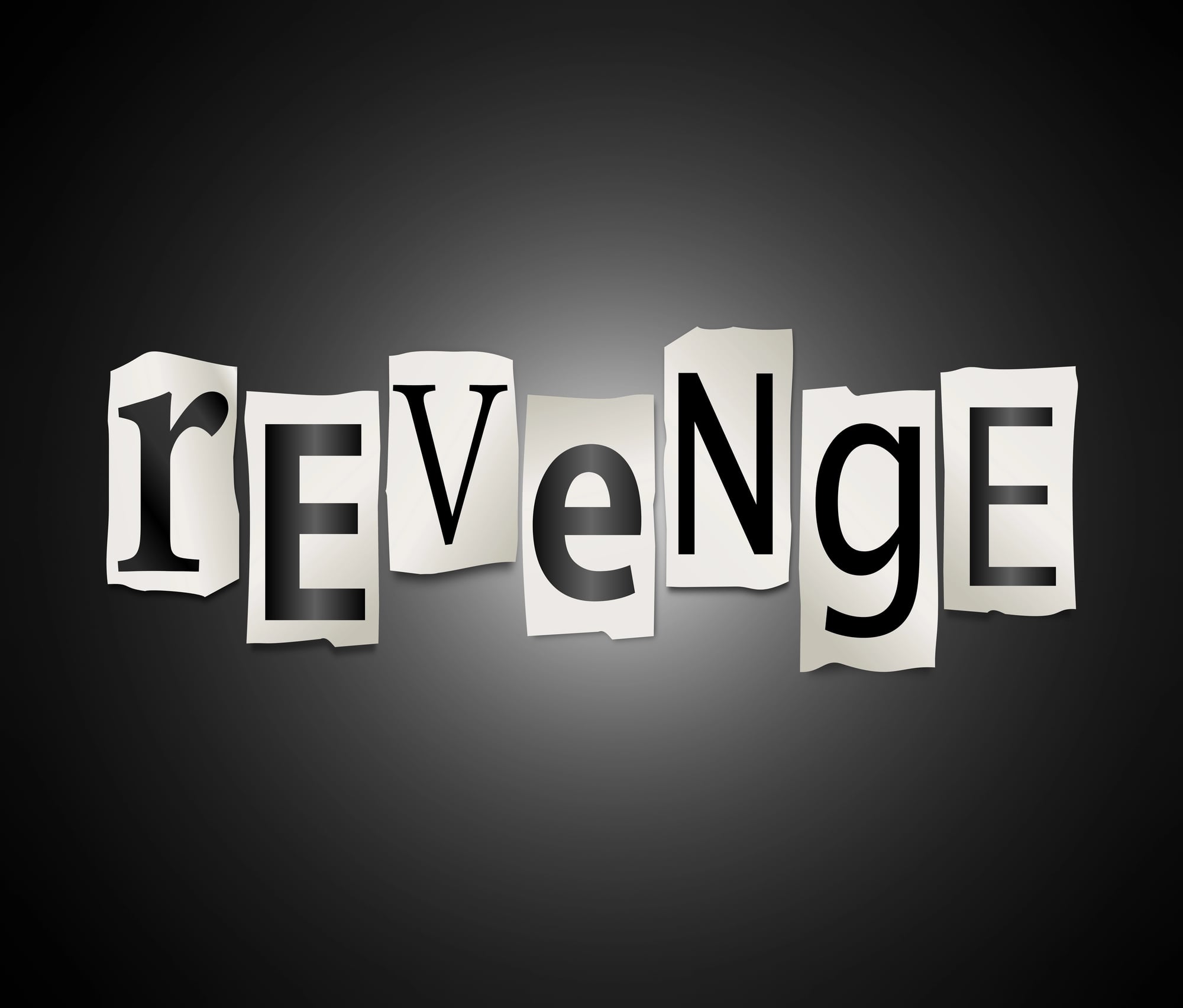
You don’t extract revenge like pulling a tooth — you “exact revenge.” The word “exact” here means to demand and obtain, usually something that’s owed.
Revenge gets exacted because it’s payment for a wrong that was done. The confusion probably happens because “extract” sounds more violent and satisfying.
On Accident

This drives grammar traditionalists up the wall, though language is shifting here. The standard phrase is “by accident,” just like you do things “on purpose” but “by mistake.”
However, “on accident” has become so common that it might eventually become accepted. For now, though, “by accident” remains the preferred version.
Statue Of Limitations

There’s something almost poetic about the idea of a statue commemorating limitations — some bronze figure representing all the things you can’t do or the time you’ve run out of. But the legal term is “statute of limitations,” referring to laws (statutes) that put time limits on when you can file certain types of lawsuits or bring criminal charges.
The mix-up makes sense because “statue” is a more familiar word to most people than “statute,” and they sound nearly identical when spoken quickly. Plus, if you’ve never had reason to dig into legal terminology, why would you know that a statute is a written law enacted by a legislative body?
I Could Of Done It
This mistake comes from how contractions sound when spoken. “I could have done it” becomes “I could’ve done it,” which sounds like “I could of done it.”
But “could of” doesn’t mean anything — the helping verb you want is “have,” not “of.” Same goes for “should of” and “would of.”
Deep-Seeded

The correct phrase is “deep-seated,” meaning firmly established or ingrained. It comes from the idea of being seated deeply, like a rider firmly planted in a saddle.
“Deep-seeded” would refer to seeds planted far underground, which isn’t the metaphor the phrase is going for.
Speaking Your Peace

When you’re done arguing and ready to move on, you “hold your peace” or “make peace” with the situation. But when you’re standing up to say what’s on your mind, you’re speaking your “piece” — as in, your piece of the conversation or your portion of thoughts on the matter.
When Words Matter More Than You Think
Getting these phrases right won’t change your life, but it might save you from that moment when someone politely corrects you at exactly the wrong time. Language evolves, and some of these “wrong” versions might become accepted eventually.
Until then, though, knowing the traditional forms keeps you on solid ground — and helps you understand why the phrases work the way they do.
More from Go2Tutors!

- The Romanov Crown Jewels and Their Tragic Fate
- 13 Historical Mysteries That Science Still Can’t Solve
- Famous Hoaxes That Fooled the World for Years
- 15 Child Stars with Tragic Adult Lives
- 16 Famous Jewelry Pieces in History
Like Go2Tutors’s content? Follow us on MSN.