15 of the Strangest Deaths of Queens and Royals Throughout History
Death comes for everyone, but for royalty, it often arrives with an extra dose of drama. The gilded halls of palaces have witnessed some of the most bizarre, unexpected, and downright peculiar exits from this world. From freak accidents to poisonings gone wrong, these royal departures prove that a crown offers no protection against fate’s twisted sense of humor.
Empress Elisabeth of Austria
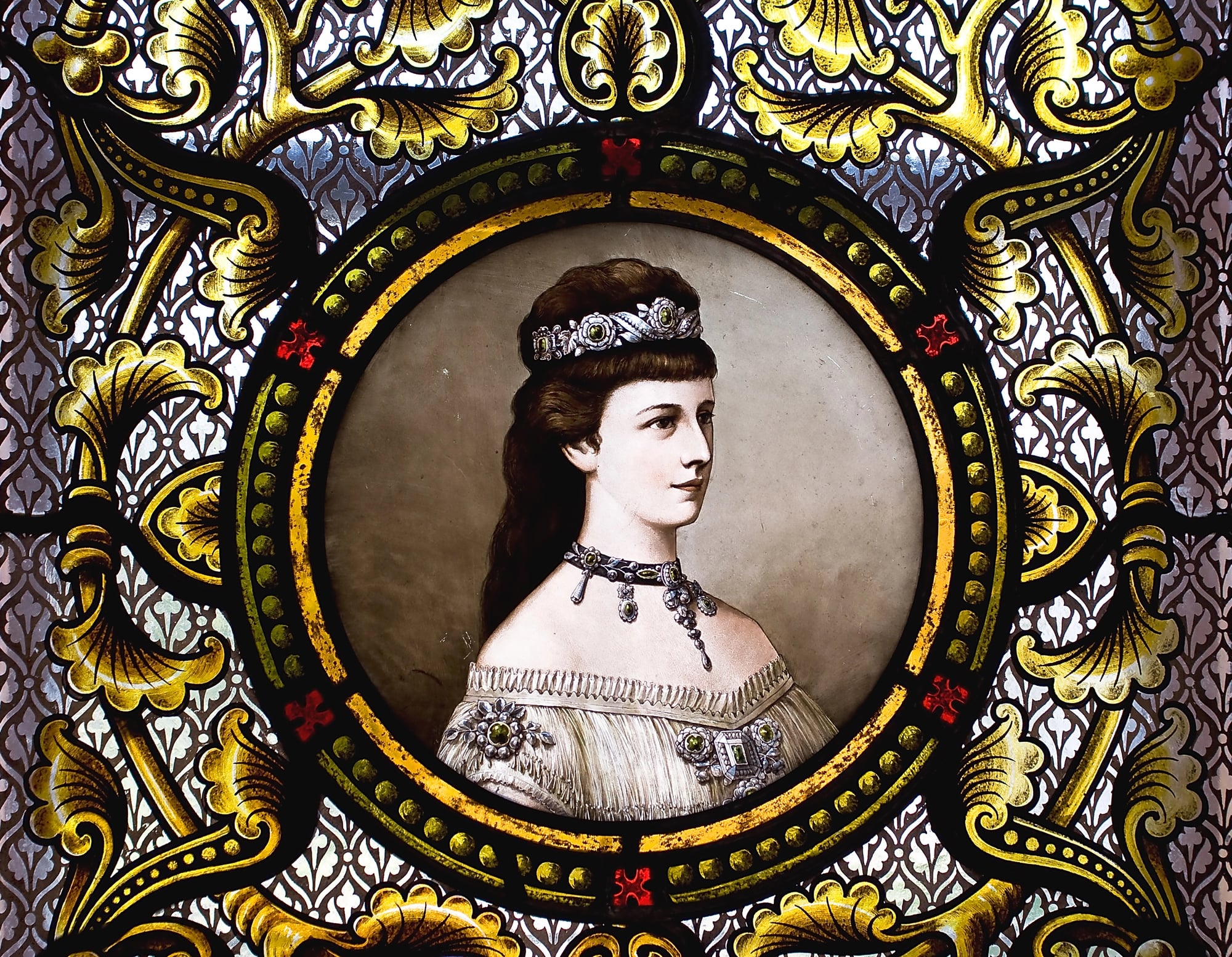
Elisabeth was stabbed through the heart with a needle file by an Italian anarchist in Geneva. The corset she wore was so tight that it acted like a bandage, keeping her upright and walking for several minutes before she finally collapsed and died.
King Alexander of Greece
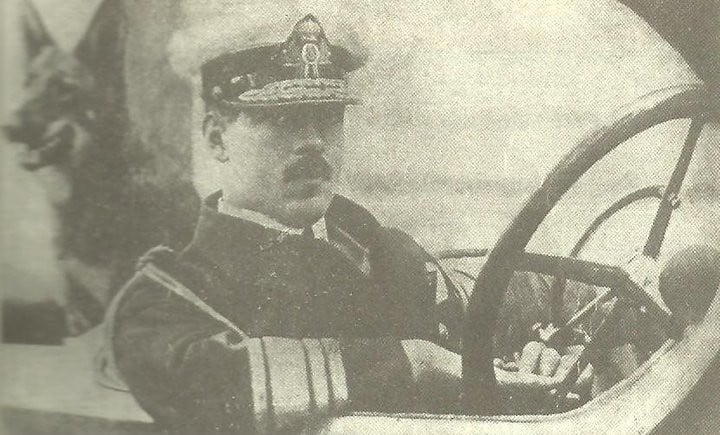
A pet monkey bit him. That’s it. The bite became infected, and within weeks, the king was dead from sepsis. The monkey belonged to a palace gardener and had been acting aggressively for days before the fatal encounter.
Queen Astrid of Belgium

She grabbed the steering wheel during a scenic drive through Switzerland, trying to point out a beautiful view to her husband King Leopold. The car swerved, crashed through a stone wall, and tumbled down an embankment. Astrid was thrown from the vehicle and died instantly against a tree.
Royal sightseeing has claimed more lives than you’d expect, but this particular case carries the weight of pure accident wrapped in tragic timing. There’s something almost cruel about dying while reaching toward beauty — the same impulse that makes people lean too far over scenic overlooks or step too close to waterfalls was her undoing. The king survived with minor injuries, which meant he had to live with watching his wife’s enthusiasm literally kill her.
King John of England

John died of dysentery, but the conspiracy theories started immediately. Some claimed he was poisoned by a monk at Swineshead Abbey, others insisted it was divine punishment for his conflicts with the Pope. The truth was probably simpler and more embarrassing: he got sick from bad food and died on the toilet.
Crown Prince Rudolf of Austria
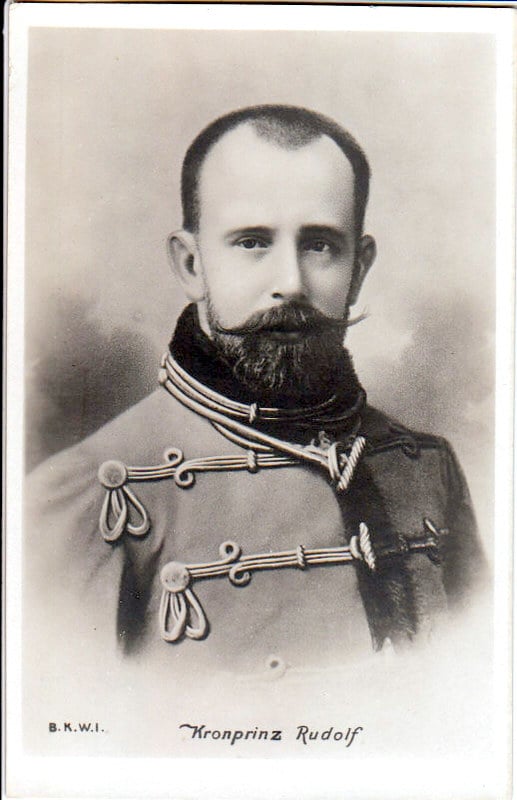
Rudolf and his teenage mistress were found dead in a hunting lodge at Mayerling in what was officially ruled a murder-suicide. But the details were so heavily covered up by the imperial court that conspiracy theories persist to this day. The bodies were discovered by servants who had been instructed not to disturb the prince under any circumstances.
Catherine the Great of Russia

Catherine the Great didn’t die on the toilet, despite what the rumors say. She had a stroke while getting dressed and died the next day. Still, the toilet myth persists because people apparently find it hilarious that an empress might die in an undignified position.
King Adolf Frederick of Sweden
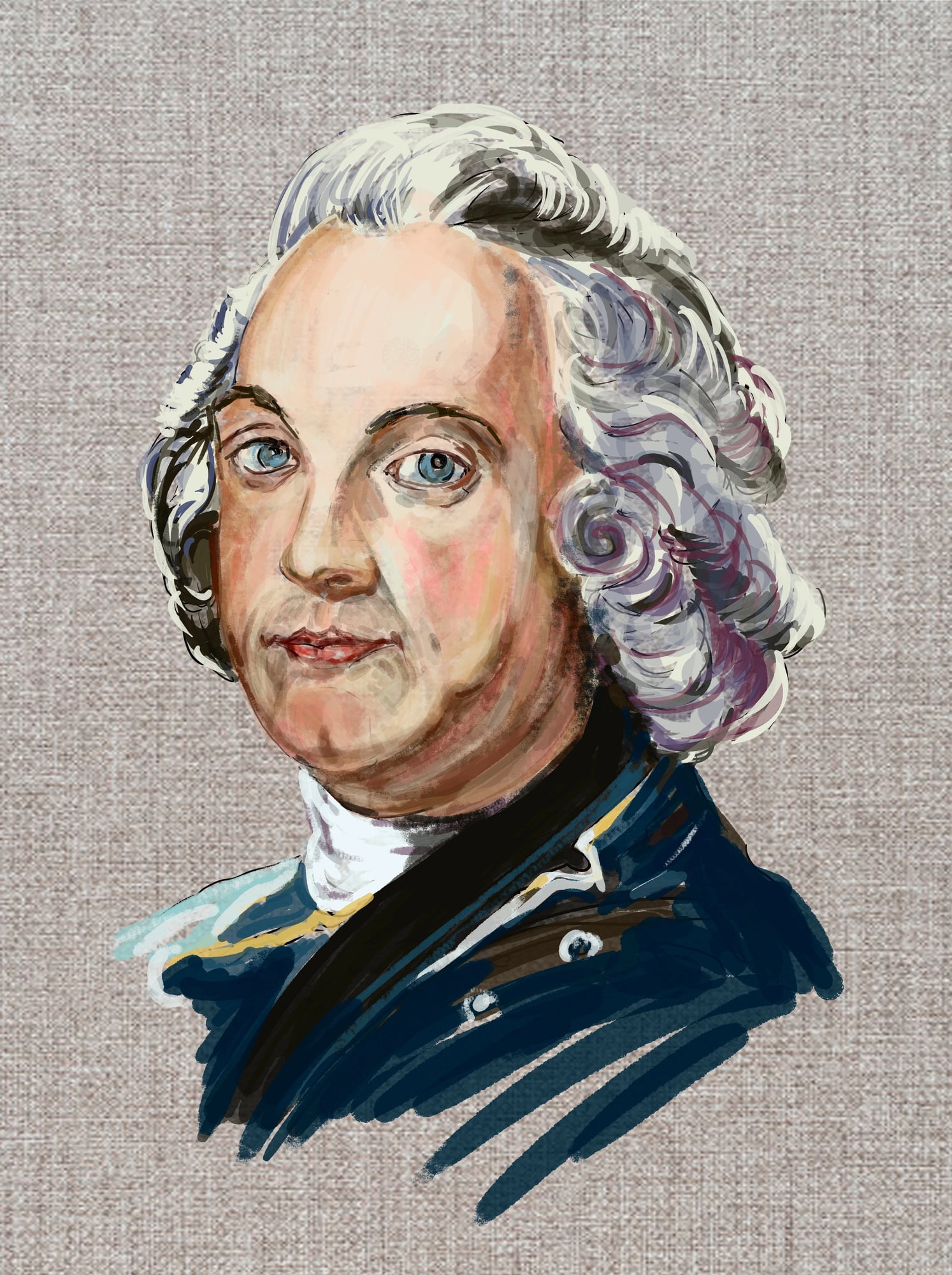
Adolf Frederick ate himself to death at a single meal: lobster, caviar, sauerkraut, kippers, champagne, and fourteen servings of his favorite dessert. His stomach couldn’t handle the excess, and he died from what was essentially fatal indigestion. Even by royal standards, this was gluttonous.
The meal itself reads like a comedy sketch written by someone who’d never seen actual food — the combination alone should have been a warning sign, but apparently nobody thought to mention that mixing shellfish with fermented cabbage and then following it up with enough sugar to stock a bakery might not end well. And yet here’s what makes it particularly absurd: he was known for this kind of behavior, which means his courtiers just stood around watching their king eat himself toward an early grave, meal after meal, until the inevitable happened. Royal enablement at its finest.
Queen Draga of Serbia
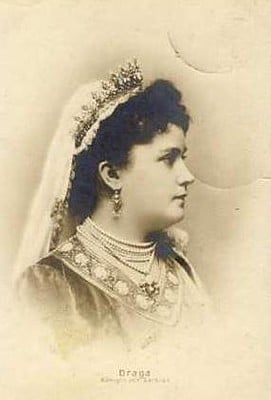
Draga and her husband King Alexander were murdered by military officers who broke into the royal palace, shot them both, and then threw their bodies out a window. The officers were angry about the king’s marriage to Draga, who was older, previously married, and supposedly unable to have children.
King Charles VIII of France
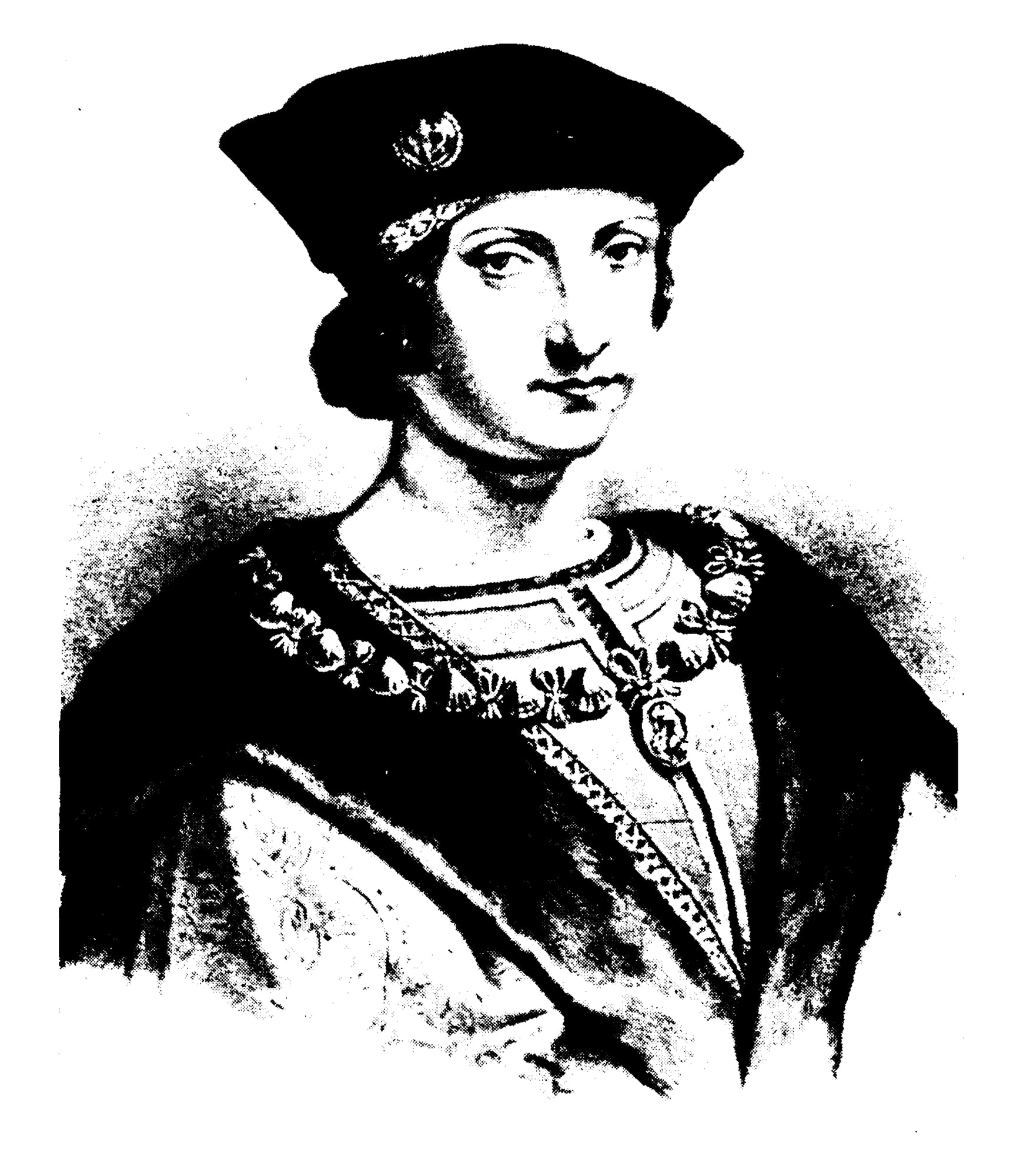
Charles died after hitting his head on a door lintel while walking to watch a tennis match. He was short, the doorway was low, and the impact was apparently just right to cause a fatal brain injury. Death by architecture.
Cleopatra VII of Egypt
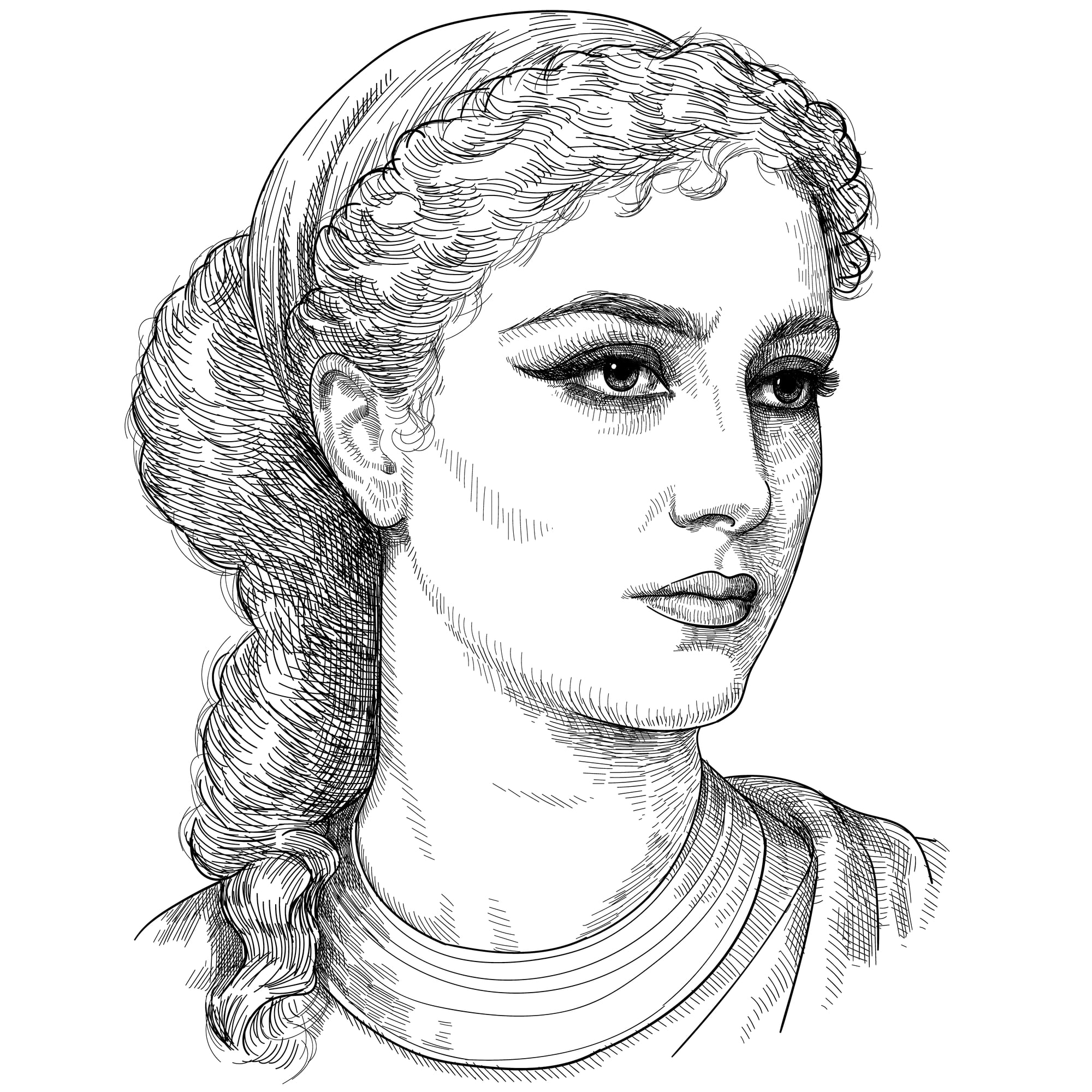
Cleopatra probably didn’t die from a snake bite, despite what Hollywood wants everyone to believe. The asp story was likely Roman propaganda designed to make her death seem more exotic and dramatic (which, to be fair, worked pretty well since people are still talking about it two thousand years later). She most likely poisoned herself with a cocktail of toxins that would have been faster and more reliable than waiting around for a cobra to cooperate. Professional poisoners don’t leave their exit strategy up to the mood of a reptile, and Cleopatra was nothing if not professional.
King James II of Scotland

A cannon exploded next to him during a siege. James was standing too close when the weapon misfired, and the blast killed him instantly. His six-year-old son inherited the throne, which meant Scotland was ruled by a child because the king couldn’t resist getting a closer look at military hardware.
King Frederick I of Prussia

Frederick choked to death on an orange at breakfast. He was trying to eat quickly before a meeting with his generals, bit off more than he could chew, and couldn’t dislodge the fruit. His courtiers tried to help, but it was too late.
King Edmund Ironside of England
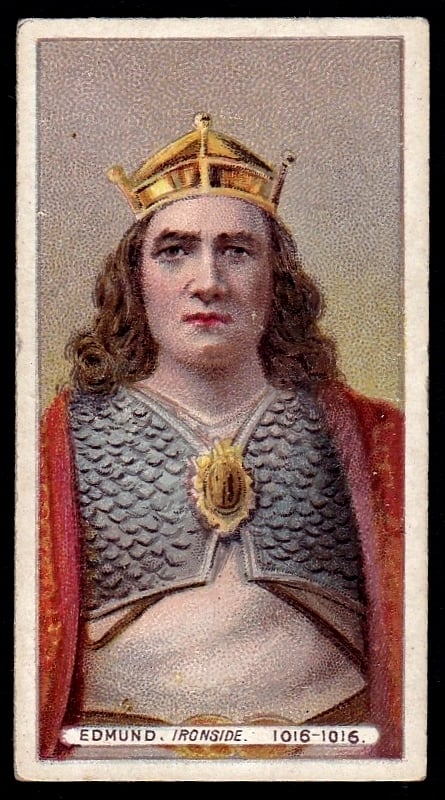
Edmund probably died from infected wounds after the Battle of Assandun, but medieval chroniclers preferred the story that he was stabbed from below while using a latrine. The truth was likely less dramatic and more medical, but the outhouse assassination tale was too good for medieval gossip to ignore.
When Crowns Can’t Cheat Death

History remembers these deaths not because they were royal, but because they were ridiculous. Power, wealth, and armies of servants couldn’t save these monarchs from choking on fruit, walking into doors, or getting bitten by pets. Their deaths remind us that for all the ceremony and divine right, royalty remained fundamentally, absurdly human.
More from Go2Tutors!

- The Romanov Crown Jewels and Their Tragic Fate
- 13 Historical Mysteries That Science Still Can’t Solve
- Famous Hoaxes That Fooled the World for Years
- 15 Child Stars with Tragic Adult Lives
- 16 Famous Jewelry Pieces in History
Like Go2Tutors’s content? Follow us on MSN.



