20 Historical Photos That Would Be Impossible to Recreate Today
Time passes, landscapes change, and moments once captured on film become increasingly impossible to reproduce. These historical photographs represent singular moments where circumstances aligned perfectly—or terribly—to create images that stand as powerful visual records of our past.
Here is a list of 20 historical photographs that, due to changes in our world, society, technology, or environment, would be impossible to recreate today.
Construction Workers Lunching on a Skyscraper Beam
That iconic 1932 photograph of eleven workers casually eating lunch while dangling 850 feet above New York City on a steel beam would never happen today. Modern safety regulations require harnesses, safety nets, and proper platforms for workers at such heights.
The casual disregard for safety that made this image so breathtaking would now result in massive fines and immediate shutdown of the construction site.
The Last Thylacine
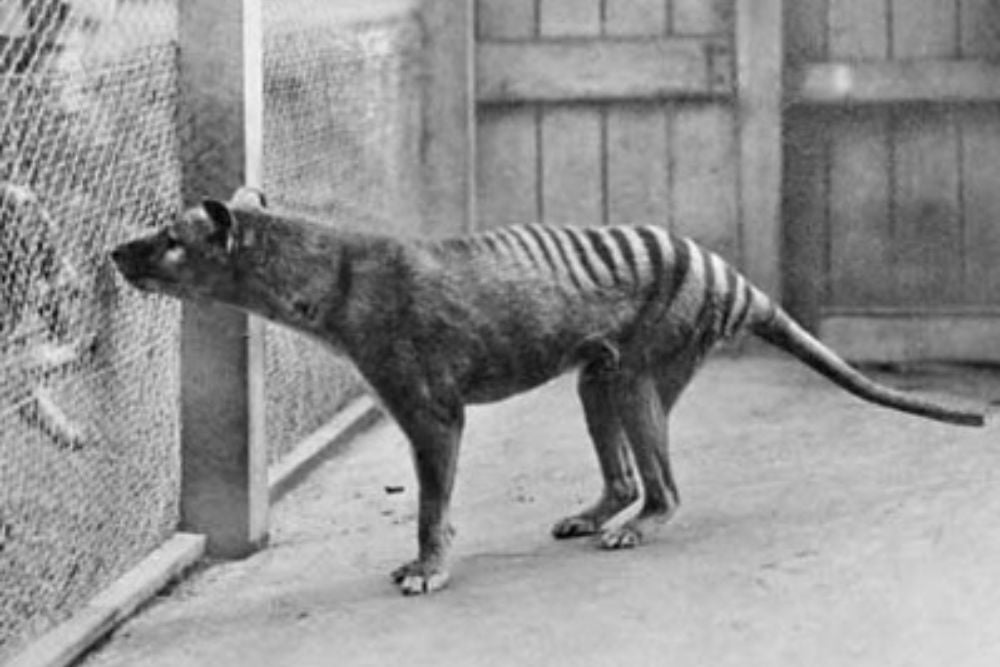
Photographs of the last known Tasmanian tiger, which died in Hobart Zoo in 1936, represent the final visual record of an extinct species. Despite numerous expeditions and alleged sightings over the decades, scientists generally agree that the thylacine has been lost forever.
These haunting images serve as a sobering reminder of humanity’s impact on unique animal species.
The Hindenburg Disaster
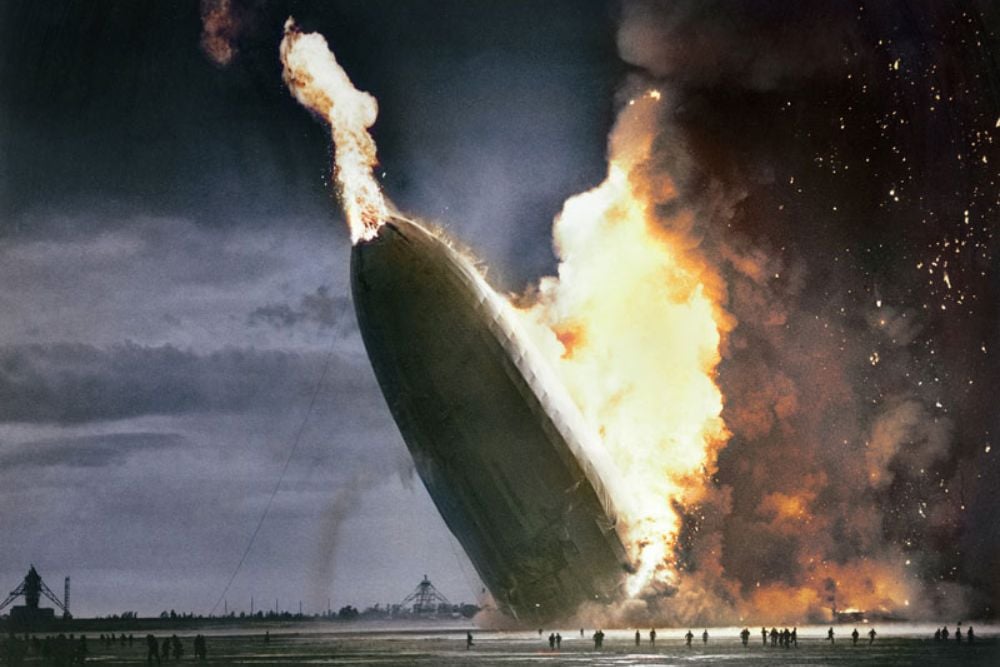
The dramatic photographs capturing the Hindenburg airship erupting into flames in 1937 document a pivotal moment that essentially ended the era of passenger airships. The hydrogen-filled dirigible technology became obsolete almost overnight, replaced by safer aircraft designs.
Today’s strict aviation safety standards and the shift away from hydrogen as a lifting gas make such catastrophic airship disasters effectively impossible.
The Beatles Crossing Abbey Road
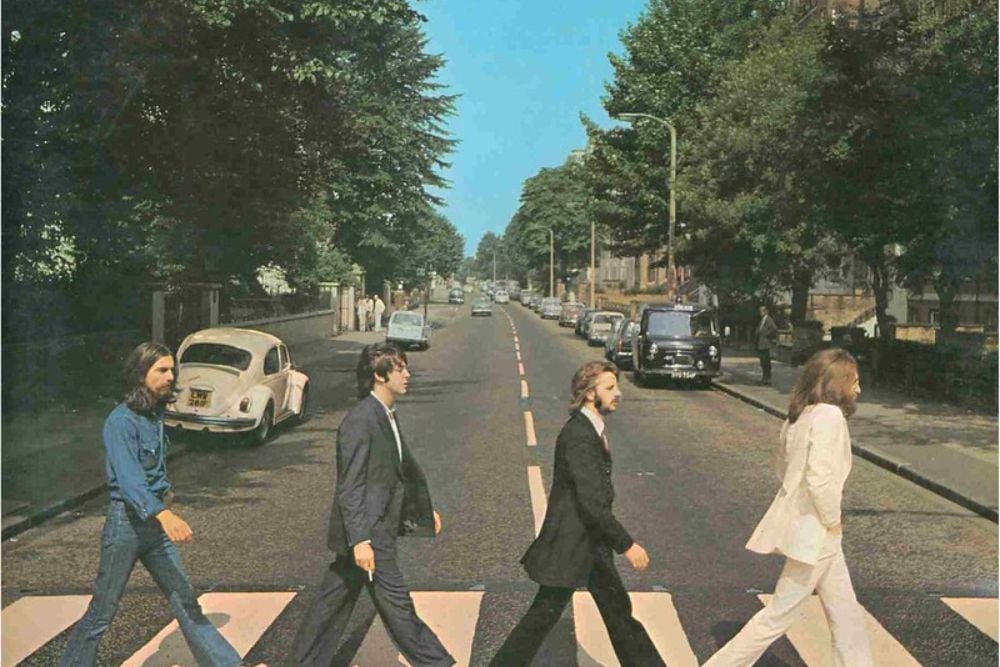
While Abbey Road still exists and tourists regularly attempt to recreate this famous album cover, the original 1969 photograph features all four Beatles members together—impossible since John Lennon’s death in 1980 and George Harrison’s in 2001. The spontaneous nature of the shoot, with minimal security and traffic control, would also be difficult to arrange in today’s celebrity-obsessed world.
The Original Hollywood Sign
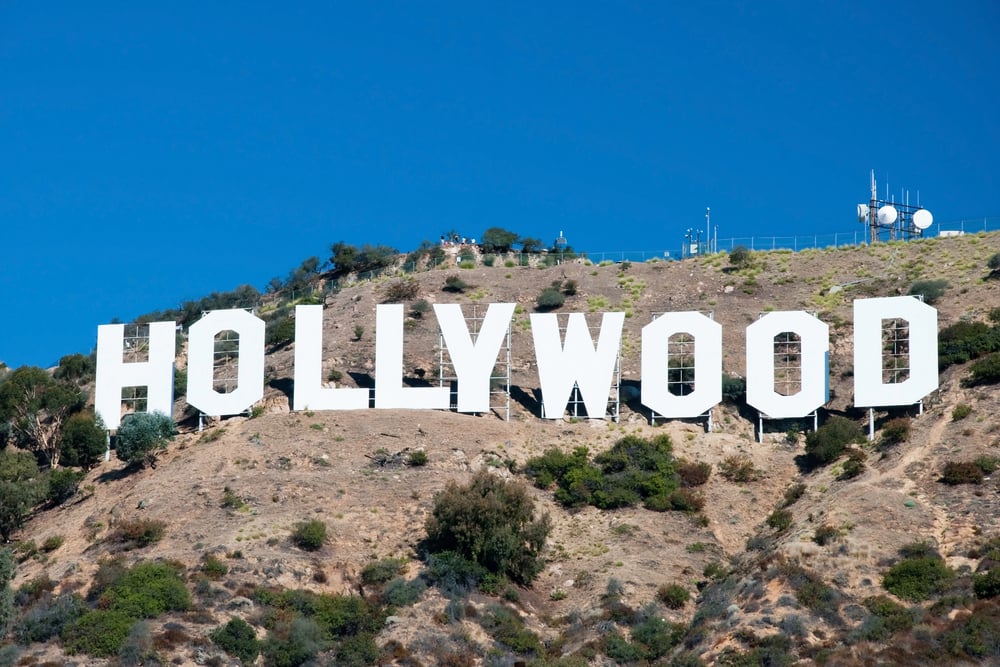
Early photographs of the Hollywood sign showing its original ‘Hollywoodland’ spelling cannot be recreated since the sign was shortened and restored in 1949. Additionally, the relatively undeveloped landscape surrounding the sign in early photos has been replaced by dense housing developments and protected parkland, completely altering the setting of this iconic landmark.
Troops Landing on D-Day
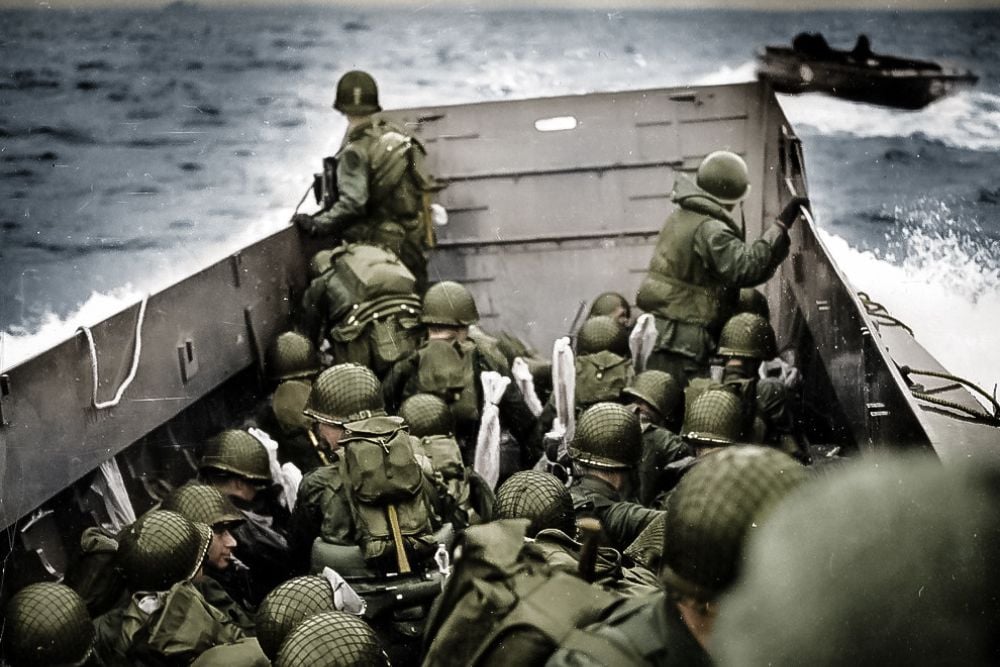
The historic photographs from the Normandy landings on June 6, 1944, captured one of the largest military operations in history. The beaches where thousands of Allied soldiers stormed ashore are now peaceful tourist destinations, with memorials replacing bunkers.
The scale of military mobilization, the specific equipment used, and the geopolitical circumstances make these images impossible to recreate.
Louis Armstrong Playing in Egypt
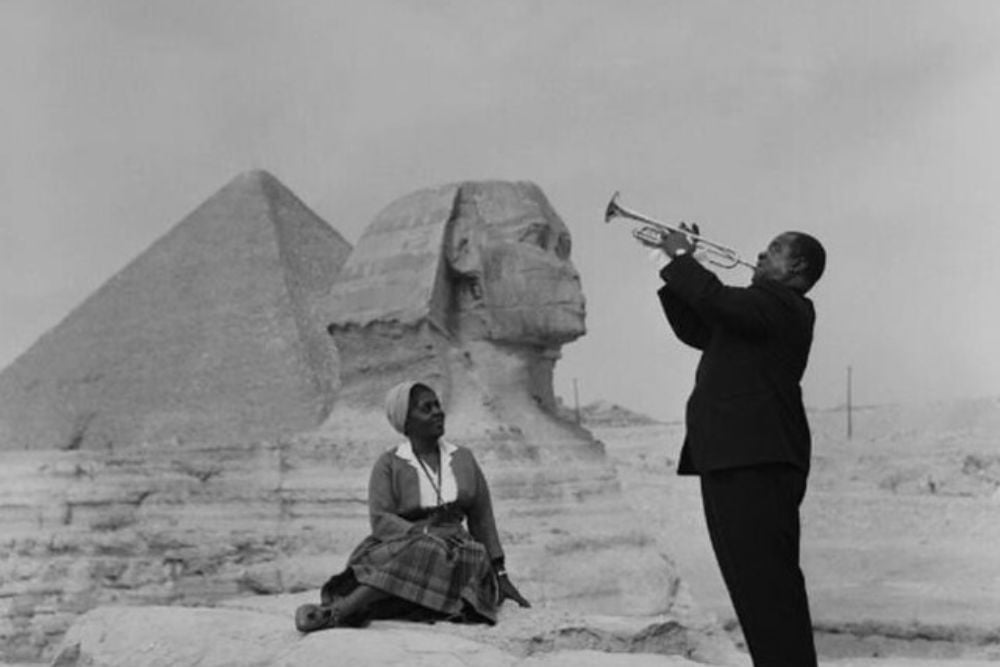
The 1961 photographs of jazz legend Louis Armstrong playing his trumpet for his wife at the Sphinx and pyramids of Giza show a more accessible monument site. Today, strict preservation regulations, security concerns, and overwhelming tourism have led to restrictions that would prevent such an intimate, impromptu musical performance at these ancient structures.
Tank Man at Tiananmen Square
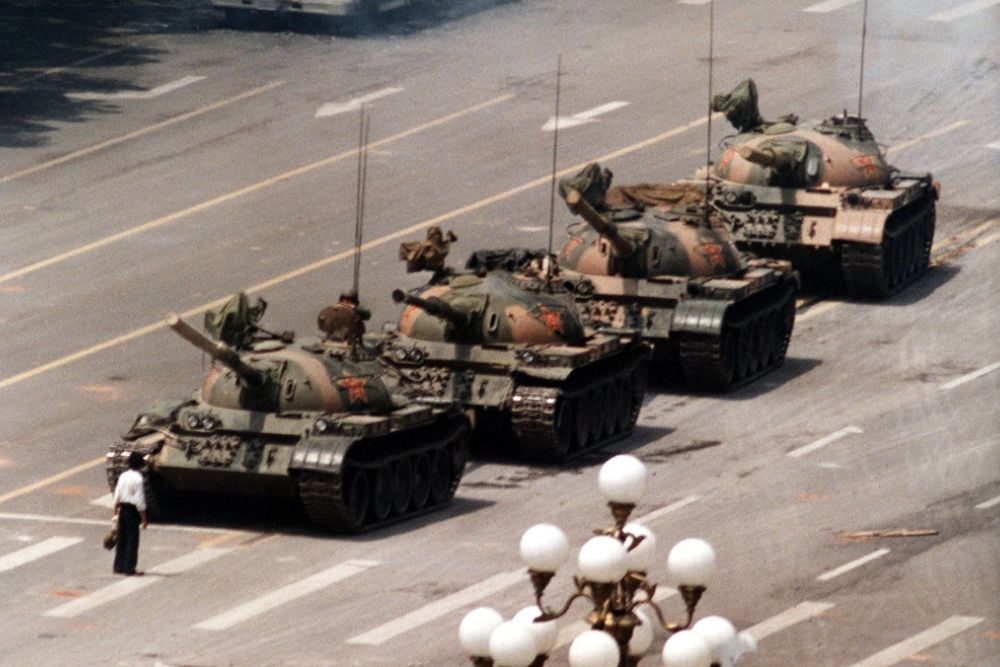
The powerful 1989 image of an unidentified man standing before a column of tanks represents courage in the face of overwhelming force. Modern surveillance technology, tighter security measures, and heightened political sensitivities in China would make such a spontaneous act of defiance—and its documentation—virtually impossible today.
The View from Windows on the World
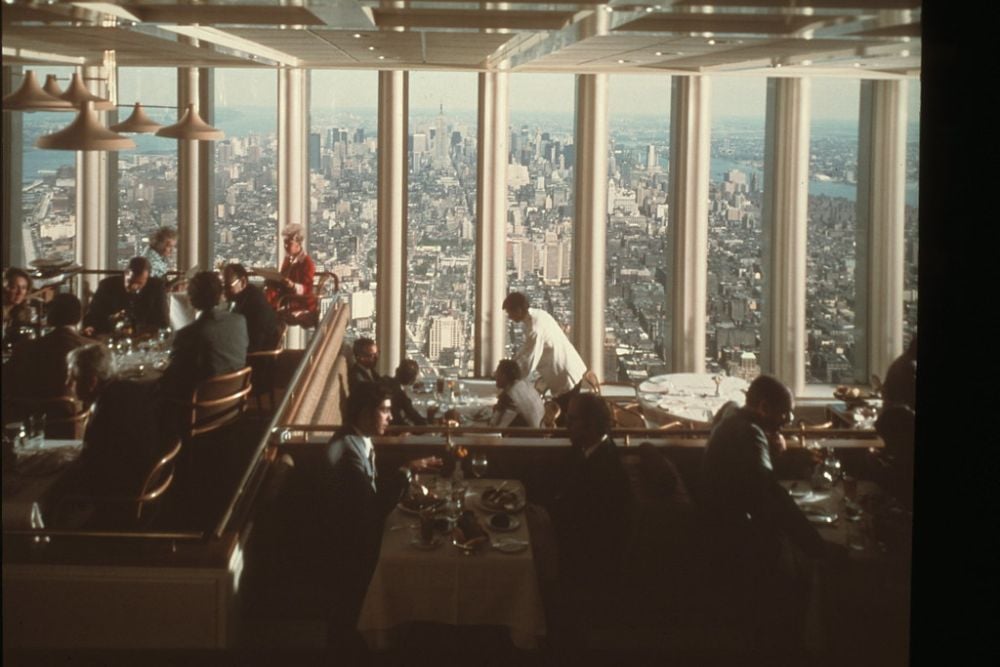
Photographs taken from the Windows on the World restaurant at the top of the World Trade Center North Tower show a perspective that vanished forever on September 11, 2001. The distinctive view of Manhattan, captured by countless tourists and professional photographers over decades, remains preserved only in these historical images.
Wright Brothers’ First Flight
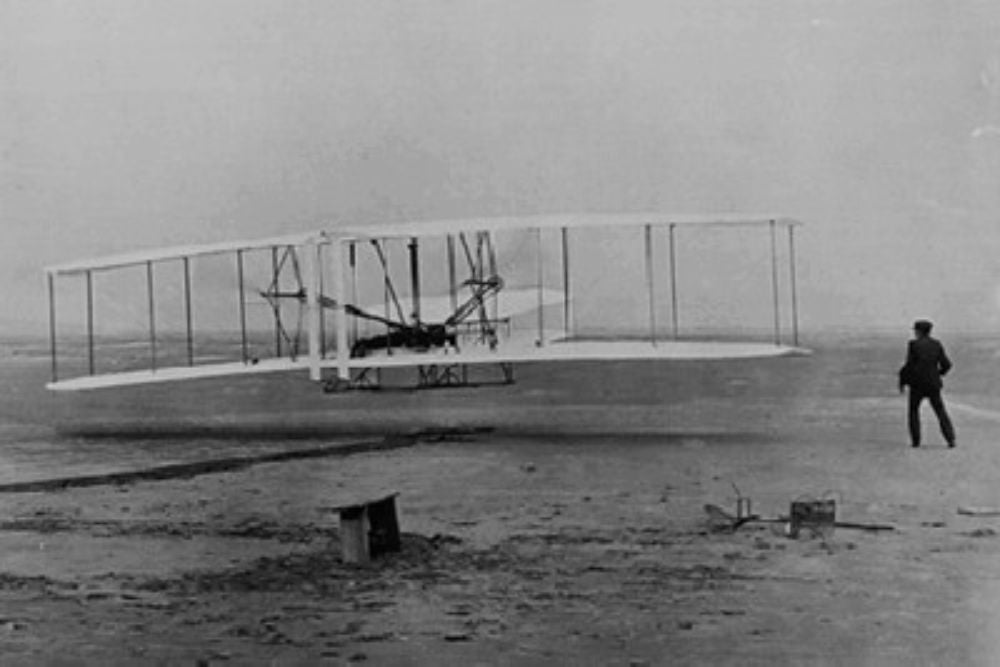
The 1903 photograph capturing the Wright brothers’ first powered flight at Kitty Hawk represents the dawn of aviation history. The empty beaches and dunes where they conducted their experiments have since been developed and preserved as a national memorial.
The primitive nature of their aircraft, built without modern regulations or certification, could never legally take to the skies today.
Times Square on V-J Day

The famous photograph of a sailor kissing a nurse in Times Square celebrating the end of World War II captured a moment of national euphoria that stemmed from specific historical circumstances. Beyond the changed skyline and modernized Times Square, the social dynamics and collective national experience of that moment cannot be reproduced.
Einstein’s Office on the Day He Died
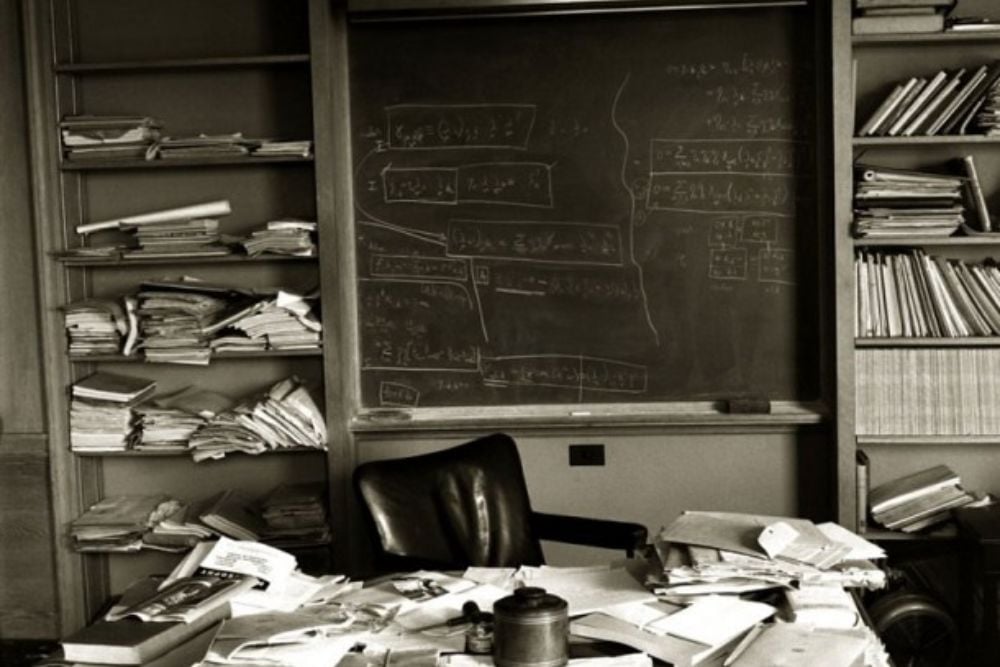
Photographs of Albert Einstein’s office at Princeton, taken hours after his death in 1955, show the authentic workspace of one of history’s greatest minds. His notes, calculations, and personal items were captured exactly as he left them—creating an intimate portrait of scientific genius that cannot be authentically reconstructed.
The Fall of the Berlin Wall
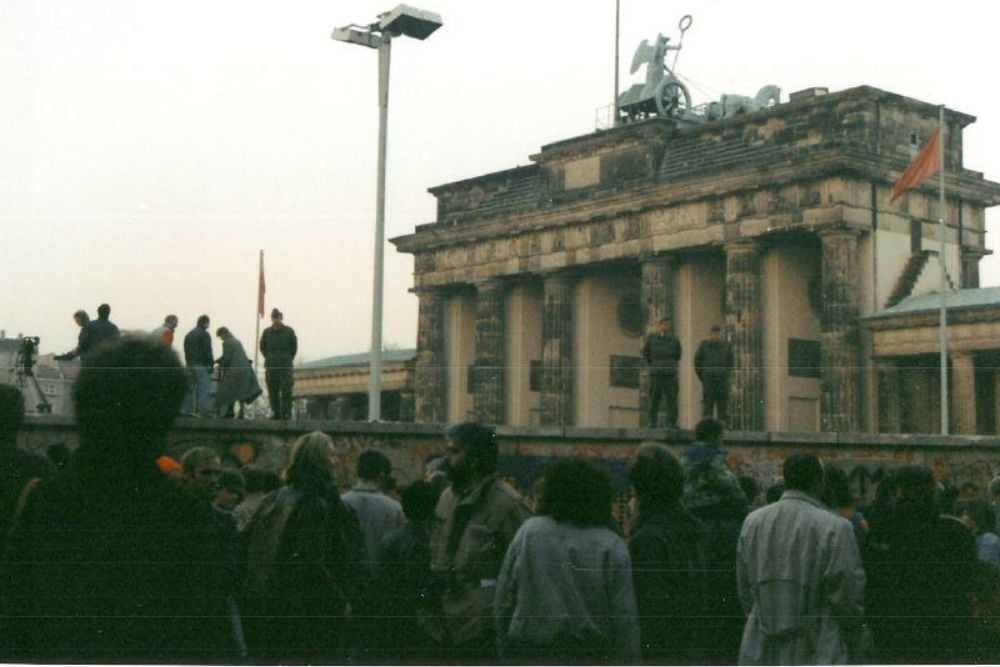
Images of Germans from both East and West standing atop the Berlin Wall in 1989, celebrating its demolition, mark the end of a divided Germany. With most of the wall now removed or preserved as memorial pieces, and the political division healed, these powerful photographs document a transformative historical moment that thankfully cannot occur again.
Indigenous Peoples in Traditional Settings
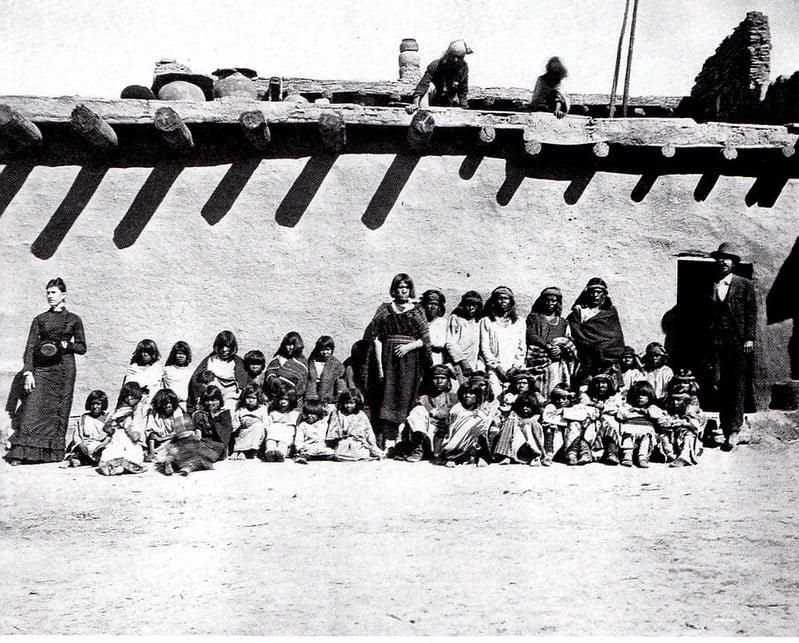
Early anthropological photographs of indigenous groups living traditional lifestyles, untouched by outside influence, cannot be recreated. Globalization, technological advancement, and cultural exchange have reached virtually every corner of the planet, forever altering traditional ways of life that once existed in isolation.
The Original Grand Canyon Tourist Photos
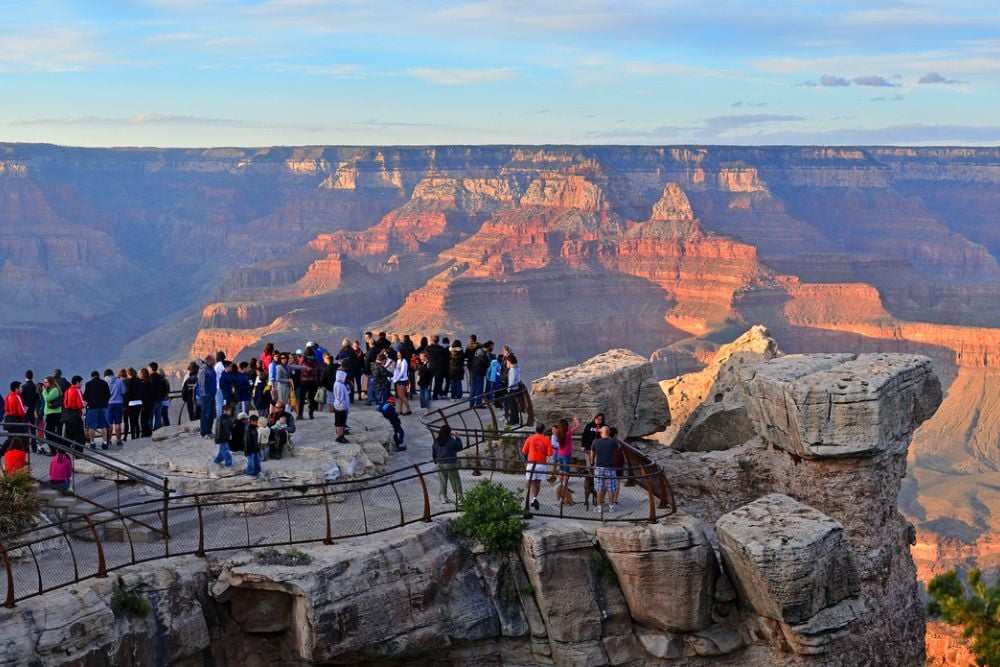
Early tourist photographs at the Grand Canyon from the early 1900s show visitors in formal attire standing dangerously close to unfenced edges. Today’s safety barriers, designated viewing platforms, and strict regulations designed to protect both visitors and the natural environment make such unrestrained access impossible.
The Last Civil War Veterans
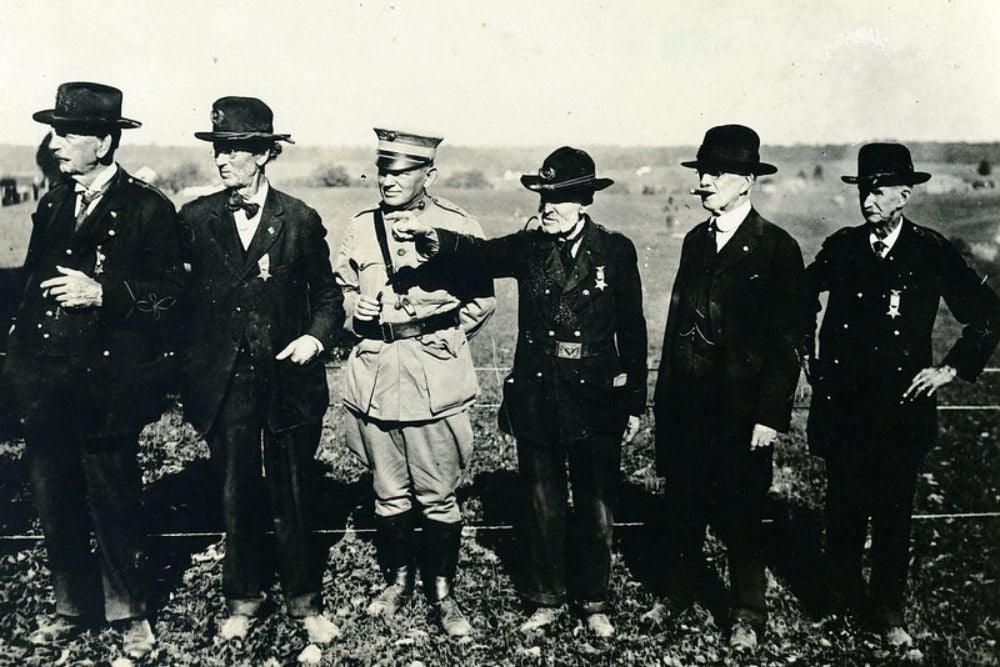
Photographs from the early 20th century capturing the final surviving veterans of the American Civil War represent direct connections to a defining period in American history. With the last verified veteran having died in 1956, these images serve as irreplaceable visual links to an era that now exists only in historical records.
The Unobstructed View of Mount Rushmore During Carving
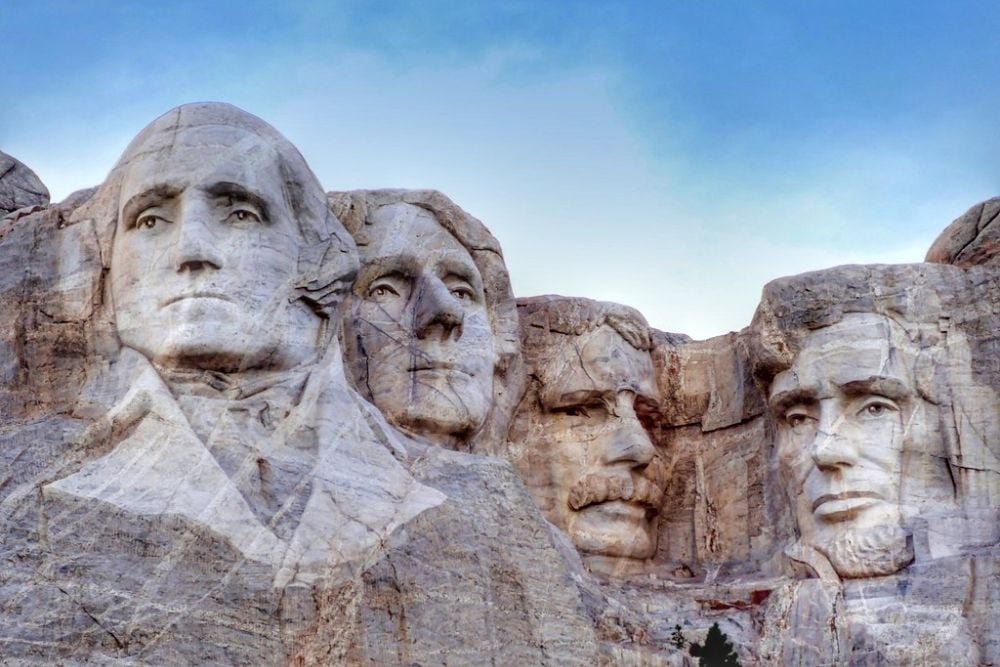
Photographs documenting the creation of Mount Rushmore between 1927 and 1941 show the monument in various stages of completion. The specific scaffolding, equipment, and techniques used by sculptor Gutzon Borglum and his team, along with the pre-carved mountain face, represent a phase in the monument’s existence that cannot be revisited.
Bustling Ellis Island Immigration Station
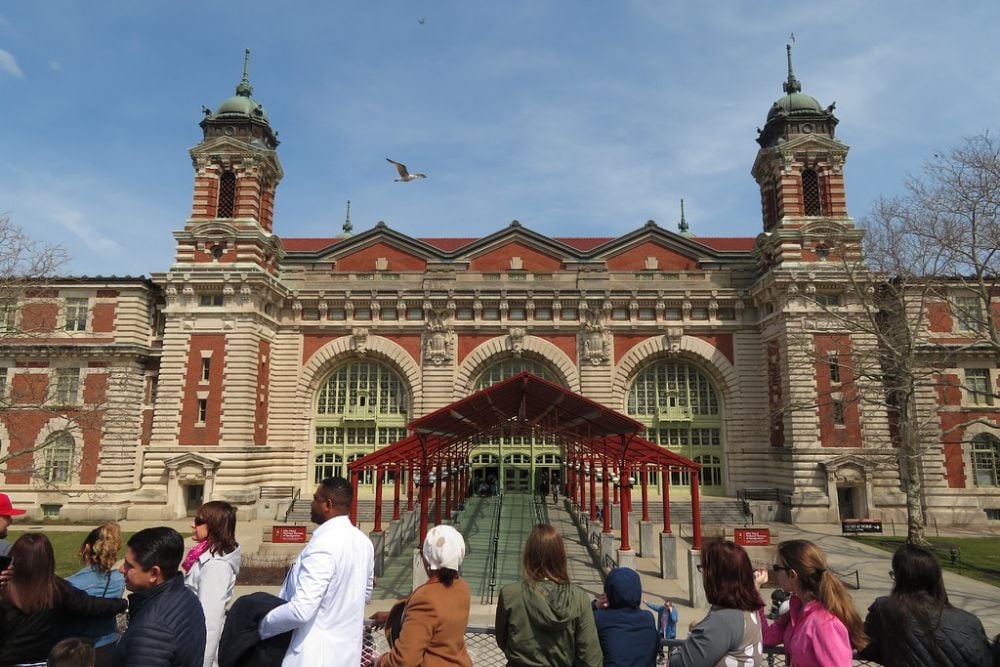
Historical photographs of Ellis Island during its peak operation between 1892 and 1954 show thousands of immigrants arriving daily, hoping for a new life in America. The crowded processing halls, medical examination rooms, and anxious families waiting to enter the United States represent an immigration system and historical moment fundamentally different from today’s procedures.
Pre-Dam Construction River Landscapes
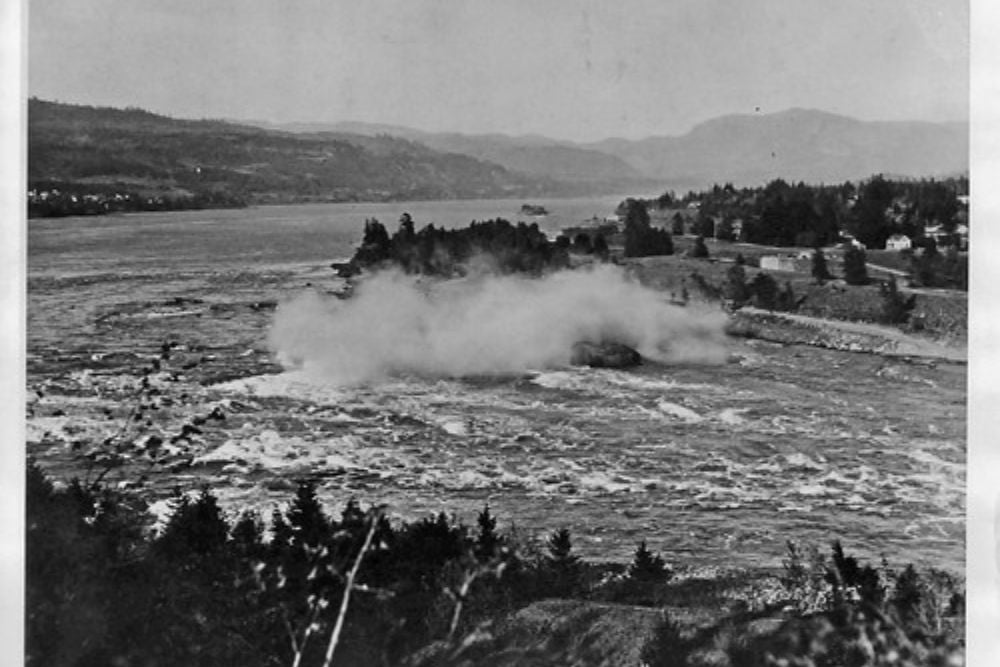
Photographs of major river valleys before the construction of massive hydroelectric dams document landscapes that have been permanently altered. Places like the Colorado River through Glen Canyon (before Lake Powell) or the Columbia River before the Grand Coulee Dam show natural environments that now lie submerged under hundreds of feet of water.
The Last Passenger Pigeons
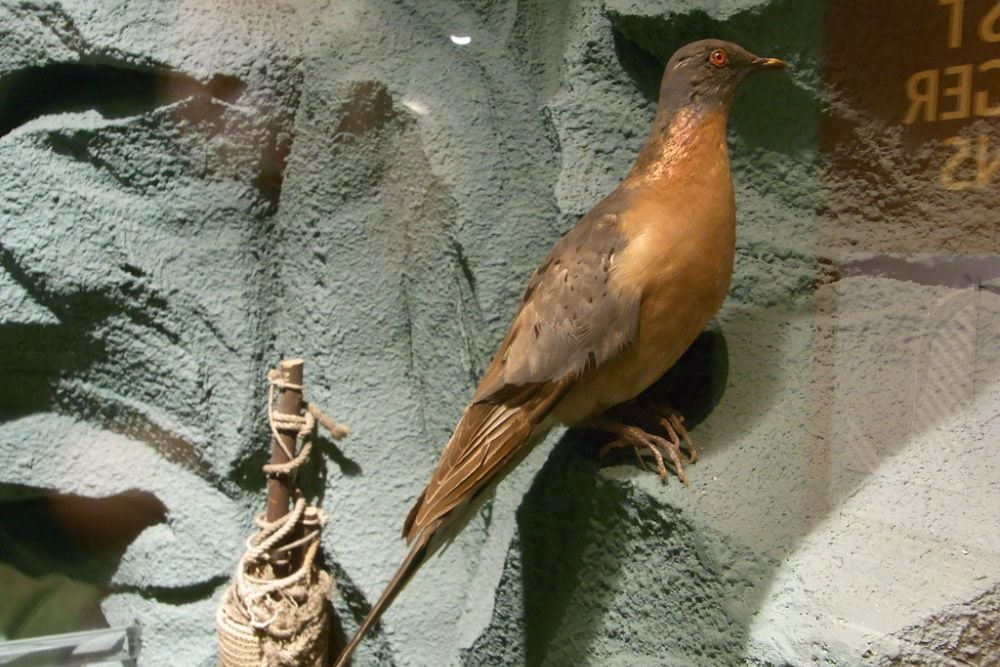
Photographs of Martha, the last known passenger pigeon who died at the Cincinnati Zoo in 1914, represent the final visual record of a species that once numbered in the billions. These images are particularly poignant because they document not just the loss of an individual animal but the extinction of what was once the most abundant bird species in North America.
More from Go2Tutors!

- The Romanov Crown Jewels and Their Tragic Fate
- 13 Historical Mysteries That Science Still Can’t Solve
- Famous Hoaxes That Fooled the World for Years
- 15 Child Stars with Tragic Adult Lives
- 16 Famous Jewelry Pieces in History
Like Go2Tutors’s content? Follow us on MSN.