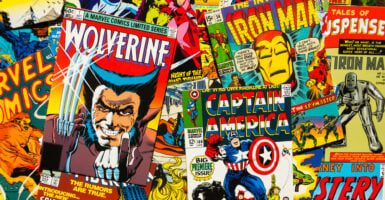
17 Things People Threw Away in the ’90s That Would Be Worth Thousands Today
The 1990s felt like a time of endless upgrades. New technology arrived every few months, making last year’s gadgets look ancient.
Music formats changed, gaming systems evolved, and everyone seemed eager to toss the old stuff and embrace whatever came next. That restless energy to move forward meant a lot of perfectly good items ended up in garage sales, donation bins, or worse — the trash.
Looking back now, some of those discarded treasures have become the holy grails of collectors and enthusiasts. What seemed outdated or worthless then can command serious money today.
The irony stings a little when you realize that old computer or comic book someone practically gave away could now fund a vacation.
Nintendo Game Cartridges
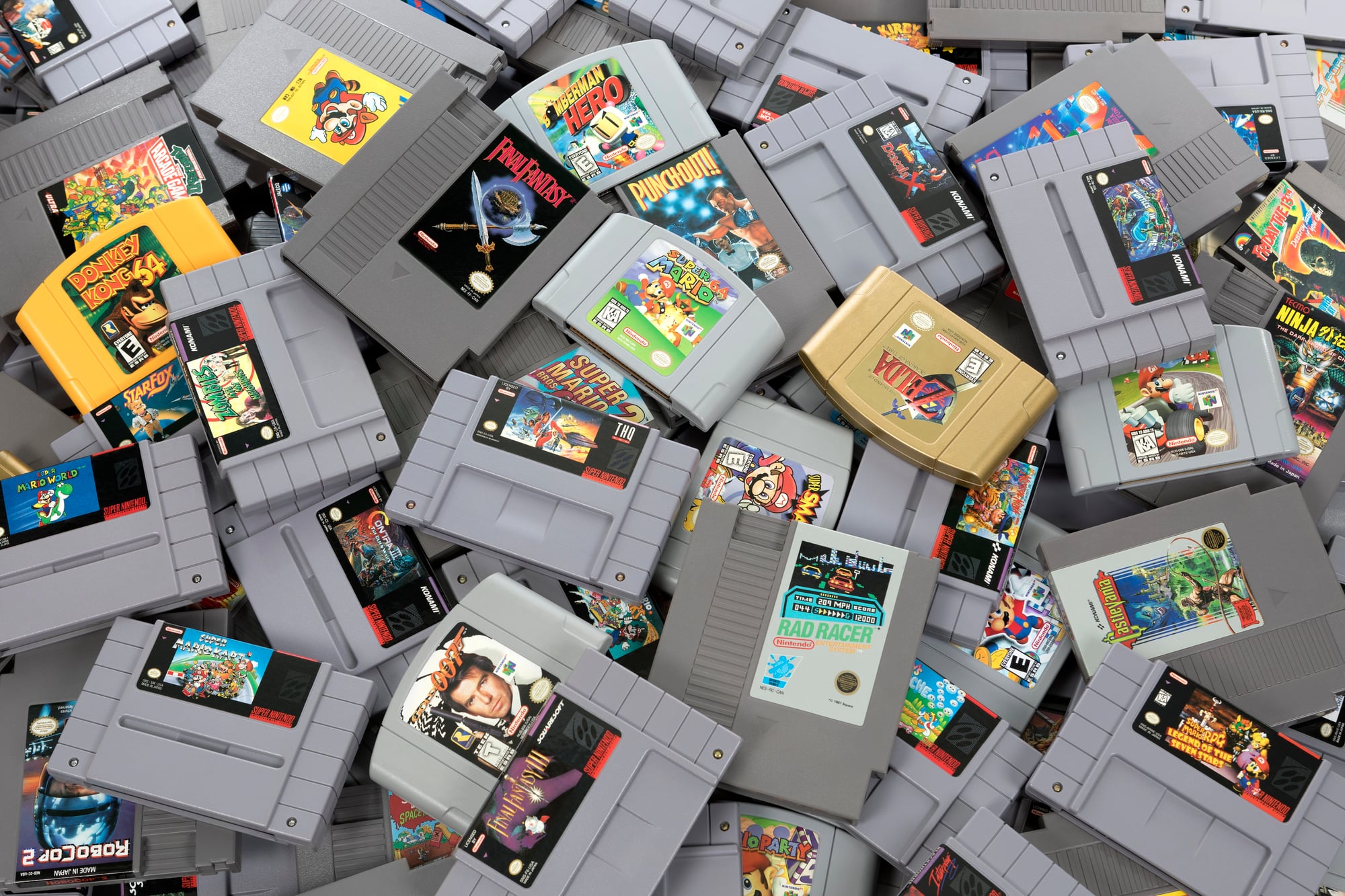
Certain Nintendo cartridges from the ’90s now sell for more than some people’s cars. Stadium Events, a track-and-field game that was quickly pulled from shelves, has sold for over $40,000 in mint condition.
Even more common games like Chrono Trigger or EarthBound can fetch hundreds or thousands depending on their state. The cardboard boxes got tossed first — who keeps game boxes? — but those missing packages cut the value dramatically.
A complete-in-box copy of a rare game can be worth ten times more than the cartridge alone.
First Edition Pokémon Cards
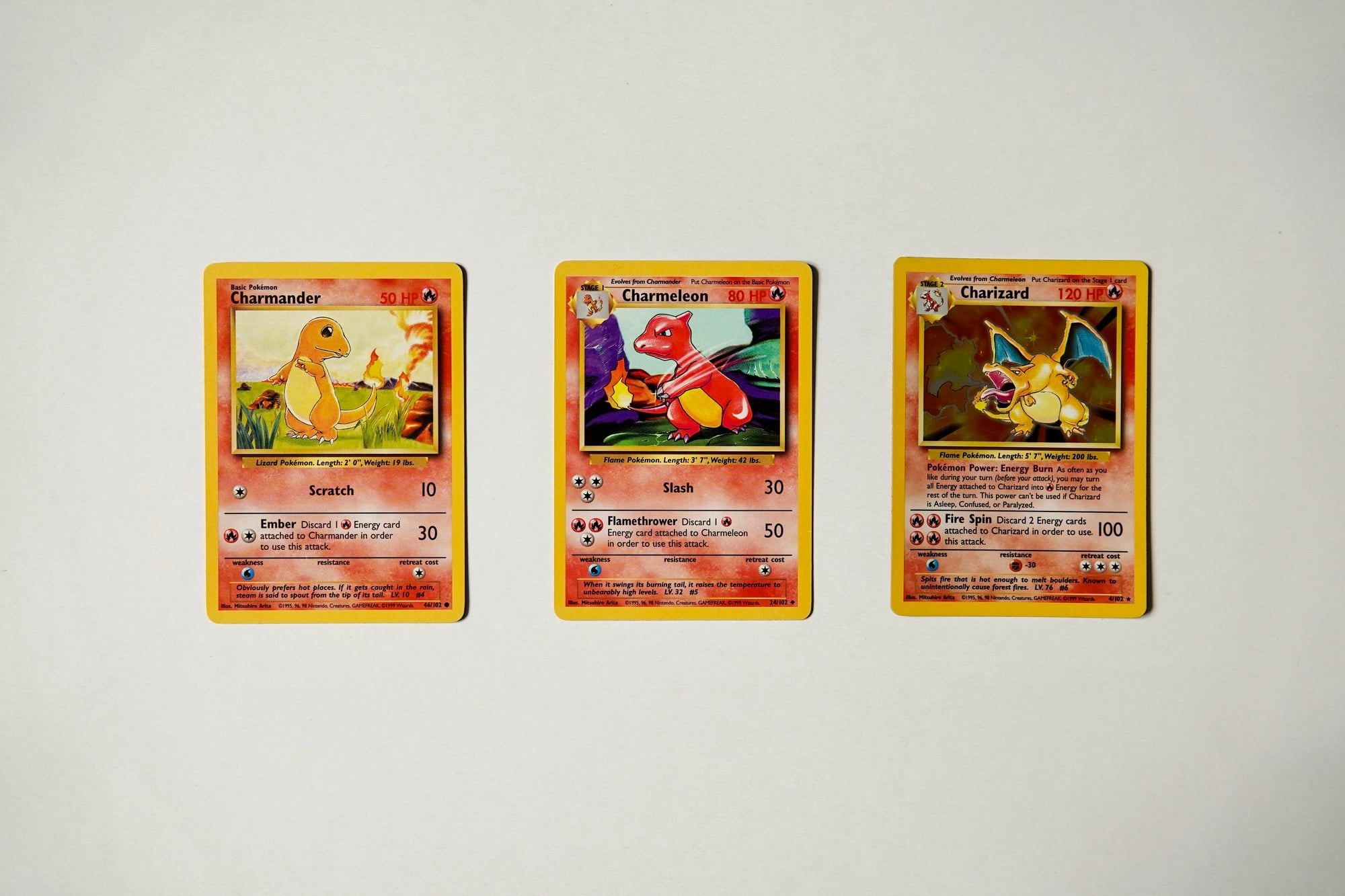
Base Set Charizard cards in perfect condition have sold for over $300,000 at auction. Most kids played with their cards, traded them, bent them, and eventually lost interest as they got older.
Parents cleaned out bedrooms and those beat-up card collections went straight to Goodwill. The difference between a played card and a mint card is astronomical in terms of value.
That Charizard that lived in someone’s pocket for months is worth maybe $50. The same card that never left its sleeve could buy a house.
Apple Computers and Accessories
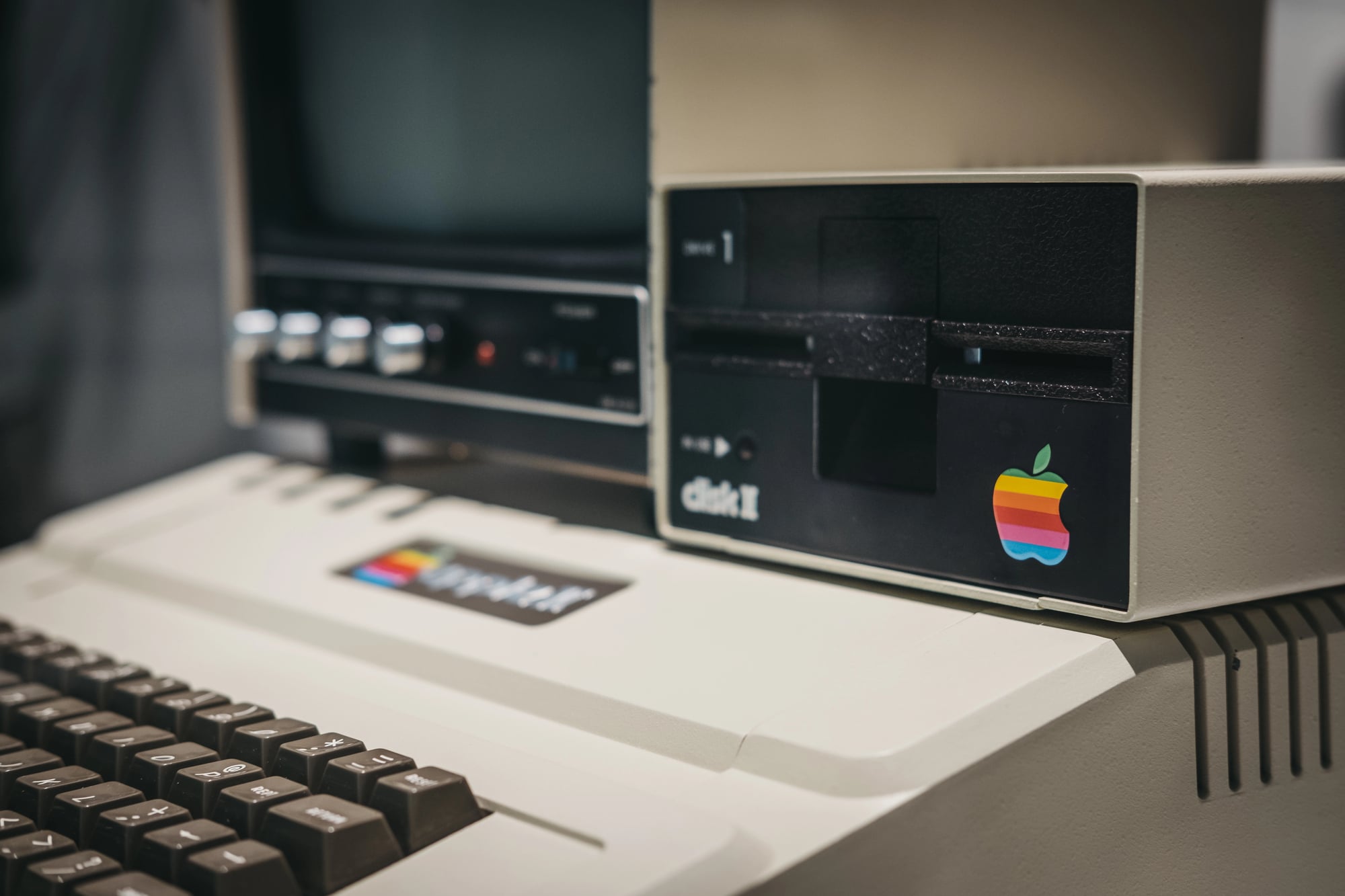
The translucent iMacs and Power Mac G4 Cubes that seemed so futuristic in 1998 now command serious collector prices, especially if they’ve been kept in working condition and still have their original accessories (which, let’s be honest, most people lost or threw away years ago). A complete G4 Cube setup with the original Pro Speakers and Studio Display can sell for $3,000 or more, and that’s assuming someone actually held onto all the cables, documentation, and software discs that came with it.
Most people didn’t. The real kickers are the developmental prototypes and employee-only items that occasionally surface — those can reach five figures at auction.
But even standard retail models have appreciated dramatically, particularly the more unusual colors and configurations that Apple produced in limited runs. And here’s what really stings: people threw away original mice, keyboards, and especially those weird little puck mice that everyone hated at the time but collectors now pay hundreds for.
Vintage Band T-Shirts
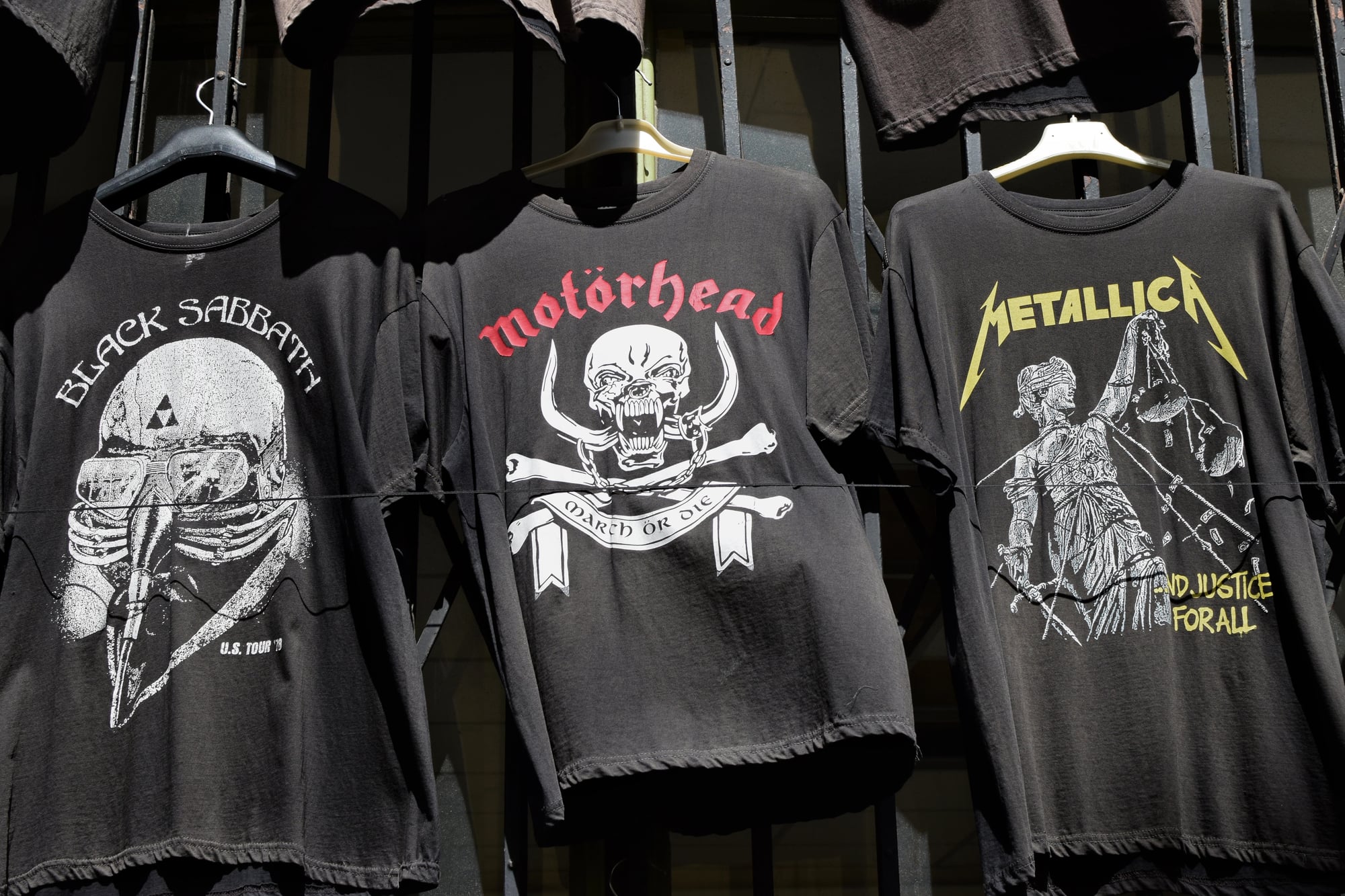
Concert shirts from Nirvana, Pearl Jam, or other grunge bands are worth serious money if they’re authentic vintage pieces from actual tour dates. A genuine 1993 Nirvana tour shirt in good condition can sell for $2,000 or more.
The problem is telling authentic vintage shirts from the countless reproductions. Fans wore these shirts constantly, washed them until they fell apart, or eventually donated them when musical tastes changed.
The ones that survived in decent condition are rare enough to command premium prices from collectors who want that authentic piece of music history.
Magic: The Gathering Cards
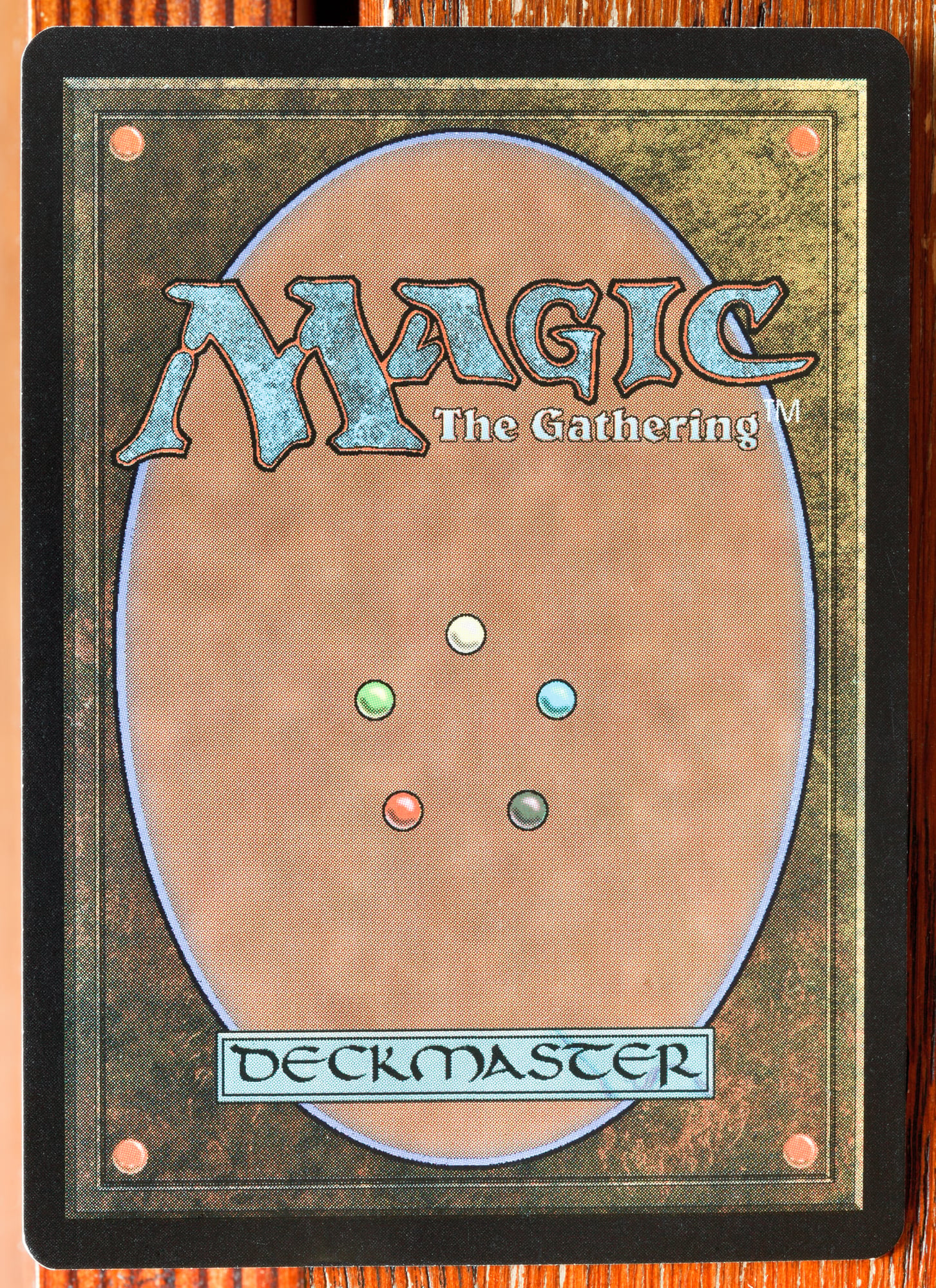
Like walking into a casino where the house always wins, except sometimes someone walks out with a Black Lotus worth $500,000. The early Magic sets contained cards that have become the most expensive trading cards ever printed, but most players from the ’90s either played with their cards until they were worthless or sold collections for pennies when they lost interest.
The Alpha and Beta sets are particularly valuable, with even common cards worth hundreds in mint condition. Power Nine cards — the most broken and powerful cards ever printed — can individually sell for tens of thousands.
Most of these ended up in teenagers’ backpacks, shuffled endlessly, and eventually traded away or thrown out by parents who didn’t understand what they were looking at.
Beanie Babies
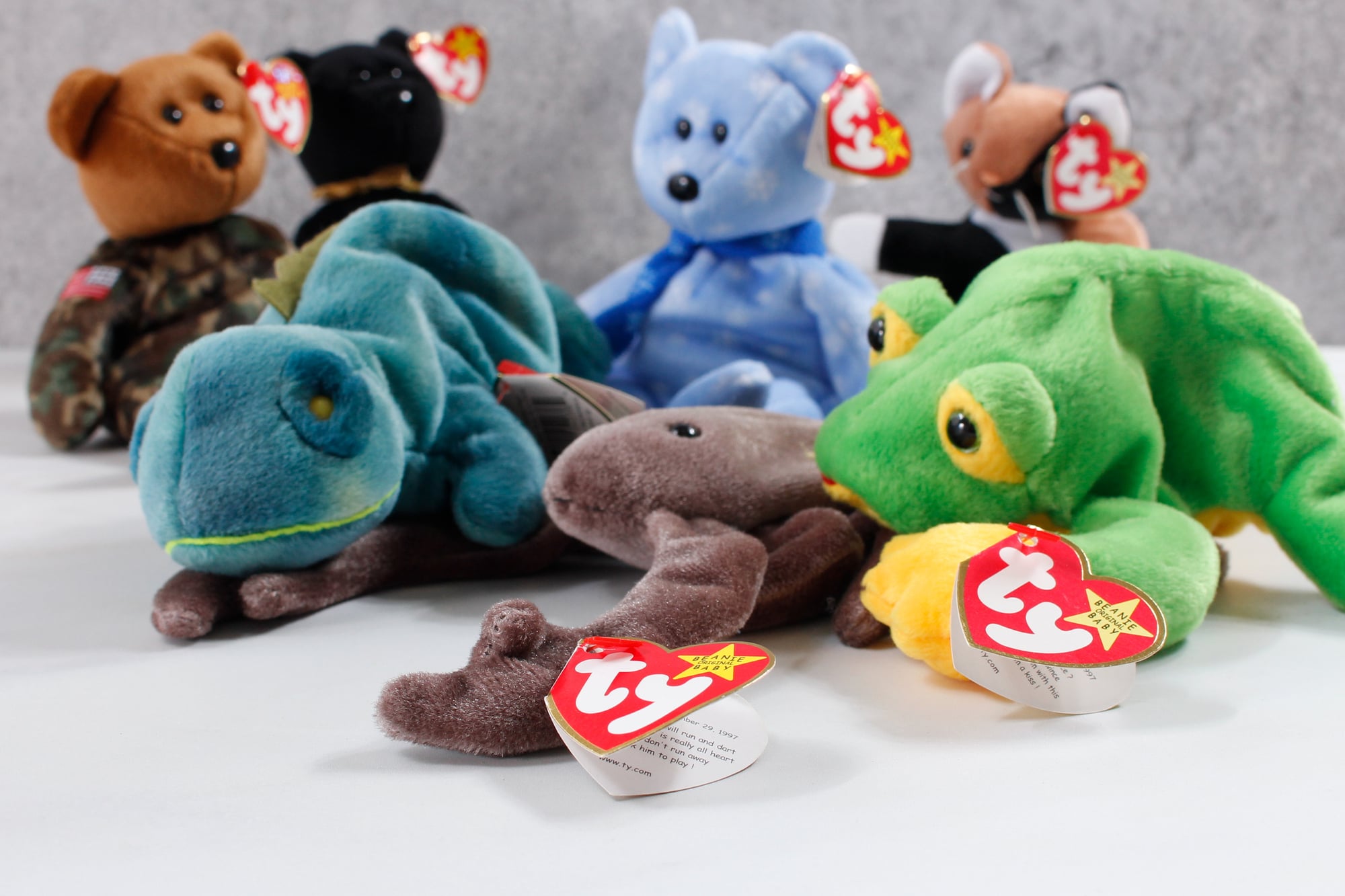
The whole Beanie Baby craze was built on artificial scarcity and speculation. Most of them are still worthless.
But certain rare bears — Princess Diana memorial bears with specific tag errors, or early Peanut the Elephant in royal blue instead of the later light blue — can sell for thousands. The catch is that condition matters enormously, and most Beanie Babies got loved to death by kids or stored improperly by adults who thought they were making smart investments.
Finding one with perfect tags, no fading, and the right combination of errors is like finding a needle in a haystack.
Original Star Wars Action Figures
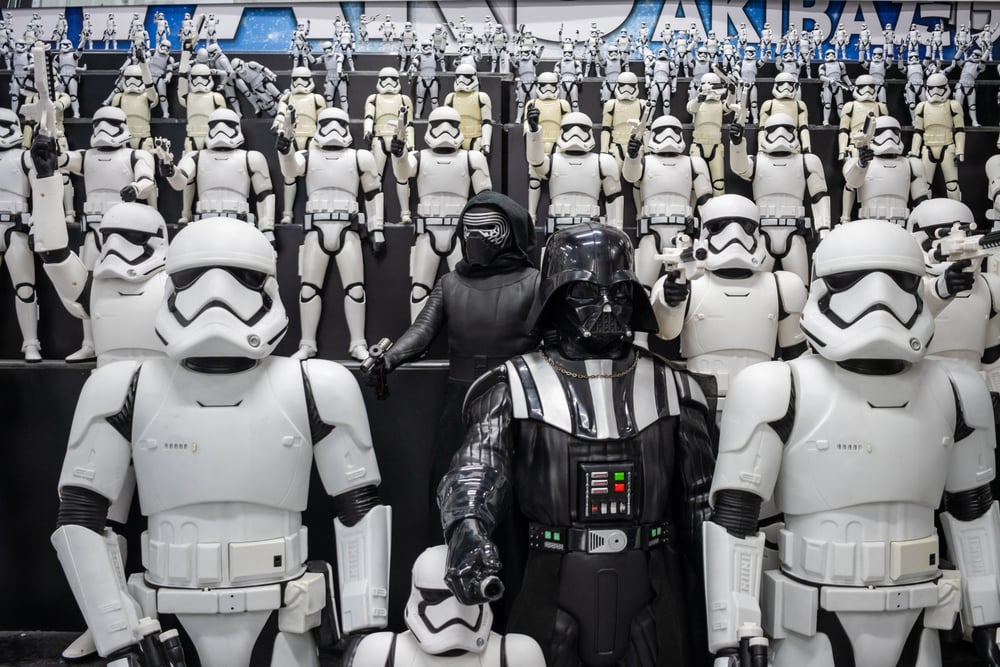
A mint-on-card Jawa with a vinyl cape sold for $28,000. The same figure, if a kid had opened the package and actually played with it, might be worth $20.
The packaging made all the difference, but what parent in 1977 thought to keep action figures sealed when their kid was begging to play with them? Most of these figures lived hard lives — stuffed in toy boxes, chewed on by dogs, or left in sandboxes.
The few that survived in collector-grade condition represent a tiny fraction of what was originally produced. Even figures in decent played condition can be worth hundreds, which means a lot of people threw away small fortunes during bedroom cleanouts.
Comics from Independent Publishers
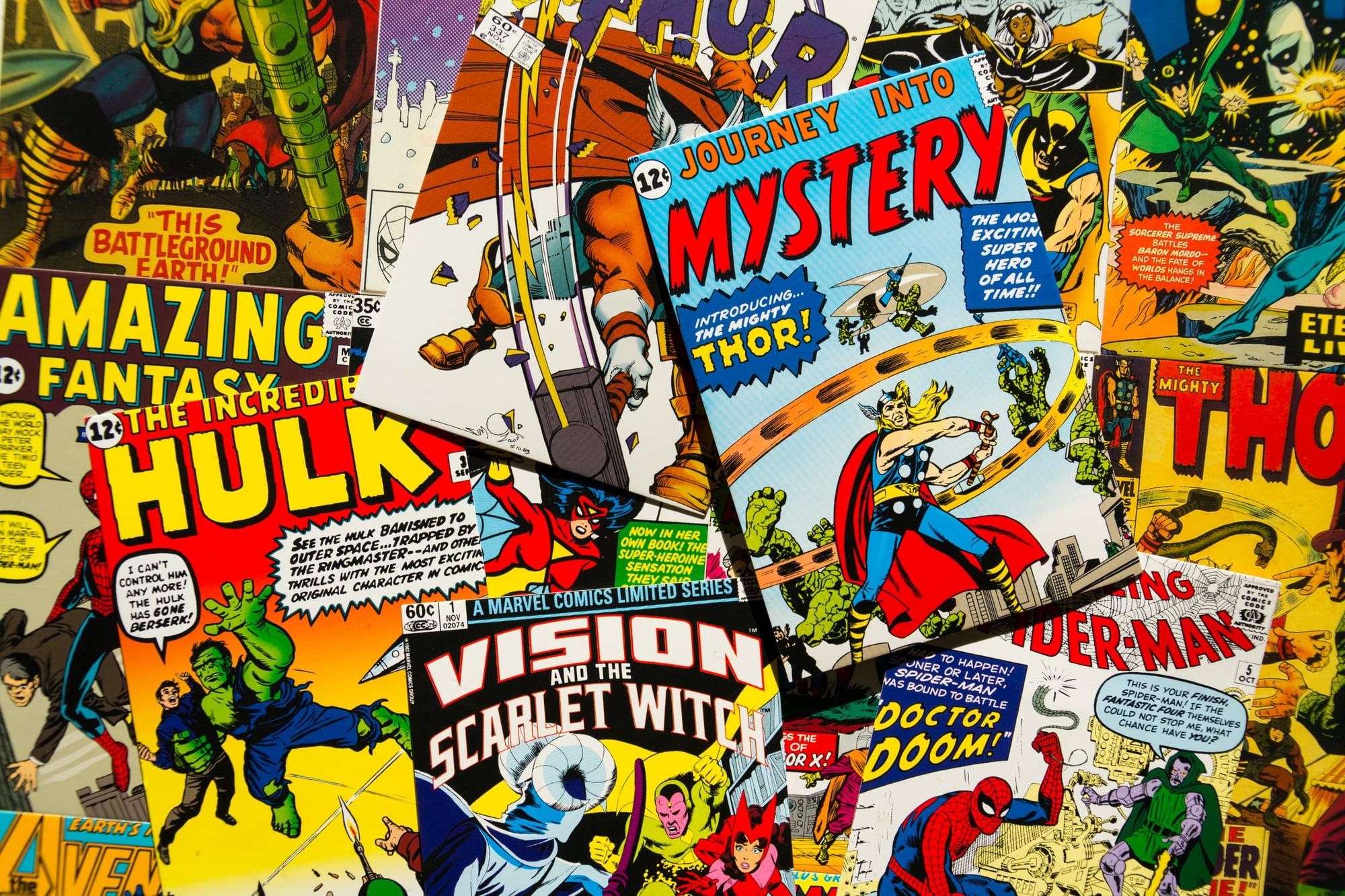
Everyone knows Superman #1 is valuable, but the real money was in weird independent comics that nobody took seriously at the time. Teenage Mutant Ninja Turtles #1 from Mirage Studios has sold for over $100,000 in top condition.
Cerebus #1, Bone #1, or early Image Comics can be worth thousands. These were the comics that comic shops couldn’t give away, that readers left in stacks, that parents threw out during moves.
The print runs were small, the paper quality was often poor, and most copies got read until they fell apart. The survivors are genuinely rare, not artificially scarce like the overprinted mainstream comics from the same era.
Video Game Systems and Accessories
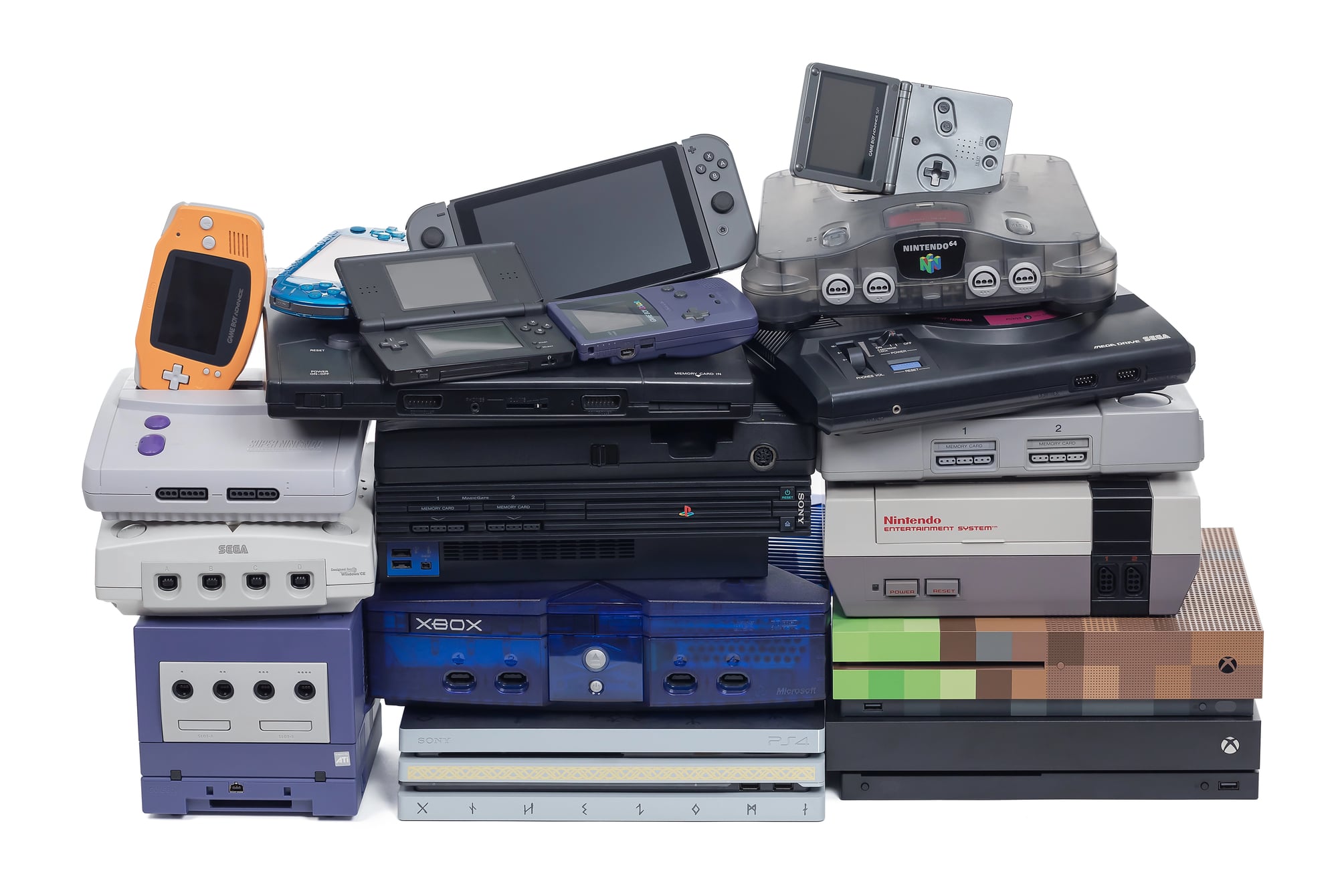
Certain variants of game systems have become incredibly valuable — a Sharp Nintendo Television from 1983 sold for $13,000, and prototype systems or rare color variants can command even more. The Neo Geo AES system, which cost $650 when it was new, now sells for thousands if it’s complete with controllers and documentation.
But the real money is in the accessories that seemed worthless at the time. Original controllers, especially for systems like the Atari Jaguar or 3DO, can sell for hundreds each.
Light guns, special controllers, or system-specific peripherals that got tossed when people upgraded are now the holy grail items for collectors trying to complete their setups. Most people kept the main console and threw away everything else.
Designer Toys and Limited Editions
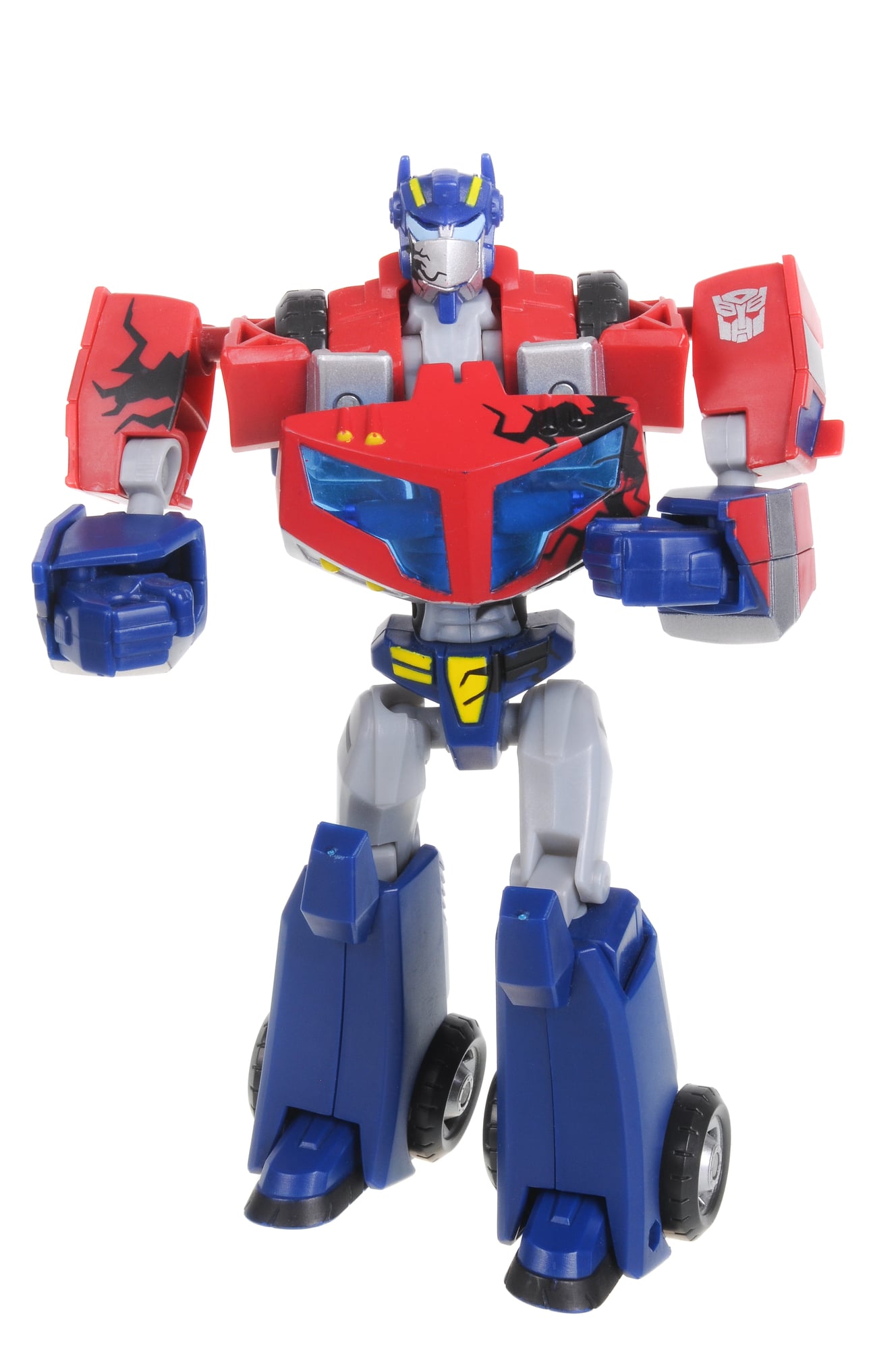
Certain action figures and collectibles from the ’90s have exploded in value, particularly Japanese imports and limited releases that had small production runs. Original Transformer G1 figures still in their boxes can sell for thousands, and rare variants or store exclusives can command even more.
The challenge is that most of these were bought as toys, not investments. Kids opened them, played with them, and lost the accessories.
Parents eventually cleaned out toy collections and donated boxes of figures to charity. The few that remained mint-in-package have become genuinely scarce, driving prices into the thousands for items that originally cost $20.
Early Computer Software and Games
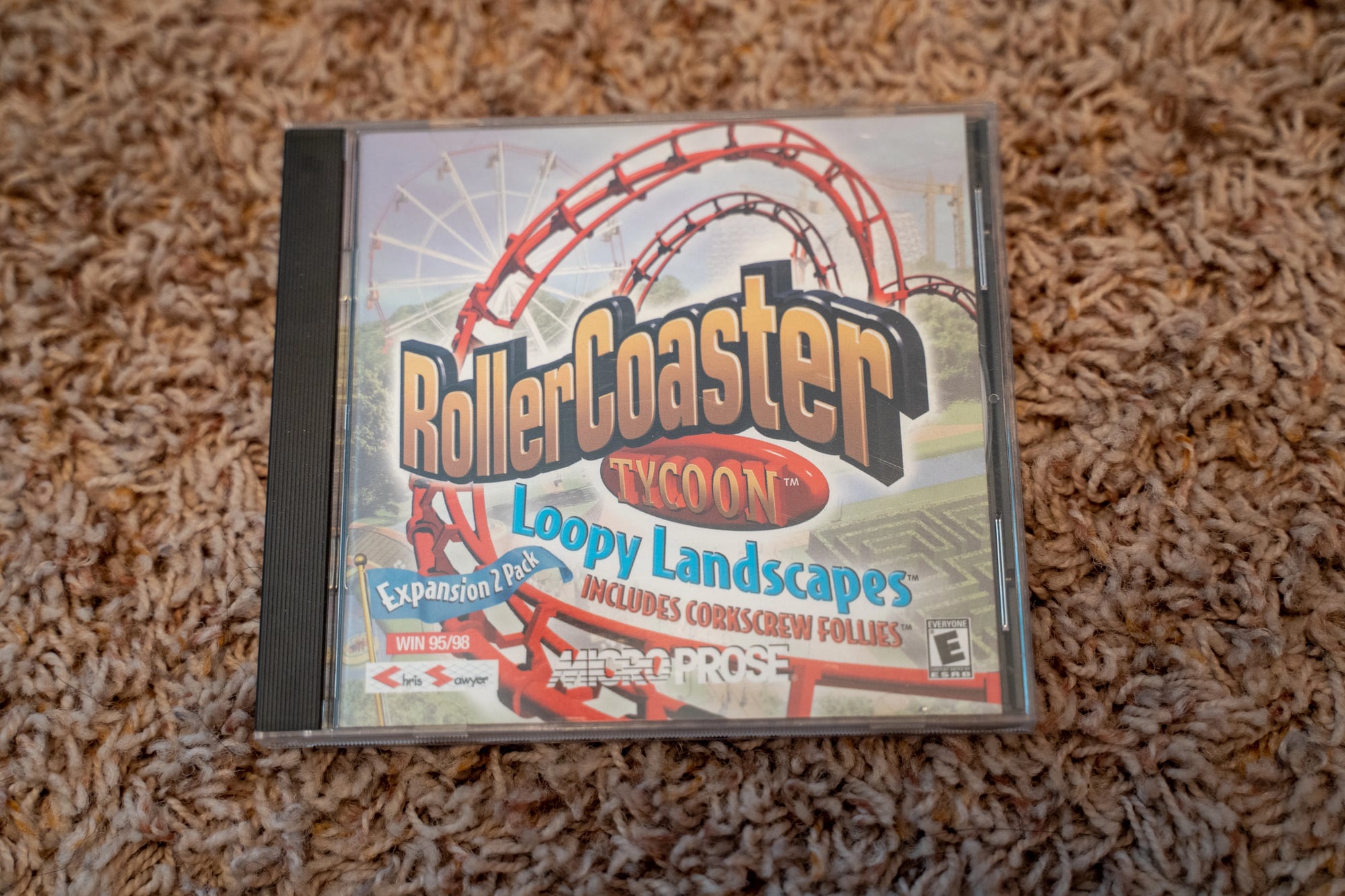
Shrink-wrapped copies of Windows 95, original Photoshop releases, or rare computer games can be worth hundreds or thousands to collectors and tech historians. The software might be useless now, but the packaging represents a specific moment in computing history that people want to preserve.
Most software got installed and the boxes went straight into the trash. Who keeps empty software boxes?
The few that survived complete with manuals, registration cards, and original media are valuable precisely because they’re so rare.
Vinyl Records from the Alternative Era
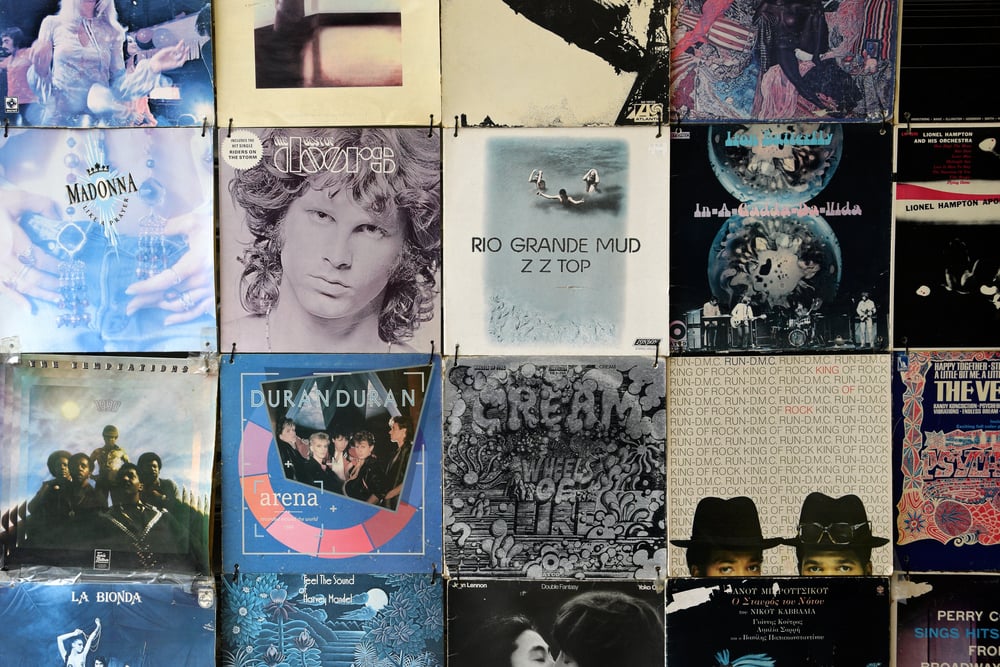
Early pressings of Nirvana’s Bleach on Sub Pop Records can sell for $1,000 or more, assuming they’re first pressings and in excellent condition. Many alternative and grunge albums that seemed worthless when CDs took over are now highly sought after by collectors who want the original vinyl experience.
The problem is that most vinyl from this era got played constantly, stored poorly, or sold cheap when people switched to digital formats. Finding copies without scratches, ring wear, or other damage is increasingly difficult.
Original pressing details matter enormously — later reissues are worth a fraction of the first releases.
Electronic Gadgets and Early Tech
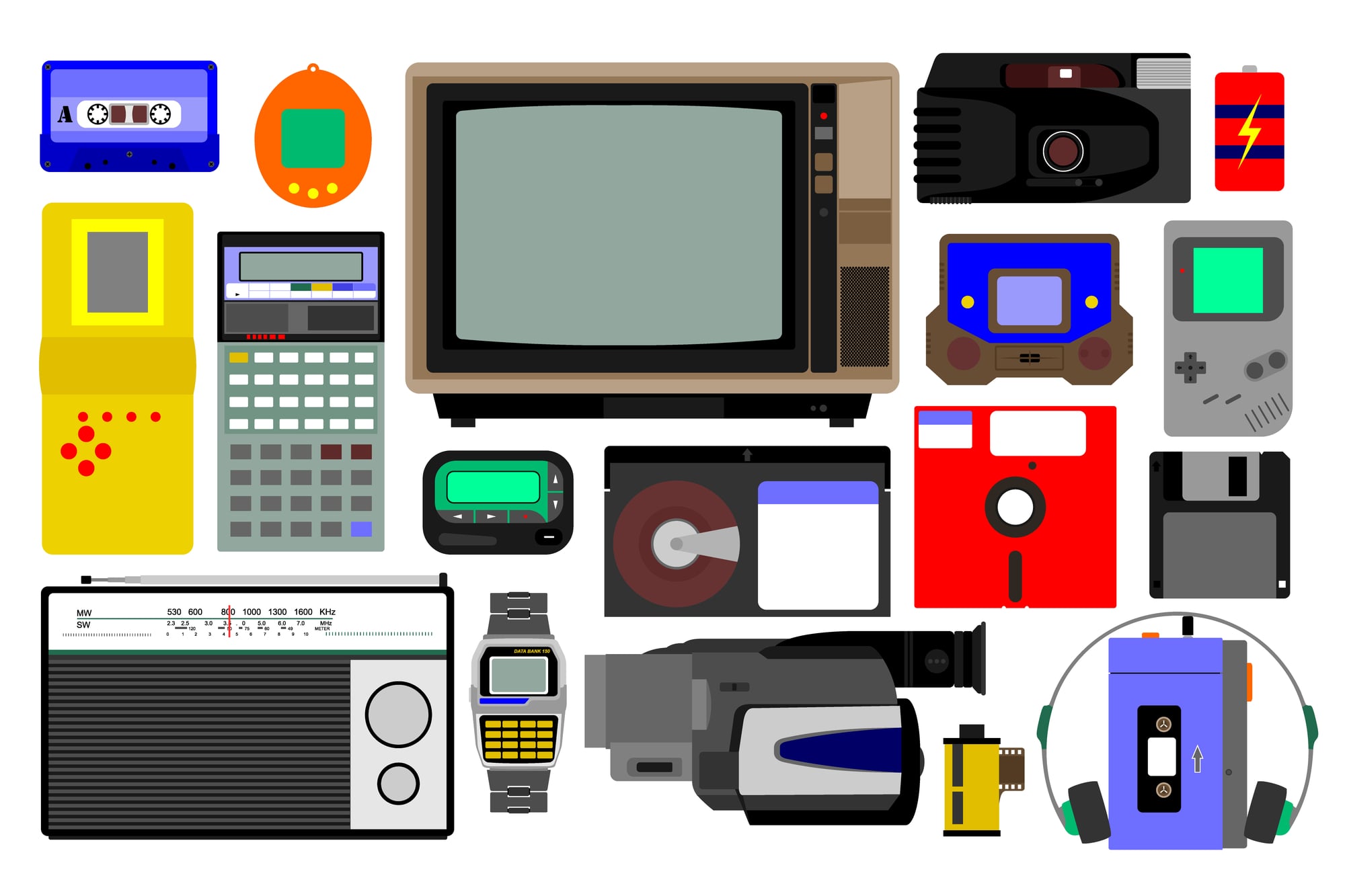
The original Game Boy in mint condition with its original packaging can sell for hundreds, but certain rare variants or prototype units can reach thousands. Early digital cameras, portable CD players, and other electronic gadgets that seemed obsolete the moment something better arrived are now prized by collectors who appreciate their place in technology history.
Most of these items got used until they broke, then replaced and discarded. The rapid pace of technological change meant people rarely held onto old electronics, even if they still worked.
Battery compartments corroded, screens cracked, and most examples that survived are in rough condition.
Sports Cards from Rising Stars
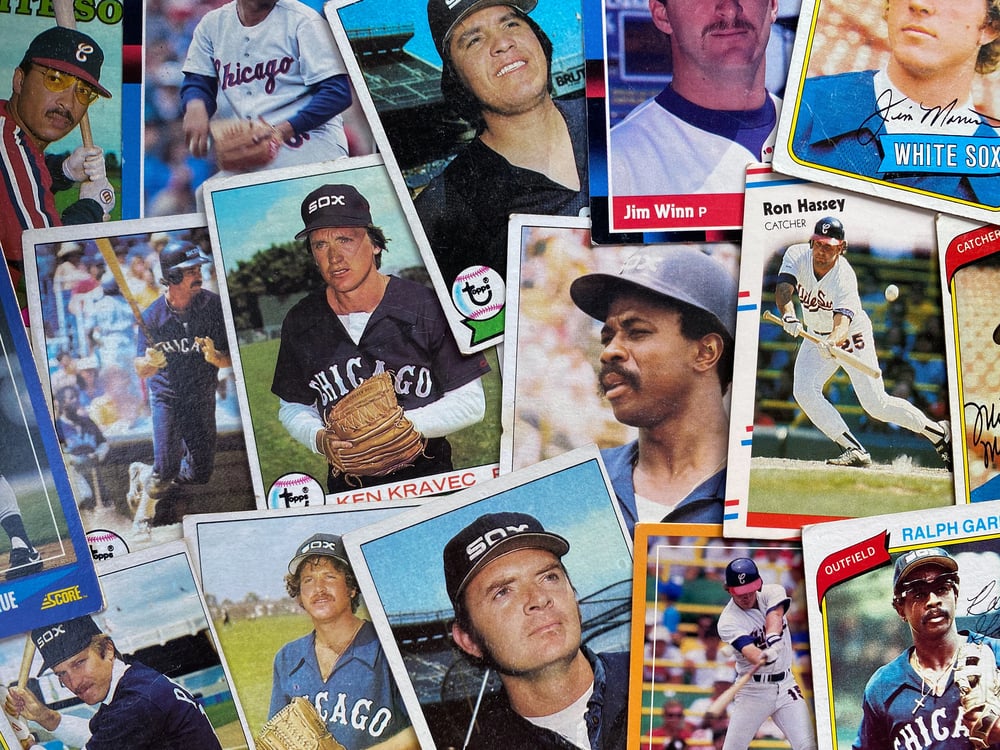
The 1993 SP Derek Jeter rookie card has sold for over $100,000 in perfect condition. Cards from players who became legends are worth serious money, but only if they were kept in mint condition from the moment they were pulled from packs.
Most cards got handled by kids who didn’t understand that fingerprints and bent corners would cost thousands in future value. The difference between a perfect card and one that’s slightly off-center or has minor wear is enormous.
Cards that seemed worthless when a player was still unproven can become gold mines if that player’s career takes off.
Handheld Electronic Games
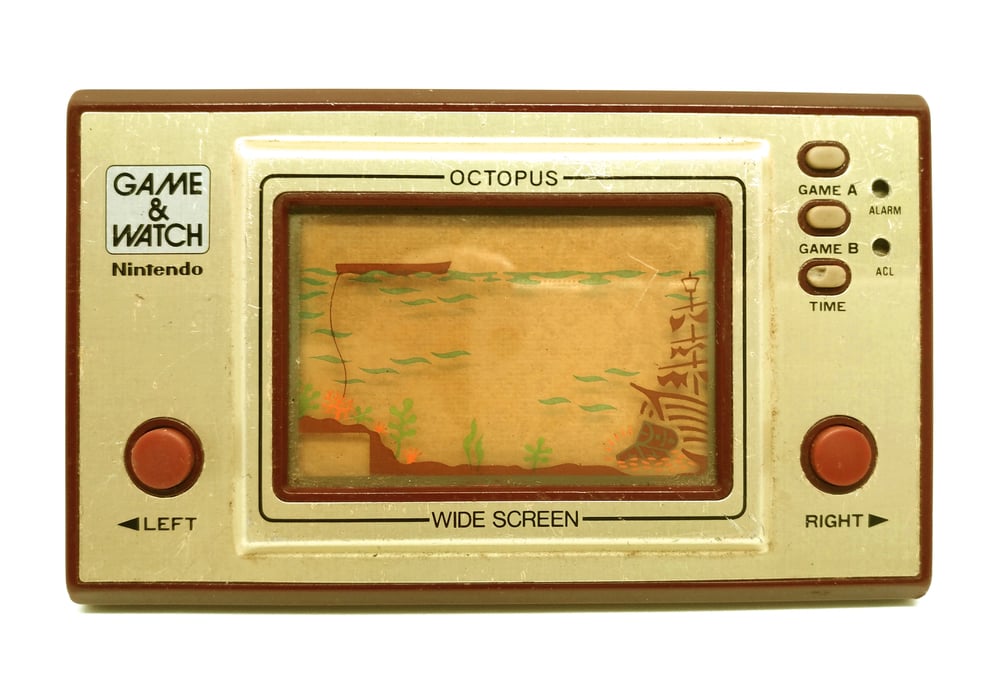
The original Game & Watch units from Nintendo, Coleco handheld games, and other portable electronic entertainment from the ’80s and early ’90s now sell for hundreds or thousands, depending on rarity and condition. These seemed like cheap toys at the time, but they represent the early evolution of portable gaming.
Most units had screens that faded, batteries that leaked, or cases that cracked. Finding working examples with clear screens and responsive buttons is increasingly difficult.
Complete units with original packaging and instructions are genuinely rare since most packaging was discarded immediately.
Movie and TV Memorabilia
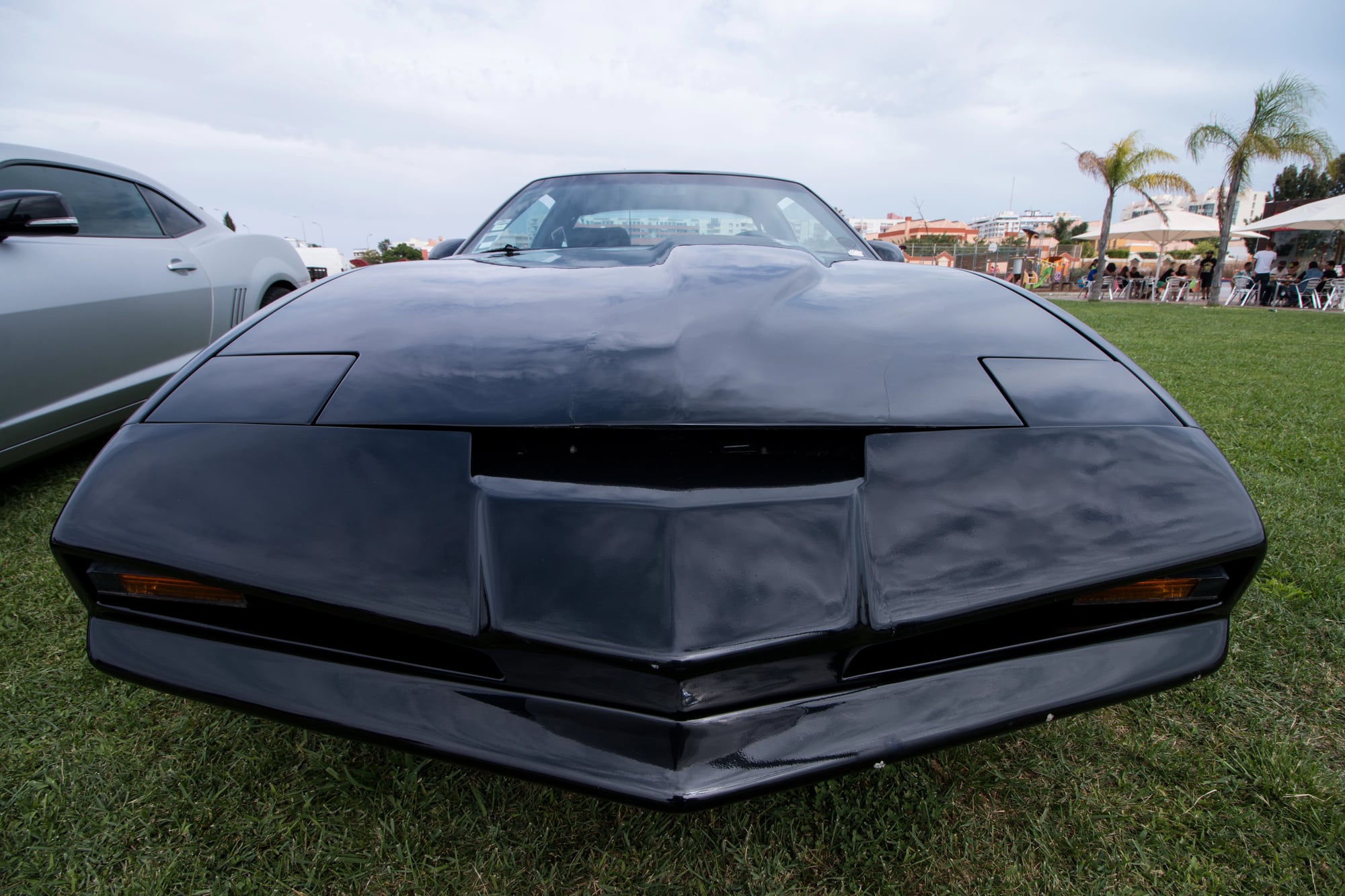
Original props, costumes, or promotional materials from ’90s movies and TV shows can be worth thousands, but most of this stuff was never intended for public sale. It ended up with crew members, got thrown away after productions wrapped, or was sold cheap at studio auctions that nobody thought to attend.
Even mass-produced promotional items like movie posters, standees, or press kits can be valuable if they’re from films that became culturally significant. The challenge is authentication — there are countless reproductions and bootlegs in circulation.
Original items with provenance are worth dramatically more than items with questionable histories.
Action Figures from Cult Franchises
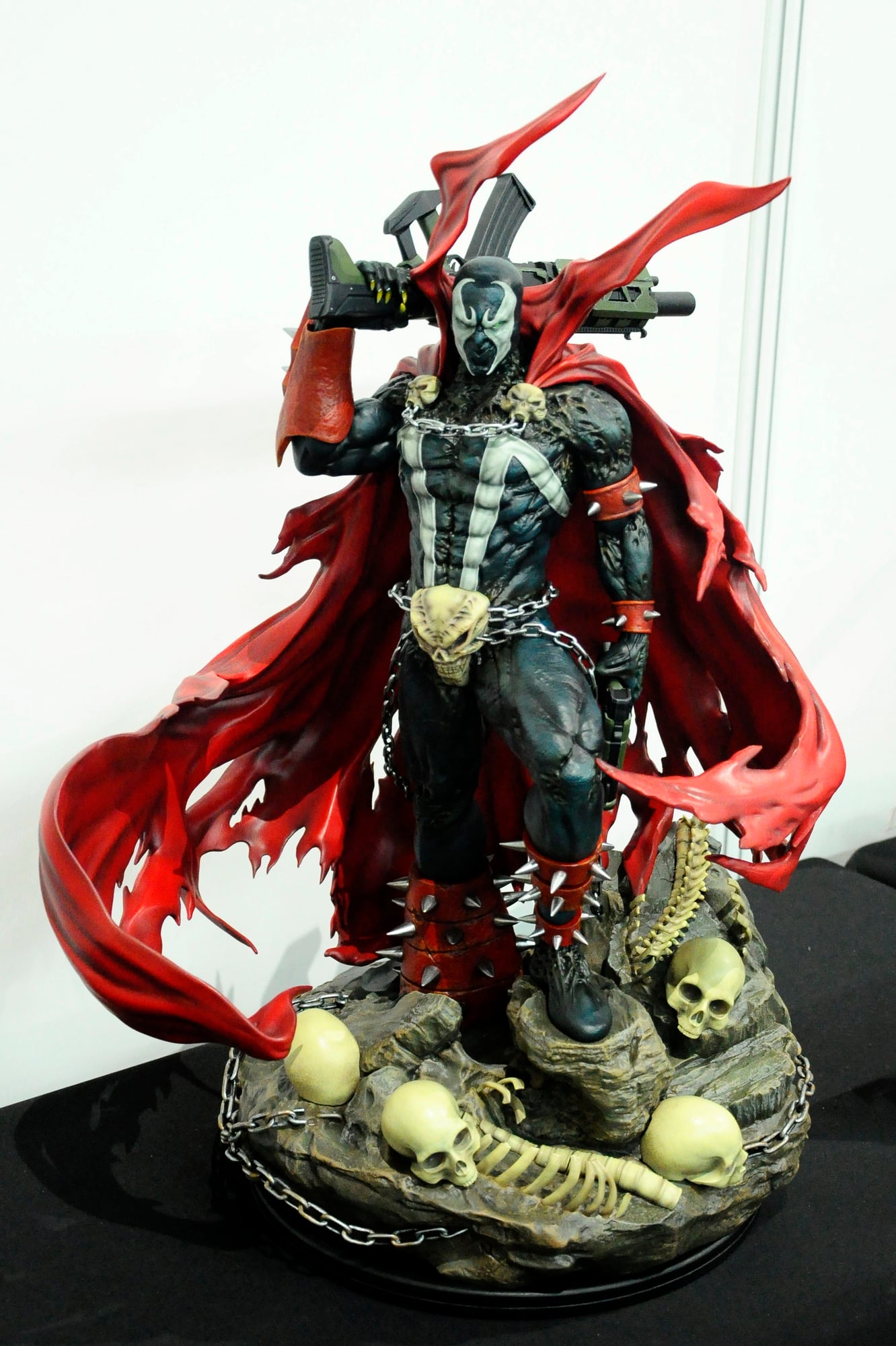
Figures from properties like Spawn, The Tick, or other ’90s franchises that had devoted but small fan bases can be worth hundreds or thousands if they’re rare variants or limited releases. Todd McFarlane’s Spawn figures, particularly the ultra-rare chase variants, can sell for serious money.
Most action figures were bought as toys and treated as such. They got opened, posed, and eventually broken or lost.
The collectors who kept figures mint-on-card or in protective cases were seen as weird at the time, but their restraint paid off. Complete sets with all accessories and packaging are especially valuable since most people lost small pieces over time.
The Weight of What We Kept
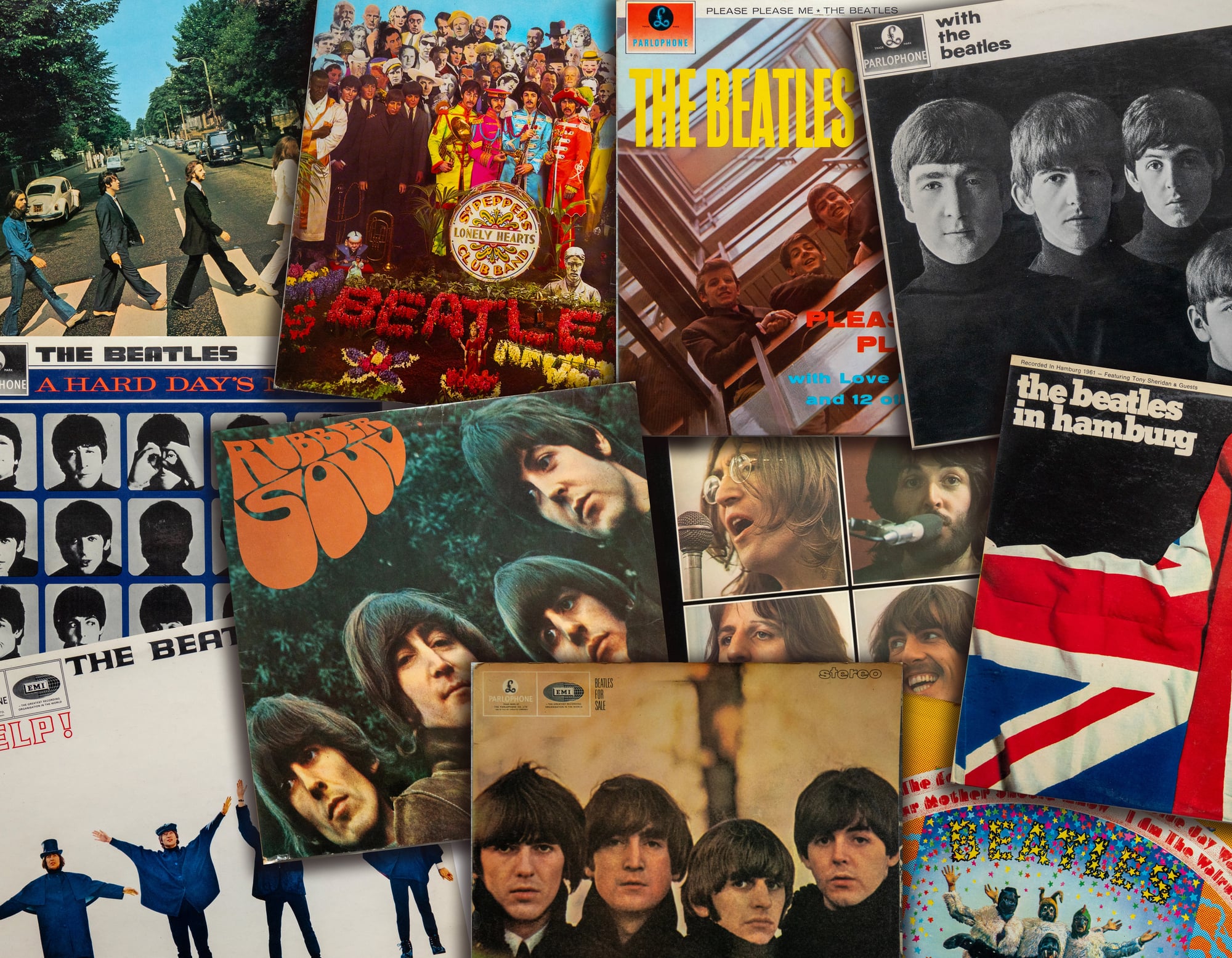
Maybe the lesson isn’t about the money that got thrown away, but about the stories those objects carried. Every discarded game cartridge was once the centerpiece of countless Saturday mornings.
Those worn concert shirts held memories of teenage summers and first dates. The action figures that ended up in garage sales once powered elaborate adventures in childhood bedrooms.
The tragedy isn’t that people missed out on future profits — it’s that the physical connection to those moments got lost. Some collector might pay thousands for a mint-condition item now, but they can never buy back the experience of being eight years old and discovering something magical for the first time.
More from Go2Tutors!

- The Romanov Crown Jewels and Their Tragic Fate
- 13 Historical Mysteries That Science Still Can’t Solve
- Famous Hoaxes That Fooled the World for Years
- 15 Child Stars with Tragic Adult Lives
- 16 Famous Jewelry Pieces in History
Like Go2Tutors’s content? Follow us on MSN.