Historic Moments from Cesar Chavez’s Activism
Out there among the rows of crops, Cesar Chavez became a shield for farm workers ignored by everyone else. Change didn’t come fast, yet his steady push reshaped how the country sees those who pick fruits and vegetables.
Quiet strength marked his path – grape boycotts spread far because he spoke plainly but carried deep conviction. Hunger strikes weren’t just protests; they were parts of his way to demand fairness.
Dignity grew louder through actions where others saw silence. Wages shifted slowly after years of standing firm without violence.
Bodies bent from fieldwork found new pride when he stepped forward unarmed except with resolve. What began with him went beyond a single person.
That ripple grew into something felt even now.
The Delano Grape Strike Begins

That September in 1965 changed everything after farmhands in Delano, California left the grape fields behind. Eight days afterward came Cesar Chavez alongside members of his newly formed United Farm Workers group, stepping right into the middle of it.
What started small grew longer than anyone expected – five full years unfolding without pause. It ranks among America’s most enduring work stoppages even now.
At first, those who owned the farms would not listen, yet the picketers stayed put anyway. Each household faced pressure, losing homes maybe, running low on money, pushed hard by unseen weight.
Launching the National Grape Boycott
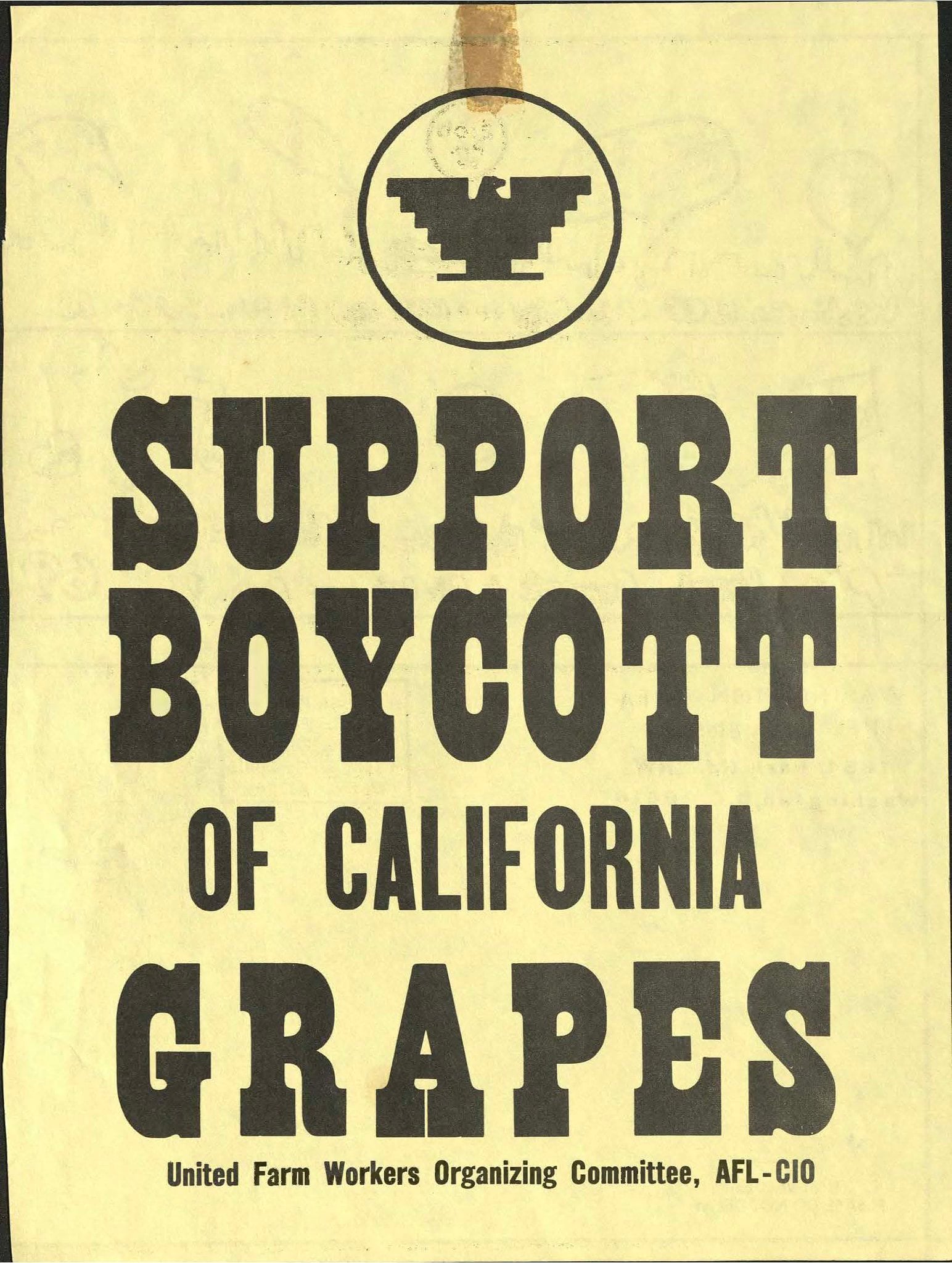
Chavez understood a strike wouldn’t win it, yet he aimed straight at U.S. consumers anyway. By 1967, his call went out: skip grapes unless field hands earned dignity.
Word raced – fast – from town centers into quiet neighborhoods, where households swapped ease for unity each time they shopped. From coast to kitchen table, millions moved as one, showing how dinner choices might shake even the largest farming empires.
The 340 Mile Walk to Sacramento

In March of 1966, Chavez set out from Delano with a handful of followers, moving slow on foot toward the capital city. Covering 340 miles across twenty-five sunlit days, each new town added more voices to their trail.
Blisters formed. Muscles burned. Still, newspapers couldn’t look away, nor could lawmakers stay silent.
When they finally climbed the stone stairs of Sacramento, crowds stretched far behind – thousands strong – where once there had been just a few determined souls. What began in dust became impossible to ignore.
Fasting for 25 Days

In February of 1968, Chavez gave up food, sipping just water for twenty-five days because he saw anger slipping into the fight. Though some followers worried it went beyond reason, he held tight to peaceful defiance as his guide.
Weakness crept through his frame, illness shadowed him, still – his hunger stood taller than words could. It whispered to laborers across fields: our power lives in courage, not fists.
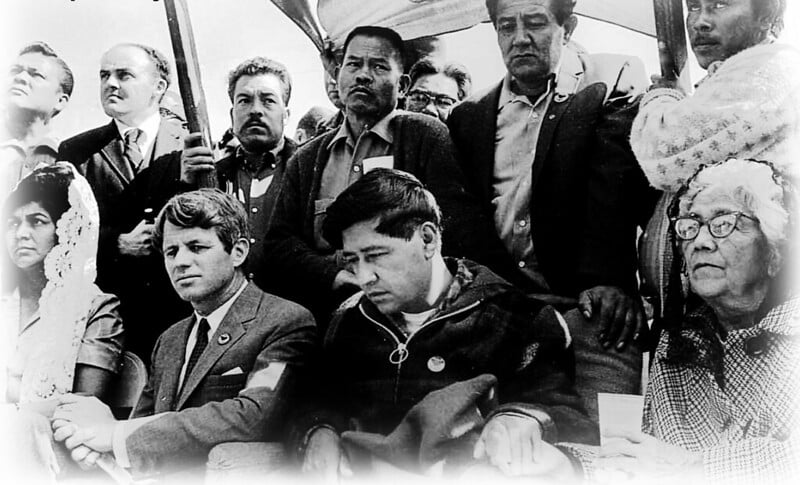
When at last he ate again, Robert Kennedy arrived beside him, cameras flashing, spotlight fixed on what had been silent.
Winning the First Union Contracts

That summer of 1970 turned things around after big grape farmers agreed to deals with the United Farm Workers. Because of those papers, people picking crops got higher wages, fewer dangers on the job, plus a chance to speak up where they worked – something new.
From rules about handling chemicals to having fresh water nearby while harvesting, it included what many U.S. laborers already took for granted. Cheers rang through neighborhoods as field hands realized their long struggle had shifted how things operated.
Fighting Dangerous Pesticides

Into the 1970s, Chavez began focusing on the sprays used both on farm plants and directly on field hands. Because of risks to health, he called on farmers to halt the use of the most dangerous pesticides – particularly where kids and expectant mothers stayed close to farmland.
Even as proof mounted against their safety, agribusiness insisted these substances had to stay. Still, marches formed under his lead, voices rose in public hearings, laws slowly shifted after years of pressure finally blocked certain deadly chemicals from state farms.
The Lettuce Boycott

Back in 1970, after lettuce farmers wouldn’t bargain honestly, Chavez started a fresh national boycott. Not like the grape campaign – this time things turned messy fast since lettuce rots if left too long.
Growers pushed back stronger, using every tool they had. Outside grocery stores, protesters formed tight lines while police moved in.
Chavez landed behind bars when he ignored a judge’s demand to halt the strike effort. Years passed before any real shift happened, showing how tough it is to keep momentum alive.
Each harvest season revealed new hurdles nobody saw coming.
Creating the Union’s Credit Union

Chavez understood that farm workers needed financial stability beyond just better wages. In 1974, the UFW established its own credit union to help members save money, get loans, and escape the cycle of debt many faced.
Traditional banks often refused to serve migrant workers or charged them unfair rates. The credit union gave workers a place where they were treated with respect and could build toward a more secure future for their families.
The Salad Bowl Strike

Arizona’s lettuce fields became a battleground in 1979 when thousands of workers walked out demanding union recognition. Chavez coordinated the strike across multiple farms, shutting down a huge portion of the winter lettuce harvest.
Growers brought in replacement workers and the situation got tense, with confrontations happening daily in the dusty rows between the crops. The strike showed that farm workers in different states were willing to stand together, even when it meant losing paychecks they desperately needed.
Testifying Before Congress
Chavez appeared before congressional committees multiple times throughout the 1970s and 1980s, speaking truth to power in Washington’s marble halls. He described conditions in the fields with simple, clear language that lawmakers couldn’t ignore or misunderstand.
These testimonies helped pass laws protecting farm workers from some of the worst abuses, though Chavez always said the laws didn’t go far enough. His calm but firm presence in those hearing rooms gave a face and voice to people who politicians typically forgot about.
The Second Grape Boycott

By 1984, Chavez had launched another grape boycott, this time focused specifically on pesticide exposure. He argued that consumers were also at risk from the chemicals growers used, not just the workers.
The boycott gained support from environmental groups and health advocates who hadn’t been involved in earlier farm worker campaigns. Chavez was in his late fifties by then, his health declining, but he traveled constantly to keep the pressure on growers and keep the public engaged.
Fasting Again at Age 61

In 1988, Chavez undertook another fast, this one lasting 36 days and focused entirely on pesticide dangers. His body couldn’t handle the strain like it had twenty years earlier, and doctors warned the fast might kill him.
Supporters begged him to stop, but Chavez insisted the issue was too important and needed dramatic action to break through public indifference. When he finally ended the fast, celebrities and activists lined up to continue shorter fasts in his honor, keeping the spotlight on the cause.
Building La Paz Headquarters

Chavez moved the union’s headquarters to an old tuberculosis hospital in the Tehachapi Mountains during the 1970s. The compound, called La Paz, became the movement’s heart, where strategy sessions happened and organizers trained.
Workers and volunteers lived simply there, sharing meals and working long hours for little or no pay. The remote location helped people focus on the mission without city distractions, though critics said it isolated Chavez from the fields and workers he was supposed to serve.
Organizing the Wrath of Grapes Tour

Chavez spent his final years traveling across America and Canada on the ‘Wrath of Grapes’ tour. He showed videos of children in farm worker communities suffering from cancer and birth defects linked to pesticide exposure.
The tour aimed to revive the grape boycott by connecting consumer choices to human suffering in a direct, visual way. Audiences saw disturbing images of sick kids and heard their parents’ stories, making the abstract issue of agricultural chemicals painfully real and personal.
Receiving the Presidential Medal of Freedom

President Bill Clinton awarded Chavez the Presidential Medal of Freedom in 1994, a year after his death. His widow Helen accepted the honor on behalf of a man who had spent his life fighting for people society often overlooked.
The ceremony recognized that Chavez’s work had fundamentally changed American labor relations and civil rights. Politicians who once ignored or opposed him now praised his legacy, though some farm workers pointed out that many of the battles Chavez fought were still ongoing.
Where the Movement Stands Now

Cesar Chavez died in 1993, but the United Farm Workers union continues advocating for agricultural laborers across the country. Modern farm workers face new challenges like immigration enforcement and climate change alongside old problems like low pay and poor conditions.
Chavez’s tactics of boycotts, marches, and peaceful resistance still inspire activists fighting for workers’ rights in fields, warehouses, and factories. His birthday became a state holiday in California and other states, ensuring new generations learn about the quiet man who changed America by refusing to stay quiet about injustice.
More from Go2Tutors!

- The Romanov Crown Jewels and Their Tragic Fate
- 13 Historical Mysteries That Science Still Can’t Solve
- Famous Hoaxes That Fooled the World for Years
- 15 Child Stars with Tragic Adult Lives
- 16 Famous Jewelry Pieces in History
Like Go2Tutors’s content? Follow us on MSN.