Modern Technologies Inspired by Leonardo da Vinci’s Drawings
Curiosity drove him more than titles ever could. Before factories rose, pages became home to gears and wings on paper.
Machines too far ahead lived only in ink and thought. Flight dreams took shape in drawings centuries early.
Armor meant for war rolled through imagination first. Breathing beneath water? He sketched it quiet and clear.
Even clockwork figures danced across margins. Not paint, but wonder pulled most of his time.
Centuries-old sketches already showed ideas way beyond their era. Though da Vinci didn’t often construct models, experts today see those designs weren’t imaginary.
Take a moment to examine eight current inventions sparked by his handwritten notes.
The Helicopter

An “aerial screw,” a spiral-shaped instrument intended to raise vertically into the air, is depicted in one of da Vinci’s most well-known drawings. The illustration, which dates to circa 1485, shows a sizable helical rotor composed of linen draped over a frame.
The idea was based on the idea that air behaved like a fluid that could produce lift when compressed. The basic concept is similar to the current helicopter rotor system, but flight was not feasible due to the materials and power sources available during his lifetime.
Da Vinci’s spiral concept is echoed in modern helicopters, which generate lift through aerodynamic force produced by rotating blades. Even though technology advanced significantly, his notebook already contained the fundamental goal of vertical flight without a runway.
The Parachute

Decades before parachutes were widely used, Da Vinci’s parachute design was first documented in his manuscripts. His sketch depicts a person hanging beneath a cloth canopy in the shape of a pyramid that is held up by wooden poles.
A person with such a device could safely descend from any height, he wrote. Modern parachutes used lighter materials and better-shaped canopies centuries later, but the fundamental idea was remarkably the same.
In 2000, a skydiver successfully tested a parachute built according to da Vinci’s specifications, proving that the Renaissance design could function. The experiment demonstrated how well he understood air resistance and gravity before the development of formal aerodynamics.
The Armored Vehicle

Among his military sketches is a drawing of a circular armored vehicle equipped with cannons arranged around its perimeter. The structure resembles a low, turtle-shaped tank with sloped sides designed to deflect incoming projectiles.
Inside, gears and cranks would allow operators to move the machine forward. The design contained mechanical flaws that would have prevented it from functioning as drawn, yet the concept anticipates modern armored vehicles.
Today’s tanks rely on internal combustion engines and advanced weapon systems, but the core idea of a mobile, protective combat platform appears clearly in da Vinci’s early concept. His vision combined mobility and protection centuries before modern warfare adopted that pairing.
The Diving Suit

Da Vinci’s fascination with water extended below the surface. In his notebooks, he sketched an early diving suit intended for underwater exploration and potentially naval sabotage.
The design included a leather suit, mask, and breathing tubes connected to floating air supplies at the surface. Modern scuba equipment is far more advanced, using compressed air tanks and regulators to allow independent movement underwater.
Still, the essential challenge da Vinci attempted to solve — sustaining human life beneath the surface — remains the same. His drawings reveal a keen understanding of the need for air management and waterproof sealing long before underwater engineering became a formal discipline.
The Self-Propelled Cart
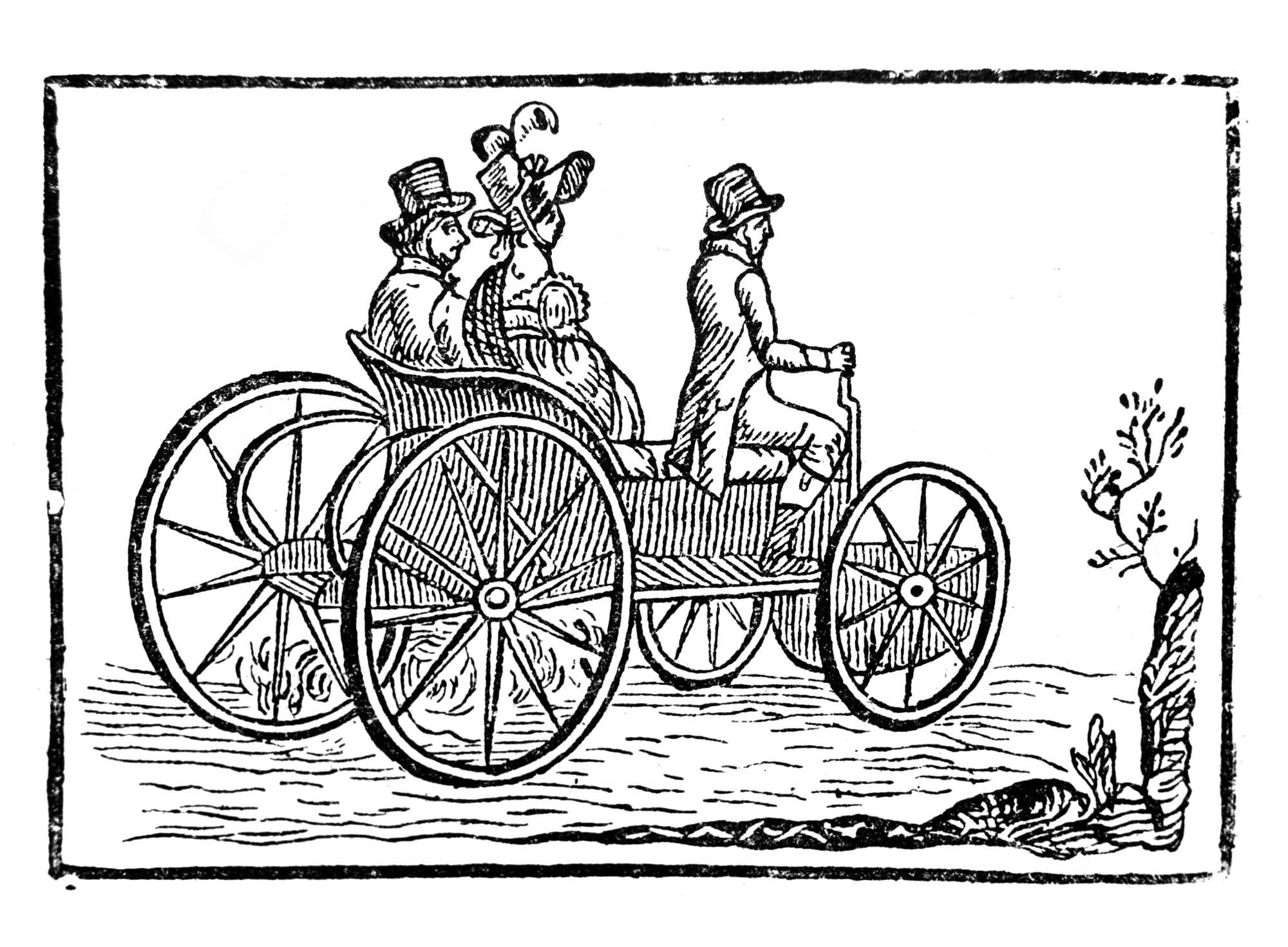
One of da Vinci’s lesser-known but remarkably forward-thinking sketches is a self-propelled cart powered by coiled springs. The design included programmable steering, allowing the cart to follow a predetermined path.
Some historians consider it an early conceptual ancestor of the automobile and even robotics. Modern cars rely on combustion or electric motors rather than wound springs, yet the principle of a vehicle moving independently without animal or human push is clearly established.
In recent years, engineers have built working models based on his design, confirming that the mechanism was feasible. The cart demonstrates that automation, even in its simplest form, occupied da Vinci’s imagination centuries before industrial machinery emerged.
The Robotic Knight
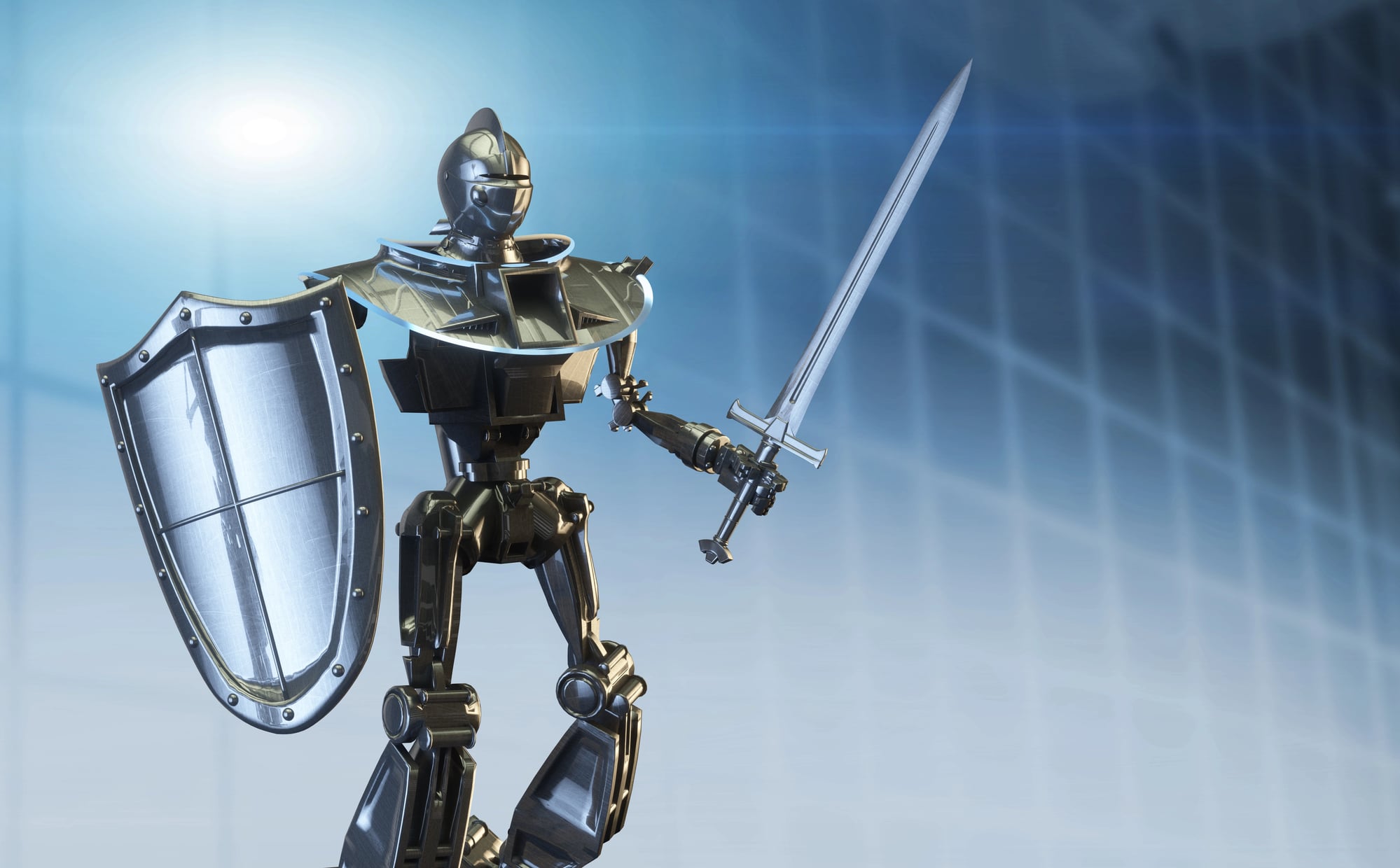
Around 1495, da Vinci designed what is often referred to as a mechanical knight. The sketches describe a humanoid figure capable of sitting, standing, moving its arms, and turning its head using an internal system of pulleys and gears.
Though no complete model from his lifetime survives, reconstructions based on his notes suggest the design could have worked. The robotic knight anticipates modern robotics in surprising ways.
It reflects an understanding of anatomy translated into mechanical movement, blending art and engineering. Today’s robots use sensors, motors, and software to achieve far greater complexity, but the core ambition — replicating human motion through machinery — appears vividly in da Vinci’s drawings.
The Ornithopter and Fixed-Wing Flight

Da Vinci sketched birds’ wings and examined how they produced lift as part of his obsessive study of birds. His ornithopter designs made an effort to use human-powered mechanisms to mimic flapping-wing flight.
Although the limitations of strength and weight made these machines impractical, the meticulous study of aerodynamics established the theoretical foundation. Although modern aircraft do not flap their wings, da Vinci’s questions are echoed in the knowledge of lift, drag, and airflow that forms the basis of aviation.
He repeatedly experimented with wing shapes and control mechanisms, as evidenced by his notebooks. The designs’ underlying scientific curiosity closely matched the concepts later developed by powered flight pioneers, even when the designs themselves turned out to be impractical.
The Mechanical Gear Systems
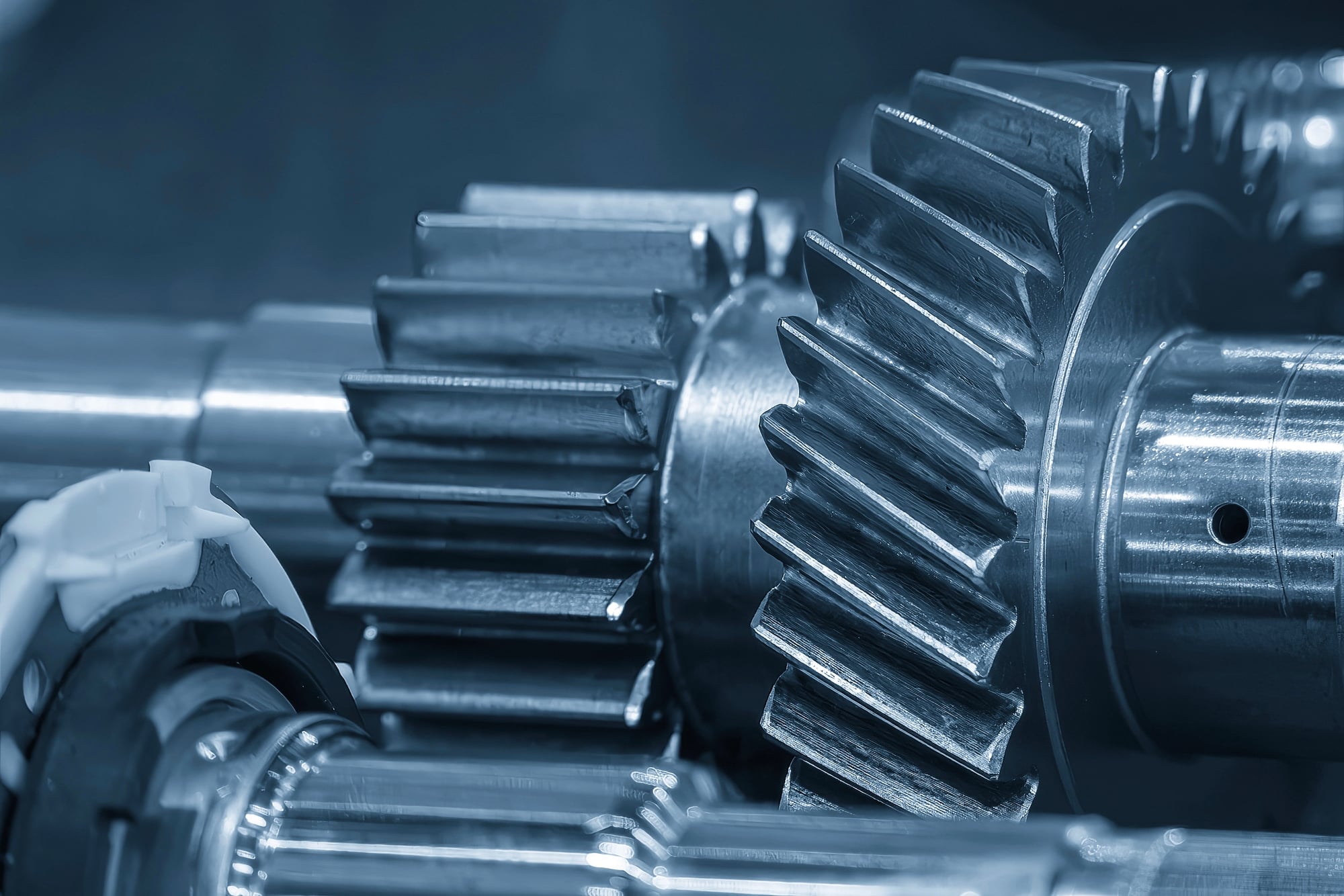
Scattered throughout his notebooks are intricate drawings of gears, bearings, and transmission systems. Da Vinci was fascinated by how rotational motion could be transferred and transformed through mechanical components.
He sketched differential gears and complex linkages that resemble mechanisms used in modern machinery. These systems form the backbone of countless technologies today, from automobiles to factory equipment.
While gears predated da Vinci, his refinements and combinations pushed mechanical understanding forward. He approached machinery not as isolated tools but as interconnected systems, a perspective that aligns with modern engineering practice.
Why His Vision Still Feels Contemporary

Not Leonardo da Vinci built helicopters, tanks, or robots for real. Yet what emerged from his hand mattered just as much – sketches so bold they ignored the rules of his time.
Pages filled with ideas showed a thinker unbothered by wood, metal, or how things worked back then. Imagination ran ahead, way ahead, of tools at hand.
Those drawings? Proof that thought can outpace invention. One thing stays unchanged, even as today’s builders work with powerful software, digital simulations, and teams across continents.
What fuels real change still comes down to daring to picture something unseen. Sketches by da Vinci last so long not just for their detail, but because they show how phones, planes, or robots might start as rough lines on paper.
That restless urge to ask why, then try anyway – it doesn’t gather dust behind glass. Instead, it shows up quietly whenever someone turns a strange thought into something real.
More from Go2Tutors!

- The Romanov Crown Jewels and Their Tragic Fate
- 13 Historical Mysteries That Science Still Can’t Solve
- Famous Hoaxes That Fooled the World for Years
- 15 Child Stars with Tragic Adult Lives
- 16 Famous Jewelry Pieces in History
Like Go2Tutors’s content? Follow us on MSN.