Strange Dishes Tourists Refuse to Try
Every culture has foods that locals consider normal but outsiders find revolting. You can travel anywhere in the world and find something that makes you question what counts as edible.
These dishes often have deep cultural significance or practical origins, but that doesn’t make them any easier to swallow when you’re staring at them on a plate.
Balut from the Philippines
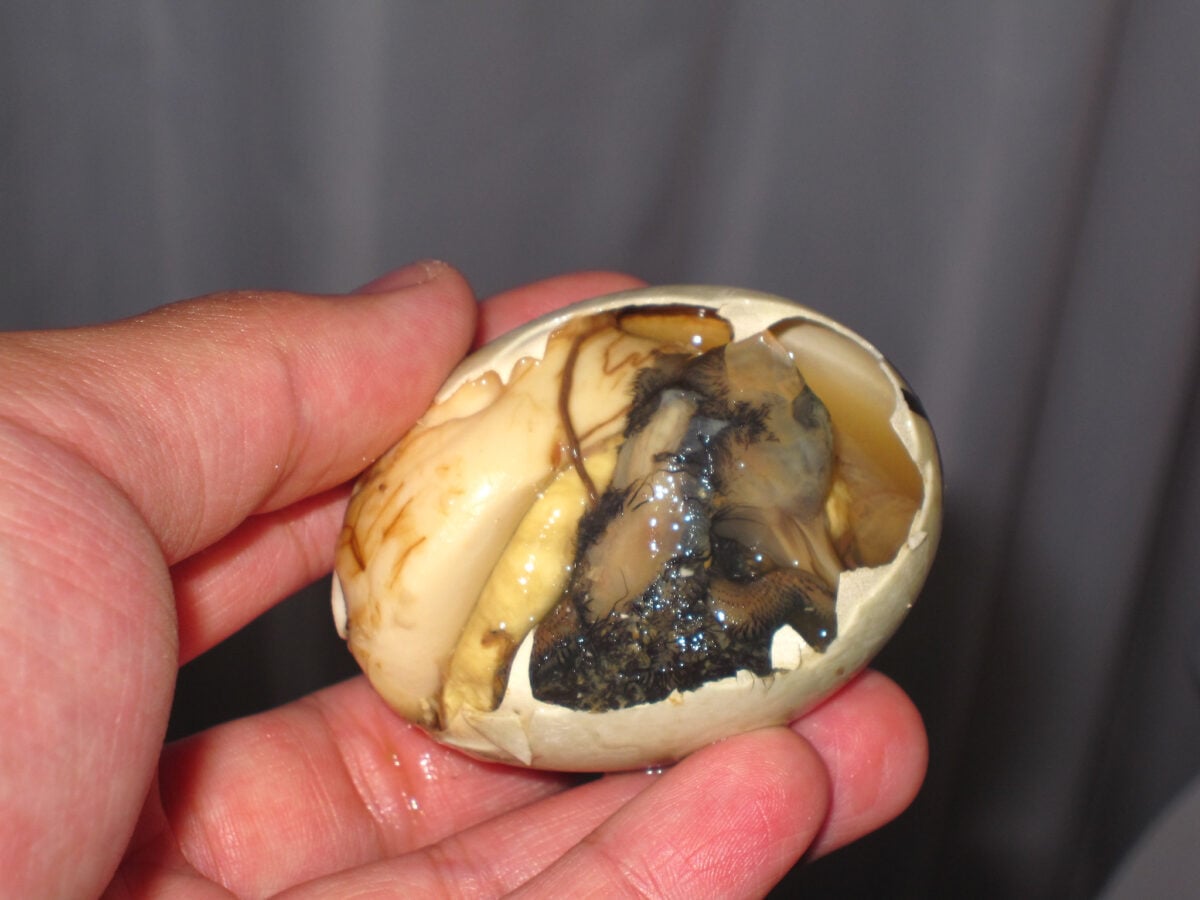
Balut is a fertilized duck egg that contains a partially developed embryo. You crack open the shell and eat everything inside—feathers, bones, and all.
Filipinos consider it a delicacy and a source of protein, often eating it with salt and vinegar. The texture and appearance stop most tourists immediately.
You can see the duckling’s features through the translucent membrane. The combination of solid and liquid textures, plus the visual of eating something that was almost a bird, creates a psychological barrier that few visitors overcome.
Street vendors sell balut throughout the Philippines, particularly at night. Locals insist the taste is mild and satisfying once you get past the concept.
Most tourists never make it that far.
Casu Marzu from Sardinia
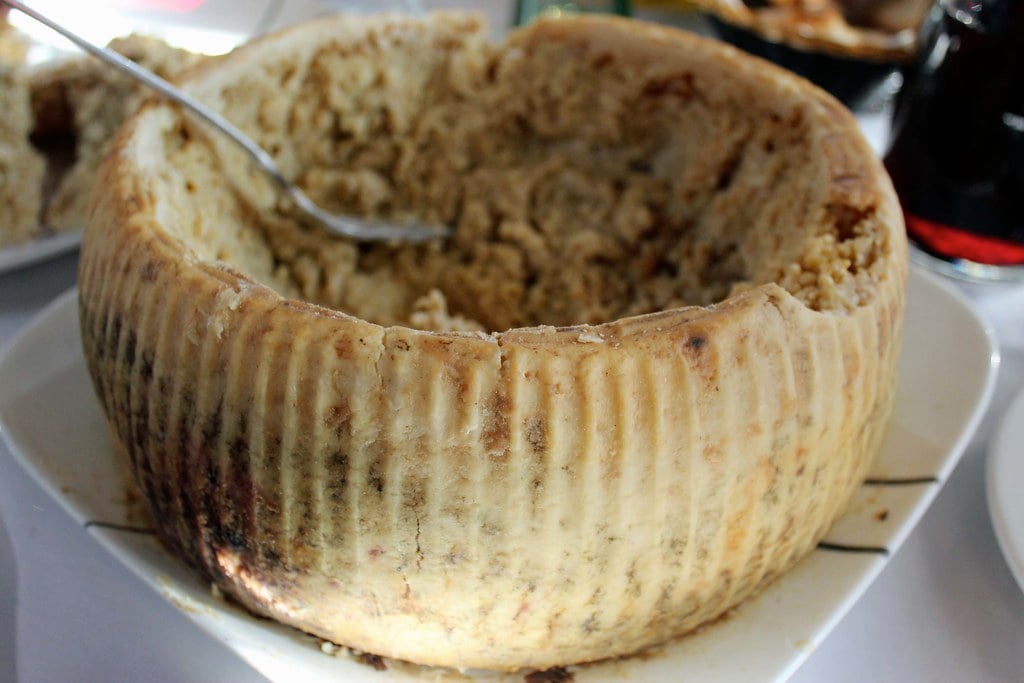
Sardinian cheese makers produce casu marzu by letting cheese flies lay eggs in pecorino. The larvae hatch and eat through the cheese, breaking down fats and creating a soft, creamy texture.
The result is cheese filled with live maggots. You’re supposed to eat it while the maggots are still alive and moving.
Dead larvae indicate the cheese has gone bad and become toxic. The maggots can jump several inches when disturbed, so experienced eaters cover the cheese while eating to prevent escape attempts.
The European Union banned casu marzu for health reasons, but Sardinians still make it traditionally. Tourists who even consider trying it usually stop when they see the maggots moving.
The cheese reportedly tastes pungent and intense, but most visitors never find out firsthand.
Hákarl from Iceland
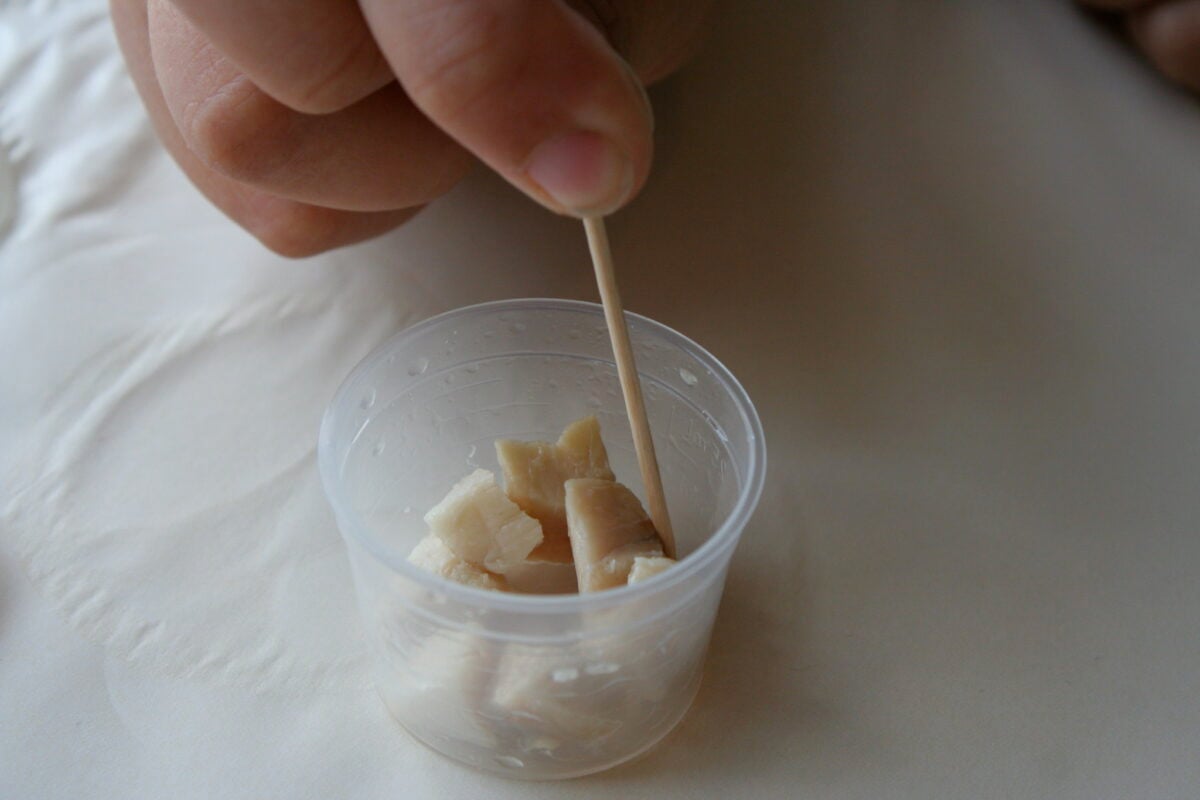
Icelanders preserve Greenland shark meat by burying it in gravel for months, then hanging it to dry for several more months. This fermentation process removes toxins that make fresh shark meat poisonous.
The result is hákarl—fermented shark that smells like ammonia and tastes worse. The smell hits you before you get close enough to taste it.
Descriptions compare it to cleaning products mixed with rotting fish. The flavor matches the smell, with a chemical burn sensation and fishy aftertaste that lingers for hours.
Icelanders traditionally ate hákarl out of necessity during winter when fresh food was scarce. Now it’s a cultural food that locals dare tourists to try.
Most visitors take one bite and immediately look for something to wash away the taste. Anthony Bourdain called it the worst thing he ever ate.
Escamoles from Mexico
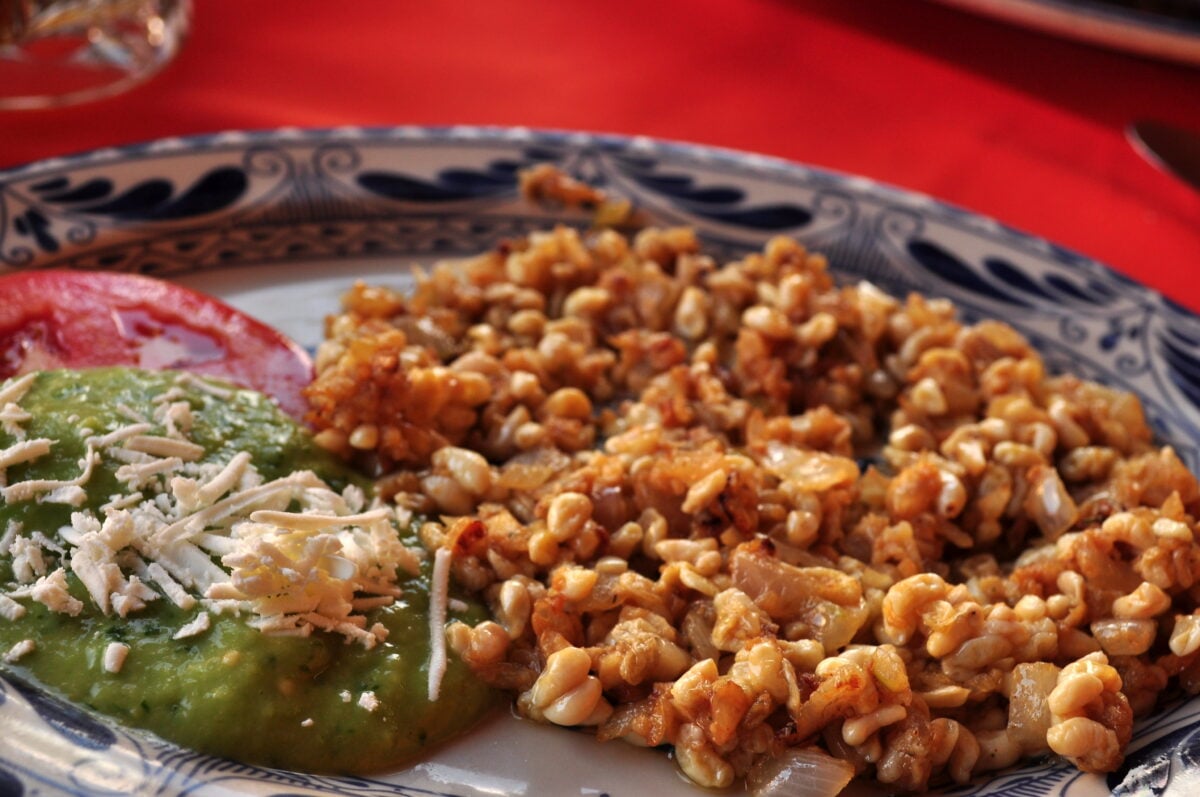
Mexican cuisine includes escamoles—ant larvae harvested from the roots of agave plants. The larvae have a nutty, buttery flavor and a texture similar to cottage cheese.
They’re expensive and considered a delicacy. The larvae come from giant black ants that bite aggressively, making harvest dangerous.
Collectors dig them up from underground nests and sell them to high-end restaurants. Chefs sauté escamoles with butter and spices, sometimes serving them in tacos.
Tourists who see the dish described as “insect caviar” might try it before learning what it actually contains. Those who know they’re eating ant larvae usually pass.
The texture and the knowledge of what you’re consuming combine to create resistance.
Sannakji from Korea

Korean sannakji consists of live octopus cut into small pieces and served immediately while the tentacles are still moving. The suction cups remain active and will stick to your mouth, throat, and tongue as you eat.
The dish poses genuine choking hazards. Several people die each year when tentacle pieces stick to their throats.
Diners need to chew thoroughly and remain aware that their food is actively trying to attach to their mouths. The taste is mild and slightly sweet, but the sensation of tentacles squirming in your mouth overwhelms any flavor considerations.
Most tourists watch locals eat it and decide to order something less mobile.
Stinkheads from Alaska

Yup’ik communities in Alaska traditionally prepare stinkheads by burying salmon heads in the ground for several weeks. The heads ferment underground, developing strong odors and flavors.
The result provides essential nutrients during winter months when fresh food is unavailable. The preparation process creates botulism risks if done incorrectly.
Modern health officials warn against traditional preparation methods, though some Alaska Native communities continue the practice using modified techniques that reduce contamination risks. The name alone discourages tourists from trying this dish.
Those who get close enough to smell it usually back away quickly. The fermentation creates powerful odors that penetrate clothing and linger in spaces long after the food is gone.
Century Eggs from China
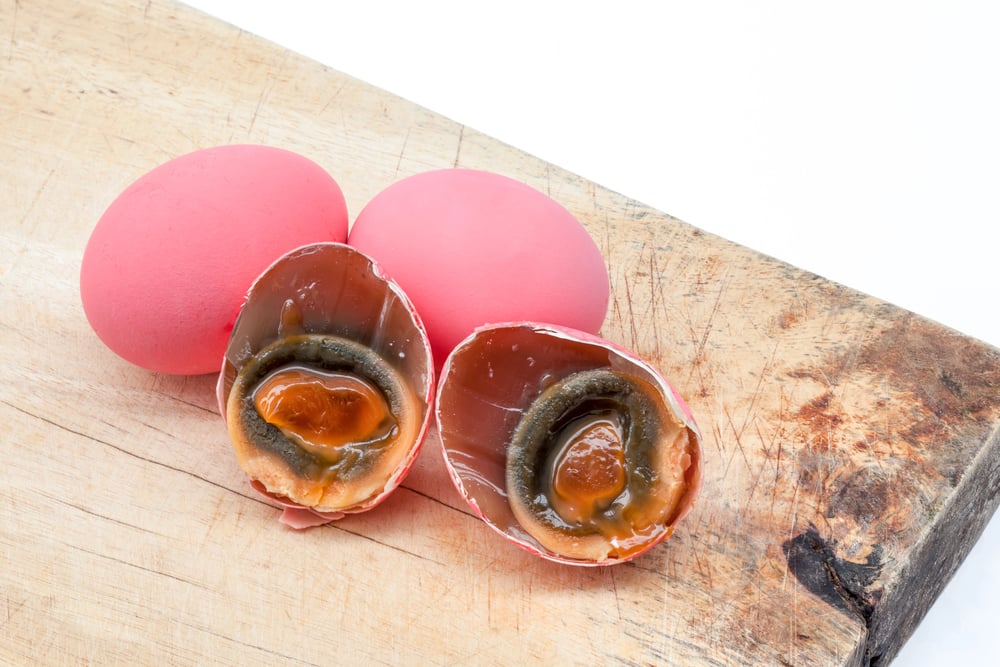
Chinese century eggs are preserved in clay, ash, salt, and quicklime for weeks or months. The process turns the egg white into a dark, translucent jelly and the yolk into a creamy, greenish substance.
The name suggests they’re aged for a hundred years, though the actual time is much shorter. The eggs develop a strong ammonia smell and acquire complex flavors—salty, creamy, and slightly sulfurous.
They’re often served with pickled ginger and soy sauce to balance the intense taste. The appearance stops most tourists before they taste anything.
The black, jelly-like whites look alien and unappetizing. Those who try century eggs often describe the experience as interesting but not particularly pleasant.
Few visitors actively seek them out.
Witchetty Grubs from Australia

Indigenous Australians traditionally harvested witchetty grubs—large white larvae that live in the roots of witchetty bushes. The grubs provide protein and fat in harsh desert environments.
They can be eaten raw or cooked over fire. Raw witchetty grubs reportedly taste like almonds with a creamy texture.
Cooked grubs develop crispy skin with a soft interior similar to chicken. The nutritional value is substantial, making them an important traditional food source.
Tourists look at these fat, segmented larvae and generally refuse to consider them food. The visual similarity to creatures people find in their gardens or basements creates immediate revulsion.
Even adventurous eaters often draw the line at witchetty grubs.
Shirako from Japan
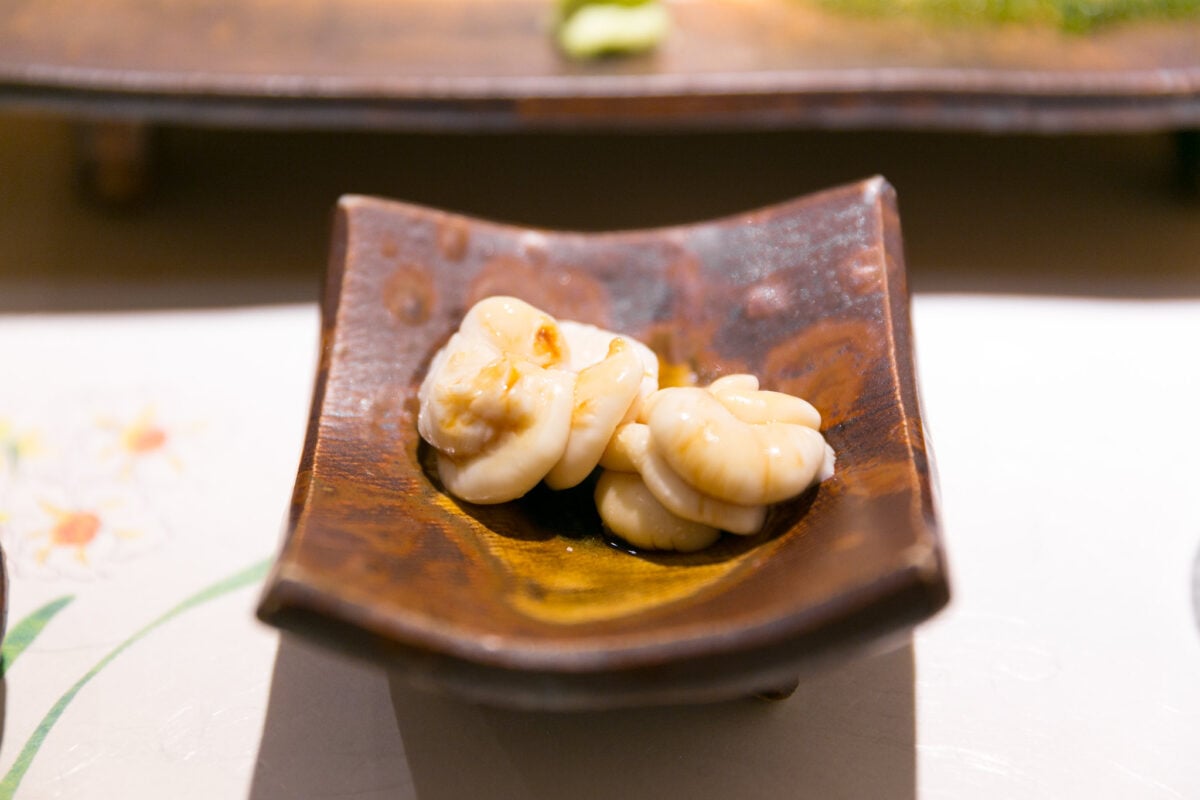
Japanese restaurants serve shirako—fish sperm sacs from cod or other fish. The dish looks like small brains or glands and has a creamy, custard-like texture.
High-end restaurants present it as a delicacy, often lightly fried or steamed. The taste is mild and slightly sweet, with the texture being the main characteristic.
Shirako dissolves on the tongue, leaving a rich, creamy sensation. Japanese diners prize it for this unique mouthfeel. Most tourists order it accidentally, not understanding menu descriptions.
Once they learn what they’re eating, many lose their appetite immediately. Even when explained beforehand, few visitors voluntarily choose to eat fish reproductive organs.
Cuy from Peru

Peruvian cuisine includes cuy—roasted guinea pig served whole on a plate. The preparation leaves the animal recognizable, complete with head, feet, and sometimes teeth showing.
Andean communities have raised and eaten cuy for thousands of years. The meat tastes similar to rabbit or dark chicken meat.
It’s lean, flavorful, and high in protein. Peruvians celebrate special occasions with cuy, considering it festive food rather than everyday fare.
Tourists from cultures where guinea pigs are pets struggle to see them as food. The presentation style, with the whole animal on the plate, makes it harder to mentally separate the dish from the cute pet. Most visitors take photos but don’t eat.
Lutefisk from Scandinavia
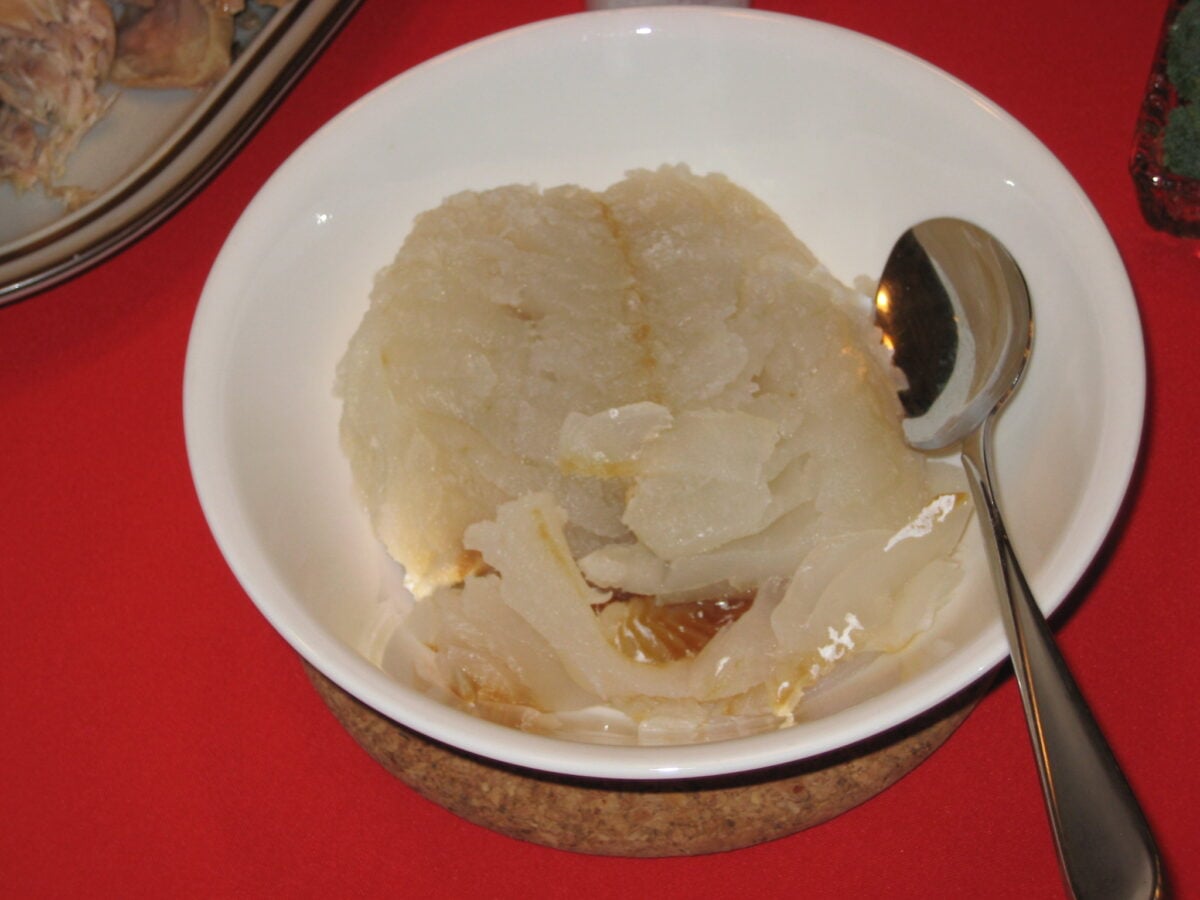
Scandinavian countries prepare lutefisk by soaking dried whitefish in lye for several days, then soaking it in water to remove the lye. This process creates a gelatinous, translucent fish with a very soft texture and distinctive smell.
The texture is the main challenge—lutefisk is so soft it barely holds together. The lye treatment breaks down proteins until the fish becomes almost liquid.
The smell is powerful, filling rooms and clinging to everything. Scandinavian-Americans maintain lutefisk traditions, serving it at church dinners and holiday meals.
Many younger Scandinavians have never tried it and don’t plan to. Tourists rarely seek out lutefisk, and those who try it usually do so once for the experience.
Fugu from Japan

Japanese restaurants serve fugu—pufferfish that contains deadly toxins in certain organs. Chefs must train for years and pass rigorous exams to legally prepare fugu.
Even tiny amounts of the toxin cause paralysis and death within hours. When properly prepared, fugu is completely safe and has a delicate, subtle flavor.
The texture is firm and slightly chewy. Diners pay premium prices partly for the taste but mostly for the thrill of eating something potentially deadly.
The risk deters most tourists even though deaths are extremely rare. Licensed chefs know exactly how to remove toxic parts safely.
But the knowledge that any mistake could be fatal keeps many visitors ordering safer options.
Surstromming from Sweden
Open one of these tins, out rushes a stench strong enough to send folks running – sometimes straight to the bathroom. Inside, tiny fish slowly break down through fermentation, a process that does not stop once sealed.
Gas builds up during this time, causing the container to puff outward like it’s breathing. Found in Sweden, this version of herring carries a reputation few foods match when it comes to nose-stinging power.
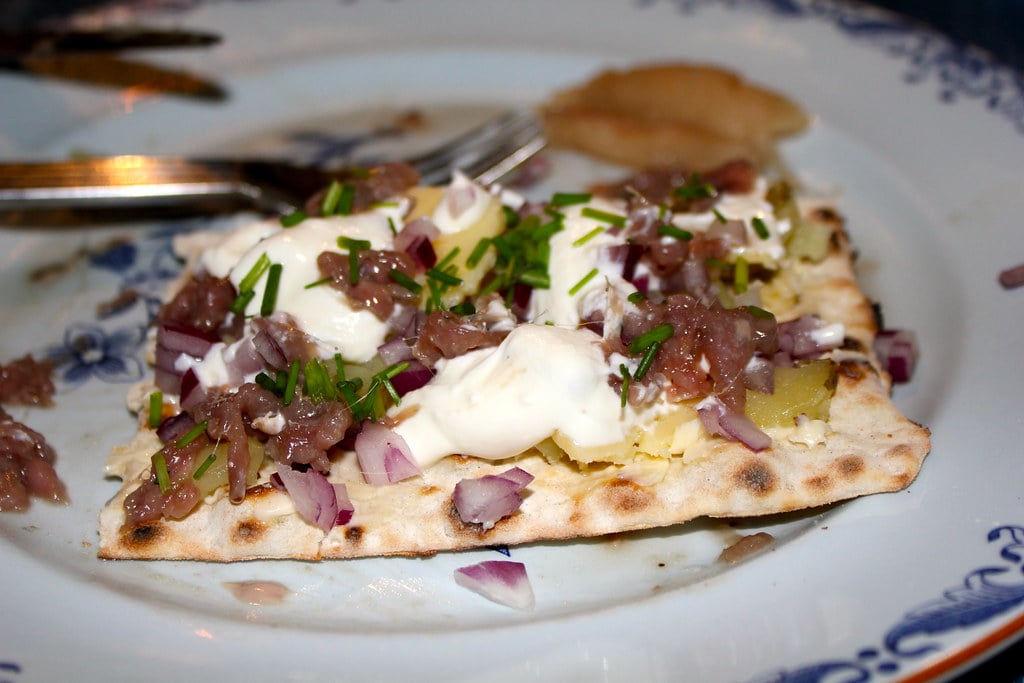
Outdoors is where Swedes usually crack open surströmming – indoor air just can’t handle that punch. Flatbread carries the fish, joined by potatoes, then onions tagging along, each bite softened a little by their mix.
Cans under pressure could burst, so airlines refuse to carry surströmming. In Sweden, some renters lost their homes after cracking one open inside.
Rotting eggs mixed with bleach – that is how the smell hits most people. When tourists see the can pry apart, they often leave fast, even if no one offers them a bite.
Food as Cultural Conversation
Out there, odd meals show just how much flavor gets shaped by where you’re raised. From a young age, someone taught you which things belong on a plate and which do not.
It all seems normal – until you meet people who eat entirely different stuff without blinking. That thing turning your stomach?
Someone else eats it without thinking. Fermented shark stinks to high heaven – yet it’s a point of pride in Iceland.
Octopus wiggling on the plate scares you half to death – meanwhile, it’s Tuesday night in Seoul. Your reaction isn’t really about taste.
It’s where you grew up showing through.
Crossing Lines Drawn in Childhood

Strange what clicks later. People dead set against eating insects might try ant larvae and pause, surprised.
A whiff that once repelled can start to intrigue – like century eggs sneaking past old guards. Discomfort rarely lives in the taste itself. It roots deeper, shaped long ago by routine and lessons learned at home.
Still, there’s a purpose behind limits. Liking Korea doesn’t mean eating a squirming octopus.
Respecting Iceland won’t require chewing rotten sharks. How much a person tolerates depends on their own edge.
That boundary shifts from one individual to another – steady, unspoken, personal. Even when some visitors miss particular meals, the foods remain – rooted deep in culture and soil.
Flavors rise from earth, echo old moments, carry whispers of ancestors’ days. Skipping them does not erase their meaning.
One just wanders with different flavors on the tongue. Still, that journey holds value.
More from Go2Tutors!

- The Romanov Crown Jewels and Their Tragic Fate
- 13 Historical Mysteries That Science Still Can’t Solve
- Famous Hoaxes That Fooled the World for Years
- 15 Child Stars with Tragic Adult Lives
- 16 Famous Jewelry Pieces in History
Like Go2Tutors’s content? Follow us on MSN.