18 Fascinating Professions From The Last Century
One century changed more than gadgets and habits – work itself took on new shapes without fanfare. Jobs popped up, lived full lives, sometimes vanished entirely, their traces now seeming strange.
Necessity sparked certain careers. Innovation gave rise to others. Each role carried the mark of a world always shifting underfoot.
Peering into the past, those roles weren’t just about old routines. What stands out is how people found fixes, filled their days with fun, yet shifted when everything changed around them.
A glance back reveals 18 jobs that shaped the 1900s in surprising ways.
Switchboard Operator

Back then, calls didn’t connect on their own – people made it happen. Women filled most operator seats, plugging wires into jacks to link voices across distances.
Quick thinking mattered just as much as steady hands during busy hours. Juggling multiple lines at once? That was ordinary for them.
Over time, machines took over what humans had done by touch and recall alone.
Elevator Operator

In the early 20th century, operating an elevator wasn’t as simple as pressing a button. Elevator operators controlled speed, direction, and stopping points manually, ensuring passengers had a smooth and safe ride.
The role also carried a social element, with operators often acting as informal greeters in hotels and office buildings. Over time, automation made the position unnecessary.
Still, it remains a reminder of how even simple tasks once required human precision.
Ice Cutter

Before widespread refrigeration, ice cutters harvested large blocks of ice from frozen lakes during winter. These blocks were stored and used throughout the year to keep food fresh.
The work was physically demanding and often dangerous, involving heavy tools and freezing conditions. Despite the risks, it was an essential industry for many communities.
The rise of electric refrigeration eventually made the profession obsolete.
Pinsetter

In early bowling alleys, pinsetters manually reset pins after each roll. Often performed by young workers, the job required speed and coordination to keep games moving.
It was repetitive and sometimes hazardous, with constant motion in a confined space. Automated pinsetting machines later replaced the role entirely.
Even so, the job remains a curious snapshot of how entertainment once relied on human labor behind the scenes.
Lamplighter

Lamplighters were responsible for lighting and maintaining street lamps before electric lighting became standard. Each evening, they would walk city streets, lighting lamps one by one, and return at dawn to extinguish them.
The job carried a quiet rhythm that matched the pace of the time. As cities electrified, the need for lamplighters disappeared.
Their role now feels almost poetic, tied to a slower era.
Radio Announcer

Radio announcers were among the earliest voices of mass media. They delivered news, entertainment, and live broadcasts to audiences gathered around their radios.
The role required clear diction, timing, and a strong presence without visual cues. During its peak, radio shaped public opinion and culture in profound ways.
Even as television emerged, the influence of radio voices remained significant.
Milkman

The milkman was once a daily presence in many neighborhoods, delivering fresh milk directly to doorsteps. This service relied on consistency and trust, with customers leaving empty bottles to be replaced each morning.
The role connected communities in a simple, routine way. As supermarkets and refrigeration became widespread, home delivery declined.
Still, the image of the milkman remains tied to a sense of familiarity.
Typist

Before personal computers, typists played a central role in offices. They prepared documents, letters, and reports using typewriters, often working at impressive speeds.
Accuracy was crucial, as mistakes were difficult to correct. The job required focus and discipline, especially in busy corporate environments.
With the rise of word processing, the role evolved rather than disappeared entirely.
Projectionist

Projectionists operated film projectors in movie theaters, ensuring films ran smoothly from start to finish. The role involved handling delicate film reels, adjusting focus, and managing transitions between reels.
It required technical skill and attention to detail. As digital projection replaced traditional film, the profession changed significantly.
Even so, it remains closely tied to the golden age of cinema.
Telephone Sanitizer
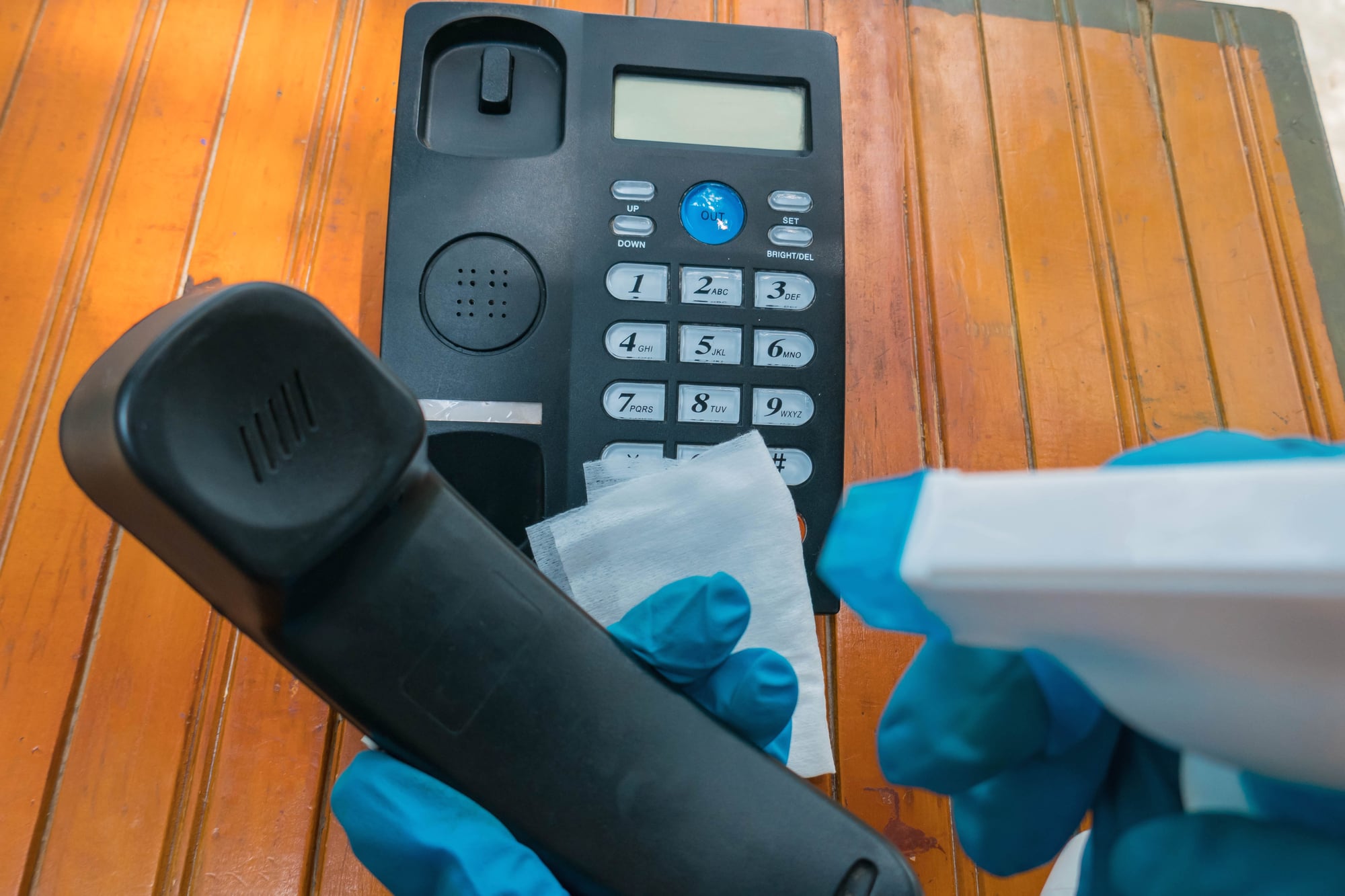
In the early days of shared office equipment, telephone sanitizers were hired to clean and disinfect receivers. With multiple people using the same devices, hygiene became a concern.
The role might seem unusual today, but it reflected practical needs of the time. As personal devices became more common, the job faded away.
It’s a small but telling example of how workplaces once operated.
Human Computer

Before electronic computers, ‘human computers’ performed complex calculations by hand. These individuals, often working in teams, handled tasks in science, engineering, and finance.
Their work required precision and strong mathematical ability. Many contributed to significant advancements, including early space research.
The term may sound outdated, but their impact was anything but.
Newsreel Cameraman
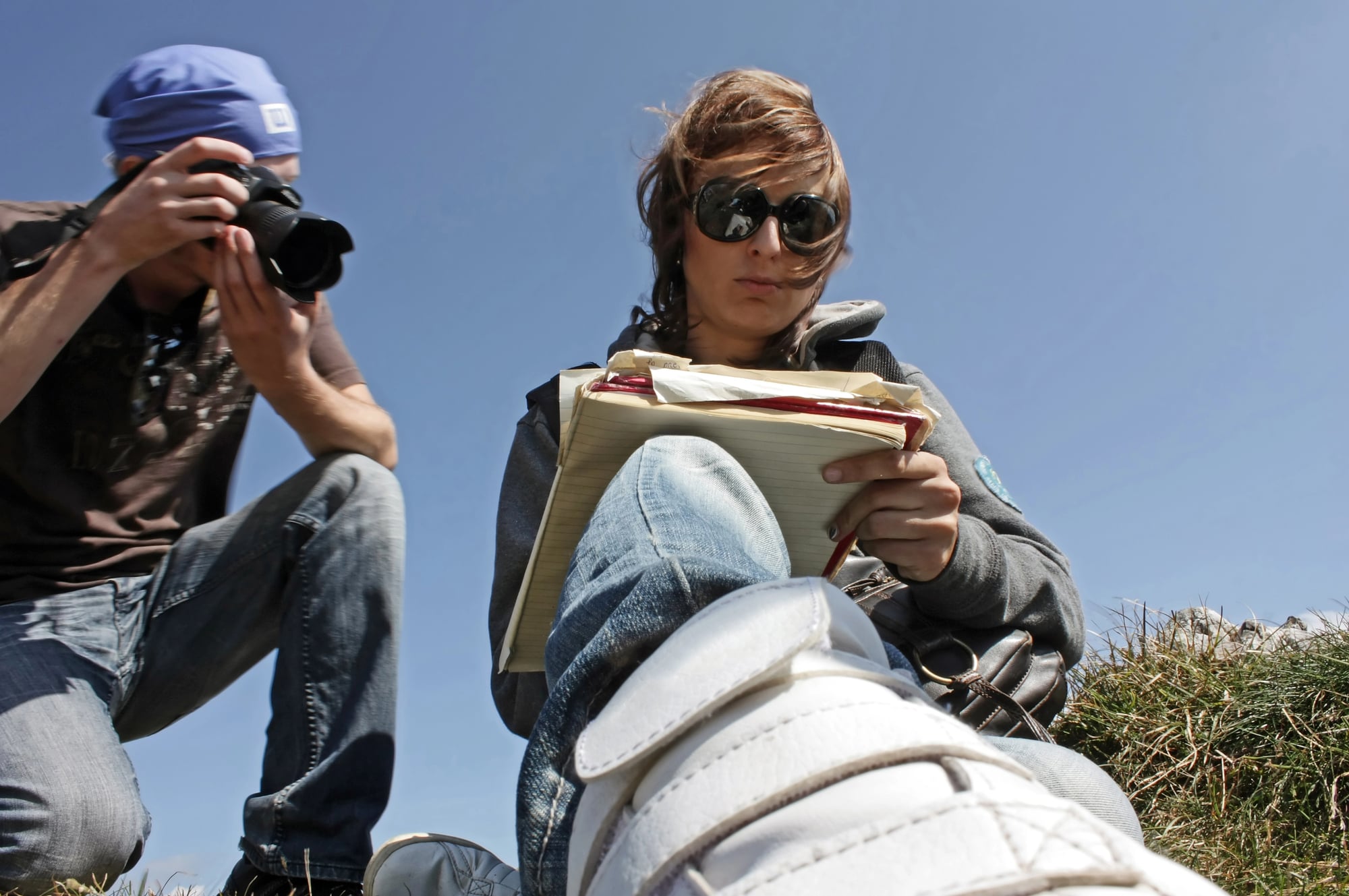
Newsreel cameramen captured footage of major events for cinema audiences before television news became widespread. Their work brought distant events into public view, shaping how people understood the world.
The job often involved traveling and working under unpredictable conditions. As television took over, newsreels declined.
Still, their footage remains a valuable historical record.
Stenographer

Stenographers specialized in shorthand writing, recording spoken words quickly and accurately. They were essential in courtrooms, offices, and government settings.
The role required training and constant practice to maintain speed and accuracy. Even with modern recording technology, stenography still exists in certain fields.
Its roots, however, belong firmly to an earlier era of communication.
Telegraph Operator

Telegraph operators transmitted messages using Morse code, turning language into a series of signals. This profession was once at the heart of long-distance communication.
Operators needed strong listening skills and quick interpretation abilities. The telegraph system connected cities and countries in ways that were revolutionary at the time.
As newer technologies emerged, the role gradually disappeared.
Film Colorist (Hand-Painted Era)

Before digital color grading, early films were sometimes colored by hand. Workers carefully painted individual frames to add color to black-and-white footage.
The process was painstaking and time-consuming. It required patience and artistic skill to maintain consistency.
While modern techniques have replaced it, the craft remains an important part of film history.
Department Store Lift Attendant

Similar to elevator operators, lift attendants in department stores added a personal touch to shopping experiences. They assisted customers, announced floors, and often contributed to the store’s overall atmosphere.
The role blended service with functionality. As automation improved, the position became less common.
Even so, it reflects a time when customer interaction was more central to everyday tasks.
Switchboard Repair Technician
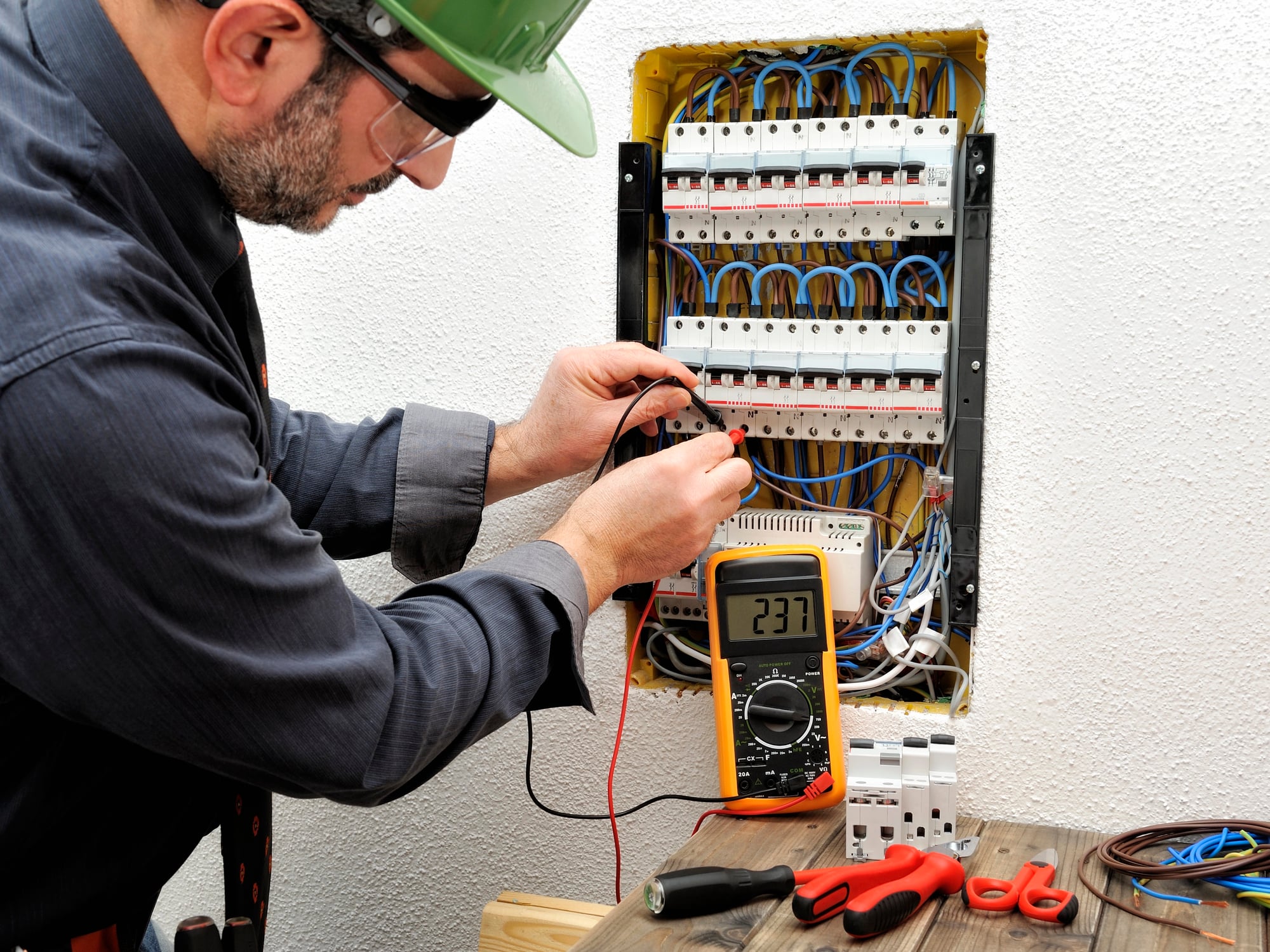
As switchboards became essential infrastructure, technicians were needed to maintain and repair them. This role required technical knowledge and problem-solving skills.
When systems failed, communication could be disrupted entirely, making their work critical. Over time, advances in telecommunications reduced the need for such specialized roles.
Still, they played a key part in keeping early networks running.
Traveling Salesman

Out on the road, salespeople bounced between towns, handing goods straight to buyers. Persuasion kept them going, though thick skin mattered just as much.
Journeys stretched for days, sometimes weeks, with little warning about what came next. New places meant fresh chances to plant a product where it had never been seen.
Schedules twisted without pattern, shaped by weather, roads, or luck. Though the image has shifted over time, echoes of that old way still show up today.
Markets grew wider because someone showed up with something in hand.
How Work Keeps Changing

Now things shift fast. Jobs appear when someone finds a way to fix what’s broken. Over time, tools get smarter, situations change, so old fixes lose their grip.
What worked before rarely fits now. Moments define roles more than skills ever did.
Still changing, never stopping. Faster now than before, some jobs show up while others vanish overnight.
Thinking about old careers isn’t nostalgia – it hints at what’s ahead. What we do every day might soon seem ancient.
Time moves on, regardless. The future doesn’t wait.
More from Go2Tutors!

- The Romanov Crown Jewels and Their Tragic Fate
- 13 Historical Mysteries That Science Still Can’t Solve
- Famous Hoaxes That Fooled the World for Years
- 15 Child Stars with Tragic Adult Lives
- 16 Famous Jewelry Pieces in History
Like Go2Tutors’s content? Follow us on MSN.



