17 truths about how chocolate bars were made
Chocolate bars have been satisfying our sweet cravings for centuries, but the journey from bitter cacao beans to smooth, melt-in-your-mouth treats is far more complex than most people realize. The manufacturing process has evolved dramatically over time, shaped by ingenious inventors, industrial breakthroughs, and happy accidents that changed everything.
Understanding how chocolate bars were made reveals fascinating truths about human ingenuity and the relentless pursuit of the perfect bite. Here is a list of 17 truths about how chocolate bars were made throughout history.
Water and Wind Power Came First

— Photo by Hackman
The late 18th century saw the beginning of the mechanization of chocolate manufacturing. Water and wind power was used first, steam-powered machines followed. Before steam engines revolutionized the industry, chocolate makers relied on natural forces to grind their cacao beans. Mills powered by flowing rivers or coastal winds turned massive stone wheels that crushed the beans into paste. This early mechanization was a huge leap from hand-grinding with primitive tools, though it still required favorable weather conditions to operate effectively.
Steam Engines Changed Everything
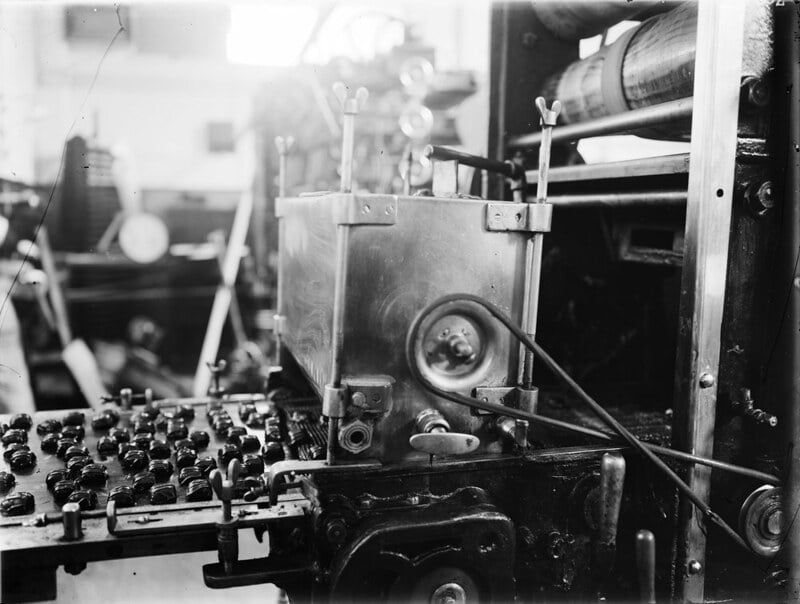
Among the pioneers were Joseph Storrs Fry, who patented a method of grinding cocoa beans using a Watt steam engine in 1795, marking the beginning of reliable, weather-independent chocolate production. Steam power allowed manufacturers to process cacao beans year-round without worrying about droughts or windless days. This innovation made it possible to scale up production dramatically and maintain consistent quality standards.
The First Chocolate Bar Was Actually a Recombination

Instead of simply grinding beans, Fry ‘recombined’ the components processed by Van Houten’s Cocoa Press – cocoa powder and cocoa butter – with some sugar to create a paste that was far, far easier (and therefore cheaper), to mould into bars. Joseph Fry’s genius wasn’t in inventing a completely new process but in cleverly mixing existing separated components. This approach was like taking apart a car engine and rebuilding it more efficiently – the raw materials were the same, but the method was revolutionary.
Van Houten’s Press Made Modern Chocolate Possible

In 1938, Coenraad Johannes Van Houten invented the hydraulic press in order to efficiently remove the fats, or cocoa butter, from the cacao beans. This invention was crucial because it separated cocoa powder from cocoa butter for the first time, creating two distinct ingredients that could be recombined in precise ratios. Without this separation technique, chocolate bars would have remained crumbly, bitter, and difficult to mold into shapes.
Chocolate Bars Were Initially More Expensive Than Liquid Chocolate

Further, immediately after the chocolate bar was introduced by the Fry company, solid chocolate became more expensive than its liquid alternative, making it temporarily a luxury item for the wealthy. The irony is striking – what we now consider an everyday treat was initially priced out of reach for common people. The additional processing steps required to create solid chocolate, plus the novelty factor, drove prices higher than traditional drinking chocolate.
The Conching Process Was Discovered by Accident

The story told about Lindt’s discovery of the conche is that it was a happy accident. Supposedly, Lindt made a mistake, and left his grinder on over the weekend. Rumor has it that Lindt discovered this technique by accidentally leaving the conche running for a few days at a time. When Rodolphe Lindt returned to his workshop after the weekend in 1879, he found that the extended grinding had created incredibly smooth, silky chocolate. This accident transformed chocolate from a grainy, gritty substance into the smooth treat we know today.
Milk Chocolate Required Unlikely Partners

It was the result of an unlikely partnership between Daniel Peter, a Swiss chocolatier, and his neighbour Henri Nestlé, a pharmacist. The creation of milk chocolate in 1875 happened because Peter needed help solving the problem of adding milk to chocolate without it spoiling. Nestlé’s expertise in dehydrated milk products provided the solution, proving that innovation often comes from combining different areas of expertise.
Tempering Was the Final Piece of the Puzzle

The last stage of chocolate manufacturing, tempering, was also developed at around this time. Tempering allows the production of chocolate that is perfectly hard at room temperature and that has an attractive shiny appearance. Without proper tempering, chocolate would be dull, brittle, and would develop unsightly white streaks called bloom. This process involves carefully heating, cooling, and reheating chocolate to encourage cocoa butter crystals to form in their most stable configuration.
American Chocolate Tastes Different for a Reason

Butyric acid is present in most American chocolate because of an industrial innovation by the grandfather of Big Chocolate in America, MIlton S. Hershey. He created a process called the ‘Hershey Process’, of controlled lipolysis to make fresh milk shelf-stable. This process gives American chocolate its distinctive tangy flavor that Europeans often find off-putting, but Americans have grown to love.
Chocolate Bars Were Originally Sold by Weight

Up to and including the 19th century, confectionery of all sorts was typically sold in small pieces to be bagged and bought by weight. The concept of pre-wrapped, portion-controlled chocolate bars was a revolutionary retail innovation. Customers were used to buying loose chocolate pieces from large containers, much like buying candy from a bulk bin today. The shift to individually wrapped bars represented both a packaging breakthrough and a marketing strategy.
The Industrial Revolution Created Chocolate Democracy

The Industrial Revolution lowered the production cost, increased efficiency, and improved taste, texture, and appearance of the product as a whole. Demand for the cacao products was boosted by the birth of the consumer class in the 19th century. As factory workers earned steady wages, they could afford luxury items like chocolate for the first time. Mass production techniques made it possible to meet this new demand while keeping prices reasonable.
Winnowing Machines Replaced Hand Labor
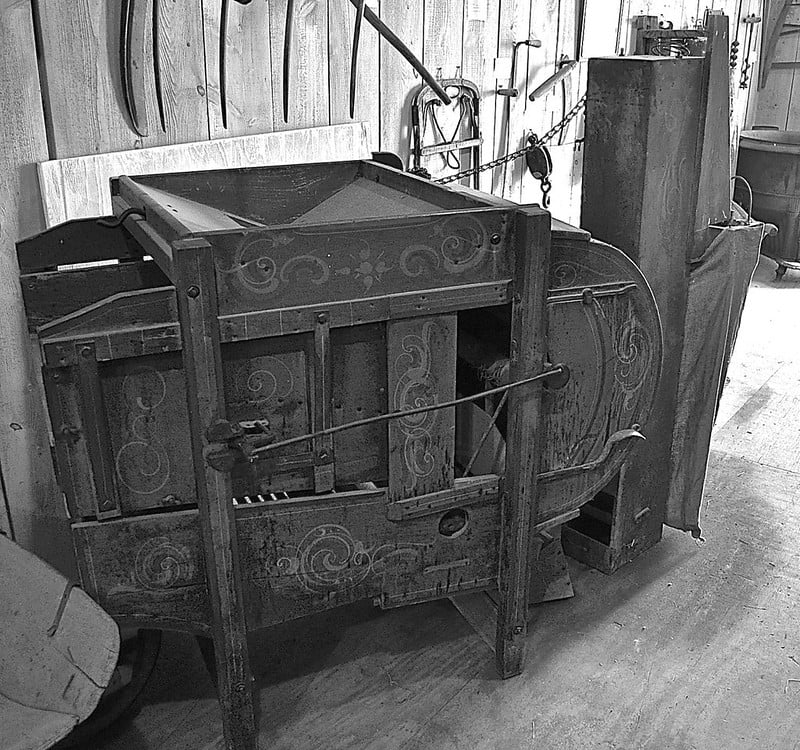
Prior to the Industrial Revolution, cocoa beans had to be broken and winnowed by hand, making chocolate production extremely labor-intensive. Winnowing – the process of separating cocoa nibs from their papery shells – required skilled workers to crack each bean individually and blow away the chaff. Mechanical winnowing machines used controlled air currents to separate shells from nibs automatically, dramatically speeding up production.
Sugar Transformed Chocolate from Medicine to Treat

A rarity in 1650, a luxury in 1750, sugar had been transformed into a virtual necessity by 1850, fundamentally changing chocolate’s role in society. Early European chocolate was often consumed as a bitter medicine or stimulant drink. The increasing availability of sugar during the Industrial Revolution allowed chocolate makers to create sweet confections that appealed to children and adults alike, shifting chocolate from pharmacy to candy shop.
Couverture Chocolate Changed the Game
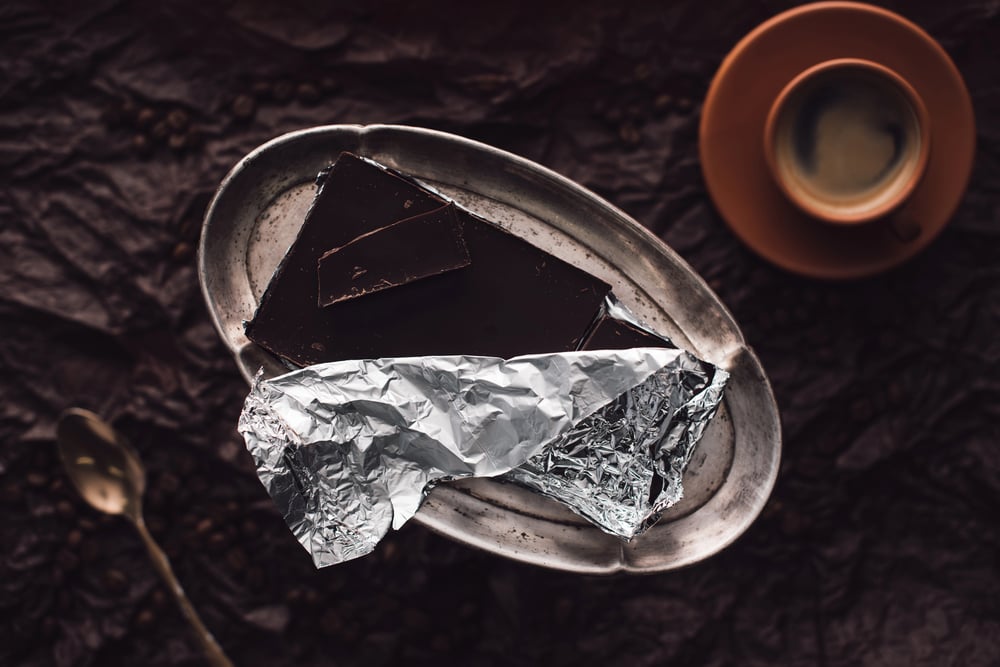
Easy access to liquid couverture chocolate transformed the history of chocolate processing, and changed the way the modern industry operates. Now, chocolatiers can take this ‘raw’ chocolate product and temper it and mould it themselves. Callebaut’s invention of liquid couverture was like providing artists with pre-mixed paint instead of raw pigments. Chocolatiers could focus on creativity and flavoring rather than spending weeks processing cacao beans from scratch.
Roasting Determines Chocolate Character

Large chocolate manufacturers value consistency of flavor, so they roast all cacao at high heat to bring out a deep, bitter chocolatey flavor regardless of origin. The roasting process is similar to coffee roasting – it can make or break the final flavor profile. Light roasting preserves subtle fruit and floral notes from different cacao origins, while dark roasting creates more uniform, intense chocolate flavors that mask regional differences.
Conching Time Affects Texture

However, if you conch for too long, the cocoa particles become too small and the cocoa butter takes over, giving a cloying mouthfeel. The conching process requires perfect timing – like kneading bread dough, too little leaves the chocolate rough and grainy, while too much creates an overly fatty, unpleasant texture. Master chocolate makers developed an intuitive sense for when the chocolate reached optimal smoothness without crossing into greasiness.
Molds Appeared When Shapes Became Important

However, in 1832, the first workshop for producing chocolate moulds opened in Paris, testifying to the increasing use of chocolate in confectionery, especially in France. Before this, chocolate was mostly formed into rough blocks. The development of specialized molds allowed chocolatiers to create decorative shapes, individual portions, and branded designs. This innovation marked the transition from chocolate as a basic food commodity to chocolate as an artistic confection.
From Luxury Drink to Universal Snack
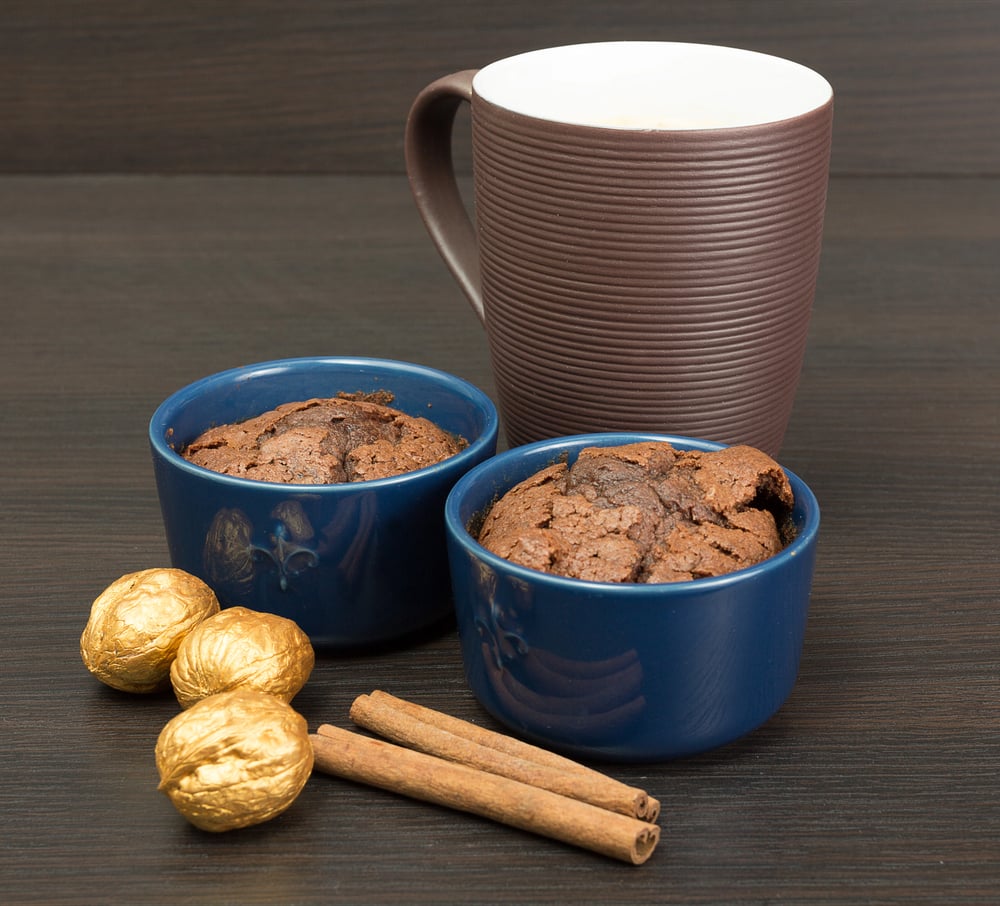
The transformation of chocolate from an exclusive beverage for European royalty to today’s ubiquitous snack represents one of history’s most remarkable food revolutions. In today’s culture chocolate is no longer considered to be a delicacy but an ordinary snack to consume throughout the day. What once required a fortune to purchase and hours to prepare can now be enjoyed by anyone for loose change. This democratization of chocolate reflects broader changes in manufacturing, global trade, and social equality that continue to shape our modern world.
More from Go2Tutors!

- 16 Historical Figures Who Were Nothing Like You Think
- 12 Things Sold in the 80s That Are Now Illegal
- 15 VHS Tapes That Could Be Worth Thousands
- 17 Historical “What Ifs” That Would Have Changed Everything
- 18 TV Shows That Vanished Without a Finale
Like Go2Tutors’s content? Follow us on MSN.