World’s Strongest Currencies Compared to USD
When most people think about powerful money, the U.S. dollar usually comes to mind. After all, it dominates global trade and sits in reserve vaults around the world.
But here’s the twist: the dollar isn’t actually the most valuable currency when you look at pure exchange rates. Several other currencies pack more punch per unit, and some of them come from countries you might not expect.
Currency strength isn’t just about economic size or military might. It’s about stability, smart fiscal policy, natural resources, and how well a country manages its money supply.
Some tiny nations with massive oil reserves have currencies worth several times more than a single dollar. Others maintain their strength through careful banking practices and decades of economic discipline.
Here is a list of currencies that stand out when compared to the USD, either by exceeding its value or holding special significance in the global economy.
Kuwaiti Dinar
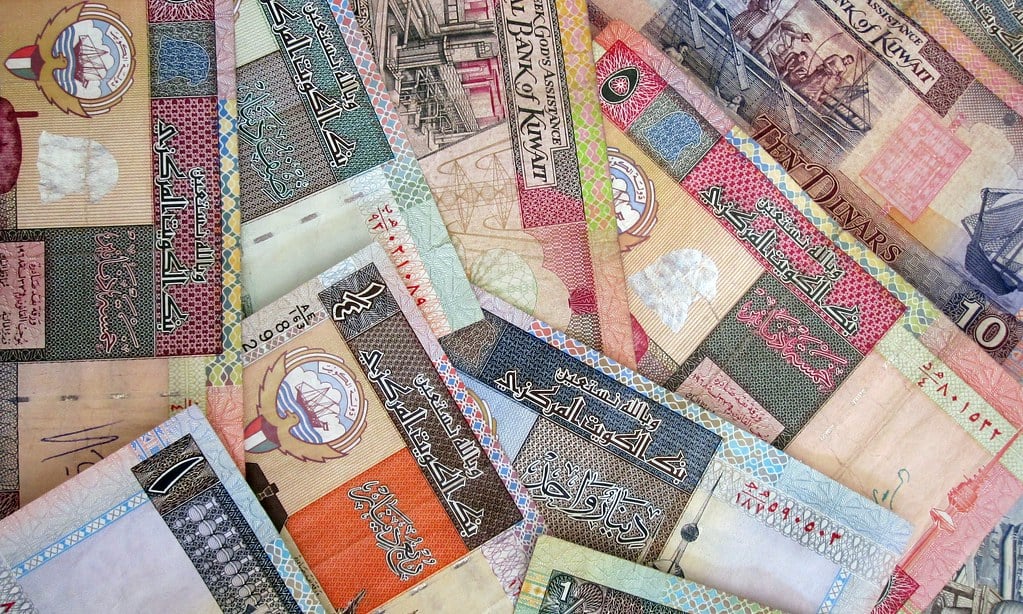
The Kuwaiti Dinar holds the crown as the world’s most valuable currency, with one dinar worth approximately $3.26. This small Middle Eastern nation punches way above its weight class thanks to enormous oil reserves that generate massive export revenue.
Kuwait’s relatively small population combined with its petroleum wealth means the government can maintain incredibly strong foreign reserves and implement strict fiscal policies that keep the dinar’s value sky-high. The currency isn’t pegged directly to the dollar but instead to a basket of currencies, which provides additional stability and protects it from market swings that might shake other oil-dependent economies.
Bahraini Dinar
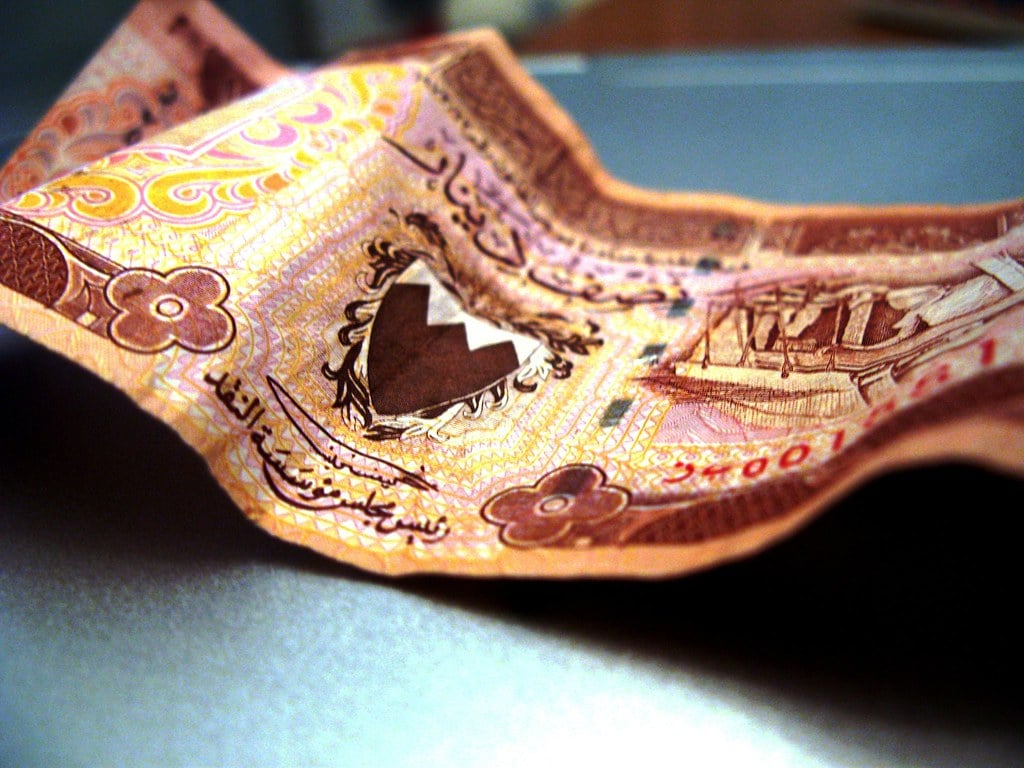
Coming in second place, the Bahraini Dinar trades at roughly $2.65 per dinar. Bahrain, another Gulf nation, derives much of its wealth from oil and gas exports, though it’s been smart enough to diversify into banking and tourism.
The dinar has been pegged to the U.S. dollar since the 1980s, which gives it rock-solid stability and makes it attractive for international business. This fixed exchange rate acts like an anchor, preventing wild fluctuations and giving investors confidence that their money won’t lose value overnight due to currency swings.
Omani Rial

The Omani Rial sits at approximately $2.60, making it the third strongest currency globally. What makes Oman interesting is that unlike some of its neighbors, it doesn’t rely solely on oil.
The government has worked hard to build up tourism, agriculture, and logistics sectors to create a more balanced economy. The rial has been pegged to the dollar since 1986 at a fixed rate, which protects Oman from the kind of economic turbulence that can plague resource-dependent countries when oil prices drop.
Jordanian Dinar
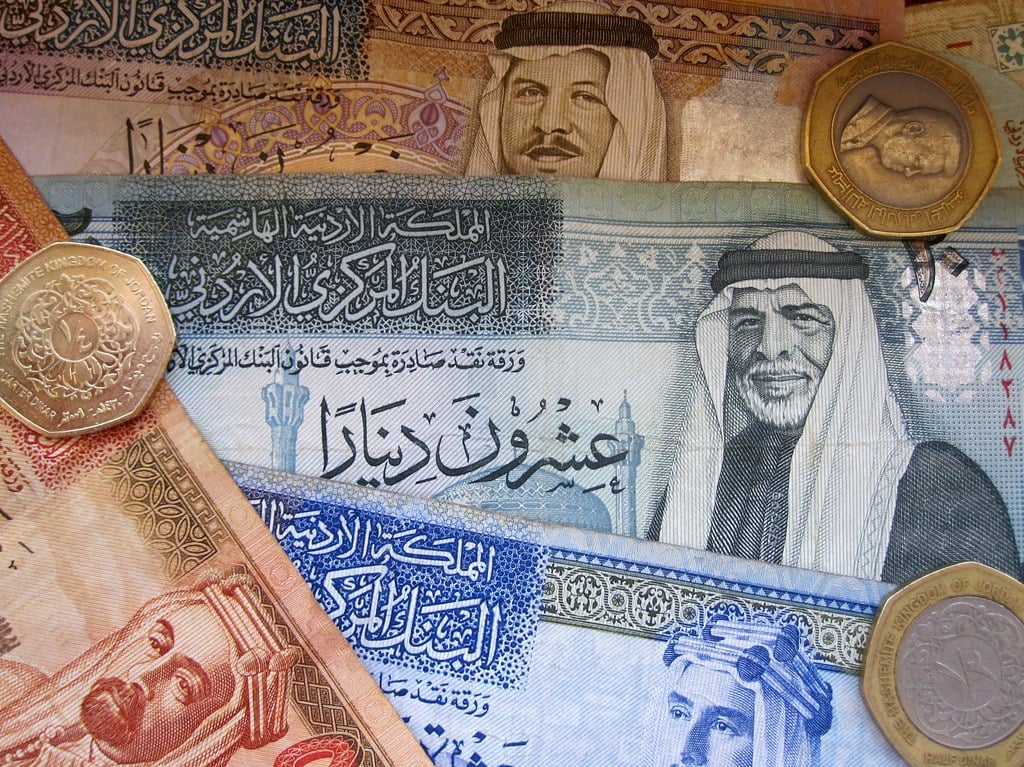
Here’s where things get interesting. The Jordanian Dinar, worth about $1.41, comes from a country without significant oil reserves.
Jordan’s economy runs on services, manufacturing, and tourism, yet its currency remains stronger than the dollar. The central bank maintains a fixed peg to the USD to ensure stability, which helps attract foreign investment and keeps inflation under control.
Jordan has managed this through careful fiscal management and by positioning itself as a relatively stable country in a sometimes volatile region.
British Pound
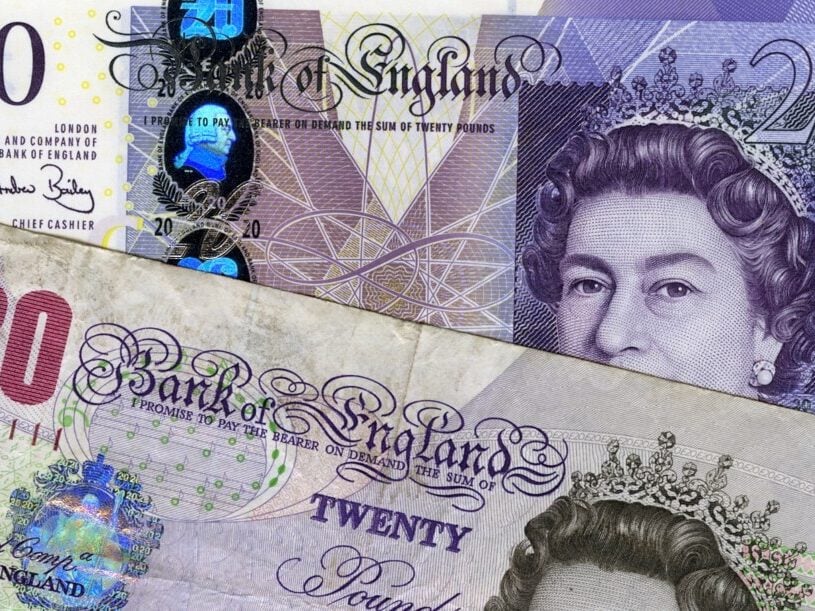
The British Pound Sterling, trading around $1.30 to $1.32, is one of the oldest currencies still in use today. London’s status as a major financial hub gives the pound significant global influence, and the UK’s large, diverse economy helps maintain its strength.
The currency has weathered storms including Brexit and various political upheavals, yet it remains resilient. Its strength comes from deep financial markets, strong institutions, and the UK’s continued role in global trade and finance.
Gibraltar Pound
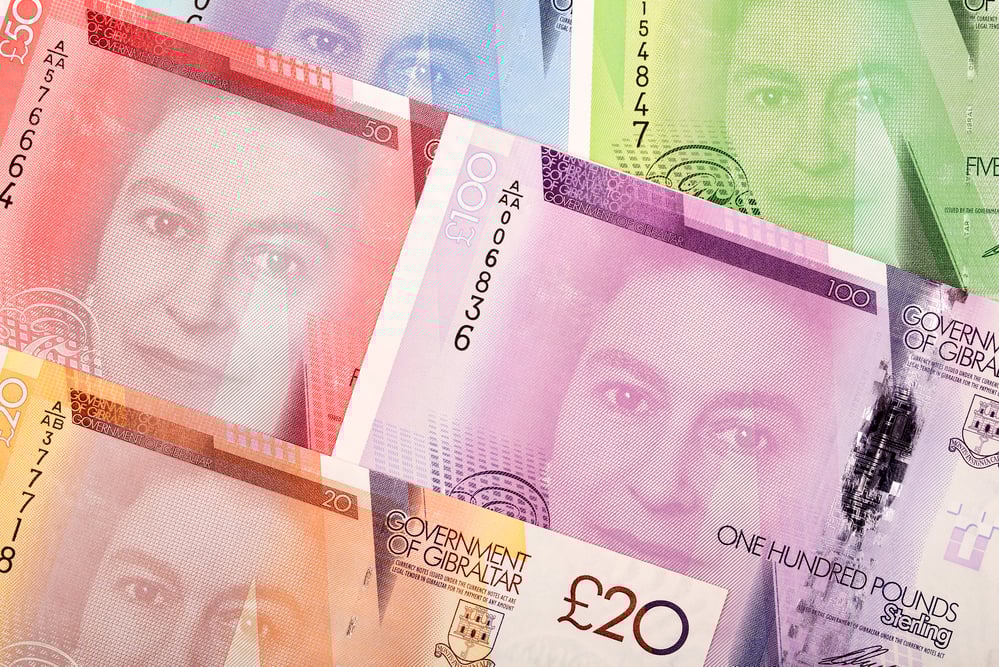
The Gibraltar Pound matches the British Pound at approximately $1.32 because it’s pegged to it at a 1:1 ratio. This British Overseas Territory on Spain’s southern coast issues its own currency, but it moves in lockstep with the pound.
Gibraltar’s economy benefits from financial services, online gaming, and shipping, which helps support the currency’s value alongside its connection to the UK.
Cayman Islands Dollar

The Cayman Islands Dollar is worth about $1.20, making it stronger than the greenback. This currency’s strength comes from the Cayman Islands’ reputation as a major offshore financial center and tax haven.
The KYD is pegged to the U.S. dollar at a fixed rate, which provides stability for the territory’s thriving financial services industry. Despite having a tiny population, the Cayman Islands handles enormous amounts of international money, which supports the currency’s elevated value.
Swiss Franc
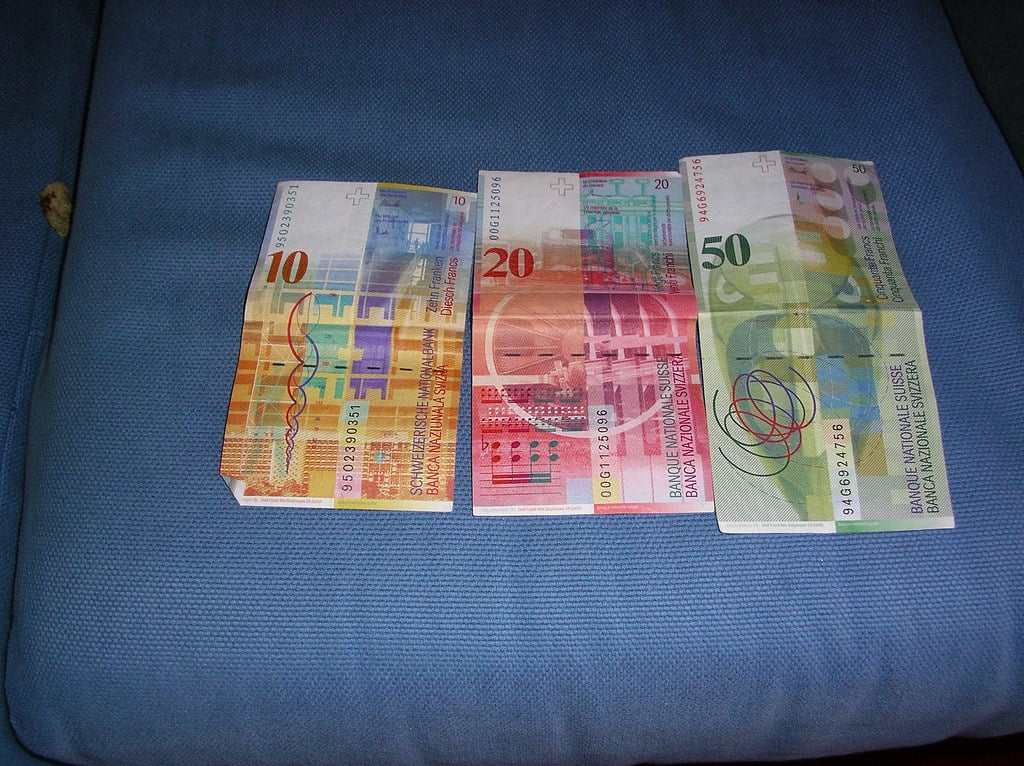
The Swiss Franc hovers around $1.24 and has a reputation as one of the safest currencies on the planet. Switzerland’s political neutrality, strong banking sector, and conservative economic policies make the franc a go-to choice when global markets get shaky.
The country’s diverse economy spans banking, pharmaceuticals, and precision manufacturing, all of which contribute to the currency’s stability. When uncertainty strikes, investors flee to the franc like sailors heading for harbor in a storm.
Euro
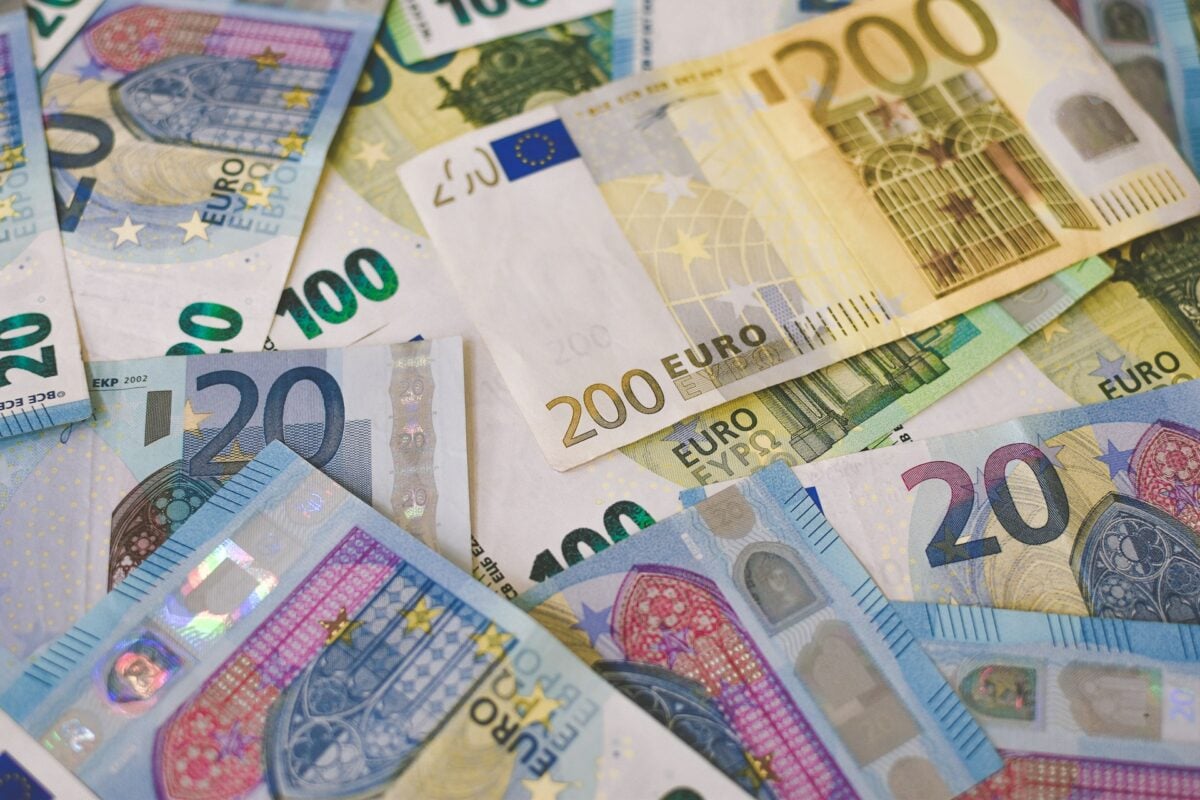
The Euro trades at approximately $1.08 to $1.10, making it stronger than the dollar in most periods. Used by 20 European Union member states, the Euro represents the collective economic power of major economies like Germany, France, and Italy.
It’s the second most traded currency in the world and serves as a major reserve currency. The European Central Bank manages monetary policy for the entire eurozone, which gives the currency both strength and occasional headaches when member states face different economic conditions.
Falkland Islands Pound

The Falkland Islands Pound maintains parity with the British Pound at around $1.30. This small territory in the South Atlantic issues its own currency, but it’s pegged 1:1 with sterling.
The economy relies on fishing, tourism, and some oil exploration, though the currency’s strength really comes from its connection to the UK rather than the islands’ own economic output.
Bermudian Dollar
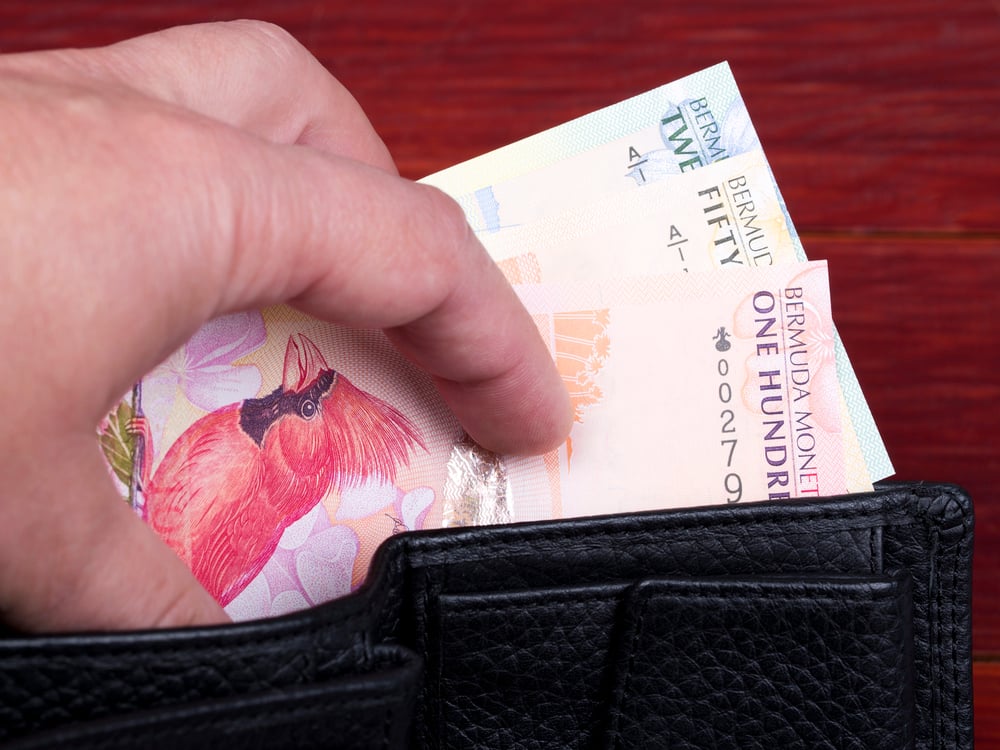
The Bermudian Dollar is unique because it’s pegged exactly 1:1 with the U.S. dollar. One BMD always equals one USD. Bermuda chose this arrangement to facilitate trade and tourism with the United States, which is the island’s primary economic partner.
While this means the Bermudian Dollar doesn’t technically exceed the USD in value, it demonstrates how smaller economies use currency pegs to create stability and maintain strong purchasing power.
U.S. Dollar
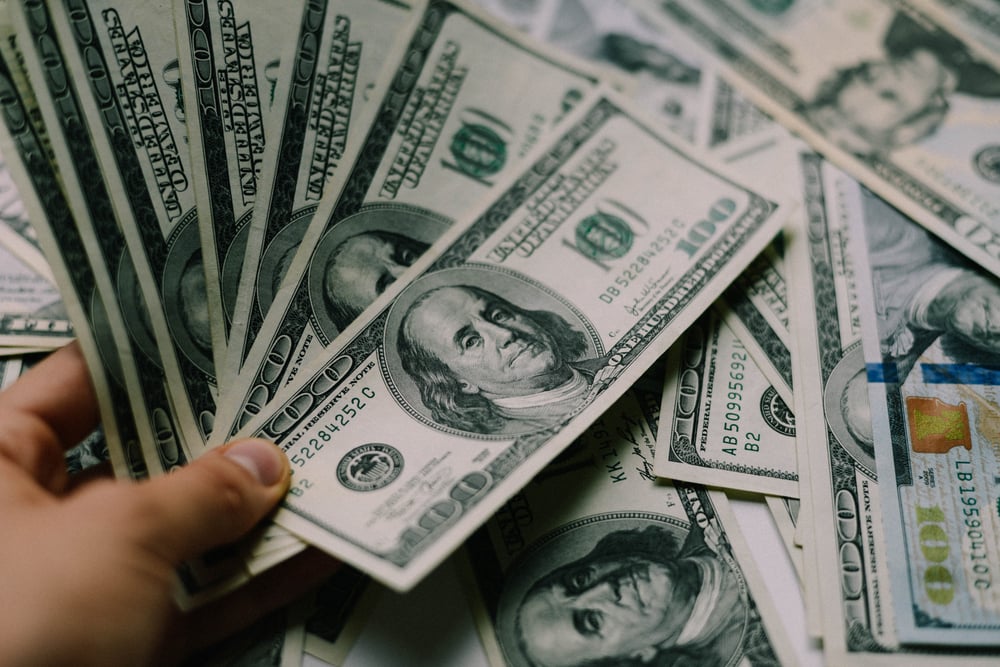
The U.S. Dollar itself deserves mention because while it’s not the highest-valued currency, it’s unquestionably the most powerful and influential. Nearly 88% of all foreign exchange transactions involve the dollar.
It serves as the world’s primary reserve currency, the benchmark for commodity pricing, and the anchor for many other currencies.The dollar’s strength comes from the massive U.S. economy, deep financial markets, political stability, and the global trust in American institutions.
Size and influence often matter more than raw exchange rate value.
The Real Measure of Strength
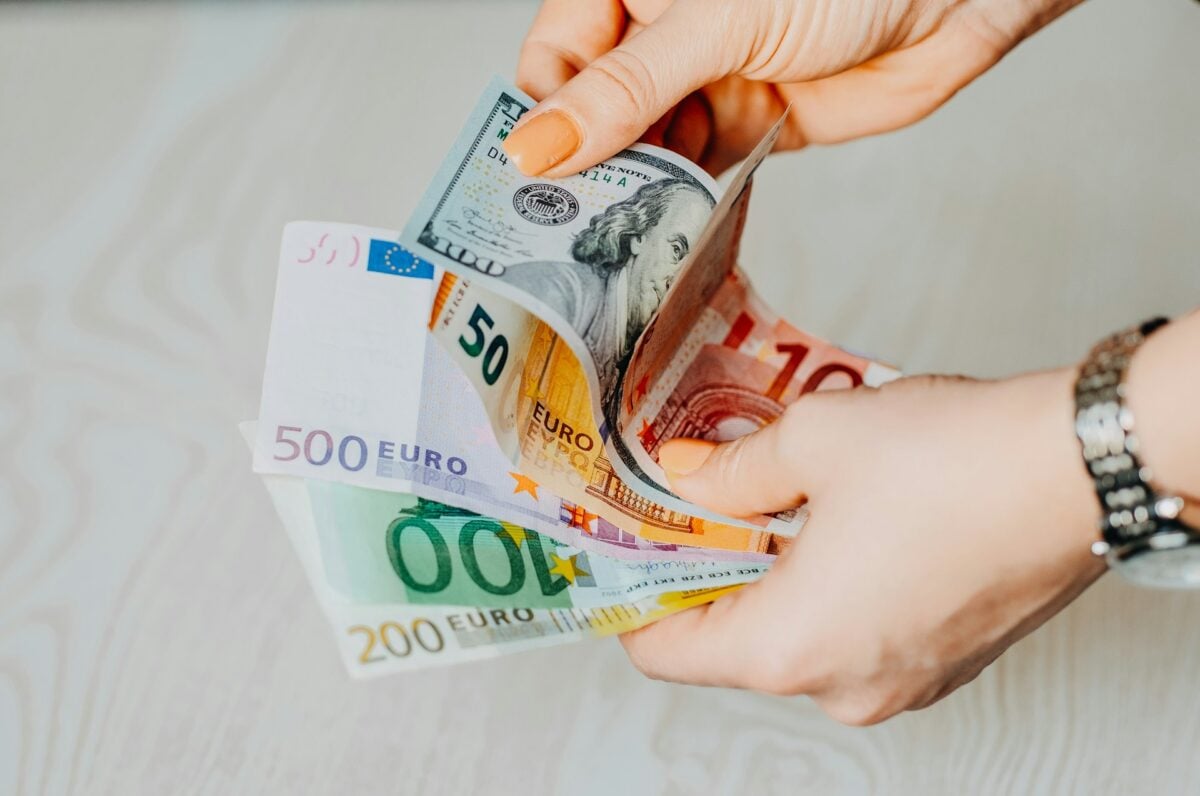
Looking at this list reveals an important truth about currency values. The strongest currencies don’t always belong to the biggest economies.
Small nations with smart policies, valuable resources, and stable governments can maintain incredibly strong currencies. Meanwhile, the most influential currency—the dollar—doesn’t need to have the highest exchange rate to dominate global finance.
What matters is trust, stability, and how useful a currency is for international trade. The Kuwaiti Dinar might buy you more dollars per unit, but you can use those dollars just about anywhere on Earth, which gives the greenback a different kind of power altogether.
More from Go2Tutors!

- The Romanov Crown Jewels and Their Tragic Fate
- 13 Historical Mysteries That Science Still Can’t Solve
- Famous Hoaxes That Fooled the World for Years
- 15 Child Stars with Tragic Adult Lives
- 16 Famous Jewelry Pieces in History
Like Go2Tutors’s content? Follow us on MSN.



