Iconic Buildings with Surprising Backstories
Famous buildings might seem eternal, like they popped into existence perfectly and beloved by everyone. Pictures on postcards or city views in glossy booklets rarely show the messy past.
Still, beneath those shiny images sits anger, failed money bets, shaky blueprints, and power fights that shaped them. Their glow today hides how hard it was just to build.
Strange turns shaped what we now see as fixed. Take ten famous structures – each hides odd origins behind sleek faces.
The Eiffel Tower

Today, the Eiffel Tower defines Paris. When it was unveiled in 1889 for the World’s Fair, however, many Parisians despised it.
Prominent artists and writers signed petitions condemning the iron structure as an industrial eyesore that would scar the city’s classical skyline. The tower was originally intended to stand for only 20 years.
Its survival depended largely on its usefulness as a radio transmission tower, which proved valuable for military communication. What began as a temporary experiment became France’s most recognizable landmark, largely because it found practical purpose beyond aesthetics.
The Sydney Opera House

The Sydney Opera House appears almost effortless, its white sails rising above the harbor like a permanent sculpture. In reality, its construction was anything but smooth.
Danish architect Jørn Utzon won the design competition in 1957, yet his original plans were considered nearly impossible to build. Costs spiraled far beyond initial estimates, and political pressure mounted.
Utzon resigned before the building was completed in 1973, leaving Australia without the architect who envisioned its form. Decades later, the Opera House is celebrated as a masterpiece, but its path to completion was marked by conflict and controversy.
The Empire State Building
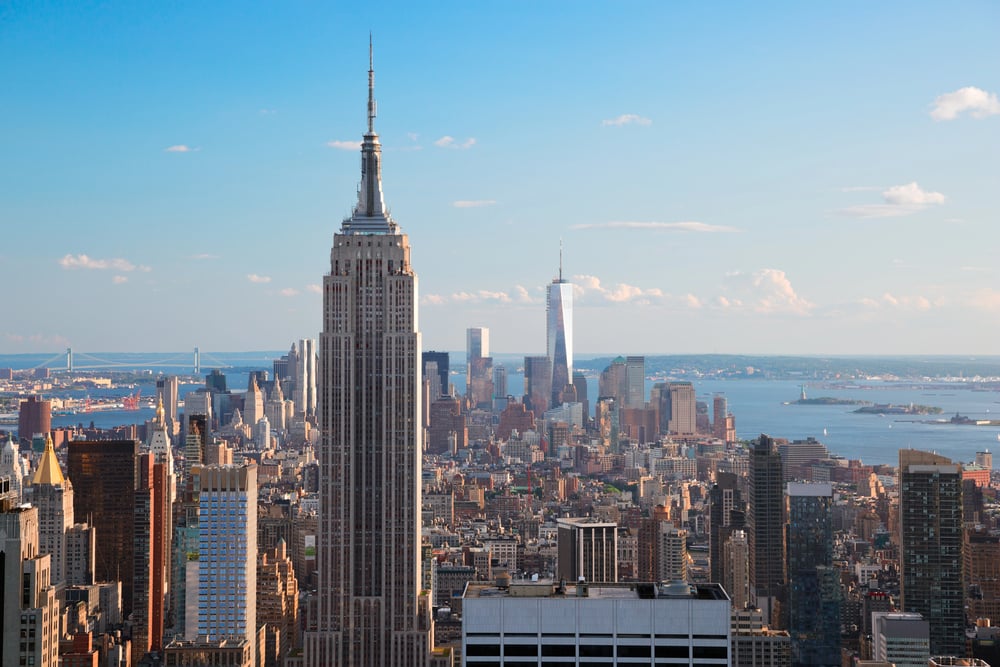
The Empire State Building now symbolizes ambition and New York resilience. When it opened in 1931, however, it faced an unexpected problem: empty floors.
The building was completed during the Great Depression, when demand for office space had collapsed. For years, large portions of the skyscraper remained unleased, earning it the nickname ‘Empty State Building.’
It took nearly two decades to become financially successful. What now feels like a triumph of confidence was, for a time, an oversized gamble completed at the worst possible economic moment.
The White House

The White House appears as a steady symbol of American leadership, but much of what visitors see today is not original. In 1948, engineers discovered that the building’s interior structure was dangerously unstable.
Floors sagged, and sections were at risk of collapse. President Harry Truman oversaw a complete interior reconstruction.
The exterior walls were preserved, but the inside was gutted and rebuilt with steel framing. The familiar façade hides what is essentially a mid-20th-century structure within 18th-century walls, blending preservation with modernization.
The Leaning Tower of Pisa

The Leaning Tower of Pisa is famous for its tilt, yet that lean was never intentional. Construction began in 1173, and almost immediately the soft, unstable soil beneath the foundation began to shift.
The structure started tilting before the third floor was completed. Work paused for nearly a century due to wars and funding issues, which ironically prevented total collapse.
Engineers later attempted to compensate by building upper levels slightly angled in the opposite direction. Centuries of stabilization efforts have followed, turning a medieval miscalculation into one of Italy’s most photographed attractions.
The Taj Mahal
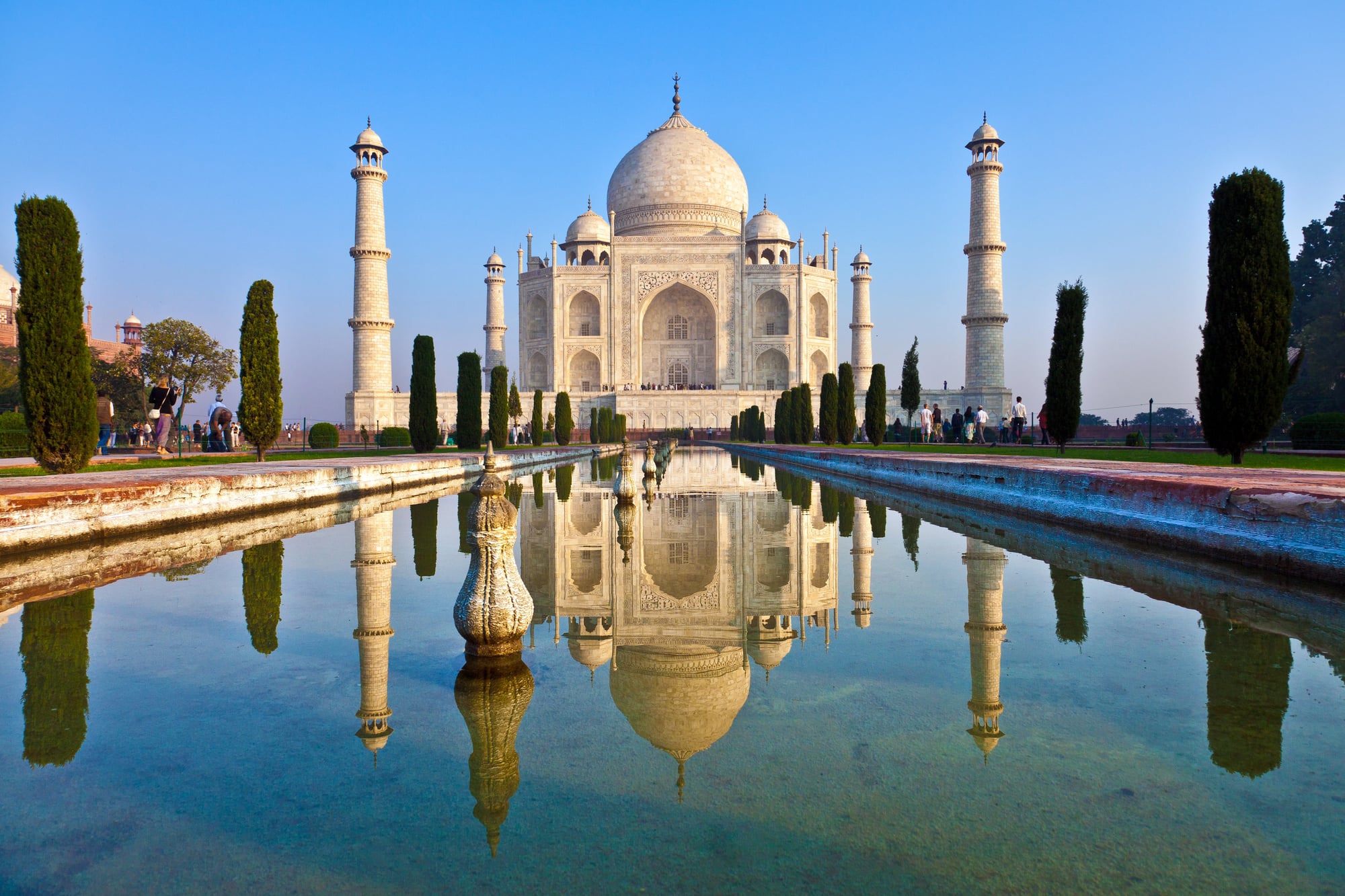
The Taj Mahal is often described purely as a monument to love, built by Emperor Shah Jahan in memory of his wife Mumtaz Mahal. While that romantic narrative holds truth, the project also reflected immense political power and economic strain.
Construction spanned over two decades in the 17th century and required thousands of artisans. After its completion, Shah Jahan was deposed by his son and spent his final years imprisoned in Agra Fort, reportedly with a distant view of the mausoleum.
The building’s serene symmetry masks a story intertwined with dynastic conflict and imperial ambition.
The Colosseum
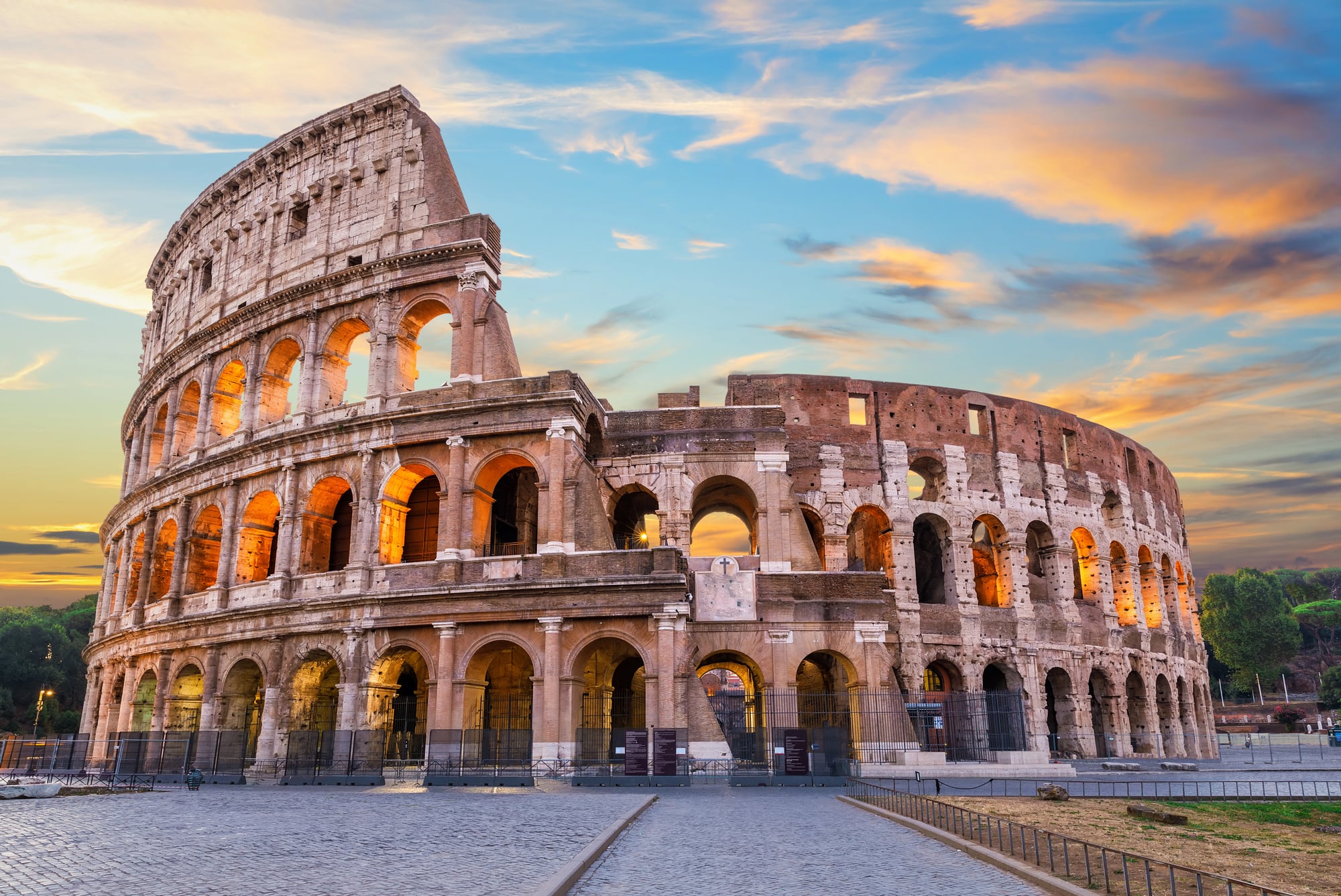
The Colosseum in Rome conjures images of gladiators and roaring crowds. After the fall of the Roman Empire, however, the massive amphitheater entered a very different phase.
Earthquakes damaged its structure, and much of its stone was stripped away for use in other buildings. For centuries, it functioned as housing, workshops, and even a fortress for noble families.
What now stands as a preserved relic once served as a quarry for construction materials. Its survival owes more to gradual cultural revaluation than uninterrupted reverence.
The Burj Khalifa

The Burj Khalifa dominates Dubai’s skyline as the tallest building in the world. When it opened in 2010, however, it carried a different name: Burj Dubai.
During construction, the global financial crisis struck, severely impacting Dubai’s economy. Financial assistance from Abu Dhabi helped complete the project.
In recognition, the tower was renamed after Sheikh Khalifa bin Zayed Al Nahyan. The renaming reflected the economic realities behind the glittering exterior.
Even the tallest structure on Earth was not immune to global market pressures.
The Pentagon
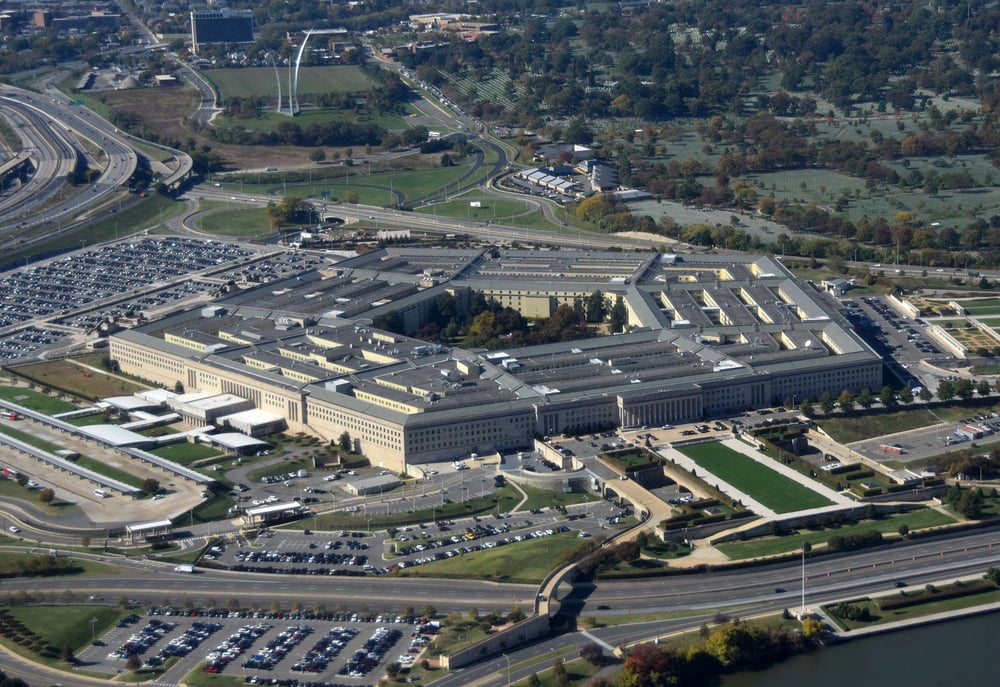
The Pentagon was constructed during World War II in response to the rapid expansion of the U.S. military. Completed in just 16 months between 1941 and 1943, it was built at extraordinary speed.
The design was originally influenced by the shape of the land selected for construction, though the location later changed. Despite the shift, the five-sided design remained.
The building became one of the largest office structures in the world, symbolizing American military power. Its unusual geometry, now iconic, was partly the result of early site constraints rather than purely aesthetic choice.
Notre-Dame Cathedral

Notre-Dame Cathedral in Paris stood for centuries as a masterpiece of Gothic architecture. By the early 19th century, however, the cathedral had fallen into serious disrepair.
Many sculptures were damaged or destroyed during the French Revolution, and parts of the building were neglected. Public interest revived after Victor Hugo’s novel brought attention to its deteriorating state.
Restoration efforts in the mid-1800s reshaped elements of the cathedral, including the spire that famously collapsed in the 2019 fire. Much of what visitors associate with Notre-Dame was shaped by restoration as much as medieval craftsmanship.
When Landmarks Reveal Their Layers

Stability is what famous structures seem to radiate after settling into the world’s mind. But look closer – forces like budget fights, design doubts, and angry headlines helped shape them just as much.
What stands solid today was once shaky ground. The sleek finish hides chapters full of gamble and change.
Survival, not promise, writes most lasting stories. Mocked or ignored early on – those shapes now shape entire skylines.
Moments dismissed as missteps later held up history without warning. Few standouts begin flawlessly.
Change bends them, stress tests follow, yet they remain long after skepticism faded into silence.
More from Go2Tutors!

- The Romanov Crown Jewels and Their Tragic Fate
- 13 Historical Mysteries That Science Still Can’t Solve
- Famous Hoaxes That Fooled the World for Years
- 15 Child Stars with Tragic Adult Lives
- 16 Famous Jewelry Pieces in History
Like Go2Tutors’s content? Follow us on MSN.