Cartoons That Taught Hidden Life Lessons
Cartoons were more than weekend entertainment. They were colorful classrooms where we learned about friendship, resilience, and the messier parts of growing up without even realizing it.
While we laughed at the antics and sang along to theme songs, these shows slipped valuable wisdom into our developing minds. Here are cartoons that taught us hidden life lessons—sometimes without us even knowing it.
Hey Arnold!

Arnold’s football-shaped head might have been easy to spot, but the show’s deeper messages took more time to sink in. This wasn’t your typical cartoon about suburban perfection—it showed kids living in boarding houses, dealing with absent parents, and navigating the messy reality of urban life.
The show taught that family doesn’t always mean blood relations, and kindness matters more than popularity. Episodes tackled heavy topics like the Vietnam War and poverty without talking down to viewers, proving that kids could handle complex emotions if you treated them with respect.
Rugrats

Watching the world through a toddler’s eyes made everything feel like an epic adventure, even a trip to the grocery store. The show didn’t shy away from tough subjects like death, divorce, and anxiety through Chuckie’s constant worrying.
Tommy’s determination taught us that being brave doesn’t mean not being scared—it means doing things anyway. The show also broke ground by celebrating different holidays like Hanukkah and Kwanzaa, making kids more culturally aware without feeling like a lesson plan.
Scooby-Doo
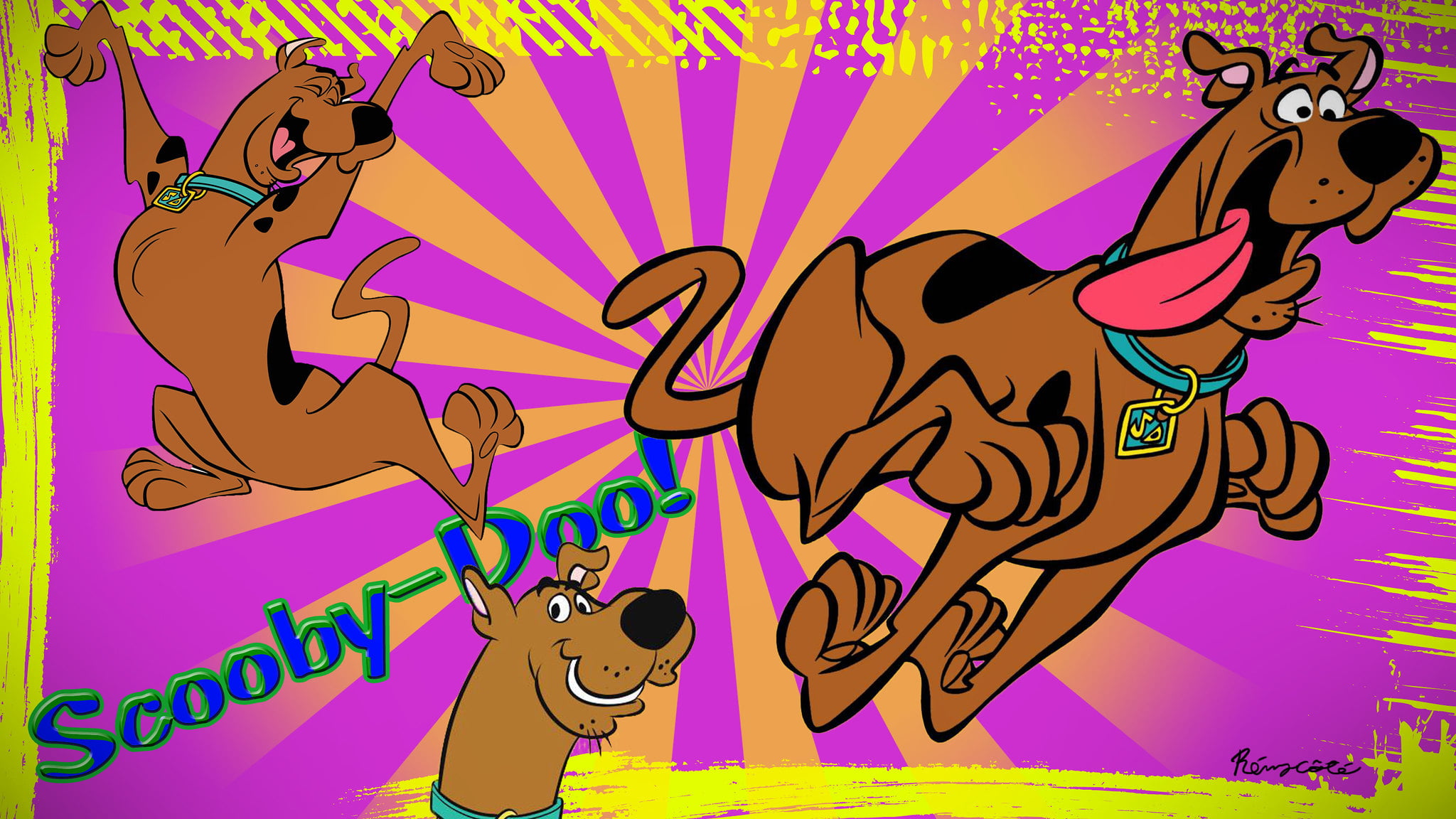
Every episode followed the same pattern, still, that predictability came with a powerful message: things aren’t always what they seem. The creepy janitor usually turned out to be innocent, while the friendly neighbor was the real villain.
This taught kids not to judge people by their appearance or first impressions. The gang also showed us that working together beats going solo, and that most ‘monsters’ are just regular people in masks—a pretty solid metaphor for facing fears.
SpongeBob SquarePants
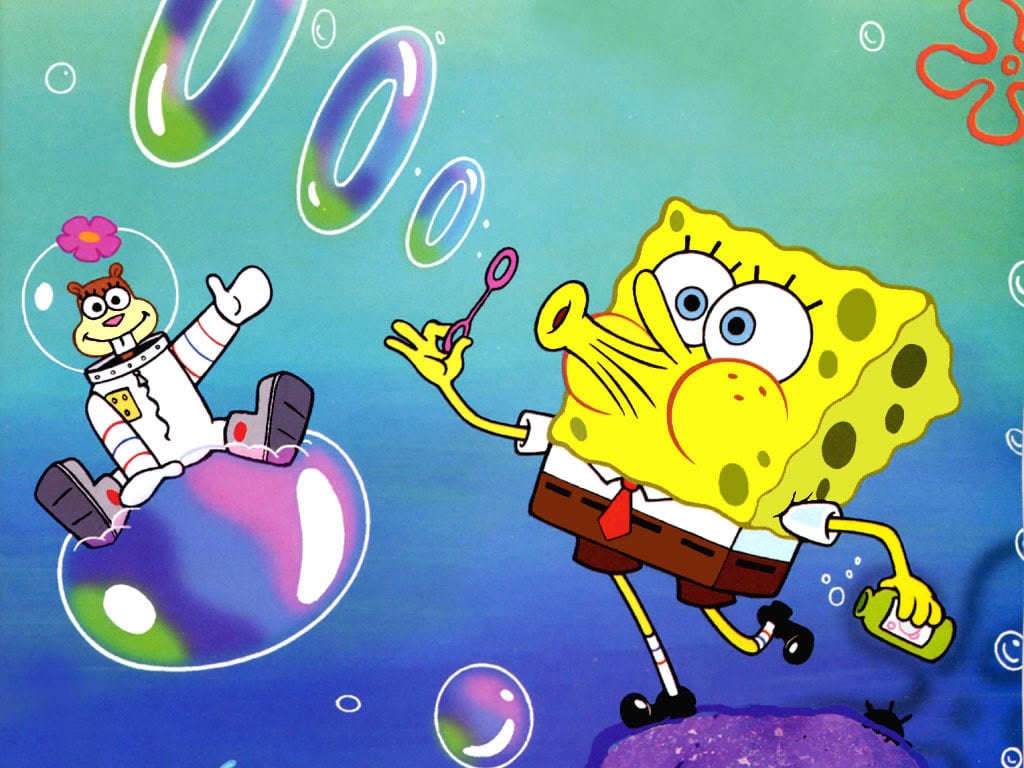
That absorbent yellow square living in a pineapple under the sea taught us more about optimism than we realized. SpongeBob faced daily disasters at the Krusty Krab and constant rejection from Squidward, but he kept showing up with the same enthusiasm.
The show demonstrated that maintaining a positive attitude isn’t about ignoring problems—it’s about choosing how you respond to them. His friendship with Patrick proved that loyalty matters more than intelligence or status. Which, honestly, was reassuring.
Arthur
Arthur Read and his friends dealt with problems that felt painfully real—bullying, peer pressure, family arguments, and feeling left out. The show never offered easy solutions or wrapped everything up neatly in 30 minutes.
Instead, it showed kids working through problems, sometimes making mistakes, and learning to see things from different perspectives. Arthur’s glasses and Buster’s imagination taught us that being different is what makes you interesting, not something to hide.
Popeye
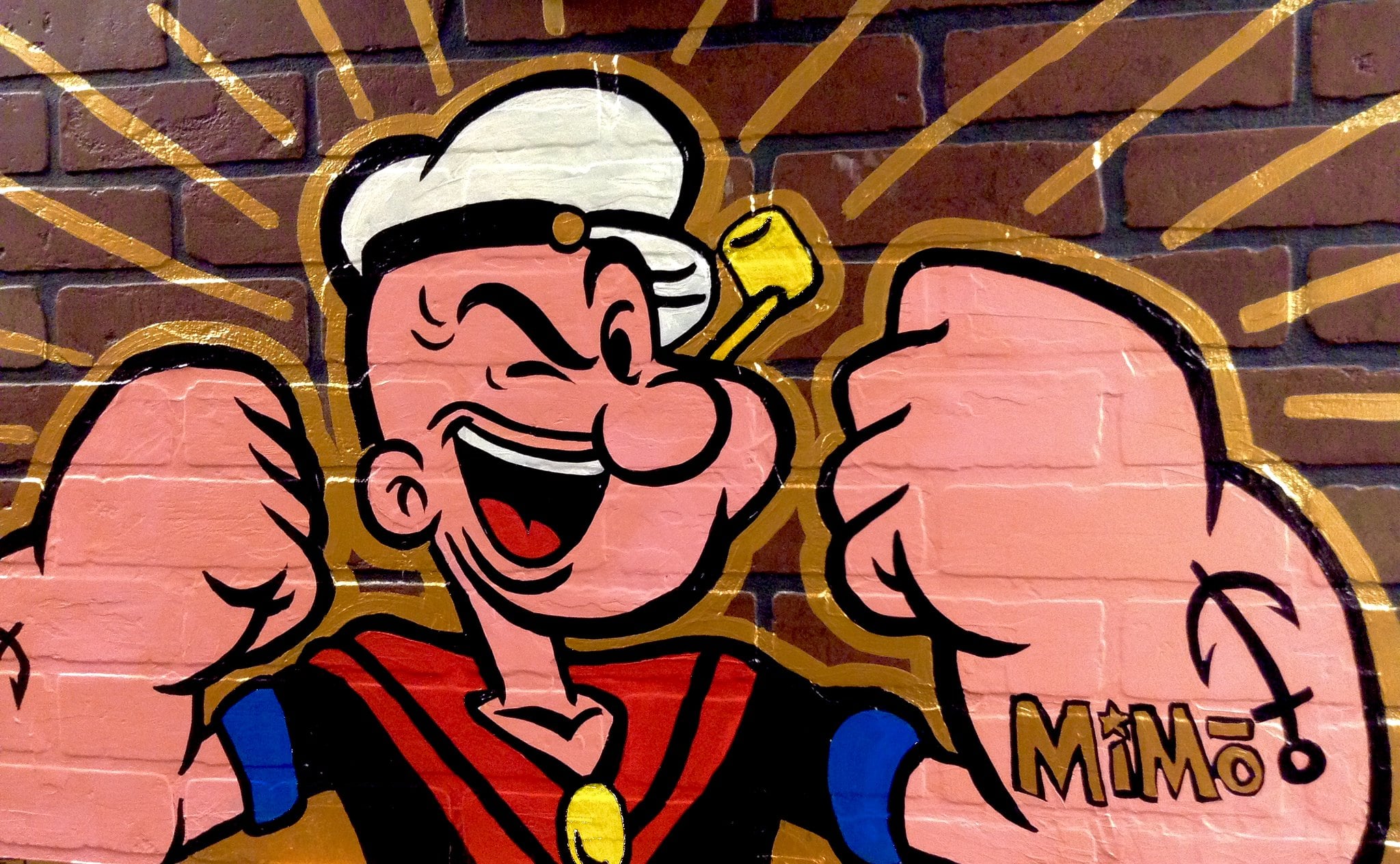
That spinach-chomping sailor might seem one-dimensional now, even so, he was teaching nutrition before it was trendy. Popeye showed kids that taking care of your body gives you strength—not just physical power, but the energy to stand up for what’s right.
The transformation after eating spinach was dramatic and funny, but it stuck in kids’ minds. Plenty of adults today trace their willingness to eat vegetables back to Popeye’s influence.
The Little Mermaid

Ariel gave up her voice for legs, sacrificing the one thing that could help the prince recognize her. The show explored how love sometimes requires giving up something important to you, and how taking risks for what you want can lead to better outcomes than playing it safe.
Ariel’s determination to explore a world everyone told her to avoid taught viewers that curiosity isn’t a flaw. It’s what drives us to grow beyond our current circumstances.
Batman

That masked vigilante showed kids that fear is universal—even heroes feel it. Batman’s origin story taught us that terrible things can shape you without defining you, and that turning pain into purpose is possible.
His refusal to use guns and his strict moral code demonstrated that having power doesn’t mean you should use it carelessly. The show explored how conquering your fears doesn’t make them disappear; it just means you’ve learned to act despite them.
Road Runner and Wile E. Coyote
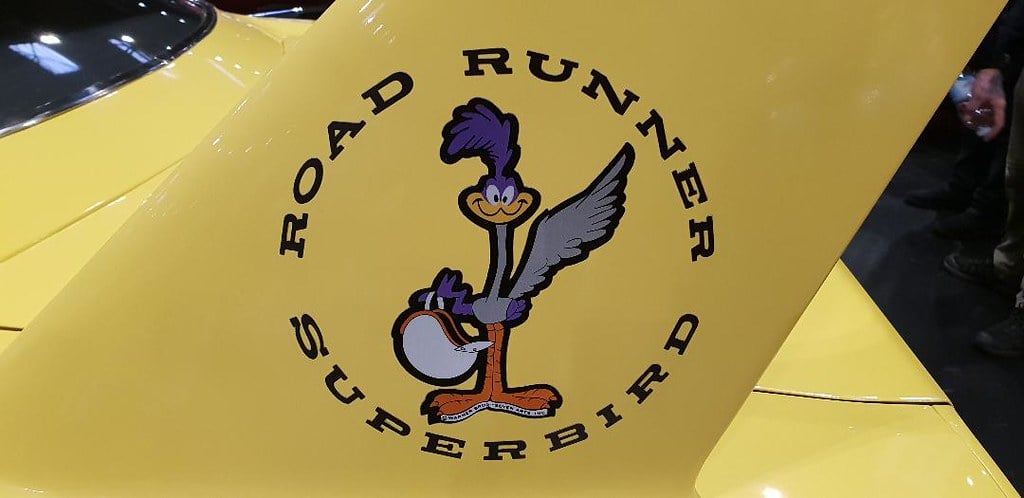
Wile E. Coyote failed spectacularly in every episode, getting crushed, exploded, and dropped from cliffs with impressive regularity, yet he always came back with a new plan and an ACME product that would inevitably backfire in some creative way. This relentless persistence taught kids that failure isn’t final—it’s just information for your next attempt.
The show also snuck in practical lessons about gravity, momentum, and why painting fake tunnels on walls is generally a bad idea.
Fat Albert and the Cosby Kids
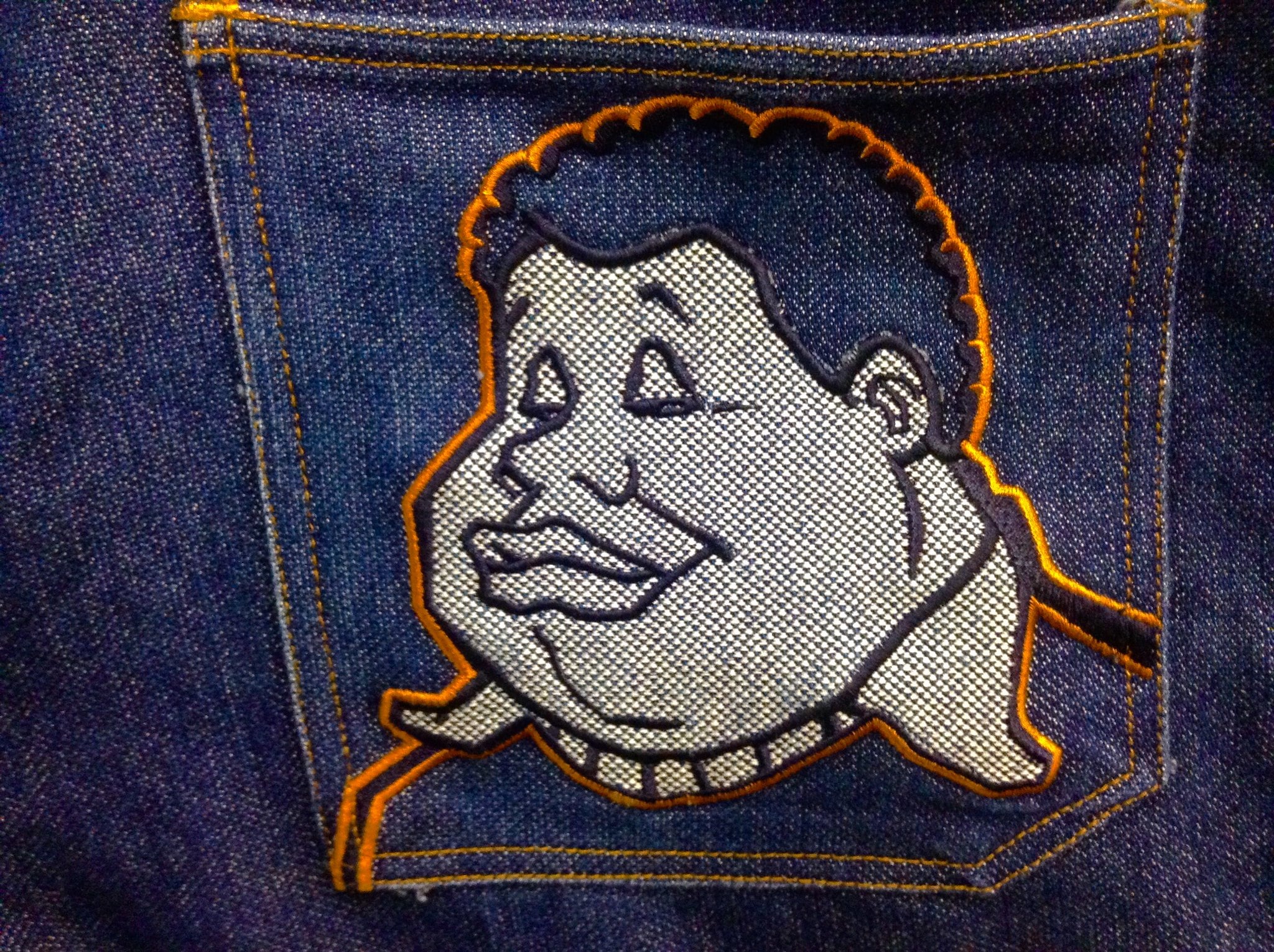
This show wore its educational mission proudly, tackling everything from skipping classes to peer pressure with a direct approach. Fat Albert and his friends navigated moral dilemmas that kids actually faced, offering solutions that felt realistic rather than preachy.
The show explored issues like violence and racism without sugar-coating them, trusting young viewers to understand complex topics when presented clearly. Each episode ended with a moral lesson, but the stories themselves did the heavy lifting.
Courage the Cowardly Dog

Despite the title, Courage was the bravest character on television. He was terrified of everything but consistently faced nightmarish creatures to protect his owners.
The show taught that bravery isn’t the absence of fear—it’s doing what needs to be done while absolutely terrified. Courage never became fearless; he just learned that love for others can be stronger than fear for yourself.
The show’s weird horror aesthetic made the lessons about facing your demons feel literal and metaphorical at once.
Looney Tunes

These shorts were pure chaos. Still, underneath the anvils and dynamite were lessons about resilience.
Characters got flattened, burned, and blown up, then popped back into shape for the next scene. This taught kids that setbacks are temporary and that getting back up matters more than never falling down.
Bugs Bunny’s clever solutions showed that thinking fast beats being big and strong, while Daffy’s stubborn pride demonstrated what happens when ego gets in the way.
The Powerpuff Girls

Three kindergarteners saved the world before bedtime, showing that being small or young doesn’t limit what you can accomplish. Blossom, Bubbles, and Buttercup each brought different strengths to the team—leadership, compassion, and toughness—proving that there’s no single way to be powerful.
The show challenged gender stereotypes by giving these girls both sugar and spice, letting them be tough fighters who also enjoyed typical kid activities. Their teamwork showed that combining different perspectives creates better solutions than any individual approach.
Finding Meaning in Cartoon Chaos
These shows shaped how millions of people understand friendship, courage, and perseverance without anyone noticing the education happening. They snuck life lessons past our defenses by wrapping them in humor, adventure, and colorful animation that kept us coming back every week.
The cartoons we loved as kids taught us more than we realized at the time, and their lessons still hold up when we revisit them as adults looking for that same mix of entertainment and unexpected wisdom.
More from Go2Tutors!

- The Romanov Crown Jewels and Their Tragic Fate
- 13 Historical Mysteries That Science Still Can’t Solve
- Famous Hoaxes That Fooled the World for Years
- 15 Child Stars with Tragic Adult Lives
- 16 Famous Jewelry Pieces in History
Like Go2Tutors’s content? Follow us on MSN.