Animals That Disguise Themselves as Plants
Nature doesn’t hand out survival guides. You either adapt or disappear, and some creatures have figured out that looking like a plant is a pretty solid strategy.
The animal kingdom is full of masters of disguise who’ve taken the phrase “hiding in plain sight” to absurd levels. These aren’t just animals with green skin—they’ve evolved to mimic leaves, flowers, branches, and seaweed so convincingly that even trained eyes struggle to spot them.
Walking Sticks That Actually Look Like Sticks
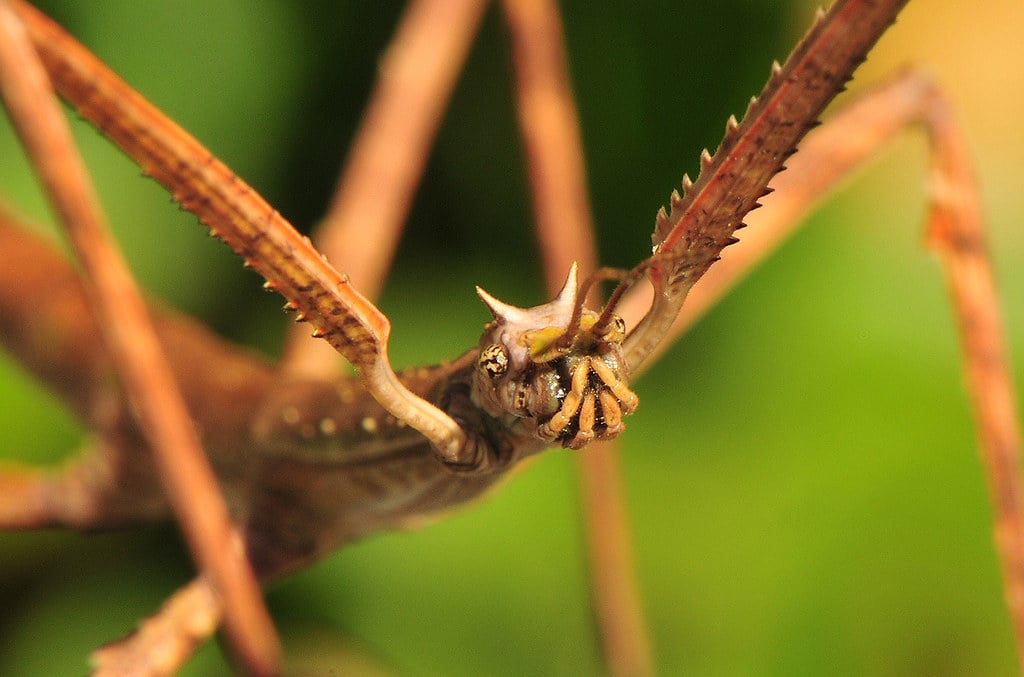
Walking stick insects have committed to being a bit harder than almost any other creature. Their bodies stretch long and thin, complete with knobby joints and bark-like texture.
Some species even sway gently when they sense danger, mimicking a twig moving in the breeze. The really dedicated ones have grown spiky protrusions that look exactly like leaf buds or lichen.
You could hold one in your hand and still not realize it’s alive. That’s how good they are.
Leaf Insects Living Out Their Botanical Fantasy
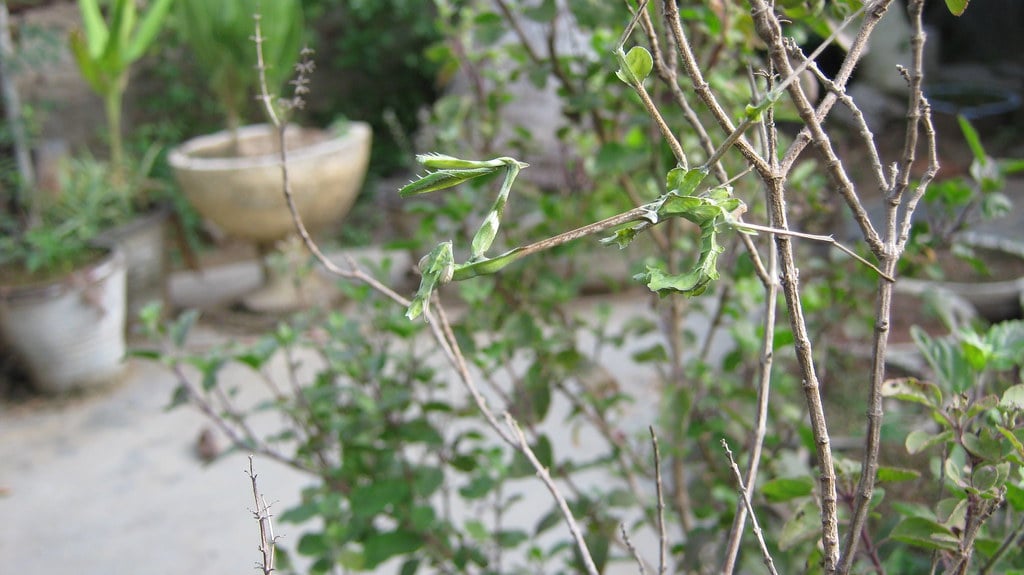
While walking sticks go for the branch look, leaf insects have mastered the art of becoming foliage. Their bodies flatten out into perfect leaf shapes, complete with vein patterns and color variations.
Some even have brown spots and irregular edges that make them look like dying or damaged leaves. Female leaf insects tend to be bigger and more elaborately disguised than males.
When they walk, they do it slowly and deliberately, rocking back and forth like a leaf caught in a gentle current of air.
Orchid Mantises Sitting Pretty
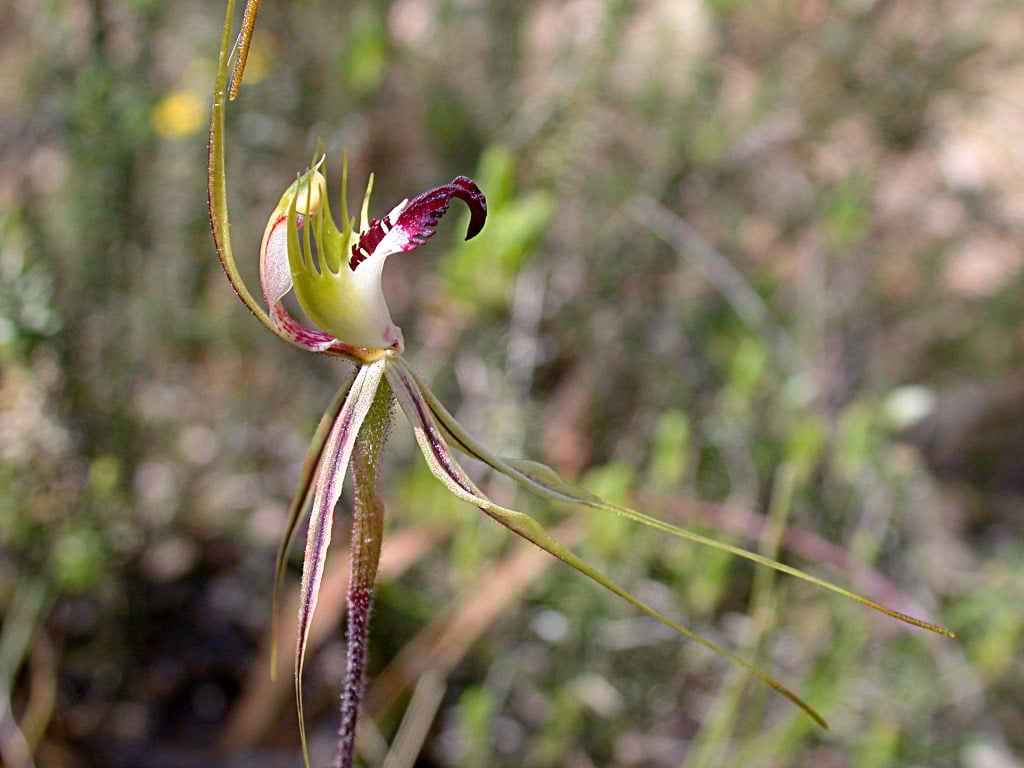
The orchid mantis doesn’t just hide among flowers. It becomes one.
These mantises developed petal-like extensions on their legs and bodies that mirror the exact coloring of orchids—pinks, whites, and yellows that shift depending on their environment. But here’s the twist: they don’t use this disguise to hide from predators.
They use it to hunt. Pollinators fly up expecting nectar and get grabbed instead.
The mantis sits there looking gorgeous and deadly, waiting for its next meal to literally come to it.
Leafy Sea Dragons Floating Through Kelp Forests
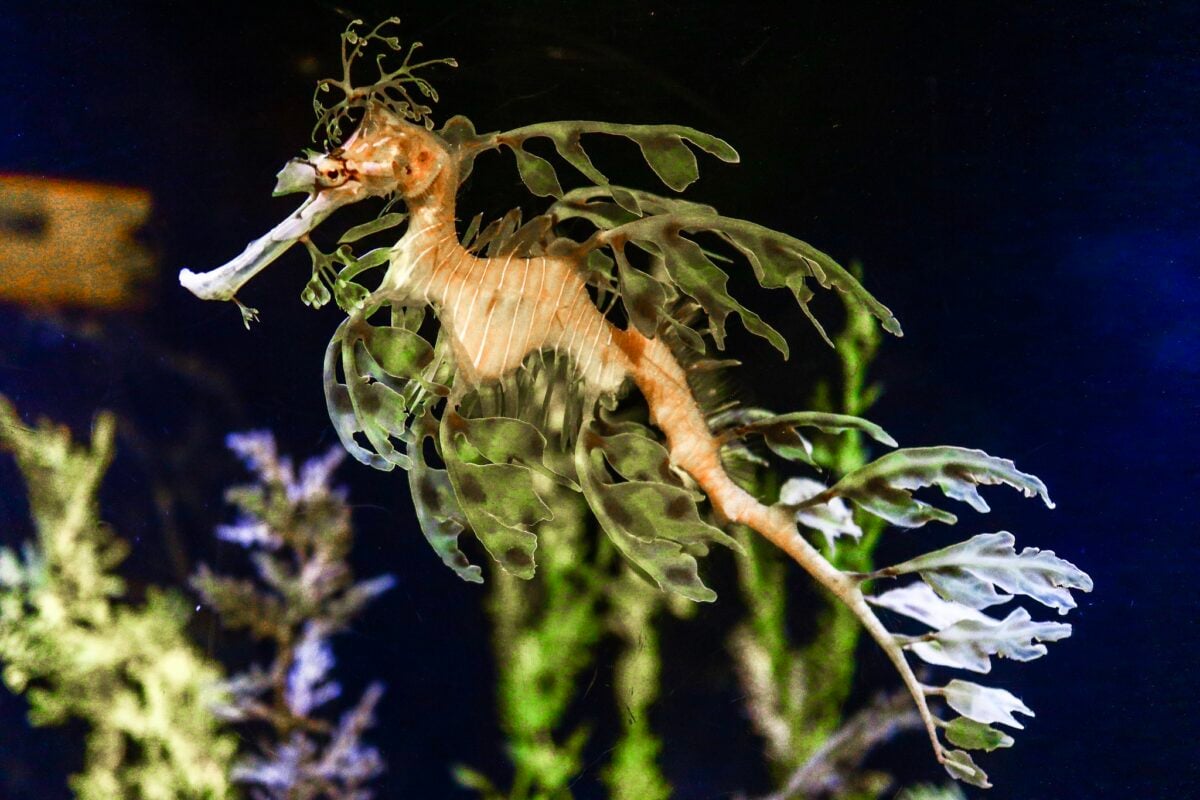
Sea dragons take the plant disguise underwater. These relatives of seahorses have sprouted elaborate appendages that look exactly like seaweed fronds.
The leafy sea dragon has the most dramatic appearance, with multiple leaf-like protrusions covering its entire body. They drift through kelp forests and seagrass beds, moving so slowly and looking so plant-like that fish swim right past them.
Even when you know what you’re looking at, your brain struggles to process them as animals.
Stonefish Pretending to Be Coral-Covered Rocks
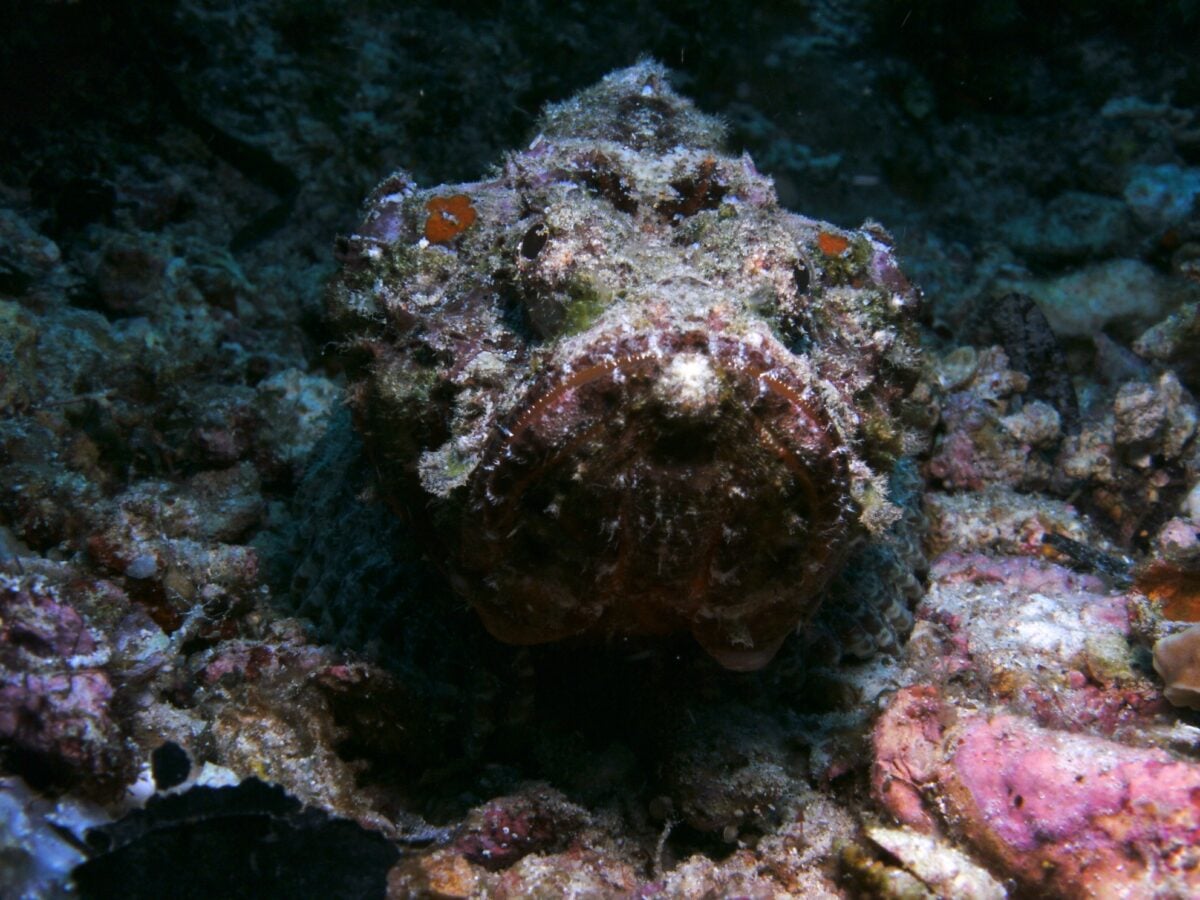
Stonefish might not look like traditional plants, but they’ve mastered disguising themselves as coral-encrusted rocks. Their bumpy, textured skin grows actual algae and small organisms, making them blend perfectly into reef environments.
These fish are also the most venomous in the world. Step on one thinking it’s a rock, and you’ll quickly discover your mistake.
They don’t move much, don’t hunt actively, and spend most of their time being exceptionally good at looking like the ocean floor.
Mossy Frogs Covered in Green Texture

The Vietnamese mossy frog has skin that looks exactly like moss-covered bark. The texture is rough and bumpy, with patches of green, brown, and black that create a mottled appearance.
When these frogs sit still, they become indistinguishable from the moss-covered rocks and logs in their rainforest homes. They even curl up into tight positions that make them look more like lumps of vegetation than living creatures.
Finding one in the wild requires patience and a very sharp eye.
Flower Mantises Blooming on Stems
Different mantis species have evolved to mimic different flowers. The flower mantis comes in various forms—some look like white blossoms, others mimic colorful tropical flowers.
They position themselves on plants and wait, looking like just another pretty bloom. Insects land on them expecting pollen.
They don’t get pollen.
Decorator Crabs Building Their Own Camouflage

Decorator crabs take disguise into their own hands—or claws. These crabs actively collect bits of algae, sponges, and other marine plants, then attach them to their shells using special hooked hairs.
The result is a crab that looks like a moving clump of seaweed. Different species have different decorating styles.
Some go for full coverage, others create strategic accents. Young crabs redecorate as they grow, constantly updating their look to match their surroundings.
Katydids Looking Like Perfect Leaves
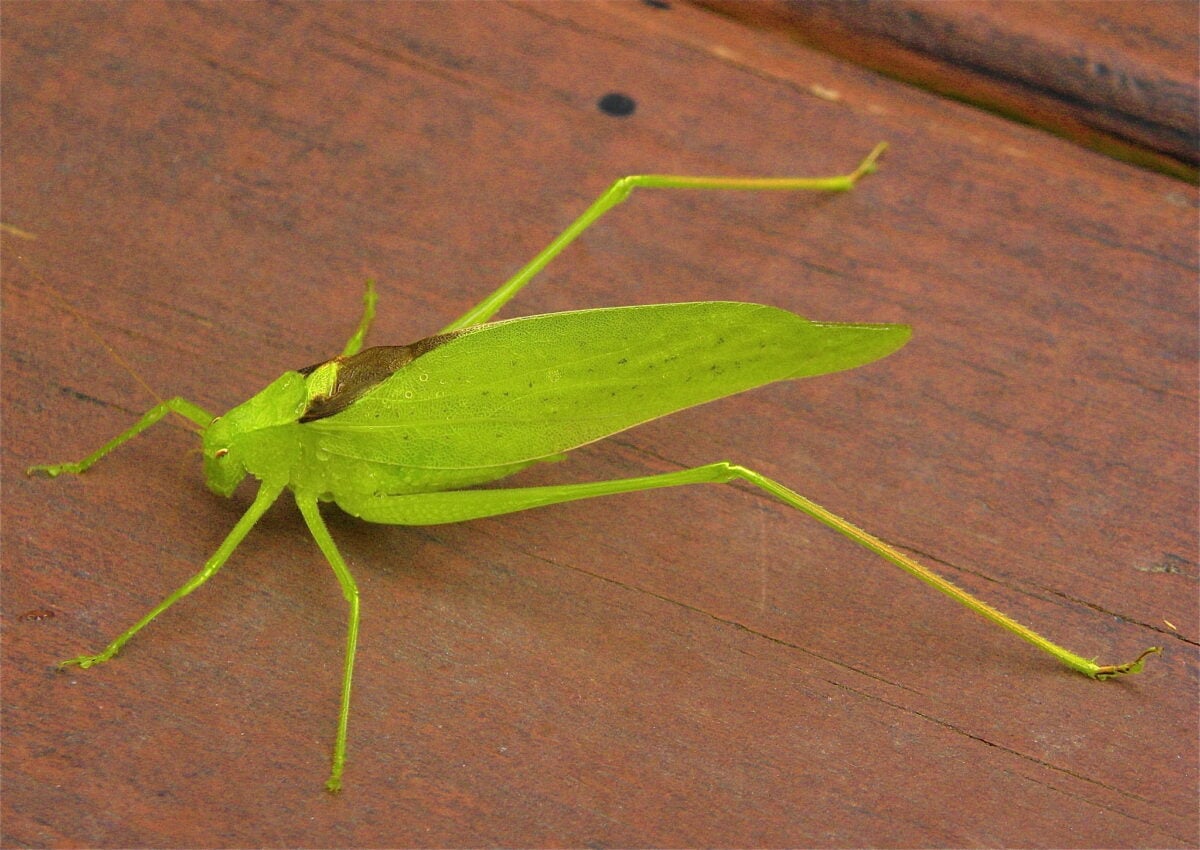
Katydids have evolved to mimic leaves so precisely that each species matches a specific type of plant in its habitat. Some look like fresh green leaves, others appear dried and brown.
Many have vein patterns, ragged edges, and even fake damage marks like insect bites. The dead leaf katydid takes this further by mimicking a dried, curled leaf right down to the brown coloring and withered texture.
These insects don’t just blend in—they disappear completely.
Pygmy Seahorses Matching Coral Perfectly
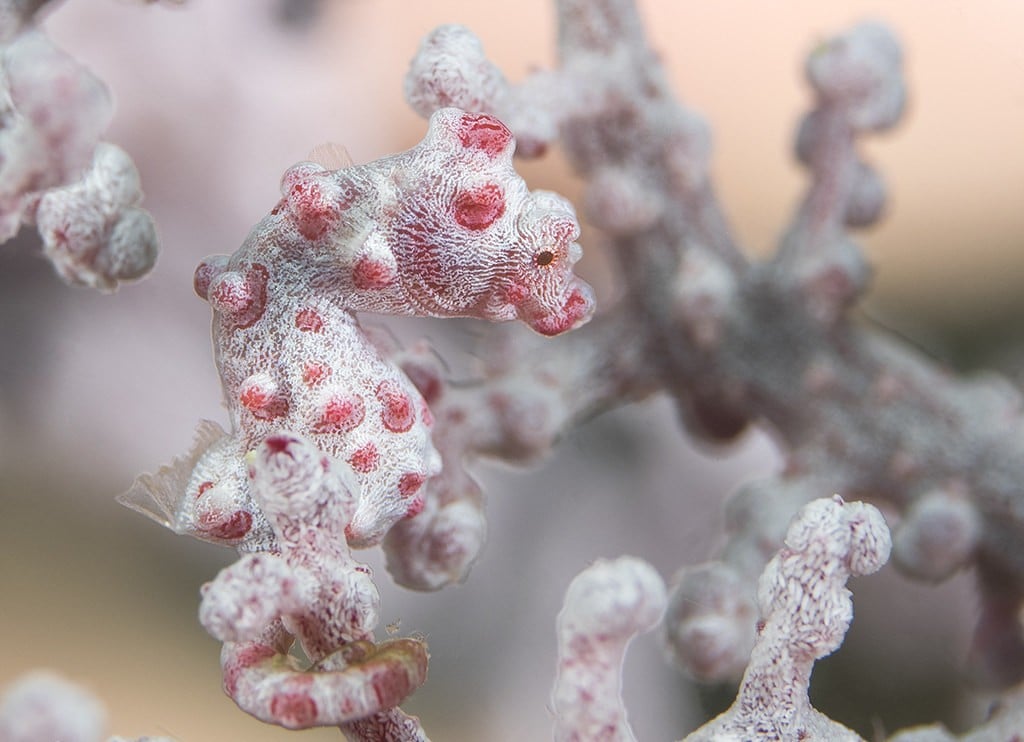
Pygmy seahorses evolved alongside specific coral species and now match them almost exactly. The Bargibant’s pygmy seahorse, for instance, has bumpy tubercles on its body that mirror the polyps on gorgonian coral.
The color matches perfectly—pink or purple depending on the coral host. These seahorses grow to less than an inch long and spend their entire lives on one or two coral fans.
Divers can look directly at them and still not spot them.
Treehopper Insects With Elaborate Helmets
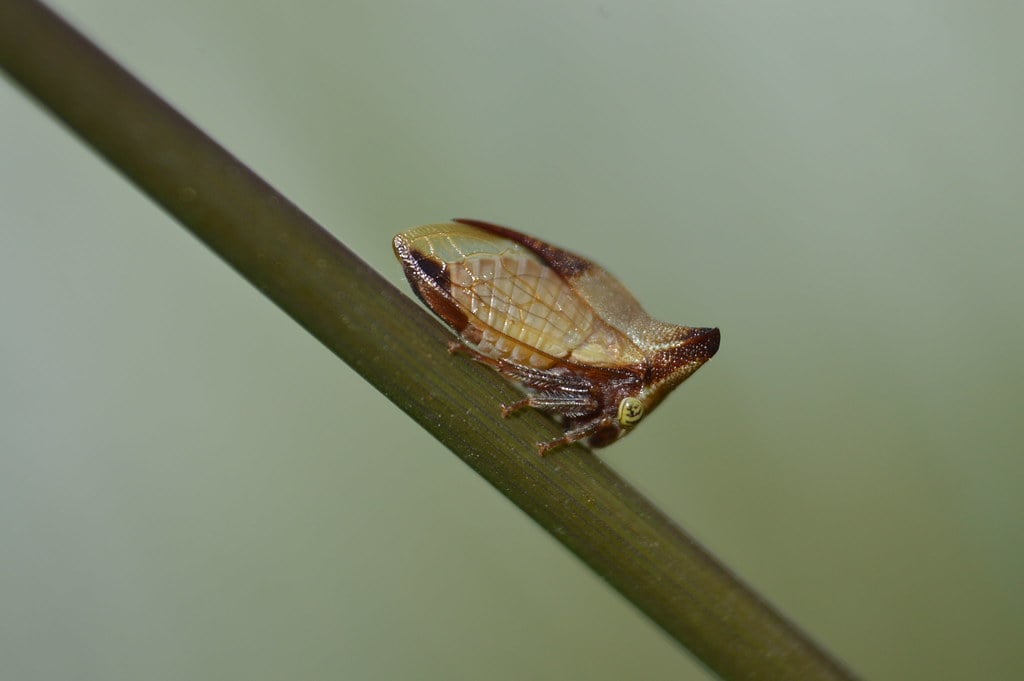
Treehoppers have developed bizarre helmet-like structures on their backs called pronota. Some look like thorns, others resemble seeds, and some mimic tree bark.
The thorn treehoppers arrange themselves along branches in patterns that make them look like natural plant defenses. These structures don’t just provide camouflage.
They also offer physical protection from predators. A bird that thinks it’s pecking at a thorn might decide the effort isn’t worth it.
Wrap-Around Spiders Hugging Tree Bark
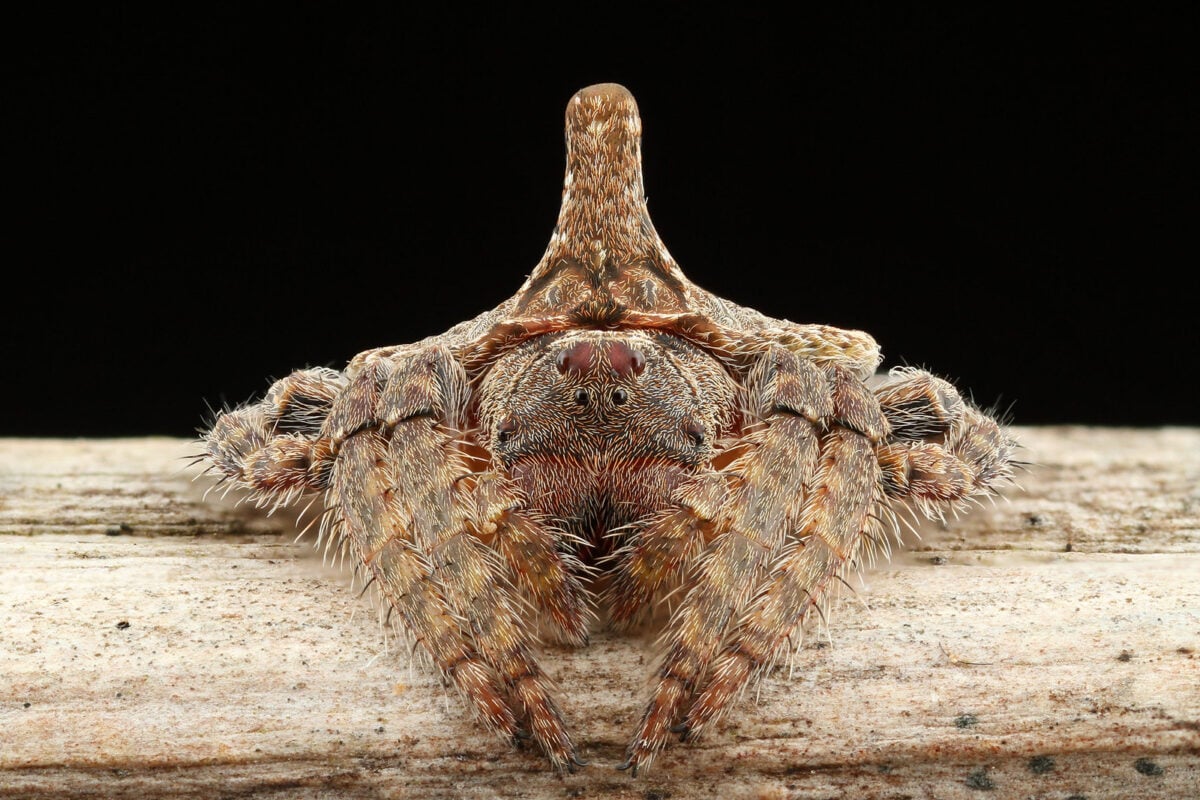
Wrap-around spiders have bodies that curve perfectly around tree branches. When threatened, they press themselves flat against bark and become virtually invisible.
Their coloring matches the wood exactly, and their thin, angular bodies eliminate any shadow that might give them away. You could touch the branch they’re on and still not notice them.
They commit completely to the disguise, staying motionless for hours.
Peppered Moths Adapting to Industrial Change
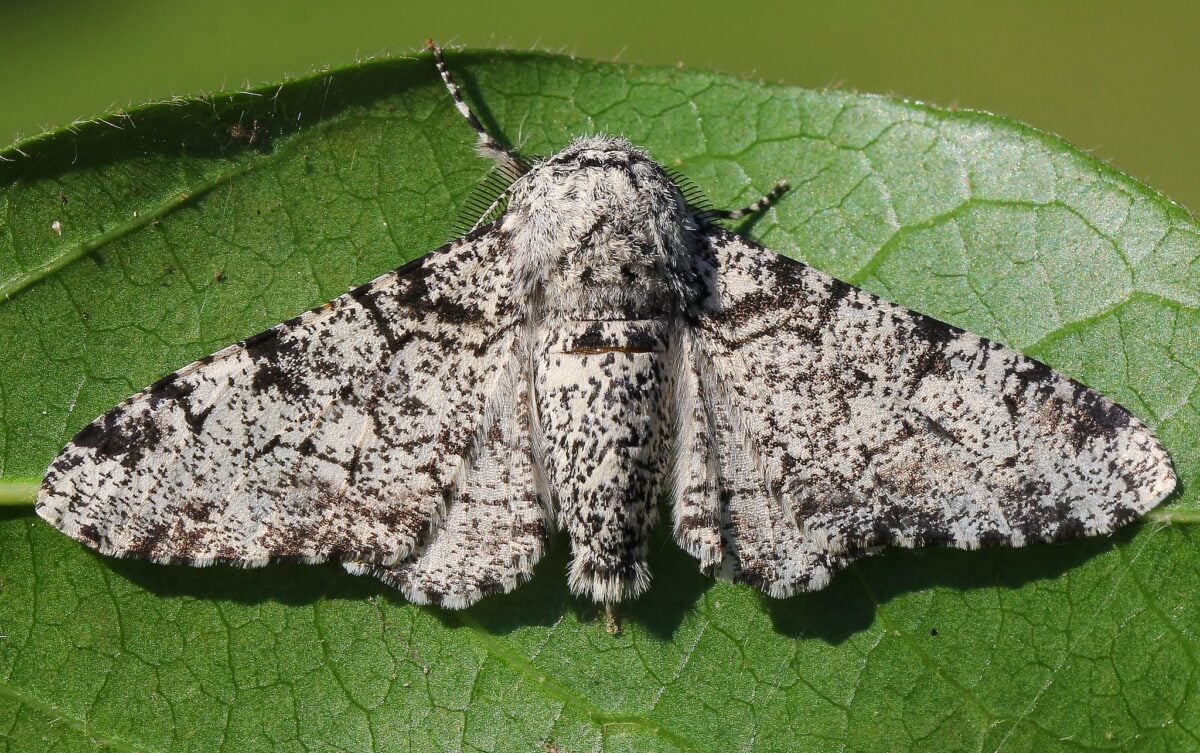
Peppered moths became a textbook example of evolution in action during the Industrial Revolution. Before heavy pollution, light-colored moths blended perfectly with lichen-covered trees.
As pollution killed the lichen and darkened tree bark, dark-colored moths became the better-camouflaged variant. The population shifted dramatically in just a few decades, showing how quickly animals can adapt their appearance based on environmental changes.
Where Biology Meets Art
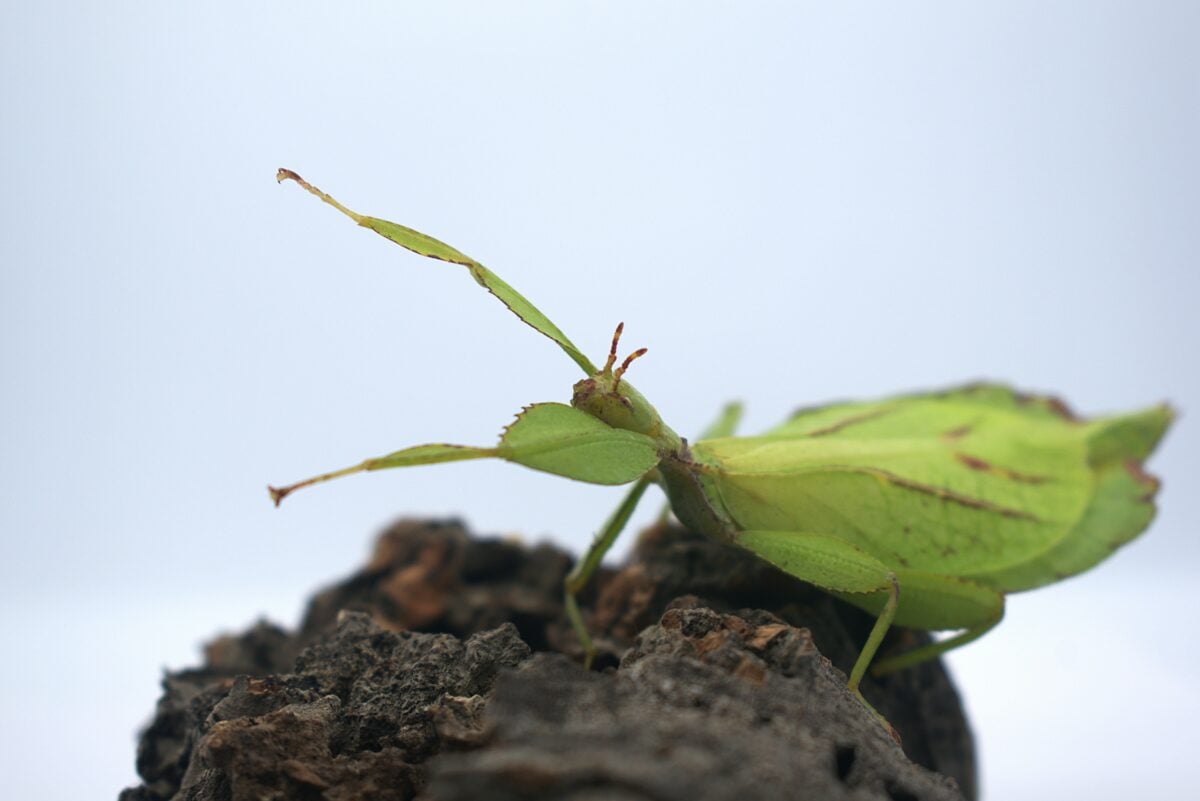
A sway here, a stillness there – the leaf insect copies the wind’s rhythm so well it becomes part of the branch. Over in the flowers, motion slows as the orchid mantis waits, its shape too perfect to be just chance.
Life finds strange ways to keep going when being seen means ending. No decision was made, only endless small shifts piling up across ages.
Still, it seems planned, maybe even elegant. Life shapes itself into forms that trick both sight and lens, just to survive one more morning without becoming a meal or fading from hunger.
Here’s the truth on evolution: beauty isn’t the goal, yet shows up now and then uninvited.
More from Go2Tutors!

- The Romanov Crown Jewels and Their Tragic Fate
- 13 Historical Mysteries That Science Still Can’t Solve
- Famous Hoaxes That Fooled the World for Years
- 15 Child Stars with Tragic Adult Lives
- 16 Famous Jewelry Pieces in History
Like Go2Tutors’s content? Follow us on MSN.



