20 Action Movie Clichés from the ’80s and ’90s That Wouldn’t Work Today
Remember those adrenaline-pumping action flicks where heroes never ran out of ammunition and villains kindly waited their turn to attack? The ’80s and ’90s gave us some of the most entertaining — yet wildly unrealistic — action movies that defined a generation of filmmaking.
While these films remain beloved classics, many of their signature elements simply wouldn’t survive in today’s tech-savvy, socially conscious world. Here’s a look at 20 action movie clichés from that golden era that would fall completely flat if filmmakers tried them in modern cinema.
Unlimited Ammunition

In classics like “Rambo” and “Commando,” protagonists fired hundreds of rounds without ever needing to reload — defying basic physics and ammunition capacity. Arnold Schwarzenegger famously mowed down entire armies with a single magazine, a feat that would instantly break immersion for today’s audiences.
Modern viewers expect at least some adherence to reality when it comes to weapon mechanics, especially with the proliferation of gun knowledge through video games and internet resources.
Pay Phones as Lifelines

Heroes desperately racing to find a pay phone formed the backbone of countless ’90s action sequences — a tension-building device that smartphones have completely eliminated. Films like “Speed” and “Die Hard with a Vengeance” hinged entire plot points on characters locating public phones under extreme pressure.
The ubiquity of mobile devices has erased this once-reliable source of cinematic suspense, forcing writers to create increasingly creative ways to separate characters from their phones.
Like Go2Tutors’s content? Follow us on MSN.
Airport Security Bypasses

Action heroes casually strolled through airports with concealed weapons, creating nail-biting finales at airport terminals or on runways. Post-9/11 security measures have rendered these scenarios laughably impossible, with today’s TSA protocols making the “race through the airport” sequence a relic of the past.
Modern filmmakers must invent increasingly elaborate workarounds to create airport tension without triggering audience disbelief.
Computer Hacking Montages

Hackers in movies like “The Net” and “Hackers” broke into secure systems within minutes through rapid typing and flashy graphics — a trope that tech-literate modern audiences find particularly cringeworthy. Today’s viewers understand that real cybersecurity involves complex processes rather than typing “ACCESS GRANTED” commands.
Contemporary films must strike a delicate balance between technical accuracy and entertainment when depicting digital intrusions.
Surprise Rooftop Landings

Heroes regularly landed helicopters on random rooftops without permission, clearance, or apparent consequences — a scenario that would trigger immediate homeland security responses today. Modern buildings feature security systems and restricted access that would make impromptu landings nearly impossible without serious legal repercussions.
Post-9/11 audiences inherently understand the implausibility of unauthorized aircraft approaching urban buildings uncontested.
Like Go2Tutors’s content? Follow us on MSN.
Easily Traceable License Plates

Countless ’80s action sequences involved the hero memorizing a license plate, then having a contact at the DMV instantly provide the villain’s home address. Today’s viewers understand that accessing such information requires warrants and legal procedures — not just a friendly acquaintance with database access.
Contemporary thrillers must create more sophisticated information-gathering techniques that acknowledge modern privacy regulations.
Climbing Through Air Ducts

Bruce Willis in “Die Hard” established the trope of heroes navigating buildings through conveniently human-sized ventilation systems — an architectural fantasy that defies reality. Modern audiences know that actual HVAC ducts are small, fragile, and unable to support human weight.
Today’s action films must find more credible methods for characters to move unseen through buildings, or at least acknowledge the implausibility when using this classic device.
Outrunning Explosions

Heroes casually walking away from massive explosions — without suffering hearing damage or being struck by debris — became an iconic visual shorthand for coolness in ’90s action films. Contemporary viewers expect more realism regarding blast physics and their devastating effects on the human body.
Modern action sequences typically show characters taking realistic cover or suffering consequences from proximity to explosions rather than simply outpacing them.
Like Go2Tutors’s content? Follow us on MSN.
Villains Explaining Their Plans

Bad guys delivering detailed monologues about their evil schemes — conveniently giving heroes time to escape — ranks among the most mocked action clichés of the era. Today’s audiences expect smarter villains who execute plans efficiently rather than indulge in theatrical exposition.
Contemporary thrillers typically reveal villain motivations through more subtle narrative techniques rather than convenient speeches at climactic moments.
One-Man Armies

A single hero defeating hundreds of henchmen without sustaining significant injuries became the standard formula for films starring Schwarzenegger, Stallone, and Van Damme. Modern films like “John Wick” maintain this tradition but with choreography that emphasizes skill and strategy over implausible invincibility.
Today’s action sequences typically show heroes using environments, taking damage, and winning through cleverness rather than sheer unrealistic endurance.
Bomb Timers Always Stopping at One

Digital bomb displays conveniently stopping at exactly one second became such a predictable trope that audiences began expecting the last-second save. Contemporary thrillers subvert this expectation either by avoiding countdown clichés entirely or by occasionally allowing devices to detonate ahead of schedule.
Modern audiences appreciate unpredictability and stakes that feel genuinely uncertain rather than formulaically resolved.
Like Go2Tutors’s content? Follow us on MSN.
Firing Two Guns Simultaneously

Dual-wielding pistols while performing acrobatics looked incredible but represented one of the most impractical combat techniques ever portrayed on screen. Today’s combat sequences typically emphasize realistic shooting stances and techniques that actual tactical experts might employ.
Films that still feature dual-wielding usually present it with a wink of self-awareness rather than as a serious combat approach.
Improbable Vehicle Jumps

Cars soaring over impossible gaps and landing perfectly intact defied basic physics in countless chase sequences from “The Dukes of Hazzard” to “Speed.” Modern audiences expect some acknowledgment of reality when vehicles perform extraordinary maneuvers.
Contemporary action films either use CGI to make impossible stunts look visually believable or show realistic consequences when vehicles endure extreme impacts.
Henchmen Attacking One at a Time

In retrospect, groups of trained fighters politely waiting their turn to attack the hero instead of overwhelming them simultaneously became unintentionally comical. Today’s fight choreography typically features more realistic group dynamics, with heroes using environments and momentum to create one-on-one scenarios within larger battles.
Modern viewers expect fight sequences that acknowledge the disadvantages of being outnumbered.
Like Go2Tutors’s content? Follow us on MSN.
Instant Concussion Recovery

Characters knocked unconscious recovered completely within seconds without the serious medical consequences that actual head trauma causes. Contemporary films increasingly acknowledge that concussions have lasting effects rather than serving as convenient plot devices.
Modern action heroes more often fight through injuries realistically rather than magically recovering from potentially brain-damaging blows.
Telephone Tracing Requirements

Modern thrillers must find more technologically plausible alternatives to the classic “Keep him on the line while we trace the call” trope — a source of tension in countless ’90s thrillers, even though it was already outdated at the time. Today’s audiences understand that call tracing happens nearly instantaneously, eliminating this once-reliable suspense device.
Modern films must create plausible ways to create tension around communication and location tracking.
Clearly Labeled Secret Bases
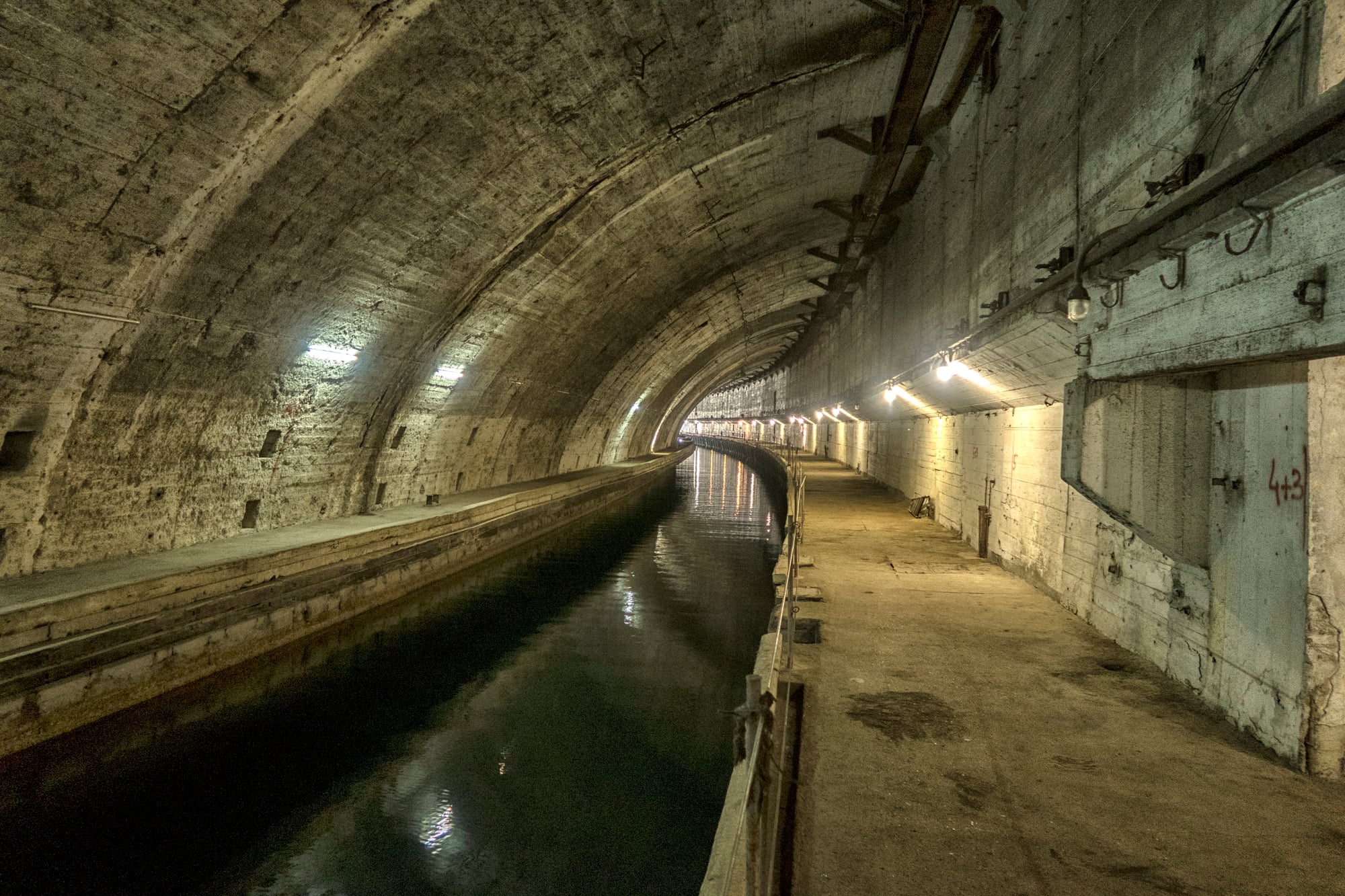
Villains inexplicably marking their secret headquarters with conspicuous logos or obvious infrastructure became a visual shorthand for evil lairs. Contemporary audiences expect more subtlety and plausibility in how antagonists conceal their operations.
Modern thrillers typically depict villain bases as outwardly legitimate businesses or completely unmarked facilities rather than obvious targets for hero intervention.
Like Go2Tutors’s content? Follow us on MSN.
Random Martial Arts Expertise

American police officers and everyday citizens suddenly displaying expert-level martial arts skills without explanation became a hallmark of ’90s action films. Today’s audiences expect more justification for extraordinary combat abilities, with characters typically having established backgrounds in military or combat sports.
Contemporary action films usually provide at least a minimal backstory for why certain characters possess exceptional fighting prowess.
Cars Exploding on Impact

Vehicles bursting into massive fireballs after minor collisions represented perhaps the most scientifically inaccurate trope of the era. Contemporary audiences know that automotive gas tanks rarely explode without extraordinary circumstances.
Modern action sequences typically reserve vehicle explosions for situations involving actual explosive devices or extreme damage to fuel systems rather than simple fender benders.
Convenient Parking Spots

Heroes always finding perfect parking directly in front of their destination — even in notoriously congested cities like New York or Los Angeles — stretched credibility even for action films. Today’s urban audiences, intimately familiar with parking struggles, find this detail particularly immersion-breaking.
Contemporary films either acknowledge parking difficulties realistically or simply cut around this mundane detail rather than presenting implausible convenience.
Like Go2Tutors’s content? Follow us on MSN.
Evolved Action: Beyond the Clichés
While these dated tropes might trigger nostalgic amusement, their disappearance represents the natural evolution of action cinema rather than any fundamental decline. Today’s action films deliver their own brand of spectacle while respecting audience intelligence and technological awareness.
The genre continues to thrive not by abandoning its over-the-top heritage, but by finding fresh ways to deliver thrills that maintain that crucial suspension of disbelief for contemporary viewers who expect both excitement and plausibility from their action heroes.
More from Go2Tutors!

- 18 Unexpectedly Valuable Collectibles You Might Have Lying Around
- 20 Little-Known Historical Battles That Had Huge Consequences
- 20 Historical Artifacts That Scientists Can’t Explain
- 15 Inventions That Were Immediately Banned After Being Created
- 20 Actors Who Were Almost Cast in Iconic Roles
Like Go2Tutors’s content? Follow us on MSN.



