18 Animal Superpowers That Defy Common Sense
Nature’s laboratory has been experimenting for millions of years – creating abilities in animals that seem straight out of science fiction. While humans invented sonar, infrared goggles, and regenerative medicine relatively recently, countless creatures were born with these capabilities eons ago.
The animal kingdom harbors extraordinary talents that challenge our understanding of what’s biologically possible. Here is a list of 18 animal superpowers that defy common sense, showing just how incredible evolution can be when given enough time to tinker with the genetic code.
Mantis Shrimp Vision
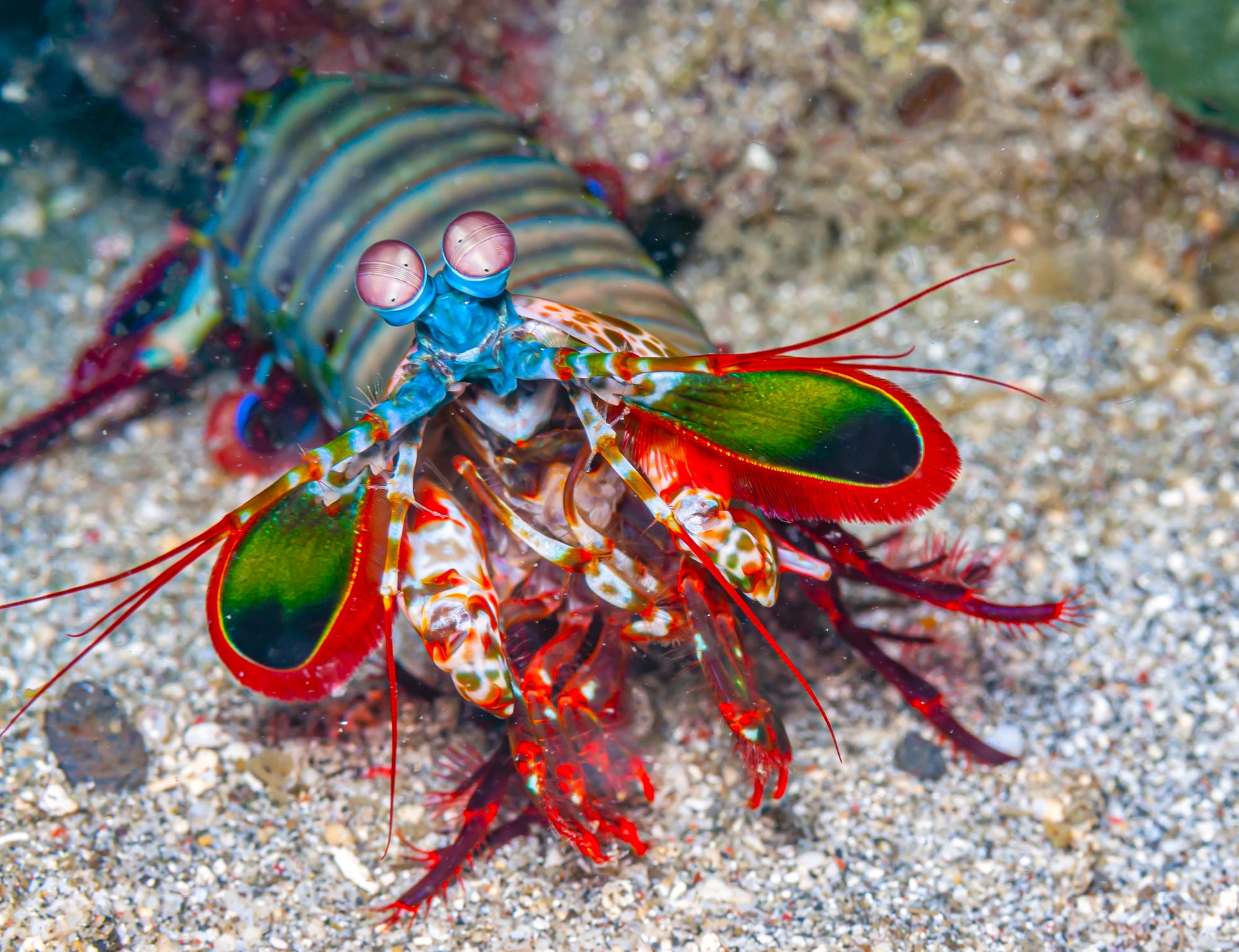
These unassuming crustaceans possess the most complex eyes known to science – they can see wavelengths we can’t even imagine. Humans detect three color channels (red, green, blue), but mantis shrimp process sixteen!
They’re the only animals known to perceive both linear and circular polarized light – something our technology barely manages. Their visual processing system is so unique that scientists believe they experience colors we can’t even conceptualize.
Tardigrade Survival
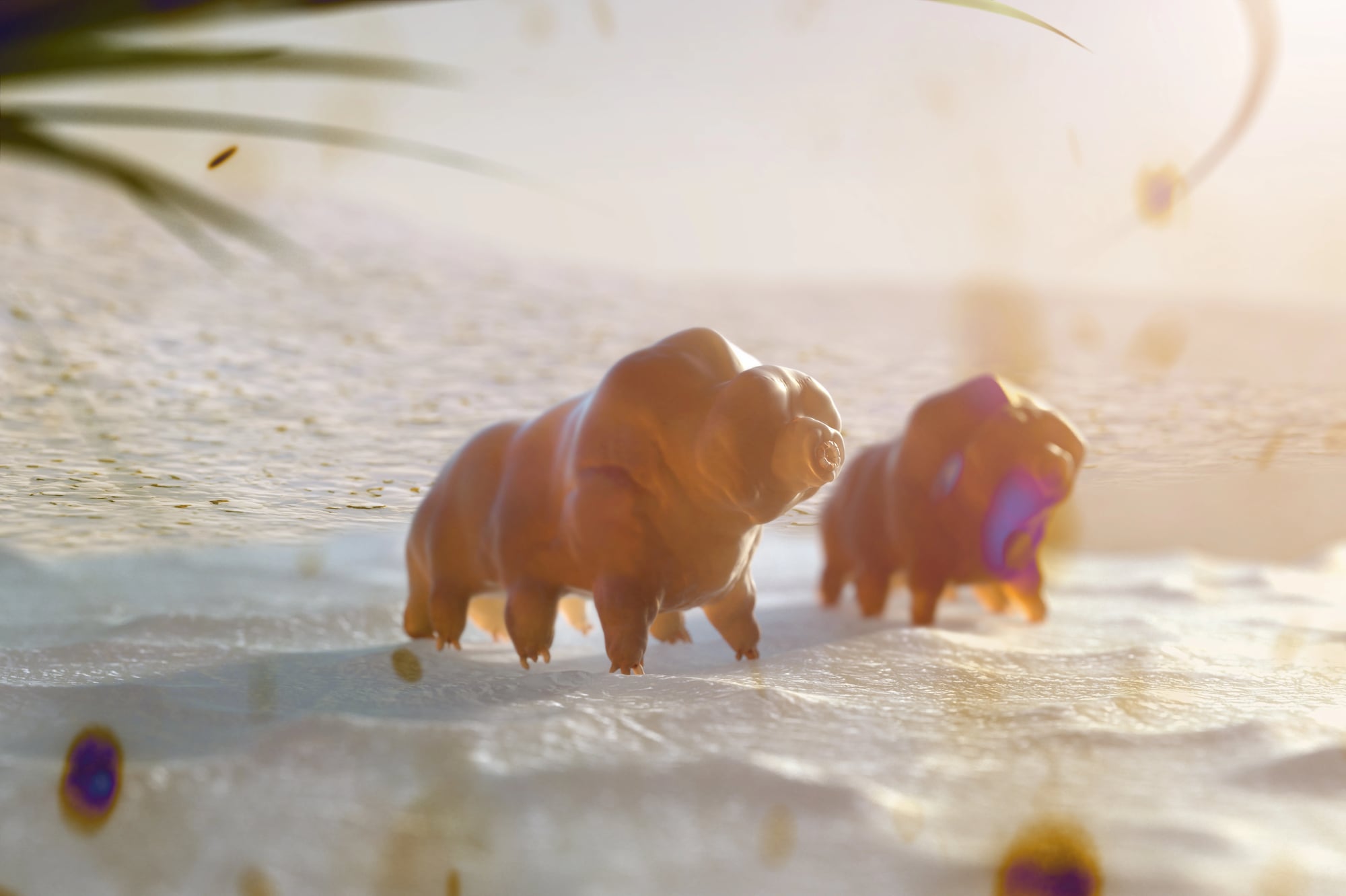
Also called water bears, these microscopic creatures laugh in the face of conditions that’d kill anything else. They’ve survived being frozen to near absolute zero (-458°F), heated to 304°F, crushed under pressure six times greater than the deepest ocean trench, and even lived through the vacuum of space!
Their secret? Tardigrades can enter a dehydrated state called cryptobiosis – replacing water in their cells with a special sugar that preserves their structure. They’ve been revived after 30+ years in this suspended animation.
Like Go2Tutors’s content? Follow us on MSN.
Platypus Electroreception
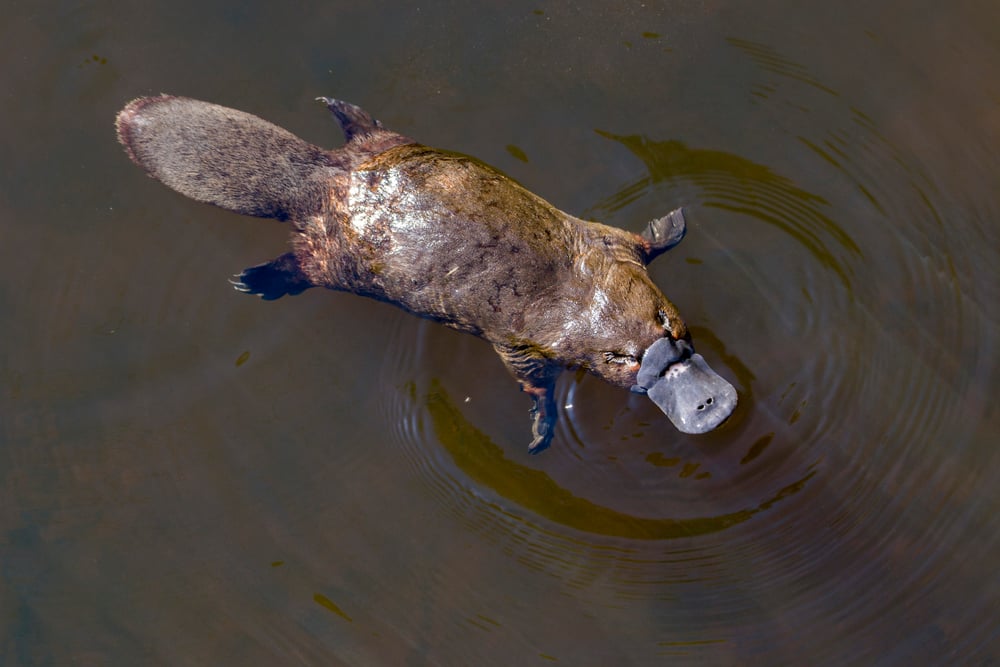
These bizarre Australian mammals hunt with their eyes closed – yet catch prey with remarkable precision. How? Their duck-like bills contain thousands of electroreceptors that detect the tiny electrical fields produced by muscular contractions in prey animals.
This sixth sense lets platypuses create detailed mental maps of their surroundings and locate crayfish and worms hiding in mud. Most astonishing – they can detect electric fields as small as 50 nanovolts per centimeter, about ten million times more sensitive than anything humans have built.
Pistol Shrimp’s Sonic Weapon
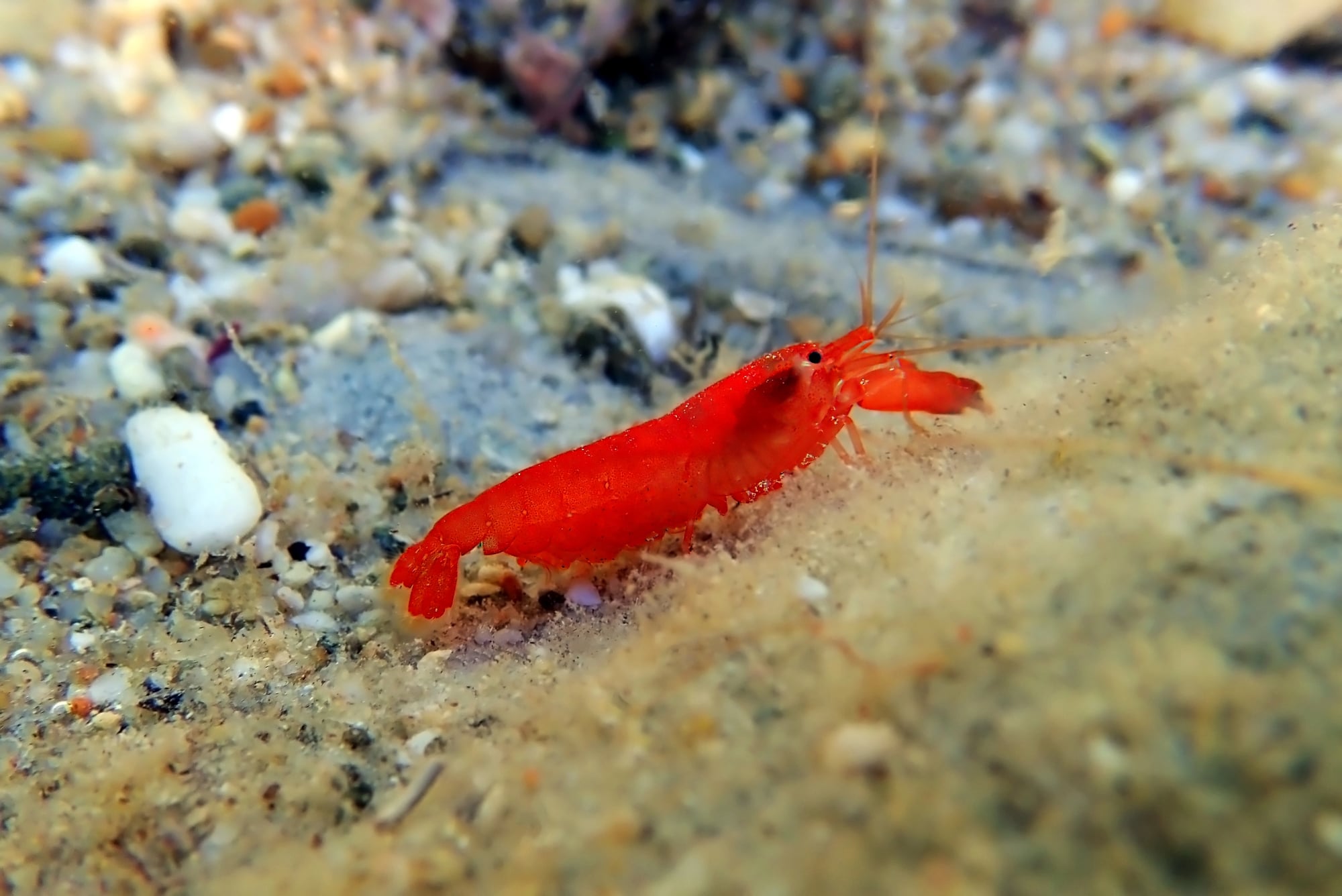
This tiny assassin creates underwater explosions louder than a gunshot. By snapping its specialized claw at incredible speeds – faster than a bullet – it generates a cavitation bubble that reaches temperatures nearly as hot as the sun’s surface when it collapses.
The resulting shockwave stuns prey and can even kill small fish. These minuscule creatures produce so much sonic energy that colonies of pistol shrimp interfere with submarine sonar and underwater communications equipment.
Bombardier Beetle’s Chemical Cannon
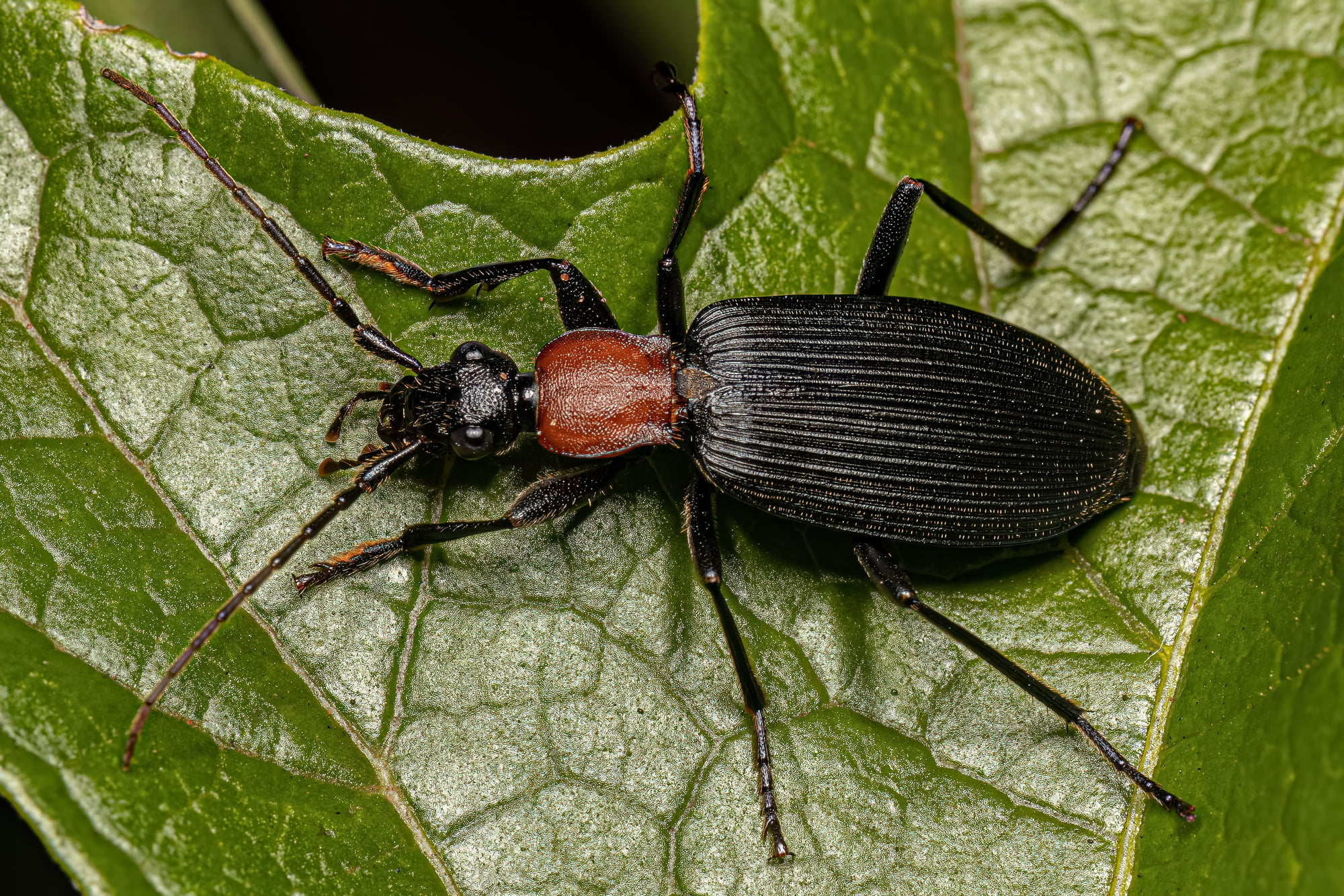
When threatened, this insect becomes a walking chemical weapon – mixing compounds stored in separate chambers to create an explosive reaction. The beetle precisely controls this volatile chemical cocktail, directing it at predators in a boiling spray reaching 212°F.
Most remarkably, the beetle’s internal explosion chamber is reinforced with special proteins and minerals – without them, the insect would blow itself up! Evolution somehow developed this sophisticated chemical defense system in a creature smaller than your fingernail.
Like Go2Tutors’s content? Follow us on MSN.
Mimic Octopus Shape-shifting
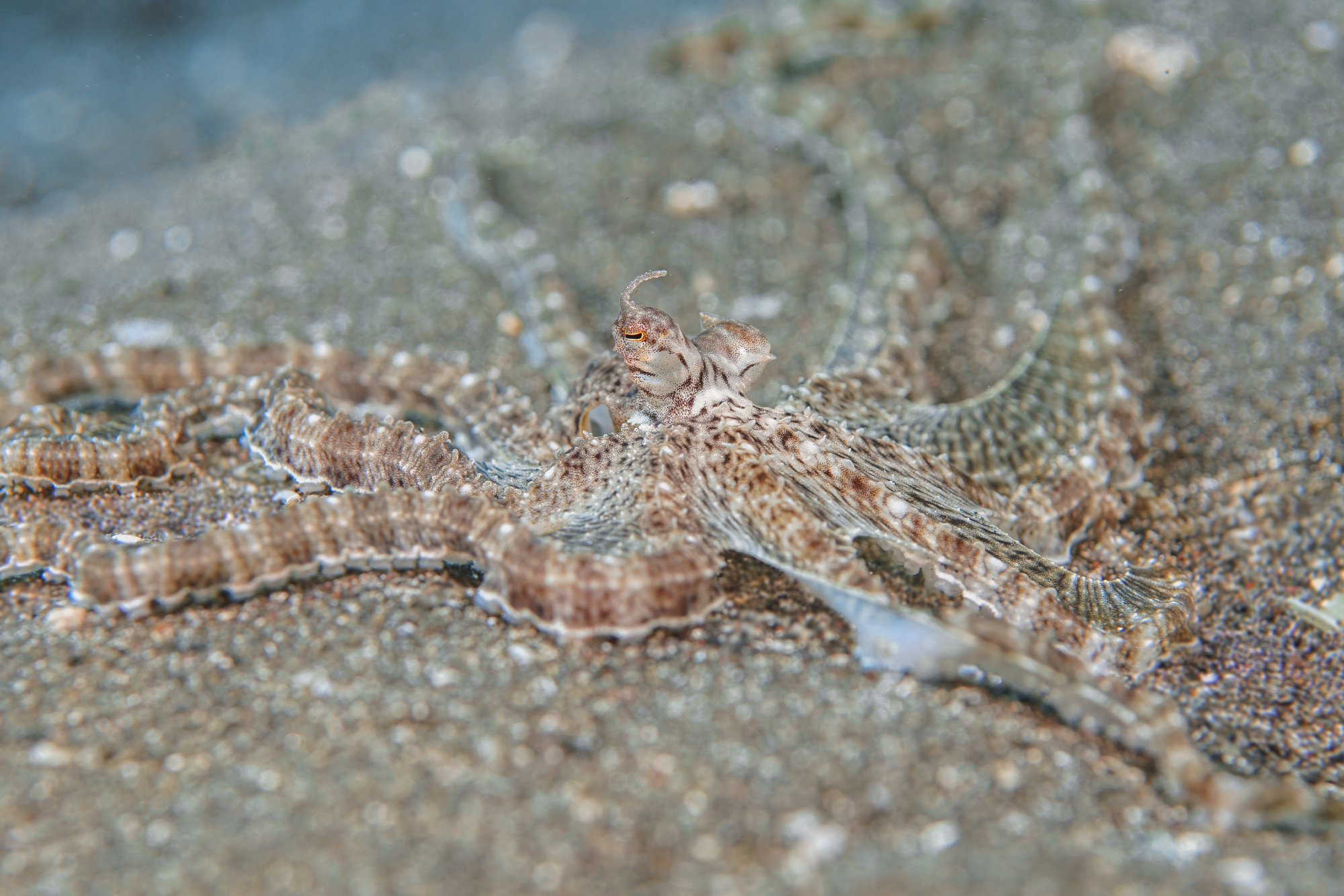
Discovered only in 1998, this aquatic master of deception doesn’t just change color – it transforms its entire body to impersonate other sea creatures. The mimic octopus can contort itself to look like more than fifteen different species, including venomous lionfish, sea snakes, and flatfish.
Unlike simple camouflage, this octopus actively chooses which dangerous animal to impersonate based on nearby threats. Scientists remain baffled at how it learned to mimic animals it rarely encounters – suggesting some form of cultural knowledge passed between generations.
Lyrebird’s Sound Reproduction
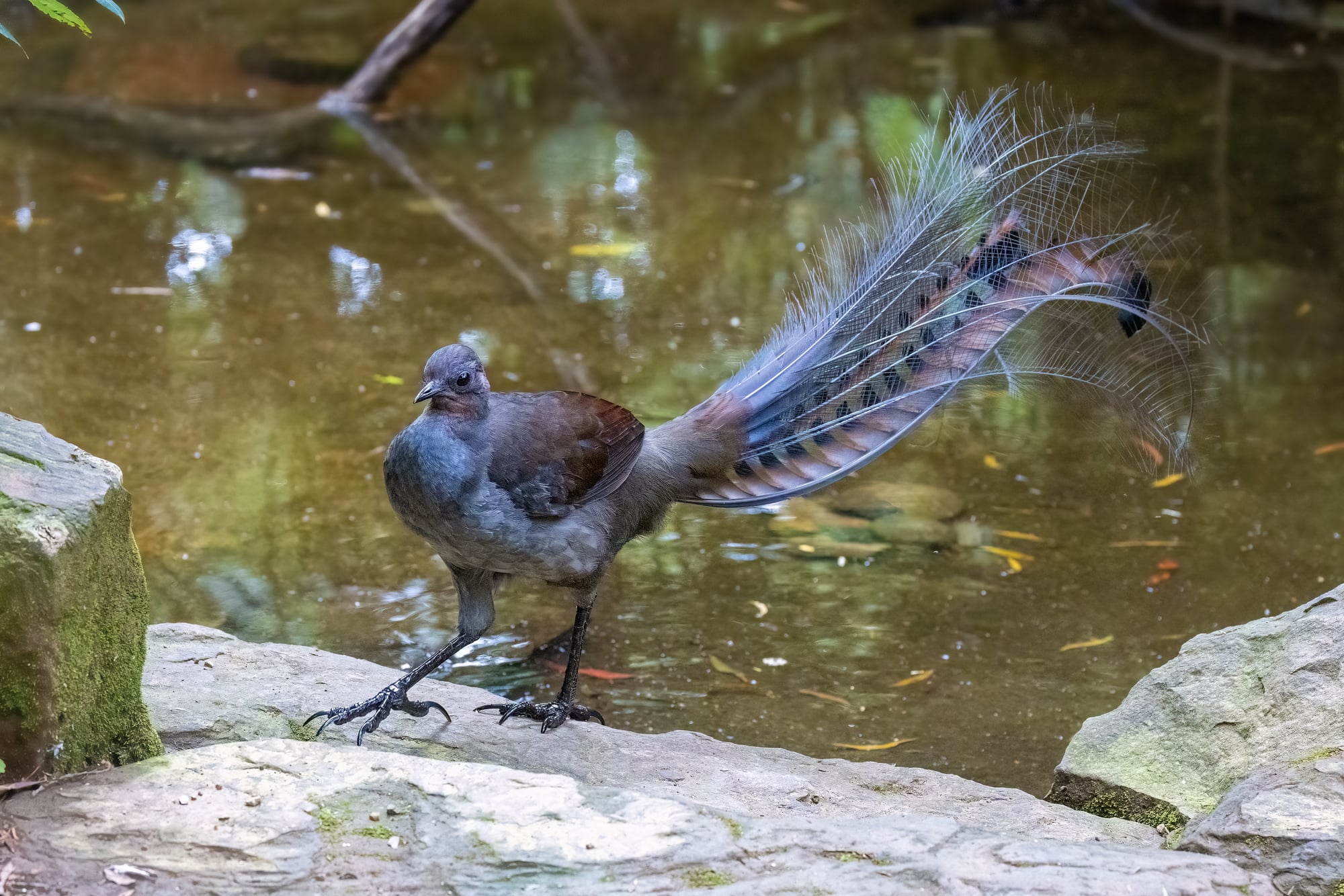
These Australian birds possess vocal mimicry skills that put the best human impressionists to shame. Lyrebirds can perfectly reproduce almost any sound – from other birds’ calls to camera shutters, chainsaws, car alarms, and even human speech.
Their specialized syrinx (voice box) contains unique muscles allowing them to produce multiple sounds simultaneously. A single lyrebird can mimic an entire forest of different species – creating a complete soundscape from memory. Their reproduction is so precise that wildlife recordings sometimes contain lyrebird imitations rather than the original sounds!
Peregrine Falcon Speed
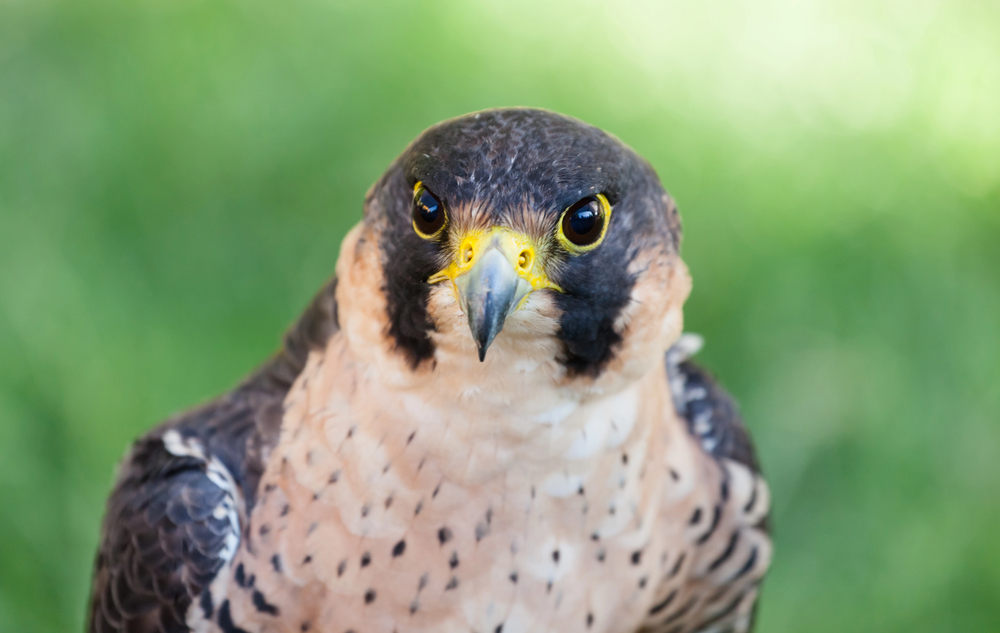
The world’s fastest animal doesn’t run or swim – it plummets through the sky at mind-boggling velocities. During hunting dives called stoops, peregrine falcons reach speeds over 240 miles per hour – faster than many small aircraft.
To withstand these speeds, they’ve evolved special respiratory systems and aerodynamic features that prevent their lungs from collapsing under extreme pressure. Special bony tubercles in their nostrils redirect shockwaves that would otherwise damage their breathing systems.
They even possess transparent third eyelids that function like built-in goggles.
Like Go2Tutors’s content? Follow us on MSN.
Immortal Jellyfish Regeneration
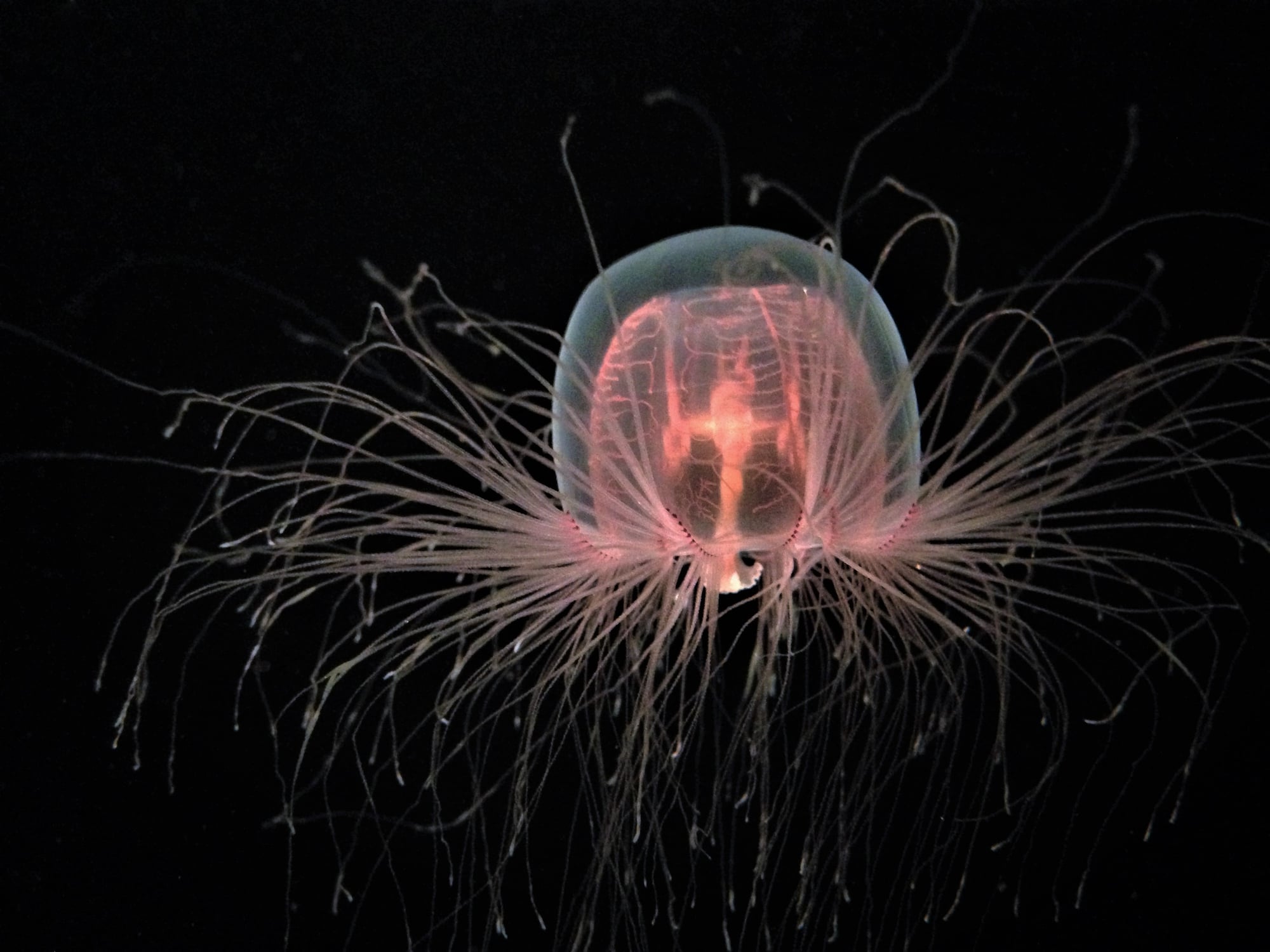
Turritopsis dohrnii breaks the most fundamental rule of life – it doesn’t have to die. When stressed or injured, this jellyfish can revert completely to its juvenile polyp stage through a process called transdifferentiation – mature cells transform into different cell types.
This cellular alchemy allows it to essentially reset its life cycle and grow up again, potentially repeating this process indefinitely. Scientists have observed individual jellies undergo this rejuvenation dozens of times – making them theoretically immortal unless eaten or diseased.
Sperm Whale Diving
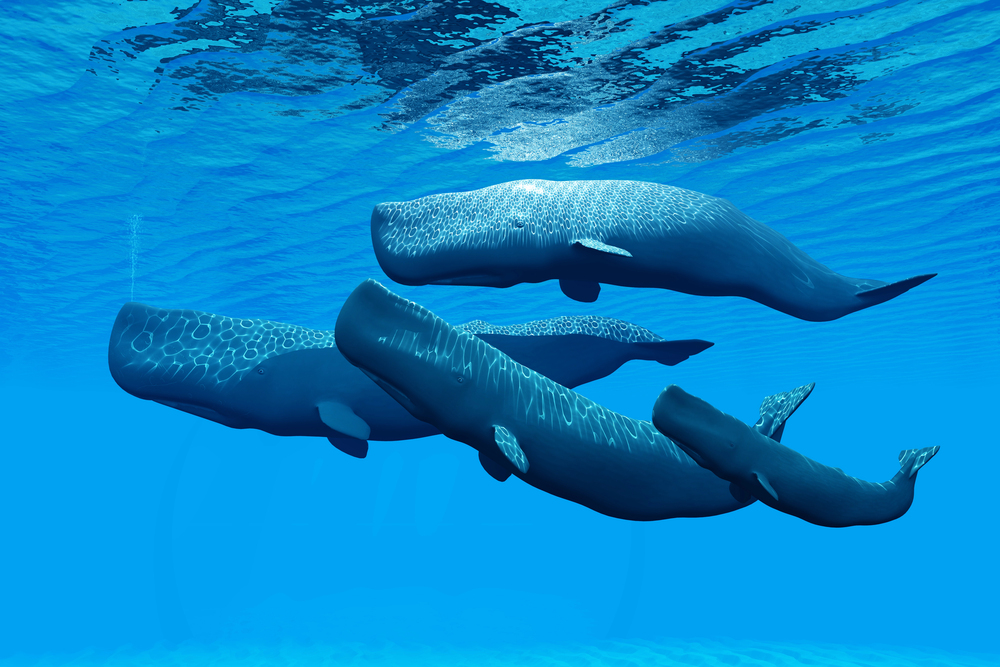
These massive marine mammals routinely dive deeper than a mile below the surface – holding their breath for up to 90 minutes. Their specialized myoglobin-rich muscles store oxygen at concentrations that would be toxic to other mammals.
When descending, their flexible ribcage collapses under pressure – squeezing air out and preventing compression damage. Their unique physiology allows them to hunt giant squid in the crushing darkness of the deep ocean – in pressure conditions that would kill a human instantly.
Hummingbird Metabolism
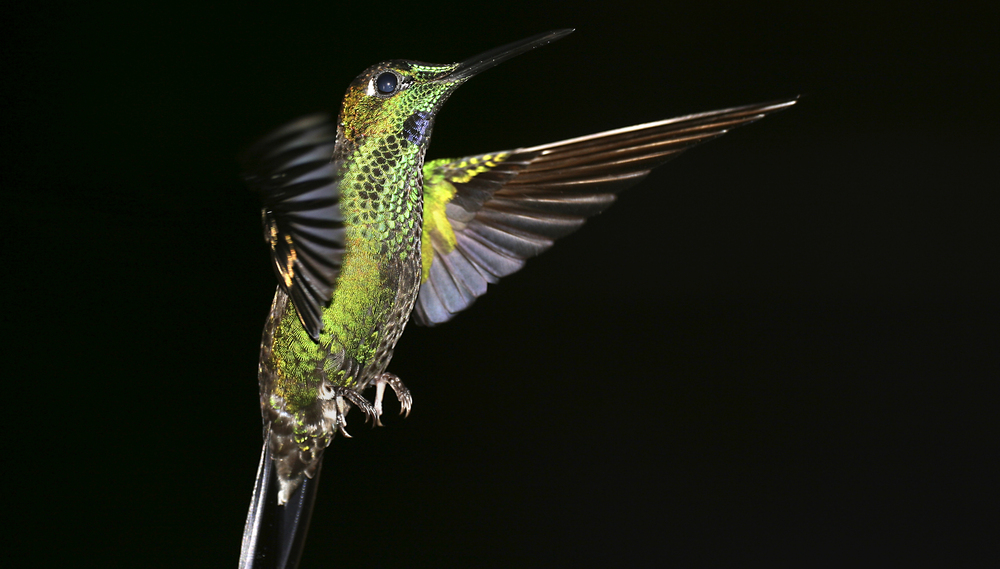
These tiny aviators operate at the absolute edge of metabolic possibility. Their hearts beat up to 1,260 times per minute during flight – so fast it sounds like humming.
They breathe up to 250 times per minute and maintain body temperatures around 107°F without cooking themselves. At night, they enter torpor – dropping their temperature by 50°F and slowing their metabolism to 1/15th normal rate to survive without feeding.
Gram for gram, their energy consumption exceeds that of a jet fighter, requiring them to consume more than their body weight in nectar daily.
Like Go2Tutors’s content? Follow us on MSN.
Archerfish Ballistics
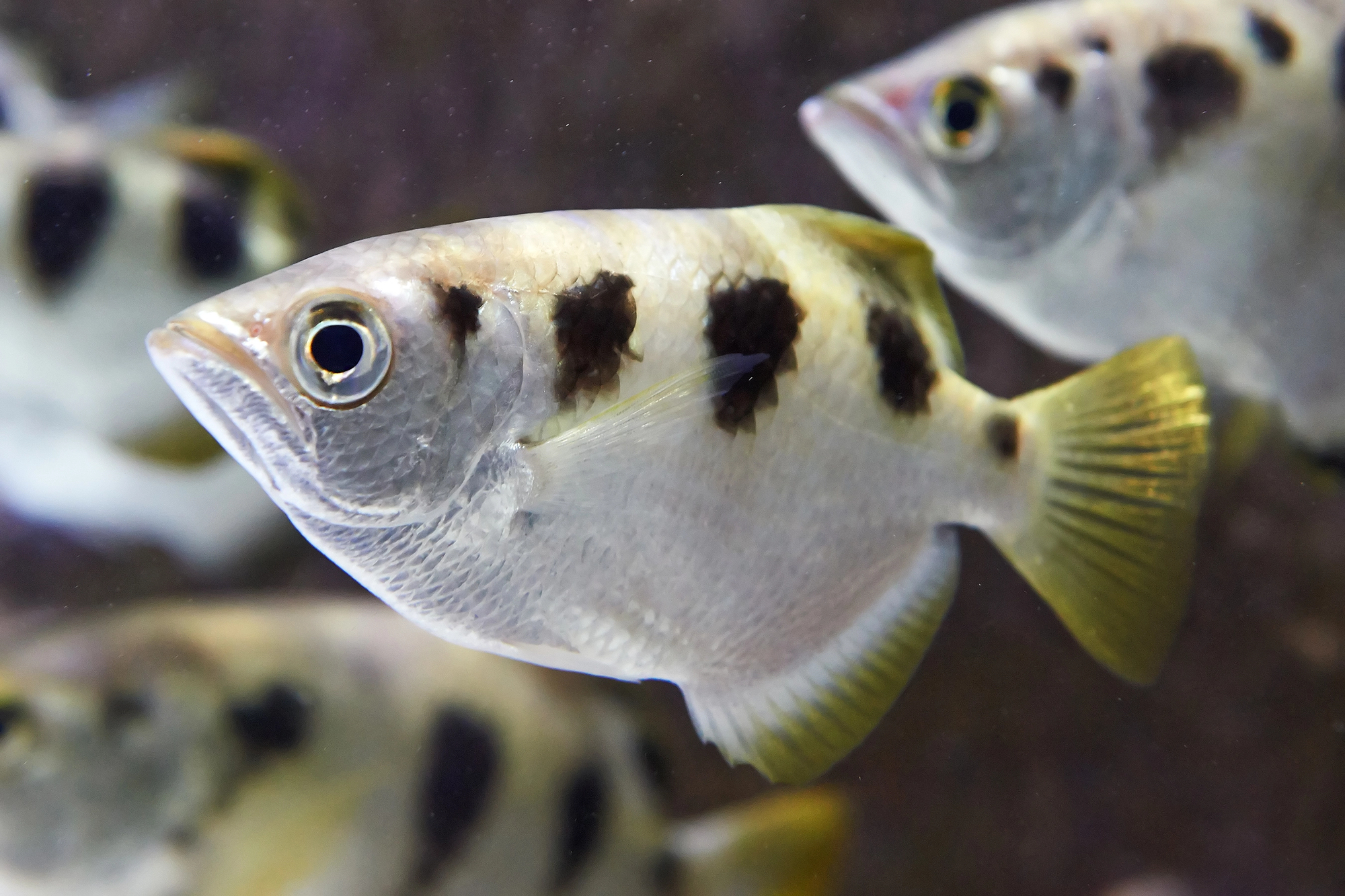
These aquatic sharpshooters solve complex physics problems instinctively. Archerfish knock insects off overhanging vegetation by firing precisely calibrated water jets from below the surface.
They automatically compensate for light refraction between water and air – something human brains find challenging. Even more impressively, they adjust the power and trajectory of their shots based on prey size and distance, demonstrating an intuitive understanding of gravity and fluid dynamics. Some individuals can hit targets with accuracy exceeding 90% at distances up to 10 feet.
African Elephant Communication
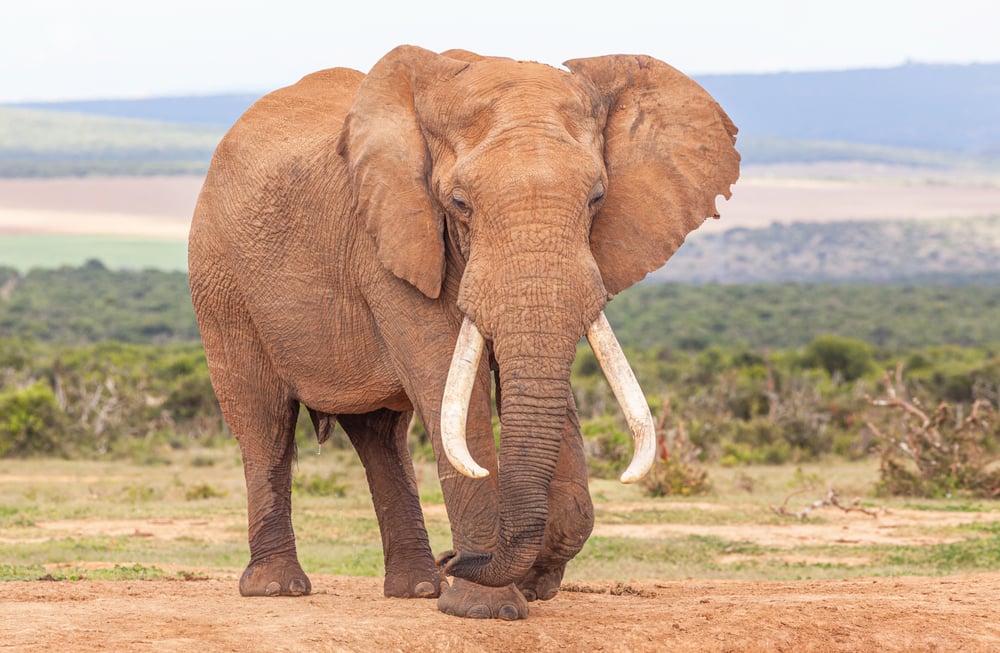
The world’s largest land animals talk to each other through methods we’ve barely begun to understand. Elephants produce infrasonic rumbles below human hearing range (as low as 5 Hz) that travel through ground and air for miles.
Their feet contain specialized sensory cells that detect these vibrations, allowing them to “hear” through their limbs. Research suggests they create mental maps of distant herd members’ locations using these subsonic messages. Perhaps most remarkably, they can recognize and respond to alarm calls from specific individuals up to 50 miles away.
Alpine Ibex Climbing
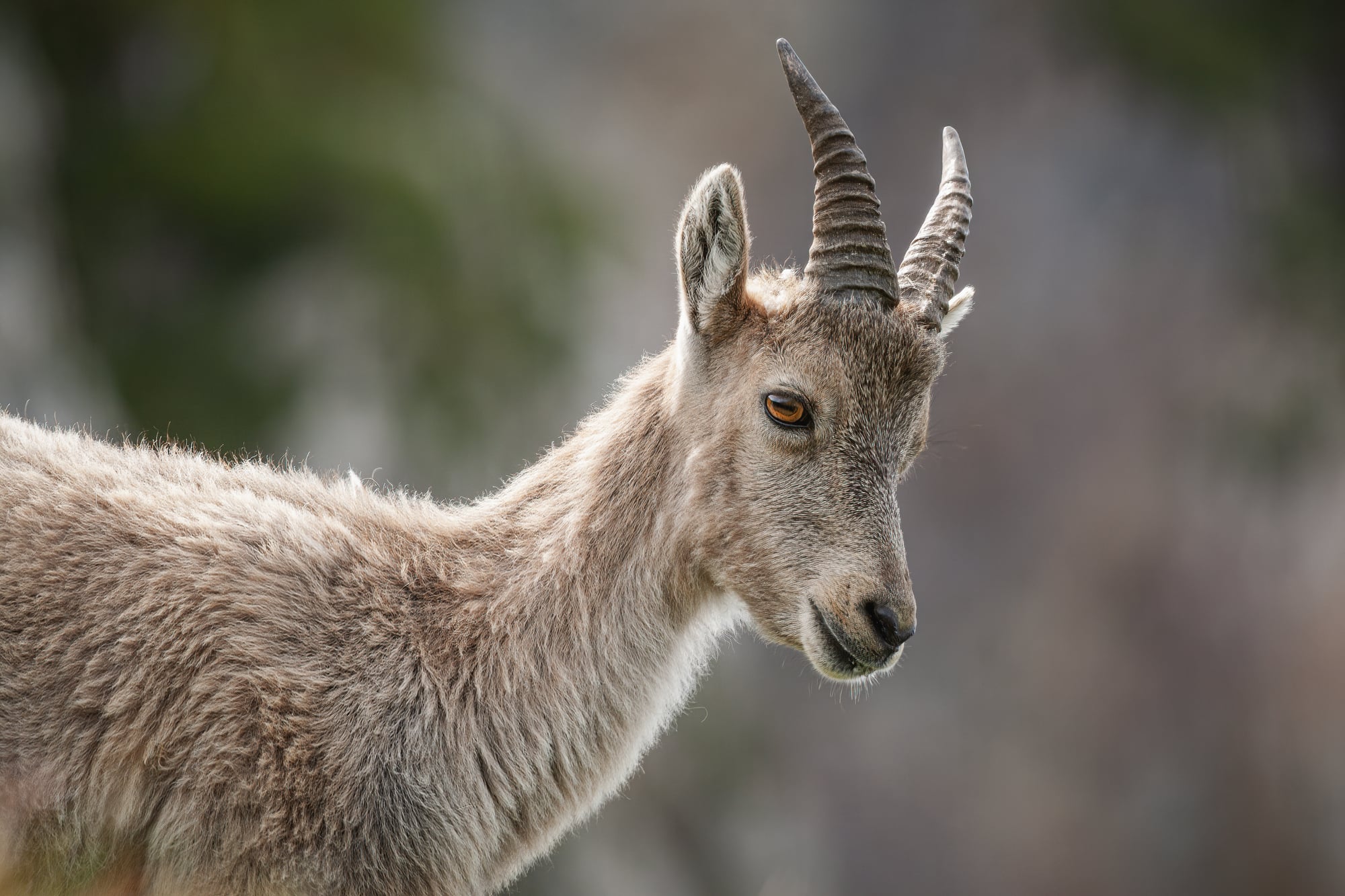
These mountain goats treat near-vertical dam walls like casual hiking paths. Alpine ibex can scale surfaces with inclines exceeding 80 degrees – moving confidently across faces where humans would need technical climbing equipment.
Their specialized hooves feature hard outer edges for digging into minute crevices and soft, grippy centers for maintaining traction on smooth surfaces. Most impressive is their ability to analyze complex climbing routes, often choosing paths that appear impossible until you see them complete the journey effortlessly.
Like Go2Tutors’s content? Follow us on MSN.
Dung Beetle Navigation
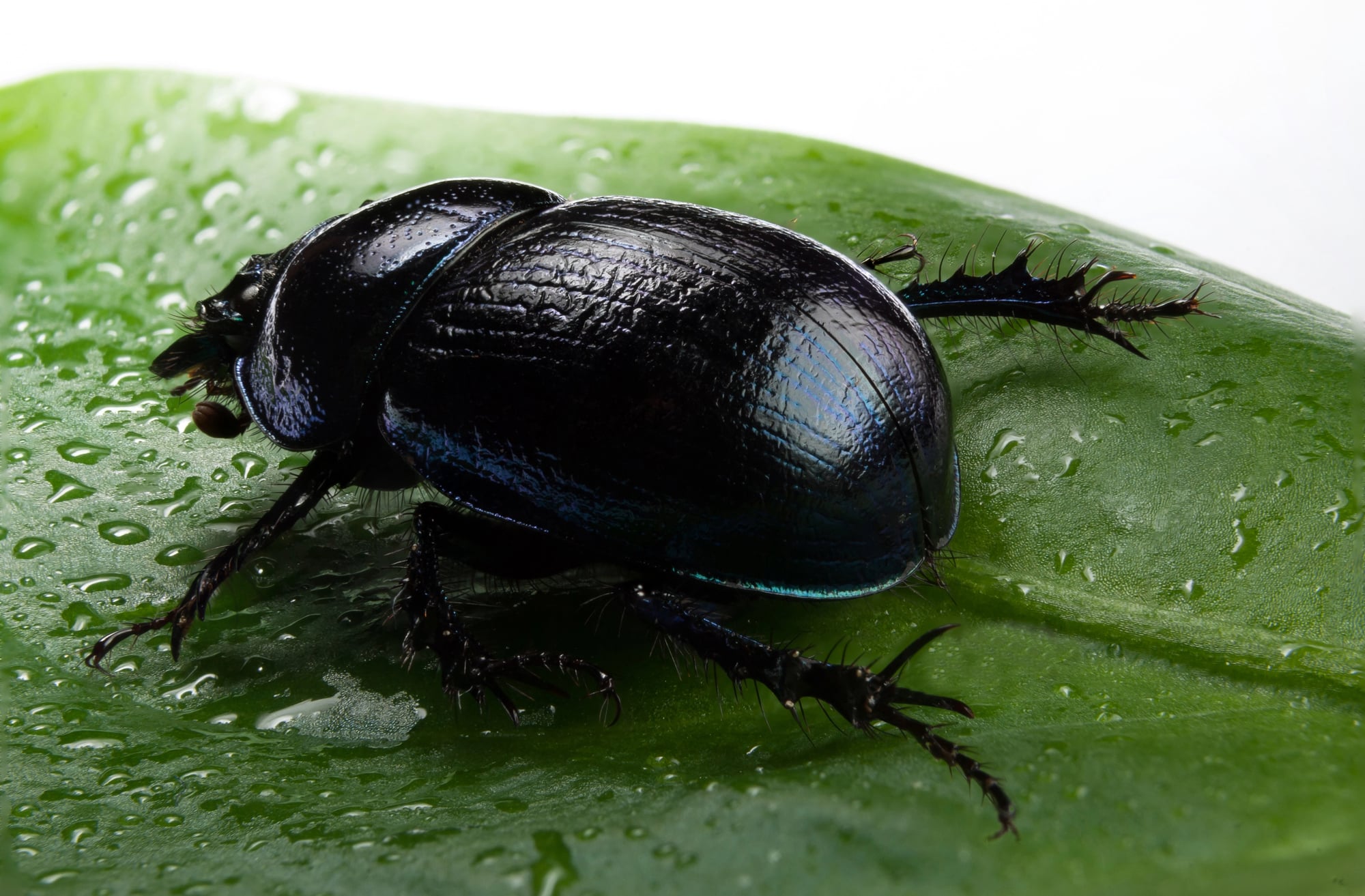
These humble insects use the Milky Way as their GPS. Dung beetles roll their precious food balls in perfectly straight lines away from competition – even on moonless nights.
Researchers discovered they navigate by the polarization patterns of moonlight and, when that’s unavailable, by the faint glow of our galaxy. They’re the only known animals to orient themselves using the Milky Way’s light gradient.
Consider that achievement – an insect smaller than a grape can detect and utilize astronomical navigation aids that humans didn’t fully understand until the modern era.
Portia Spider Intelligence
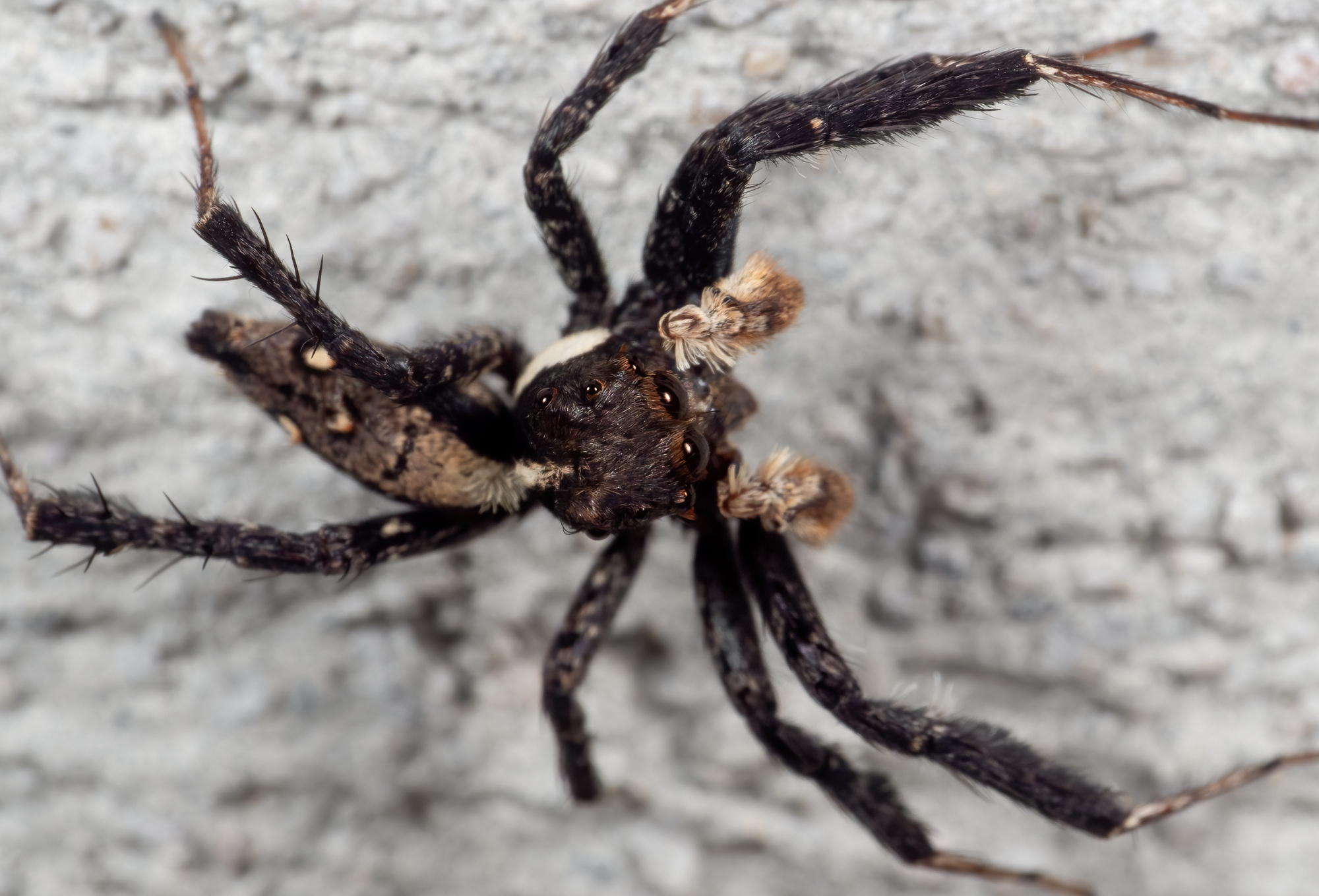
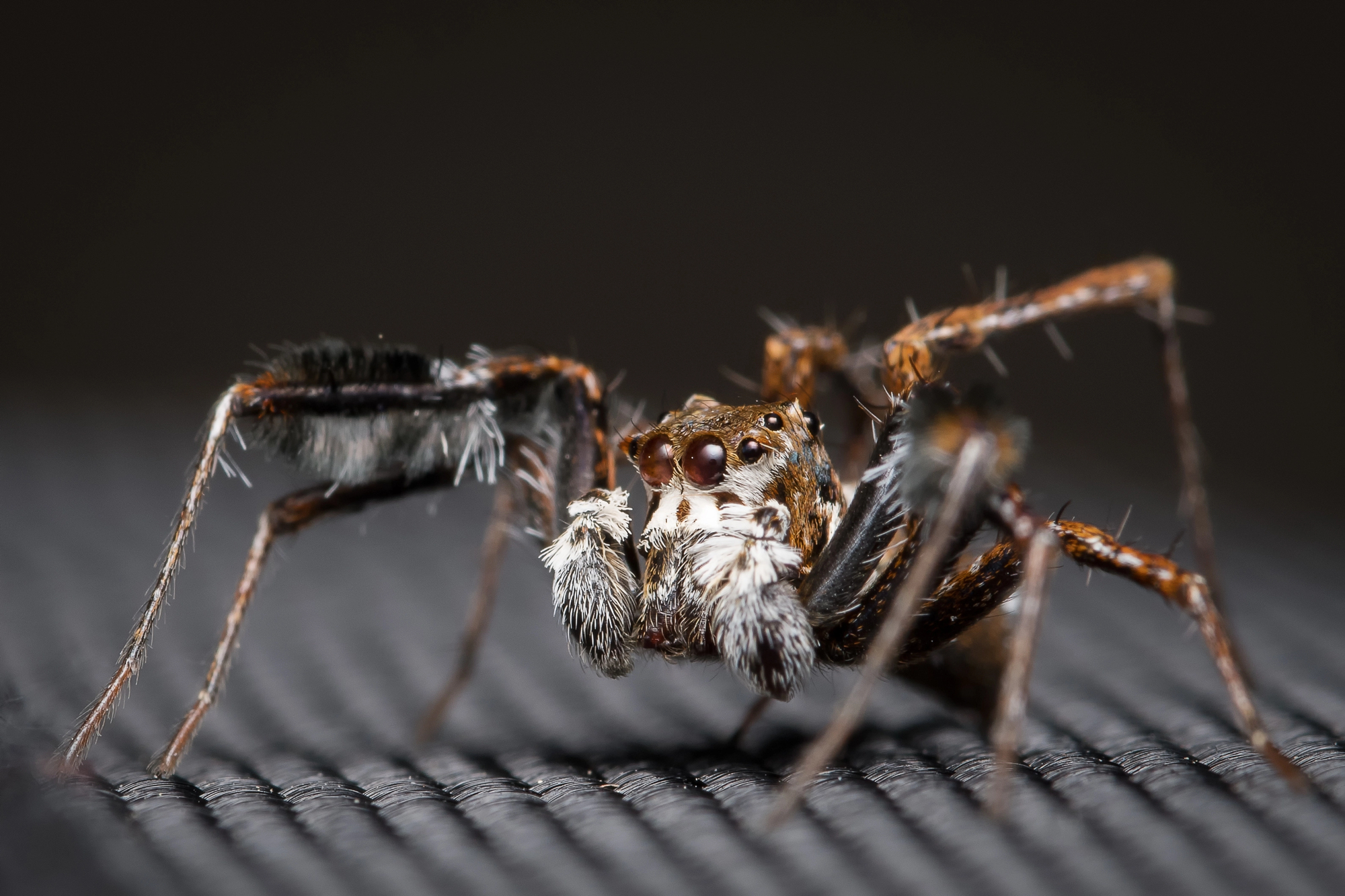
These tiny hunters display problem-solving abilities that seem impossible given their pin-sized brains. Portia spiders create complex hunting strategies tailored to different prey species – including elaborate detours that temporarily take them away from targets to achieve better attack angles.
They’ll observe prey for extended periods, then execute planned ambushes requiring multiple precise steps. Most astonishingly, they sometimes use trial-and-error methods when faced with novel situations – behavior that suggests a rudimentary form of consciousness in a brain containing fewer than 600,000 neurons.
Slime Mold Problem-Solving
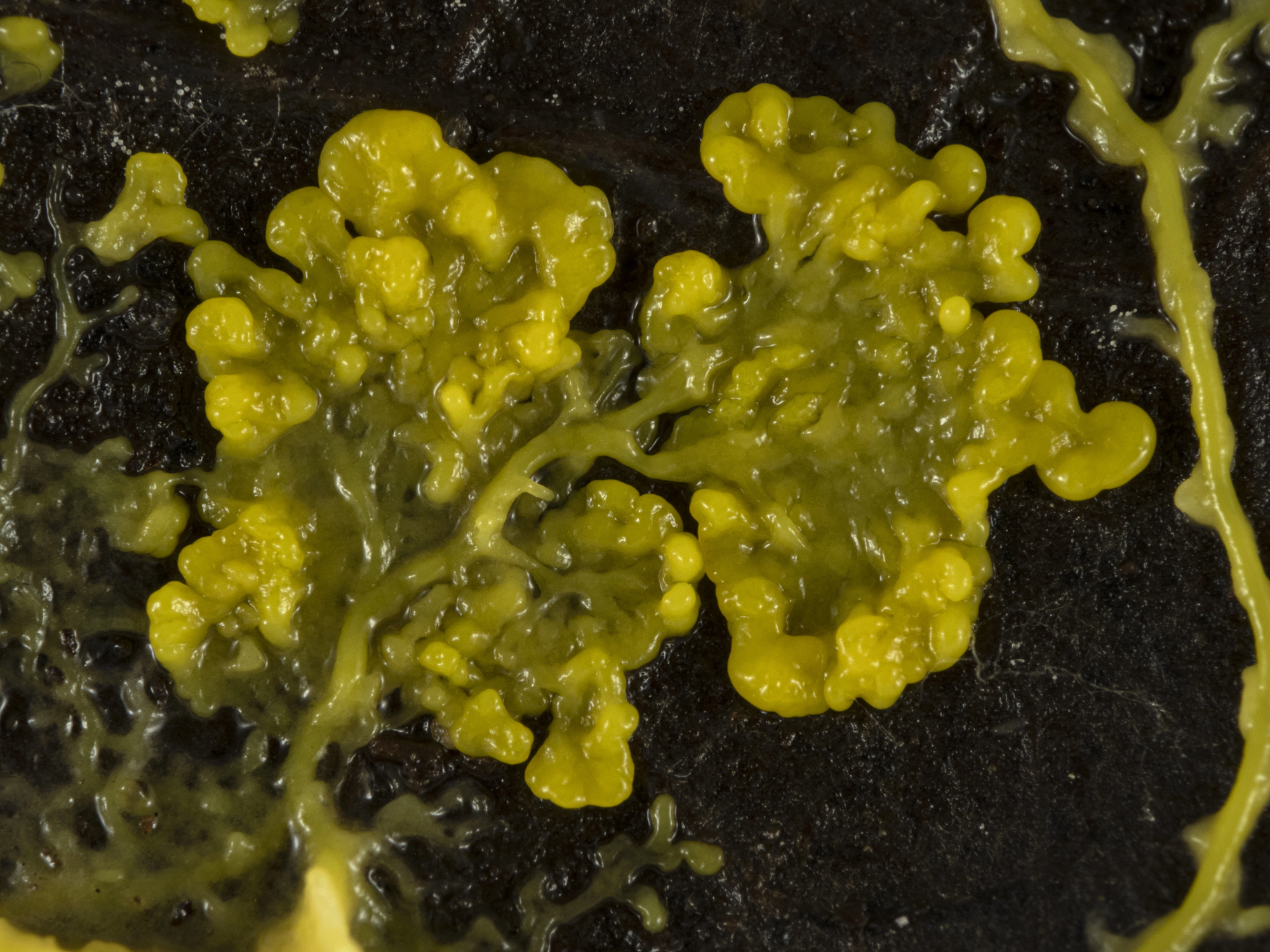
These brainless, single-celled organisms demonstrate shocking cognitive abilities. When presented with a maze containing food, slime molds find the shortest possible path every time.
They’ve recreated the Tokyo subway system’s efficiency when researchers placed food sources at locations corresponding to major stations. Without neurons or any central processing system, they somehow solve complex optimization problems that challenge sophisticated computer algorithms.
Their distributed intelligence emerges from simple chemical signals exchanged across their amorphous bodies.
Like Go2Tutors’s content? Follow us on MSN.
Wood Frog Freezing
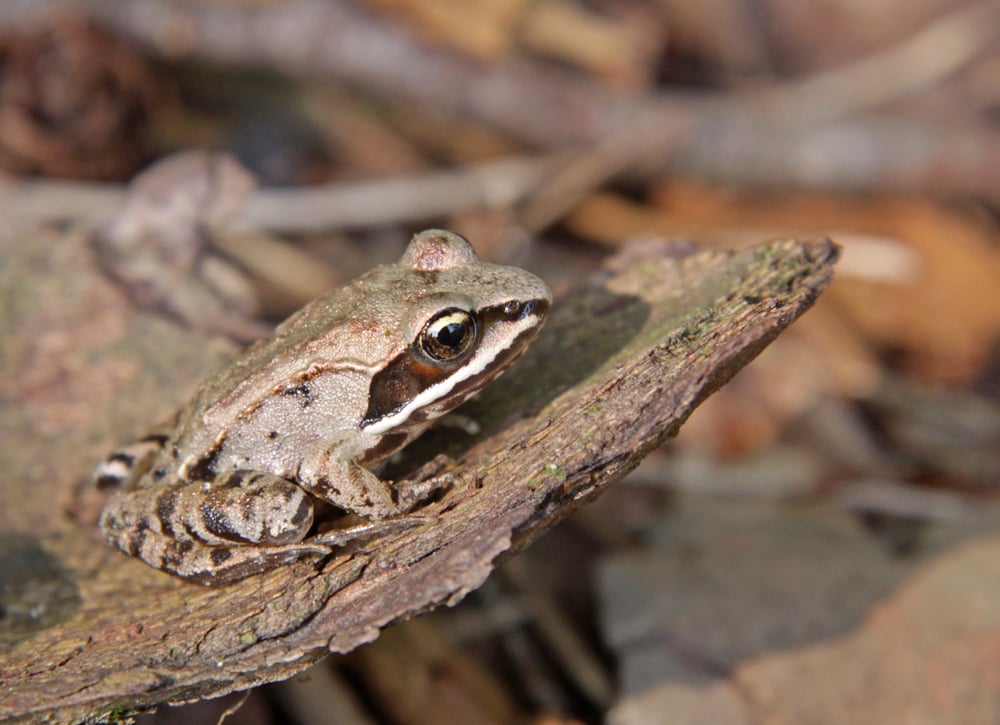
These remarkable amphibians survive winter by becoming conscious ice cubes. As temperatures drop, wood frogs allow up to 65% of their total body water to freeze solid.
Their hearts stop beating completely – no brain activity, no breathing, no detectable metabolism. Special proteins and accumulated glucose prevent fatal ice crystal formation inside cells.
When spring arrives, they simply thaw out and hop away, having experienced clinical death for weeks or months. This suspended animation happens without any permanent damage to organs or tissues.
Beyond Human Comprehension
Perhaps these remarkable adaptations challenge us because they’ve evolved through processes our linear minds struggle to grasp. Evolution works over millions of generations – experimenting with possibilities we’d never consider viable.
Each of these superpowers reminds us that our understanding of biology’s potential remains incomplete. The extraordinary capabilities of seemingly ordinary creatures push against the boundaries of what we consider biologically possible.
These animal superpowers aren’t just fascinating biological curiosities – they’re inspiring a new generation of biomimetic technologies. From medical breakthroughs based on tardigrade proteins to sonar improvements inspired by dolphin echolocation, nature’s solutions offer blueprints for human innovation.
By studying these remarkable adaptations more deeply, we might unlock answers to challenges that currently exceed our technological reach.
More from Go2Tutors!

- 16 Restaurant Chains That Went Too Fast
- 12 Things Sold in the 80s That Are Now Illegal
- 15 Strange Things People Have Tried to Ban (And Failed)
- 16 Collectibles People Tossed Out Too Soon
- 17 Myths from Your Childhood That Were Actually Based on Real Things
Like Go2Tutors’s content? Follow us on MSN.



