18 Biological Structures That Outperform Human Engineering
Nature’s been running R&D for billions of years, and honestly, the results put our best innovations to shame. While human engineers celebrate breakthrough designs, the natural world has quietly perfected solutions that make our technology look like rough drafts.
From microscopic marvels to massive architectural feats, biological systems consistently outclass human engineering in efficiency, durability, and sheer elegance. Here are 18 biological structures that show just how much we still have to learn from evolution’s master class.
Gecko Feet
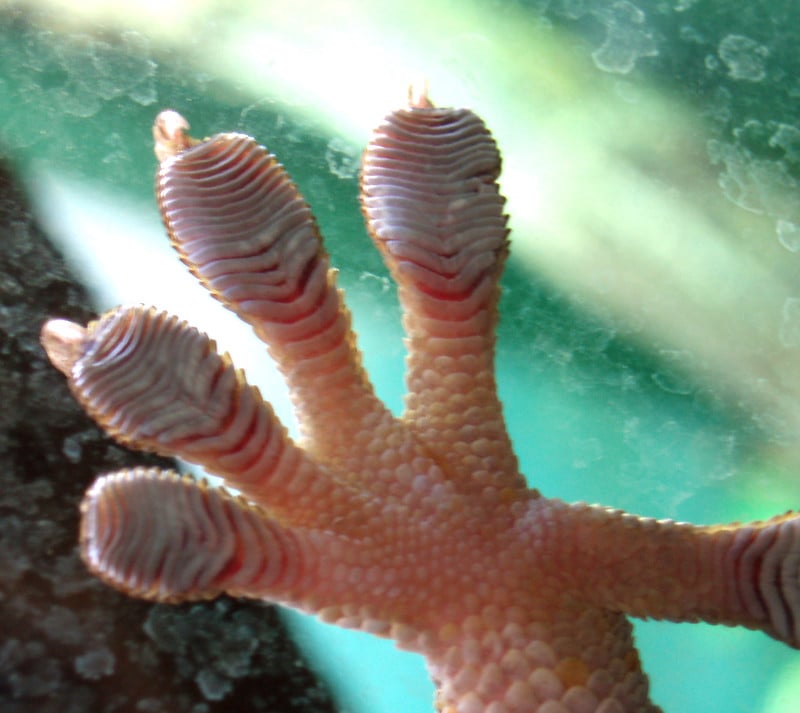
Geckos can walk up glass walls and hang upside down from ceilings using nothing but their toes. Their feet contain millions of tiny hairs called setae — each splitting into even tinier branches that interact with surfaces at the molecular level through van der Waals forces. This natural adhesive system works on any surface, requires no chemicals, and leaves no residue. Human engineers are still struggling to replicate this effectively.
Shark Skin

Sharks slice through water with remarkable efficiency thanks to their skin’s unique structure. Covered in tiny tooth-like scales called denticles, shark skin reduces drag by creating micro-vortices that keep water flowing smoothly over the surface. Olympic swimmers now wear suits inspired by this design, while ship hulls coated with synthetic shark skin patterns can reduce fuel consumption by up to 10%.
Bird Bones

Birds achieve the perfect balance between strength and weight through their hollow bone structure. These bones aren’t just empty tubes — they’re reinforced with internal struts and cross-braces that provide maximum structural integrity while minimizing weight. The result? A skeleton that’s stronger than solid bone of the same weight, allowing birds to fly while maintaining the structural support their bodies need.
Honeycomb Structure

Bees construct their hives using hexagonal cells that represent the most efficient way to divide space using the least amount of material. This geometric pattern provides maximum storage capacity while requiring minimal wax to build. Human engineers now use honeycomb structures in everything from aerospace components to packaging materials — recognizing that bees solved this optimization problem millions of years ago.
Spider Silk
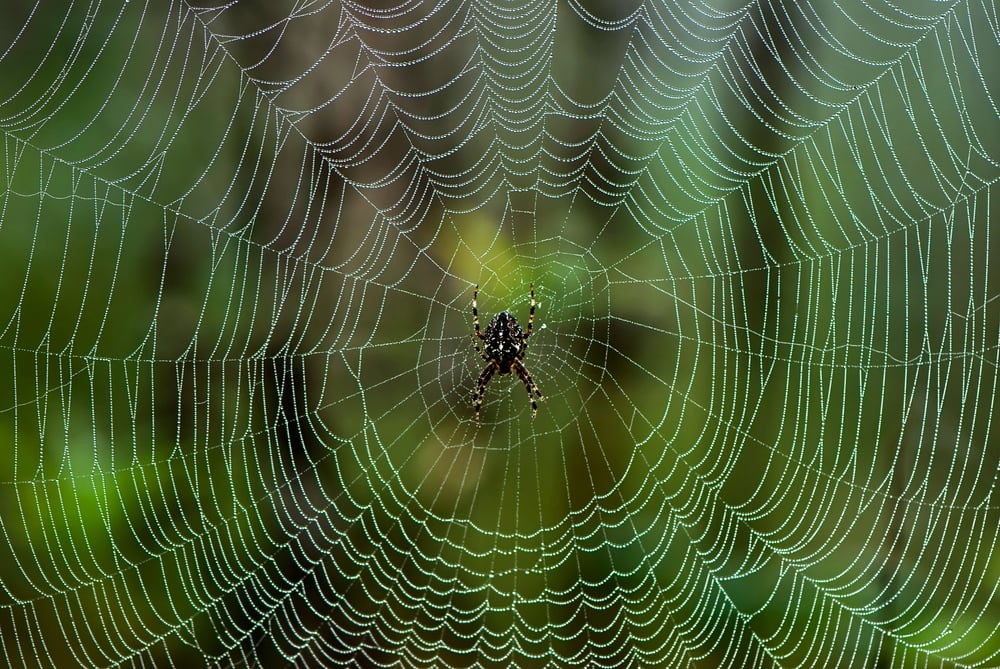
Spider silk is pound-for-pound stronger than steel yet more elastic than rubber. This remarkable material can stretch up to 40% of its original length without breaking and has a tensile strength that surpasses most synthetic materials. Despite decades of research, scientists still struggle to replicate spider silk’s unique combination of strength, elasticity, and lightweight properties in laboratory settings.
Cactus Spines
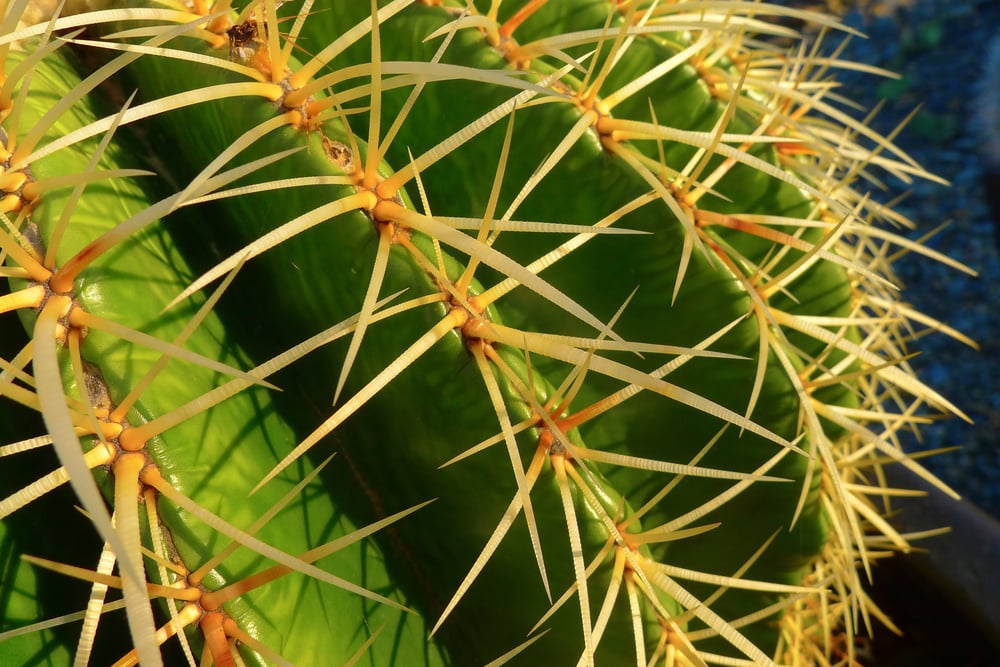
Desert cacti have evolved spines that do more than just provide protection — they’re sophisticated water collection systems. The spines’ conical shape and microscopic grooves channel moisture from the air directly to the plant’s roots. This passive water harvesting system inspired the development of fog nets and atmospheric water generators used in arid regions around the world.
Woodpecker Skulls

Woodpeckers can hammer their beaks into trees at speeds of up to 20 miles per hour without suffering brain damage. Their skulls contain multiple shock-absorbing mechanisms, including a specialized bone structure that distributes impact forces and a unique arrangement of brain tissue that prevents injury. This natural design has influenced the development of better safety helmets — plus protective gear for athletes and workers.
Butterfly Wings
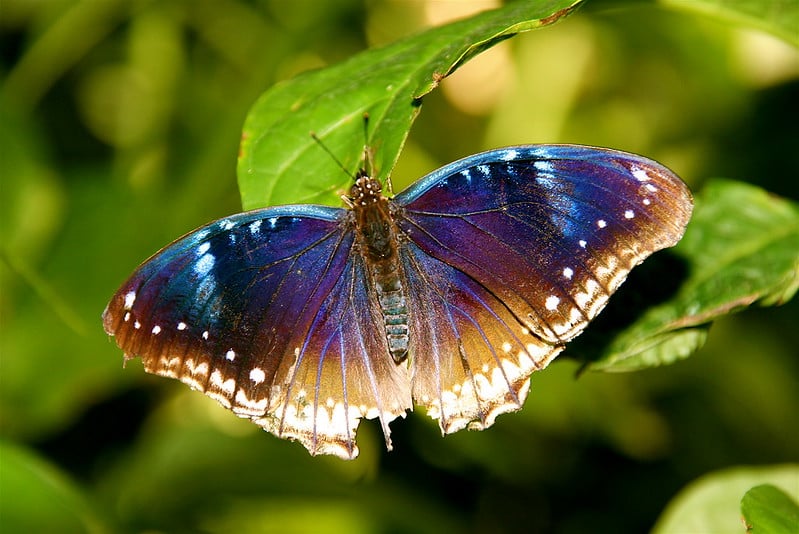
Butterfly wings achieve their brilliant colors without using pigments in many cases. Instead, they employ microscopic structures that manipulate light through interference and diffraction, creating iridescent colors that shift with viewing angle. This structural coloration is more durable than pigment-based colors and has inspired the development of new materials for displays, paints, and optical devices.
Polar Bear Fur

Polar bears stay warm in Arctic conditions through their remarkable fur structure. Each hair is actually a hollow tube that traps air for insulation while also conducting ultraviolet light down to the bear’s black skin, where it’s absorbed as heat. This dual-purpose system provides both insulation and solar heating — inspiring new approaches to building insulation and solar energy collection.
Elephant Trunks

An elephant’s trunk contains over 40,000 muscles working in perfect coordination to create one of nature’s most versatile tools. This muscular structure can lift objects weighing several tons or delicately pick up a single blade of grass. The trunk’s combination of strength, precision, and flexibility has inspired the development of robotic arms and prosthetic limbs that attempt to mimic its remarkable capabilities.
Dragonfly Wings

Dragonflies are aerial acrobats capable of hovering, flying backward, and making sharp turns that would stall any human-designed aircraft. Their wings operate independently and can twist and change angle mid-flight, providing unprecedented maneuverability. Modern helicopter and drone designs increasingly incorporate principles learned from studying dragonfly flight mechanics.
Lotus Leaves
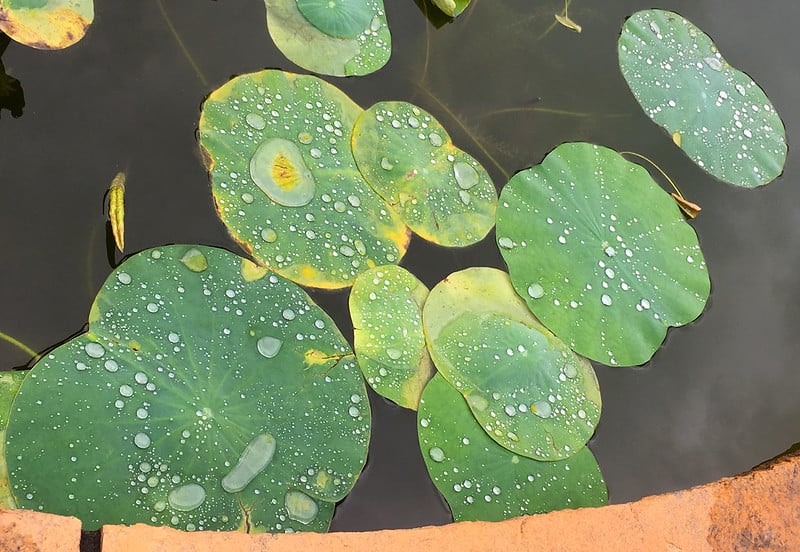
Lotus leaves stay clean through their unique surface structure that causes water to form perfect spheres that roll off, taking dirt and debris along for the ride. This self-cleaning mechanism, known as the lotus effect, works through microscopic bumps covered with waxy crystals that minimize contact between water and the leaf surface. This natural phenomenon has led to the development of self-cleaning paints, fabrics, and building materials.
Kingfisher Beaks
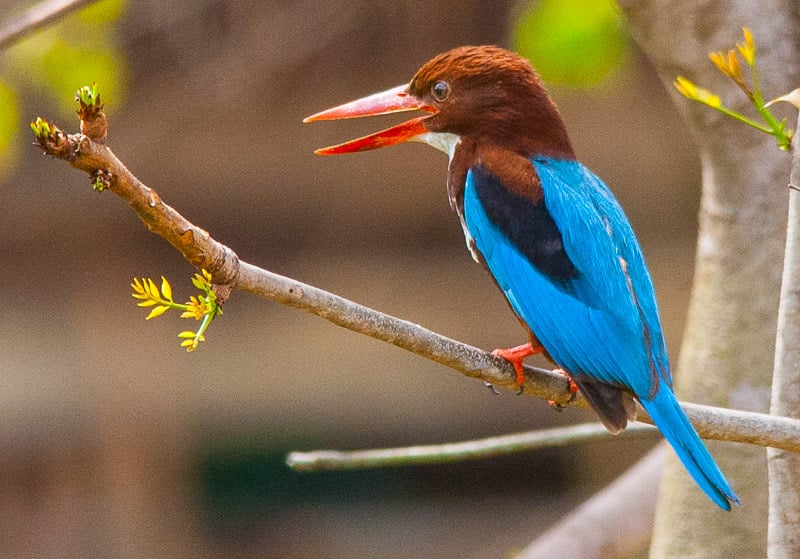
Kingfishers dive into water to catch fish with remarkable precision and minimal splash. Their streamlined beak shape reduces water resistance and allows for smooth entry, inspiring the design of high-speed trains like Japan’s bullet train. The bird’s beak-to-body proportions have been applied to reduce noise and increase efficiency in various transportation systems.
Whale Fins
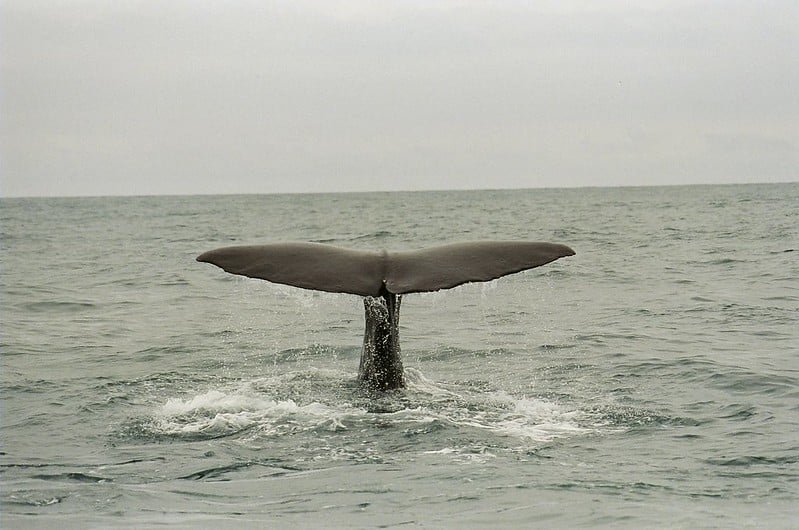
Humpback whales achieve remarkable agility despite their massive size through tubercles, which are bumps along the leading edge of their fins. These bumps create vortices that improve lift and reduce drag, allowing whales to make tight turns and sudden stops. Wind turbine manufacturers now incorporate similar bumps on turbine blades to increase efficiency and reduce noise.
Toucan Beaks

Toucan beaks are surprisingly lightweight yet incredibly strong, achieving this through a foam-like internal structure sandwiched between thin outer layers. This natural composite material provides excellent strength-to-weight ratios while also helping regulate the bird’s body temperature. The design has influenced the development of lightweight materials for automotive and aerospace applications.
Cactus Roots

Desert cacti survive in harsh conditions partly through their specialized root systems that can rapidly absorb water when it’s available. These roots can expand and contract dramatically, though their surface area can increase by up to 200% within hours of rainfall. This adaptive root structure has inspired new approaches to water collection and storage in agricultural systems.
Mosquito Proboscis
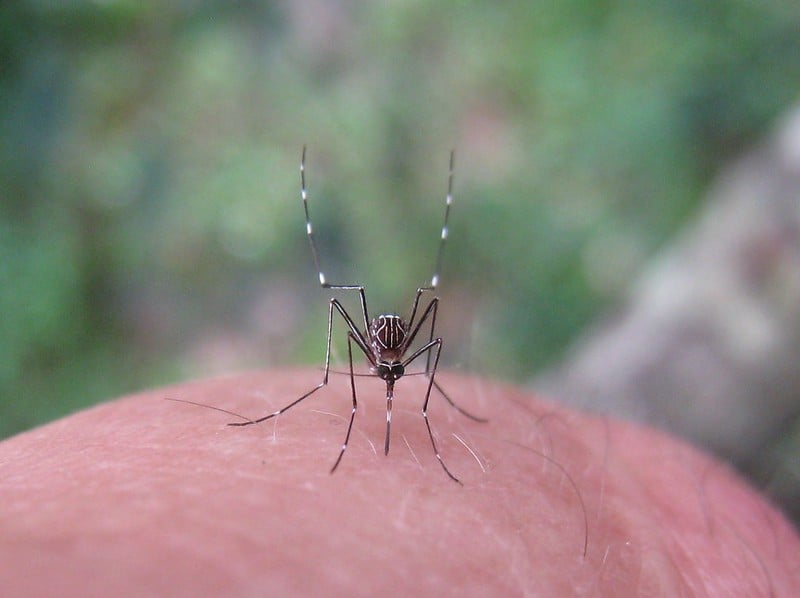
Mosquitoes insert their needle-like proboscis into skin so smoothly that victims often don’t feel it. The proboscis features microscopic serrations and a sophisticated insertion mechanism that minimizes tissue damage and pain. Medical device manufacturers study this natural design to develop less painful injection needles and surgical instruments.
Tree Root Systems
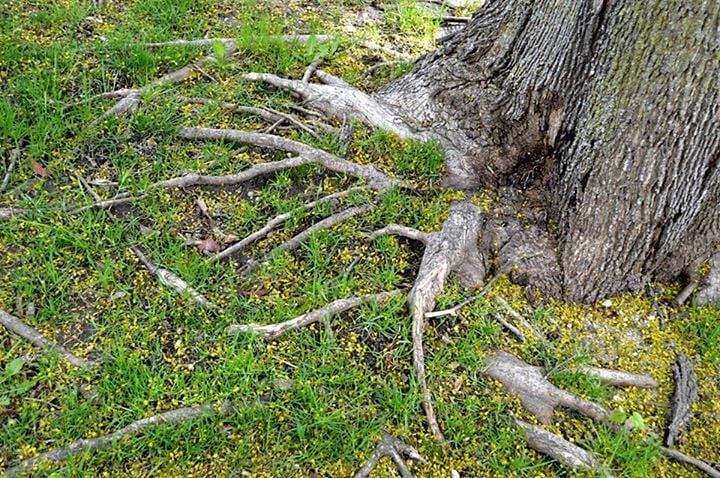
Tree roots form complex networks that share nutrients and information between plants, creating what scientists call the ‘wood wide web.’ These underground networks optimize resource distribution across entire forest ecosystems and provide redundancy that ensures survival even when individual trees are damaged. This natural networking system has influenced the development of more efficient computer networks and communication systems.
Evolution’s Master Class

Looking at these biological marvels, it’s clear that nature remains our greatest teacher in engineering and design. While human technology advances rapidly, we’re still catching up to solutions that evolution perfected millions of years ago. The next breakthrough in materials science, robotics, or energy efficiency might just come from paying closer attention to the ingenious designs that surround us every day in the natural world.
More from Go2Tutors!

- 16 Historical Figures Who Were Nothing Like You Think
- 12 Things Sold in the 80s That Are Now Illegal
- 15 VHS Tapes That Could Be Worth Thousands
- 17 Historical “What Ifs” That Would Have Changed Everything
- 18 TV Shows That Vanished Without a Finale
Like Go2Tutors’s content? Follow us on MSN.