Strange Trivia Regarding Global Currency
Money makes the world go round, but most people never stop to think about the weird and wonderful facts behind the bills and coins they use every day. From countries that banned their own currency to notes that can survive a washing machine, the history and quirks of global money tell some pretty wild stories.
Here are some of the strangest things about the cash that changes hands around the world.
Canada’s Money Smells Like Maple Syrup
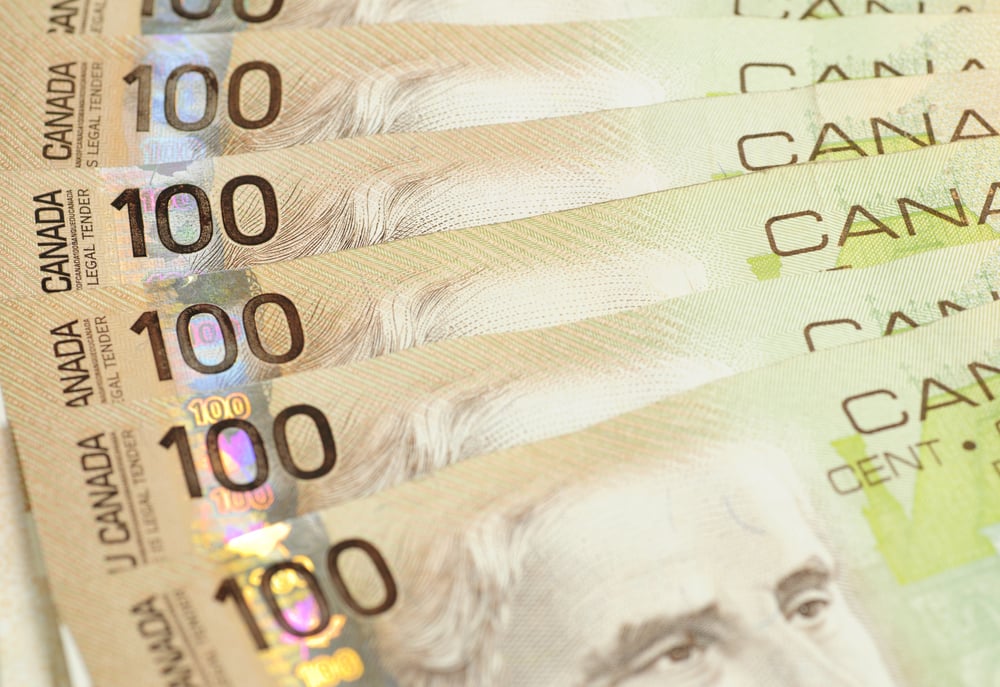
When Canada released its polymer banknotes in 2011, rumors spread that the bills carried a distinct maple syrup scent. The Bank of Canada officially denied adding any fragrance, but thousands of Canadians swore they could smell it.
Scientists later suggested the sweet aroma might come from the scratching and sniffing action releasing compounds from the plastic itself. Whether real or imagined, the whole thing became a national debate that perfectly matched Canada’s reputation.
Zimbabwe Printed a 100 Trillion Dollar Note

Hyperinflation hit Zimbabwe so hard in 2008 that the government had to print a 100 trillion dollar banknote. That sounds like an enormous amount, but it could barely buy a loaf of bread at the time.
The country eventually abandoned its own currency entirely and started using foreign money like the US dollar and South African rand. These days, those 100 trillion dollar notes sell as novelty items on eBay for more than they were ever worth in actual purchasing power.
Scottish Banks Print Their Own Money

Scotland has three different banks that issue their own unique banknotes, and they all look completely different from English pounds. Clydesdale Bank, Bank of Scotland, and Royal Bank of Scotland each design their own bills featuring Scottish landmarks and historical figures.
Technically, these notes are legal currency throughout the United Kingdom, but try using a Scottish twenty in London and watch the confusion unfold. Many English shopkeepers have never seen them and refuse to accept what they think is fake money.
The US Dollar Bill Costs More to Make Than a Penny
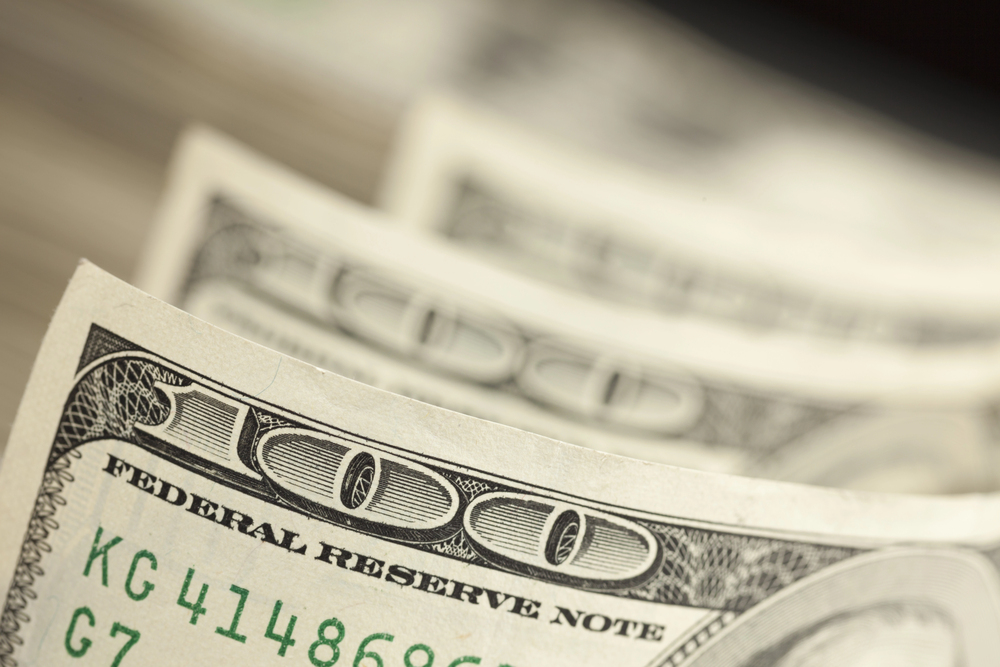
Producing a single one dollar bill costs the US government about 7.5 cents in materials and labor. Meanwhile, minting a penny costs roughly 2.1 cents, which means the government loses money on every single cent it makes.
This economic oddity has sparked ongoing debates about eliminating both the penny and possibly even the dollar bill itself. But tradition and vending machine industries keep both in circulation despite the financial loss.
Bhutan Prints Its Currency With Religious Symbols
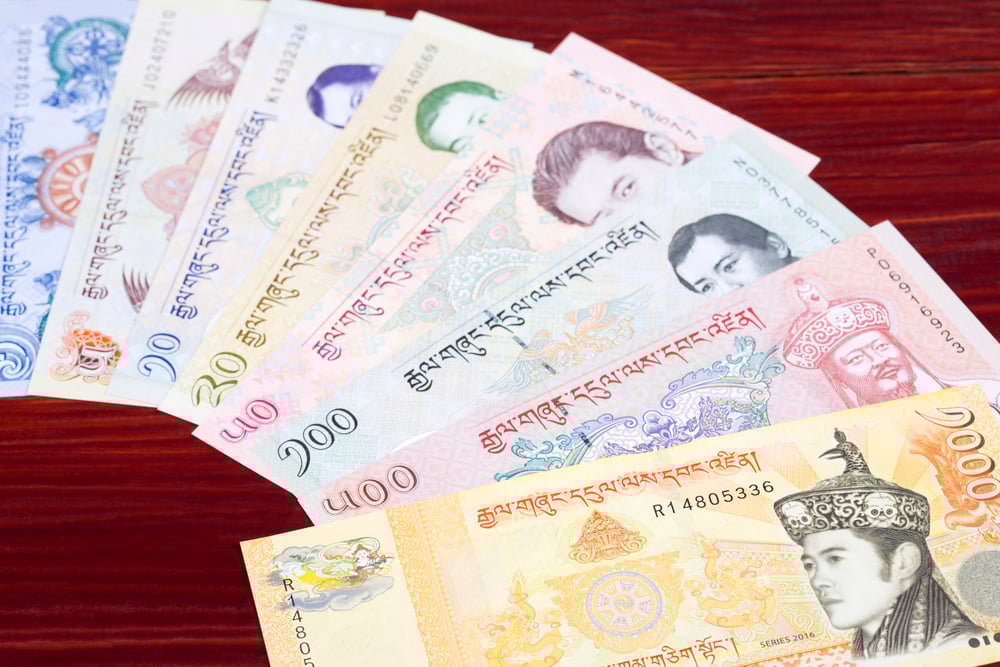
The tiny Himalayan kingdom of Bhutan features Buddhist symbols and dragons on its ngultrum banknotes. Some bills even include images of the country’s famous monasteries and paintings of protective deities.
The currency reflects the nation’s deep spiritual roots and its policy of measuring Gross National Happiness instead of just economic growth. Collectors prize these colorful notes for their intricate artwork and cultural significance.
Ancient Sparta Used Iron Rods as Money

While other ancient civilizations used gold and silver coins, Sparta deliberately chose heavy iron rods as currency. The goal was to discourage wealth accumulation and trade with other city-states.
Imagine trying to carry enough iron bars to buy a house or a fancy chariot. The system worked exactly as intended, keeping Spartans focused on military training rather than getting rich.
Brazil Had to Cross Out Zeros on Its Money

During the 1980s and 1990s, Brazil struggled with such extreme inflation that the government kept having to create new currencies. At one point, they literally printed stamps over old bills to cross out zeros and create new denominations.
The country went through five different currencies in just eight years, including the cruzeiro, cruzado, and eventually the real. People had to constantly recalculate prices and got used to carrying huge stacks of rapidly devaluing cash.
British Coins Have Secret Codes on Them

Every British pound coin minted since 2008 contains a series of tiny letters around the edge that most people never notice. These codes indicate which year the coin was made and which Royal Mint facility produced it.
The government introduced this feature to combat counterfeiting, but it also created a fun hobby for coin collectors. Some rare date and mint combinations can sell for significantly more than their face value.
Ecuador Uses American Money but Makes Its Own Coins
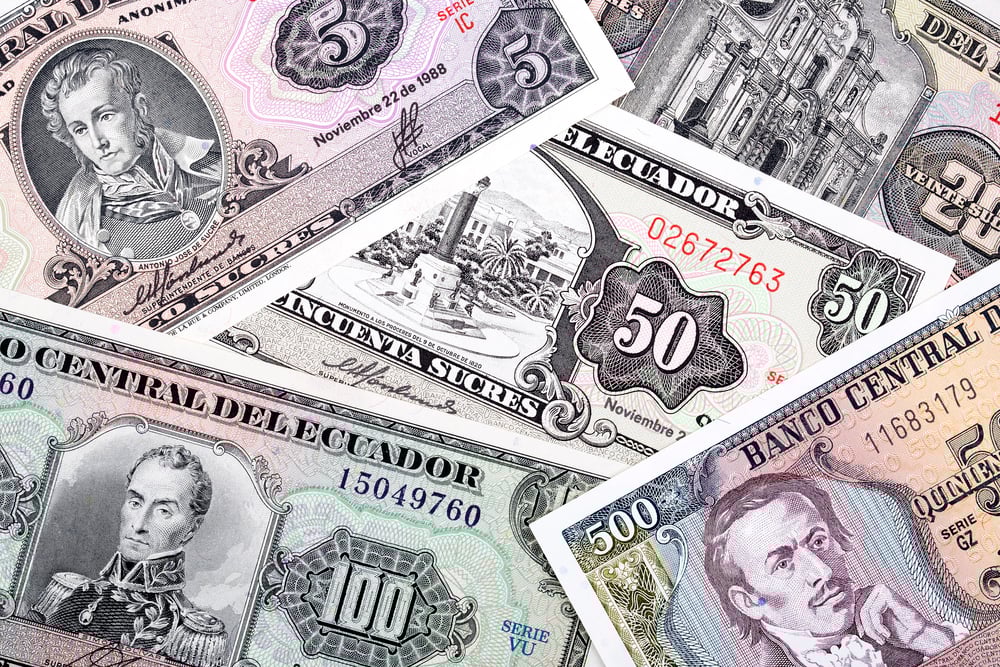
Ecuador adopted the US dollar as its official currency in 2000 after its own sucre collapsed. However, the country still mints its own coins in denominations that match American cents, nickels, dimes, and quarters.
These Ecuadorian coins look completely different from US coins but work interchangeably with them throughout the country. Tourists often end up with a mix of both in their pockets without realizing it.
Switzerland Has the Most Valuable Currency in Regular Circulation
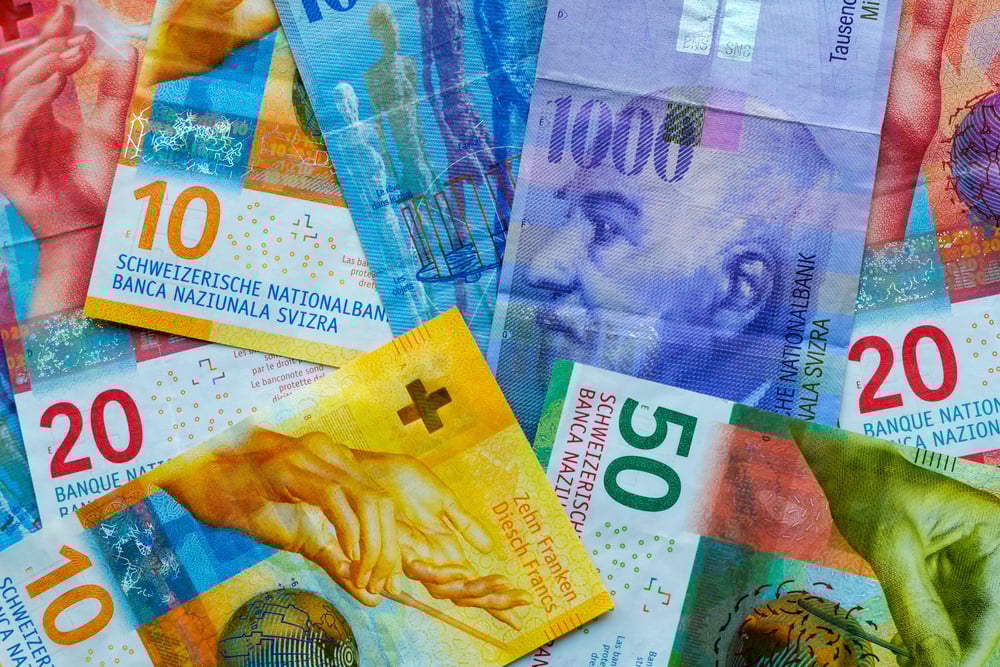
The Swiss 1,000 franc note is worth more than $1,100 US dollars, making it the highest value banknote in common everyday use. Most countries phased out large denomination bills to fight crime and money laundering.
Switzerland kept theirs because of low inflation, high trust in institutions, and a culture that values privacy in financial matters.
Kuwait Has the Strongest Currency by Exchange Rate

The Kuwaiti dinar consistently ranks as the world’s most valuable currency unit when measured against the US dollar. One dinar equals roughly $3.25, which means a single bill can buy quite a bit.
This strength comes from Kuwait’s massive oil reserves and relatively small population. The government also pegs the dinar to a basket of currencies rather than just the dollar, which helps maintain its value.
Australia Pioneered Plastic Money
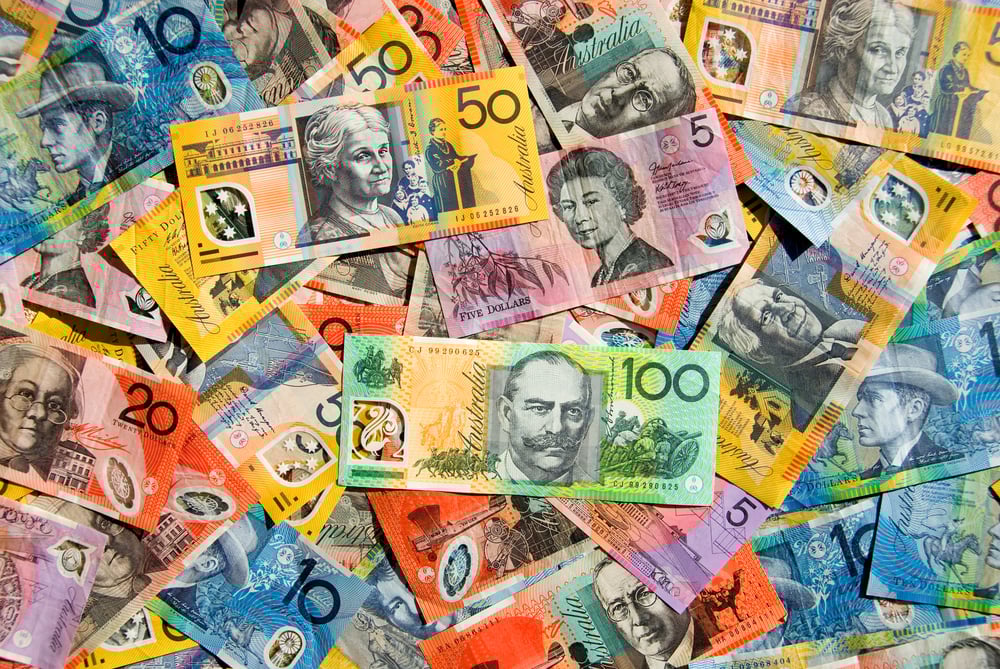
Australia became the first country to fully transition to polymer banknotes in 1988, replacing traditional paper bills with plastic ones. The new notes lasted four times longer, resisted water and dirt, and proved much harder to counterfeit.
Since then, over 30 countries have followed suit, including Canada, the UK, and New Zealand. The technology was developed by Australian scientists after a counterfeiting crisis in the 1960s.
Somalia Had No Official Currency for Years
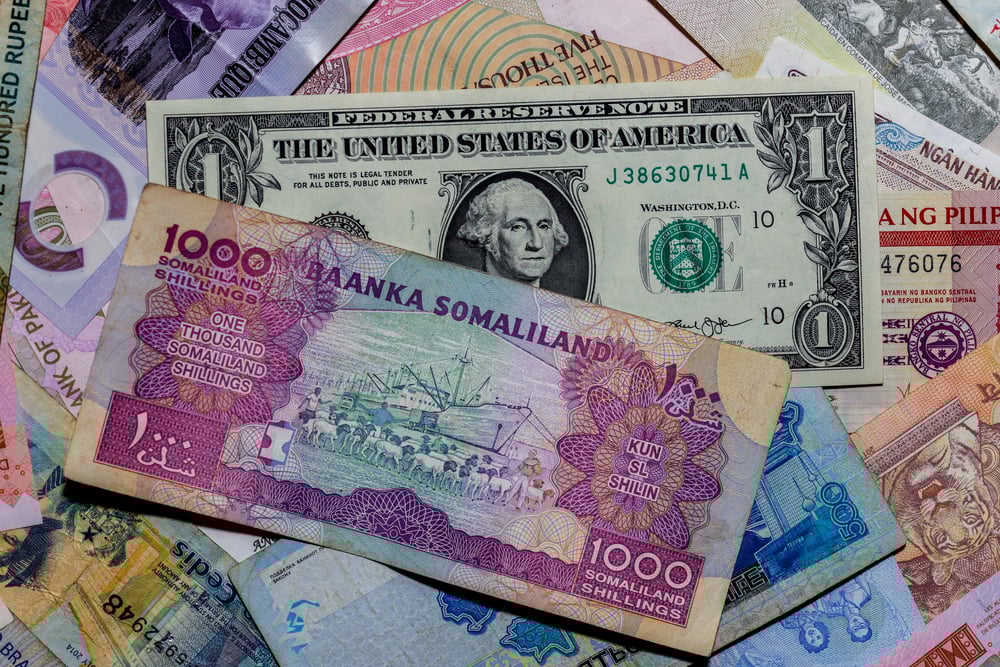
After Somalia’s government collapsed in 1991, the country operated without a central bank or official currency for over two decades. People used old pre-war shillings, US dollars, and even counterfeit notes that everyone accepted anyway.
The situation created an unusual free market in currency where merchants determined values based on trust and demand. Somalia finally established a new central bank in 2009, but multiple currencies still circulate today.
Japan Stores Emergency Cash in Secret Bundles
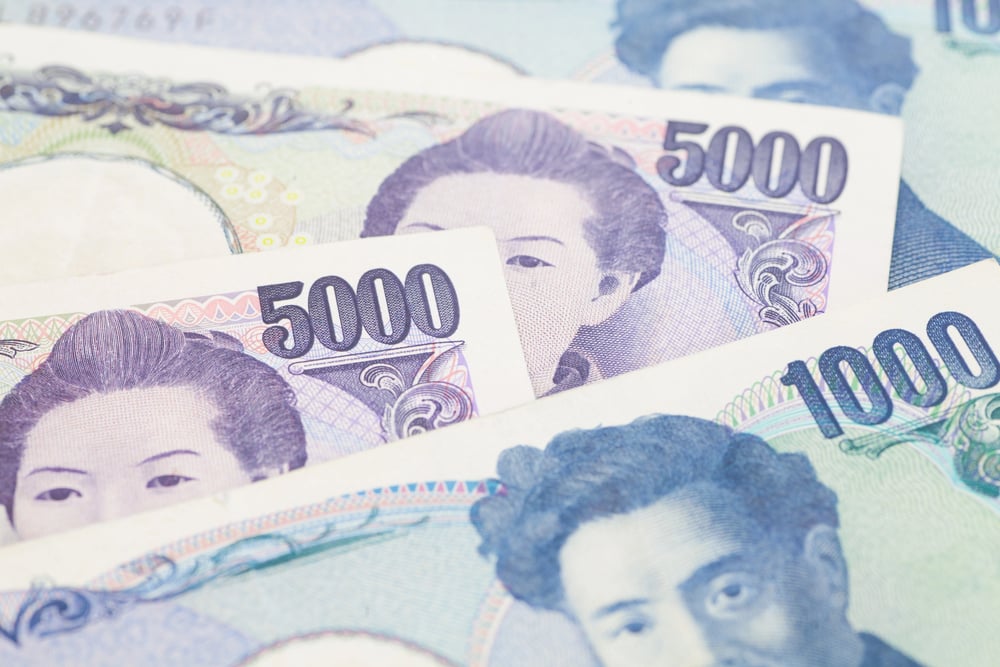
The Bank of Japan maintains massive stockpiles of physical currency in secure locations throughout the country in case of natural disasters. After earthquakes or tsunamis knock out electronic banking systems, these emergency reserves ensure people can still buy food and supplies.
The exact locations and amounts remain classified for security reasons. This system proved its worth during the 2011 earthquake when ATMs went down and cash became the only option.
Indonesia Has Boats on Its Money

Indonesian rupiah banknotes depict traditional sailing boats known as pinisi, which have been the main trading vessels of Southeast Asia over the centuries. The highest value, the 100, 000 rupiah note, pictures these wooden ships together with modern ports.
This choice of the design honors Indonesia’s maritime culture and at the same time reflects its status as an island nation with more than 17, 000 islands. These ships are a symbol that money is essentially about trade and connection.
What Money Says About Us

The offbeat tales of different currencies around the world actually disclose a lot more than just economic policies or design decisions. They illustrate how various cultures place significance on traditions, security, and trust.
From iron rods in ancient Sparta to plastic money in contemporary Australia, money mirrors the values of societies and their ways of solving problems. So, if someone gives you change or a banknote next time, most probably it is a crazy historical reason that it looks and works in exactly that way.
More from Go2Tutors!

- The Romanov Crown Jewels and Their Tragic Fate
- 13 Historical Mysteries That Science Still Can’t Solve
- Famous Hoaxes That Fooled the World for Years
- 15 Child Stars with Tragic Adult Lives
- 16 Famous Jewelry Pieces in History
Like Go2Tutors’s content? Follow us on MSN.