18 Board Games That Caused Family Arguments
Family game night sounds like the perfect wholesome activity until someone flips the board, storms off, or refuses to speak to their siblings for the rest of the evening. While board games are meant to bring people together, certain titles have earned notorious reputations as relationship destroyers and dinner table demolishers.
The following games have sparked countless heated debates, accusations of cheating, and temporary family rifts. Here is a list of 18 board games that have caused more family arguments than any holiday gathering.
Monopoly
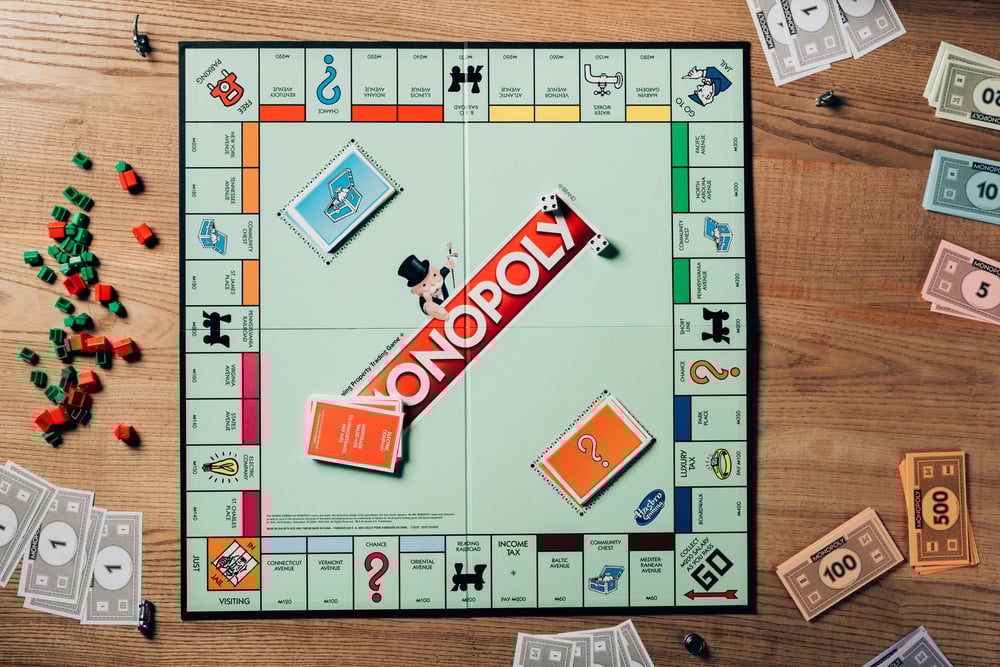
— Photo by HayDmitriy
The granddaddy of all family feuds, Monopoly has probably ended more game nights than any other board game in existence. This real estate trading game turns sweet grandmothers into ruthless landlords and siblings into bitter enemies. The combination of luck, strategy, and the ability to bankrupt your loved ones creates a perfect storm of resentment that can last for hours.
Risk
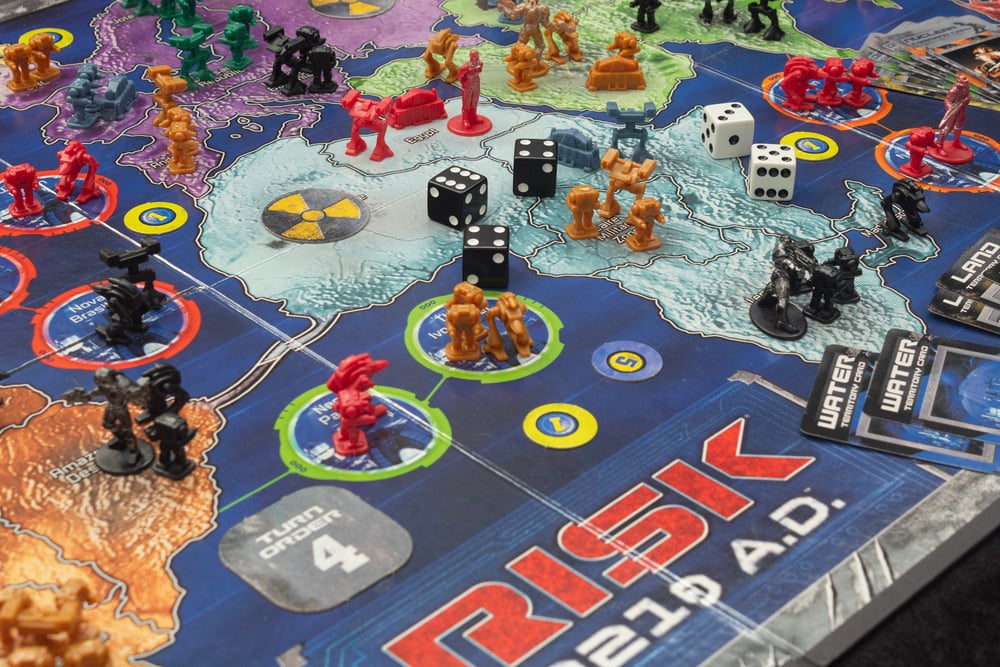
— Photo by Juan Alejandro Bernal R
World domination brings out the worst in people, and Risk proves this theory every time it hits the table. Players spend hours moving tiny armies around the globe, forming alliances that inevitably crumble into betrayal and backstabbing. The game’s length alone tests family patience, but add in the strategic elimination of players and you’ve got a recipe for lasting grudges.
Uno
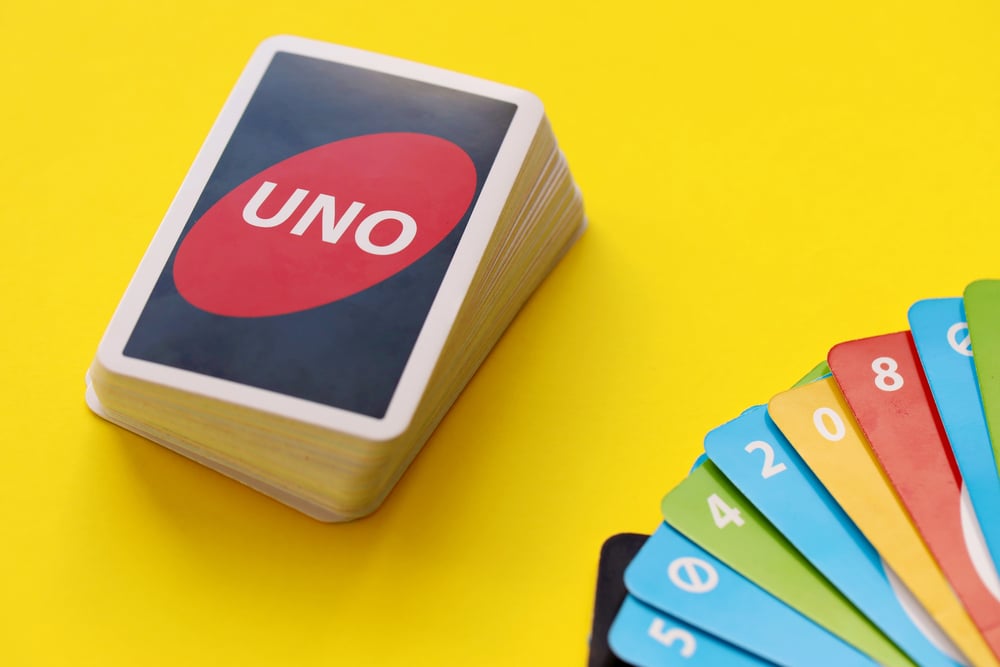
— Photo by Mehaniq
Don’t let the colorful cards fool you – Uno is a friendship destroyer disguised as innocent fun. The dreaded Draw Four card has sparked more arguments than any other single game piece in history. Families have debated the official rules for decades, with house rules varying so wildly that playing with different groups feels like learning an entirely new game.
Scrabble
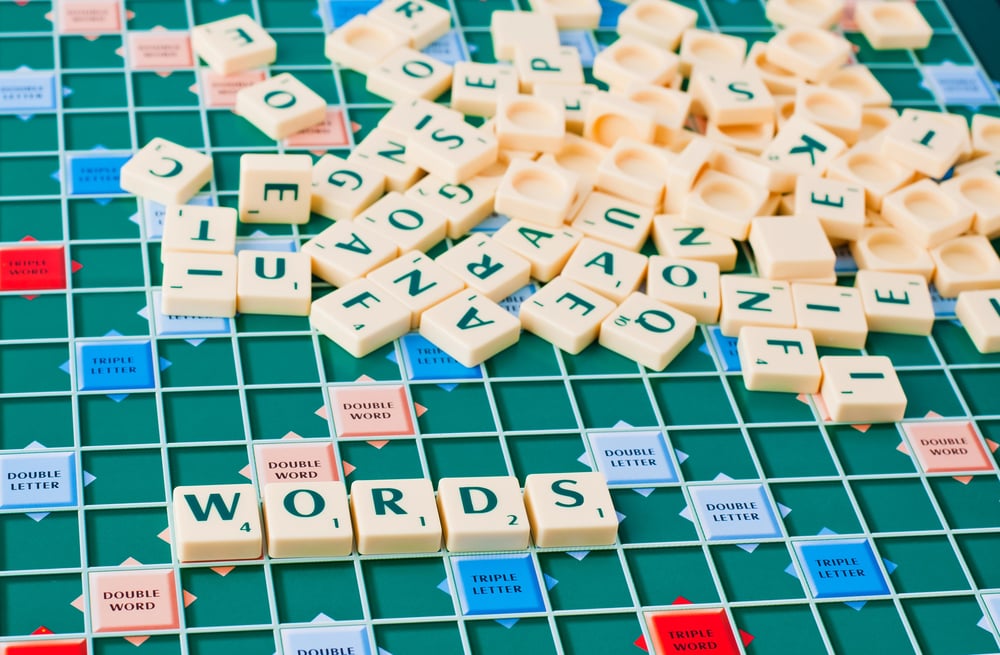
— Photo by prescott10
This word game turns family members into dictionary-wielding warriors who challenge every play and argue over acceptable abbreviations. The competitive nature of vocabulary-based gameplay brings out hidden intellectual superiority complexes. Nothing says family bonding like your teenager smugly playing ‘QUIXOTIC’ for 164 points while you’re stuck with a handful of vowels.
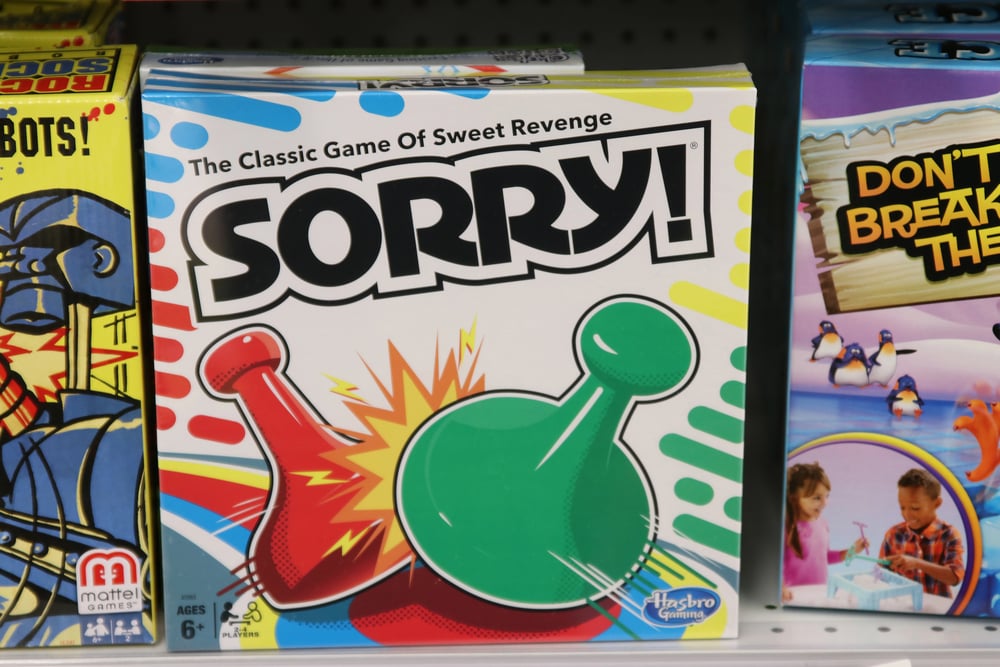
Sorry!
— Photo by Bellanoche
The irony of this game’s name isn’t lost on families who’ve played it together. Despite the polite title, Sorry! encourages players to send opponents back to start with gleeful satisfaction. The simple roll-and-move mechanics hide a surprisingly vindictive gameplay experience that has children plotting revenge against their parents and siblings.
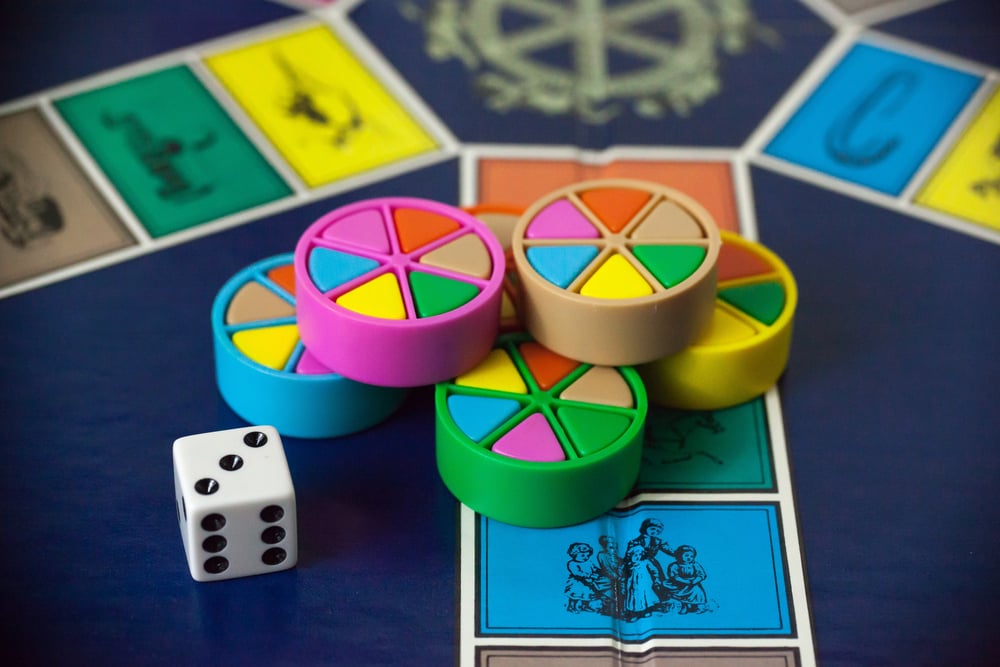
Trivial Pursuit
— Photo by luvemak
Knowledge-based games naturally create hierarchies within families, and Trivial Pursuit does this with surgical precision. The varying difficulty of questions across different categories means some players dominate while others struggle to move their wedge around the board. Age gaps become particularly apparent when grandparents nail every sports question from the 1960s while teenagers can’t identify basic historical figures.
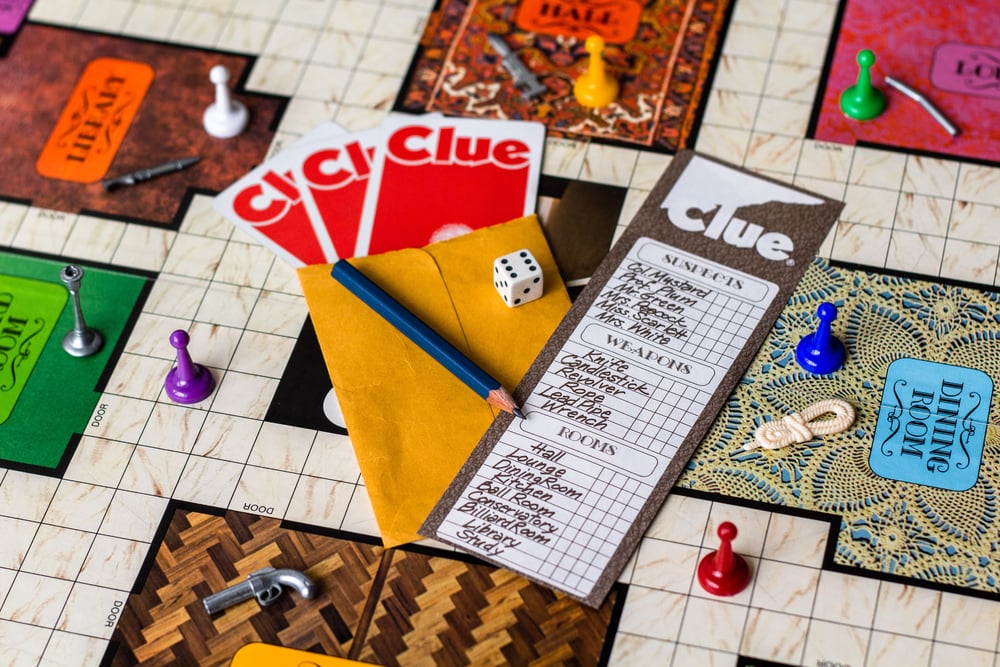
Clue
— Photo by mitchdhutchinson
The classic murder mystery game transforms family members into suspicious detectives who take accusations personally. Players must lie, mislead, and withhold information from people they love, creating an atmosphere of distrust that sometimes extends beyond the game. The deductive reasoning required often leads to heated debates about logic and memory.
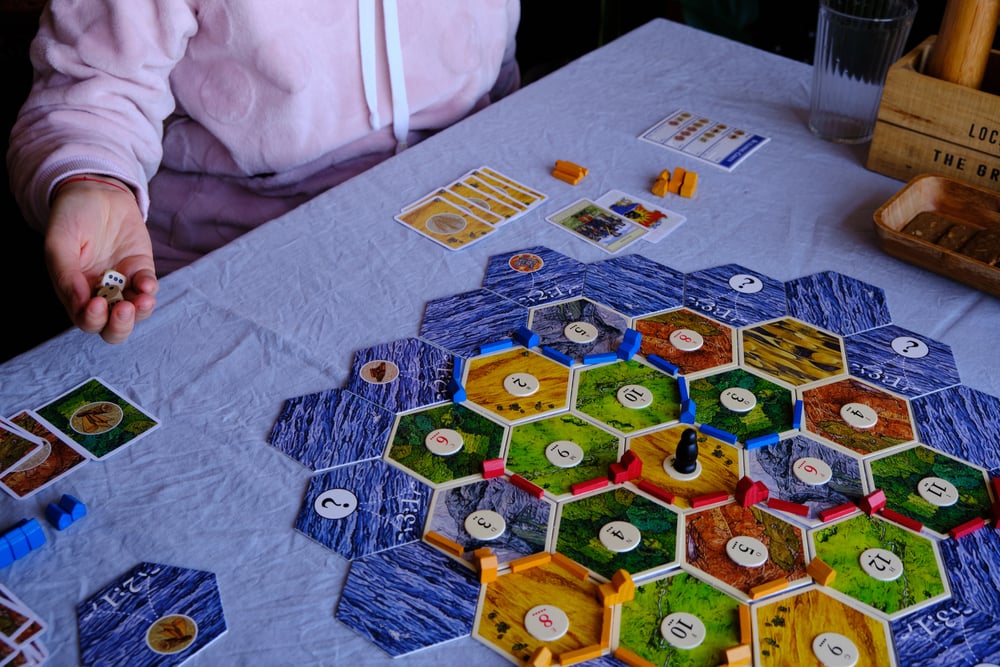
Settlers of Catan
— Photo by tarikkaanmuslu
This resource management game introduces trade negotiations that can fracture family dynamics faster than you can say ‘longest road.’ Players must balance cooperation and competition while managing limited resources, leading to situations where family members refuse to trade with each other out of spite. The robber piece alone has caused countless arguments about targeting and fairness.
Twister
— Photo by IgorVetushko
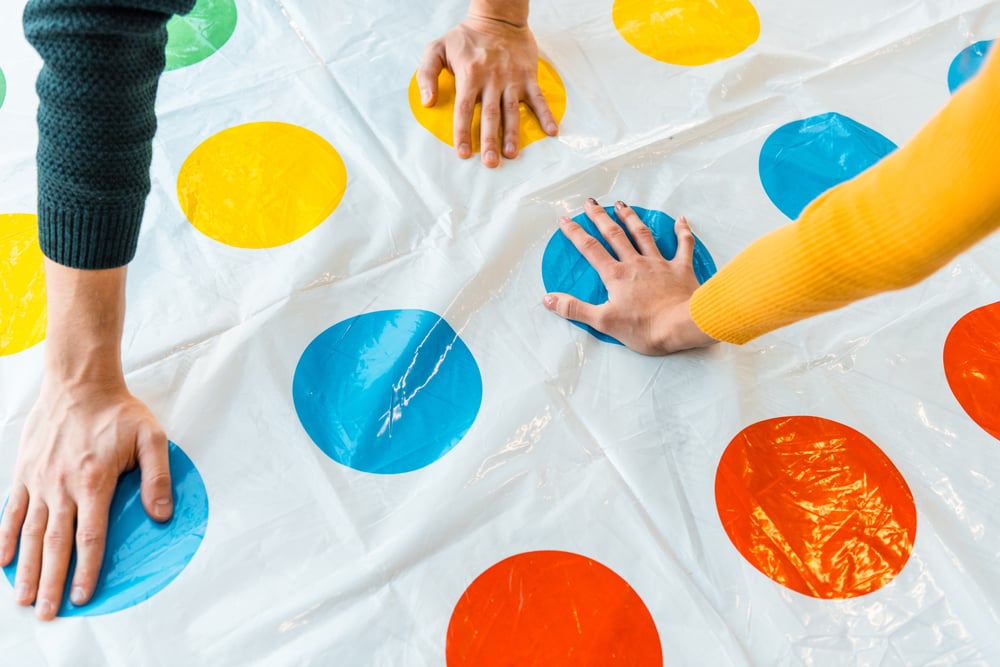
Physical games create different types of family tension, and Twister masters the art of uncomfortable closeness combined with competitive elimination. The spinner’s commands force players into increasingly awkward positions until someone inevitably falls, often taking others down with them. Arguments about whether someone’s elbow actually touched the mat are surprisingly common.
Pictionary
— Photo by claudiocaridi.libero.it2
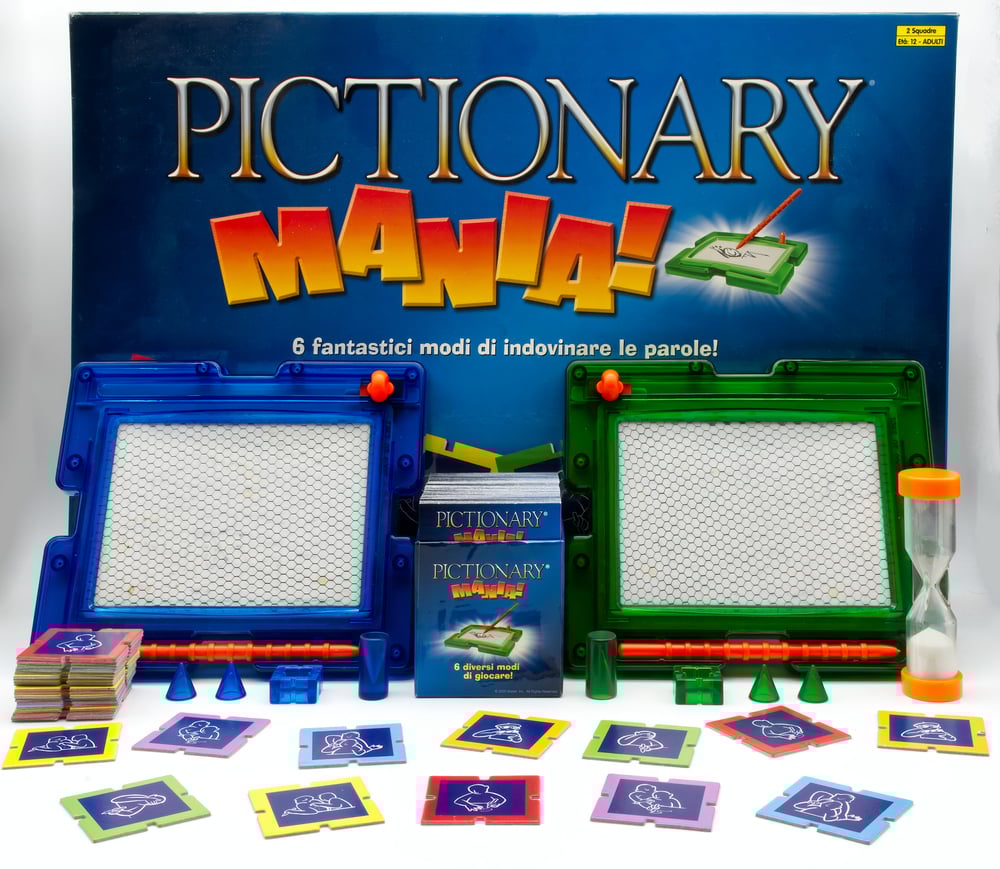
Drawing games reveal artistic abilities (or lack thereof) in ways that can be both hilarious and humiliating. Families discover that not everyone interprets drawings the same way, leading to frustrated artists and confused guessers. The time pressure adds stress to an already challenging communication exercise, resulting in pencils thrown and sketch pads slammed shut.
Battleship

The guessing game nature of Battleship creates paranoia and accusations of cheating that persist long after the ships have been sunk. Players become convinced their opponents are peeking at their boards or using some mysterious strategy to locate vessels too quickly. The one-on-one format intensifies the competition and makes losses feel more personal.
Phase 10
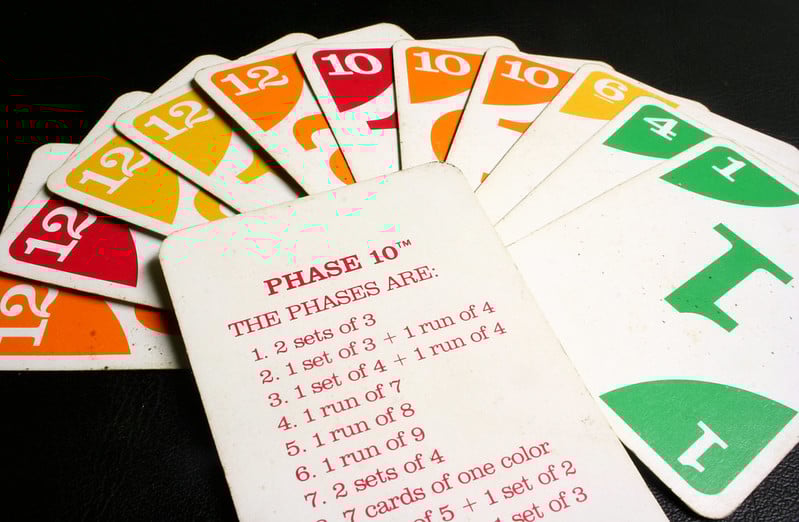
This card game’s multiple phases create uneven gameplay where some players advance while others remain stuck on early stages. The frustration of being unable to complete a phase while watching family members progress creates a uniquely torturous gaming experience. The luck-heavy gameplay means skill doesn’t always determine success, leading to complaints about fairness.
Yahtzee
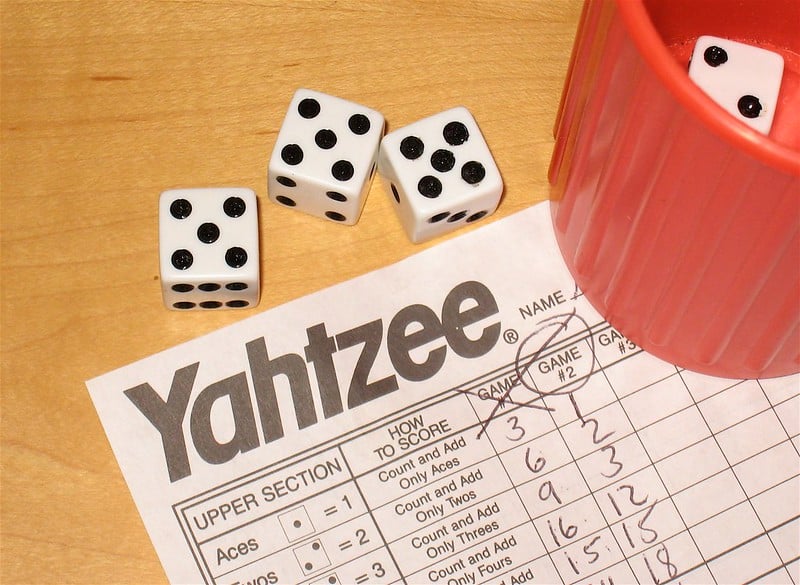
Dice games bring out superstitious behaviors and accusations of loaded dice that would make casino security laugh. Families develop elaborate rolling techniques and become convinced that certain players have supernatural luck with five-of-a-kind combinations. The scoring system’s complexity also provides plenty of opportunities for mathematical arguments and disputed totals.
Apples to Apples
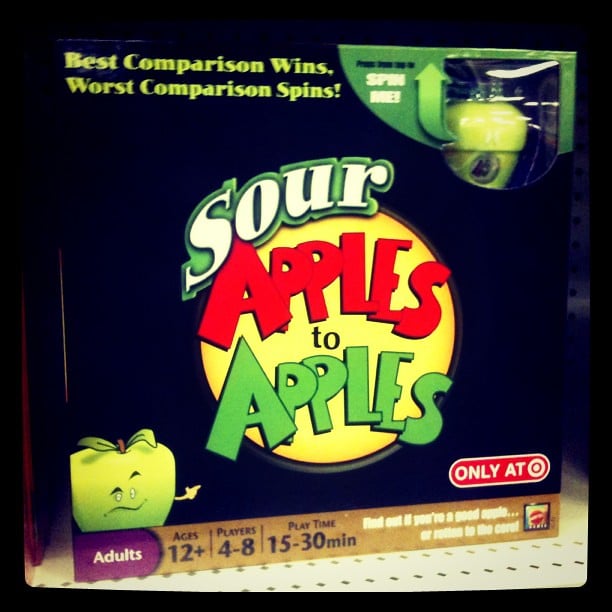
Subjective humor games like Apples to Apples reveal family members’ sense of humor in ways that aren’t always flattering. The judge’s arbitrary decisions about which card combinations are funniest create feelings of unfairness and favoritism. What one person finds hilarious, another considers offensive or stupid, leading to debates about comedy and taste.
Cranium
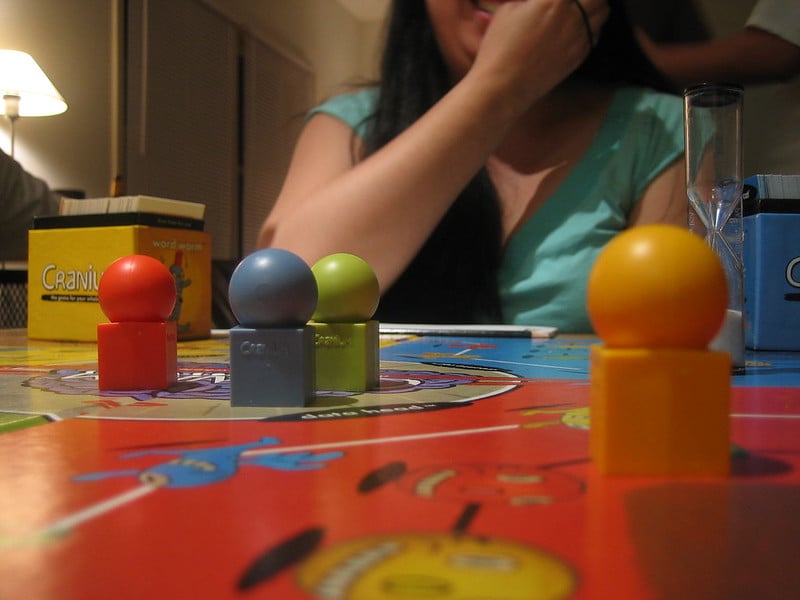
Multi-activity games test various skills simultaneously, ensuring that everyone feels inadequate at something during gameplay. Cranium’s combination of trivia, drawing, acting, and wordplay means no player excels at every category, creating frustration and self-doubt. The team format can also lead to blame and resentment when partners fail to contribute equally.
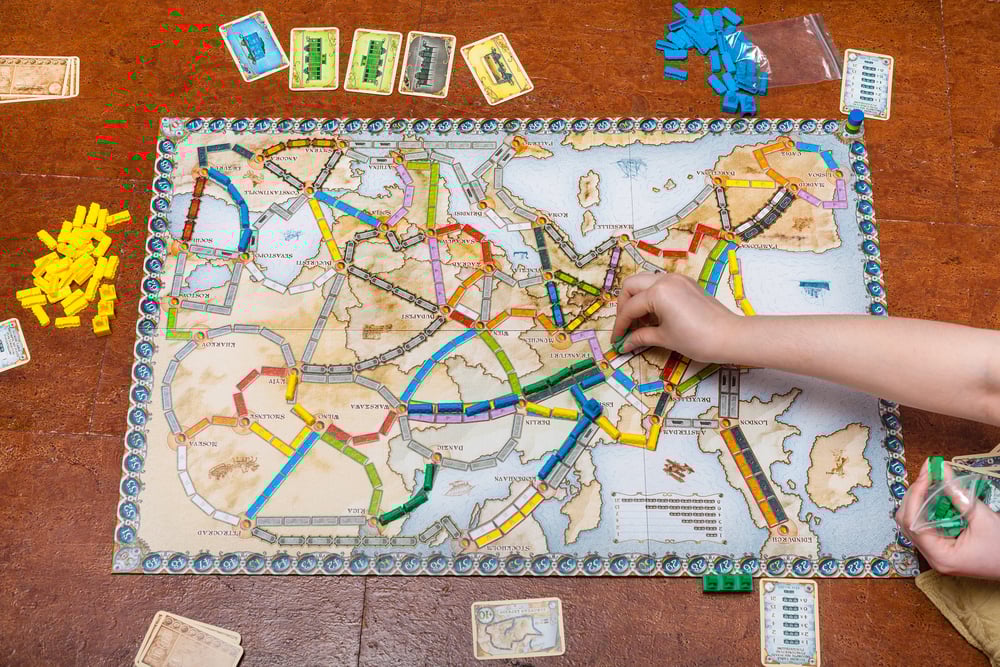
Ticket to Ride
— Photo by vvoennyy
Train route building games introduce blocking strategies that feel deeply personal when family members prevent each other from completing cross-country journeys. The simple mechanics hide complex strategic decisions that can leave players feeling outsmarted or deliberately targeted. Competition for limited train cards and routes creates scarcity-driven tension that builds throughout the game.
Cards Against Humanity
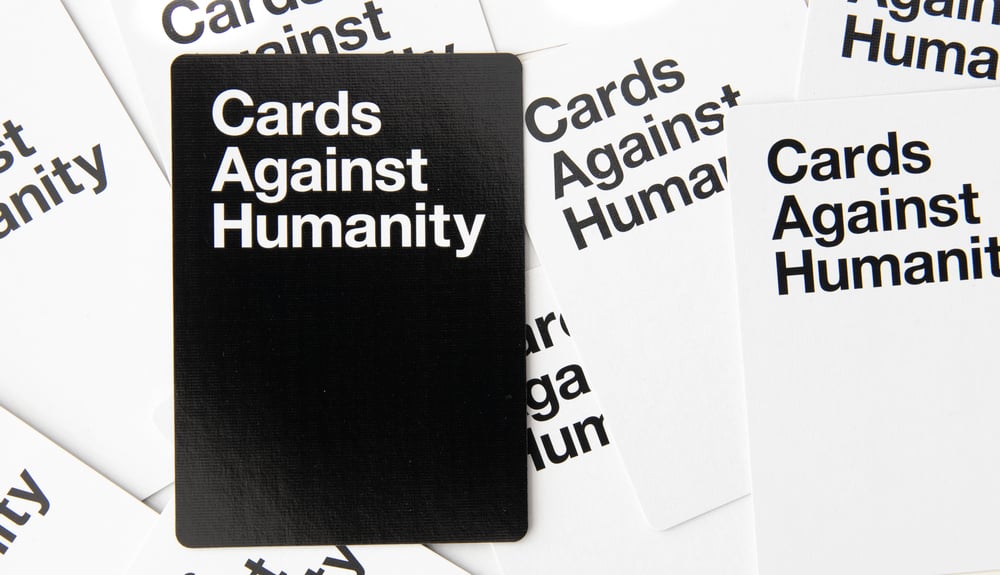
Adult party games like Cards Against Humanity force family members to confront each other’s sense of humor about inappropriate topics. The game’s deliberately offensive content creates uncomfortable moments when relatives choose unexpectedly crude or controversial card combinations. Generational differences in what’s considered funny or acceptable become glaringly obvious during gameplay.
Exploding Kittens
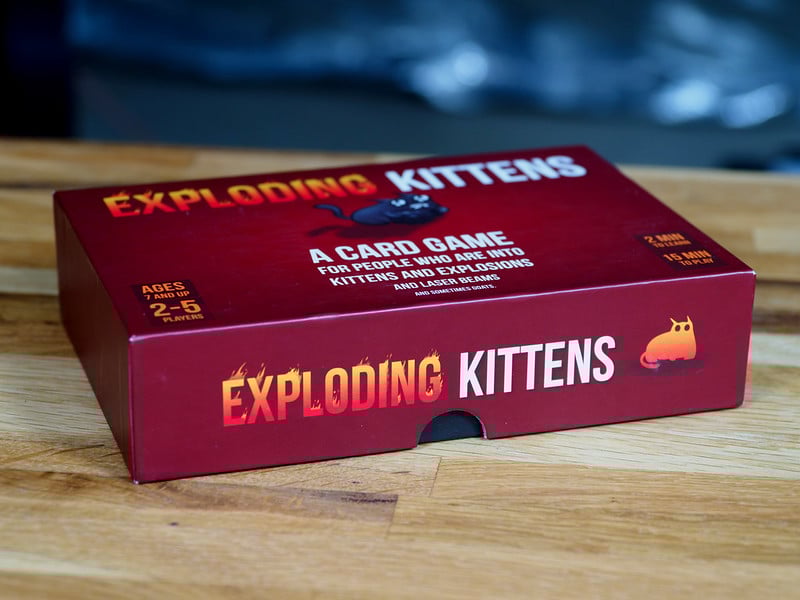
Despite its cute name and artwork, this card game’s elimination mechanics and attack cards create surprisingly intense family rivalries. The random nature of the exploding kitten cards means players can be eliminated without warning, leading to accusations of bad luck and unfair targeting. The quick gameplay often results in demands for immediate rematches and best-of-three competitions.
The Legacy of Competitive Gaming
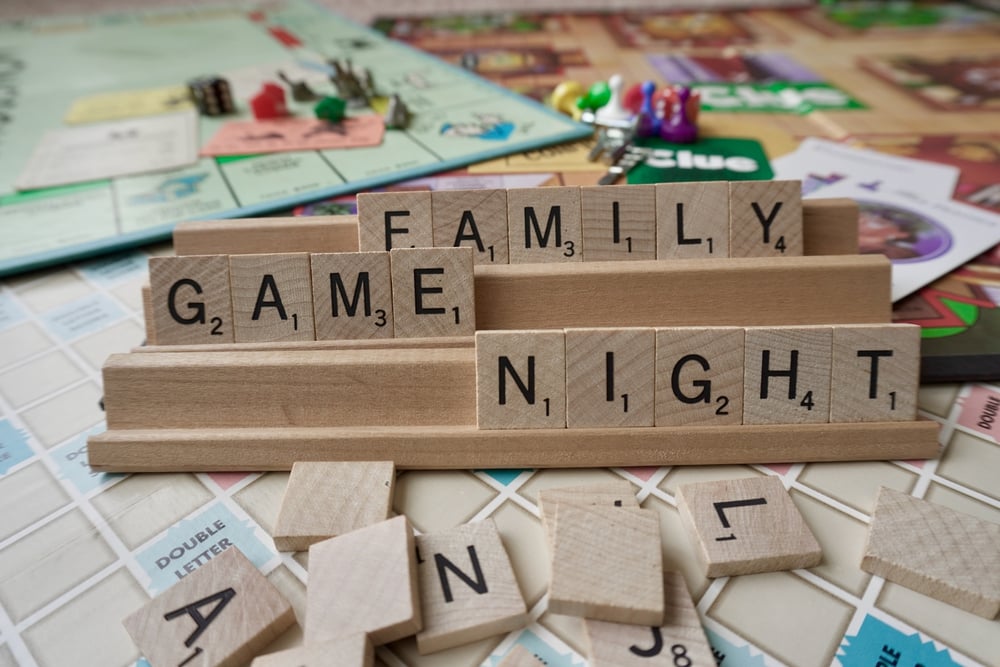
These argumentative board games continue to find their way onto family tables because the drama they create is often as memorable as the fun they provide. The passion and intensity that lead to arguments also create lasting memories and family stories that get retold for years. While game night might end in temporary hurt feelings, most families eventually laugh about their competitive outbursts and eagerly plan the next gaming session.
More from Go2Tutors!

- 16 Historical Figures Who Were Nothing Like You Think
- 12 Things Sold in the 80s That Are Now Illegal
- 15 VHS Tapes That Could Be Worth Thousands
- 17 Historical “What Ifs” That Would Have Changed Everything
- 18 TV Shows That Vanished Without a Finale
Like Go2Tutors’s content? Follow us on MSN.



