18 Diplomatic Incidents That Started Over Nothing
Throughout history, nations have found themselves locked in heated diplomatic disputes over matters that would seem laughably trivial to the average person. These incidents prove that international relations can be surprisingly fragile, with minor misunderstandings or petty grievances sometimes escalating into full-blown crises that strain relationships between countries for years.
From stolen buckets to misunderstood gestures, the following examples demonstrate just how easily diplomatic tensions can spiral out of control. Here is a list of 18 diplomatic incidents that started over seemingly nothing but managed to create significant international friction.
The War of the Oaken Bucket

In the 14th century, Modenese soldiers brazenly stole a wooden bucket from a Bolognese well, sparking outrage. What started as a simple theft became a symbol of rivalry between these Italian city-states. The bucket incident represented deeper territorial disputes, but the actual trigger was literally someone walking off with another city’s bucket.
Bologna demanded its return, Modena refused, and the conflict escalated into an armed confrontation that lasted for years.
The Football War

The 1969 conflict between Honduras and El Salvador became known as the Football War, though the underlying causes were more complex than the name suggests. There was fighting between fans at the first game in the Honduran capital of Tegucigalpa on June 8, which Honduras won 1–0.
The violence at World Cup qualifying matches served as the spark for a conflict that had been brewing over immigration and land reform issues, but the immediate trigger was literally a soccer match.
Like Go2Tutors’s content? Follow us on MSN.
The Pig War
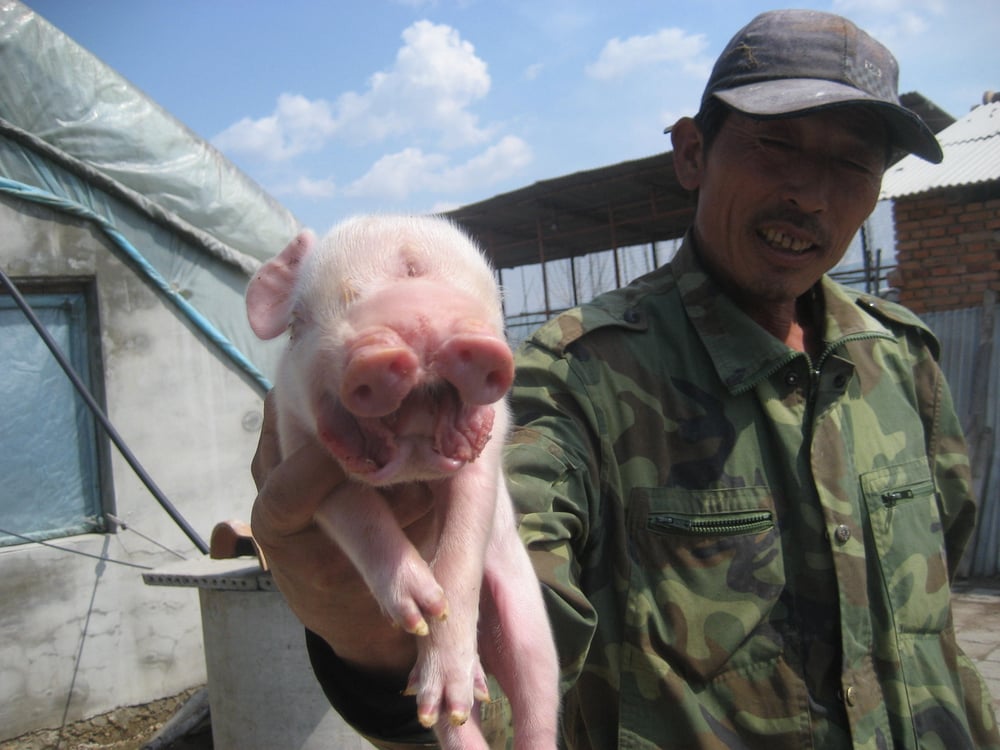
On San Juan Island between the United States and Britain, a single pig nearly caused an international incident in 1859. An American farmer shot a British-owned pig that was eating his potatoes, leading to a standoff that brought both nations to the brink of conflict.
British authorities threatened to arrest the farmer, Americans called for military protection, and soon both sides had military forces facing each other over one dead pig.
The Pastry War

France and Mexico went to war in 1838 partly because of unpaid debts to French businesses, including compensation demanded by a French pastry chef whose shop had been damaged. The pastry chef’s claim for 60,000 pesos became part of larger French demands for reparations, but the fact that a bakery dispute contributed to an actual war shows how minor commercial grievances can escalate into international conflicts.
The Cod Wars
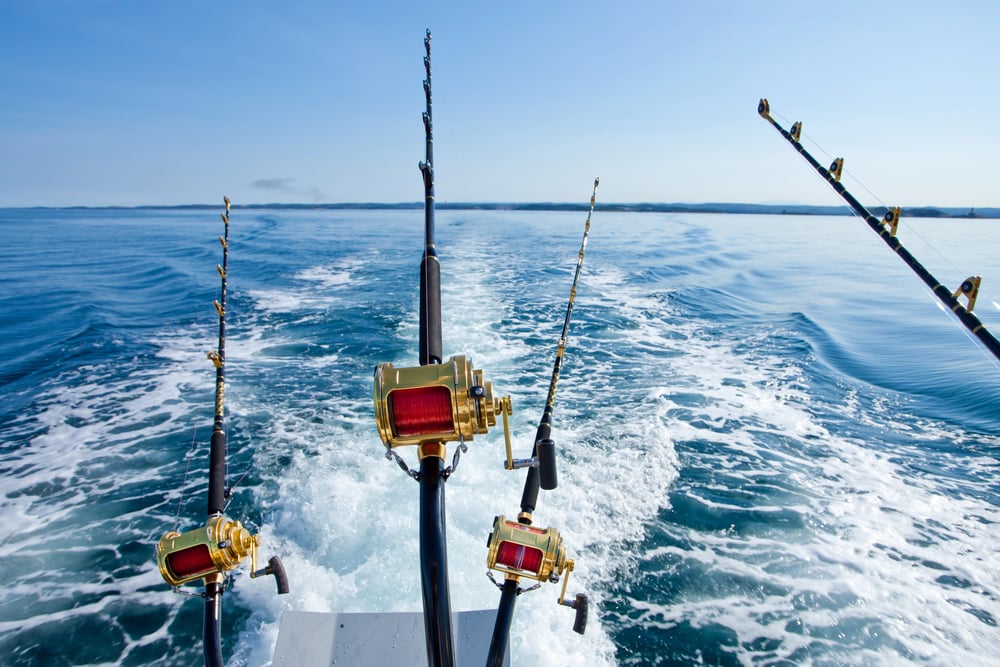
Iceland and Britain engaged in multiple disputes over fishing rights that became known as the Cod Wars, spanning from the 1950s to the 1970s. These weren’t traditional military conflicts, but they involved naval vessels, ramming incidents, and serious diplomatic tensions.
The disputes centered on Iceland’s extension of its fishing limits, leading to confrontations between Icelandic coast guard vessels and British fishing trawlers protected by Royal Navy ships.
Like Go2Tutors’s content? Follow us on MSN.
The Lobster War

Brazil and France nearly came to blows in the 1960s over lobster fishing rights off the Brazilian coast. The dispute arose when French fishermen began harvesting lobsters in waters that Brazil claimed as its territorial waters.
France argued that lobsters crawl along the sea floor rather than swim, making them different from fish in terms of territorial rights. Brazil disagreed, leading to naval confrontations and diplomatic protests.
The Dogger Bank Incident
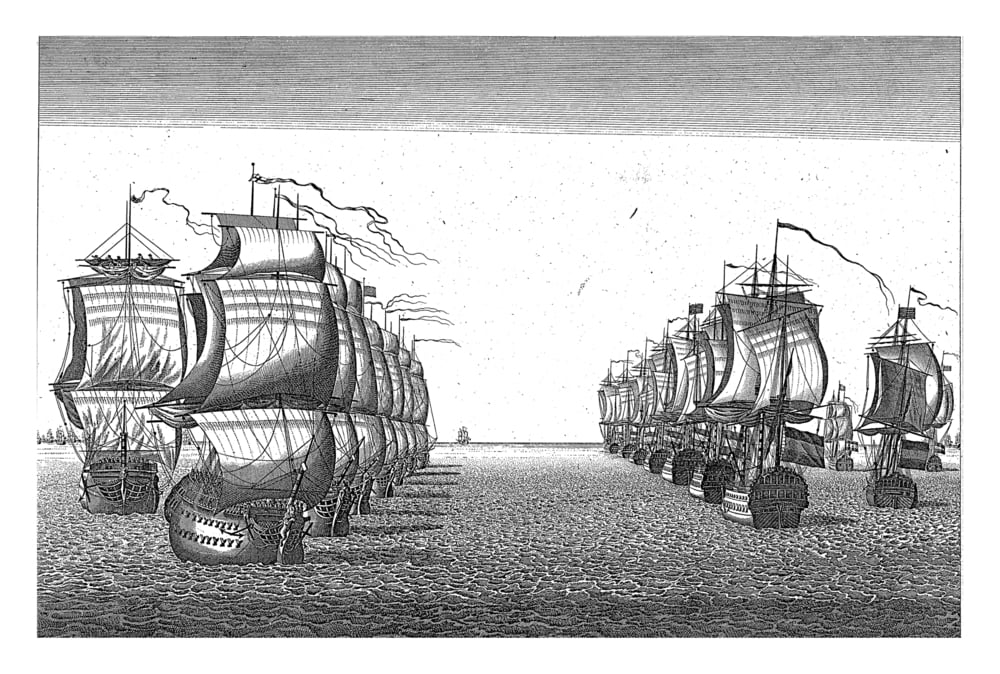
In 1904, Russian naval vessels mistakenly fired on British fishing trawlers in the North Sea, believing them to be Japanese torpedo boats during the Russo-Japanese War. The incident nearly led to war between Russia and Britain over what was essentially a case of mistaken identity.
Russian officers were so paranoid about Japanese attacks that they opened fire on innocent fishing boats, creating a major diplomatic crisis.
The Aroostook War
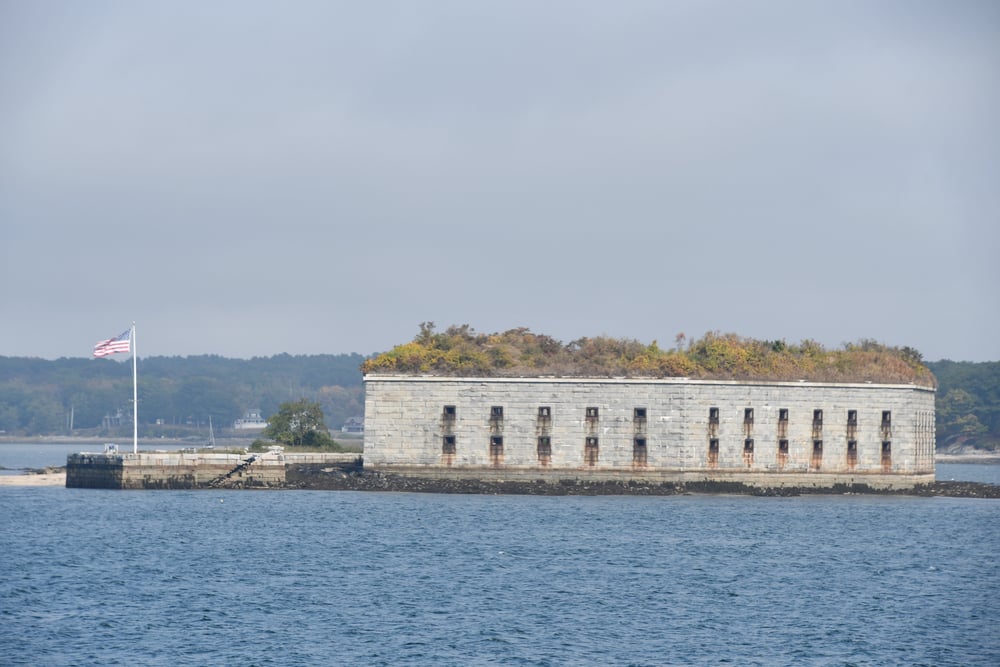
This 1838-1839 dispute between the United States and Britain over the Maine-New Brunswick border became known as the ‘Bloodless War’ because no one actually died in combat. The conflict started over competing claims to timber rights and escalated when both sides sent military forces to the disputed area.
Thousands of troops were deployed over what amounted to a disagreement about where exactly the border should be drawn.
Like Go2Tutors’s content? Follow us on MSN.
The Chesapeake-Leopard Affair

In 1807, the British warship HMS Leopard attacked the American frigate USS Chesapeake after the American captain refused to allow a search for alleged British deserters. The incident began as a routine request that escalated when the American commander declined to comply.
The British ship opened fire, killing and wounding several Americans, which contributed to rising tensions that eventually led to the War of 1812.
The Camel Incident
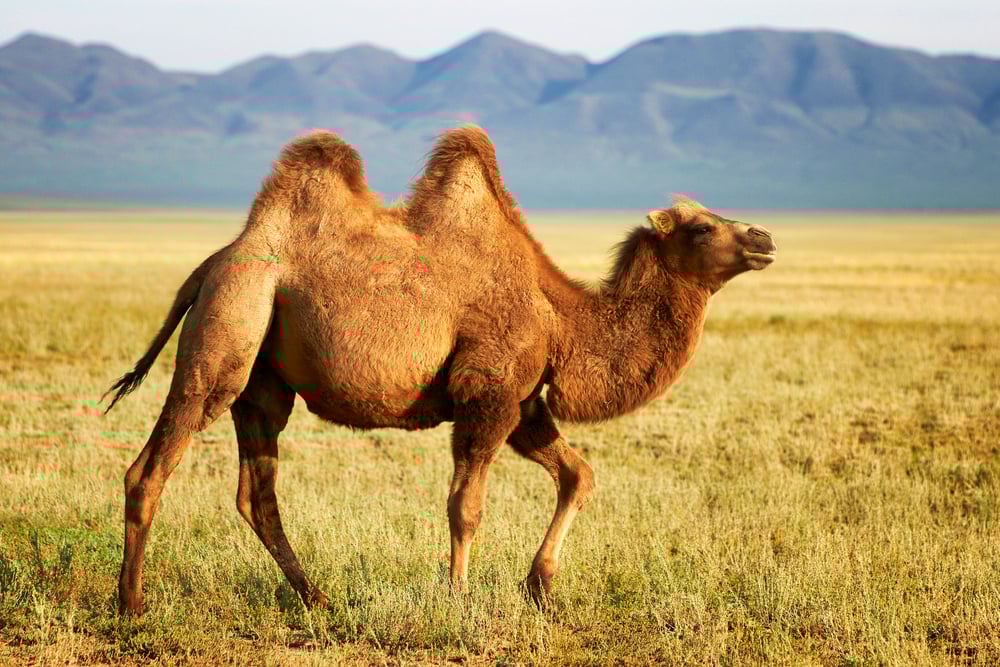
During the 1960s, a dispute between Somalia and Ethiopia escalated when Somali raiders allegedly stole camels from Ethiopian territory. What began as livestock theft became an international incident when both governments became involved, with each side accusing the other of border violations.
The camel raids represented deeper territorial disputes, but the immediate cause was literally people arguing over stolen animals.
The Flagpole War
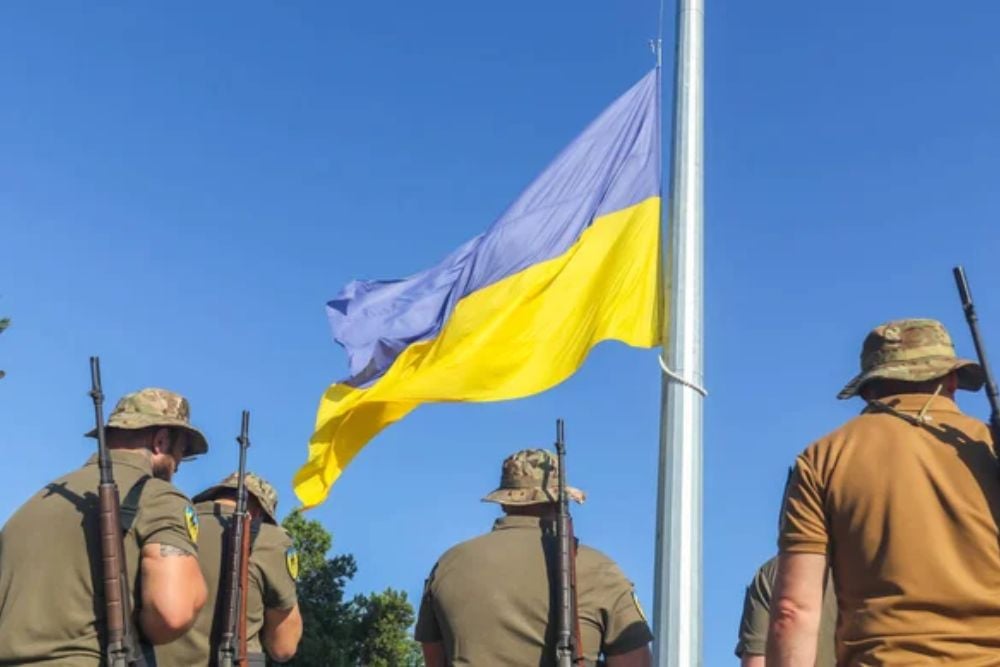
In 1845, settlers in the Oregon Territory created a diplomatic crisis by cutting down a flagpole flying the British flag and replacing it with an American one. This seemingly simple act of changing flags became a symbol of competing national claims to the territory.
British authorities demanded the restoration of their flag, while American settlers insisted on their right to display their own symbol of sovereignty.
Like Go2Tutors’s content? Follow us on MSN.
The Trent Affair
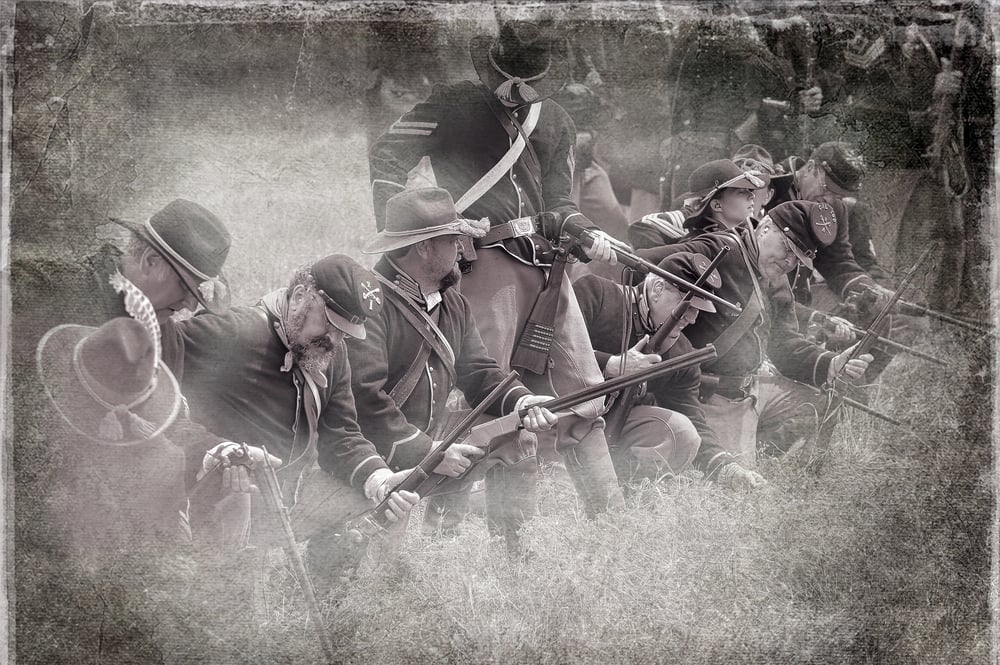
During the American Civil War, the Union Navy stopped the British mail ship RMS Trent and arrested two Confederate diplomats traveling to Europe. Britain considered this an act of war, demanding the release of the diplomats and an apology.
The incident started as a routine interdiction of Confederate officials but nearly brought Britain into the American Civil War on the side of the Confederacy.
The Venezuelan Boundary Dispute
In the 1890s, a longstanding border dispute between Venezuela and British Guiana escalated when gold was discovered in the contested territory. The United States became involved, citing the Monroe Doctrine, and tensions rose dramatically.
What had been a relatively minor colonial boundary question became a major test of American influence in the Western Hemisphere, all because someone found gold in a disputed area.
The Fashoda Incident
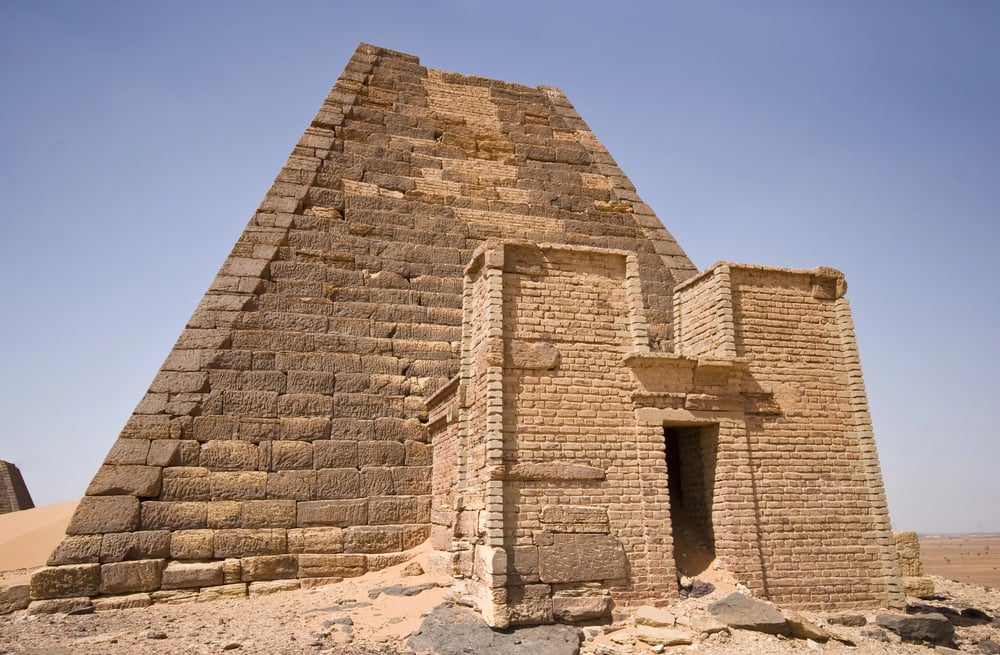
In 1898, French and British forces met at the remote Sudanese outpost of Fashoda, nearly triggering a war between the two colonial powers. Both expeditions had legitimate reasons for being in the area, but neither expected to encounter the other.
The confrontation at this tiny settlement represented the collision of two imperial ambitions in Africa, with both sides initially refusing to back down.
Like Go2Tutors’s content? Follow us on MSN.
The Caroline Affair
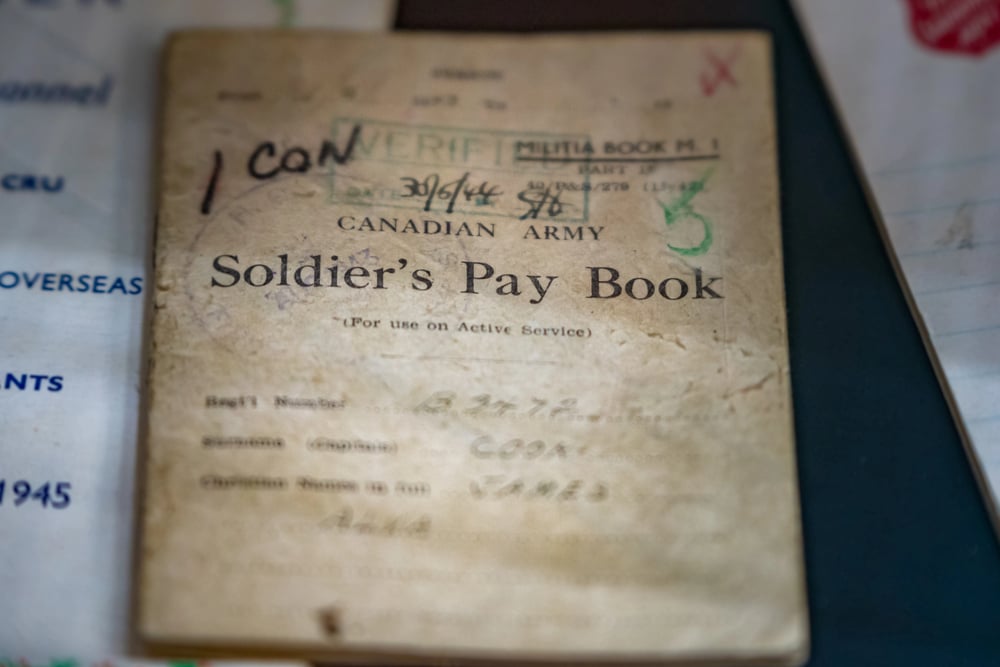
In 1837, Canadian militia crossed into American territory and burned the steamboat Caroline, which had been used to supply rebels in Canada. The incident occurred when the ship was docked on the American side of the Niagara River, making it technically an invasion of American soil.
One American was killed in the raid, creating a diplomatic crisis that simmered for years and involved questions about neutrality and border sovereignty.
The Panay Incident
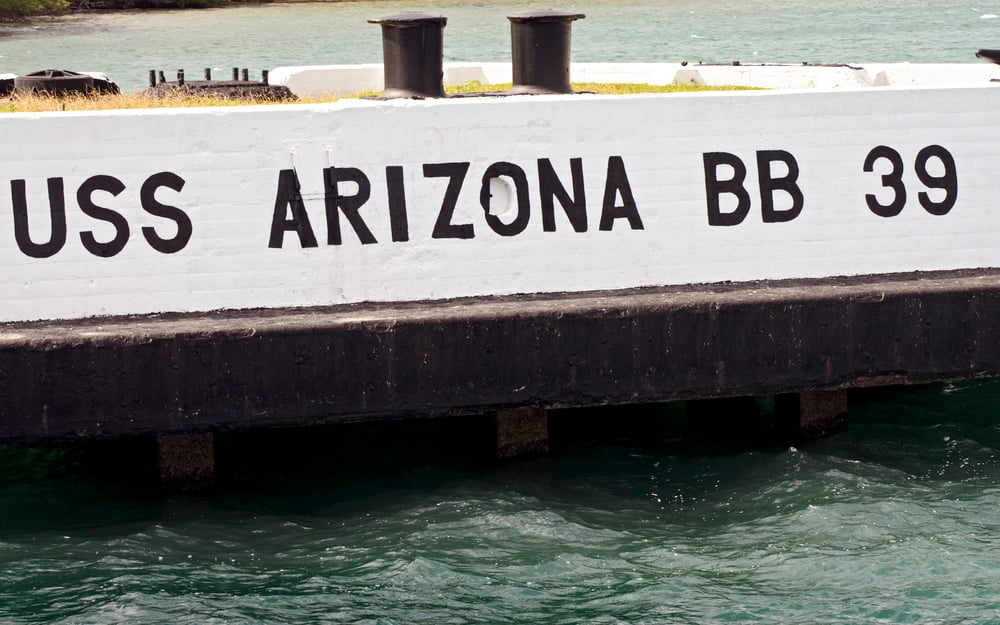
In 1937, Japanese aircraft bombed and sank the American gunboat USS Panay on China’s Yangtze River, claiming they mistook it for a Chinese vessel. The attack killed several Americans and created a serious diplomatic crisis between the United States and Japan.
Japan apologized and paid compensation, but the incident highlighted growing tensions that would eventually lead to Pearl Harbor.
The XYZ Affair

In 1797, French agents demanded bribes from American diplomats as a precondition for negotiations, creating a scandal when the story became public in America. The French intermediaries, identified only as X, Y, and Z in American diplomatic correspondence, had essentially tried to shake down the American negotiators.
This bribery attempt caused outrage in the United States and led to an undeclared naval war with France.
Like Go2Tutors’s content? Follow us on MSN.
The Diplomat’s Parking Tickets
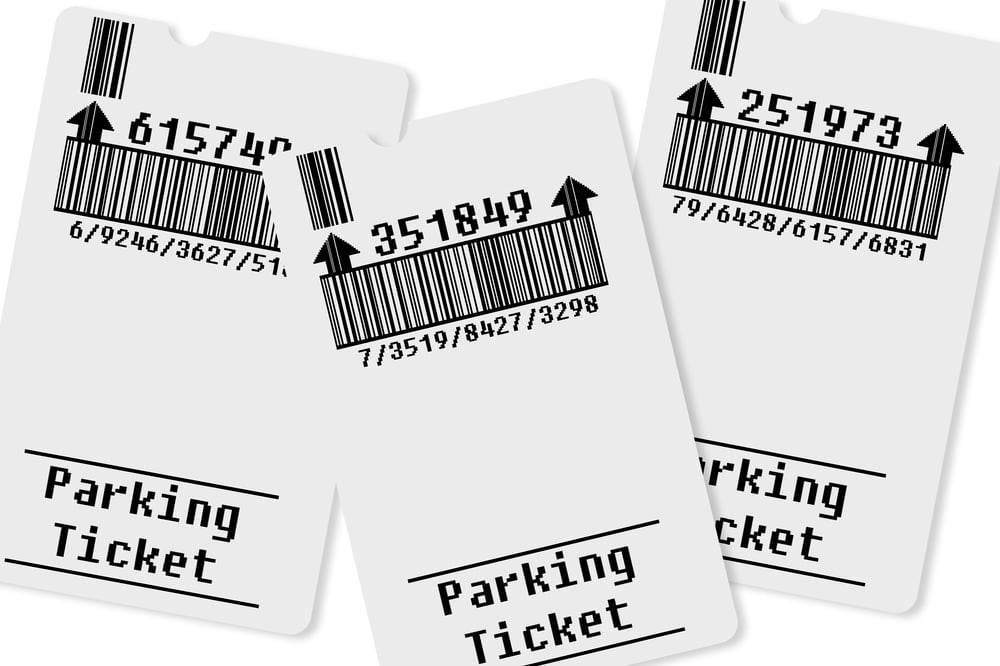
During the Cold War, disputes over unpaid parking tickets by diplomatic personnel became a recurring source of friction between nations. Foreign diplomats claimed immunity from local traffic laws, while host countries argued that parking violations weren’t covered by diplomatic immunity.
These seemingly petty disputes over parking meters and traffic tickets sometimes escalated into formal diplomatic protests and retaliatory measures.
When Small Sparks Ignite Big Fires

These incidents demonstrate that international relations often hang on surprisingly delicate threads. A stolen bucket, a wayward pig, or a misunderstood gesture can spiral into conflicts that reshape diplomatic relationships and sometimes even lead to war.
Modern diplomatic protocols and communication systems have reduced the likelihood of such misunderstandings, but they haven’t eliminated the human tendency to let pride and principle override common sense. The lesson remains clear: in the world of international relations, there’s really no such thing as a truly minor incident when national honor is perceived to be at stake.
More from Go2Tutors!

- 16 Restaurant Chains That Went Too Fast
- 12 Things Sold in the 80s That Are Now Illegal
- 15 Strange Things People Have Tried to Ban (And Failed)
- 16 Collectibles People Tossed Out Too Soon
- 17 Myths from Your Childhood That Were Actually Based on Real Things
Like Go2Tutors’s content? Follow us on MSN.