Largest Ships Ever Built
The ocean has always been humanity’s highway for trade, exploration, and ambition. Over centuries, ships have grown from modest wooden vessels to colossal steel giants that dwarf entire city blocks.
These massive structures represent the pinnacle of engineering achievement, pushing the boundaries of what humans can build and float on water. So what makes a ship truly giant, and which ones earned their place in history? Let’s dive into the most impressive vessels ever constructed.
Seawise Giant
This behemoth holds the record as the longest ship ever built, stretching an incredible 1,504 feet from bow to stern. The vessel was so massive that it couldn’t navigate through the English Channel or the Suez Canal, limiting where it could actually travel.
Originally built as an oil tanker in 1979, it went through several name changes during its lifetime, including Happy Giant and Jahre Viking. The ship met its end in 2010 when it was sold for scrap metal in India, but its legacy as the largest ship by length and weight remains unmatched.
Prelude FLNG
Floating off the coast of Australia sits this natural gas processing facility that weighs around 600,000 tons when fully loaded. The Prelude stretches 1,601 feet long, making it longer than the Empire State Building is tall.
Shell built this massive structure to extract, process, and store natural gas right at sea, eliminating the need for undersea pipelines to shore. It can produce enough gas each year to power a city the size of Hong Kong, all while floating in some of the roughest waters on Earth.
Pierre Guillaumat
France constructed this supertanker in 1977, and it weighed a staggering 555,000 deadweight tons when carrying cargo. The ship measured 1,359 feet long and required a crew of just 47 people to operate, thanks to advanced automation for its time.
Despite its impressive size, the Pierre Guillaumat had a remarkably short working life, operating for only three years before being scrapped. The economics of running such a massive vessel simply didn’t work out, as it was too large for most ports and required specialized facilities.
Batillus Class Supertankers
Four sister ships made up this class of ultra-large crude carriers built in France during the 1970s. Each vessel measured over 1,300 feet long and could carry more than 550,000 deadweight tons of oil.
The Batillus, Bellamya, Prairial, and Hellas represented the peak of supertanker construction during the oil boom era. All four ships had relatively short careers, with the last one scrapped in 1986, victims of changing economic conditions and the impracticality of operating such enormous vessels.
TI Class Supertankers
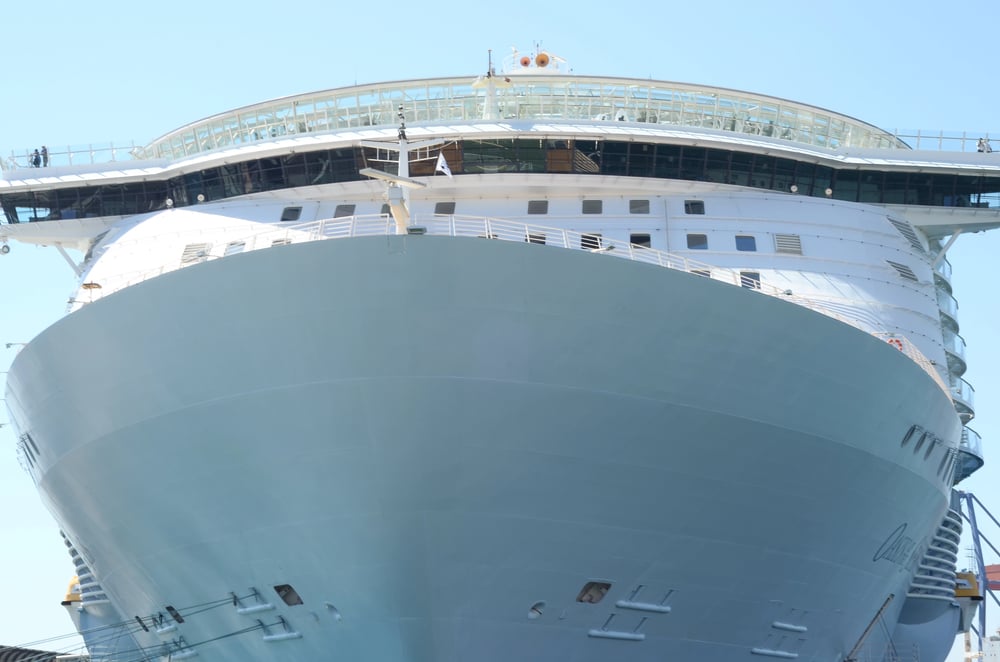
These four double-hulled oil tankers were the largest ships afloat after the Seawise Giant was scrapped. Built between 2002 and 2003, each vessel measures 1,246 feet long and can carry 441,000 deadweight tons of crude oil.
The TI Europe and TI Oceania were converted into floating storage and offloading units, while their sister ships continue hauling oil. These modern giants include advanced safety features and environmental protections that older supertankers lacked.
Pioneering Spirit
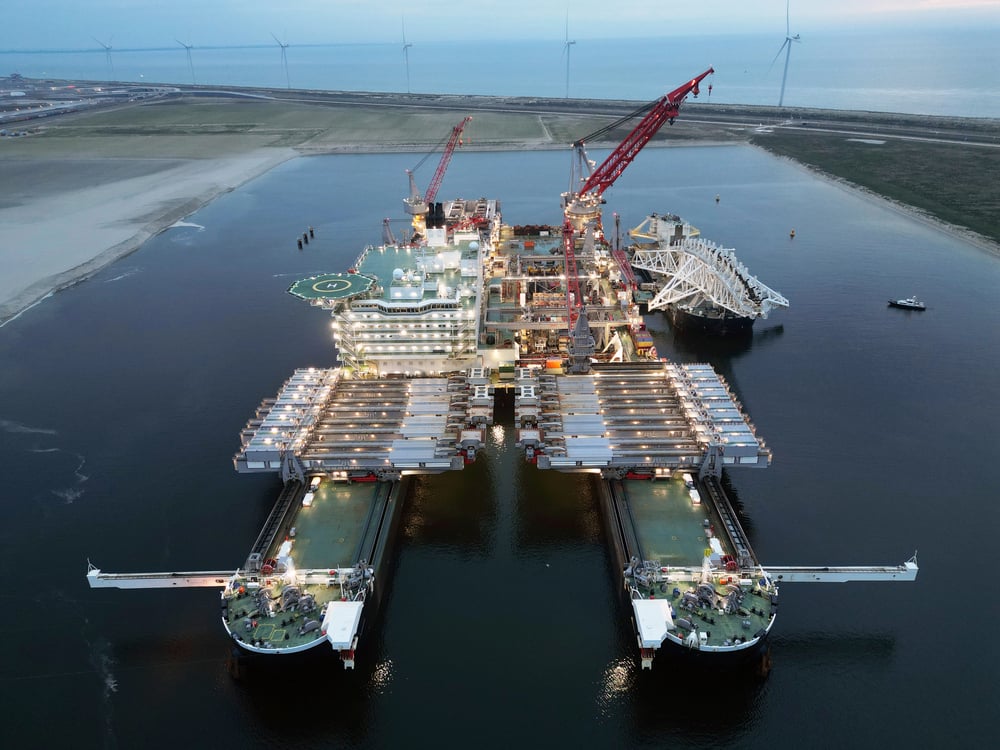
This vessel holds the record as the largest construction ship ever built, designed specifically to install and remove offshore oil and gas platforms. The ship measures 1,253 feet long and 407 feet wide, with a displacement of over 900,000 tons when ballasted.
Its unique design allows it to lift entire oil platform topsides weighing up to 48,000 tons in a single operation. The Pioneering Spirit revolutionized offshore construction by completing in days what previously took months using traditional methods.
Oasis Class Cruise Ships
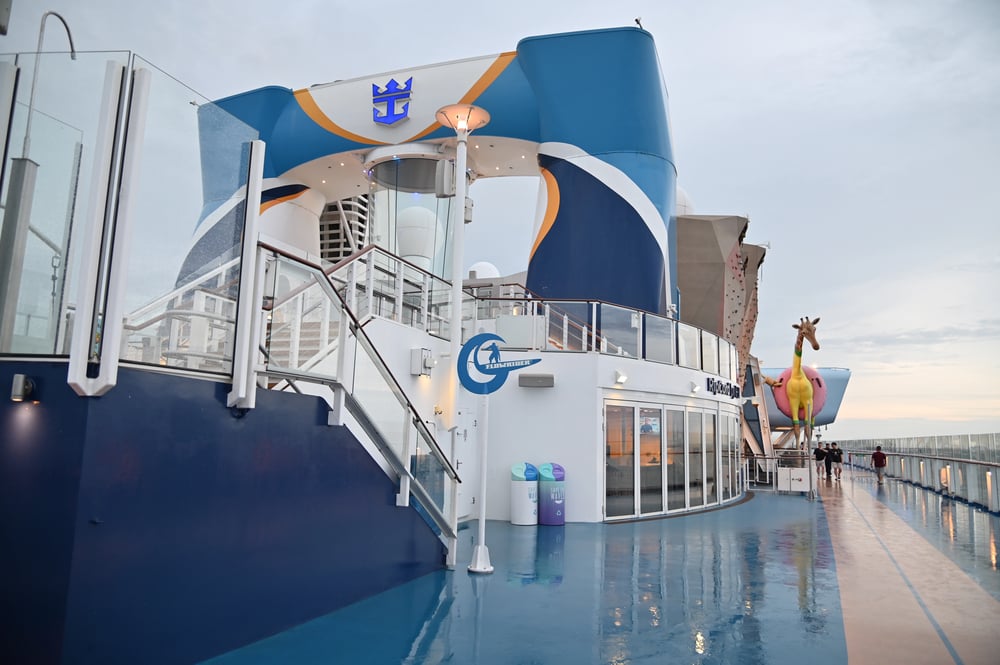
Royal Caribbean’s Oasis class represents the largest cruise ships ever constructed, with some vessels measuring over 1,180 feet long. These floating cities can accommodate more than 6,000 passengers and 2,300 crew members across their multiple decks.
Features include zip lines, ice skating rinks, water parks, and entire neighborhoods with different themes. The newest ships in this class weigh around 236,000 gross tons, dwarfing the Titanic by comparison.
Emma Maersk
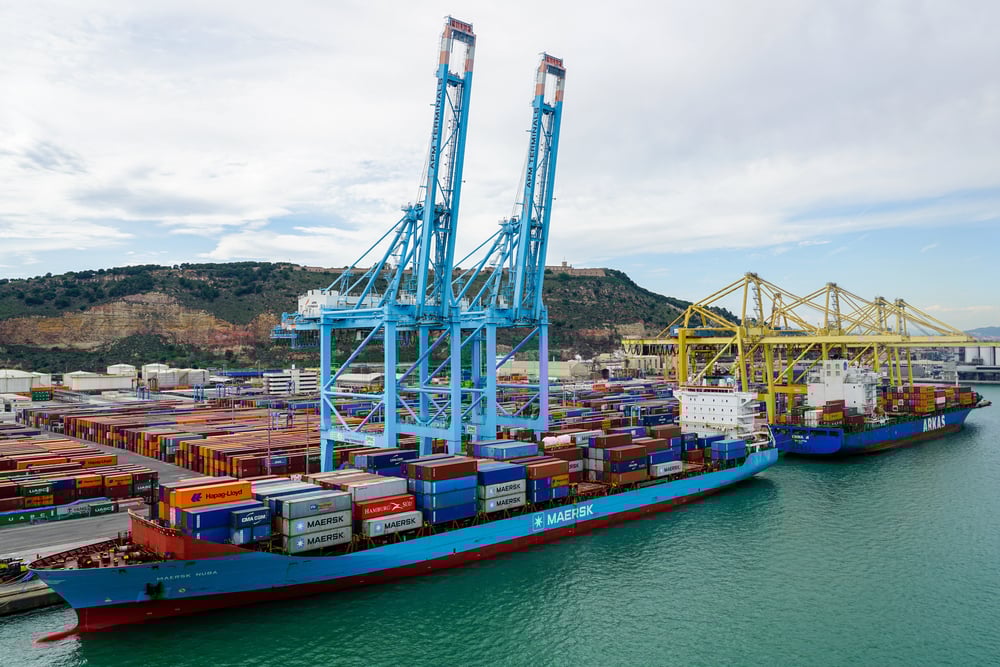
When launched in 2006, this container ship was the largest in the world, capable of carrying over 11,000 twenty-foot equivalent units. The vessel measures 1,302 feet long and towers 207 feet above the waterline when fully loaded.
Emma Maersk pioneered fuel efficiency improvements in the shipping industry, using a massive diesel engine that generated 109,000 horsepower. This ship and its sister vessels transformed global shipping by making it economically viable to transport goods in unprecedented quantities.
MSC Gülsün
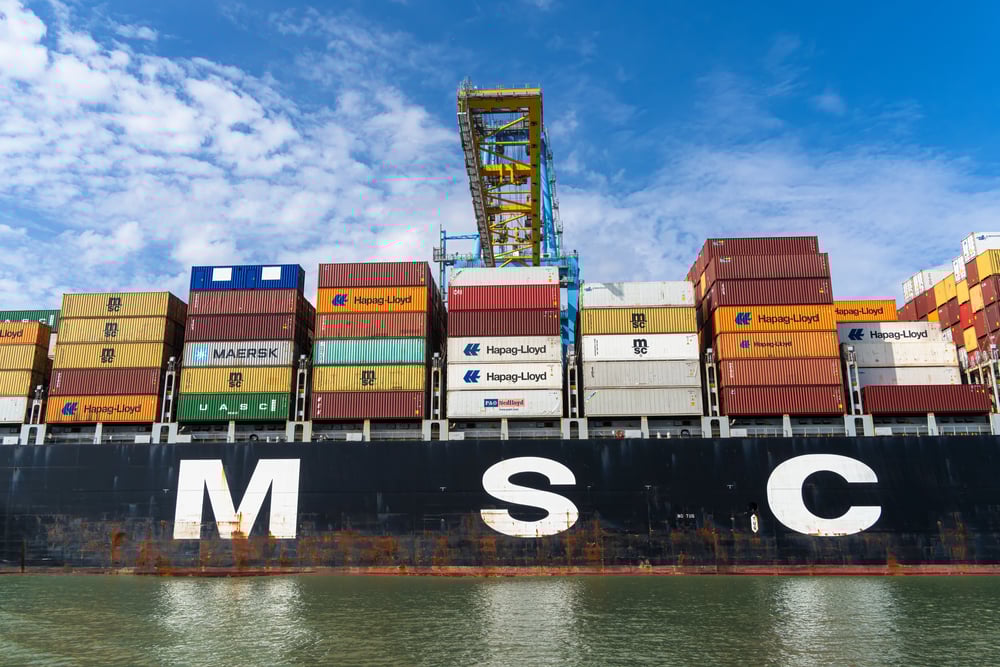
Currently among the largest container ships operating, this vessel can carry 23,756 twenty-foot containers stacked high above its deck. The ship stretches 1,312 feet long and 200 feet wide, requiring sophisticated computer systems to manage the distribution of weight.
MSC Gülsün represents the latest generation of mega-container ships that dominate modern trade routes. The vessel’s size allows shipping companies to dramatically reduce the cost per container, making global commerce more efficient.
Mont
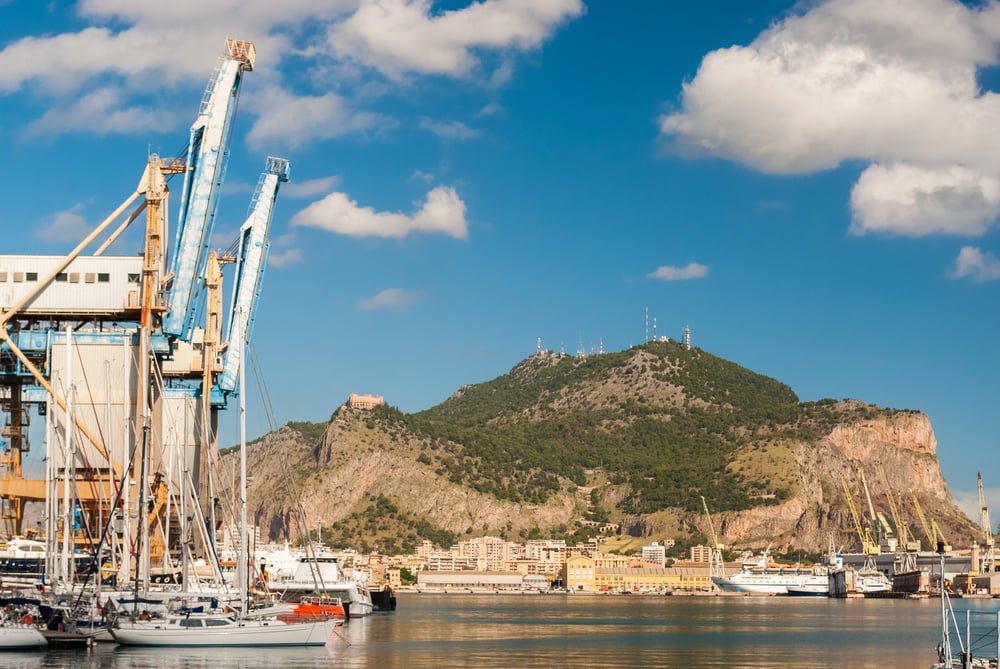
This supertanker went by several names during its service life, including Knock Nevis and Oppama. The vessel served as a floating storage and offloading unit for years after its tanker career ended.
At 1,504 feet long, it matched the Seawise Giant in length because they were actually the same ship at different points in its life. The Mont finally ended its days in 2010 at a ship breaking yard in India.
Esso Atlantic
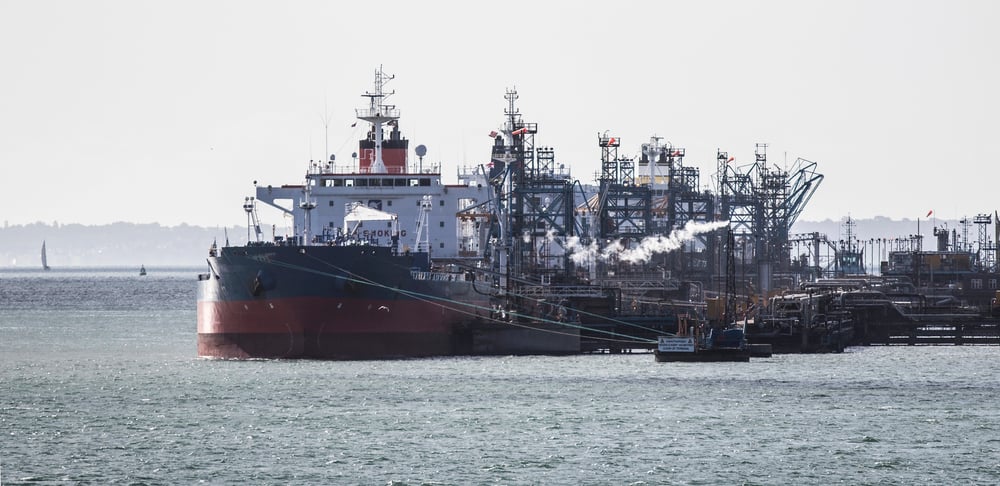
Built in 1977, this supertanker measured 1,334 feet long and could carry 516,000 deadweight tons of crude oil. The ship featured a single propeller driven by a steam turbine generating 55,000 horsepower.
Esso Atlantic operated for over two decades before being scrapped in the late 1990s. This vessel represented the practical upper limit of tanker size before the industry shifted toward smaller, more versatile ships.
USS Enterprise
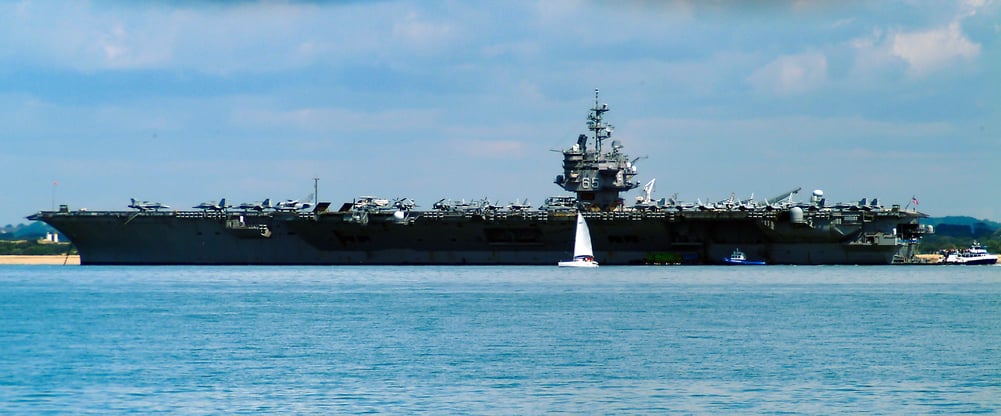
The world’s first nuclear-powered aircraft carrier measured 1,123 feet long and served the United States Navy for over 50 years. Eight nuclear reactors powered this massive warship, giving it virtually unlimited range without refueling.
The Enterprise could carry more than 80 aircraft and a crew of over 5,000 sailors. This ship revolutionized naval warfare by proving that nuclear power could reliably propel the largest military vessels.
Gerald R. Ford Class Carriers
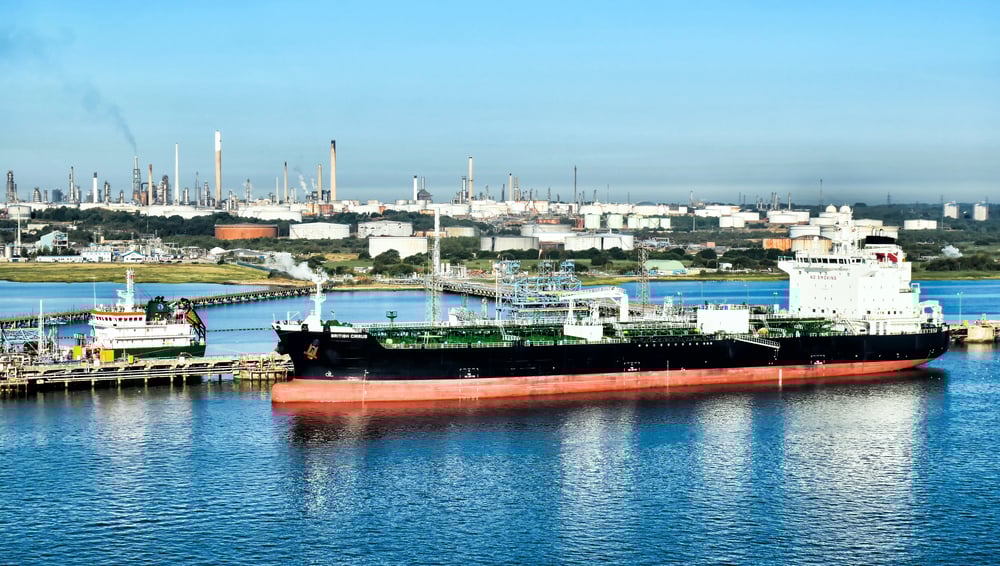
These represent the newest and most advanced aircraft carriers ever built, measuring 1,106 feet long and displacing over 100,000 tons. The lead ship USS Gerald R. Ford incorporates electromagnetic catapults instead of steam, allowing faster aircraft launches.
These carriers cost over 13 billion dollars each to construct, making them among the most expensive military projects ever undertaken. The advanced automation systems allow these massive ships to operate with 600 fewer crew members than previous carriers.
Berge Emperor
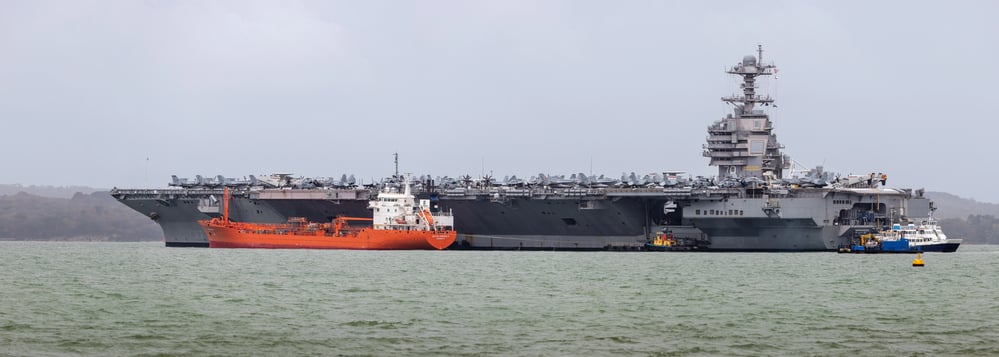
This bulk carrier measured 1,125 feet long and could haul 211,000 deadweight tons of cargo when built in 1975. The ship primarily transported iron ore and coal between continents during its working life.
The Berge Emperor operated for over two decades before being scrapped in South Korea. This vessel demonstrated that bulk carriers could be scaled up to match tanker sizes while maintaining efficiency.
Queen Mary 2
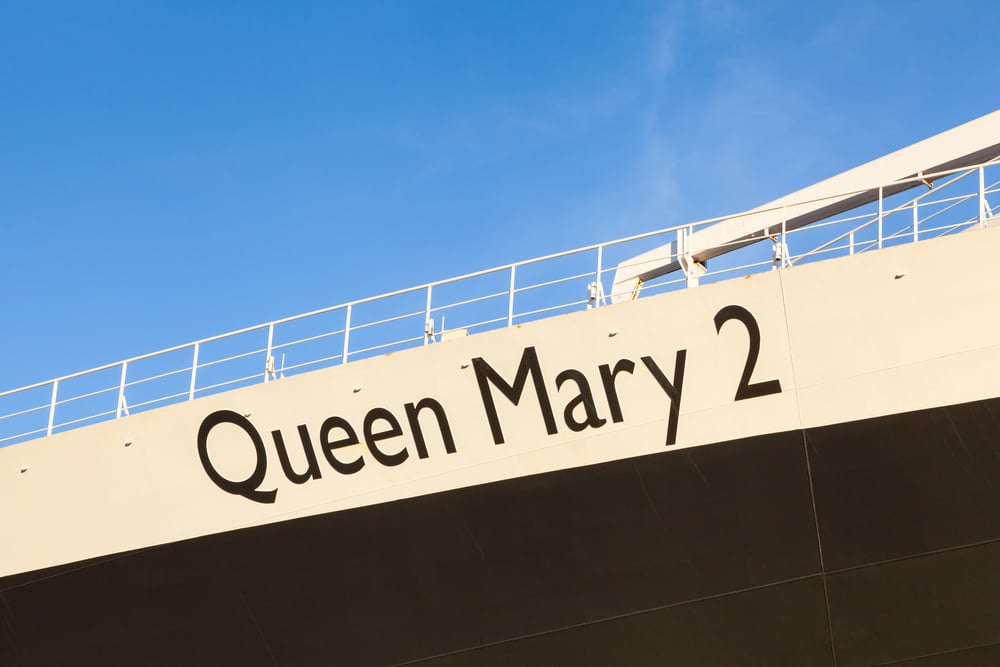
This ocean liner stands as one of the largest passenger ships built for transatlantic crossings, measuring 1,132 feet long. Cunard designed the Queen Mary 2 to withstand the harsh conditions of the North Atlantic while providing luxury accommodations.
The ship can carry 2,600 passengers and features reinforced hull plating much thicker than typical cruise ships. This vessel keeps alive the tradition of scheduled ocean liner service in an age dominated by cruise ships.
Maersk Triple E Class
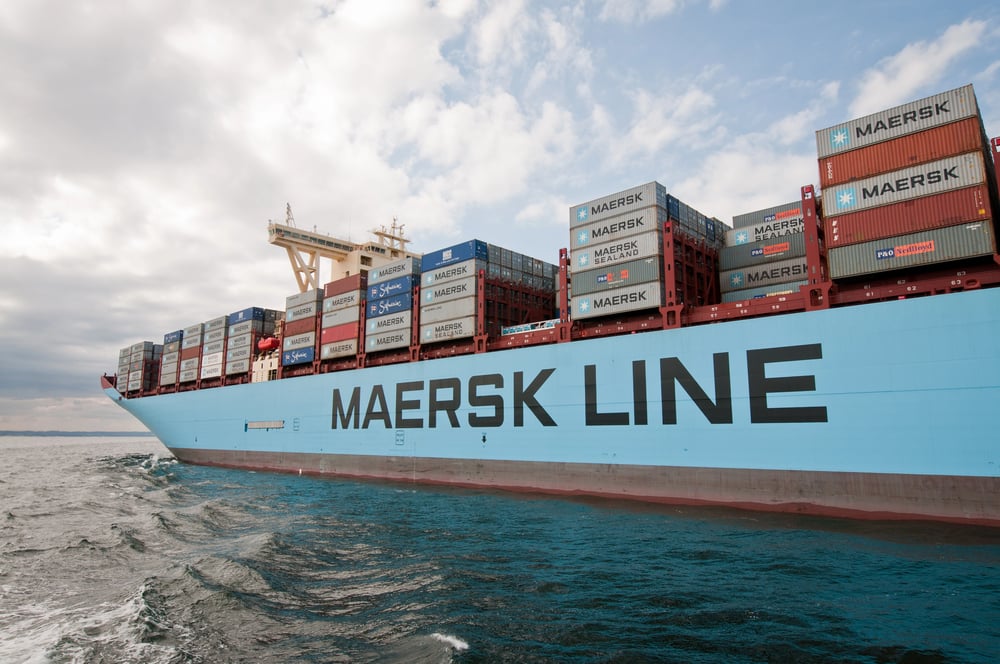
One thousand three hundred twelve feet stretches their full length, holding above eighteen thousand standard boxes at maximum load. Built by Maersk, each vessel puts saving fuel first – its core reason for being called Triple E: economy, energy, environment.
Moving at a reduced pace compared to past models, they burn far less gas for every box hauled across oceans. Size meets cleaner performance here, showing larger boats can tread lighter when smart engineering leads the way.
CSCL Globe
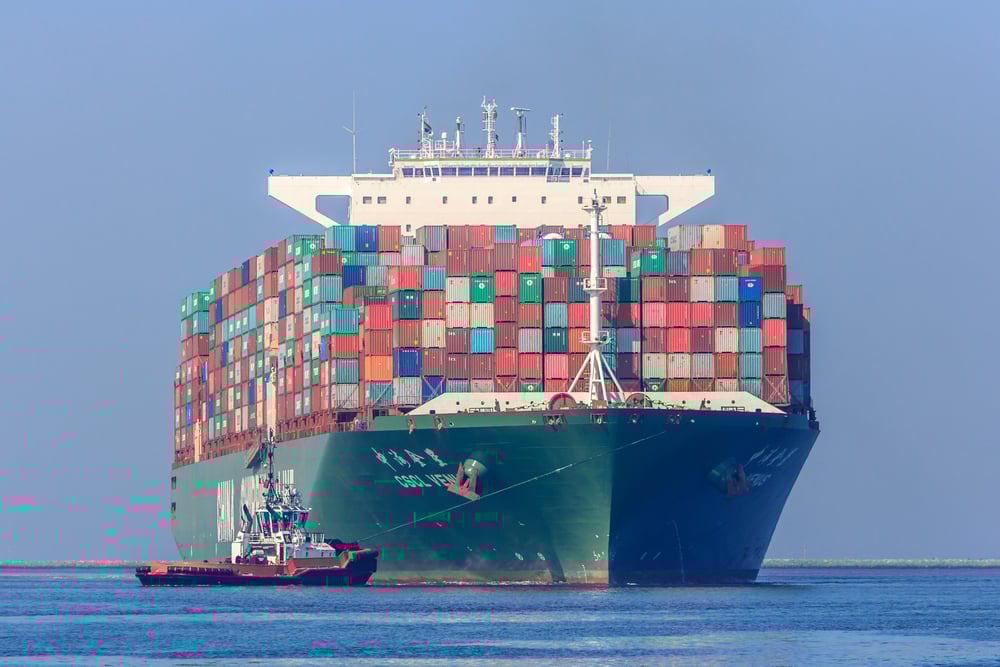
Back in 2017, this massive ship began service hauling exactly 18,568 shipping boxes – just shy of its max limit. Stretching longer than four football fields laid end to end, it cuts through waves using a specially shaped outer shell.
Built under the Chinese flag, the CSCL Globe signaled a shift in global maritime power. Suddenly, yards across Asia proved they could craft giants just as well as those in Germany or Denmark.
Giants of the Sea
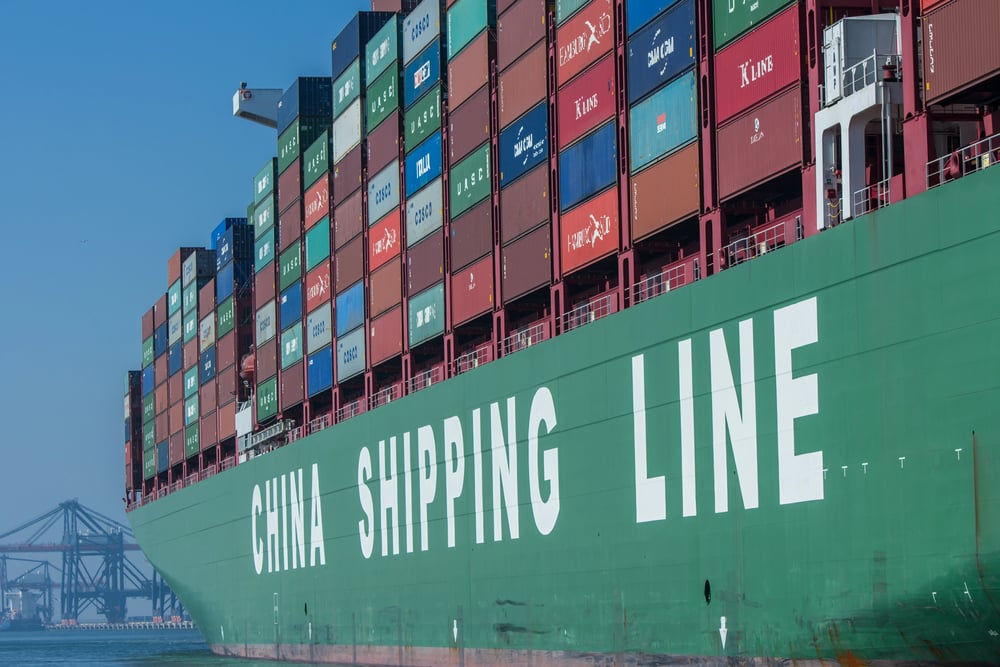
Out on the water, huge ships shifted everything – how stuff travels, how fuel flows, how folks cross seas. Back in the seventies, it was all about who could build the biggest oil carrier; later, that drive shaped behemoths made for narrow jobs, like turning gas into liquid mid-ocean or hauling old rigs off shorelines.
Today’s builders still chase big numbers, yet they weigh power against waste, thinking hard on emissions where past makers did not. Towering hulls aren’t only proof of bold design – they answer what trade needs now, showing cleverness remade by time.
More from Go2Tutors!

- The Romanov Crown Jewels and Their Tragic Fate
- 13 Historical Mysteries That Science Still Can’t Solve
- Famous Hoaxes That Fooled the World for Years
- 15 Child Stars with Tragic Adult Lives
- 16 Famous Jewelry Pieces in History
Like Go2Tutors’s content? Follow us on MSN.