18 Photos Of Daily Life in Gold Rush Saloons
The saloon was the center of everything during the Gold Rush. It was a bank, post office, courthouse, theater, and hotel all rolled into one rough-hewn building.
When a man came down from the hills after weeks of panning frozen rivers or blasting rock, the saloon was where he spent his money, heard the news, wrote letters home, and slept off his exhaustion on a chair if he had to. These photos — many taken between the 1850s and 1890s — capture a world that was louder, messier, and more complicated than most people imagine.
The Bar That Never Closed
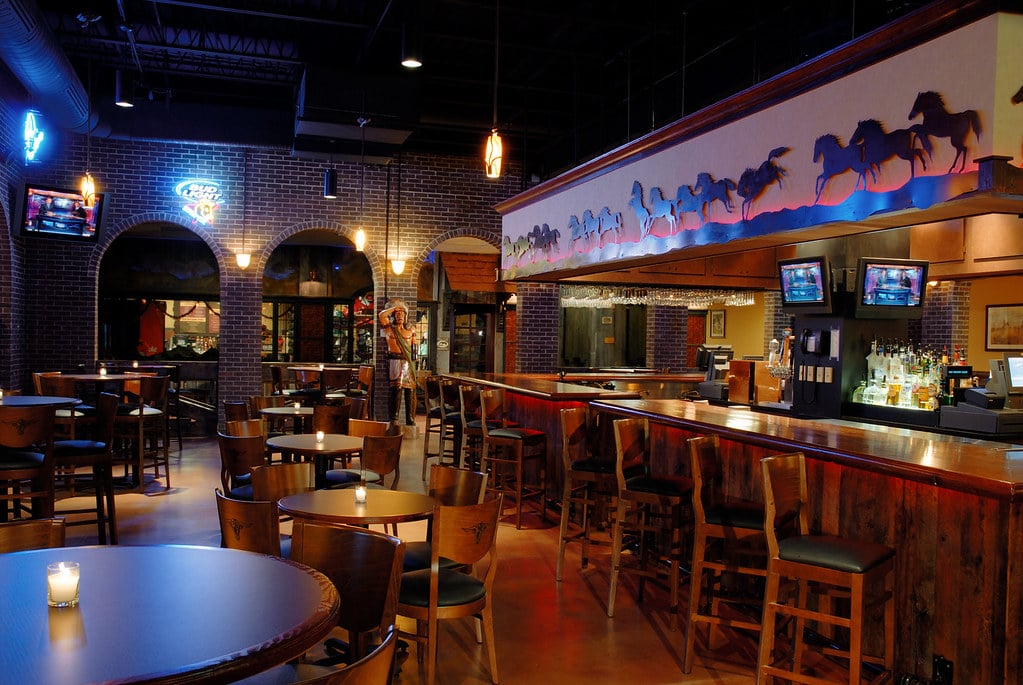
One of the first things you notice in early saloon photographs is the bar itself — a long plank of wood propped on barrels or rough-cut lumber, later replaced by polished mahogany as towns grew richer. Bartenders stood behind it for 18-hour stretches. In some mining camps, the bar ran the full length of a canvas tent.
Men leaned against it at all hours, and the mirrors behind the bottles weren’t just decorative — they let the bartender watch the whole room without turning around.
Men Who Hadn’t Slept in Days
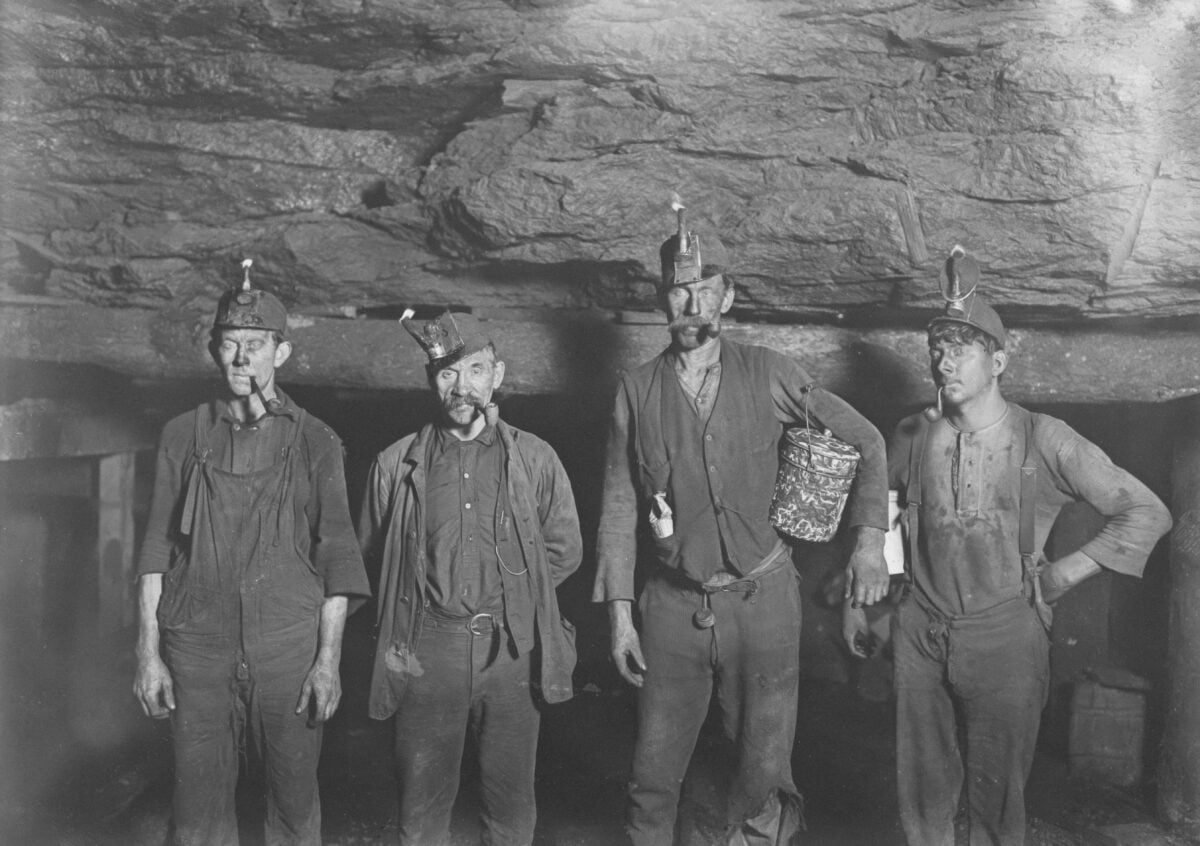
Look closely at the faces in these photos. The miners who crowded into saloons after a long stretch in the fields have a particular look — hollowed eyes, weeks of beard growth, clothes stiff with dirt.
A photographer named William Shew captured groups of men in San Francisco saloons in the early 1850s, and the fatigue is written across every face. These weren’t men on vacation.
They were workers running on fumes who had walked miles just to reach a warm room.
The Faro Table
Faro was the most popular card game in Gold Rush saloons, and photos show the faro table at the center of nearly every gambling floor. A dealer would sit behind a layout of painted cards while players placed bets on a casekeeper — a small abacus-like device that tracked which cards had already been played.
It was considered a fairer game than most, which is exactly why professional gamblers hated it. Photos of active faro games show crowds three and four deep around the table, watching and waiting for a seat.
The Barkeep Behind the Counter
Early photos of saloon bartenders show men who were part diplomat, part debt collector. They wore white aprons and kept a shotgun under the bar.
In larger establishments they were expected to know every regular customer by name and remember exactly how they liked their drink. A good barkeep was one of the most respected men in a mining town — not for his virtue, but because he controlled access to the one place everyone wanted to be.
Women at Work
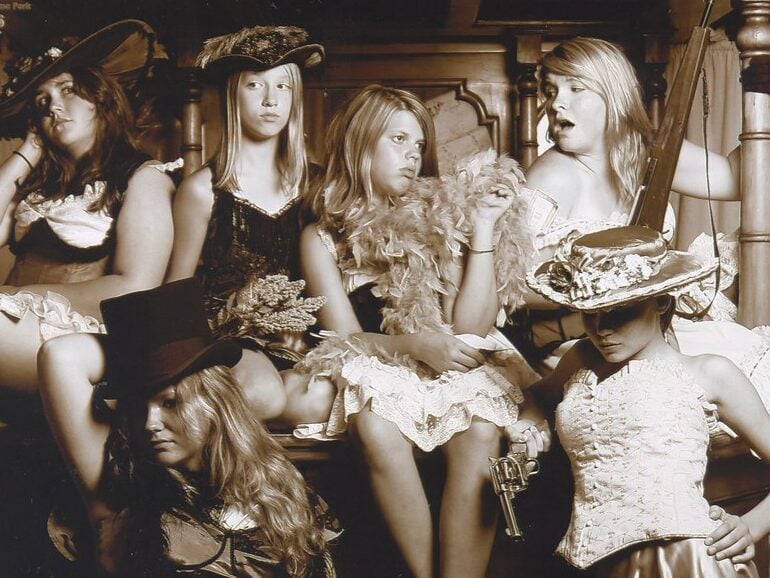
Women in Gold Rush saloons were a small but visible presence in photographs, and their roles varied widely. Some worked as entertainers, performing songs or short theatrical pieces on a small raised stage.
Others served drinks or managed gambling tables. A few owned the establishments outright.
In photos from the California and Klondike rushes, you see women dressed in elaborate gowns that seem completely at odds with their surroundings — sawdust floors, plank ceilings, flickering oil lamps.
The Back Room
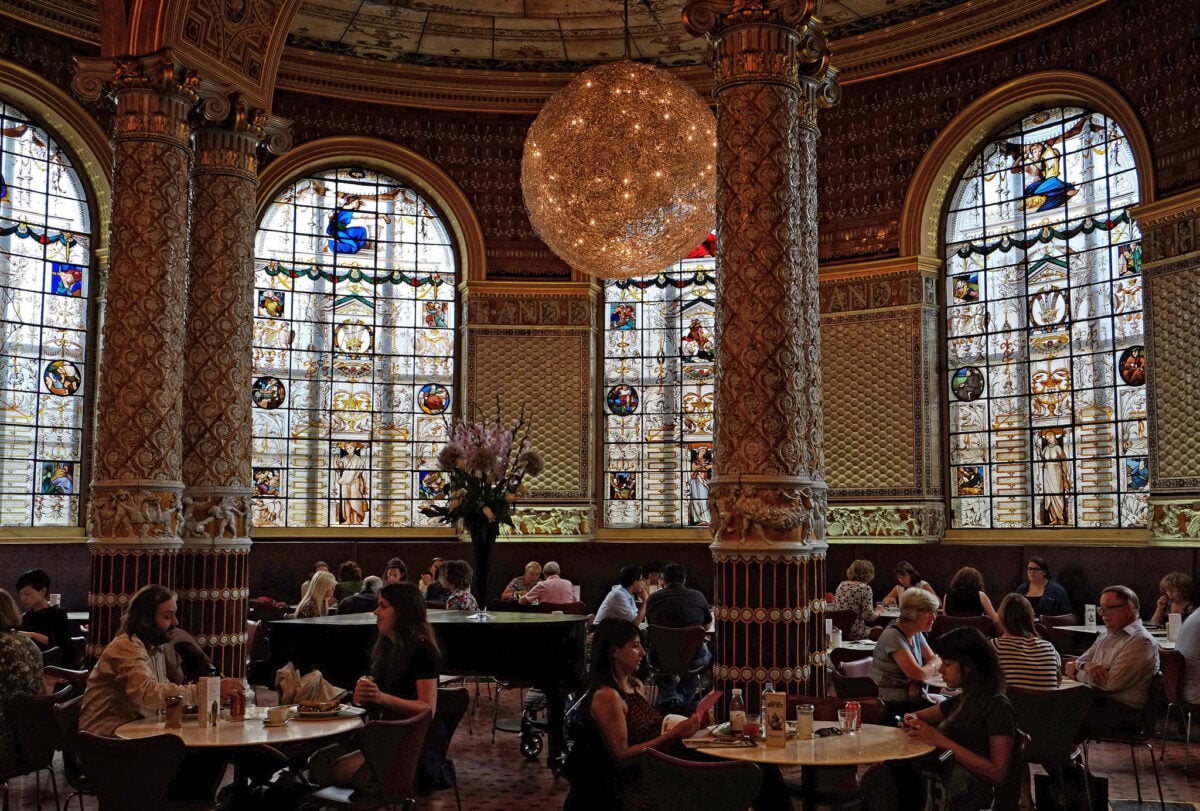
Most saloons had a back room that rarely appeared in formal photography. Poker games ran around the clock in these spaces, away from the noise of the main floor.
When photographs do capture back rooms, they show tight quarters — a few men hunched over a table with a lamp hung low overhead, casting sharp shadows. The stakes in these games could be enormous.
Men bet gold dust, mining claims, horses, and sometimes the tools they needed to survive.
A Town’s Only Piano
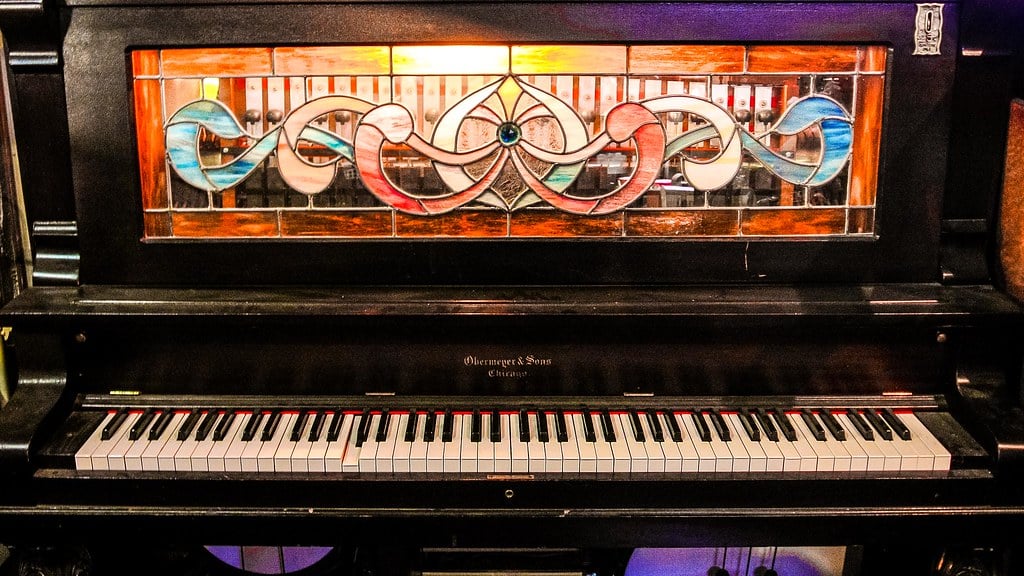
The upright piano was a fixture in any saloon with serious ambitions. Photographs show them wedged into corners, often battered and out of tune from being hauled over mountain passes on the back of a mule.
The piano player was usually a hired hand who worked long hours for modest pay. In a room full of noise — shouting, arguing, boots on wooden floors — the piano was often the only thing that could cut through it.
Sheet music from popular songs back east sat propped on the stand, dog-eared and stained.
Paying in Gold Dust
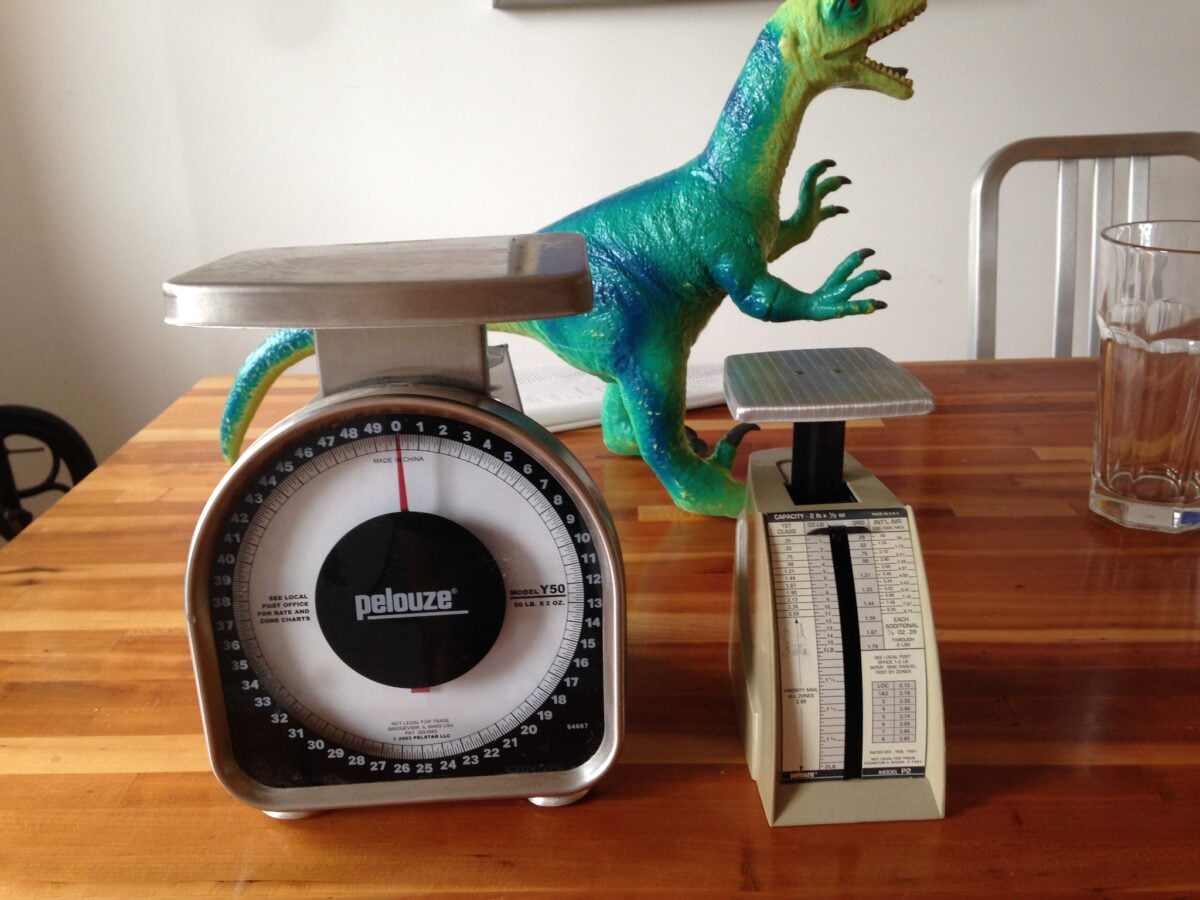
Before coins were common in mining camps, gold dust was the currency. Photos and illustrations from the period show bartenders keeping a set of small brass scales on the bar, weighing out dust for each transaction.
A pinch between two fingers was an informal measure worth about 25 cents. Disputes over the weight were common, and some bartenders were known to grow their nails long specifically to collect extra dust during the pinch.
It was a low trick, but it worked.
The Overnight Guest
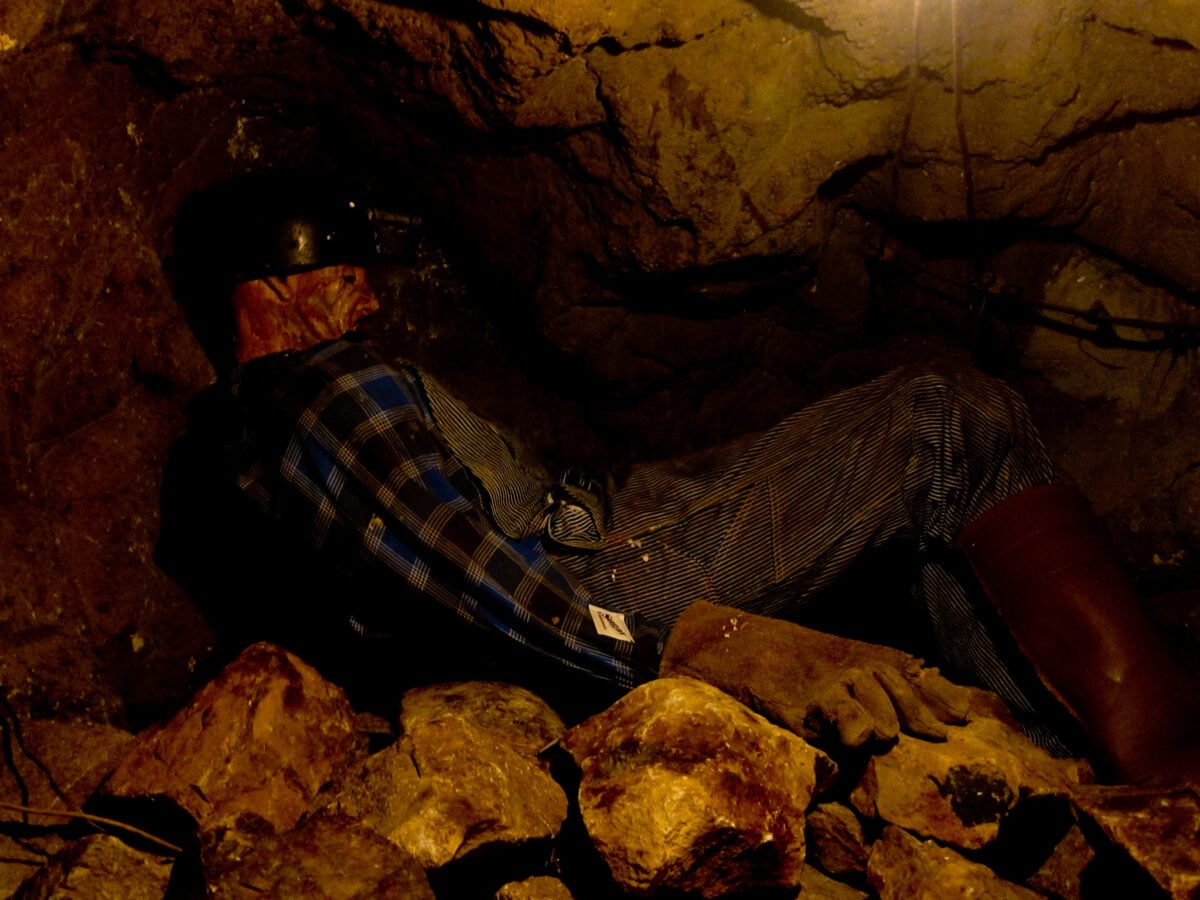
Saloons doubled as hotels in places where no actual hotel existed. Photographs from early California mining camps show men sleeping on billiard tables, on benches, or stretched out on the floor between the gaming tables.
Space on the floor cost less than a bed in a boarding house. You brought your own blanket.
Some saloons charged by the hour for a chair near the fire. The concept of privacy simply didn’t exist in these rooms.
Whiskey Prices on a Chalkboard
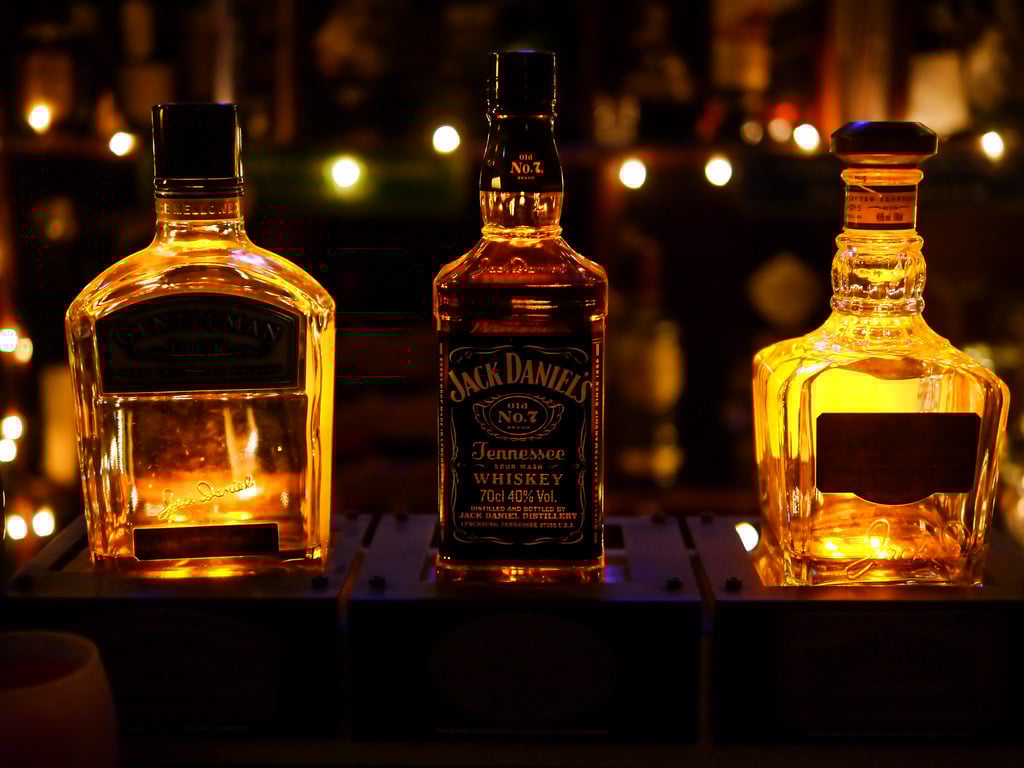
In several surviving photographs, you can make out a chalkboard behind the bar listing prices. Whiskey was the staple — cheap, plentiful, and strong enough to make men forget the cold.
Better establishments stocked brandy and wine imported around Cape Horn from France and Spain. The markups were extraordinary.
A bottle that cost a few cents in New Orleans might sell for several dollars in a remote Sierra Nevada camp. Saloon owners got rich even when miners didn’t.
A Room Full of Hats
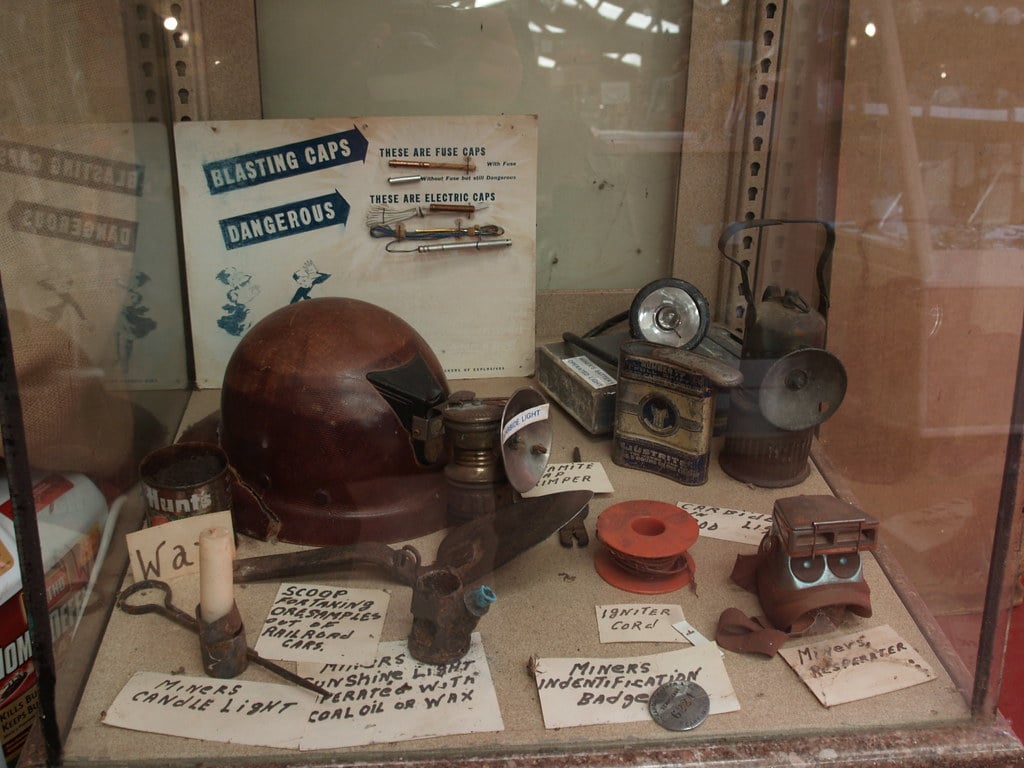
Every old photo of a saloon shows one thing clearly: the hats. Indoors, men never took them off. Felt ones with wide brims, beat-up soft crowns, tall black cylinders favored by shopkeepers and card players – each shape hints at distant towns.
Gold seekers carried their local look like a quiet badge. Inside those walls, headwear mapped origins.
Strangers stood close, yet miles apart through what they wore.
The Newspaper Pinned to the Wall
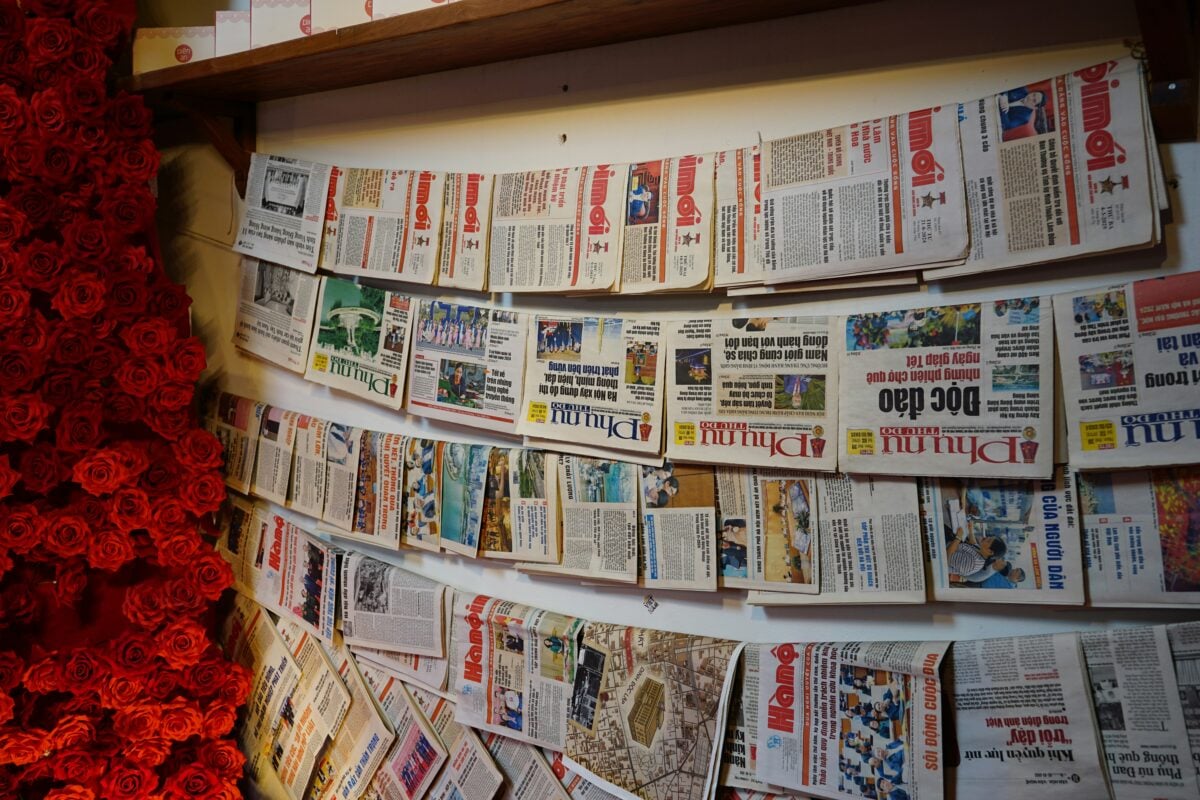
In old Western towns, saloons quietly became places where people shared updates. Whenever a paper showed up – often long past its print date – someone would pin it on the wooden wall for all to see.
Old photographs now and then include those posted sheets, too fuzzy to make out words yet obvious in place, with cowboys leaning forward to look. Messages sent from relatives in eastern states were at times spoken out loud for every man inside.
Hearing about life beyond the frontier could stir longing, or else bring comfort in distance.
The Polished Establishment
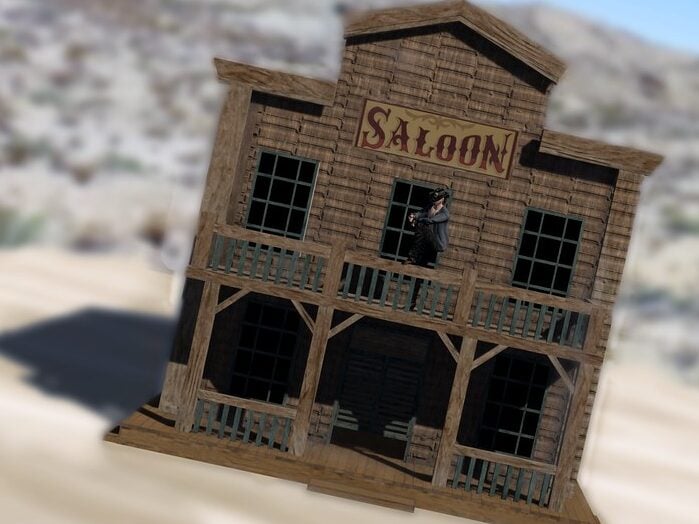
Some gold rush bars weren’t just basic wooden huts. By the 1850s, San Francisco hosted drinking spots matching big city ones back east.
Places like the El Dorado and Parker House stood out with fancy details inside – glittering lights hanging above, walls covered in old paintings, wood shaped into curls and waves. Snapshots taken back then reveal rooms built to look rich, solid, permanent.
Running such places meant knowing something key: men who found gold suddenly cared about where they spent it, needing proof their luck changed things.
Standing Room Only Bar Crowd Saturday Night
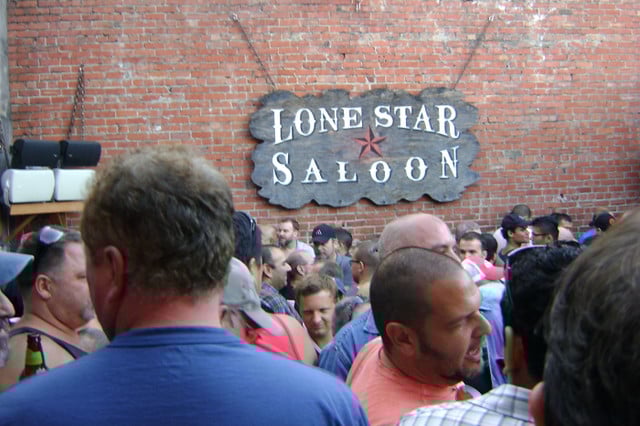
Crowds showed up Friday and Saturday evenings, pushing into places until they ran out of space. Pictures from packed drinking halls reveal shoulders touching, front to back, edge to edge, with zero breathing room between people.
Pouring drinks became a quick hand motion, more reflex than craft, one glass after another without pause. Sound piled on sound – voices overlapping, songs blaring, cues hitting orbs, legs dragging across floorboards.
Shouting barely made a difference. Being understood felt impossible.
A Portrait of the Owner
Standing tall in frontier photos, saloon keepers stood out – not just because cameras loved them but because wealth clung close to their coats. These men wore power like tailored jackets, stiff collars buttoned tight, eyes fixed straight through the lens.
Look closer and you see confidence carved into every pose – elbows propped, palms flat on polished wood. Some arrived empty-handed, boots dusty from long trails, yet found fortune fast beneath mountain skies.
Within seasons, pockets swelled; a single week behind the counter sometimes held more silver than pickaxes pulled in thirty days.
The End of the Night
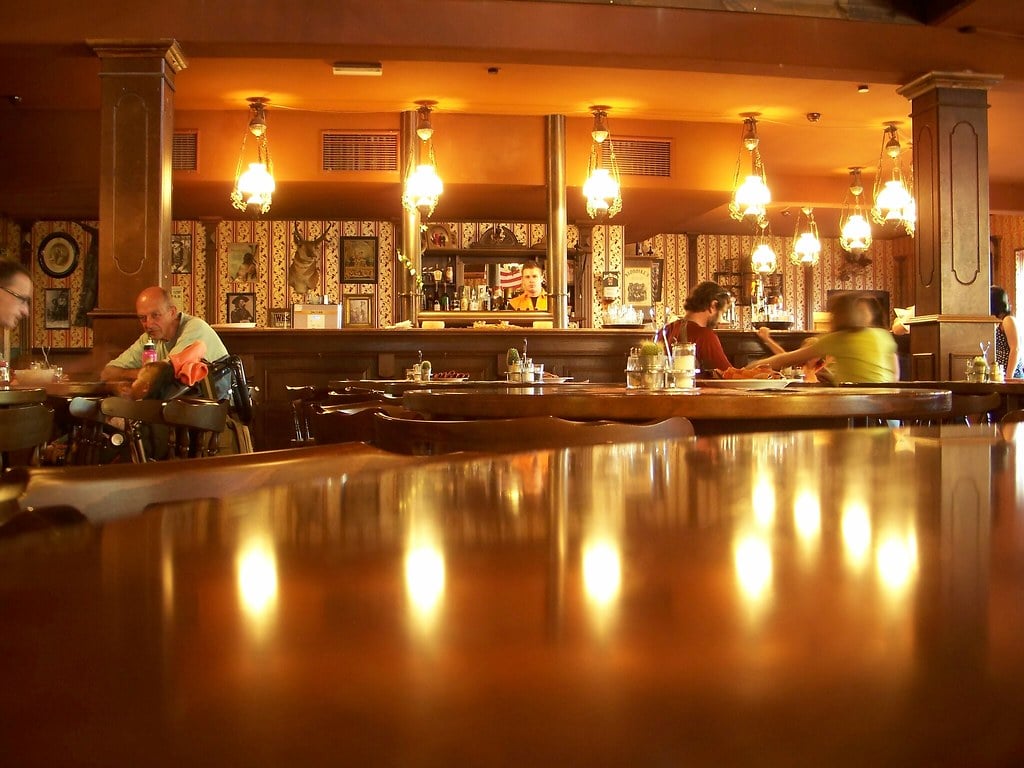
Midnight shots feel different – somehow more real. Slouched figures linger on seats, some holding half-finished glasses.
Behind the counter, a worker moves slowly, cleaning glass after glass, face blank like tomorrow will ask the same thing. Wax pools at the base of candles.
Fewer voices now. Beyond the tents, an unusual hush hangs in the air.
A hush runs through these photos, unlike the loud rush of crowded scenes. From somewhere distant, where the light fades and routines dissolve, comes a weariness that lingers.
Children in the Doorway
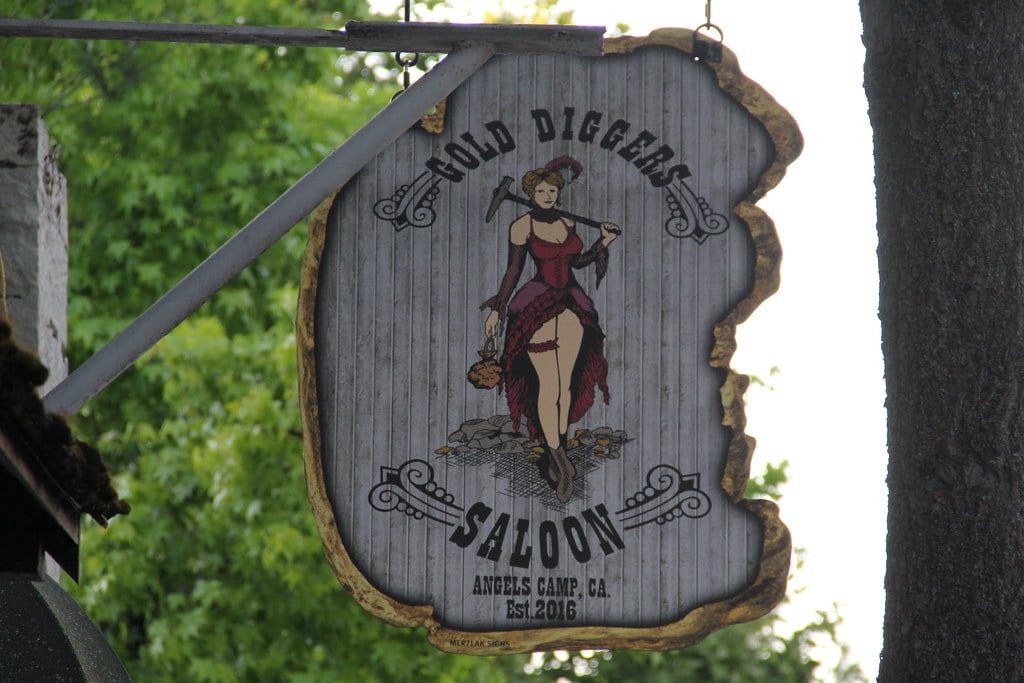
Odd as it may seem, kids sometimes show up in old photos near saloons – loitering by doorframes, sitting on outer stairs, watching from glass panes. Life there wasn’t only dust and gunfire; families built homes even in those jagged spots.
A few who ran drinking halls had sons or daughters of their own. Little ones fetched items, carried word from one place to another, then slipped back into tight streets where home, work, and noise shared walls.
Now and then, spotting them in pictures catches you off guard. That moment whispers how folks there lived regular days, tangled up in routines just like anyone else.
After the Rush Ended
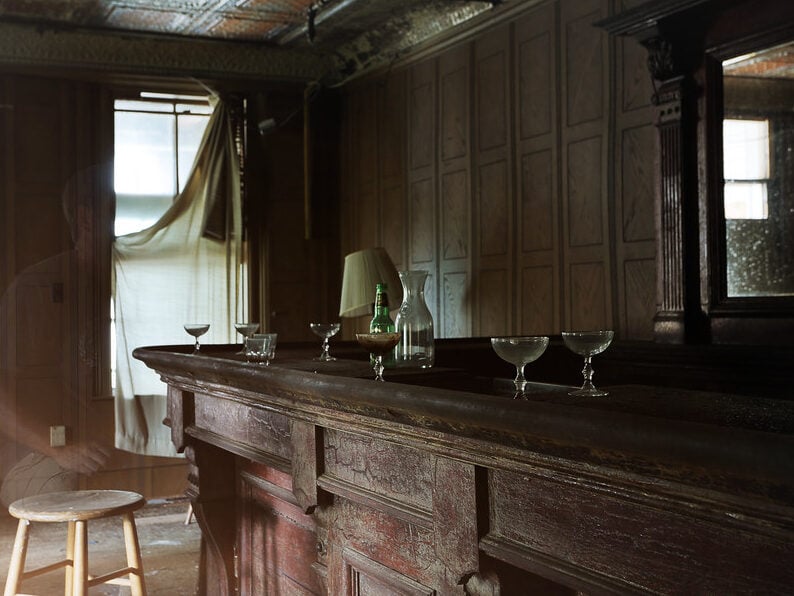
Pictures that stand out most came not from the rush, yet from what followed. Silence filled places once loud.
Walls cracked where laughter echoed daily. One man wiped glasses under ceilings meant for crowds.
Once people left, buildings stayed behind without sound. That barroom, once packed with noise and motion, turned hollow quicker than anyone expected.
Quiet settles into these last images, different from the ones earlier. Within that calm, traces of what happened linger, faint but clear.
What the Sawdust Remembers
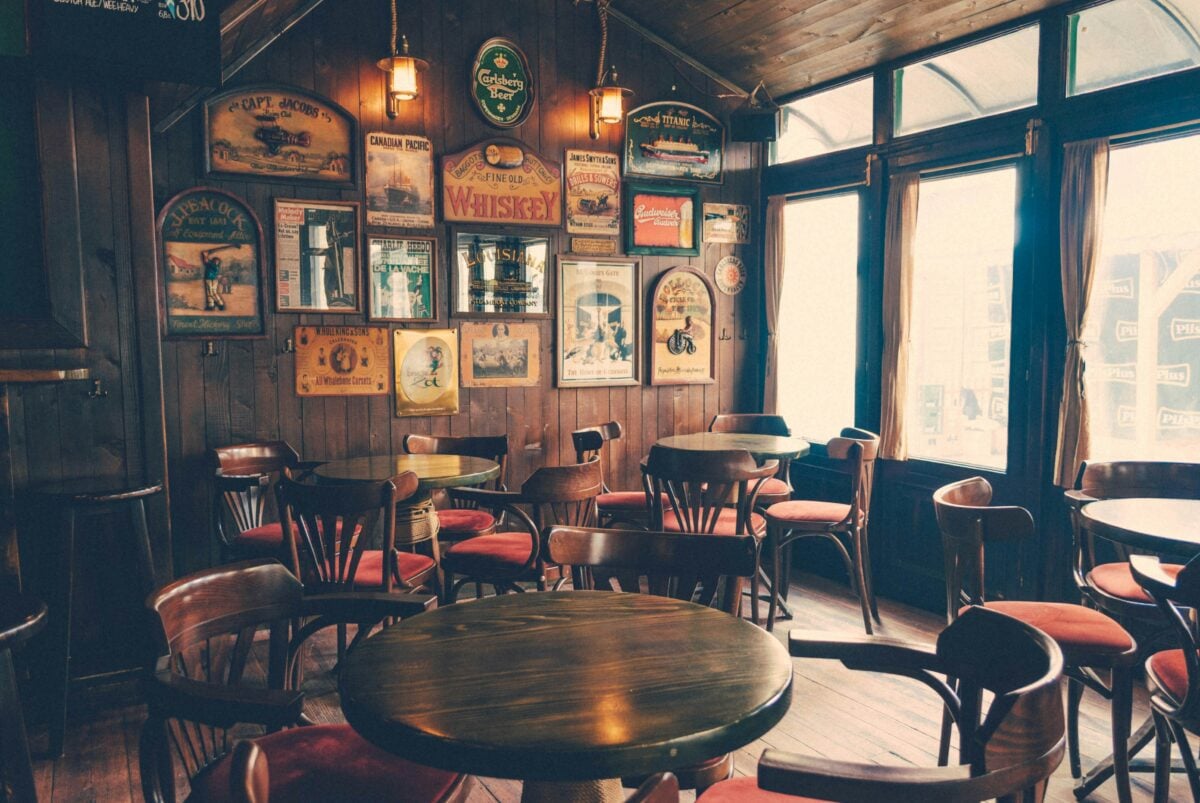
Pictures stay silent. No scent rises from them.
You won’t feel the warmth of burning logs, nor the crush of people shoulder to shoulder late at night. Still, they hold pieces of truth – rough edges of days rushing forward, unsure, inside towns that blinked into view like mirages, then vanished before sunrise.
That old bar tied to gold fever? More than bottles lined up behind counters.
It became the single space where strangers in a half-built land drifted, again and again, hunting what slipped through fingers every time they tried to speak it aloud.
More from Go2Tutors!

- The Romanov Crown Jewels and Their Tragic Fate
- 13 Historical Mysteries That Science Still Can’t Solve
- Famous Hoaxes That Fooled the World for Years
- 15 Child Stars with Tragic Adult Lives
- 16 Famous Jewelry Pieces in History
Like Go2Tutors’s content? Follow us on MSN.



