18 Forgotten Side Projects That Went on to Shape Modern Life
Innovation rarely follows a straight path. Many world-changing inventions and discoveries began as passion projects, afterthoughts, or happy accidents pursued in spare moments by their creators.
These seemingly minor endeavors often lacked fanfare or funding when they began, yet their impact continues to reverberate through our daily lives. Here is a list of 18 forgotten side projects that transformed modern life in ways their creators never imagined.
Post-it Notes

In 1968, Spencer Silver at 3M accidentally created an adhesive that stuck lightly to surfaces without leaving residue. For years, this “failed” glue sat unused until colleague Art Fry needed bookmarks that wouldn’t fall out of his hymnal during choir practice.
This after-hours solution to a personal problem created an office staple that sells billions of units annually.
Slack

Stewart Butterfield and his team were actually building a video game called Glitch when they created an internal messaging tool to coordinate their work. The game flopped spectacularly, but their communication system showed promise.
This side channel became Slack, transforming workplace communication for millions and eventually selling to Salesforce for $27.7 billion.
Like Go2Tutors’s content? Follow us on MSN.
During a brainstorming session at podcasting company Odeo, Jack Dorsey pitched a simple status-updating service as a side project. The company was struggling against iTunes at the time and needed new directions.
This small experiment in short-form communication grew into a global platform that reshaped political discourse, news dissemination, and celebrity culture worldwide.
Viagra
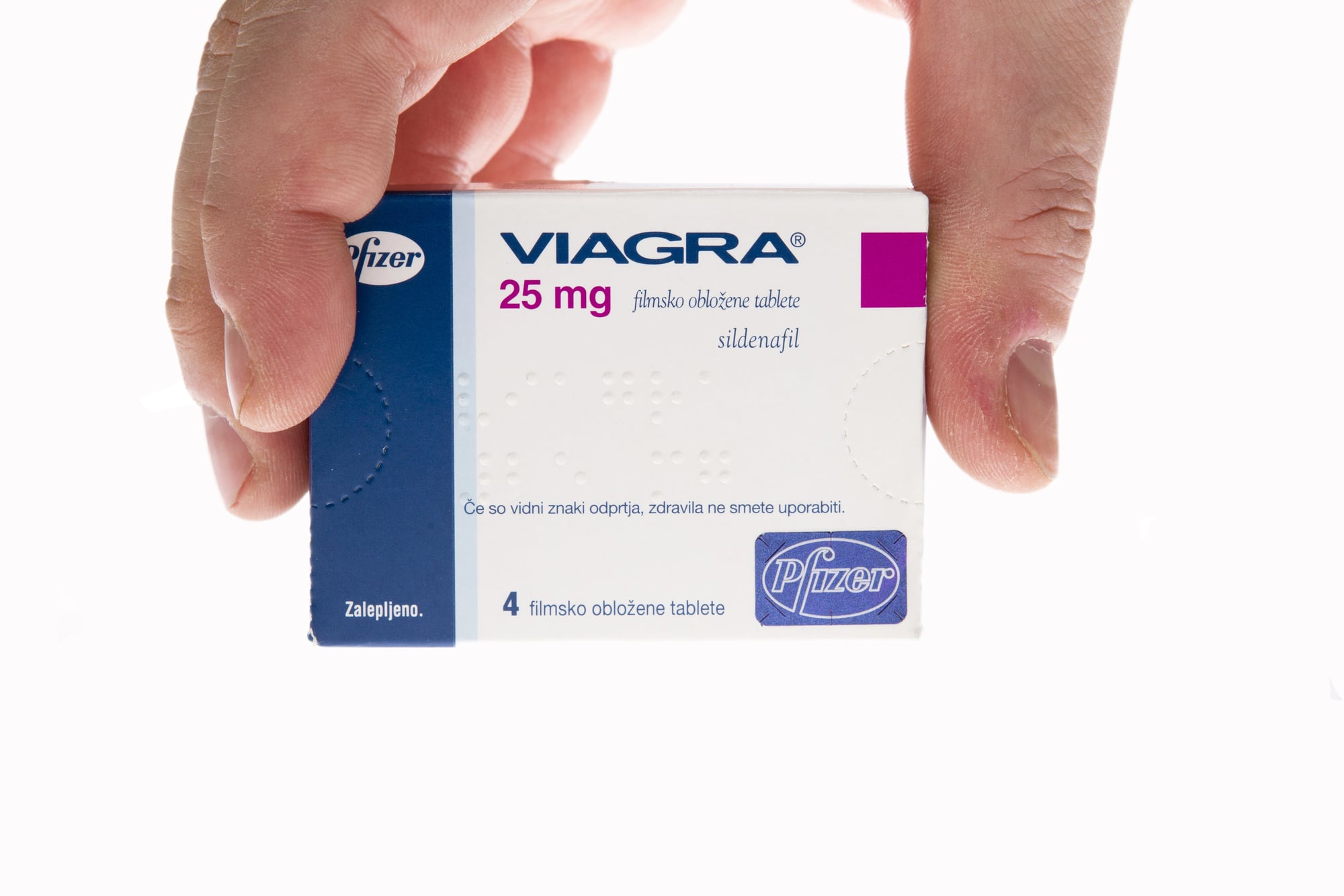
Scientists at Pfizer were developing medication for angina and high blood pressure when they noticed an unusual side effect in male test subjects. The cardiovascular treatment wasn’t particularly effective for its intended purpose, but researchers recognized potential in this unexpected reaction.
The failed heart medication became one of the most profitable pharmaceutical products in history as a treatment for erectile dysfunction.
Play-Doh

Noah McVicker created a putty-like substance to remove soot from walls as a wallpaper cleaner. When heating transitioned from coal to natural gas, demand for his product plummeted.
His nephew later discovered that his sister-in-law, a kindergarten teacher, used the compound as modeling clay in her classroom. This dying cleaning product transformed into one of the world’s most beloved children’s toys.
Like Go2Tutors’s content? Follow us on MSN.
The Microwave Oven

Percy Spencer was working with magnetrons for radar equipment at Raytheon when he noticed a chocolate bar melting in his pocket. His curiosity about this phenomenon led to experiments with popcorn and eggs on company time.
This workplace distraction revealed the cooking potential of microwave technology, revolutionizing food preparation and creating a kitchen essential found in over 90% of American homes.
Bubble Wrap

Engineers Alfred Fielding and Marc Chavannes were attempting to create textured wallpaper by sealing two shower curtains together with air bubbles trapped inside. The wallpaper idea failed to catch on with consumers.
Their decorative flop found new purpose as protective packaging material, becoming an irresistibly poppable shipping staple and creating a company worth billions.
WD-40
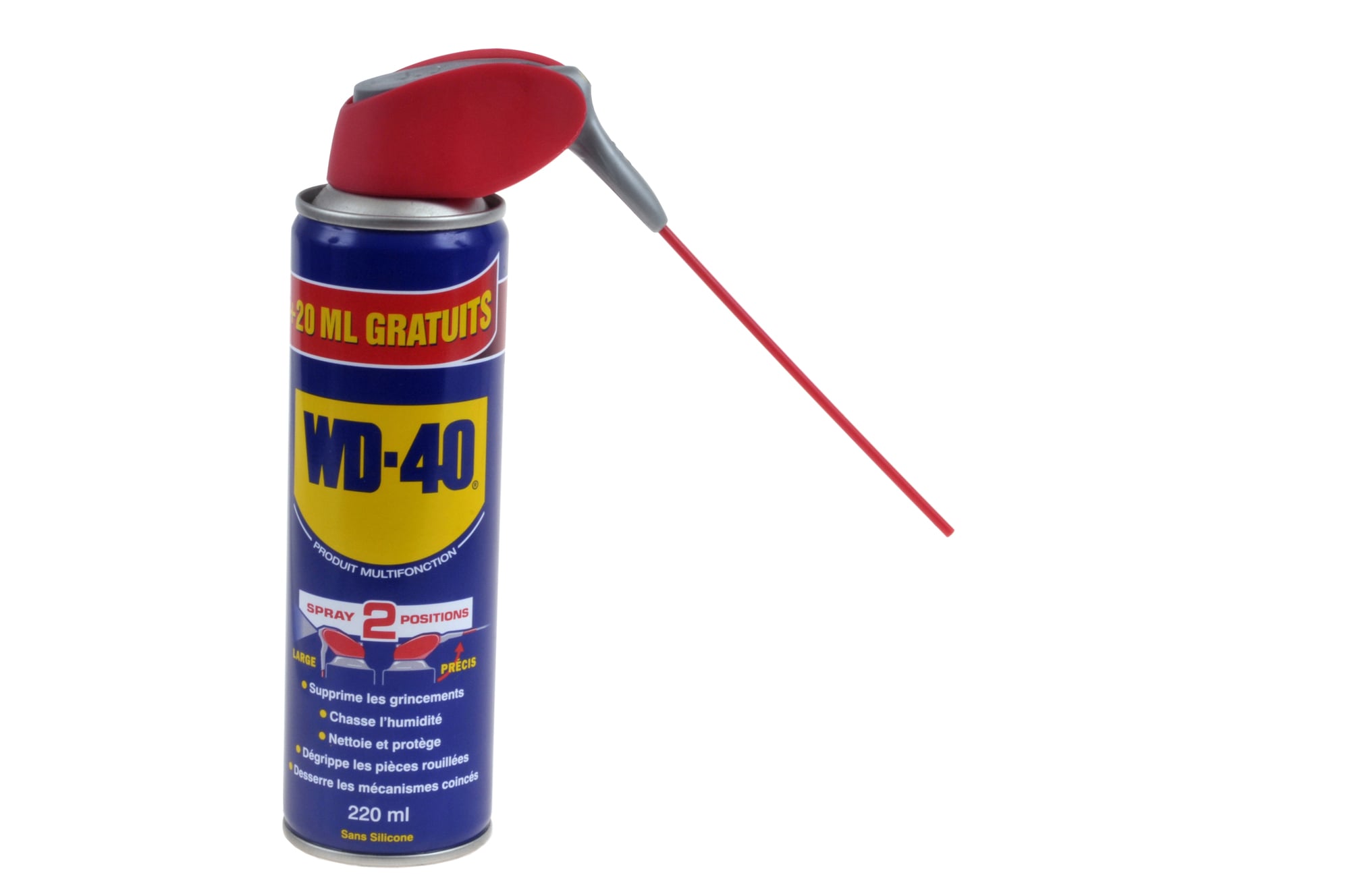
Norm Larsen was working on a formula to prevent corrosion in nuclear missiles at the Rocket Chemical Company. After 39 failed attempts, his 40th formula succeeded—hence Water Displacement, 40th formula.
The protective spray was initially just used by aerospace contractors, but employees secretly took cans home for household uses. This industrial solution became a ubiquitous household fix-it product with over 2,000 documented uses.
Like Go2Tutors’s content? Follow us on MSN.
The Slinky

Naval engineer Richard James was developing springs to keep sensitive equipment steady on ships. When he accidentally knocked a torsion spring off his desk, he watched in fascination as it “walked” down instead of falling.
This workplace distraction became the Slinky, selling over 350 million units and becoming one of the most recognizable toys in history.
Super Glue

Harry Coover discovered cyanoacrylate during World War II while trying to make clear plastic gun sights. The substance was rejected for being too sticky and ruining equipment.
Years later, Coover reconsidered the formula while working on heat-resistant jet canopies. The “nuisance” adhesive found its true purpose as Super Glue, becoming an essential household item and inspiring dozens of similar products.
The Pacemaker

Wilson Greatbatch was building a heart rhythm recording device when he installed the wrong resistor, causing the circuit to pulse rather than just record. This mistake mimicked the electrical pattern of a heartbeat remarkably well.
Greatbatch recognized the potential in his error and spent two years refining it into the first implantable cardiac pacemaker, a device that has saved millions of lives.
Like Go2Tutors’s content? Follow us on MSN.
LASIK Surgery

Ophthalmologist Gholam Peyman was researching retinal diseases when he experimented with reshaping corneas in rabbits using crude instruments. This laboratory side interest evolved into LASIK eye surgery, which has corrected vision for over 40 million people worldwide.
The procedure transformed vision correction from a permanent dependence on external lenses to a quick outpatient procedure.
Nintendo Playing Cards

Fusajiro Yamauchi founded Nintendo in 1889 as a playing card company before diversifying into several failed ventures, including instant rice, taxi services, and love hotels. The struggling company eventually assigned engineer Gunpei Yokoi to develop simple electronic toys.
These experimental products evolved into the Game & Watch and eventually the Nintendo Entertainment System, transforming Nintendo into a gaming juggernaut.
Dyson Vacuum
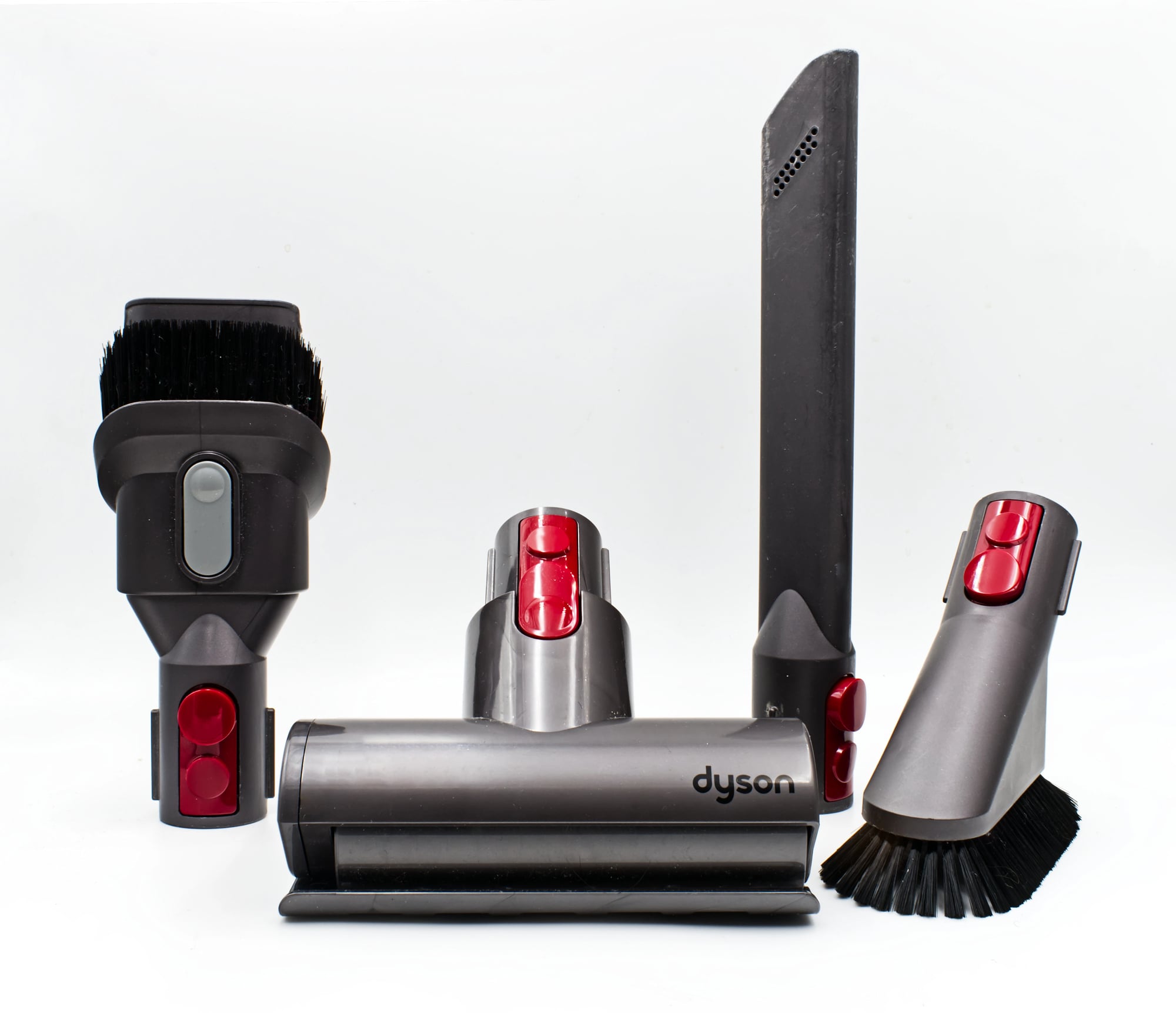
James Dyson became frustrated with his conventional vacuum losing suction while renovating his home. He adapted industrial cyclone separator technology from his previous job at a sawmill to create a bagless prototype.
This personal home improvement project required 5,127 prototypes and nearly bankrupted him before creating a household brand synonymous with innovation.
Like Go2Tutors’s content? Follow us on MSN.
Kevin Systrom was working on a location check-in app called Burbn that included photo features as an afterthought. User data showed people ignored most features but loved sharing photos.
This analytical insight prompted Systrom to strip away everything except photography functions. The simplified side feature became Instagram, selling to Facebook for $1 billion just two years after launch.
YouTube
Three PayPal employees created YouTube after struggling to find and share video clips online. The site was initially conceived as a video dating service with the slogan “Tune In, Hook Up.”
When that concept failed to attract users, they pivoted to general video sharing. This dating service afterthought transformed into the world’s second-largest search engine and the primary platform for video content globally.
The Pace Salsa Origin

David Pace was actually running a liquor distribution business in the 1940s when he began experimenting with picante sauce recipes in his spare time. His homemade concoction gained popularity among friends and family before he decided to bottle and sell it.
The side project eventually outgrew his main business, creating a brand that defined the commercial salsa market and sold to Campbell’s for $1.1 billion.
Like Go2Tutors’s content? Follow us on MSN.
Tampax
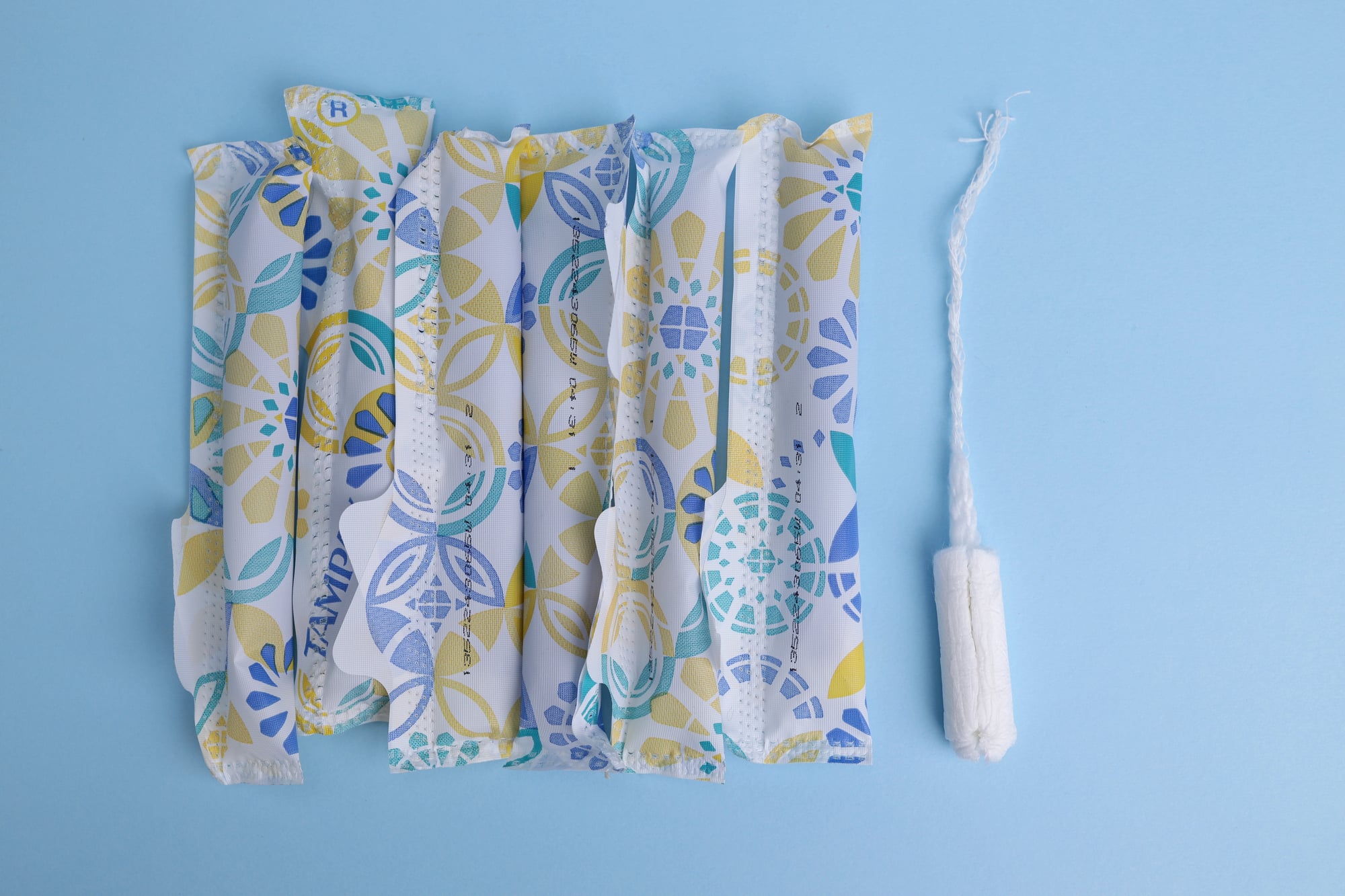
Physician Earle Haas developed the modern tampon with applicator after learning from a female friend about the discomfort of existing menstrual products. He worked on prototypes outside his regular medical practice.
His side project addressing an overlooked women’s health issue created a revolutionary product that provided unprecedented freedom and comfort during menstruation.
Unexpected Beginnings, Extraordinary Impact

The journey from side project to world-changing innovation reminds us that transformative ideas often emerge from unexpected places. These accidental success stories prove that passion projects, workplace distractions, and failed products contain the seeds of innovation when viewed from new perspectives.
Today’s hobby might become tomorrow’s industry, reshaping how millions of people live, work, and interact with the world.
More from Go2Tutors!

- 18 Unexpectedly Valuable Collectibles You Might Have Lying Around
- 20 Little-Known Historical Battles That Had Huge Consequences
- 20 Historical Artifacts That Scientists Can’t Explain
- 15 Inventions That Were Immediately Banned After Being Created
- 20 Actors Who Were Almost Cast in Iconic Roles
Like Go2Tutors’s content? Follow us on MSN.



