18 Classic Barbie Dolls in Pop Culture
Since 1959, Barbie has transcended her origins as a simple fashion doll to become a cultural phenomenon that reflects and influences society’s evolving ideals. From astronaut to president, mermaid to rock star, certain Barbie dolls have achieved iconic status that extends far beyond toy store shelves.
Here are 18 classic Barbie dolls that have left an indelible mark on popular culture and continue to shape how generations view fashion, careers, and possibility.
Original Ponytail Barbie
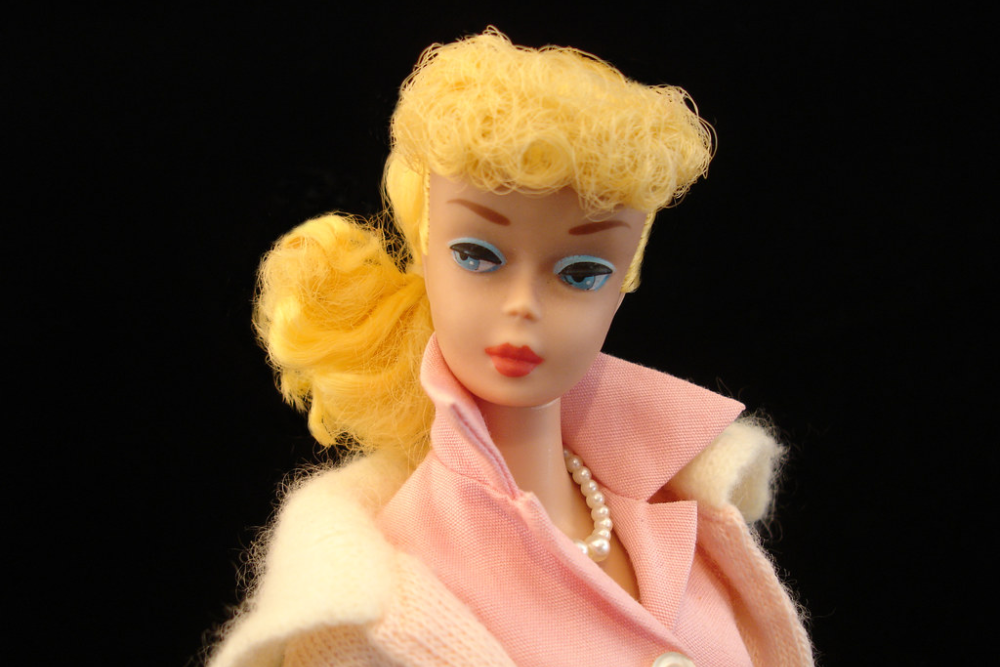
The doll that started it all arrived in 1959 with her signature blonde ponytail and that unmistakable arched eyebrow. Ruth Handler’s creation revolutionized the toy industry by giving children a three-dimensional adult woman to play with rather than baby dolls.
Her white irises and heavy eye makeup seem almost alien by today’s standards. But this Barbie established the template that would inspire countless variations and spark debates about beauty standards for decades to come.
Malibu Barbie

Sun-kissed and forever young, Malibu Barbie embodied the California dream when she debuted in 1971. Her golden tan and beachy waves captured the essence of West Coast lifestyle at its peak.
This version became so synonymous with the brand that many people still picture her when they hear “Barbie.” The accompanying sun-tan lotion bottle was a nice touch.
She represented freedom, youth, and endless summer — concepts that resonated deeply during the cultural shifts of the early 1970s.
Like Go2Tutors’s content? Follow us on MSN.
Superstar Barbie
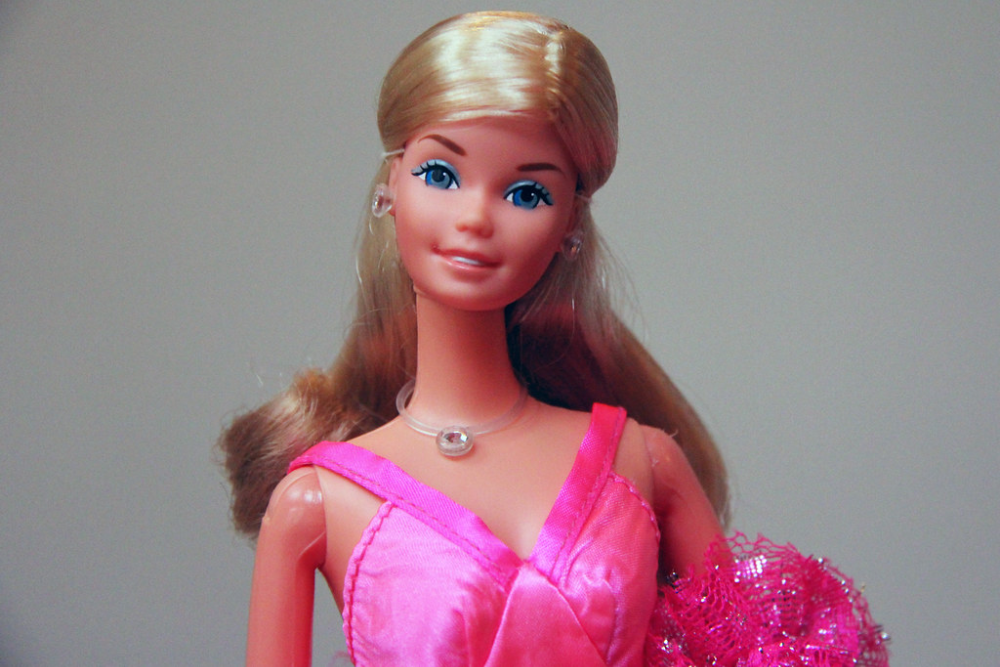
Released in 1977, Superstar Barbie arrived with a dazzling smile that literally sparkled. Her teeth were painted white, creating an almost supernatural glow that caught light from every angle.
The hot pink dress and feathered hair epitomized disco glamour. She came with: • A microphone for performing • Sunglasses fit for a celebrity • A brush for maintaining that iconic feathered look
This Barbie coincided with the height of celebrity culture and remains one of the most recognizable versions ever produced.
Astronaut Barbie

Four years before Sally Ride became the first American woman in space, Barbie was already suiting up for lunar missions. The 1979 Astronaut Barbie wore a silver spacesuit complete with helmet and boots.
NASA’s actual space program had been criticized for its lack of female astronauts. Barbie stepped in to show girls that space exploration wasn’t just for boys, making this doll both progressive and prescient.
Western Barbie
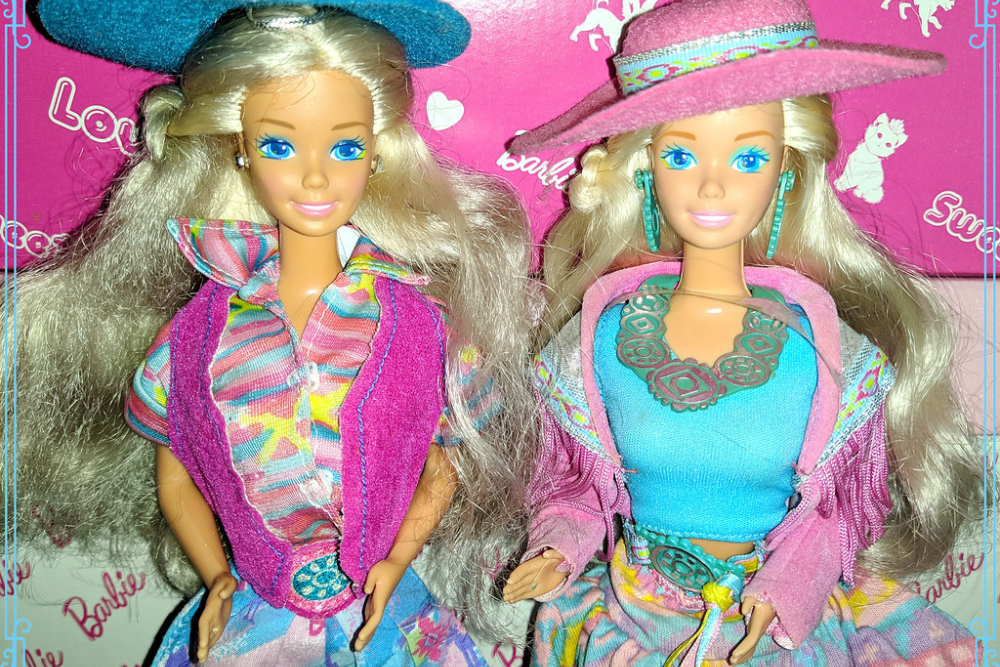
With her fringed outfit and cowboy hat, Western Barbie tapped into America’s enduring fascination with frontier mythology. The attention to detail was impressive — even her boots had tiny spurs.
She arrived during the late 1970s western revival in popular culture. Movies like “Butch Cassidy and the Sundance Kid” had reignited interest in cowboy themes, and Barbie was ready to ride that wave.
Like Go2Tutors’s content? Follow us on MSN.
Ballerina Barbie
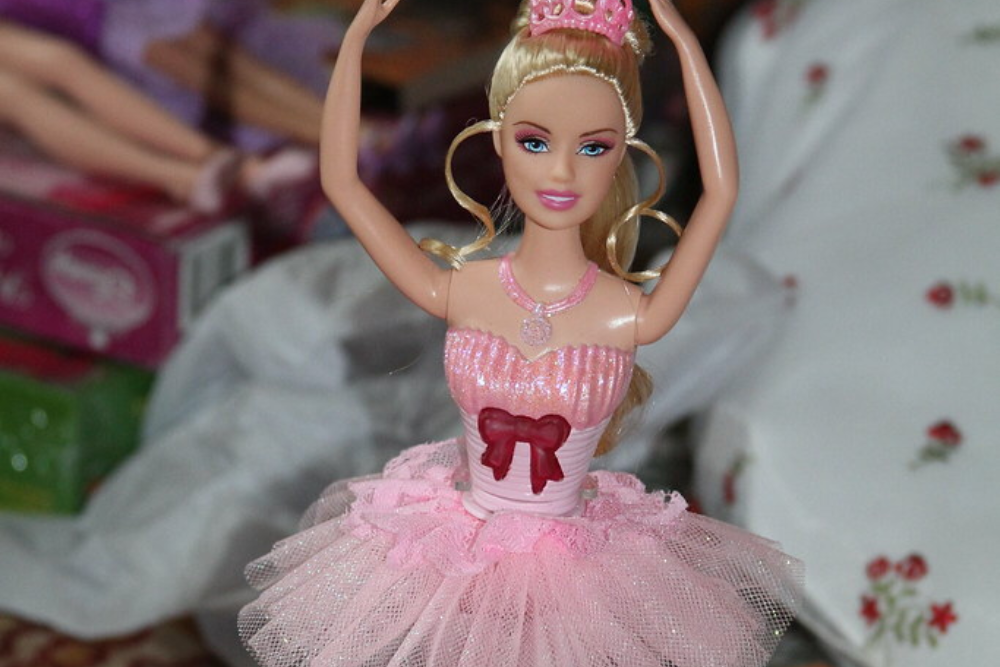
Grace and poise defined this 1976 release, which featured Barbie in a pink tutu with satin pointe shoes. Her arms could be positioned in classic ballet poses, encouraging imaginative dance performances.
The doll came with a small music box that played “Swan Lake.” Still, it was the articulated joints that made this Barbie special — she could actually hold ballet positions that looked authentic rather than awkward.
Business Executive Barbie

Shoulder pads and briefcase in hand, this 1985 Barbie marched into corporate America during the decade of power dressing. Her navy suit and confident expression reflected real societal changes as more women entered executive roles.
The timing was perfect. Shows like “Dynasty” had made power suits fashionable, while real-world female executives were breaking glass ceilings across industries.
Rock Stars and Music
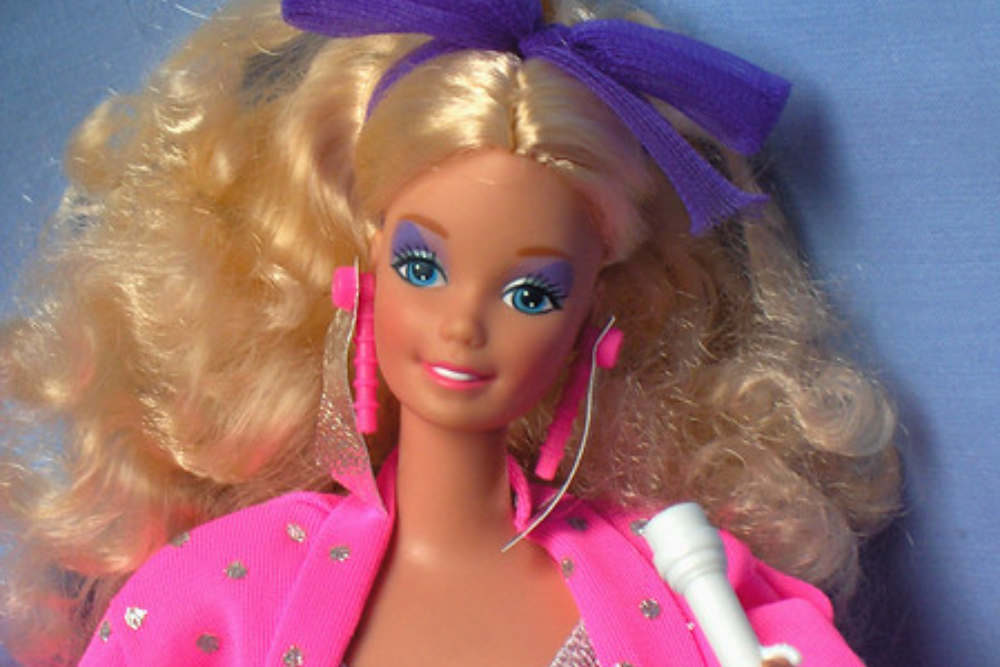
Barbie’s musical phase produced several iconic dolls that captured different eras of popular music. From disco to rock to pop, she adapted to every genre with costume changes that reflected current trends.
The 1986 Rocker Barbie came with her own guitar and microphone. Her wild crimped hair and metallic outfit screamed 1980s excess in the best possible way.
These musical Barbies often included actual sound features, bringing performances to life in playrooms worldwide.
Like Go2Tutors’s content? Follow us on MSN.
Presidential Candidate Barbie
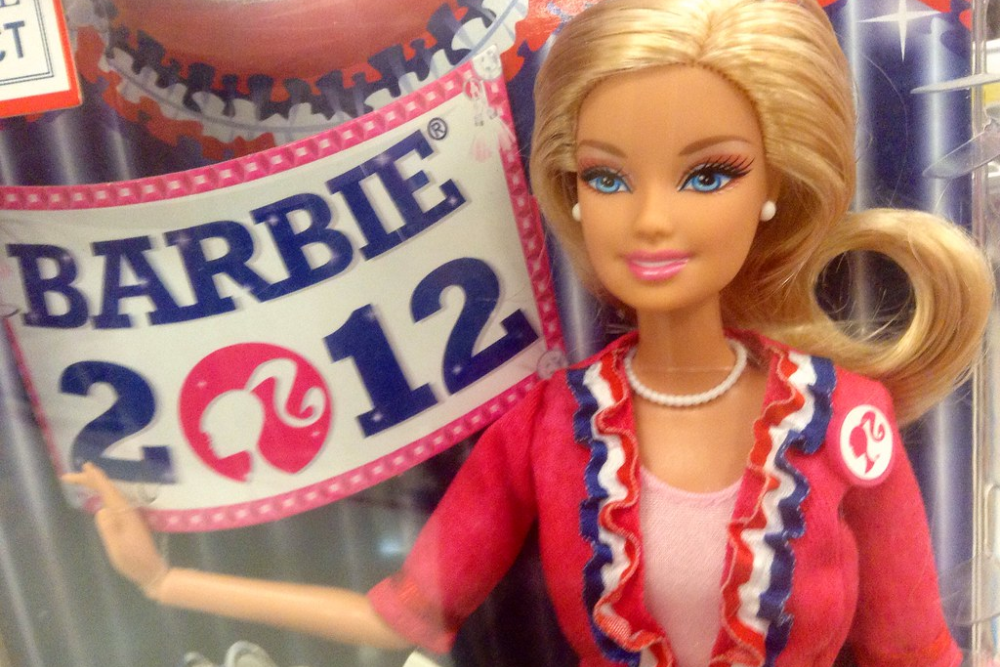
Long before it became politically realistic, Barbie ran for president multiple times starting in 1992. Each campaign featured patriotic red, white, and blue outfits that looked surprisingly presidential.
The message was clear: girls could aspire to the highest office in the land. And decades later, when real female presidential candidates took center stage, many credited Barbie with planting those early seeds of political possibility.
Unicorn Magic Barbie
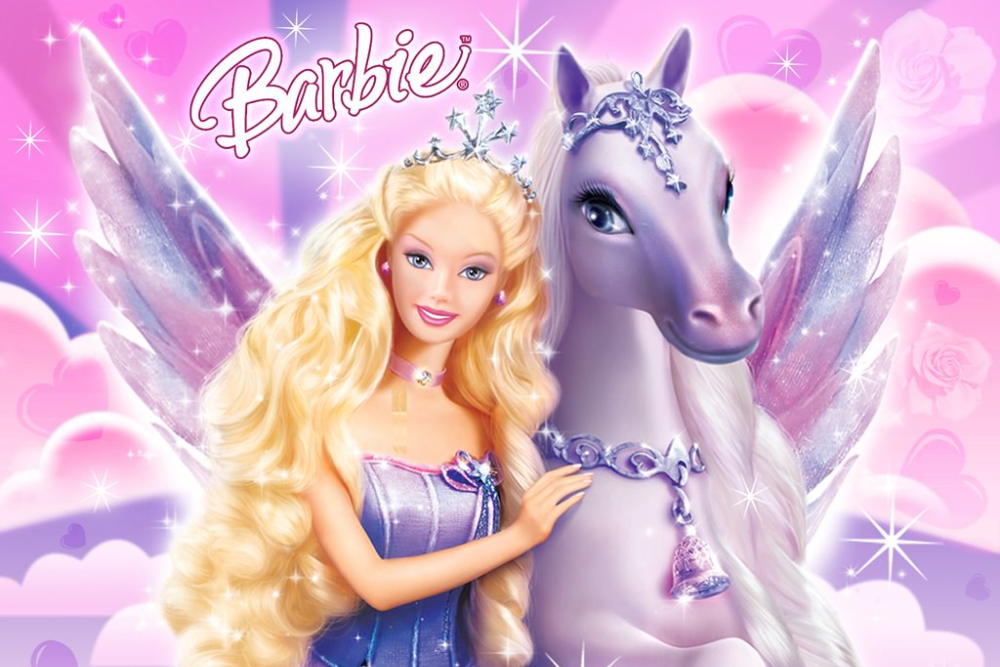
Fantasy and reality blurred with this ethereal creation that featured flowing pastel hair and magical accessories. The unicorn companion made this set particularly enchanting for children who loved mythical creatures.
Not great for teaching practical career skills. Could be worse — at least it encouraged creativity and imagination during an era when many toys were becoming increasingly electronic and less hands-on.
Mermaid Barbie

The ocean called, and Barbie answered with flowing aqua hair and a shimmering tail that changed color in water. This doll tapped into the timeless appeal of mermaid mythology while showcasing innovative toy technology.
Her underwater world came complete with sea creatures and coral accessories. The color-changing feature was genuinely magical to young eyes, creating moments of wonder that stayed with children long after playtime ended.
Like Go2Tutors’s content? Follow us on MSN.
Holiday Barbie Series
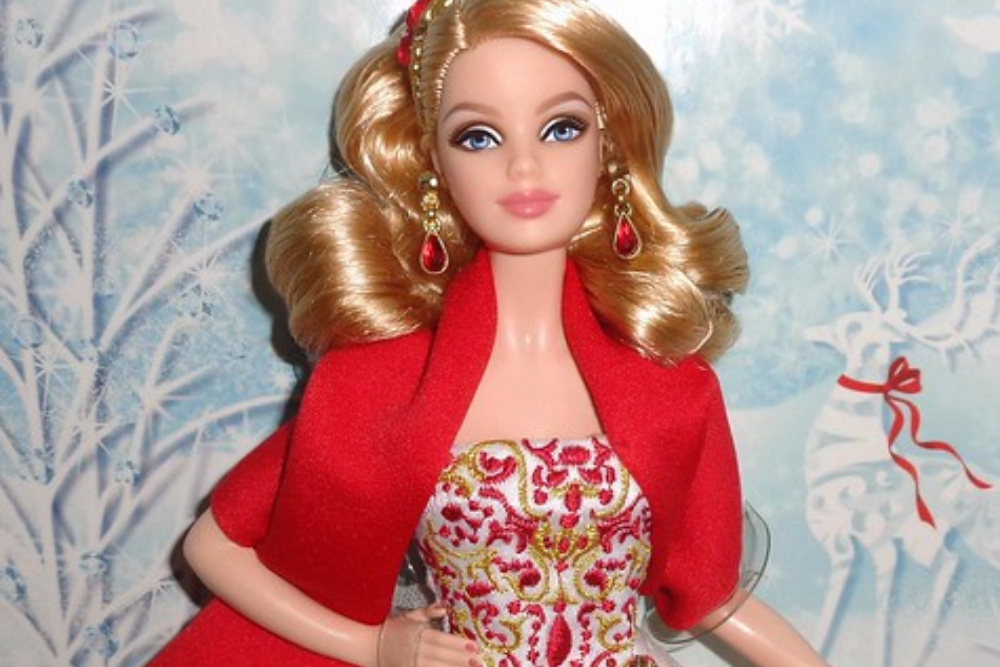
Starting in 1988, the annual Holiday Barbie became a collectible phenomenon that turned casual buyers into serious collectors. Each year brought elaborate gowns in rich jewel tones with intricate details that rivaled high fashion.
These weren’t meant for rough play. The careful packaging and limited availability transformed them into investment pieces that adults purchased for display rather than children’s entertainment.
Fashionista Barbie
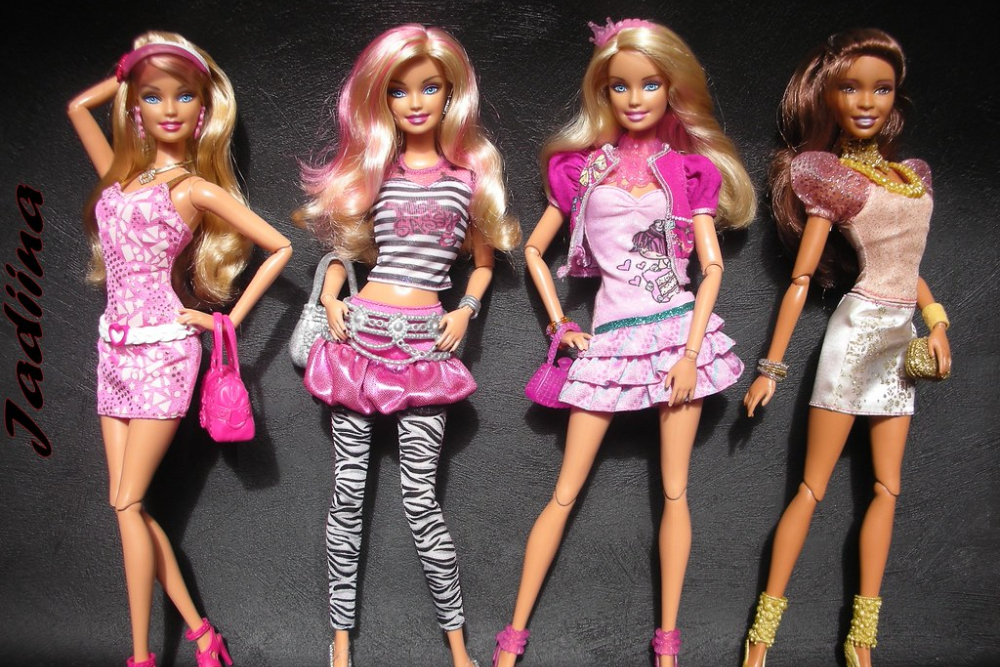
Diversity finally found its way into Barbie’s world through the Fashionista line that began in 2009. Different body types, skin tones, and hair textures reflected a more inclusive vision of beauty.
The variety was stunning after decades of relative uniformity. Curvy, tall, and petite body options joined the original proportions, while disabilities were represented through dolls with wheelchairs and prosthetics.
Sports Illustrated Swimsuit Barbie
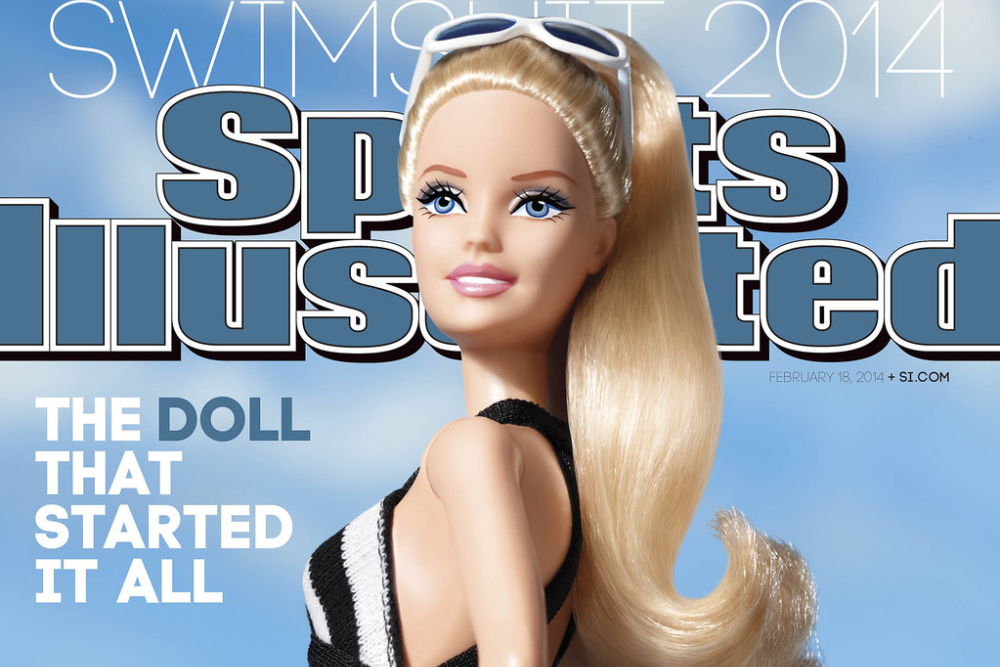
This controversial 2014 release featured Barbie wearing an exact replica of a Sports Illustrated swimsuit cover outfit. The doll sparked intense debate about body image and appropriate messaging for children.
Critics argued it sexualized the toy inappropriately. Supporters claimed it celebrated athleticism and confidence.
The discussion revealed how deeply Barbie had embedded herself in cultural conversations about femininity and self-image.
Like Go2Tutors’s content? Follow us on MSN.
Inspiring Women Series

Recent years have seen Barbie honor real women who broke barriers in their fields. From Frida Kahlo to Katherine Johnson, these dolls combine play value with educational content about actual historical figures.
The attention to historical detail is remarkable. Each doll comes with information about the woman’s achievements, turning playtime into learning opportunities about previously overlooked female pioneers.
Totally Hair Barbie
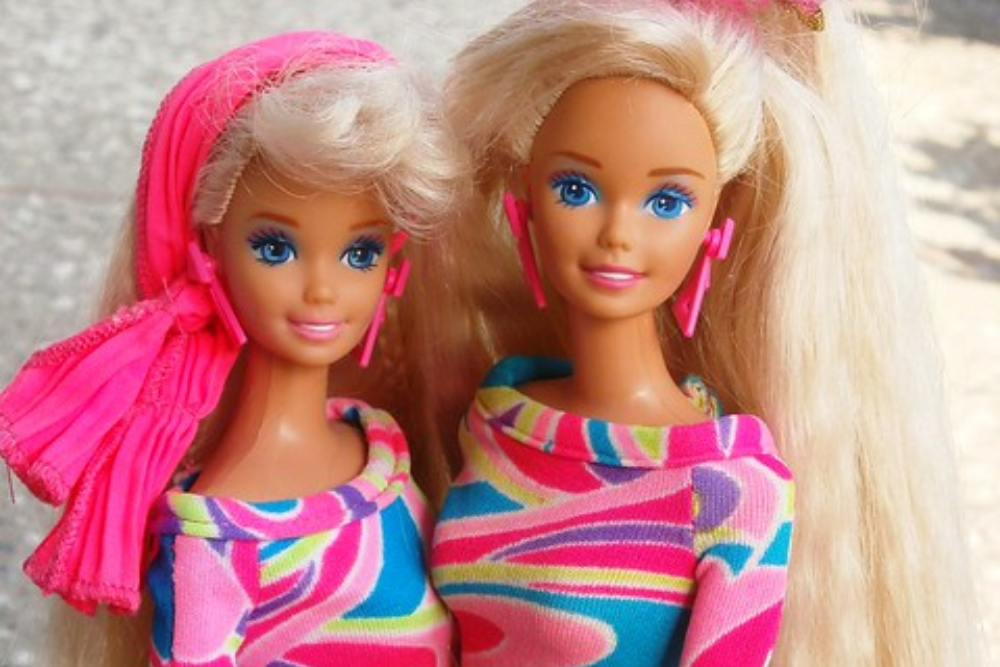
Hair that reached nearly to her feet made this 1992 release the best-selling Barbie of all time. The sheer volume of colorful, crimpable hair was both the doll’s main feature and its greatest challenge.
Brushing took forever. Tangles were inevitable. But children loved styling the excessive locks into increasingly elaborate configurations that defied both gravity and good taste.
Day-to-Night Barbie

This ingenious 1985 design transformed from conservative office worker to glamorous party-goer with a few simple adjustments. The reversible jacket and skirt combination reflected real women’s need to transition from work to social settings.
The concept was ahead of its time, predicting the work-life balance challenges that would become central to women’s experiences in later decades. Plus, it solved the eternal problem of having too many Barbie clothes by building versatility into a single outfit.
Like Go2Tutors’s content? Follow us on MSN.
Color Reveal Barbie
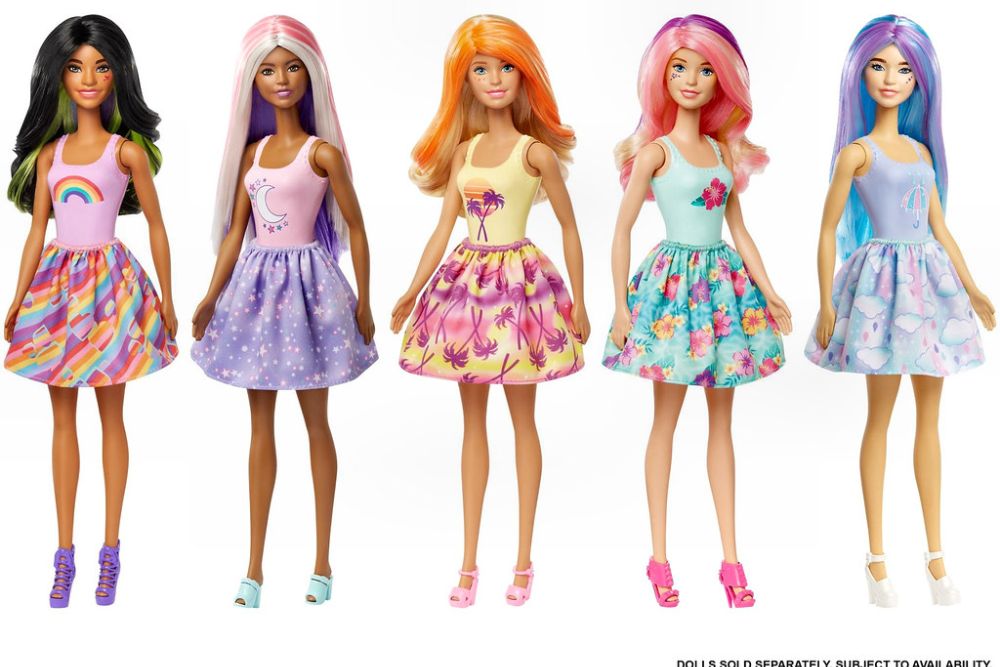
Modern technology brought surprise elements to this recent innovation where warm water reveals the doll’s hair color and outfit details. The unboxing experience became part of the play value.
Social media amplified the excitement as children filmed their reveals and shared the surprise moments online. This adaptation to digital culture shows how Barbie continues evolving with contemporary play patterns.
A Legacy That Keeps Evolving
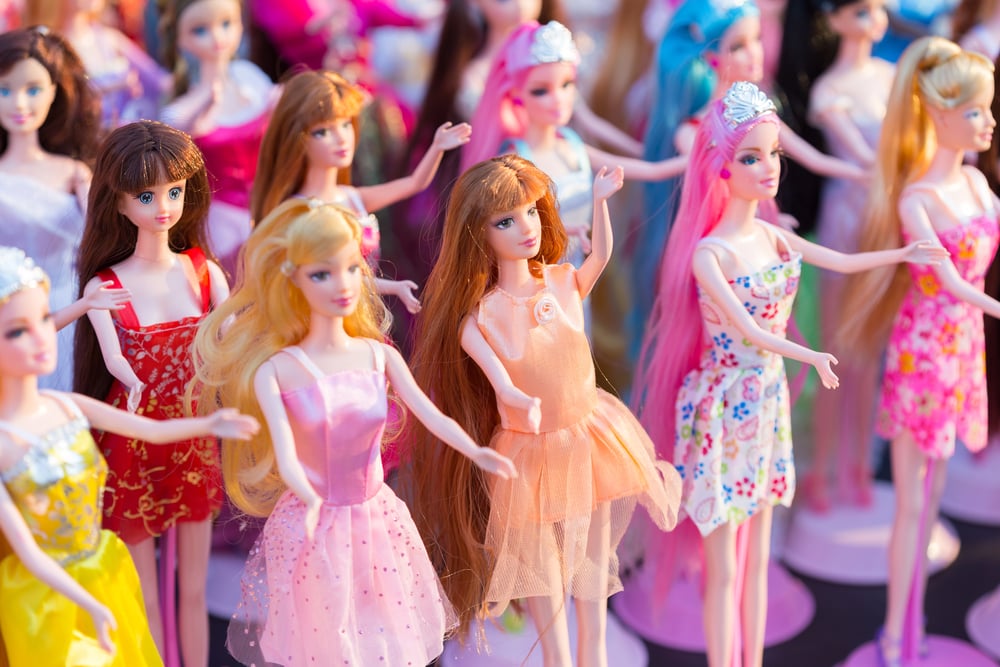
These 18 dolls represent more than plastic and fabric — they chronicle changing attitudes about gender, career possibilities, beauty standards, and childhood itself. Each reflects its era while pushing boundaries that seemed impossible just years earlier.
Barbie’s cultural impact extends far beyond any single toy, creating conversations that continue shaping how society views women’s potential.
More from Go2Tutors!

- 16 Historical Figures Who Were Nothing Like You Think
- 12 Things Sold in the 80s That Are Now Illegal
- 15 VHS Tapes That Could Be Worth Thousands
- 17 Historical “What Ifs” That Would Have Changed Everything
- 18 TV Shows That Vanished Without a Finale
Like Go2Tutors’s content? Follow us on MSN.



