18 Harvest Traditions That Disappeared
For most of human history, the end of the growing season was marked by elaborate community rituals that mechanization, migration to cities, and modern agriculture eventually made obsolete. Many of these customs survived for centuries in rural Europe and North America before vanishing within a single generation.
Wassailing the Apple Orchards
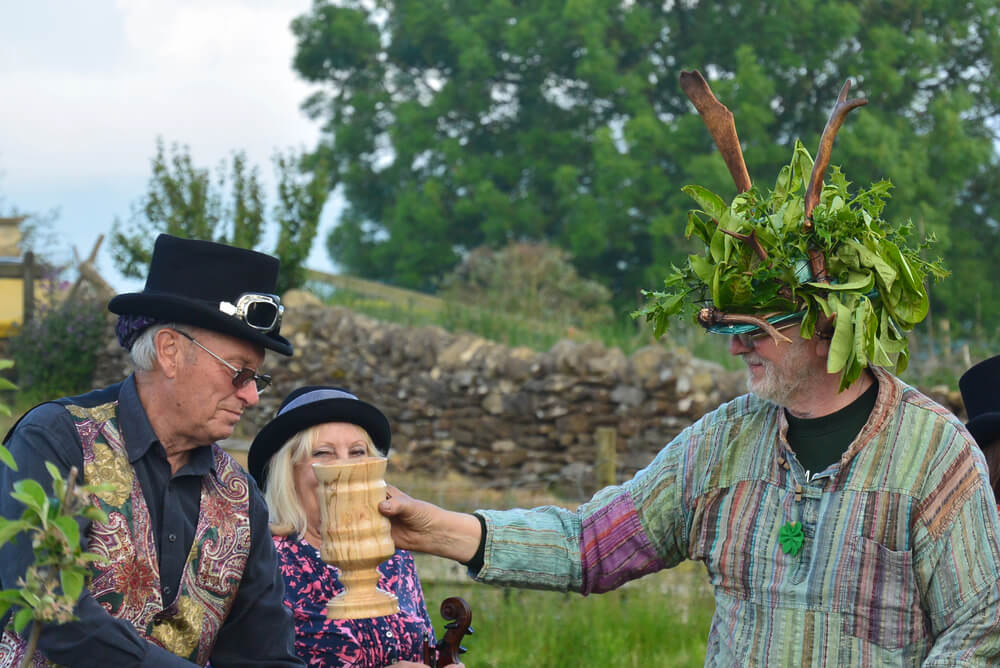
In cider-producing regions of southern England, communities once gathered on Twelfth Night to sing, bang pots, and pour cider over the roots of apple trees to wake them and scare off evil spirits before the next harvest. The custom nearly died out entirely by the mid-twentieth century as commercial orchards replaced small community groves.
A handful of villages in Somerset and Herefordshire still hold small revivals, but the practice is a fraction of its former scale.
Corn Dolly Weaving
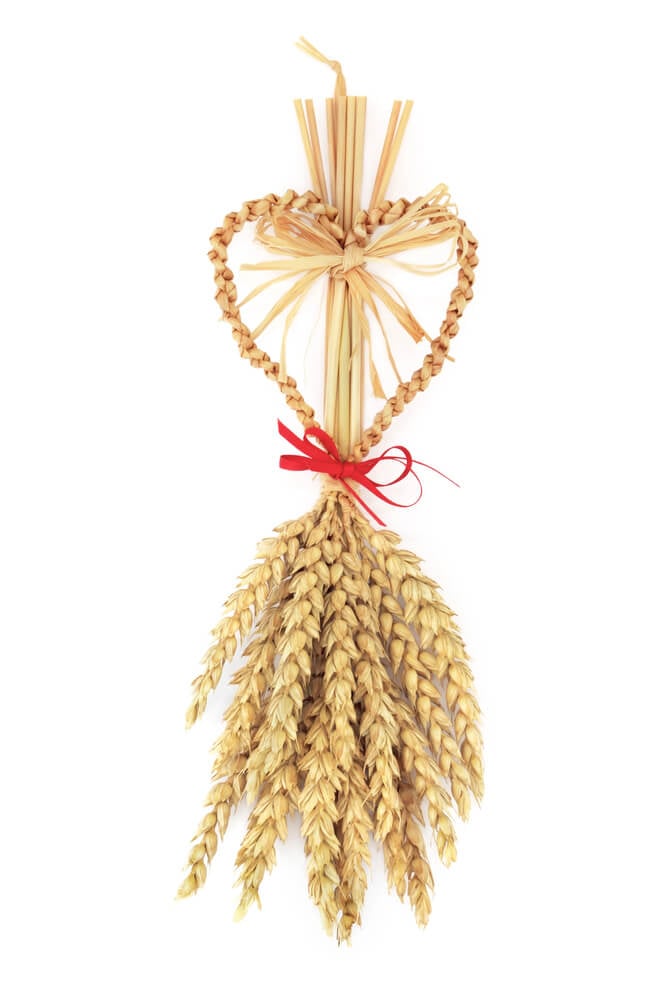
At the end of the grain harvest, farmworkers across Britain and parts of Europe wove the last stalks of wheat or barley into figures called corn dollies, believed to house the spirit of the harvest until it could be plowed back into the soil the following spring. The craft required skills passed down through generations of field laborers.
Combine harvesters, which leave no long stalks intact, effectively ended the tradition by the 1950s.
Crying the Neck

In Cornwall, the last handful of standing corn was cut with ceremony while workers shouted “we have it” across the field, a ritual known as crying the neck. The custom marked the formal end of harvest labor and was tied to older beliefs about a corn spirit fleeing the shrinking field.
Mechanized reaping eliminated the gradual, visible shrinking of the standing crop that made the ritual meaningful, and it survives today only through occasional folklore society reenactments.
Kirn Supper

Scottish farms once held a kirn supper, a feast funded by the farmer for laborers once the grain was safely brought in, often featuring the last sheaf dressed as a doll and given a seat of honor. The event doubled as one of the only paid social gatherings of the agricultural year for hired hands.
Agricultural mechanization and the decline of large hired workforces on Scottish farms largely ended the custom by the early twentieth century.
Boon Reaping

Under feudal and post-feudal land arrangements in parts of Britain, tenants owed their landlord a set number of days of unpaid harvest labor known as boon reaping, often repaid afterward with a communal meal. The obligation functioned as both tax and social contract between landlord and tenant.
Land reforms and the decline of manorial systems through the nineteenth century phased the practice out entirely.
Gleaning
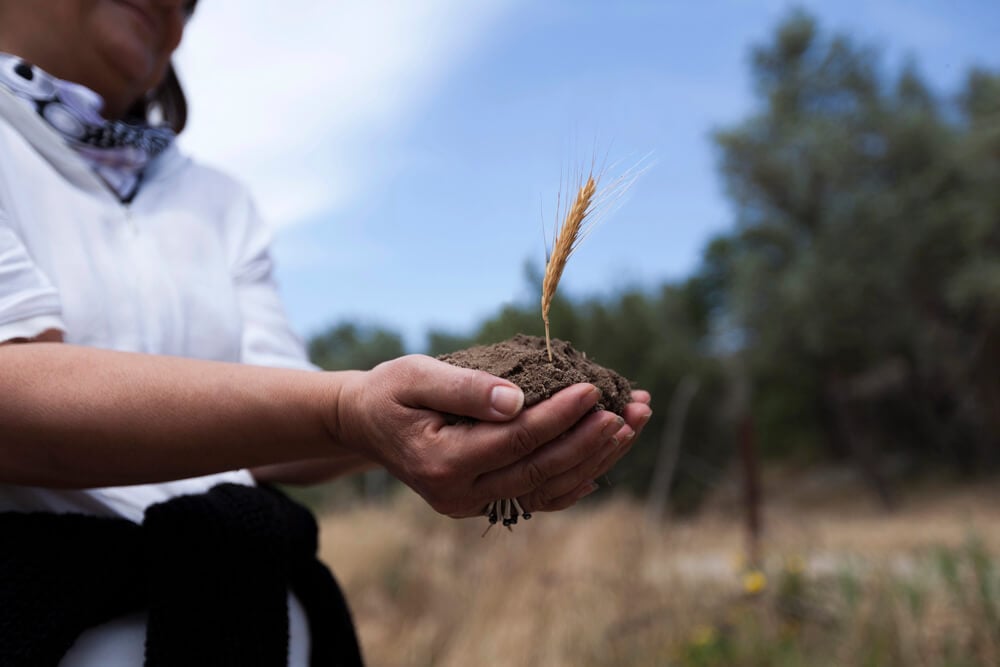
After the main harvest, villagers, often widows and the poor, were traditionally permitted to gather leftover grain from the fields, a right protected in various forms across medieval Europe. The practice provided a crucial safety net in communities with no other social welfare.
Efficient mechanical harvesters leave almost nothing behind in modern fields, and enclosure laws in the eighteenth and nineteenth centuries had already restricted access to much of the land.
Mell Supper

In parts of England, the mell supper celebrated the cutting of the final sheaf, with the word “mell” referring to the last handful of grain. The meal was typically the most lavish of the farming year, funded entirely by the landowner.
As tenant farming and large hired labor forces declined through the twentieth century, the custom faded along with the social structure that supported it.
Harvest Home Feast
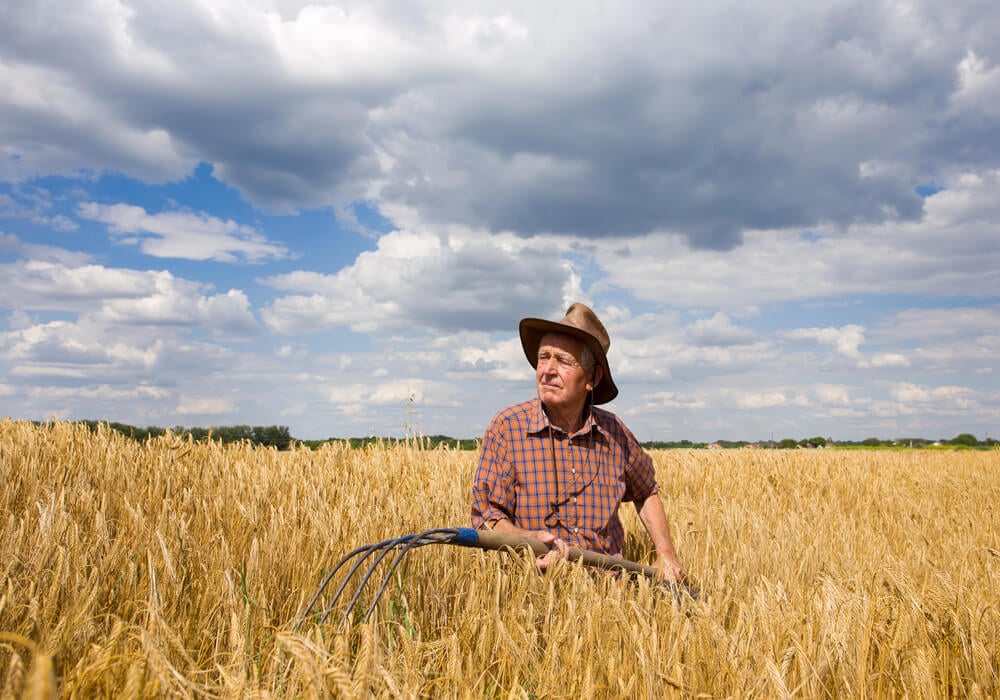
Harvest Home marked the safe return of the last wagonload of grain to the barn, celebrated across rural England and colonial America with feasting, decorated wagons, and songs sung by laborers riding atop the final load. Communities treated it as one of the most important dates on the agricultural calendar.
Industrial farming and the shrinking rural workforce of the twentieth century reduced most Harvest Home celebrations to small church suppers, if they survived at all.
Hop-Picking Holidays
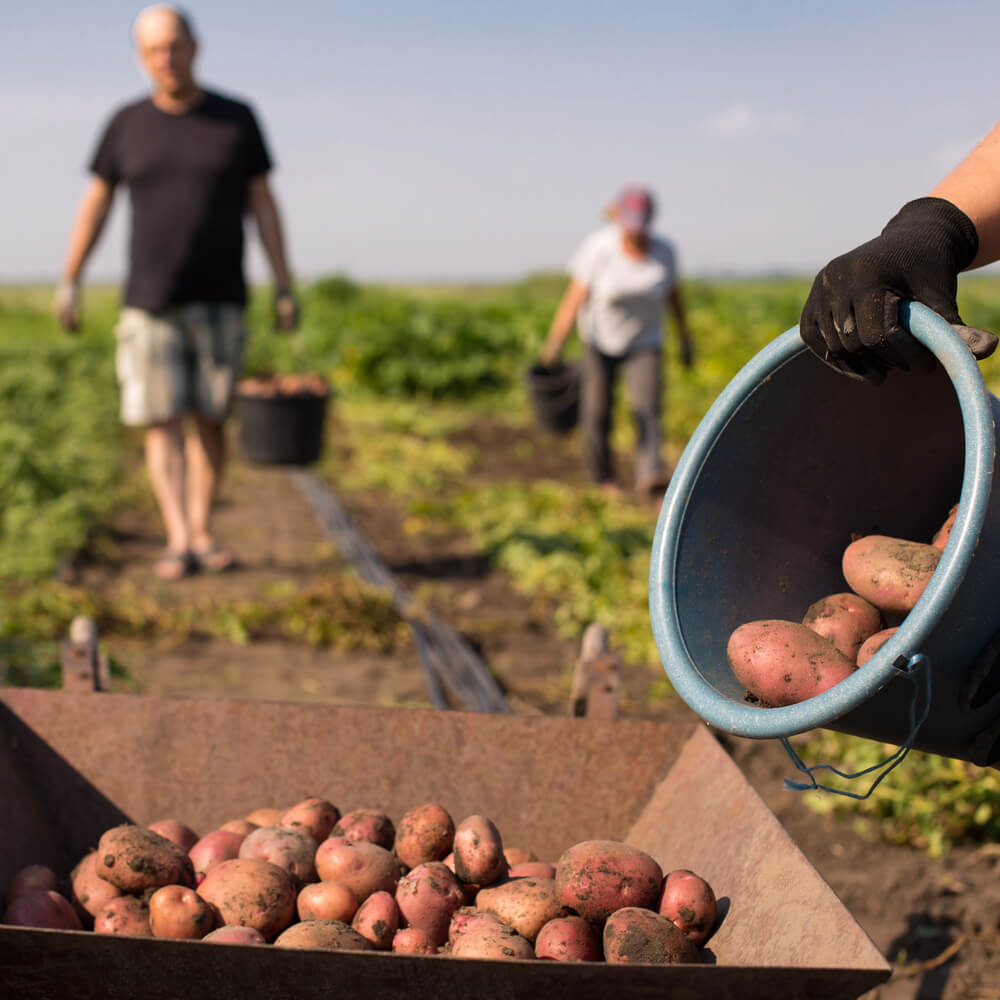
Every autumn through the early twentieth century, thousands of families from London’s East End traveled to Kent to pick hops for beer production, treating the working trip as an unofficial holiday away from the city. Entire communities camped in hop gardens for weeks each September.
Mechanical hop-picking machines, introduced widely after World War II, eliminated the need for migrant pickers within a few decades.
Threshing Bees
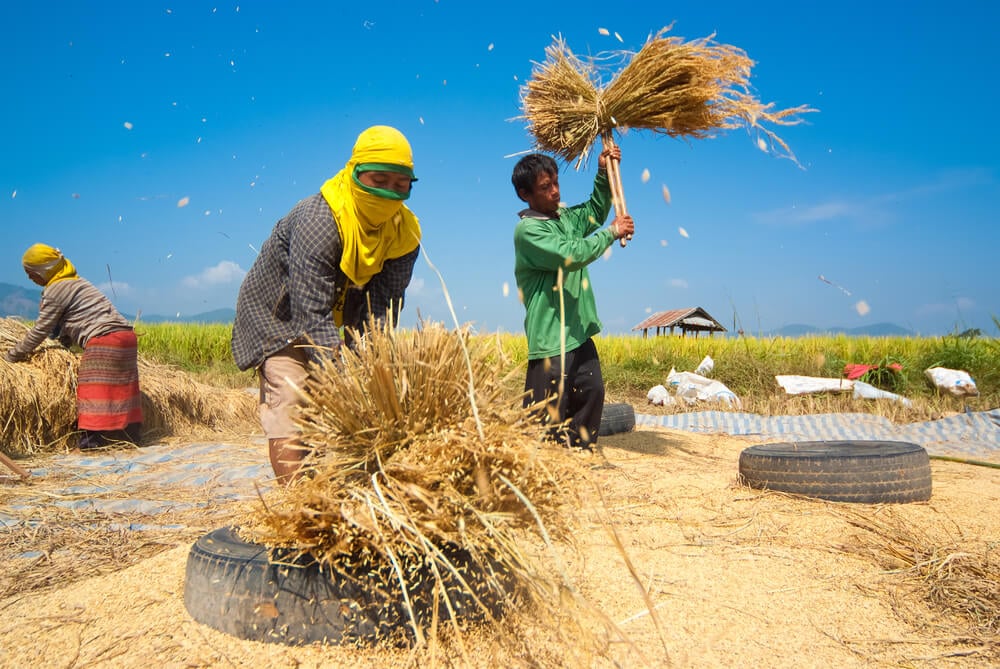
Before combine harvesters, separating grain from stalks required a threshing machine that traveled between farms, and neighboring families would gather to help operate it and share the resulting communal meal, known as a threshing bee. The events were as much social occasions as labor, often the largest gathering of the farming year in small communities.
Self-propelled combines that thresh in the field eliminated the need for shared threshing crews by the mid-twentieth century.
Barn Raising

Building or repairing a barn before winter storage required more labor than a single family could provide, so neighbors traditionally gathered for a barn raising, completing a frame in a single day of coordinated group work. The practice was especially prominent among Amish and Mennonite communities in North America, where it partially survives today.
Outside those communities, prefabricated steel structures and professional contractors largely replaced the custom by the twentieth century.
Lammas Loaf Baking
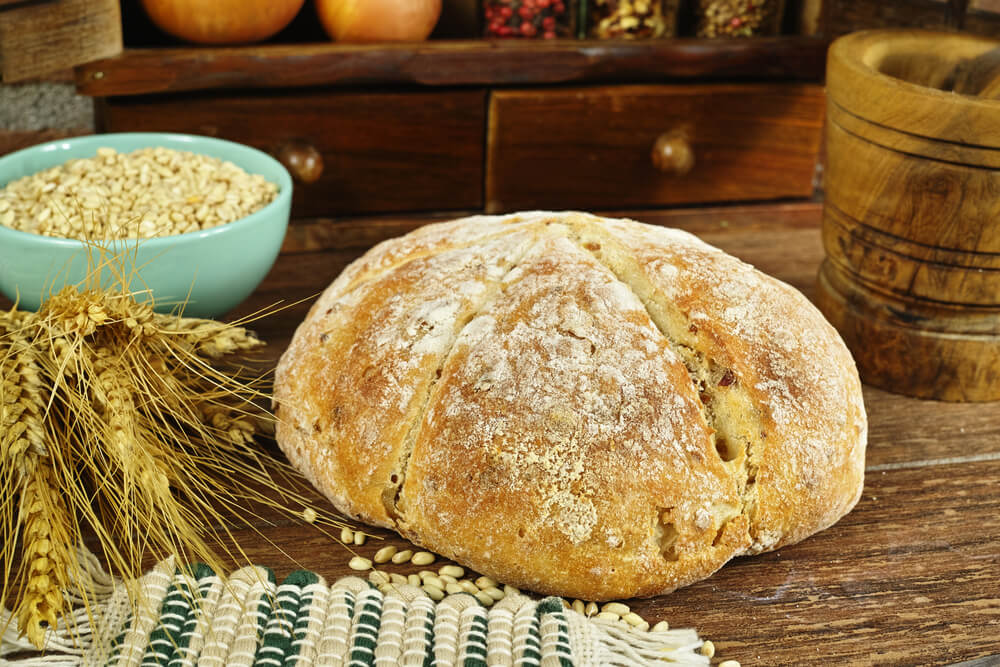
On Lammas Day, August 1, English parishioners once baked a loaf from the first wheat of the harvest and brought it to church to be blessed, a custom tied to older pre-Christian first-fruits offerings. The bread was sometimes broken into pieces and used symbolically to protect stored grain.
The Reformation and later the decline of church-centered agricultural calendars pushed the custom into near-total obscurity outside small pagan revival communities.
Harvest Lord and Lady Elections
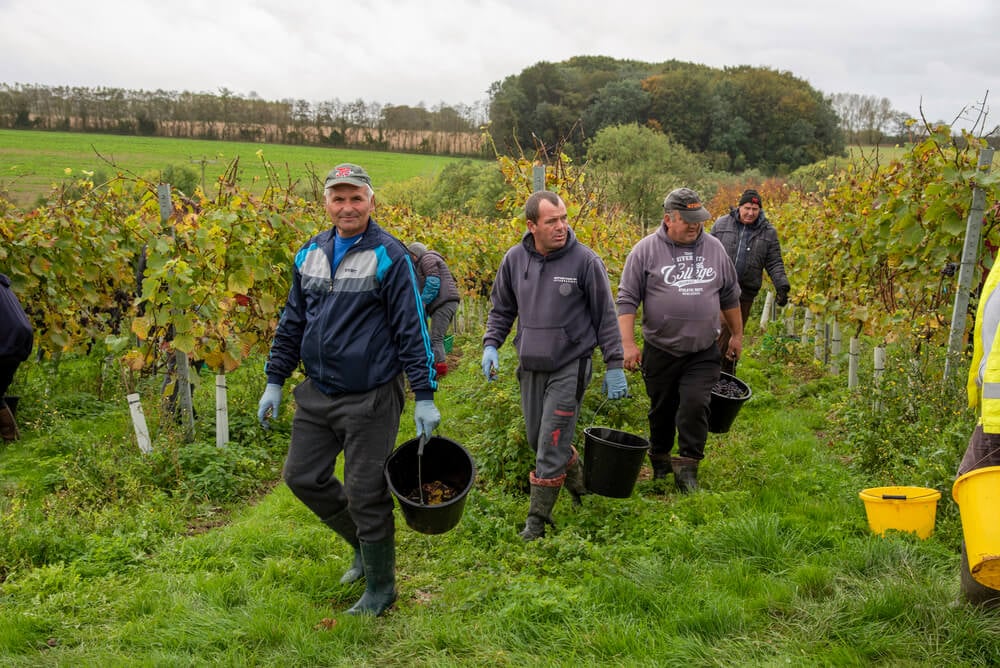
Some English villages elected a Harvest Lord and Lady from among the field laborers to oversee the pace and fairness of the harvest work, with the Lord empowered to set fines for workers who fell behind. The elected pair also led the harvest supper festivities.
The custom required a large seasonal workforce operating under shared discipline, a labor structure that mechanized farming eliminated by the early twentieth century.
Silent Supper

In parts of Appalachia, some harvest-season meals were eaten in complete silence as a way of honoring the labor of the season and, in some traditions, inviting the presence of ancestors to the table. Accounts of the practice appear in regional folklore collections from the early twentieth century.
As oral folk customs gave way to more standardized regional culture, the practice largely disappeared from living memory.
Burning the Corn Maiden
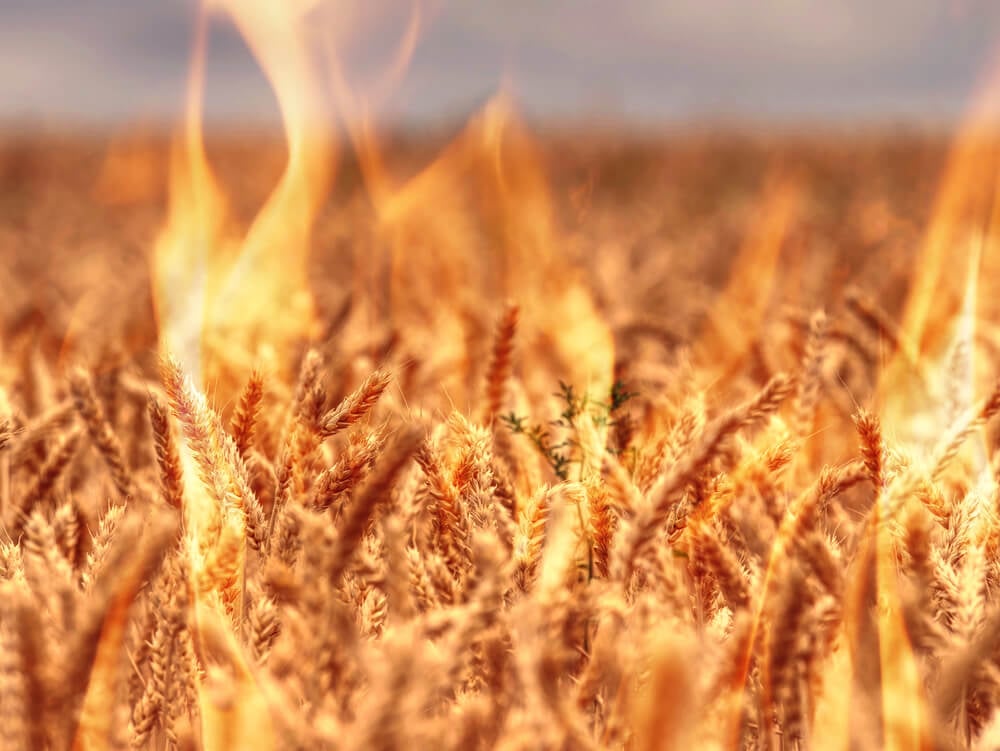
In parts of central and eastern Europe, the last sheaf of grain was fashioned into a figure called the Corn Maiden and ceremonially burned or drowned at the close of harvest, a ritual folklorists link to older fertility beliefs about renewing the land’s vitality. Similar figures appeared under different names across Slavic and Germanic harvest customs.
Industrialized agriculture and the twentieth century’s suppression of folk religious practice under various political regimes accelerated its disappearance.
Rush-Bearing
Ahead of the harvest festival season, some English parishes held rush-bearing ceremonies, carrying fresh rushes into the church to strew across the earthen floor before winter, often accompanied by music and processions. The custom served the practical purpose of insulating cold stone or dirt floors as well as a ceremonial one.
Wooden and later tiled church floors made the practical need obsolete by the eighteenth century, and only a few English towns, such as Ambleside, still hold ceremonial revivals.
Horkey Cart Procession
In East Anglia, the final load of the harvest was piled onto a decorated cart, called the horkey load, and paraded back to the farm with laborers riding on top, often crowned with greenery. The procession signaled to the whole village that the harvest was complete.
As farms consolidated and horse-drawn carts gave way to mechanized transport through the early twentieth century, the visual spectacle of the procession disappeared along with the carts themselves.
Reaping Songs

Field laborers cutting grain by hand traditionally kept rhythm and morale with work songs timed to the swing of the sickle, passed down orally rather than written. Folklorists collecting rural songs in the nineteenth and early twentieth centuries recorded many such tunes before they vanished from living use.
Mechanical reaping removed both the physical rhythm and the long working hours in shared fields that had sustained the oral tradition for generations.
What the Fields Used to Know
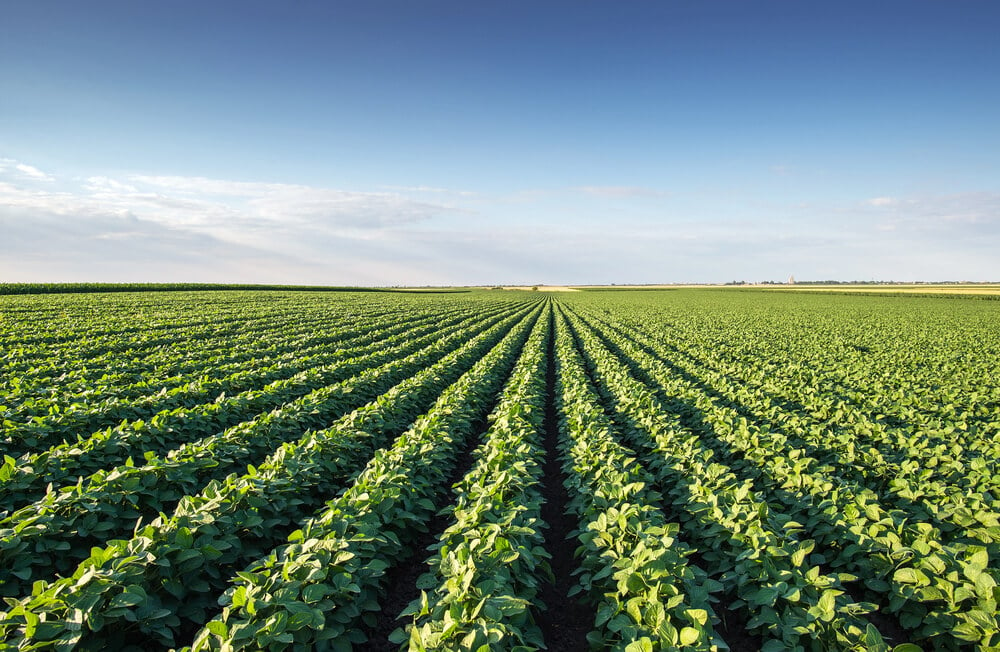
These customs were never really about the grain itself. They were ways of making hard, uncertain labor bearable, of turning exhaustion into music, and of marking the one moment each year when a community’s survival for the next twelve months became visible all at once, piled on a cart.
Mechanization did not just replace tools. It replaced the shared, visible rhythm of human effort that these rituals were built to honor, which is why so few of them survived the transition even in places that tried to keep them alive.
More from Go2Tutors!

- The Romanov Crown Jewels and Their Tragic Fate
- 13 Historical Mysteries That Science Still Can’t Solve
- Famous Hoaxes That Fooled the World for Years
- 15 Child Stars with Tragic Adult Lives
- 16 Famous Jewelry Pieces in History
Like Go2Tutors’s content? Follow us on MSN.