Childhood Birthday Parties in the ’60s Looked Nothing Like They Do Now
Remember when birthday parties meant your mom hanging a few streamers in the living room and calling it decorated? The 1960s were a simpler time for childhood celebrations, back when entertainment meant pin the tail on the donkey and the biggest decision parents faced was whether to spring for store-bought cake mix or bake from scratch.
These gatherings bore little resemblance to today’s elaborate productions with bounce houses, professional entertainers, and themed decorations that cost more than some families spent on groceries in a month.
The differences run deeper than just budget and scale. Sixties birthday parties reflected an entirely different philosophy about childhood, celebration, and what constituted a good time.
Parents weren’t trying to create Instagram-worthy moments or compete with other families—they were simply marking another year in a child’s life with whatever they had on hand and a healthy dose of improvisation.
Homemade Everything Was The Standard
Store-bought decorations existed, but most families made their own. Crepe paper streamers got twisted and hung from ceiling fixtures.
Construction paper became party hats. Balloons came in basic colors—red, blue, yellow—and that was plenty.
The Guest List Stayed Small
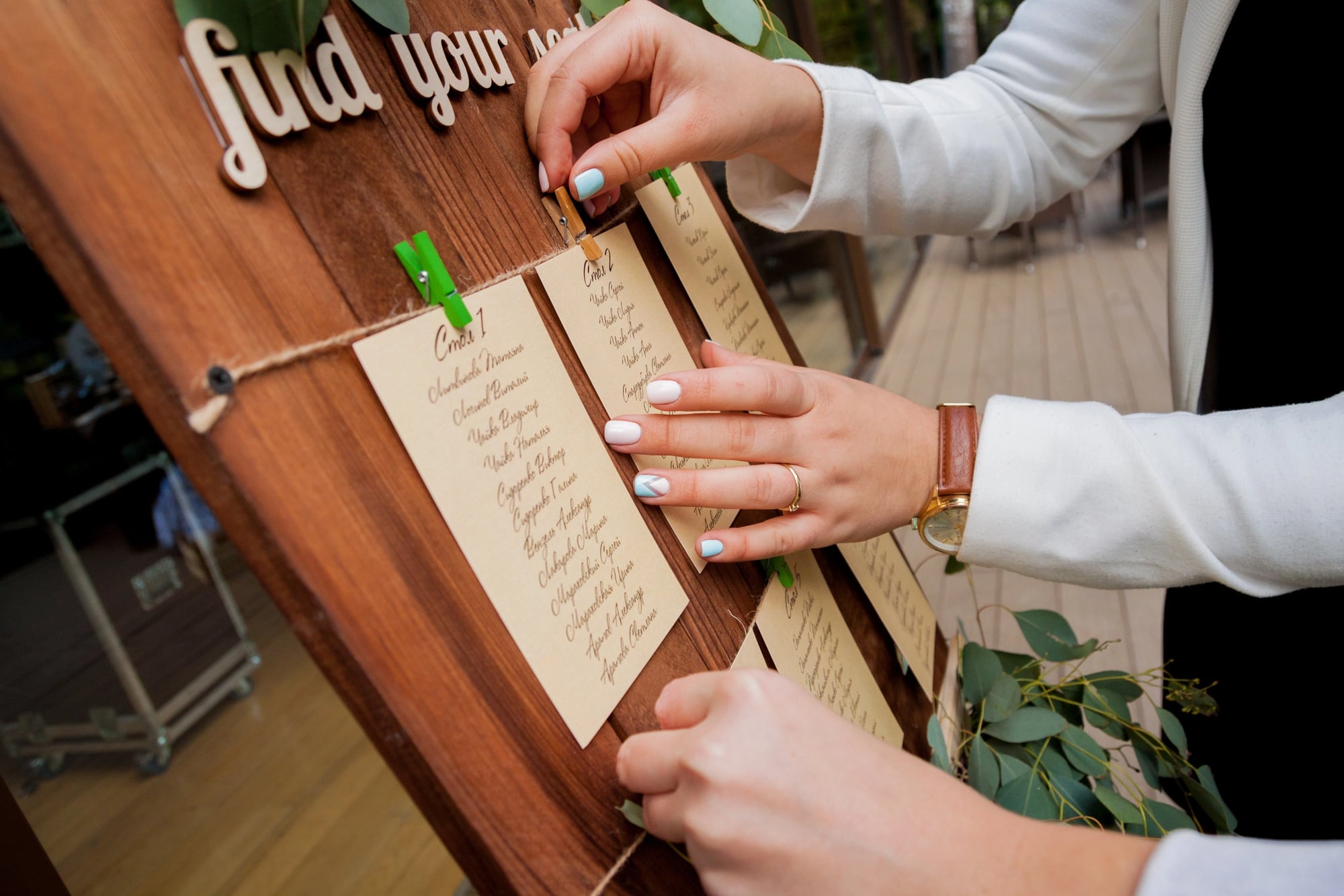
Birthday parties included maybe six to eight kids maximum. Parents didn’t feel obligated to invite entire classrooms or worry about hurt feelings from exclusions.
The living room could only hold so many children anyway, and that natural limit kept things manageable.
Simple Games Ruled The Entertainment
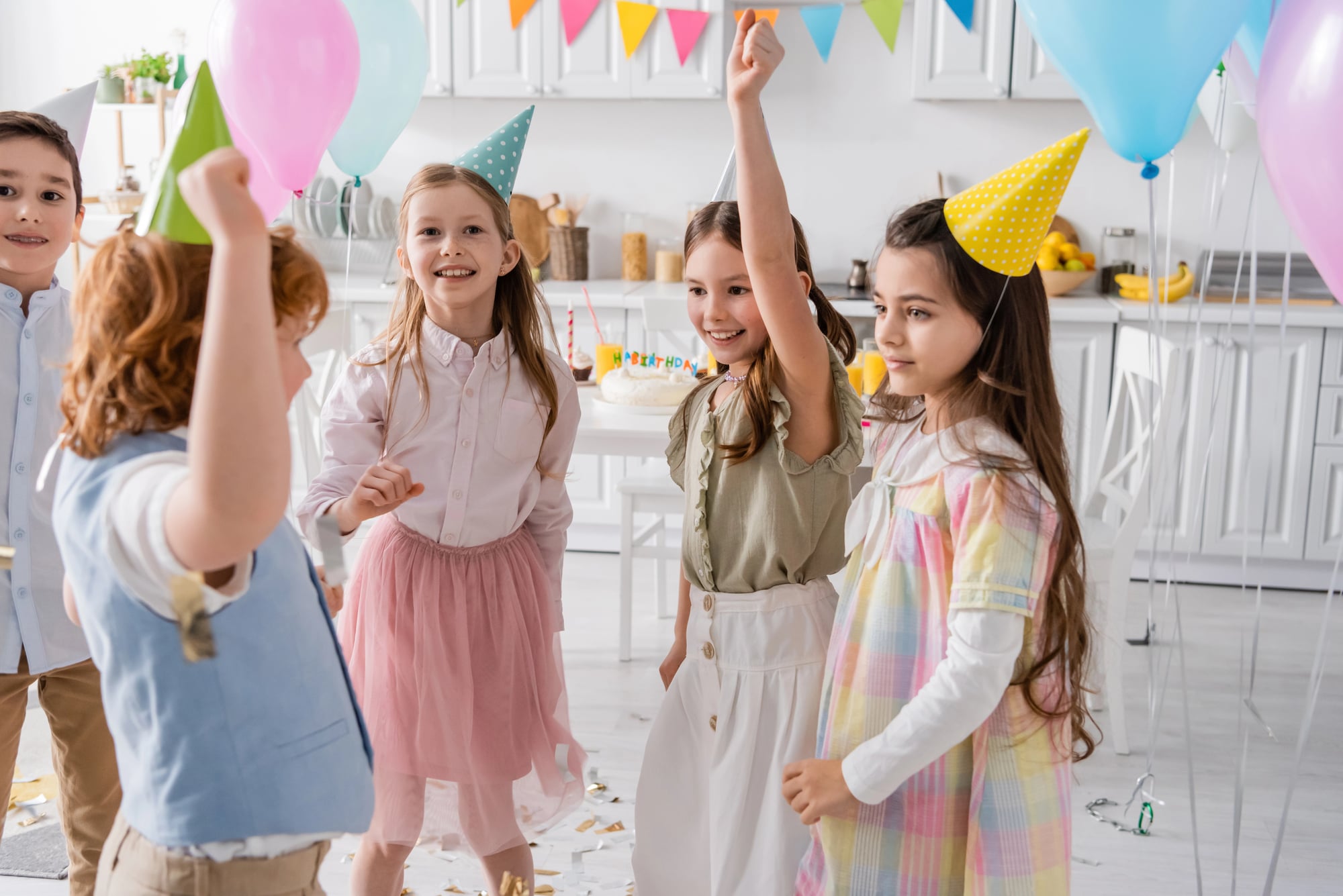
Pin the tail on the donkey remained the gold standard, but musical chairs, freeze dance, and hide-and-seek filled out the roster of activities. No one hired clowns (though some brave mothers might have attempted face painting with whatever makeup they could find), and children genuinely seemed to enjoy these basic games that required nothing more than a record player and some creativity.
The beauty of these activities lay not in their sophistication but in their democratic simplicity—every child could participate regardless of athletic ability or social confidence, and the rules were straightforward enough that disputes rarely lasted long.
And yet the excitement was real, the kind that came from anticipation rather than overstimulation.
Cake Came From The Kitchen, Not The Bakery
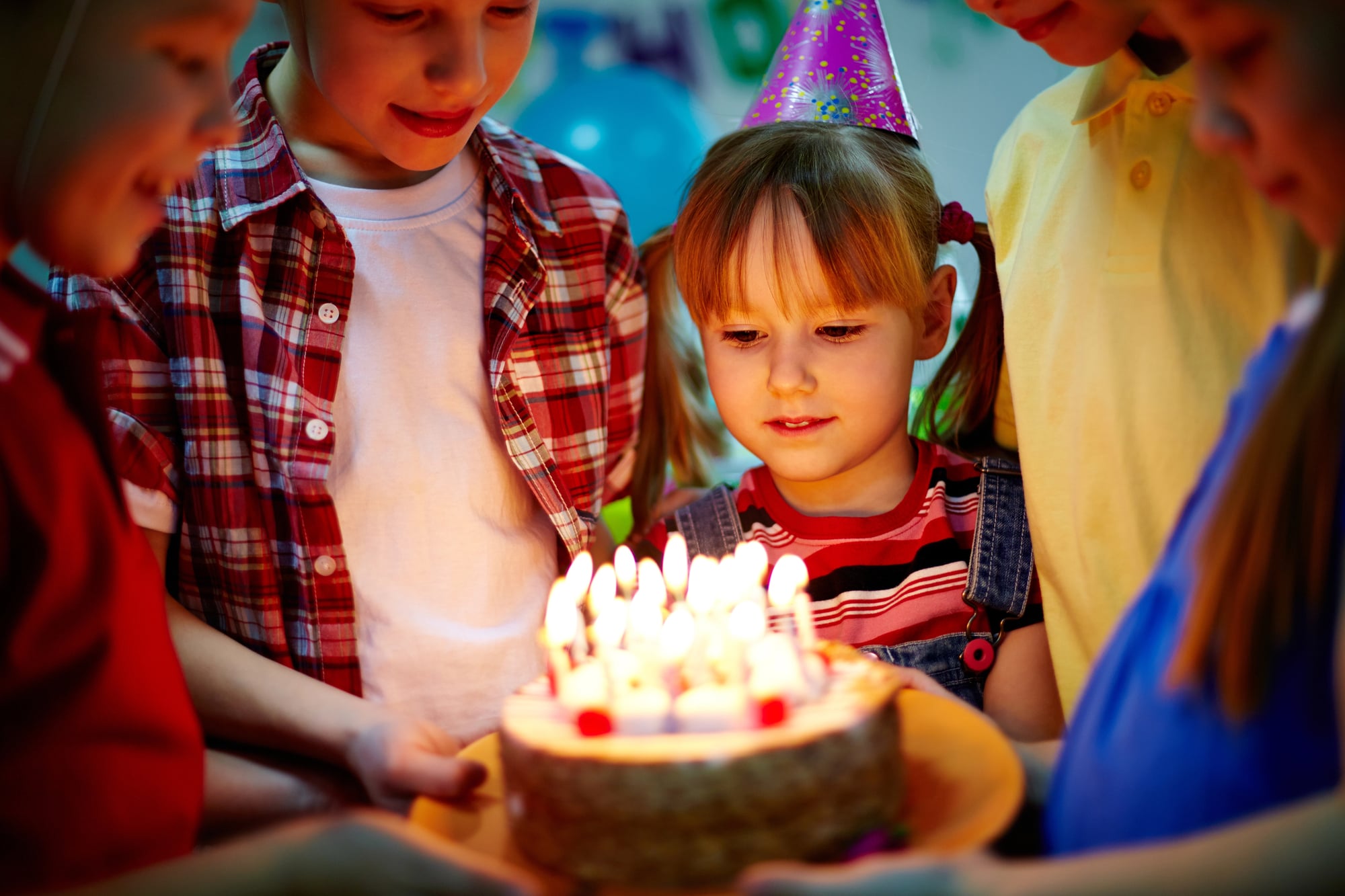
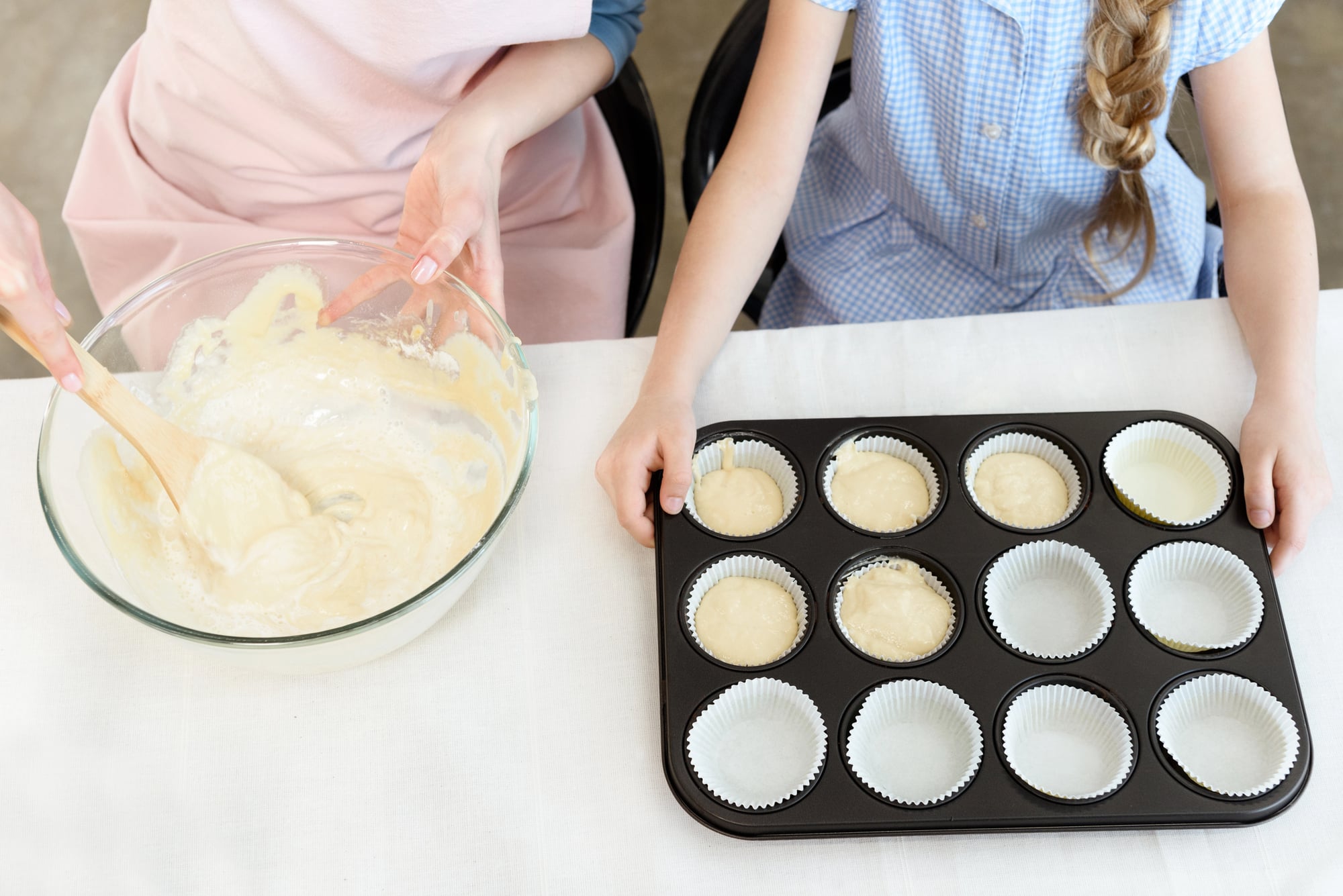
Most birthday cakes emerged from home ovens, often baked the night before the party. Duncan Hines and Betty Crocker cake mixes had made homemade cakes accessible to even the most reluctant bakers.
Frosting came from a can or got whipped up with powdered sugar, butter, and food coloring that turned everything slightly artificial shades of pink or blue.
Gift-Giving Had Different Expectations

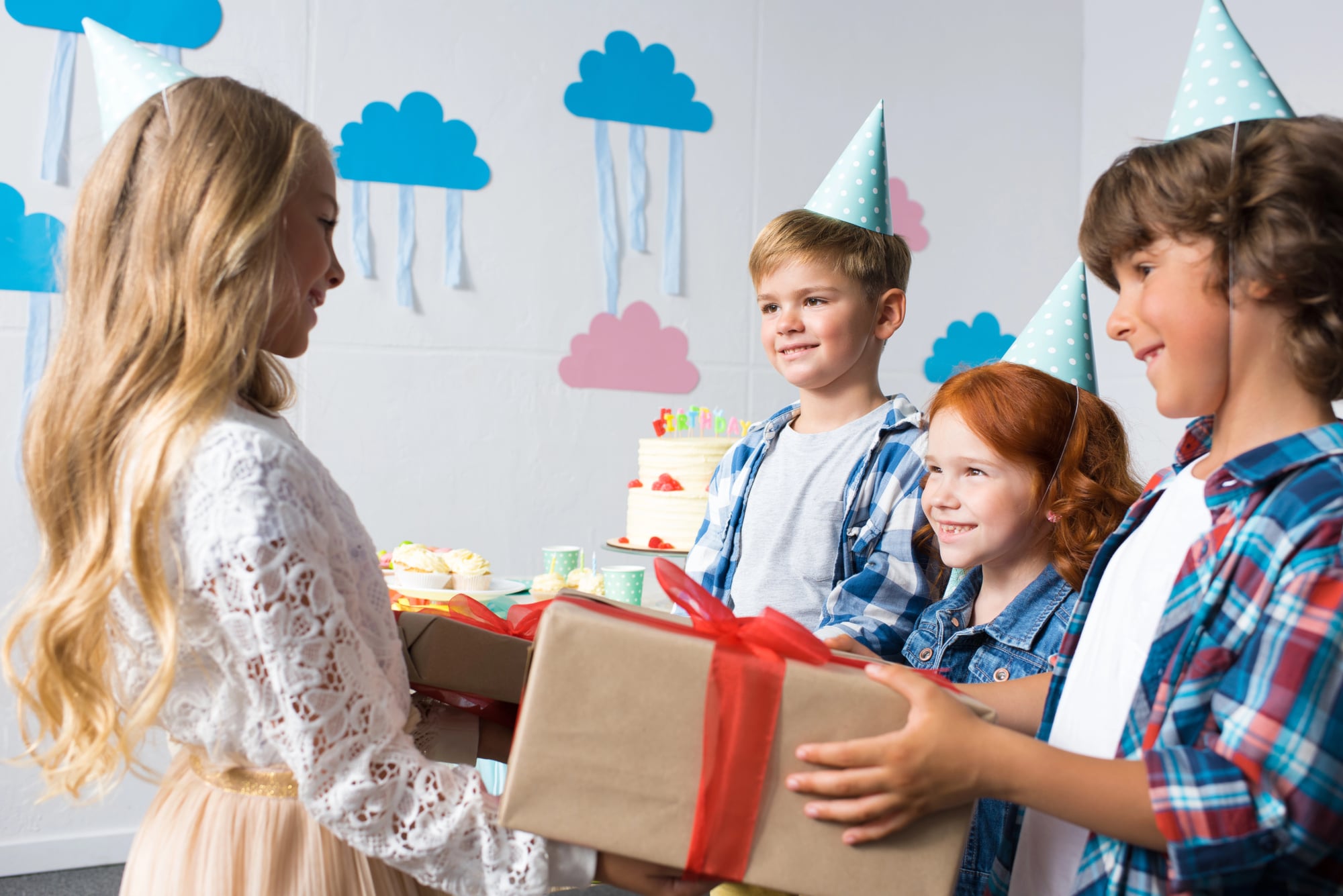
Children arrived with modest presents, often wrapped in brown paper bags or newspaper comics. A new book, a small toy, or craft supplies constituted perfectly acceptable gifts.
The birthday child opened presents in front of everyone, and genuine surprise was common since parents hadn’t coordinated purchases through online registries.
The ritual of gift-opening moved at a different pace too—each present got individual attention rather than being torn through in a frenzy, partly because there were fewer of them and partly because the social rhythm of the era valued savoring moments rather than rushing toward the next stimulation.
Parents often had to prompt children to say thank you (just as they do now), but the gratitude felt more spontaneous when the gifts themselves carried the weight of careful consideration rather than obligation.
So the focus stayed on the gesture rather than the price tag, which meant a hand-picked book about horses could generate as much excitement as any expensive toy.
Photography Was An Afterthought
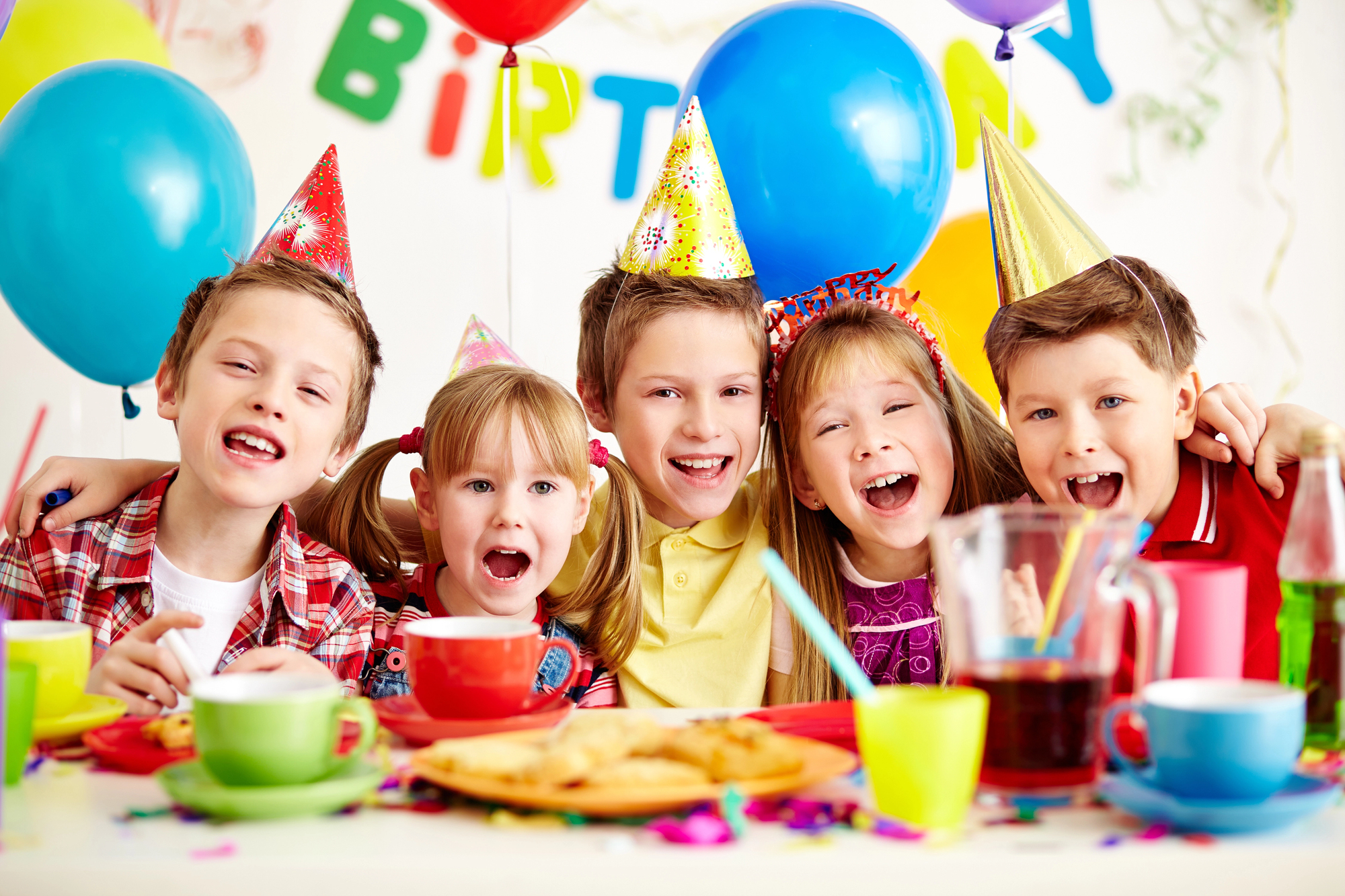
No one documented every moment of sixties birthday parties. Families might have taken a few snapshots with their Kodak Instamatic cameras, but the focus remained on experiencing the party rather than recording it.
Children played without posing, and parents chatted instead of serving as constant photographers.
Food Kept Things Basic
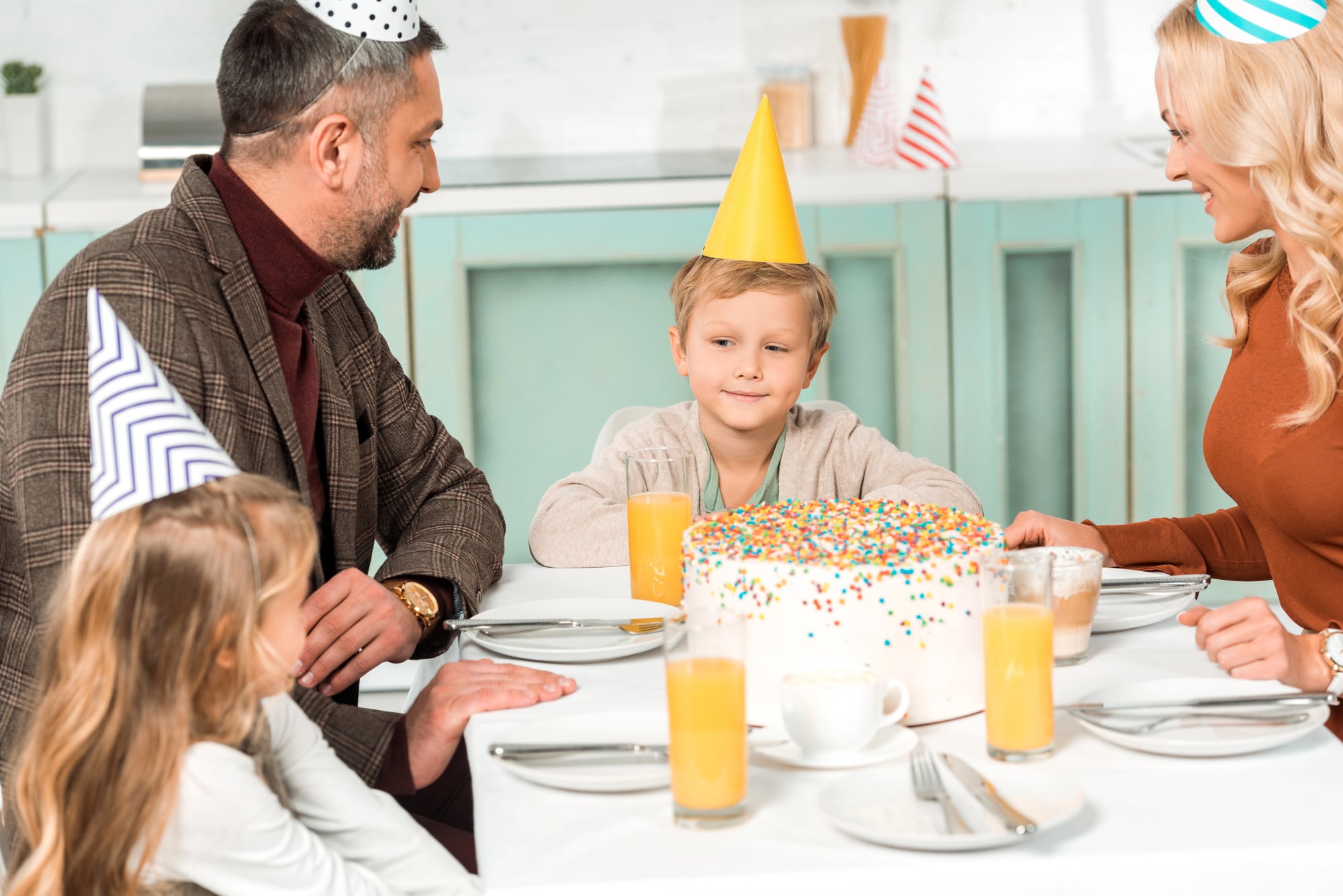
The menu rarely extended beyond cake, ice cream, and maybe some punch made from Kool-Aid or ginger ale. Elaborate themed snacks didn’t exist.
Potato chips might have appeared in a bowl, but no one stressed about creating Instagram-worthy food displays or accommodating multiple dietary restrictions that hadn’t yet entered mainstream consciousness.
Timing Followed A Predictable Pattern

Most birthday parties lasted exactly two hours—long enough for games, cake, and present-opening, short enough that children didn’t get overstimulated and parents didn’t get overwhelmed.
The structure was loose but reliable: games first, then cake and ice cream, presents last, everybody home by dinner time.
This framework worked because it matched children’s natural attention spans rather than trying to extend the celebration indefinitely, and parents appreciated the clear endpoint that made planning easier and cleanup manageable.
Cleanup Was A Family Affair

When the party ended, the whole family pitched in to restore the house to normal. Streamers came down, dishes got washed, and leftover cake got wrapped in aluminum foil for tomorrow’s lunch boxes.
The mess was manageable because the party had been simple to begin with.
The birthday child often felt a particular melancholy as the decorations disappeared—not because the party had been inadequate, but because the transformation of ordinary space into celebration space felt so complete that its removal marked a genuine return to everyday life.
Even so, the memory lingered precisely because it had been special without being overwhelming.
Parents Stayed In The Background
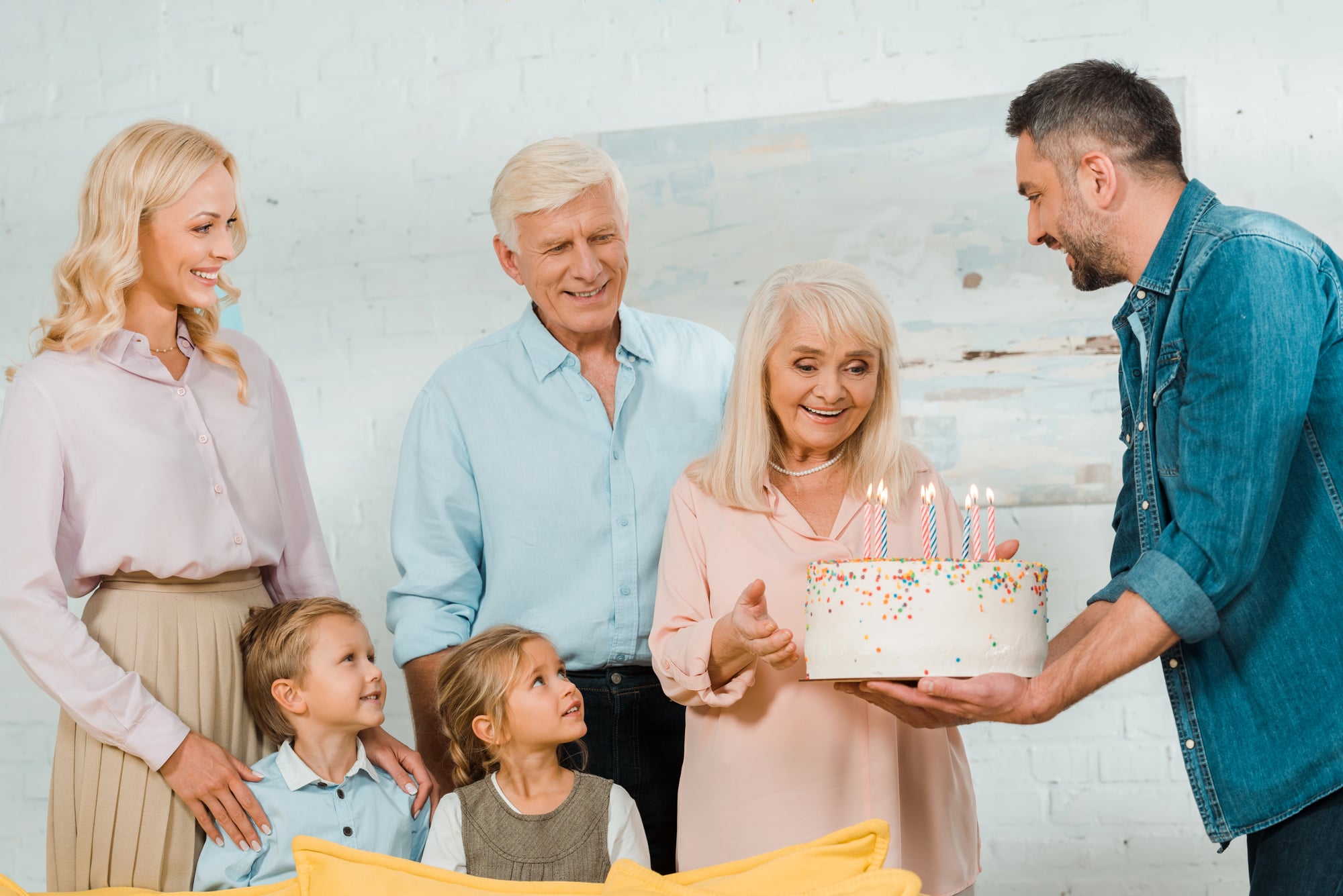
Mothers supervised but didn’t orchestrate every moment of the celebration. Children played independently while adults chatted in the kitchen or helped with cake cutting when needed.
The party belonged to the kids, and parents trusted them to entertain themselves with minimal intervention.
Themes Were Rare And Simple
If a party had a theme at all, it might have been cowboys or princesses—broad concepts that could be interpreted with whatever props families had available.
No one felt pressure to coordinate every element from invitations to party favors around a specific character or elaborate concept.
Party Favors Barely Existed
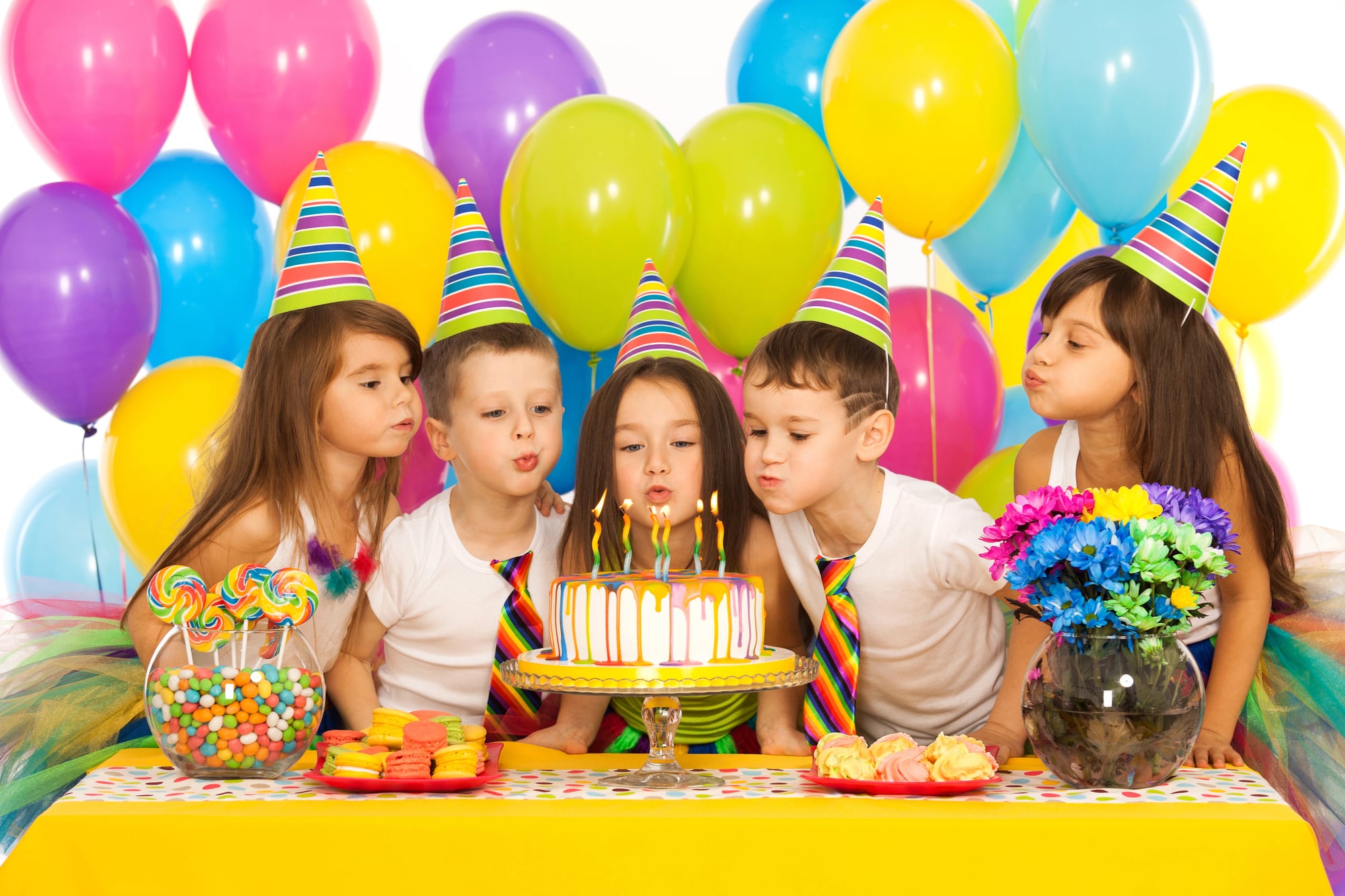
Children went home with maybe a leftover piece of cake wrapped in a napkin. The idea that every guest should receive a bag of treats as thanks for attending hadn’t taken hold yet.
The party itself was considered sufficient.
Most kids seemed perfectly content with this arrangement, partly because they hadn’t been conditioned to expect parting gifts and partly because the social experience of the party provided its own satisfaction.
The absence of party favors meant the focus remained on shared celebration rather than individual acquisition—children left with memories and sugar highs rather than plastic trinkets that would be forgotten by the next day.
Cost Remained Minimal
Parents could throw a perfectly respectable birthday party for under ten dollars, including cake ingredients, decorations, and ice cream.
The pressure to spend significant money on children’s parties simply didn’t exist, which meant families of modest means could still provide memorable celebrations.
Weather Dictated Location
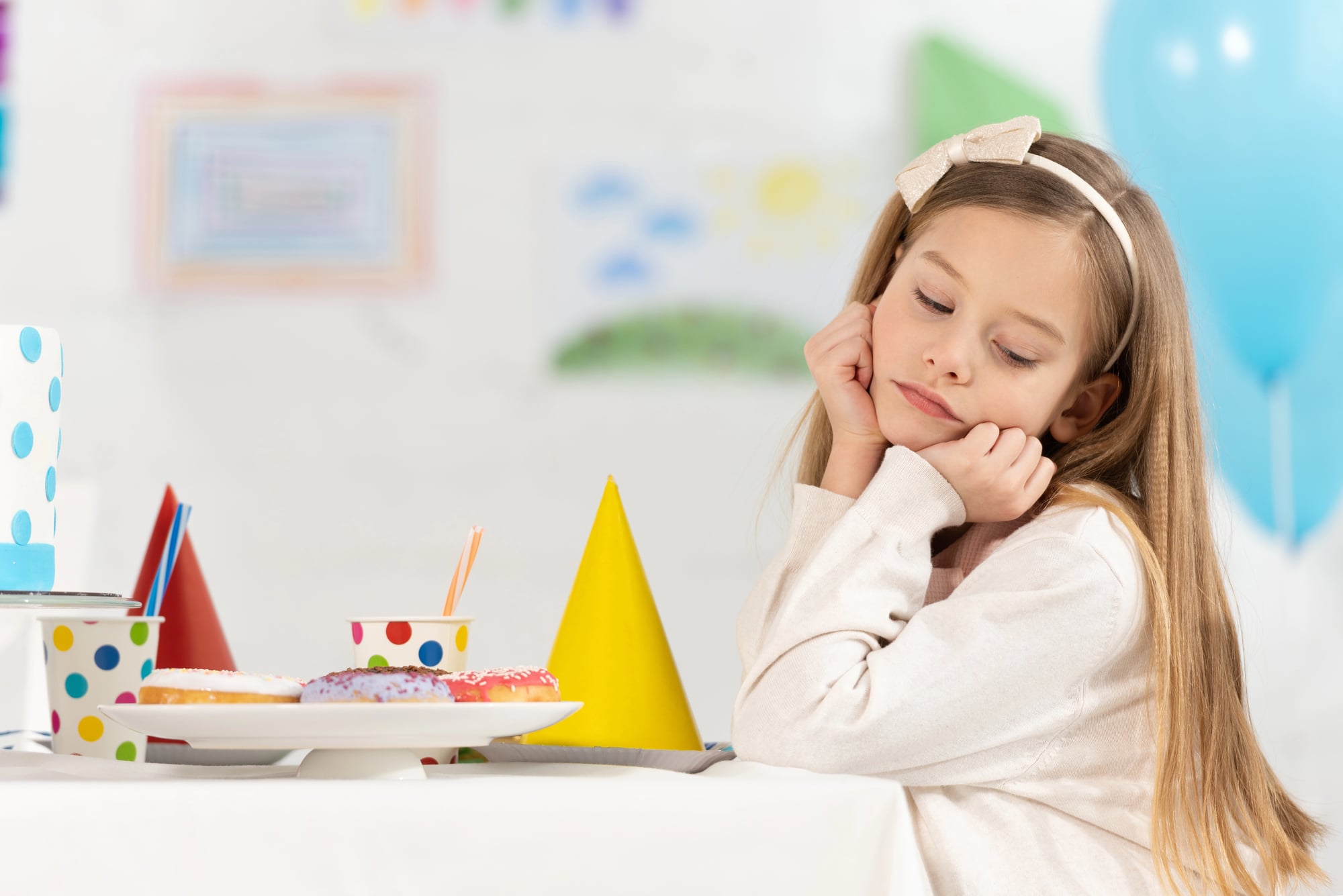
If the weather was nice, parties moved outside to the backyard. If it rained, everyone squeezed into the living room.
No one rented venues or worried about backup plans beyond these basic options. Flexibility was expected and accepted.
Music Came From Records
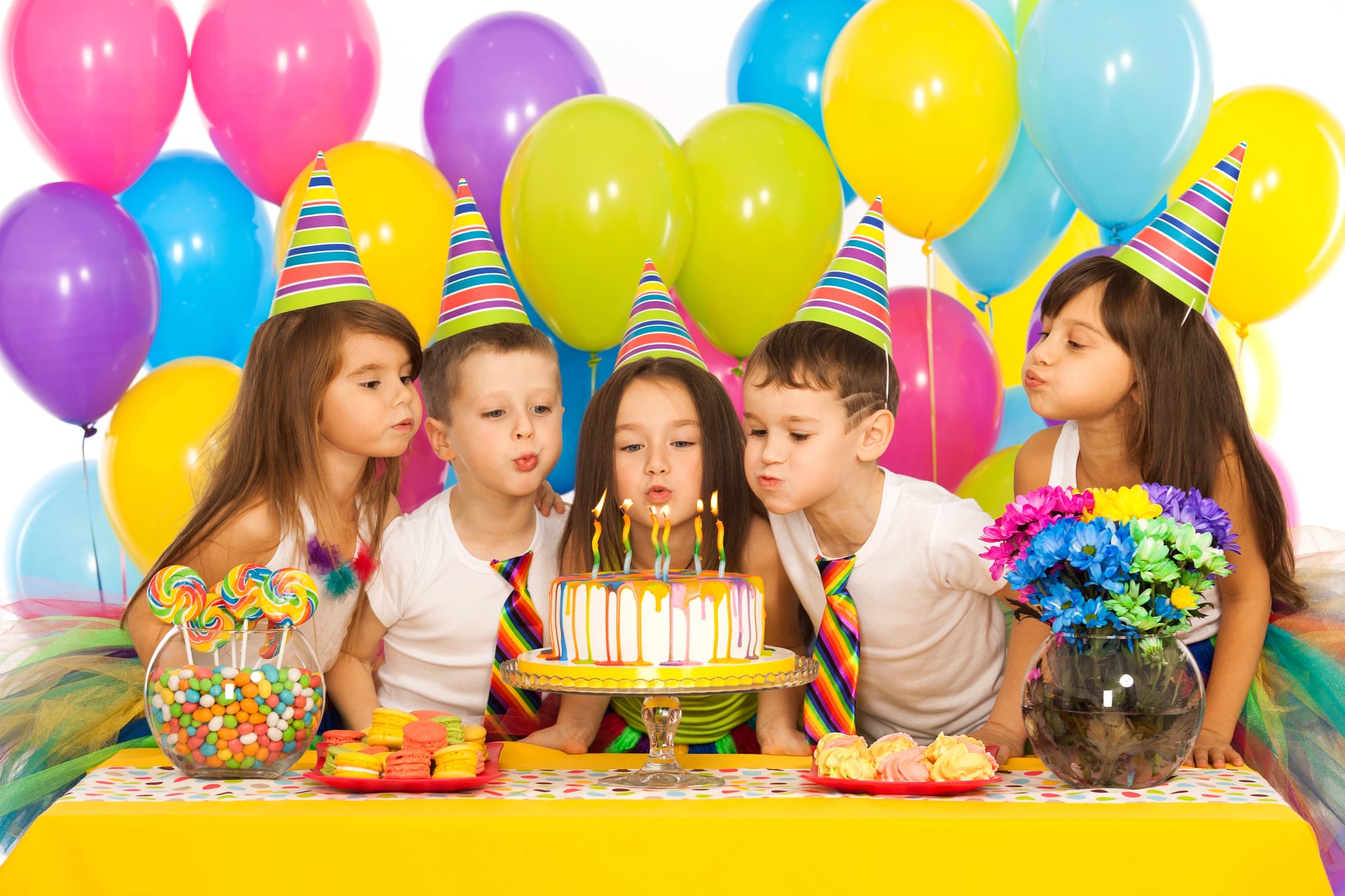
Entertainment meant putting records on the stereo and hoping the needle didn’t skip during musical chairs. Popular choices included Disney soundtracks or children’s records with songs like “The Hokey Pokey” and “London Bridge.”
The music was background to the activities rather than a produced experience.
Social Pressure Was Different
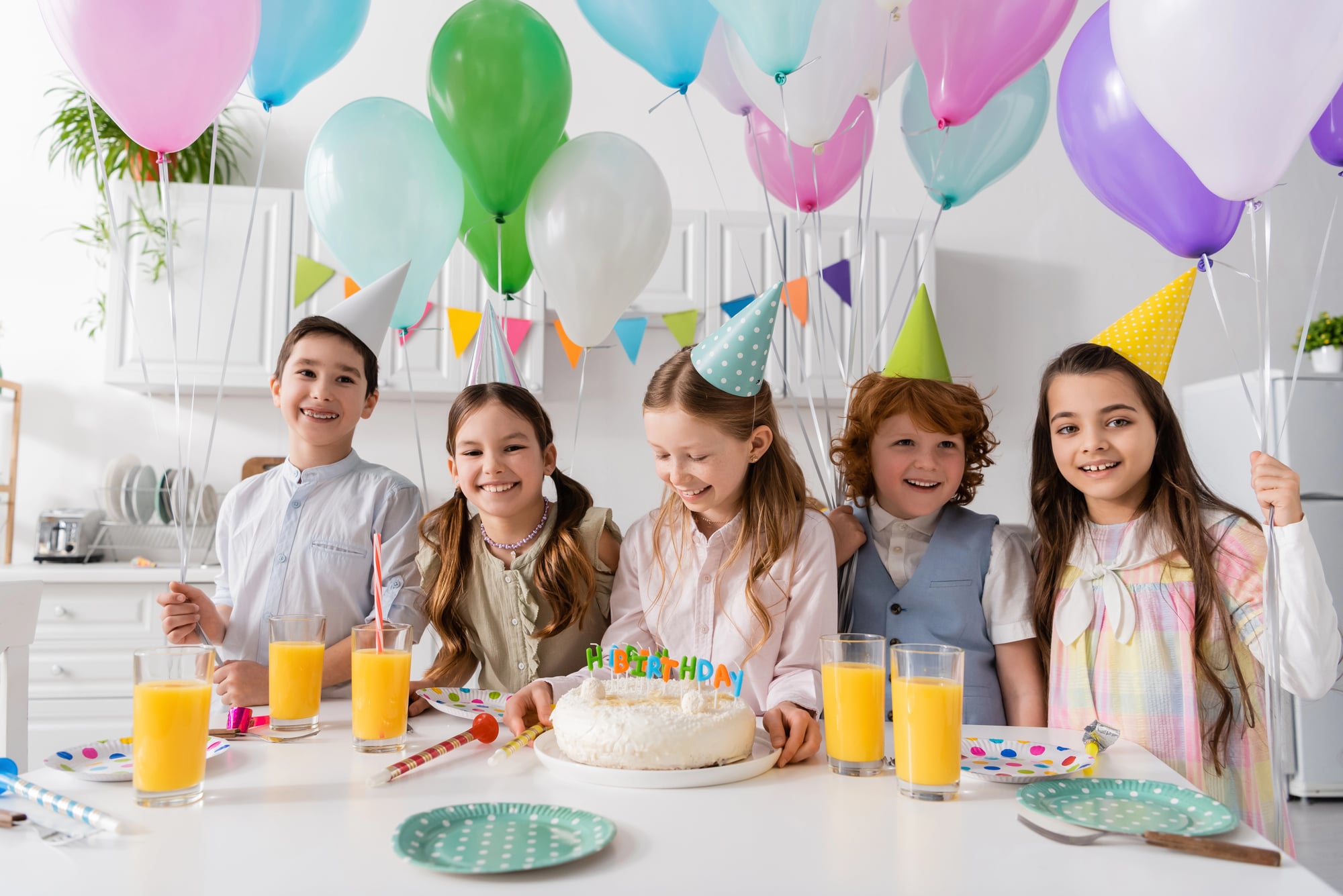
Parents didn’t compete with each other through their children’s birthday parties. There was no social media to document and compare celebrations, and the general expectation was that birthday parties would be modest, fun affairs rather than elaborate showcases of family resources or creativity.
The absence of constant comparison meant that children’s satisfaction came from their own experience rather than how their party measured against others they’d attended, and parents could focus on their own child’s happiness rather than managing their reputation within the community.
This created space for genuine celebration that didn’t carry the weight of performance.
When Simple Was Enough

Those 1960s birthday parties succeeded because they understood something important about childhood celebration—that joy comes from attention and intention rather than expense and complexity.
Children felt special because their families had set aside time and space to mark their growing up, not because elaborate productions had been mounted in their honor.
The limitations of budget and expectation created a framework where genuine fun could flourish without the pressure of perfection.
More from Go2Tutors!

- The Romanov Crown Jewels and Their Tragic Fate
- 13 Historical Mysteries That Science Still Can’t Solve
- Famous Hoaxes That Fooled the World for Years
- 15 Child Stars with Tragic Adult Lives
- 16 Famous Jewelry Pieces in History
Like Go2Tutors’s content? Follow us on MSN.