27 Food Court Favorites From the Mall’s Heyday
For a few decades, the enclosed mall was the closest thing many American suburbs had to a town square. Teenagers met there, parents shopped there, and nearly everyone ended up in the same bright ring of counters near the skylight.
The food court was loud, cheap and gloriously indecisive.
Some of those counters became national giants. Others faded along with the department stores that anchored them, leaving behind a smell of cinnamon and fryer oil that still hits harder than any photograph.
Orange Julius and Its Frothy Secret
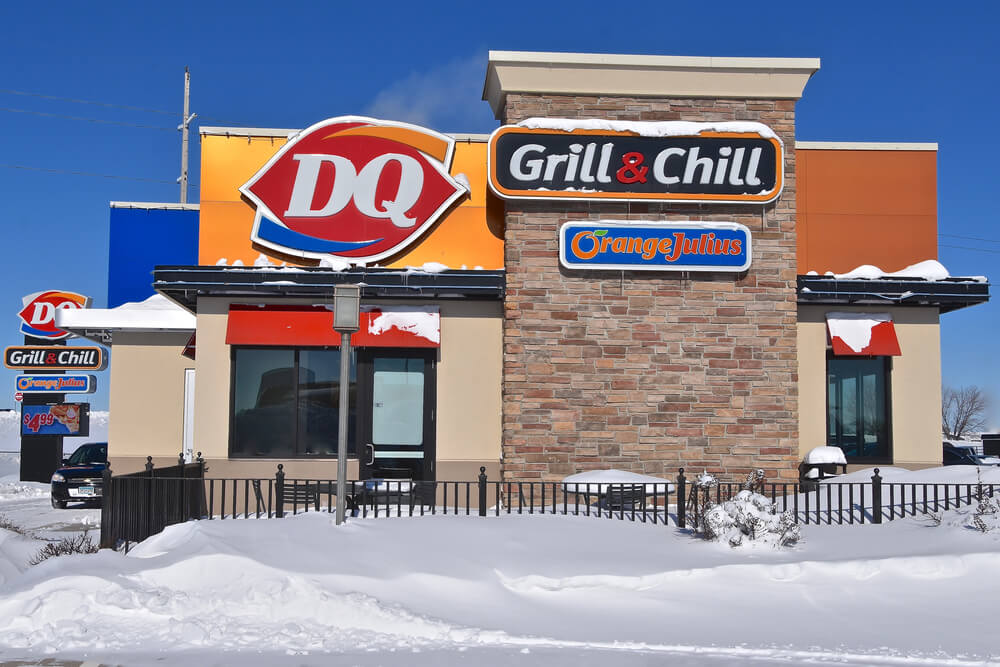
Julius Freed opened an orange juice stand in Los Angeles in 1926, and sales were modest until real estate agent Bill Hamlin devised a powdered mix that turned the juice creamy and foamy. Customers reportedly began calling out the owner’s name at the counter, and the drink took his first name for good.
Orange Julius was named an official drink of the 1964 New York World’s Fair, and by the mall era its counters were a fixture of nearly every shopping center. International Dairy Queen bought the brand in 1987, which is why the blended drink now often shows up next to a soft serve machine.
Hot Dog on a Stick at Muscle Beach
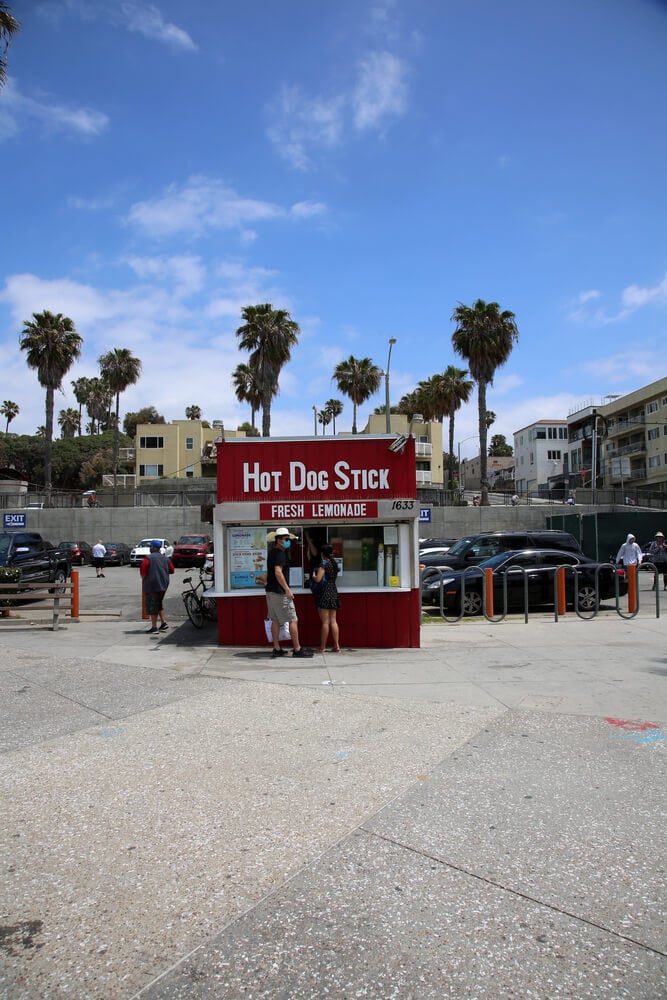
Dave Barham opened the first Hot Dog on a Stick near Muscle Beach in Santa Monica in 1946, frying batter-dipped franks on a stick based on a family recipe. The chain later became famous for its employees’ bright striped uniforms and tall, colorful hats, an outfit that generations of mall workers remember with mixed feelings.
Lemonade was pumped by hand in a large tub behind the counter, a bit of theater that drew crowds as much as the corn dogs did. The chain grew into a mall staple across the West and beyond.
Sbarro and the Slice Under Glass
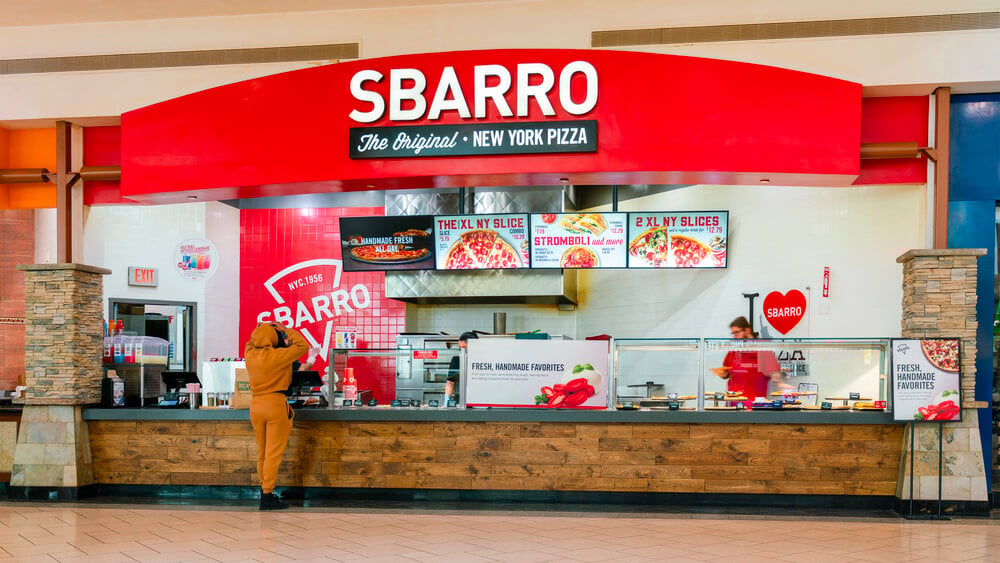
Carmela and Gennaro Sbarro opened an Italian grocery in Brooklyn in 1956, selling cured meats, cheeses and homemade dishes to the neighborhood. The family later shifted toward pizza by the slice, and the format proved perfect for shopping centers, where hungry customers could point at a pie behind glass and walk away in under a minute.
Wide, floppy New York-style slices and baked ziti became the company’s calling cards. Sbarro grew into one of the most recognizable names in food courts, and its counters spread to airports, travel plazas and casinos as foot traffic in malls declined.
Panda Express at the Glendale Galleria
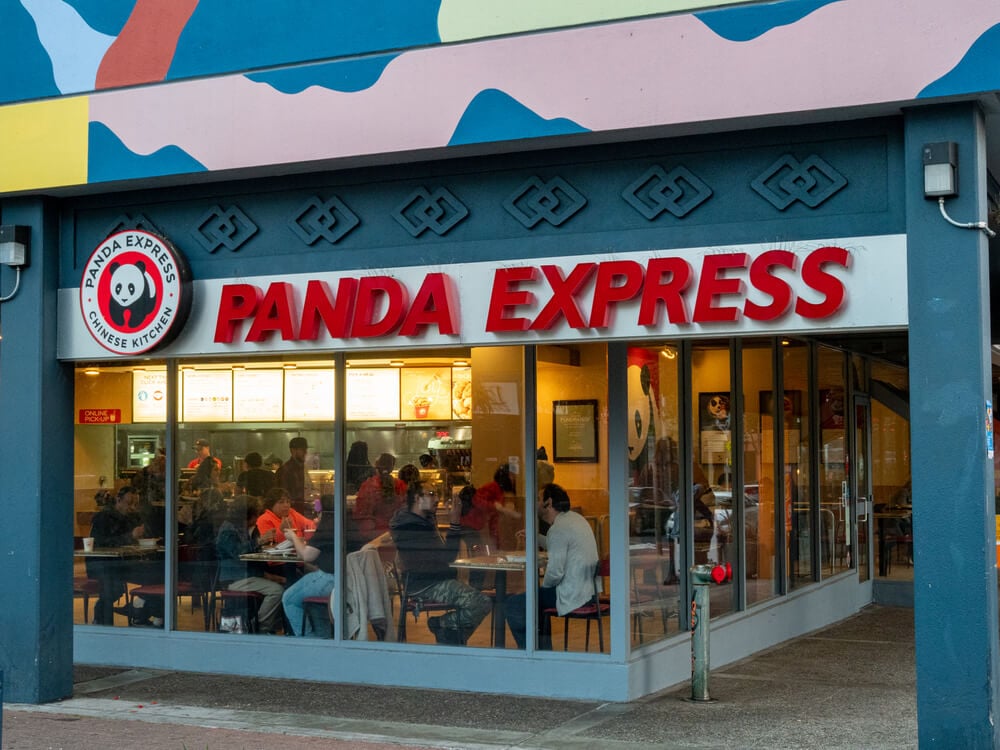
Andrew Cherng and his father, Ming-Tsai Cherng, opened Panda Inn in Pasadena in 1973, and the family brought a quick-service version to the Glendale Galleria in 1983. That counter became the first Panda Express, built specifically for the speed and volume of a mall.
Andrew’s wife, Peggy Cherng, an engineer by training, helped build the systems that let the chain scale up. Orange Chicken, developed by chef Andy Kao in 1987, became the menu’s signature, and the steam table of glossy entrees remains the template for countless mall Chinese counters since.
Cinnabon at SeaTac Mall
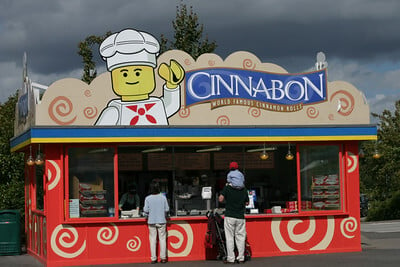
Father and son Rich and Greg Komen opened the first Cinnabon at SeaTac Mall in Federal Way, Washington, in 1985. The recipe used a Korintje cinnamon from Indonesia and a cream cheese frosting, and the rolls were baked in view of shoppers so the aroma could drift through the corridors.
That scent was arguably the best marketing tool any mall tenant ever had. Cinnabon later spread to airports and train stations, and its rolls became a cultural shorthand for the indulgent detour that nobody planned but almost everyone took on the way to the parking lot.
Chick-fil-A Inside Greenbriar Mall
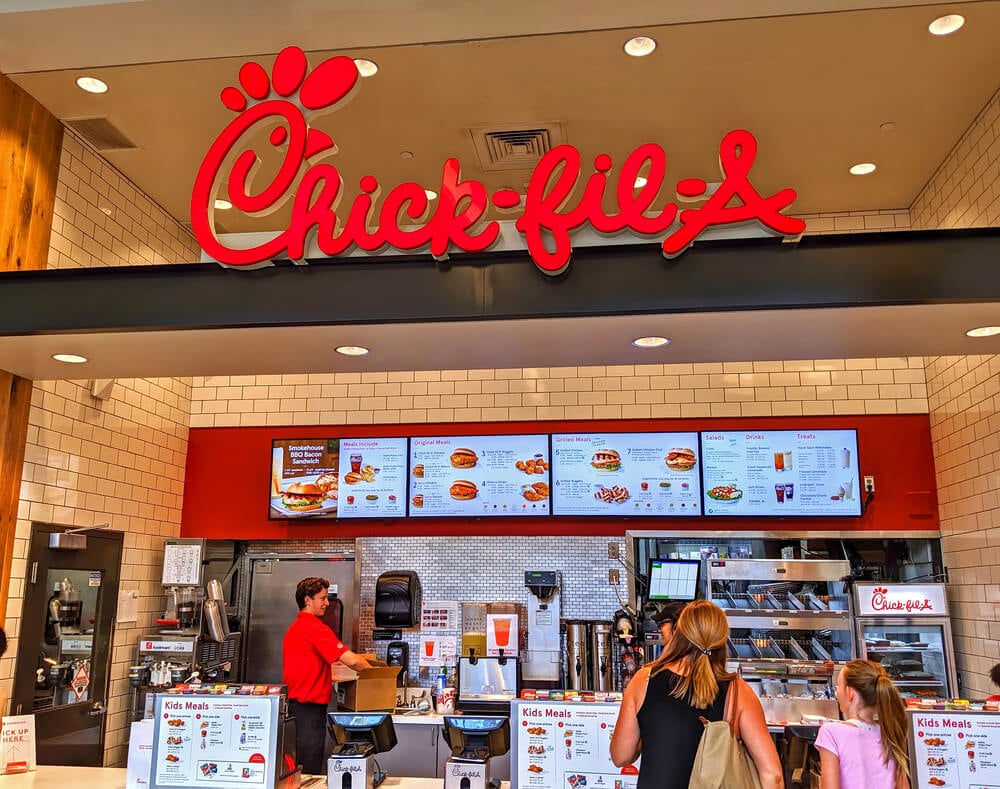
Truett Cathy had been selling his pressure-cooked chicken sandwich at his Dwarf House diner near Atlanta for years before he opened the first Chick-fil-A restaurant at Greenbriar Mall in 1967. For more than a decade, malls were the chain’s main home, and free sandwich samples on toothpicks became a familiar sight in food courts across the South.
The company did not open its first freestanding restaurant until 1986. The original Greenbriar location has since closed, but the mall roots explain why the brand still handles enormous lunch rushes with such practiced speed.
Auntie Anne’s Hand-Rolled Pretzels
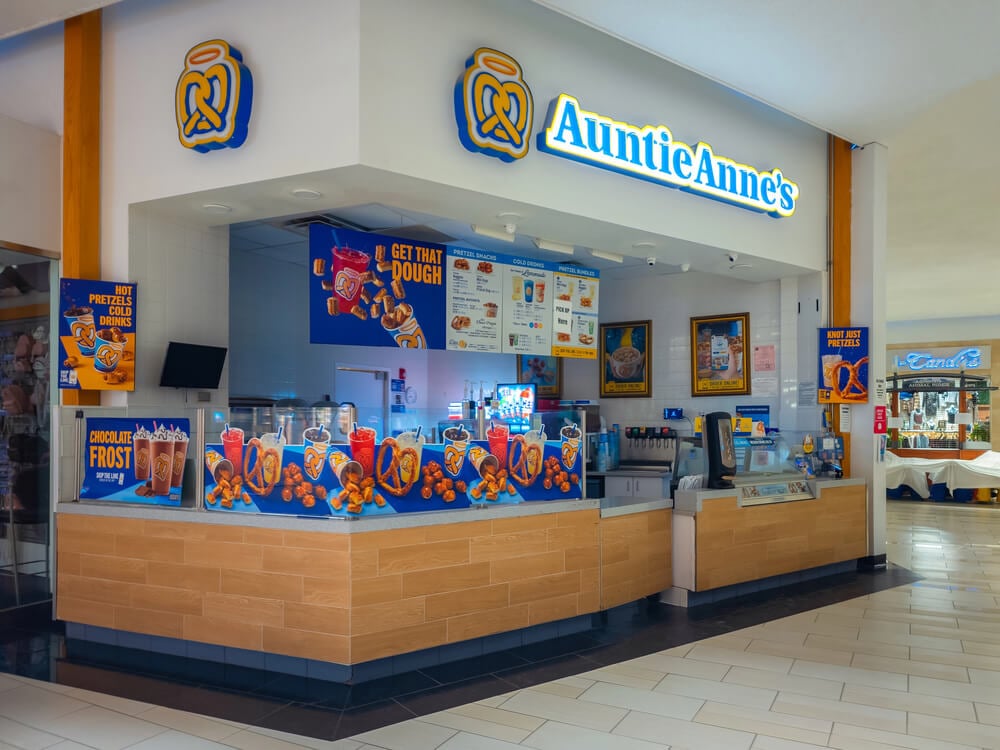
Anne Beiler opened her first pretzel stand in 1988 at a farmers market in Downingtown, Pennsylvania, after a recipe experiment turned into a hit with local shoppers. The soft, buttery twists were rolled and baked in view of customers, which made the counter part snack bar and part demonstration kitchen.
The chain moved quickly into malls, where pretzel nuggets and cinnamon sugar versions became favorites for walking and shopping at the same time. Pretzel Dogs, a hot dog baked inside pretzel dough, gave the menu a lunchtime option that blurred the line between snack and meal.
Wetzel’s Pretzels From Pasadena
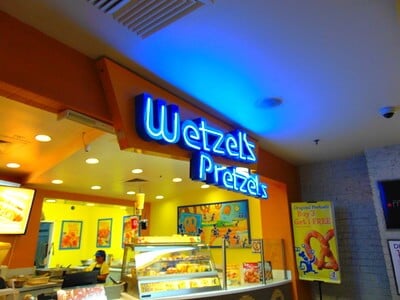
Rick Wetzel and Bill Phelps launched Wetzel’s Pretzels in Pasadena, California, in 1994, arriving late to a crowded pretzel market but leaning hard into personality. The brand used playful signs, bright colors and a loose, jokey tone that set it apart from the farm-stand image of its biggest rival.
Wetzel Dogs, pretzel-wrapped franks, sat alongside cheese dips and cinnamon sugar bites. The chain spread across West Coast malls and later went national, proving that even a snack as old as the pretzel could be sold as something new to a generation of teenagers.
Pretzel Time Counters
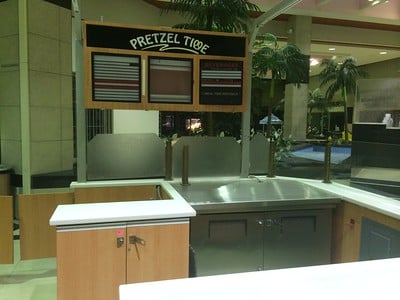
Pretzel Time was one of several pretzel chains that crowded mall corridors in the 1990s, part of a boom that put fresh twists on nearly every concourse. The brand eventually landed under the same corporate roof as Mrs. Fields and Pretzelmaker, and the competing names were later folded together.
Many shoppers remember Pretzel Time mainly for its warm, salted twists and sweet dipping sauces sold from small kiosks rather than full counters. Its fade is a tidy example of how food court brands could be bought, merged and renamed until only the snack itself survived.
Pretzelmaker and the Pretzel Wars
Pretzelmaker was another contender in the crowded pretzel field of the 1990s, competing directly with Auntie Anne’s, Wetzel’s and Pretzel Time for the same patch of tile. Its hand-twisted pretzels came in sweet and savory versions, and pretzel bites with dipping cups became a popular way to share.
Unlike some rivals, the name stuck around after the consolidation of the late 1990s, and Pretzelmaker counters can still be found in some malls. The brand’s survival says a lot about how many pretzel chains a single shopping center could support, which was apparently more than seems reasonable.
Hot Sam Pretzels Before the Boom
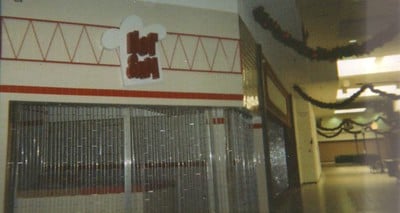
Long before the 1990s pretzel rush, Hot Sam Pretzels was selling soft pretzels in malls, and food writers have described it as the chain that set the standard for the format. The pretzels were dense, warm and generously salted, and the counters were a common stop in Midwestern shopping centers.
Hot Sam was eventually absorbed into the larger group that also owned Pretzel Time and Pretzelmaker, and the name largely disappeared from malls. Nostalgia pieces on vanished food court chains still list it near the top, a sign of how deeply it was tied to a certain kind of afternoon.
Great American Cookies and the Cookie Cake
Great American Cookies opened at Atlanta’s Perimeter Mall in 1977, founded by Michael Coles and Arthur Karp using a family chocolate chip recipe. The chain became best known for its giant cookie cakes, decorated with frosting messages for birthdays and graduations.
For many families, picking up one of those cakes at the mall was as standard as ordering a sheet cake from a grocery store. The individual cookies were sold warm and by the dozen, and the double doozie, two cookies sandwiched with frosting, became a signature treat for shoppers who could not choose.
Mrs. Fields and the Free Samples
Debbi Fields was 20 when she opened her first cookie store in Palo Alto, California, in 1977, with little business experience and plenty of skeptics. According to the company’s own story, sales were so slow on the first day that she walked outside and handed out free cookies to passersby, and the strategy worked.
Mrs. Fields grew into a national chain with counters in malls and airports, and the warm, soft-baked cookie became the brand’s entire identity, minus the crunch. Its success helped turn the cookie counter into a standard food court category.
Steak Escape at the World’s Fair
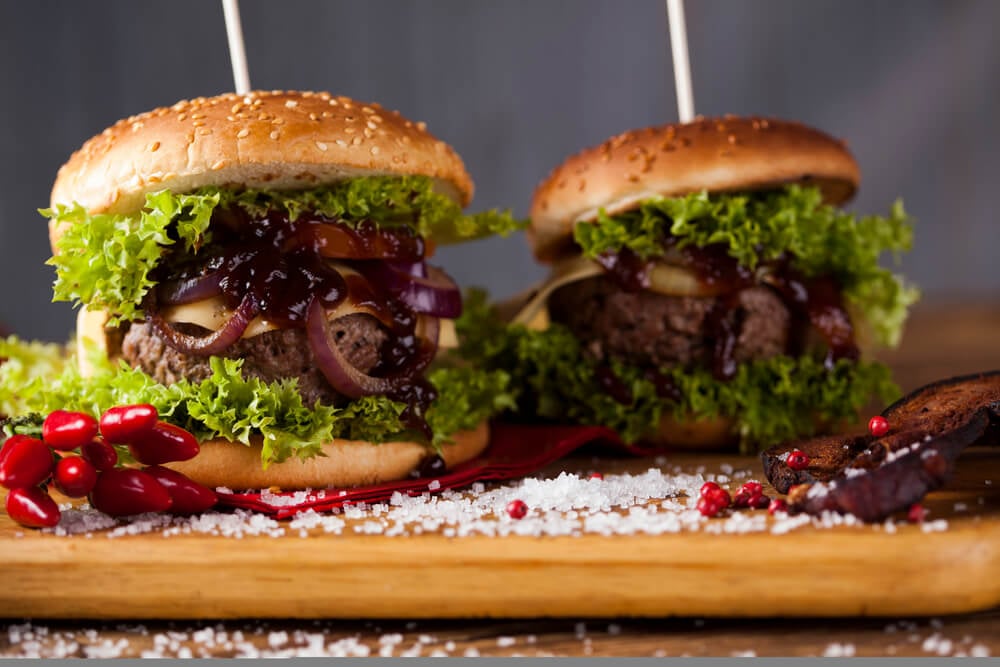
Steak Escape traces its beginnings to the 1982 World’s Fair in Knoxville, Tennessee, where the founders sold grilled steak sandwiches to fairgoers. The concept moved into malls, where cooks chopped steak and vegetables on an open flat-top grill, making plenty of noise and sizzle in front of the line.
Fresh-cut fries and lemonade rounded out the order. The chain became a food court regular through the 1980s and 1990s, and it is still based in Columbus, Ohio, where newer locations have tried to recapture some of that original fairground appeal.
Charleys and the Campus Cheesesteak
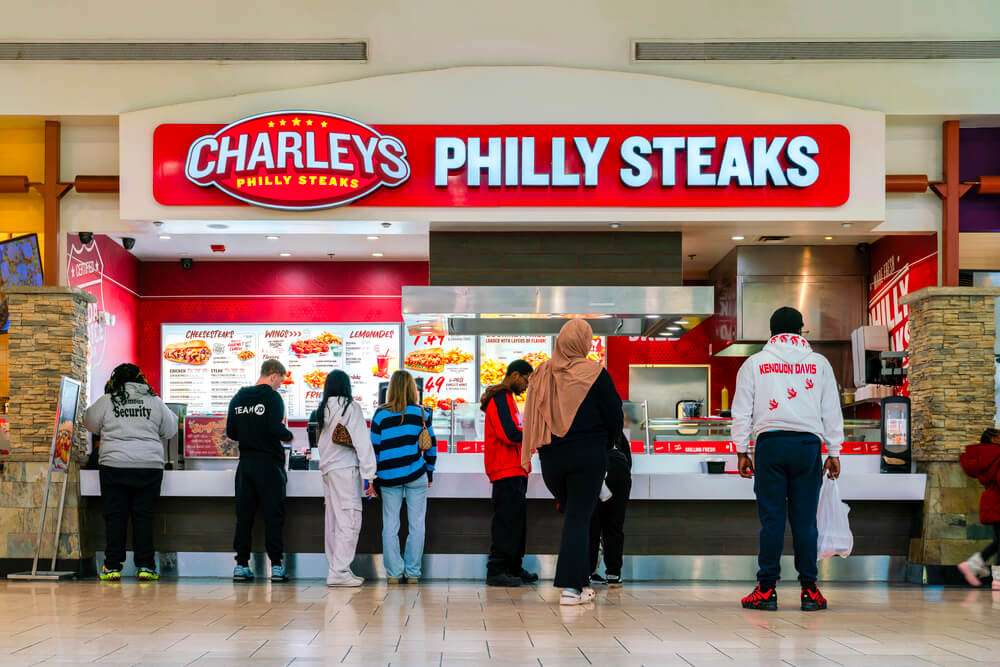
Charley Shin was a student at Ohio State University when he opened a cheesesteak shop near campus in Columbus in 1986. The business, first known as Charley’s Steakery, moved into malls and built its reputation on Philly-style sandwiches grilled to order and fresh-cut fries.
Its lemonade, shaken by hand in tall cups, gave the counter a bit of performance to match the grill. Today the company operates as Charleys Cheesesteaks with hundreds of locations, many still inside shopping centers and military bases, a long run for an idea that grew out of a college neighborhood.
Sarku Japan and Teriyaki on a Toothpick
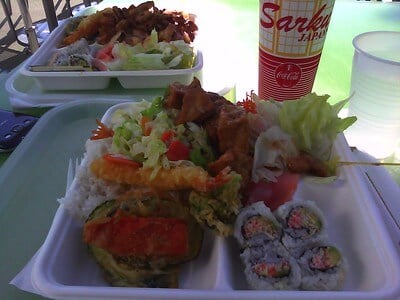
Sarku Japan has served chicken teriyaki in food courts since the late 1980s, and for many shoppers it defined what Japanese food at the mall meant. Cooks grill chicken on a flat-top in full view, slice it with a quick rhythm and pile it over rice with a sweet glossy sauce.
The chain became famous for workers standing in the aisle offering samples on toothpicks to anyone walking past. That sampling tactic was so persistent and so effective that it became a running joke about mall food courts, and Sarku counters are still opening in some cities.
Manchu Wok Out of Canada
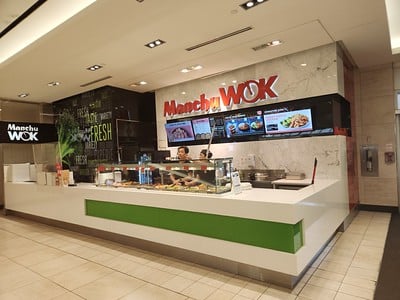
Manchu Wok launched in Canada in 1980 and grew into one of the largest Chinese food court chains in North America, with locations on both sides of the border. Its menu leaned on stir-fried noodles, fried rice, honey garlic chicken and sweet and sour pork, served quickly from steam trays.
The red-and-gold signage became a familiar sight in Canadian and American shopping centers alike. Manchu Wok competed directly with Panda Express for the same lunch crowds, and its counters still appear in some malls, though far fewer than in the brand’s busiest years.
Bourbon Chicken Samples
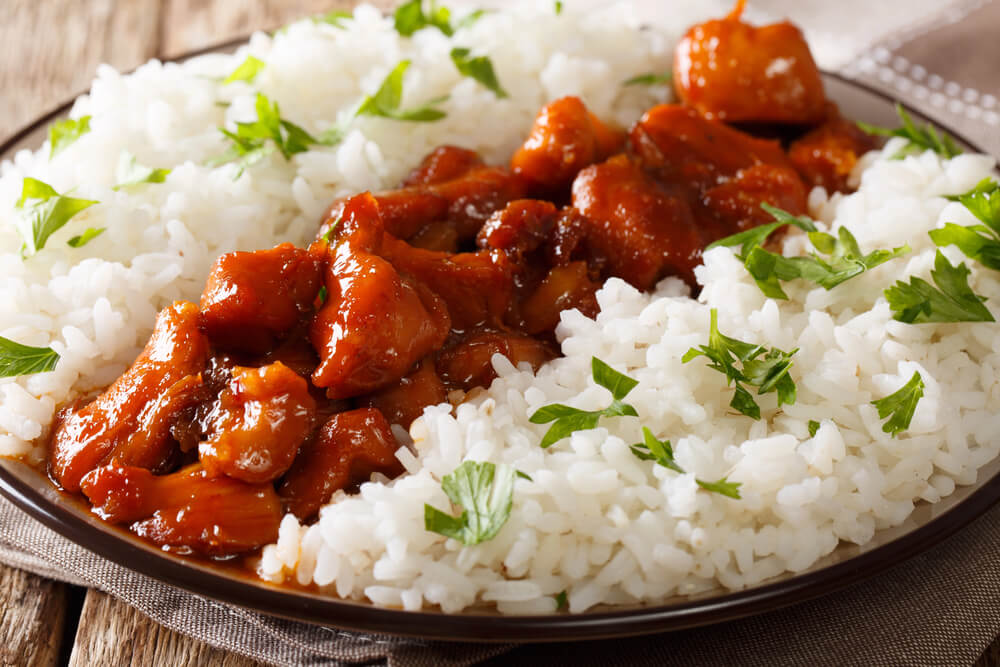
Bourbon chicken became one of the most recognizable dishes at mall Chinese and Cajun counters, often handed out on toothpicks by workers trying to win over passing shoppers. The dish is usually explained as being named after Bourbon Street in New Orleans, though its exact origin is murky.
Dark meat is cooked in a sweet, sticky sauce of soy, brown sugar and ginger, and many recipes contain little or no actual bourbon. The free sample was the point, since one bite could steer an undecided shopper away from the pizza line entirely.
Villa Italian Kitchen Pasta Trays
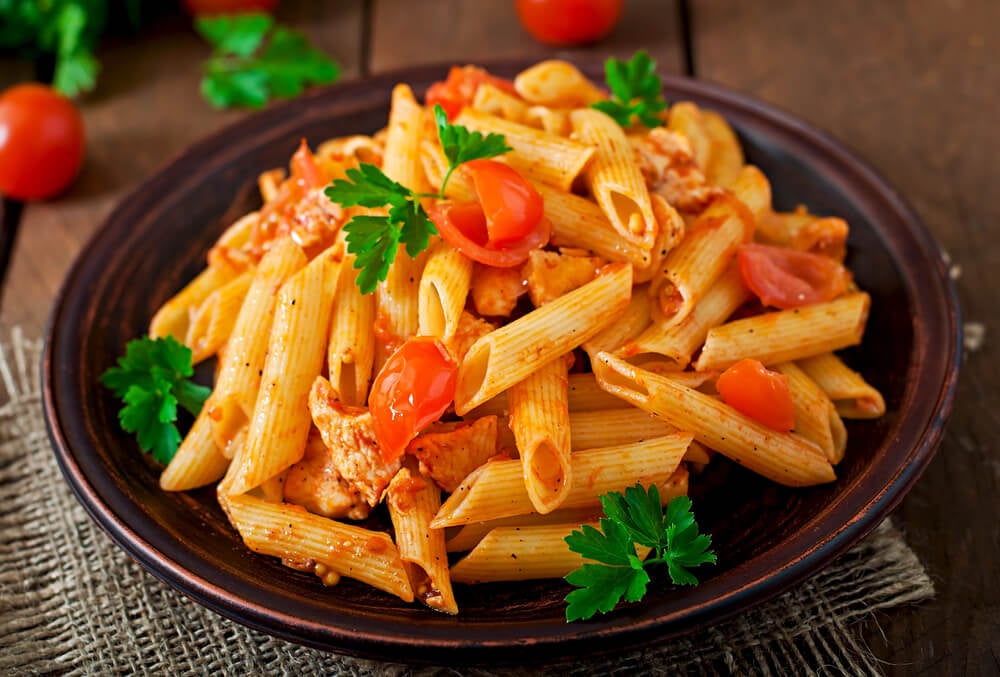
Villa Italian Kitchen grew out of a New York-area family pizza business that dates to the 1960s and expanded into malls with a cafeteria-style setup. Shoppers moved along a counter of baked pastas, stuffed shells, chicken parmigiana and big square slices of pizza, picking a plate the way they might at a family dinner.
The brand built its reputation on hearty portions at food court prices. Villa remains a family-run company based in New Jersey, and its counters are still found in many malls, airports and outlet centers across the country.
TCBY and the Frozen Yogurt Craze
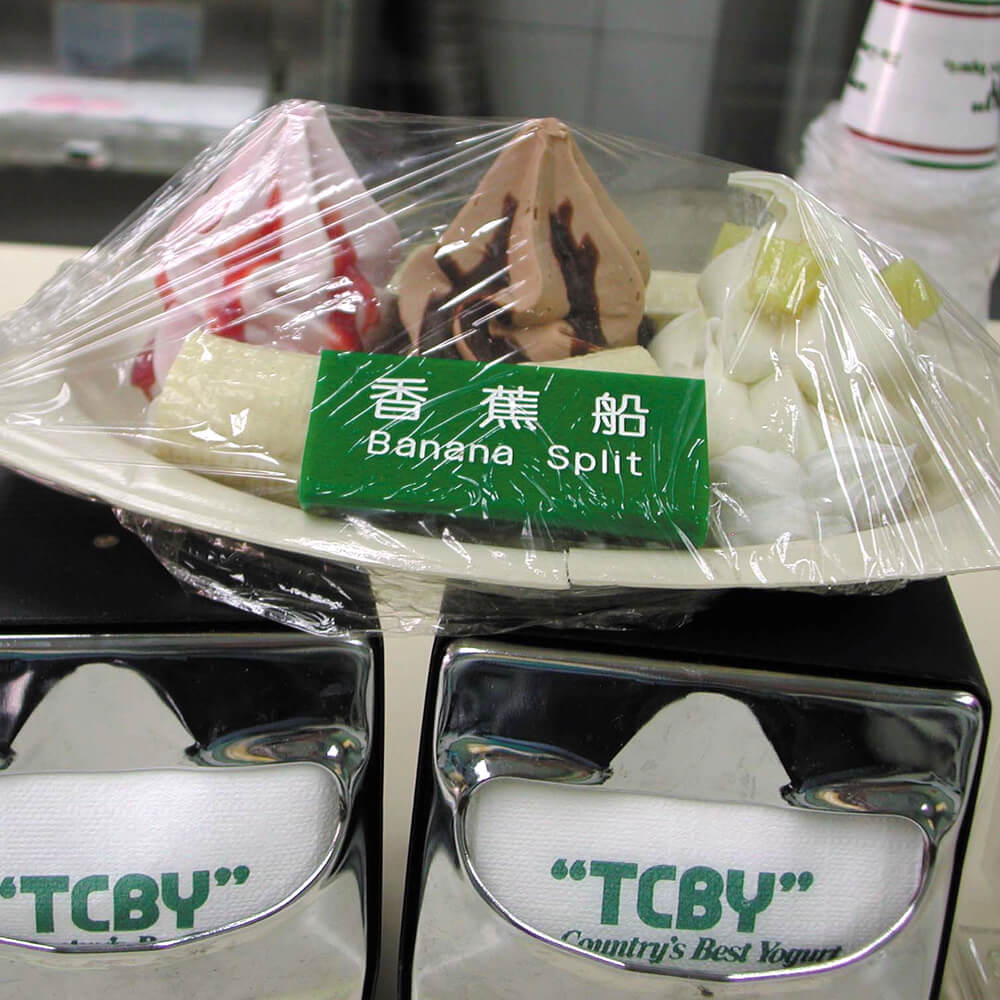
Frank and Julia Hickingbotham opened the first TCBY in Little Rock, Arkansas, in 1981, and the initials originally stood for This Can’t Be Yogurt. After a legal dispute with a rival yogurt chain, the company changed the meaning to The Country’s Best Yogurt.
TCBY rode the 1980s frozen yogurt boom, when soft serve yogurt was marketed as the lighter alternative to ice cream. Its mall counters, with waffle cones and candy toppings, became a reliable stop for shoppers who wanted dessert without admitting it, and the brand helped turn frozen yogurt into a national habit.
Dippin’ Dots From Paducah
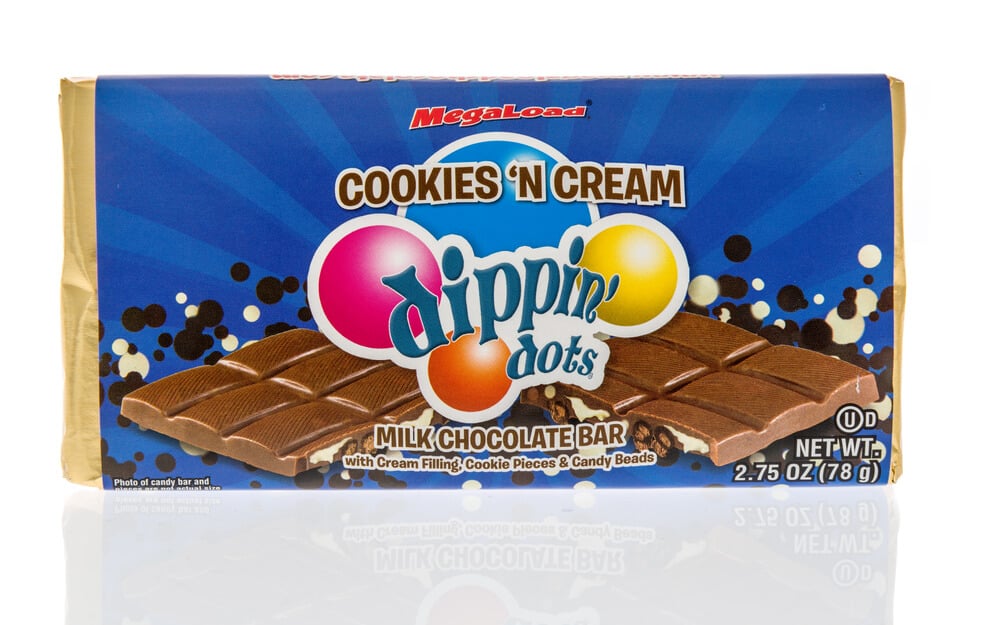
Microbiologist Curt Jones founded Dippin’ Dots in Paducah, Kentucky, in 1988, after experimenting with flash-freezing ice cream using liquid nitrogen. The result was tiny beads of ice cream that had to be stored at extremely low temperatures, far colder than a standard freezer.
The company’s longtime branding called it the ice cream of the future, a phrase that stuck to it for decades. Dippin’ Dots carts and counters showed up at malls, theme parks and stadiums, and for kids in the 1990s, the cups of colorful pellets felt like dessert from a science fiction movie.
Karmelkorn’s Glazed Popcorn
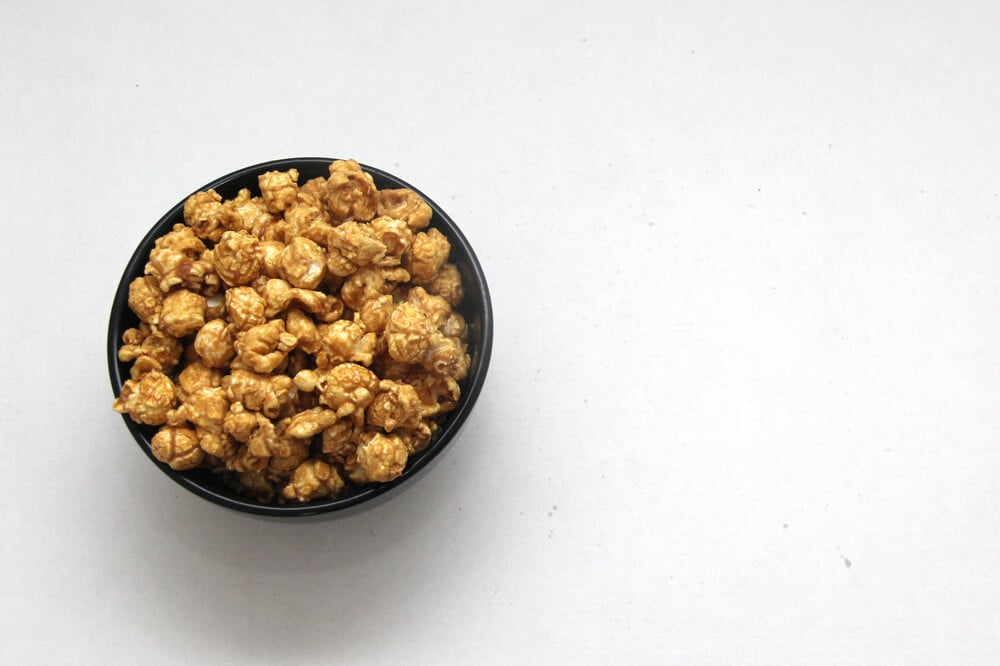
Karmelkorn dates to 1929 and became a long-running seller of caramel corn and flavored popcorn, with shops that eventually moved into malls across the country. The smell of warm caramel coating popcorn in copper kettles worked on shoppers much the way Cinnabon’s cinnamon did.
International Dairy Queen acquired the brand in the 1980s, and Karmelkorn treats were sometimes sold inside Dairy Queen and Orange Julius locations. Most standalone Karmelkorn shops have since disappeared, which makes the name a deep cut for anyone who remembers buying a bag before a movie at the mall.
Gloria Jean’s Coffee Before Coffee Was Everywhere
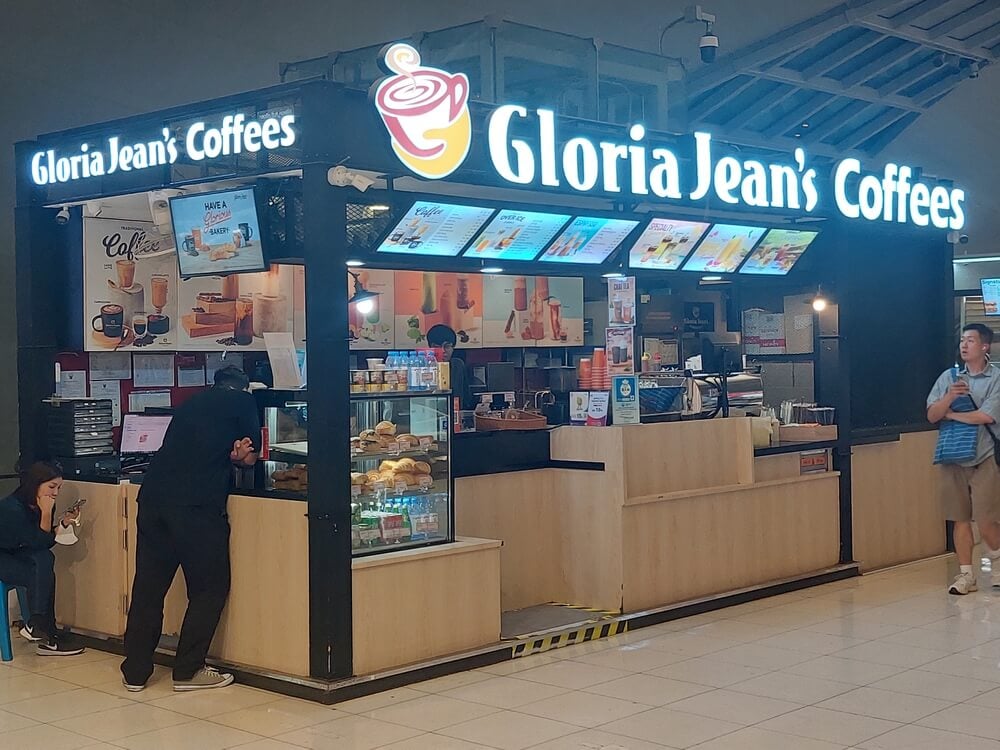
Gloria Jean’s Coffees began in suburban Chicago in 1979, founded by Gloria Jean Kvetko and her husband, Ed, and grew largely through mall locations. Long before coffee shops sat on every corner, Gloria Jean’s offered flavored beans, specialty drinks and bags of fresh-roasted beans to mall shoppers.
The brand helped introduce many Americans to flavored coffees like hazelnut and vanilla. In a twist, the name later became far bigger in Australia than in the United States, after an Australian franchise group bought the rights and turned it into a major coffee chain there.
Nathan’s Famous at the Mall
Nathan Handwerker opened his hot dog stand at Coney Island in 1916, selling franks for five cents and undercutting nearby competitors. The business grew into Nathan’s Famous, and its crinkle-cut fries and all-beef franks eventually made their way into food courts, travel plazas and stadiums.
A mall counter could not match the boardwalk setting, but it carried the same name and the same snap. The brand’s annual Fourth of July eating contest keeps Nathan’s in the headlines every summer, though its mall locations quietly did much of the work of making the name national.
Taco Time and Its Mexi-Fries
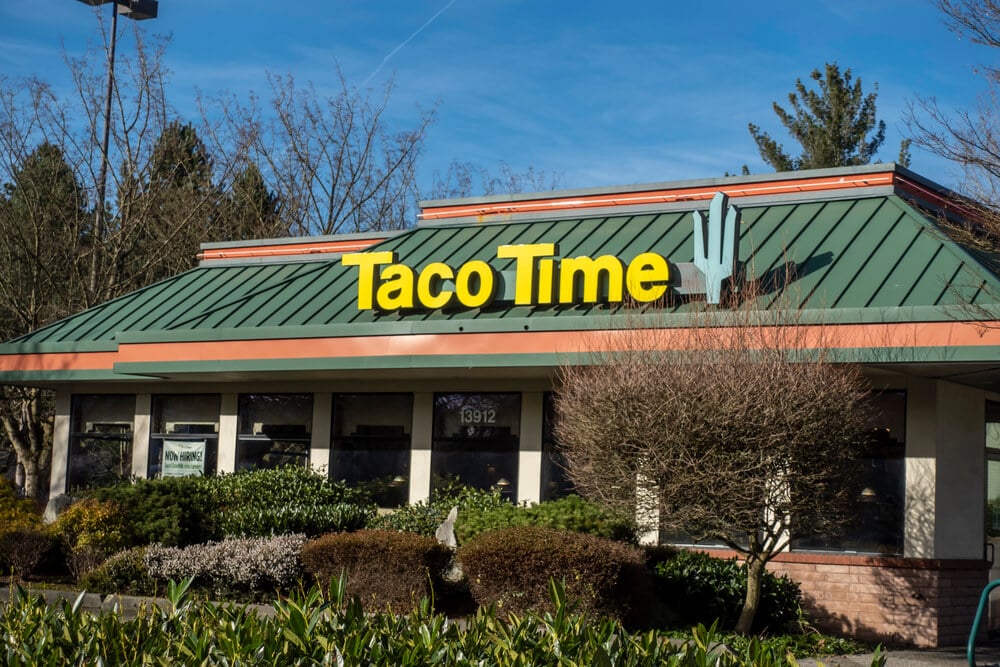
Ron Fraizer opened the first Taco Time in Eugene, Oregon, in 1960, and the chain grew into a regional favorite across the Pacific Northwest. Its menu featured crisp burritos and soft tacos, but the item that loyal fans mention first is Mexi-Fries, seasoned potato rounds served with dipping sauce.
Mall locations brought Taco Time to shoppers far from Oregon, and for many it was the only Mexican option in the food court. The brand remains closely associated with Washington and Oregon, where its Mexi-Fries still have a devoted following.
Johnny Rockets and the Jukebox Counter
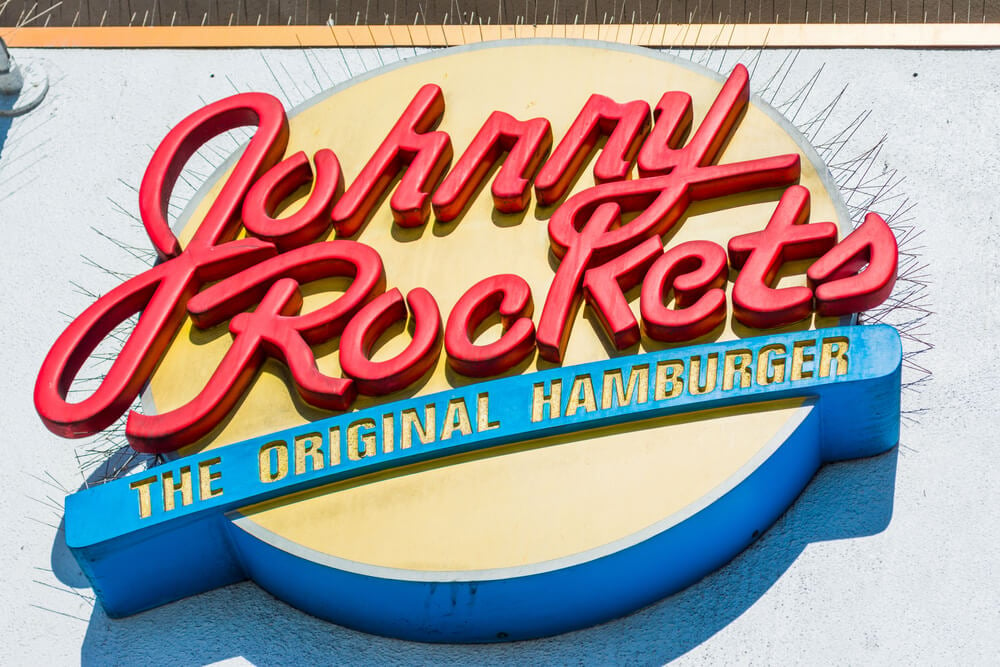
Ronn Teitelbaum opened the first Johnny Rockets on Melrose Avenue in Los Angeles in 1986, styling it after a classic 1940s and 1950s diner. The chain later moved into malls with chrome counters, red stools and tabletop jukeboxes, giving shoppers a sit-down retro experience in the middle of a modern food court.
Servers often drew a smiley face in ketchup on the plate before setting down the fries. Johnny Rockets became one of the more theatrical stops in any mall, selling burgers and shakes along with a nostalgia that was already secondhand when the first counter opened.
Blimpie Subs on the Concourse
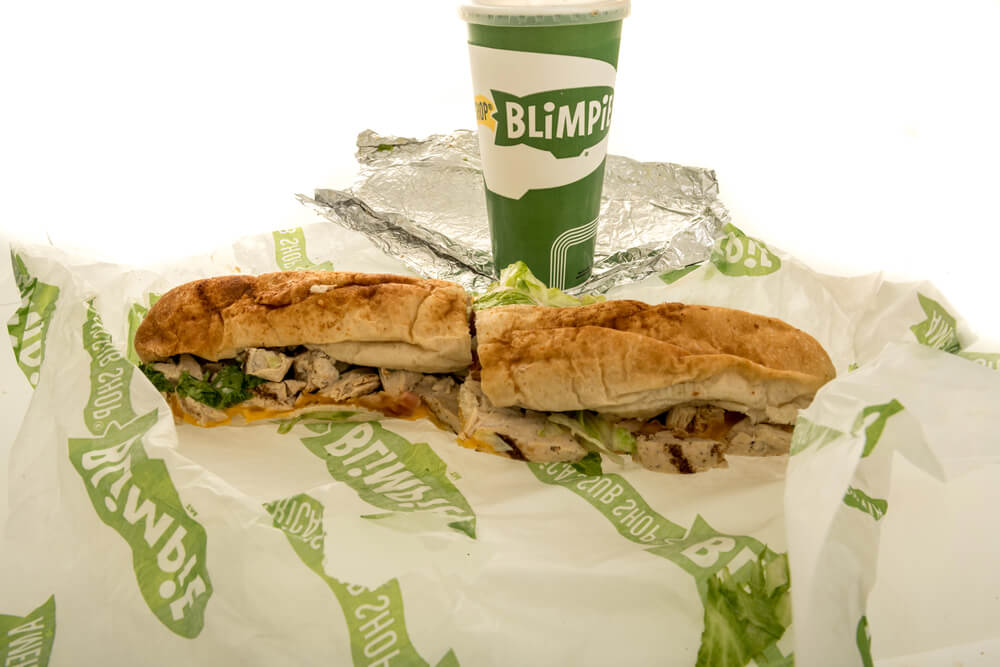
Blimpie began in Hoboken, New Jersey, in 1964, when Tony Conza, Peter DeCarlo and Peter Castellotti opened a sandwich shop and named it after a blimp. The chain’s long, stacked subs fit food court life perfectly, quick to build and easy to carry to a crowded table.
Blimpie grew into one of the larger sub chains in the country during the 1980s and 1990s, with many locations inside malls and convenience stores. As other sub chains expanded aggressively, Blimpie’s footprint shrank, but its name still turns up in some shopping centers and travel stops.
Escalators to Nowhere in Particular
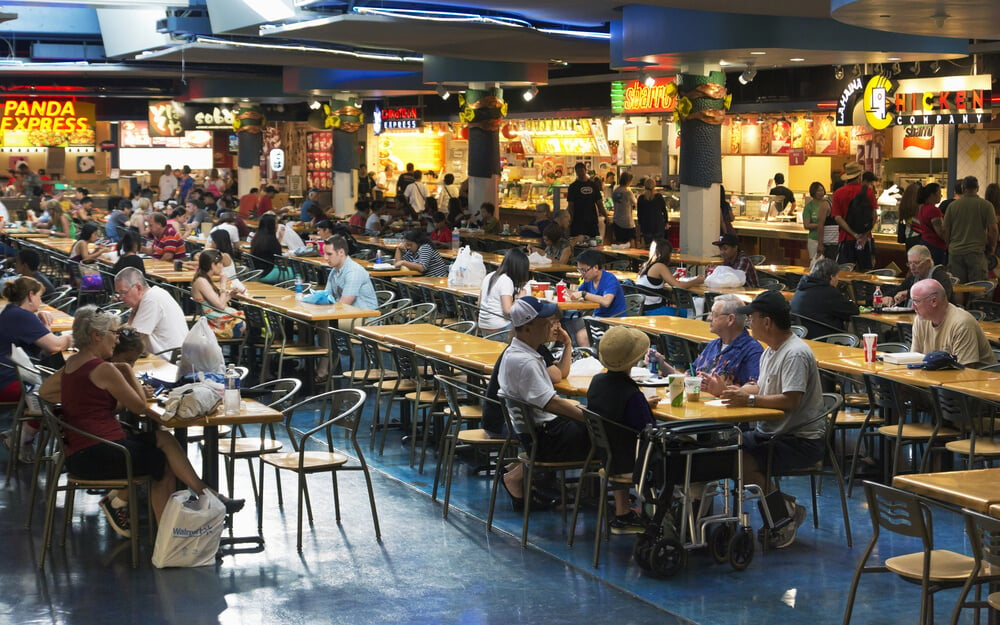
Most of these counters sold food that could have been eaten anywhere, but nobody really went to the food court for the food alone. It was the place to sit after buying jeans, to meet friends without a plan and to drift from pretzels to teriyaki samples to frozen yogurt in a single loop.
The menus mattered less than the freedom to wander between them. A family of five could eat from five different kitchens and still sit at the same table.
Many of those malls are now half empty or gone, and the chains that survived did so by moving to airports, highways and city blocks. The cinnamon rolls taste much the same, but the setting has changed, and with it the feeling of having an entire afternoon to waste.
Food courts offered an ordinary kind of abundance that seemed permanent at the time. Few things vanish as quietly as a place everyone assumed would always be there.
More from Go2Tutors!

- The Romanov Crown Jewels and Their Tragic Fate
- 13 Historical Mysteries That Science Still Can’t Solve
- Famous Hoaxes That Fooled the World for Years
- 15 Child Stars with Tragic Adult Lives
- 16 Famous Jewelry Pieces in History
Like Go2Tutors’s content? Follow us on MSN.