10 Toys That Sparked Massive Cultural Controversies
Toys should bring joy, spark imagination, and provide harmless entertainment. Most accomplish exactly that. Sometimes though, a toy hits the market and sets off fierce debates extending well beyond any playroom. These controversies often expose deeper cultural tensions about values, safety concerns, appropriateness—plus what society wants children learning through play.
Whether it’s violence worries, materialism debates, gender role discussions, or religious sensitivities, certain toys have managed to divide parents, educators, and entire communities. Here is a list of 10 toys that sparked massive cultural controversies, each becoming a lightning rod for broader social debates.
Barbie
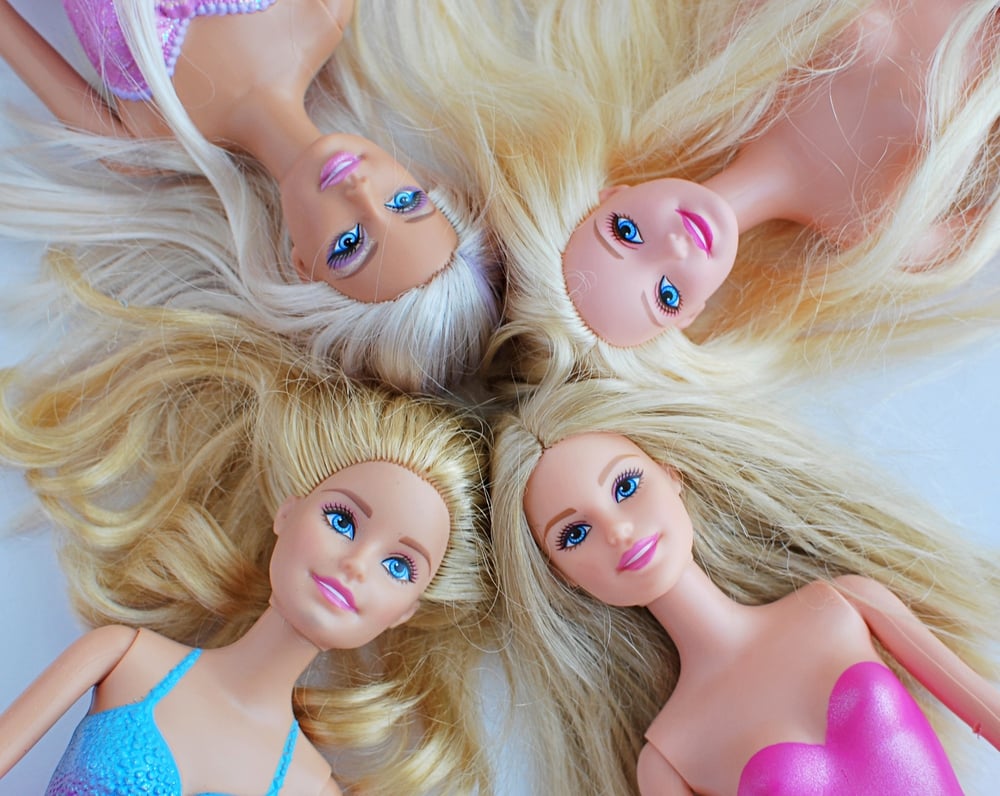
— Photo by indrepau
Barbie’s 1959 debut immediately sparked debates about body image that haven’t stopped since. Critics said her impossibly proportioned figure promoted unrealistic expectations for young girls—reinforcing harmful stereotypes about femininity too. Supporters shot back that Barbie represented independence, career ambition, pointing to her many professional roles from astronaut to president.
G.I. Joe

— Photo by ctrphotos
G.I. Joe launched in 1964 as ‘America’s Movable Fighting Man’ yet became the center of heated debates about militarism in children’s play. Anti-war activists during Vietnam protested the toy as military propaganda glorifying combat—encouraging aggressive behavior in impressionable minds. Hasbro eventually repositioned him as an ‘Adventure Team’ member, distancing the brand from direct military associations.
Cabbage Patch Kids

— Photo by mkopka
The 1980s Cabbage Patch Kids craze sparked unexpected controversies beyond those notorious shopping stampedes. Religious groups objected to the dolls’ cabbage patch birth story—claiming it contradicted traditional teachings about human reproduction. Those adoption certificates included with each doll raised concerns about trivializing real adoption processes too.
Teenage Mutant Ninja Turtles
— Photo by Aisyaqilumar
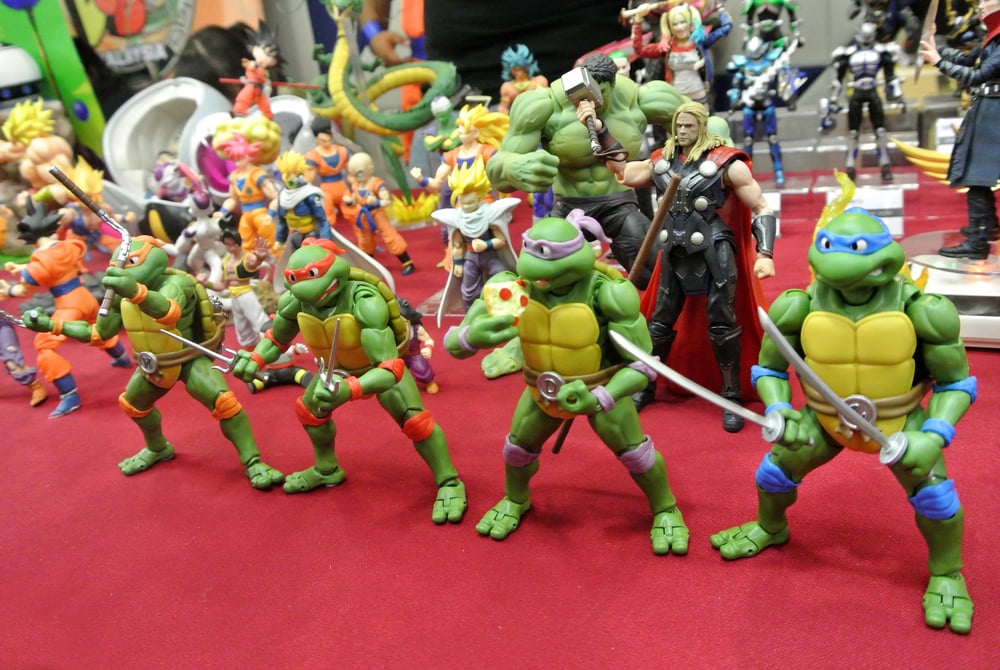
Parents launched full campaigns against Ninja Turtles toys during the late 1980s—arguing they promoted violence plus inappropriate behavior patterns. School districts banned the toys along with related merchandise, claiming they encouraged martial arts combat while teaching kids to disrespect authority figures. Things got worse when some children were injured trying to recreate the turtles’ fighting moves.
Pokémon Cards
— Photo by joaquincorbalan
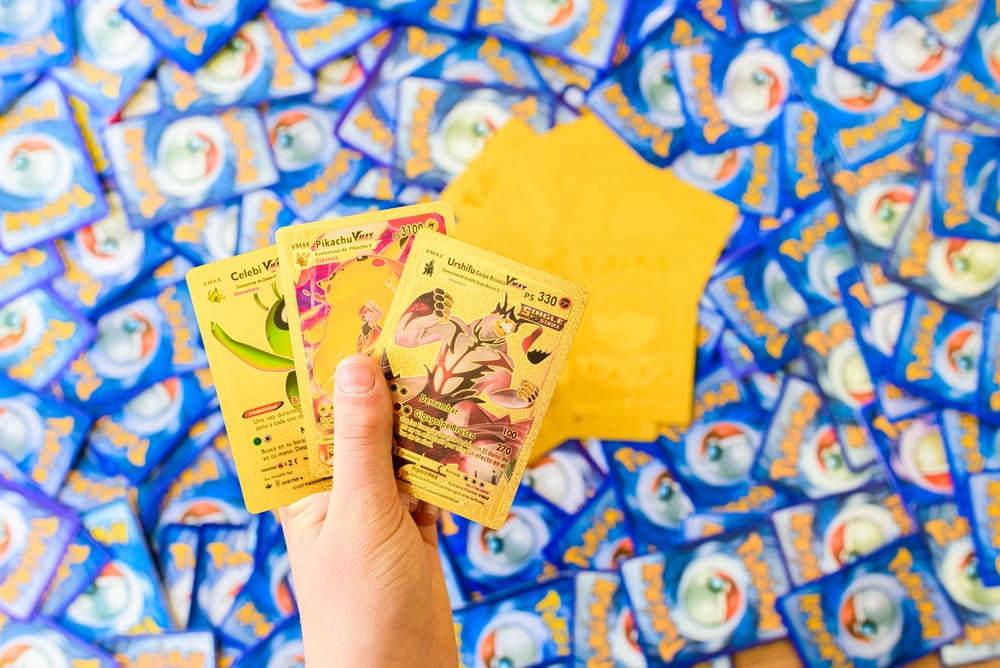
Pokémon trading cards created absolute chaos in elementary schools across America throughout the late 1990s—leading to widespread bans plus heated parent-teacher conferences. School administrators complained that the cards caused gambling-like behavior, theft, and disruptive trading that seriously interfered with education. Some religious groups criticized the game’s fantasy elements too, though evolution themes proved particularly controversial among certain communities.
Furby

— Illustration by nicescene
Electronic Furby toys launched in 1998 but quickly faced bans from government offices over security concerns. Officials worried the toys’ ability to ‘learn’ plus repeat phrases could potentially record sensitive information—despite manufacturer assurances they contained zero recording capabilities. The controversy highlighted growing anxieties about surveillance technology creeping into everyday objects.
Grand Theft Auto Toys

Action figures based on Grand Theft Auto sparked outrage from parent groups arguing they made mature content accessible to young children. Critics noted the game carried an M-rating for mature audiences only—yet toy versions were sold in general toy aisles. Retailers eventually moved these items to adult sections or pulled them entirely following sustained public pressure.
Bratz Dolls

Bratz dolls faced intense criticism from parents arguing their appearance was way too mature for young children. The dolls’ heavy makeup, revealing clothing, plus that ‘passion for fashion’ tagline drew accusations of premature development concerns—though supporters insisted they encouraged creative self-expression. Several countries considered restrictions while parent groups organized boycotts.
Mighty Morphin Power Rangers

Power Rangers action figures became controversial when educators connected them to increased playground violence incidents. Schools reported spikes in martial arts-related injuries after the show’s debut—prompting many to ban the toys completely. The controversy spread internationally too, with several countries restricting Power Rangers merchandise due to similar safety concerns.
Monster High Dolls

Monster High dolls attracted criticism from religious groups and conservative parents objecting to their gothic appearance and supernatural themes. Critics argued that dolls inspired by classic movie monsters were inappropriate for children and promoted dark interests. Some school districts banned the dolls from classrooms and dress-up events, treating them as potential gateway items to more serious concerns.
Playground Politics Never End

These toy controversies show how playthings often become battlegrounds for larger cultural debates about childhood, values, and social change. Modern parents keep grappling with similar concerns about screen time, violence, and age-appropriate content—though the specific toys causing anxiety have evolved with technology and popular culture. Each generation seems destined to find fresh reasons for worrying about what their children play with, ensuring the intersection of toys and controversy remains a constant childhood feature. The debates may shift, yet that underlying parental desire to guide and protect young minds through play choices stays as strong as ever.
More from Go2Tutors!

- 16 Historical Figures Who Were Nothing Like You Think
- 12 Things Sold in the 80s That Are Now Illegal
- 15 VHS Tapes That Could Be Worth Thousands
- 17 Historical “What Ifs” That Would Have Changed Everything
- 18 TV Shows That Vanished Without a Finale
Like Go2Tutors’s content? Follow us on MSN.