18 Milkshake Shops and Malt Counters From Small Towns
A good malted can make a Main Street feel like the center of the universe for about twelve minutes. The counter is short, the stools spin, and somebody behind the register knows exactly how thick everyone likes it.
Some of the places below are real shops that still carry the old fountain tradition, and some are the gadgets, ingredients, and characters that made the tradition possible. Together they explain why a milkshake from a small-town counter tastes like it came from another decade.
Olson’s Drug and Soda Fountain in Conrad, Montana
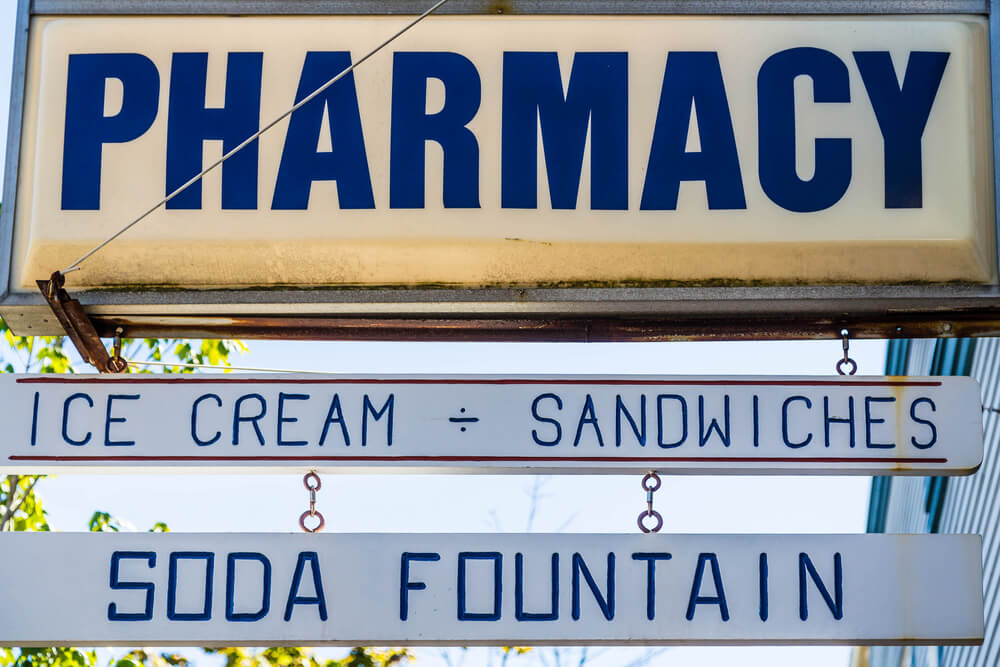
Olson’s Drug & Soda Fountain sits in Conrad, Montana, the seat of Pondera County on the plains east of the Rocky Mountain Front. The shop is a drugstore first and a fountain second, which is how nearly every fountain in the country began life.
Ice cream sodas and shakes are made at the counter, a few steps from the shelves of everyday remedies. In a town this size, the stool beside the register doubles as the local news desk.
Chugwater Soda Fountain in Chugwater, Wyoming
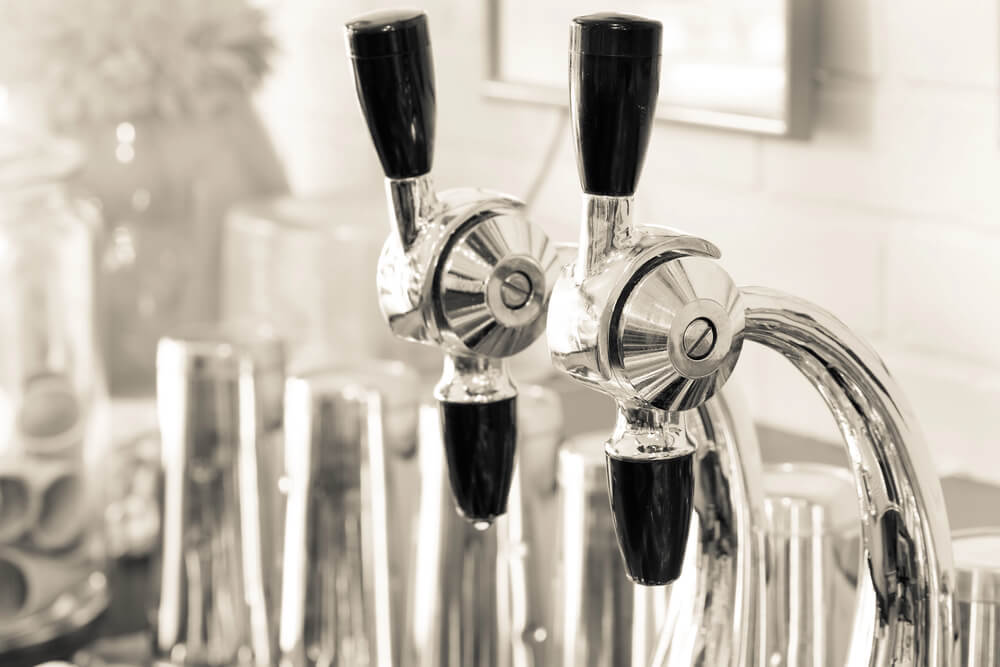
The Chugwater Soda Fountain in Chugwater, Wyoming, is widely billed as the oldest soda fountain in the state. The town takes its name from Chugwater Creek, and the shop sits along the old ranching country between Cheyenne and Wheatland.
The building also holds racks of candy and old-time toys, so a malt order comes with plenty to browse while the spindle mixer whirs. Few places pack that much sugar into one small room.
Cole Drug in Big Timber, Montana
Cole Drug anchors the business district of Big Timber, Montana, the county seat of Sweet Grass County. The town sits just off Interstate 90 along the Yellowstone River, so travelers heading between Billings and Bozeman can reach the counter in minutes.
The intact drugstore fountain, with its stools and old-style serving gear, makes the stop feel like a detour into 1955. A fountain that survives without any gimmick is usually doing something right with the scoops.
Penn Drug Co. in Sidney, Iowa
Penn Drug Co. serves its fountain drinks in Sidney, Iowa, the seat of Fremont County in the state’s southwest corner. The shop pairs pharmacy shelves with a milkshake machine, which is the original small-town business model in miniature.
Sidney is known for its annual summer rodeo, so the counter fills up on warm nights. Locals order shakes in the same room where they pick up their prescriptions, and nobody finds that strange.
Springfield Soda Fountain in Springfield, Nebraska
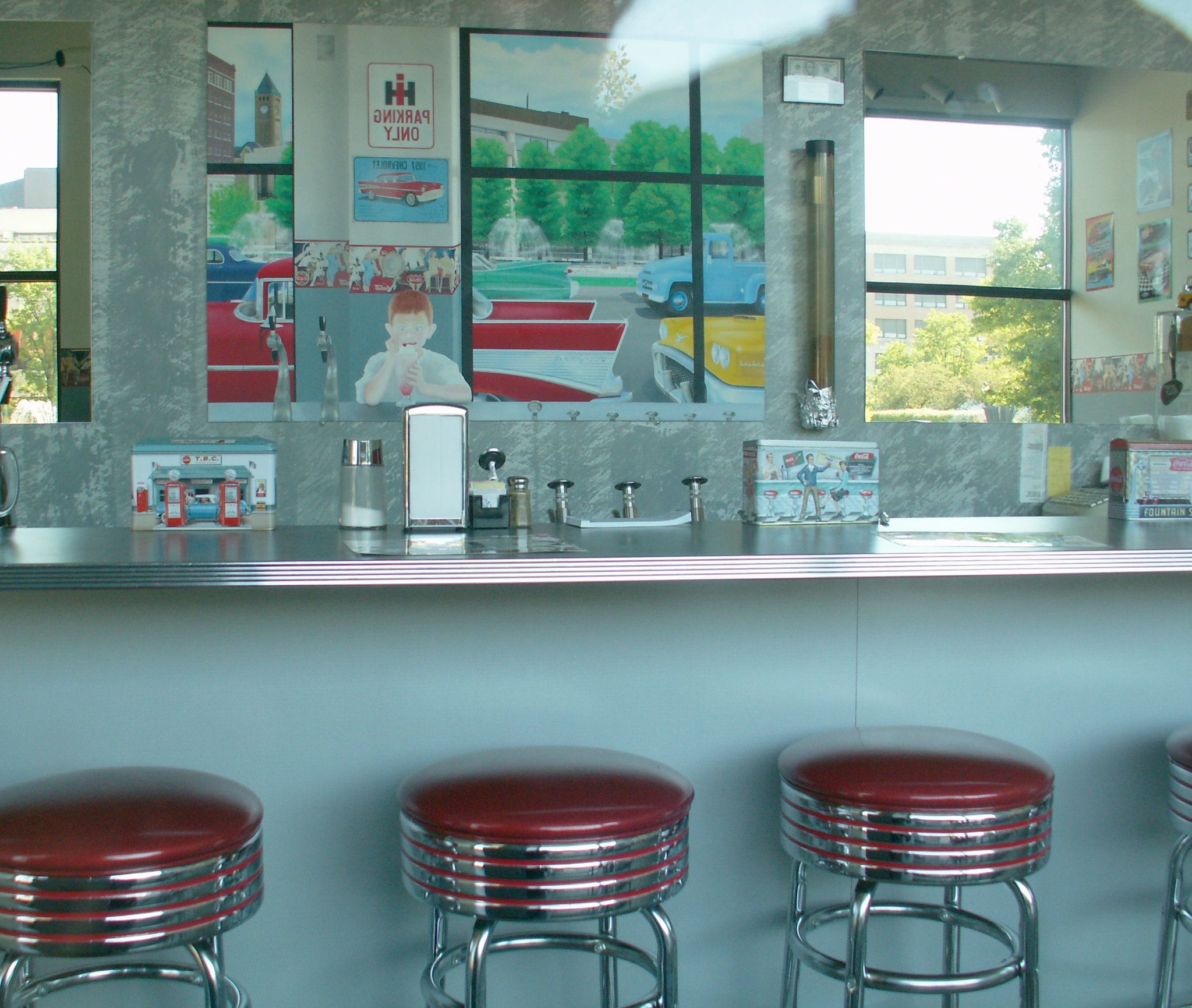
The Springfield Soda Fountain operates in Springfield, Nebraska, a small community in Sarpy County just south of the Omaha metro area. A town of that scale rarely supports more than a handful of storefronts, so the fountain becomes the default meeting place for after-school crowds and Saturday errands.
Shakes come out of the mixer thick enough to hold a straw upright. The shop proves that a soda counter can still anchor a Main Street within commuting distance of a major city.
Arapahoe Pharmacy in Arapahoe, Nebraska
The Arapahoe Pharmacy runs an old-fashioned soda fountain from 507 Nebraska Avenue in Arapahoe, Nebraska. The town sits in Furnas County in the southern part of the state, in farm country where the nearest large city is a long drive away.
Prescriptions and scoops share the same building, and the milkshake counter draws travelers who want something better than a highway stop. A soda fountain that survives inside a working pharmacy keeps alive the exact arrangement that created it.
Soda Shoppe Cafe in Hays, Kansas
The Soda Shoppe Cafe in Hays, Kansas, serves old-fashioned fountain drinks in a regional hub of western Kansas. Hays sits along Interstate 70, which makes the cafe a natural stop for drivers crossing the plains.
The shop leans on the classic counter ritual of syrup, scoops, and fizzing water. A malt here arrives cold enough to fog the glass on a July afternoon.
Robinson’s Drugstore in Dayton, Tennessee

F. E. Robinson’s Drugstore stood on Main Street in Dayton, Tennessee, and the 1925 Scopes trial was hatched at its soda fountain. Local businessmen, including mining engineer George Rappleyea, gathered over drinks and agreed to challenge the state’s Butler Act by finding a teacher willing to be charged.
Young John Scopes was a regular around town, and the trial that followed in the Rhea County courthouse made Dayton famous worldwide. A debate that shaped American education began over soda water.
The Hamilton Beach Drink Mixer
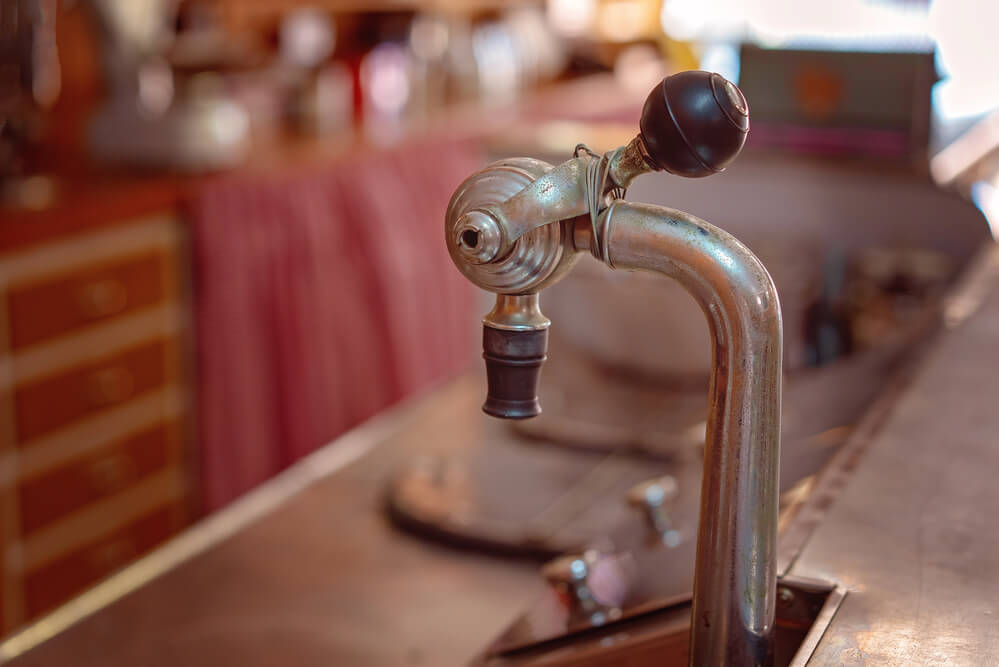
Hamilton Beach, a company with roots in Racine, Wisconsin, supplied the whirring drink mixers that sat on soda fountain counters for much of the twentieth century. The commercial spindle mixer had a motor mounted on a tall stand and one or more agitators that dropped straight into a metal cup.
Vintage units from the mid-century era turn up in colors like jadeite green and are still traded by collectors. Prices depend heavily on condition, and a working mixer sells for far more than one that only looks good.
The Steel Cup That Held the Shake
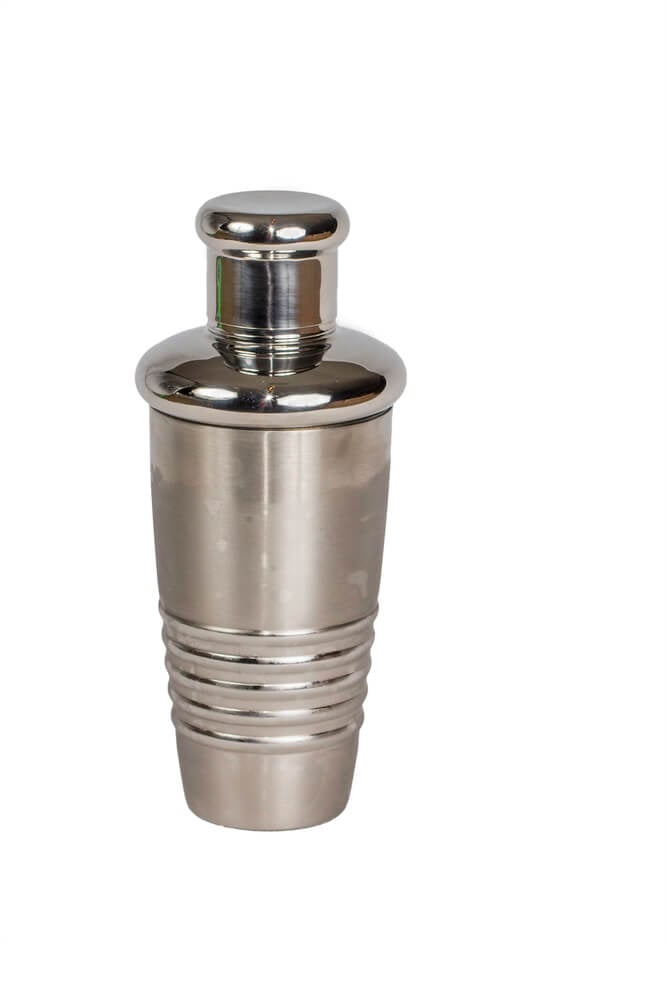
The tall metal mixing cup is the unsung hero of the malt counter, since it chills quickly and goes straight onto the spindle. A good cup is deep enough to hold more than a glass, which is why a shake usually arrives in a glass with extra still waiting.
The metal also stays cold long enough to keep the drink thick. Collectors who find old cups know that dents and wear affect their value.
The Extra in the Tin
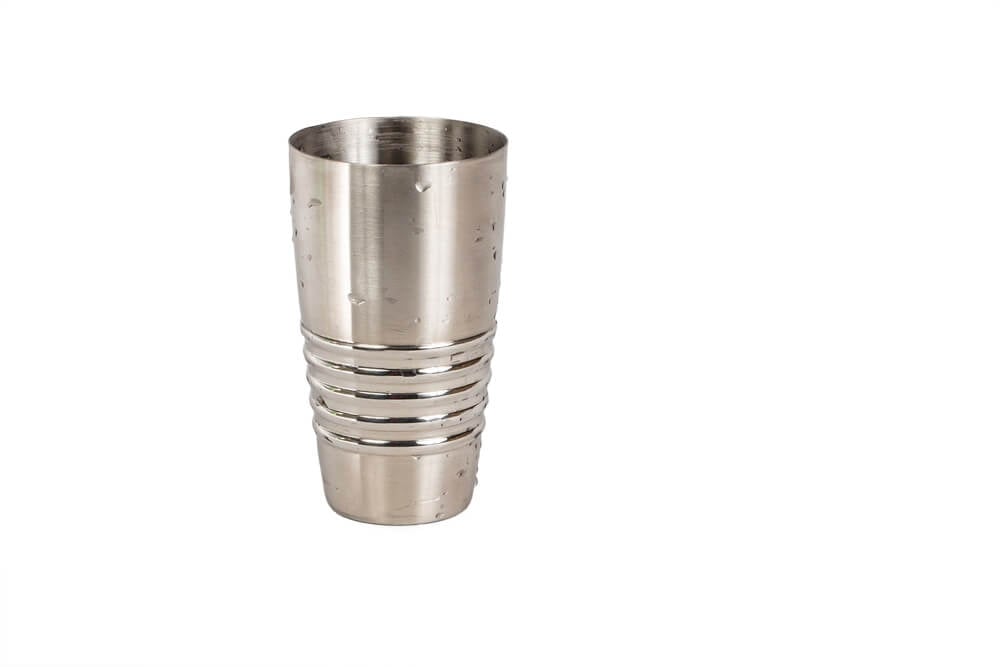
Serving a shake in a glass leaves a second portion behind in the steel cup, and counter workers traditionally set that cup alongside the glass. This leftover, often called the extra in the tin, was the best deal on the menu.
It arrived without any charge and nearly doubled the drink. The practice survives wherever a counter still makes shakes by spindle.
Malted Versus Milkshake
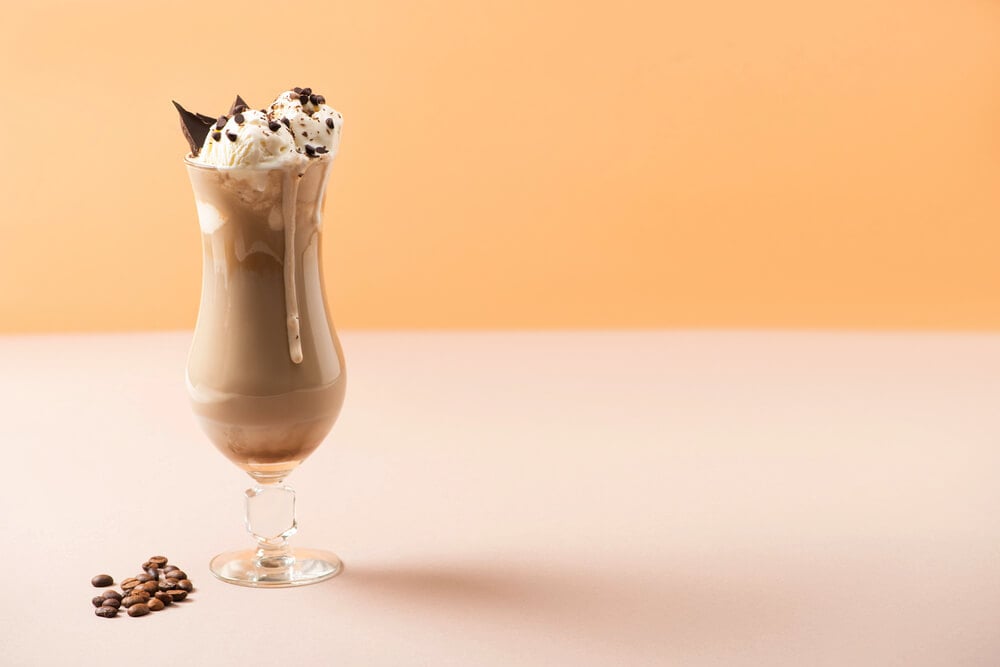
A malted is simply a milkshake with malted milk powder added, but that spoonful turns a sweet drink into something toasty, nutty, and slightly savory. Counter workers measure the powder into the steel cup along with ice cream and milk, then run the spindle until the mixture climbs the sides.
Many small-town fountains still ask whether a customer wants a shake or a malt, a question that carries real weight. Anyone who orders chocolate malt and expects plain chocolate is in for a pleasant surprise.
Horlick’s Malted Milk from Racine, Wisconsin
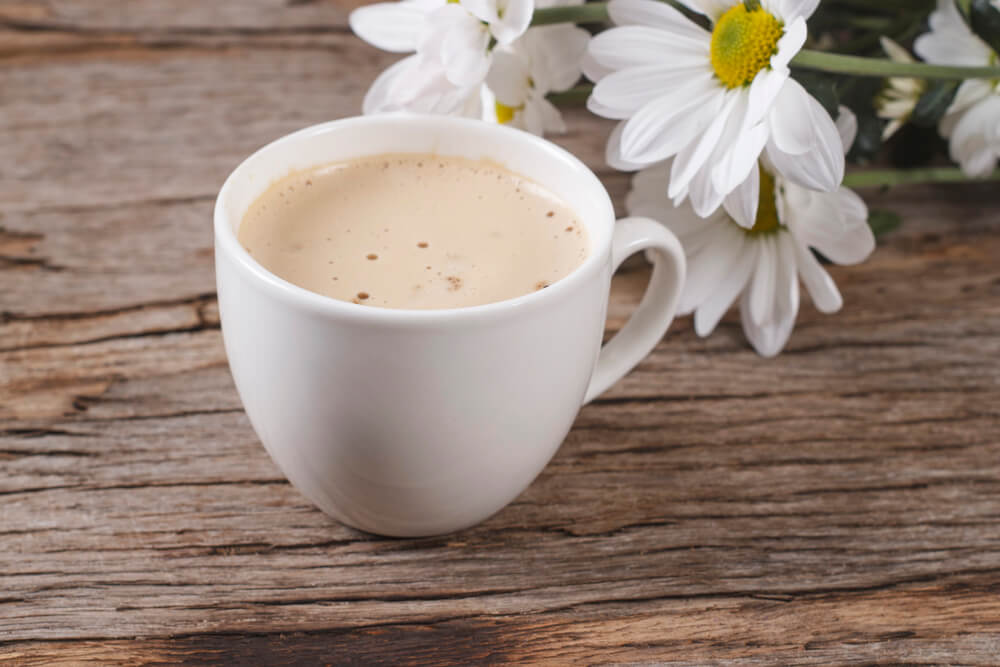
Malted milk powder came from the work of brothers William and James Horlick in Racine, Wisconsin, in the late 1800s. The mixture of malted barley, wheat flour, and full-fat milk was first sold as a nutritious food for infants and invalids.
Soda fountain workers soon discovered that a scoop in a shake gave the drink its distinctive flavor. A malt at a small-town counter traces directly back to a Wisconsin factory town on Lake Michigan.
Ovaltine, the Swiss Cousin
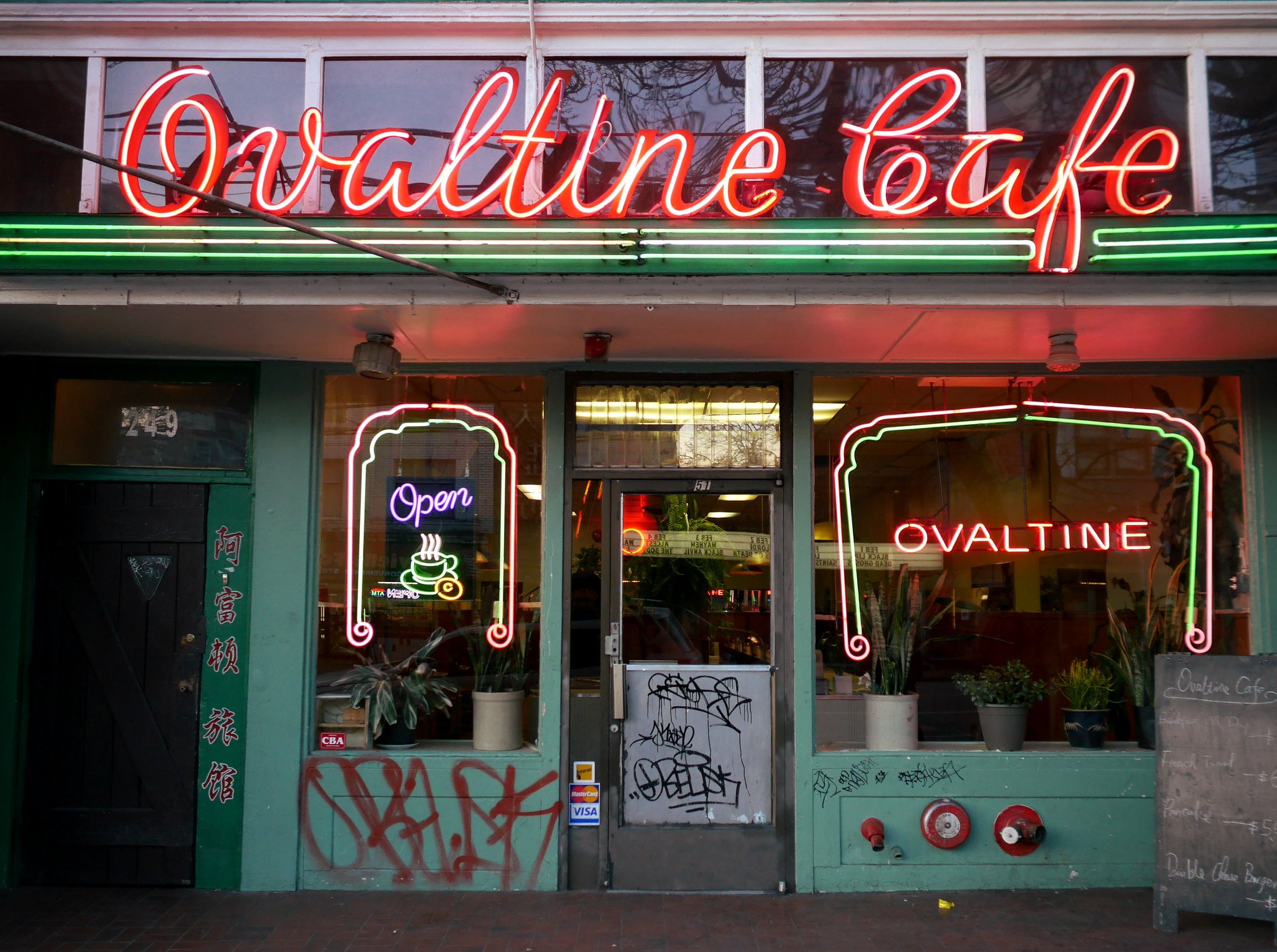
Ovaltine began in Switzerland as Ovomaltine, created in Bern by Dr. Albert Wander, and the Wander company carried it across Europe. The English-language name came from a spelling change, which is why the product is Ovaltine in the United States and Ovomaltine in its homeland.
The chocolate malt powder became a pantry staple alongside the soda fountain version. Fans who prefer a drink with a toasty edge have been stirring it into cold milk for more than a century.
The Soda Jerk and the Job Behind the Counter
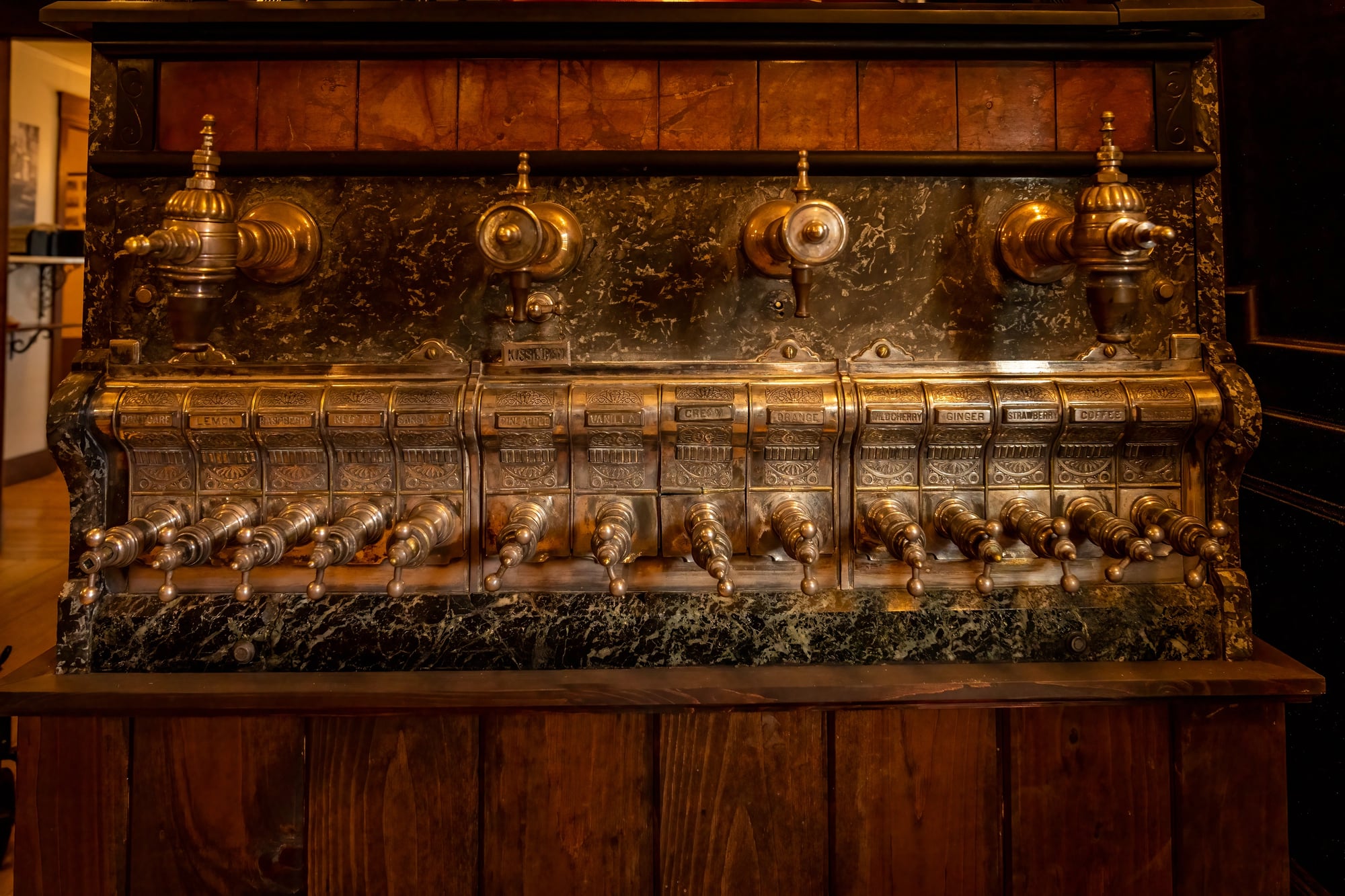
The soda jerk was the person who dispensed carbonated drinks and ice cream at a fountain, and the nickname came from the jerking motion of pulling the spigot handle. The job demanded speed, a sense of showmanship, and a head for dozens of recipes.
It was a rite of passage for teenagers in small towns across the country. Many a future pharmacist learned customer service from behind the marble.
Marvin Stone and the Paper Straw
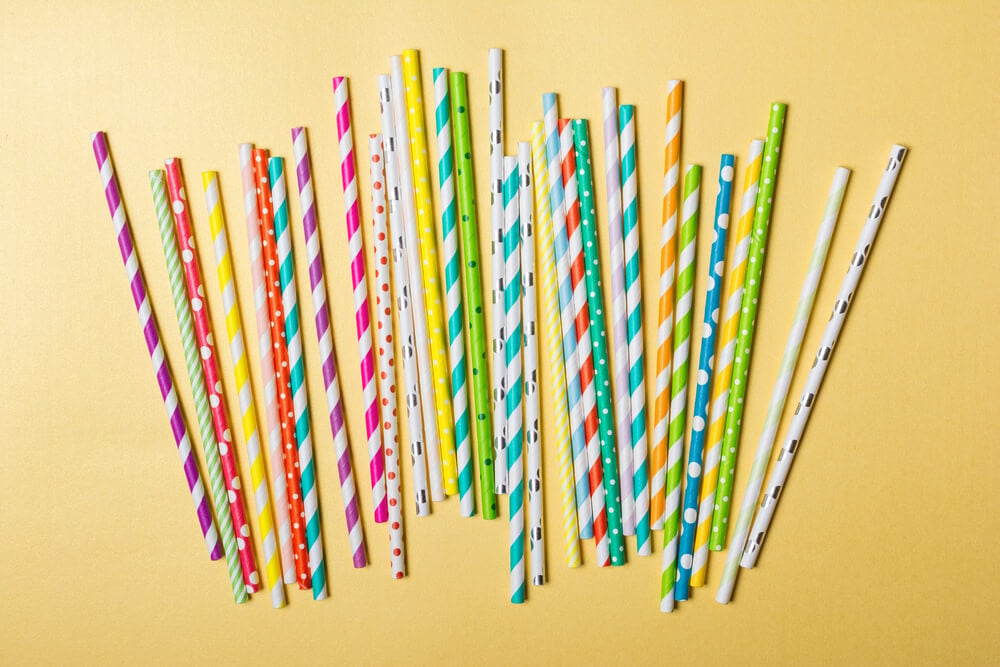
Marvin Stone patented the paper drinking straw in 1888 in Washington, D.C. Legend has it that he disliked the taste of the rye grass straws then used for mint juleps.
His solution was to wrap strips of paper around a pencil and glue the seam. The straw that sat in a malt for decades traces back to a man who wanted his cocktail to taste like a cocktail.
The Drugstore Soda Fountain as the Pharmacist’s Creation

Soda fountains grew out of pharmacies, where druggists dispensed carbonated mineral water as a health tonic. Counters were built into the corners of drugstores, with marble tops, syrup pumps, and gleaming spigots.
The fountain stayed in the pharmacy long after the claims about its medicinal value faded. Small towns kept the combination alive, which is why so many surviving fountains still sit beside prescription counters.
Dairy Queen and Its Small-Town Illinois Beginnings
Dairy Queen grew out of a soft-serve formula developed by John Fremont McCullough and his son Alex, who tested it at Sherb Noble’s ice cream shop in Kankakee, Illinois. The first Dairy Queen store opened in Joliet, Illinois, in 1940, a long way from any major metropolis.
The brand spread through small towns across the country, bringing a cheap and cold alternative to the fountain shake. A dessert that changed American roadsides came out of the state’s smaller cities.
What a Counter Stool Remembers
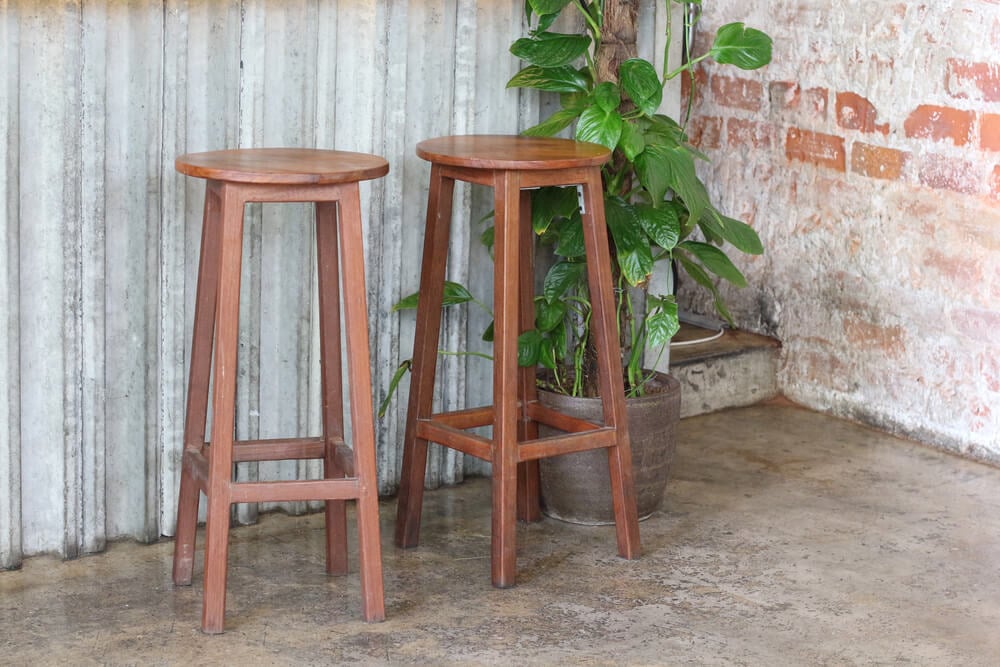
A malt counter holds a town’s memory in an odd way, since the same stool seats the child, the teenager, and the retiree over a lifetime. The shops above change hands and menus, but the mixer on the back counter and the powder in the tin remain constant.
Drug and variety stores, pharmacies, and ice cream parlors share one trait, which is that they gave people a reason to sit down on Main Street. The milkshake was only the excuse.
A fountain used to be assumed and now has to be sought out. Anyone traveling through a town with a spinning stool and a steel cup should order the malt, ask for the extra in the tin, and take the time to sit.
More from Go2Tutors!

- 27 Silver Dollars and Half Dollars Worth Keeping
- 28 Restaurant Menu Items Nobody Orders Anymore
- 17 Places Built in Seemingly Impossible Spots
- 27 Vintage Rings Worth More Than They Look
- 25 Restricted Sites Tourists Can’t Enter
Like Go2Tutors’s content? Follow us on MSN.