18 Room Decorating Trends We Actually Miss
Interior design moves fast these days, with trends coming and going faster than you can say ‘shiplap.’ While we’re all busy chasing the latest Pinterest-worthy looks, some of us can’t help but feel nostalgic for the decorating styles that used to make homes feel truly special. Sure, minimalism and clean lines have their place, but there’s something to be said for the personality and warmth that older trends brought to our living spaces.
Here’s a list of 18 room decorating trends that we genuinely miss and wouldn’t mind seeing make a comeback.
Conversation Pits

Remember when living rooms had actual sunken seating areas that made you feel like you were in a fancy hotel lobby? Conversation pits were the ultimate gathering spot, creating an intimate space where people naturally faced each other instead of staring at screens.
These cozy sunken lounges made every house party feel more sophisticated and every family movie night more special.
Bold Geometric Wallpaper

Before accent walls became synonymous with boring gray paint, geometric wallpaper ruled the scene with confidence. These eye-catching patterns added instant personality to any room and created focal points that actually meant something.
The best part was how they could transform a plain bedroom or dining room into something that felt curated and intentional.
Built-in Entertainment Centers

Today’s floating TV mounts leave electronics looking exposed, but built-in entertainment centers were functional art pieces. These custom wooden units provided storage for everything from VHS tapes to board games while making the television feel like part of the room’s architecture.
They turned media consumption into something more refined than just mounting a black rectangle on the wall.
Breakfast Nooks
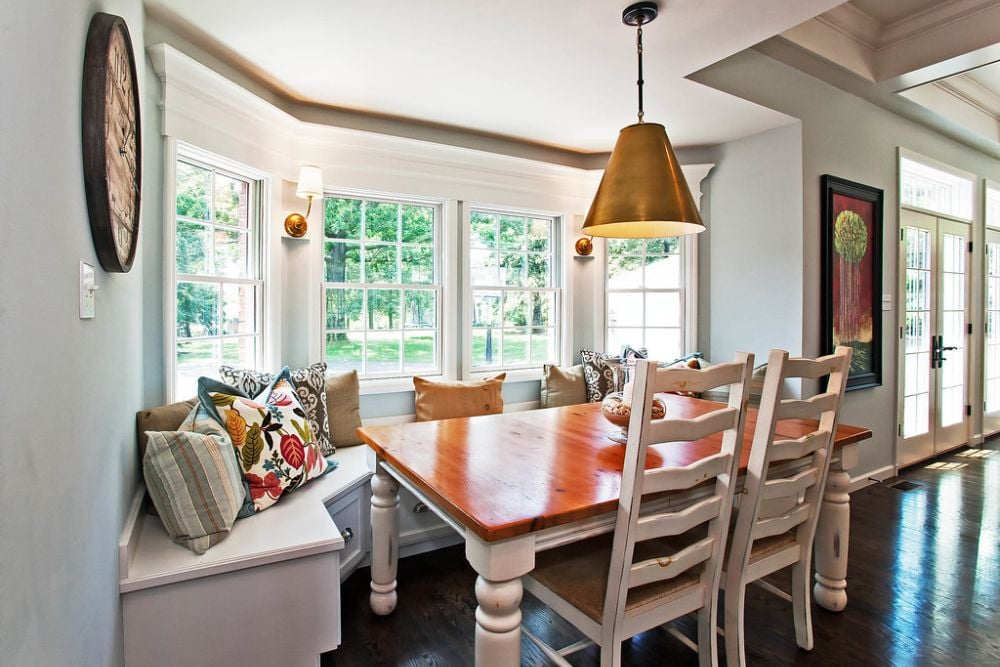
Corner banquette seating with a cozy table created the perfect spot for morning coffee and late-night snacks. These built-in dining areas maximized space while providing storage underneath the benches, and they made every meal feel more intimate than sitting at a formal dining table.
Breakfast nooks turned kitchens into true gathering spaces where families actually wanted to spend time together.
Wood Paneling

Real wood paneling brought warmth and texture to rooms in a way that today’s painted drywall simply can’t match. Whether it was rich mahogany in a den or knotty pine in a basement, wood paneling created atmosphere and made spaces feel substantial.
The grain patterns and natural variations gave rooms character that you just can’t replicate with modern materials.
Sunken Living Rooms
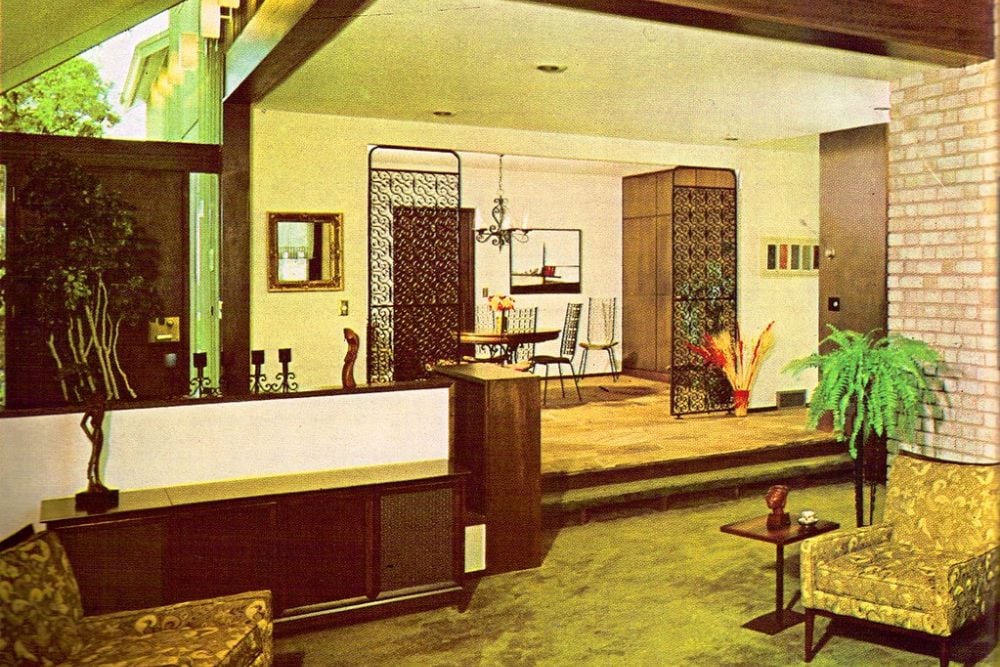
These lowered seating areas made every home feel like it had multiple levels and created natural boundaries between spaces without walls. Sunken living rooms encouraged people to actually sit down and relax instead of just passing through, and they made even modest homes feel architecturally interesting.
The step down signaled that you were entering a special space designed for comfort and conversation.
Wallpaper in Bathrooms

Powder rooms used to be showcases for the most adventurous wallpaper patterns, turning small spaces into jewel boxes of design. Floral prints, damasks, and even scenic murals transformed boring bathrooms into rooms with genuine personality.
These papered walls created visual interest in spaces that are often overlooked and made every guest bathroom visit a little more memorable.
Ceiling Fans with Lights

Before recessed lighting took over, ceiling fans with attached light fixtures solved two problems at once while adding visual interest to rooms. These dual-purpose fixtures came in styles ranging from tropical rattan to sleek brass, and they made summer evenings more comfortable without cranking up the air conditioning.
They were practical design elements that actually enhanced a room’s appearance instead of disappearing into the ceiling.
Wet Bars

Home wet bars turned ordinary basements and family rooms into entertaining spaces that rivaled actual restaurants. These built-in bars complete with sinks, storage, and often mini-fridges made hosting feel effortless and sophisticated.
They created a dedicated space for adult beverages and conversation, making every gathering feel more special and intentional.
Brass Fixtures
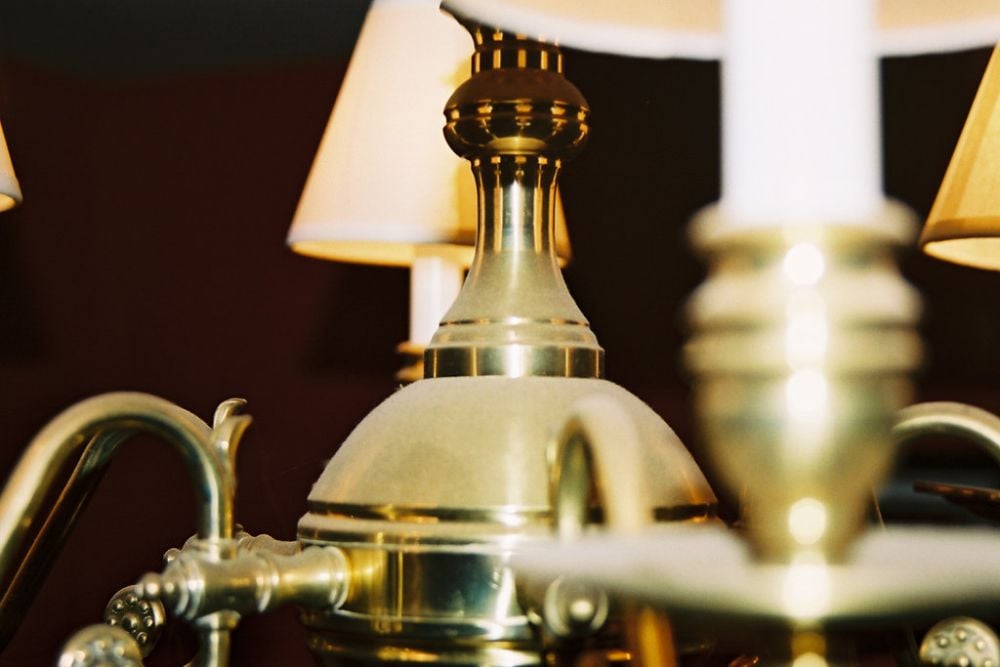
Warm brass hardware and light fixtures brought richness and elegance to rooms before brushed nickel and stainless steel took over. Brass door handles, faucets, and chandeliers caught and reflected light beautifully, creating a sense of luxury that felt both classic and welcoming.
The golden tones complemented wood furniture and warm paint colors in ways that today’s cooler metals simply don’t match.
Shag Carpeting

Sure, it was hard to vacuum, but shag carpeting made rooms feel cozy and comfortable in a way that hardwood floors never quite achieve. The deep pile was perfect for sitting on the floor during game nights or letting kids play comfortably, and it added texture and warmth that made spaces feel lived-in.
Different pile heights and colors allowed for creative expression that today’s neutral area rugs can’t quite replicate.
Mirrored Walls
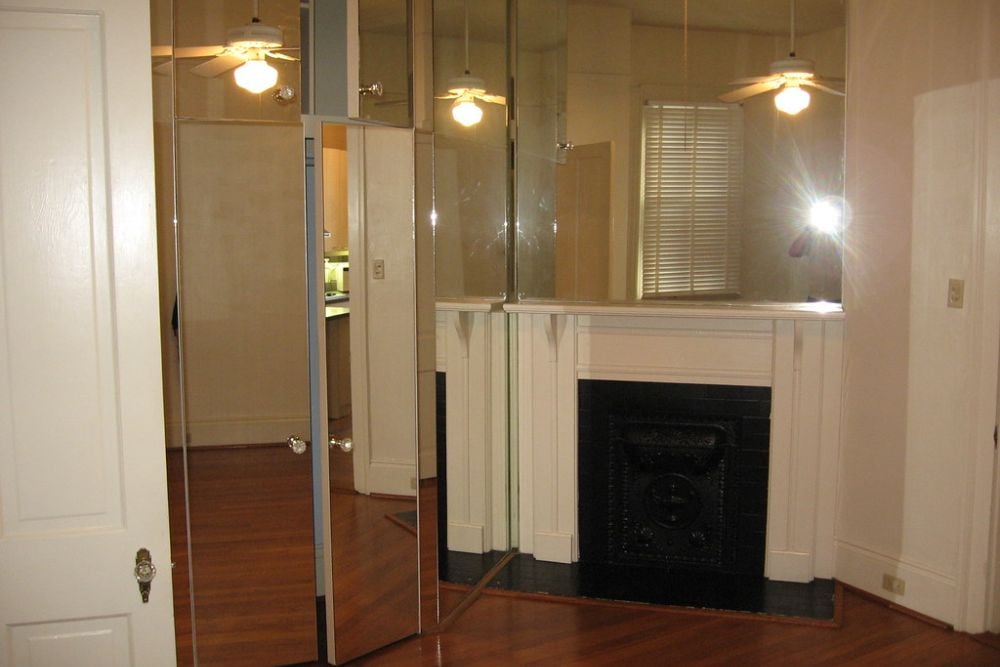
Mirrored walls made small spaces feel twice as large while adding glamour and light to any room. These reflective surfaces bounced natural light around beautifully and created the illusion of expanded space without expensive renovations.
They brought a touch of disco-era sophistication to dining rooms and bedrooms that made every day feel a little more special.
Popcorn Ceilings
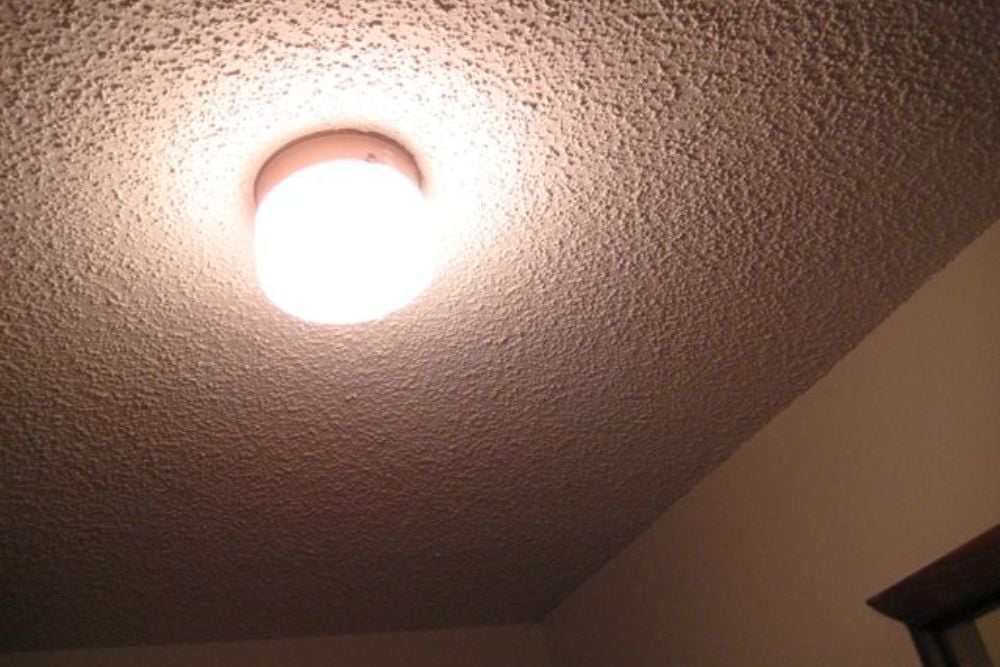
While admittedly not the most attractive feature, popcorn ceilings served a practical purpose by hiding imperfections and reducing sound transmission between floors. They added texture to rooms and helped diffuse light in ways that smooth ceilings don’t, creating a softer overall atmosphere.
The acoustic benefits made homes quieter and more peaceful, especially in multi-story houses.
Avocado Green Appliances
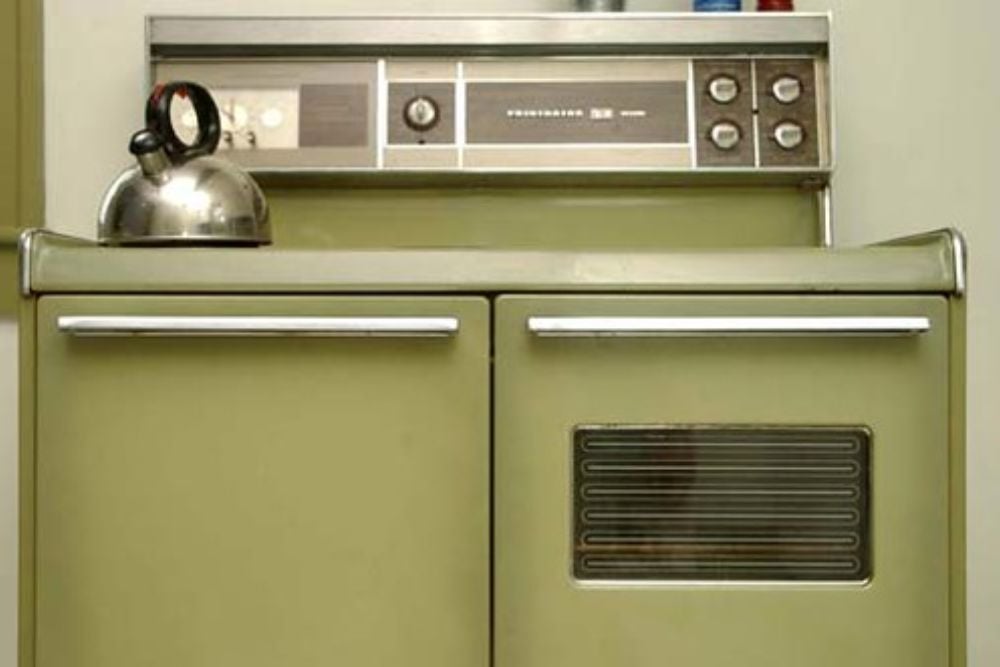
These bold kitchen appliances made cooking feel more fun and added personality to what could otherwise be sterile spaces. Avocado green refrigerators, stoves, and dishwashers turned kitchens into design statements that reflected the homeowner’s willingness to embrace color.
They proved that functional items could also be decorative elements that enhanced the overall room design.
Macramé Wall Hangings

These intricate rope artworks brought texture and craftsmanship to walls in ways that mass-produced prints never could. Macramé pieces added visual interest and showed that someone had taken time to choose or create something unique for their space.
They worked particularly well in bedrooms and living areas where they softened hard surfaces and added organic shapes to geometric rooms.
Bean Bag Chairs
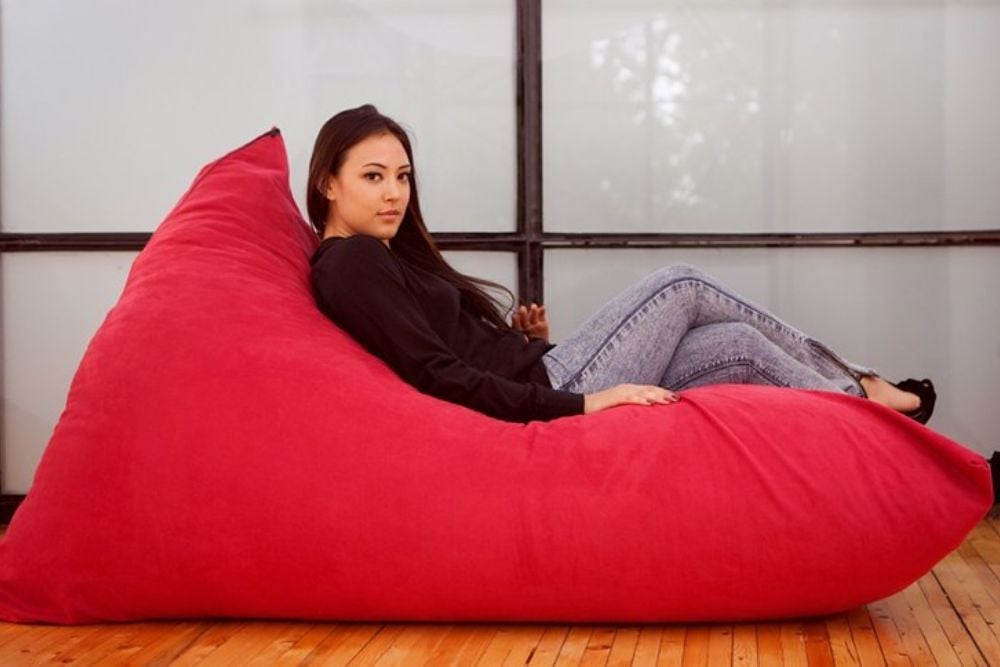
These moldable seats adapted to whoever was using them and encouraged relaxed, casual seating that traditional furniture couldn’t match. Bean bags were perfect for reading, watching TV, or just lounging around, and they could be easily moved wherever they were needed.
They brought a sense of fun and flexibility to rooms that formal furniture arrangements often lacked.
Tiled Countertops

Ceramic tile countertops allowed for creative color combinations and patterns that today’s solid surfaces can’t replicate. These surfaces could incorporate decorative tiles, borders, and even hand-painted designs that made each kitchen unique.
They were also more budget-friendly than granite or quartz while still providing durability and easy maintenance.
Floral Chintz Fabrics
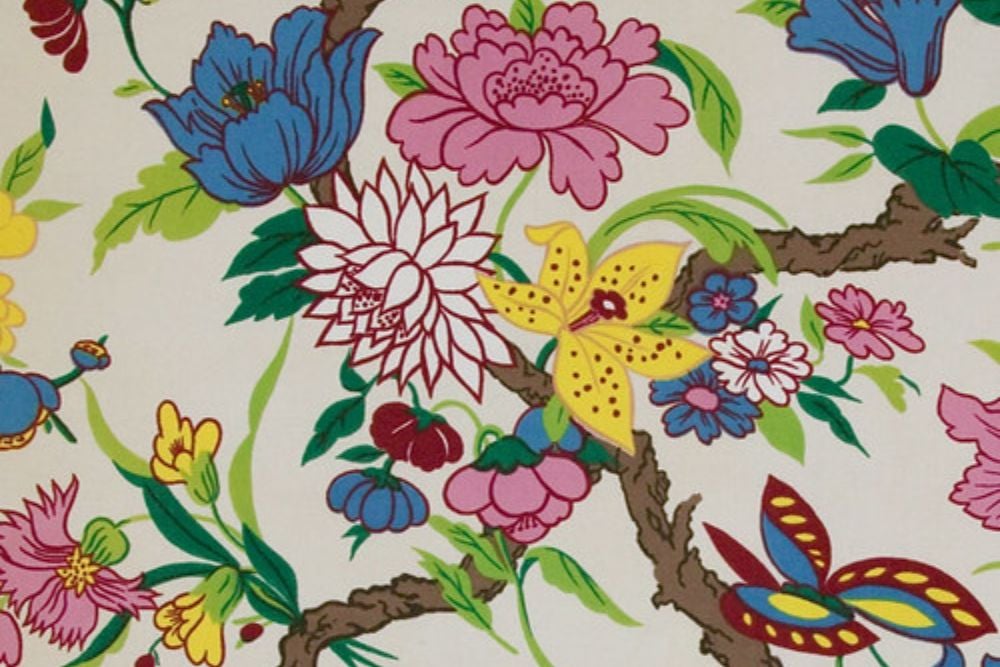
These busy, cheerful patterns brought gardens indoors and made rooms feel romantic and lived-in. Floral chintz on sofas, chairs, and curtains created layered, collected looks that suggested homes had evolved over time rather than being decorated all at once.
The patterns hid stains and wear better than solid colors while adding visual richness that modern neutral fabrics often lack.
When Function Met Style
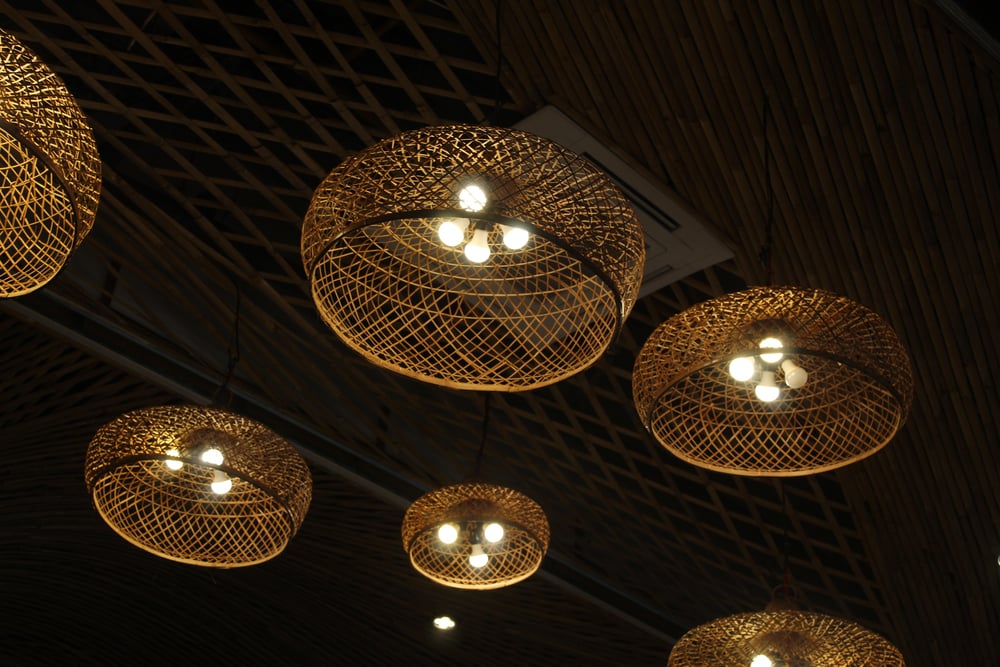
These decorating trends remind us that homes used to prioritize comfort and personality alongside aesthetics. While today’s clean, minimalist spaces photograph beautifully for social media, they often lack the warmth and character that made houses feel like true homes.
Perhaps it’s time to bring back some of these elements and remember that the best rooms are ones where people actually want to spend time. The most successful interiors balance current trends with timeless comfort, creating spaces that feel both stylish and genuinely livable.
More from Go2Tutors!

- The Romanov Crown Jewels and Their Tragic Fate
- 13 Historical Mysteries That Science Still Can’t Solve
- Famous Hoaxes That Fooled the World for Years
- 15 Child Stars with Tragic Adult Lives
- 16 Famous Jewelry Pieces in History
Like Go2Tutors’s content? Follow us on MSN.