18 Sports Rituals Players Swear By
Players spend years honing their skills, perfecting technique, and developing strategy. They study game footage, pouring over statistics and practicing actions until they become second nature.
But when the lights shine bright in the stadium and the gaze of a thousand people settles on a single instant, the work may go beyond practice and statistics. Many athletes have rituals, small actions that are repeatable and help to focus the mind under pressure.
Some rituals are so subtle that they are almost invisible unless you know what to look for. Others are so extreme that they become part of a player’s public image.
Whatever the reason, these rituals have one thing in common: they provide a sense of control in a situation where so much is unknown. Below are 18 sports rituals that players swear by, and why they continue to be popular.
Michael Jordan’s North Carolina Shorts
Throughout his NBA career, Michael Jordan reportedly wore his University of North Carolina practice shorts underneath his Chicago Bulls uniform. It was not visible to fans, but it mattered to him.
The ritual connected him to the place where he first tasted championship success. By physically carrying that memory onto the court, Jordan reinforced continuity between past achievement and present pressure.
The shorts became a private reminder that greatness was not new territory.
Rafael Nadal’s Pre-Serve Routine
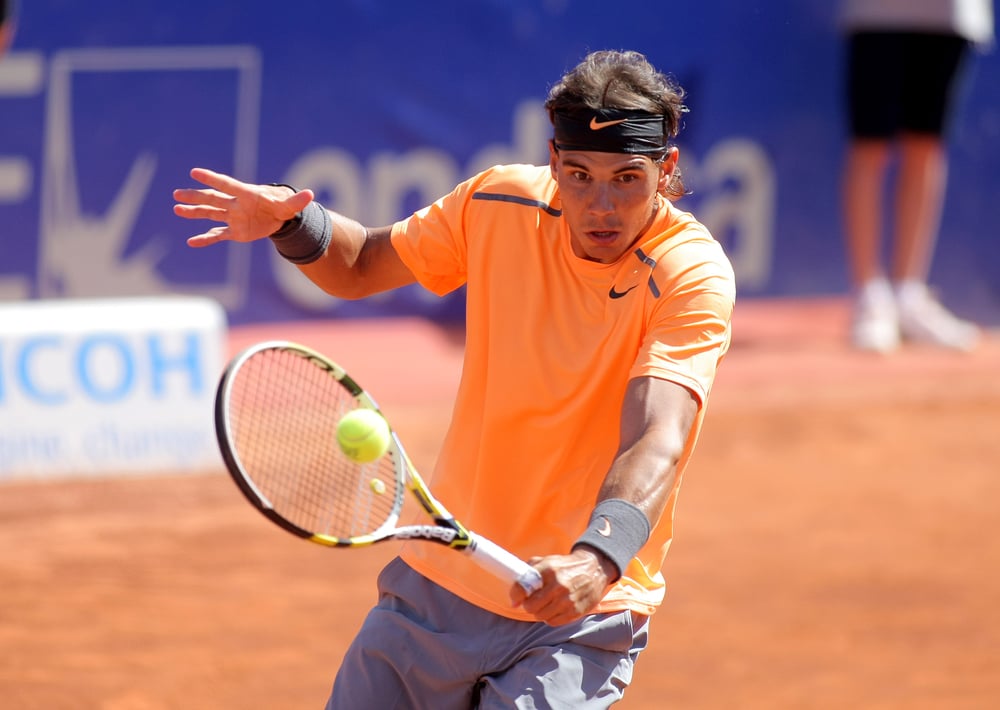
Rafael Nadal’s pre-serve ritual is famously meticulous. He adjusts his hair, taps his nose, fixes his shirt, and aligns his water bottles with precision.
The sequence creates rhythm. Tennis points are short, but matches can stretch for hours.
By repeating the same movements before every serve, Nadal builds a psychological reset button. The predictability calms the mind in a sport defined by momentum swings.
Serena Williams’ Sock Choices
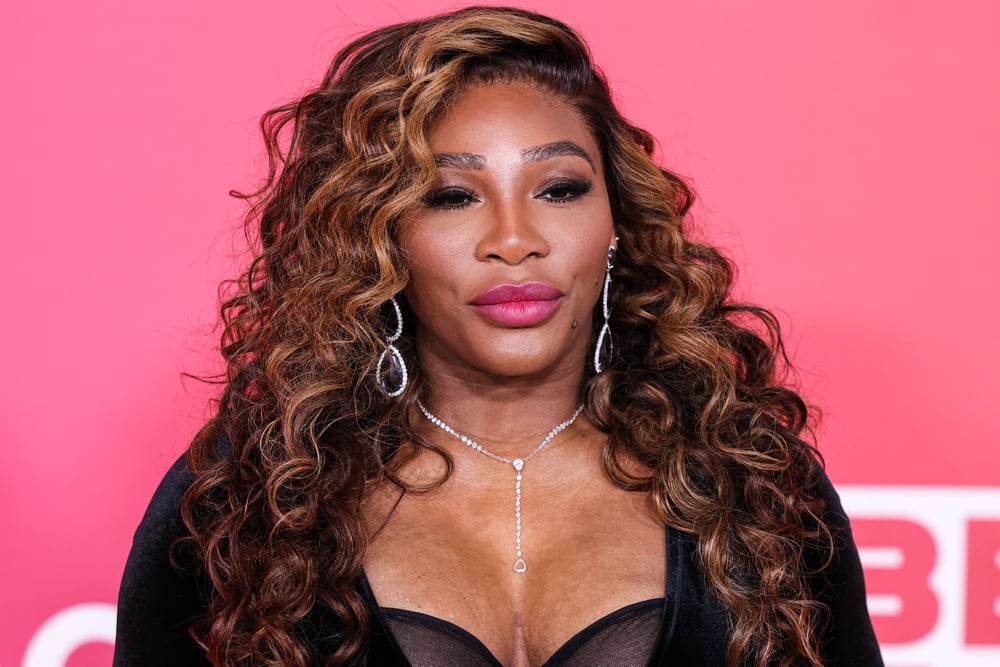
Serena Williams has acknowledged sticking with the same pair of socks throughout a winning streak during tournaments. Changing them mid-event felt like tempting fate.
The socks symbolize continuity. In multi-day competitions, consistency becomes mental currency.
Even something as ordinary as footwear can represent the invisible thread tying one victory to the next.
Jason Terry’s Opponent Shorts

Former NBA guard Jason Terry took ritual to another level by sleeping in the shorts of the opposing team before big games.
The practice blurred the line between humor and psychological preparation. Surrounding himself with the opponent’s colors was a way of immersing himself in the challenge ahead.
It may have looked eccentric, but it reinforced focus long before tip-off.
Wade Boggs’ Chicken Meal
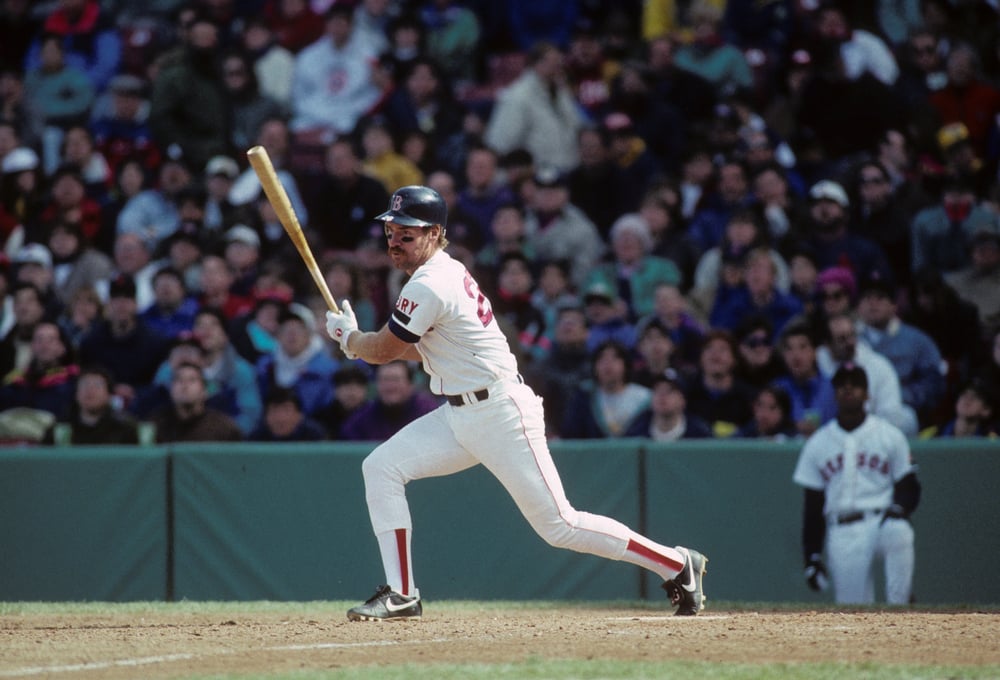
Baseball Hall of Famer Wade Boggs famously ate chicken before nearly every game. Over a 162-game season, such repetition becomes almost sacred.
Baseball’s daily grind invites ritual. With so many games, players search for constants amid travel and fatigue.
A familiar pregame meal provides structure in a schedule that rarely slows down.
Cristiano Ronaldo’s First Step
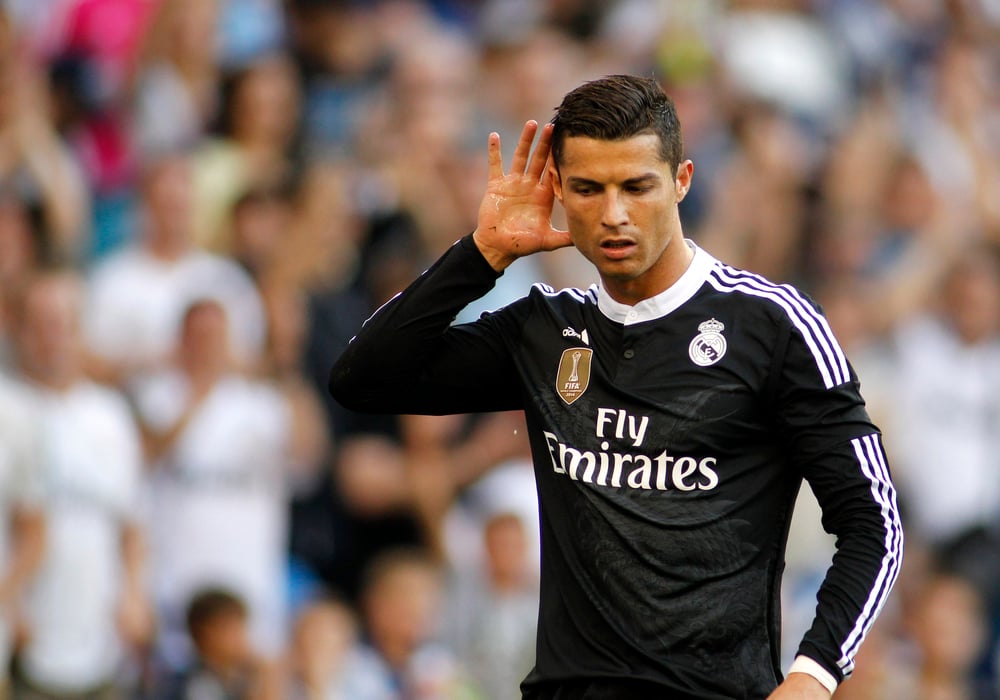
Cristiano Ronaldo often steps onto the field with his right foot first. The action is subtle and easy to miss.
For Ronaldo, that first step signals transition. It marks the moment preparation ends and competition begins.
Athletes frequently rely on such micro-rituals as mental switches, helping them enter performance mode.
Tiger Woods’ Sunday Red
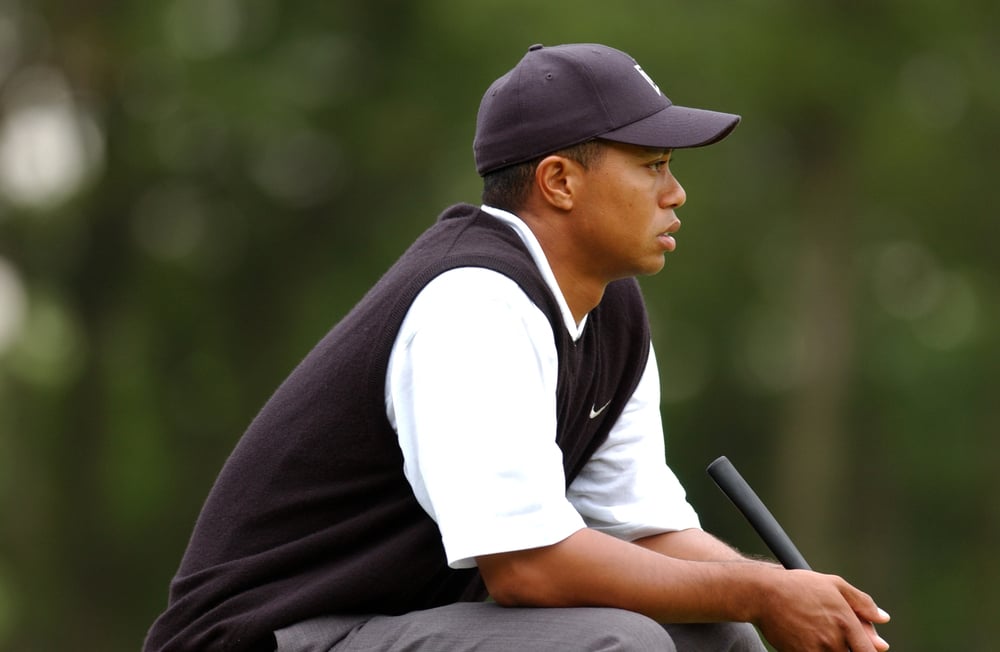
Tiger Woods’ decision to wear red on final rounds traces back to advice from his mother, who believed the color symbolized power and confidence.
Over time, the red shirt became iconic. Fans associate it with late-round surges and clutch putts.
What began as maternal guidance evolved into branding, ritual, and psychological armor combined.
Novak Djokovic’s Orb Bounces
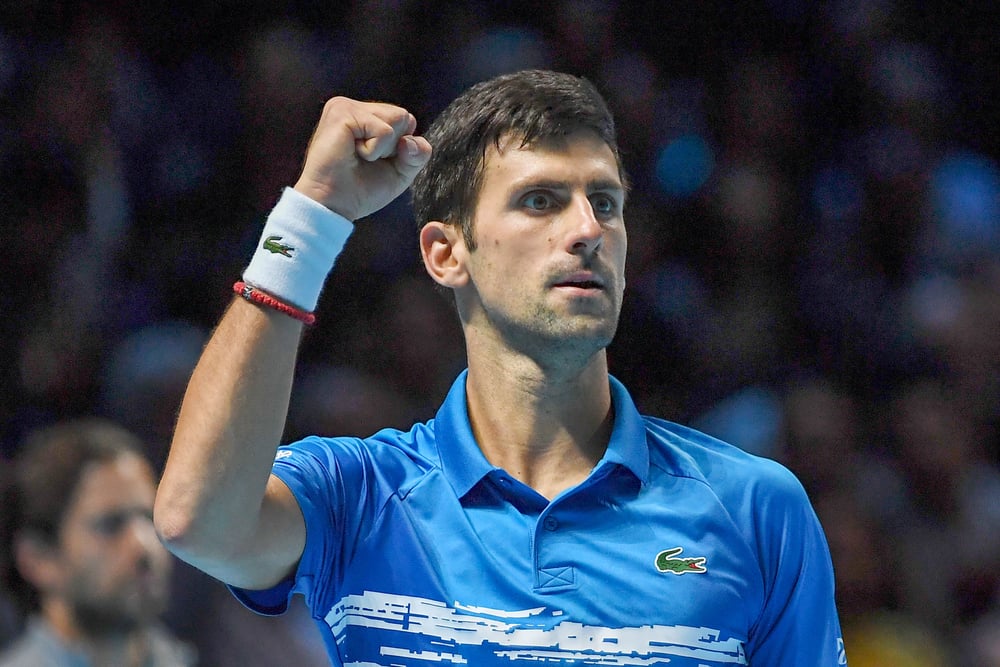
Novak Djokovic bounces the tennisball repeatedly before serving, often adjusting the number based on the situation.
The bounces regulate tempo and breathing. Under pressure, those extra seconds provide a mental buffer.
The routine anchors him in the present rather than the stakes of the moment.
LeBron James’ Chalk Toss
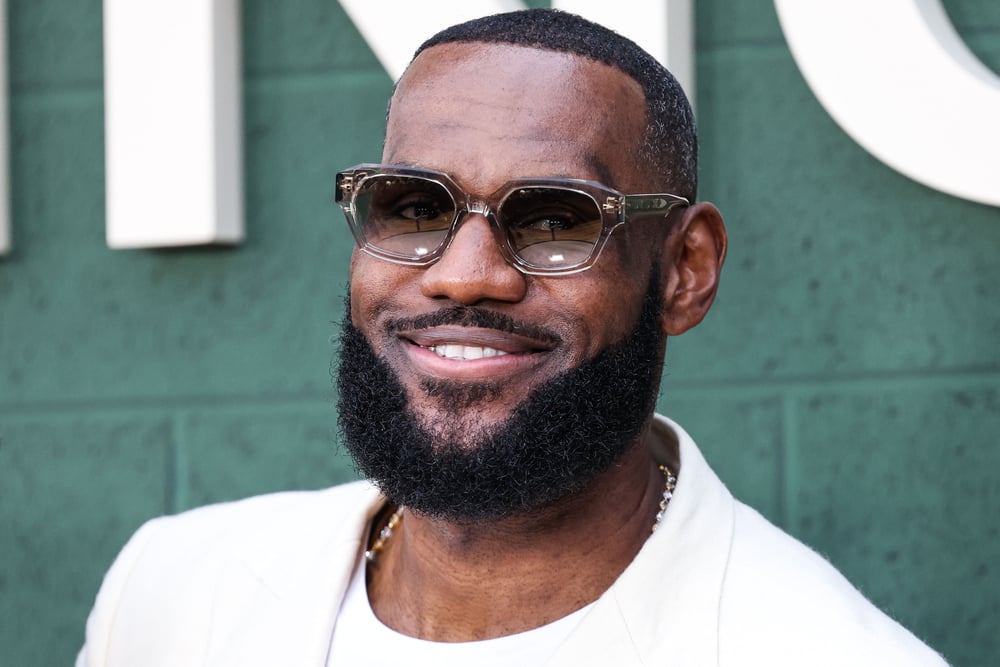
For years, LeBron James tossed chalk into the air during pregame introductions. The powder cloud became a visual signature.
The ritual energized both player and crowd. It transformed routine introductions into a shared event, signaling that something special might unfold.
Patrick Roy’s Goal Crease Talk

Hockey legend Patrick Roy was known to speak to his goalposts during games.
The habit may have seemed odd, but goaltending requires sustained focus over long stretches. Talking to the posts kept him mentally engaged, filling quiet moments with controlled attention.
Nomar Garciaparra’s Batting Gloves
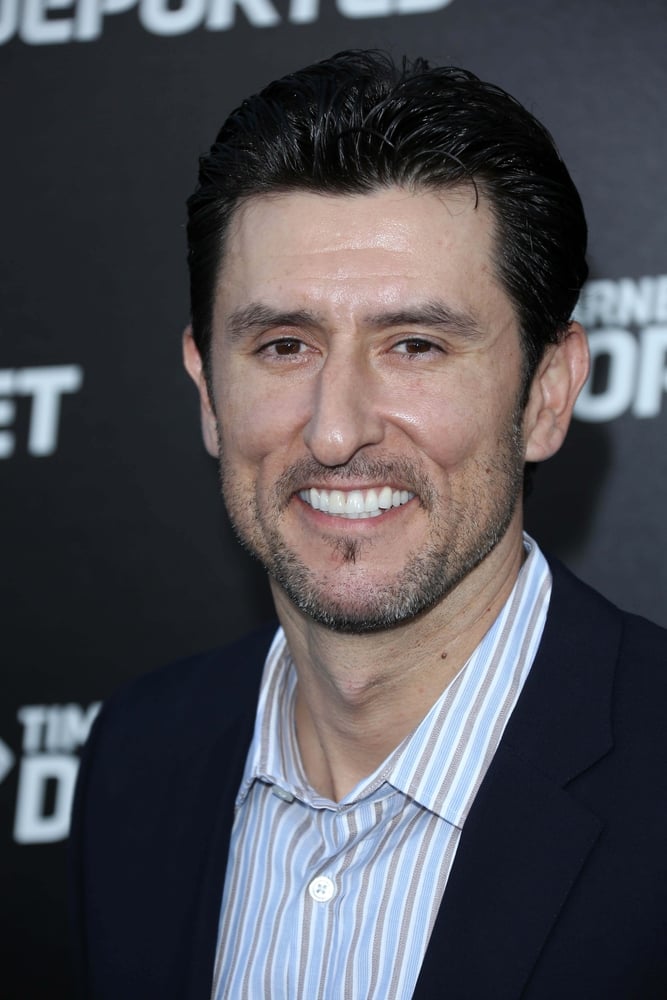
Nomar Garciaparra adjusted his batting gloves in a precise sequence between pitches.
The repetition created familiarity in an unpredictable at-bat. Baseball’s rhythm — pause, pitch, pause — leaves room for ritual to steady nerves.
Hope Solo’s Glove Placement

Goalkeeper Hope Solo placed her gloves in a deliberate arrangement before matches.
The ritual centered her focus. For goalkeepers, who can go minutes without action before facing sudden pressure, such routines help maintain readiness.
Kevin Garnett’s Headbutt
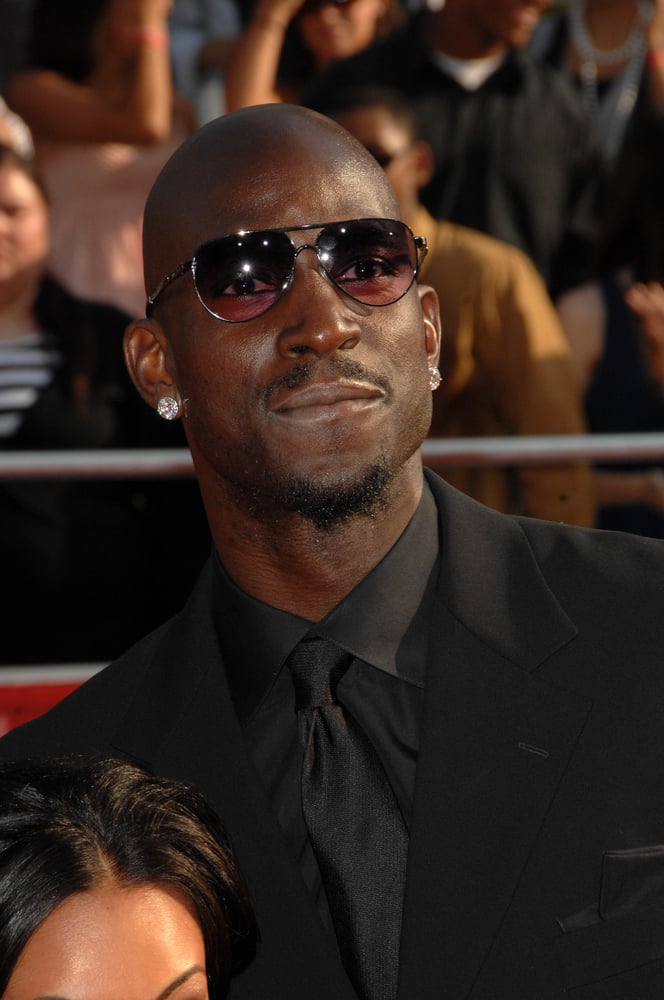
Kevin Garnett headbutted the basket stanchion before games, channeling intensity into a physical jolt.
The action served as emotional ignition. High-energy players often use physical rituals to align adrenaline with purpose rather than chaos.
Moises Alou’s Bare Hands
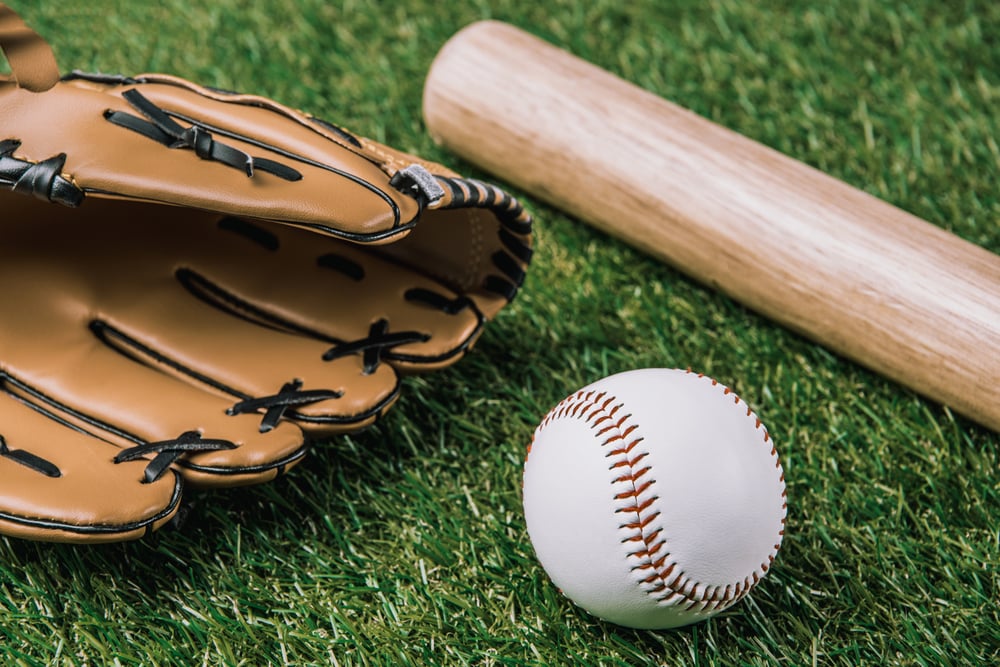
Moises Alou avoided batting gloves, believing direct contact improved grip and performance.
While unconventional, the habit reinforced comfort. Athletes frequently build trust in sensations that feel natural, even if they contradict prevailing trends.
Lindsey Vonn’s Visualization

Before launching down a ski slope, Lindsey Vonn practiced deliberate breathing and visualization.
She mentally rehearsed every turn. In downhill skiing, where runs last under two minutes at high speeds, visualization becomes an extension of physical training.
Usain Bolt’s Lightning Pose
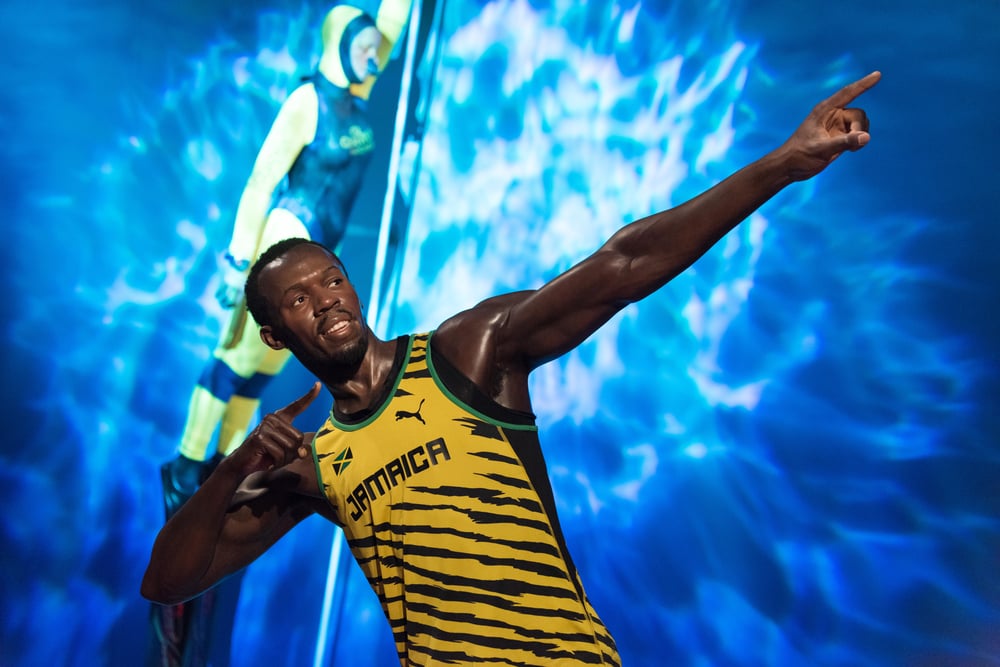
Usain Bolt’s lightning bolt celebration became synonymous with victory.
Though performed after races, it reinforced confidence before the next one. The gesture symbolized dominance and joy, shaping his identity as much as his speed.
Stephen Curry’s Mouthguard Habit

Stephen Curry’s habit of chewing his mouthguard became widely noticed.
While partly unconscious, the repetitive motion likely served as a calming mechanism. Many athletes develop small physical habits to regulate nerves during competition.
Jonny Wilkinson’s Kicking Stance
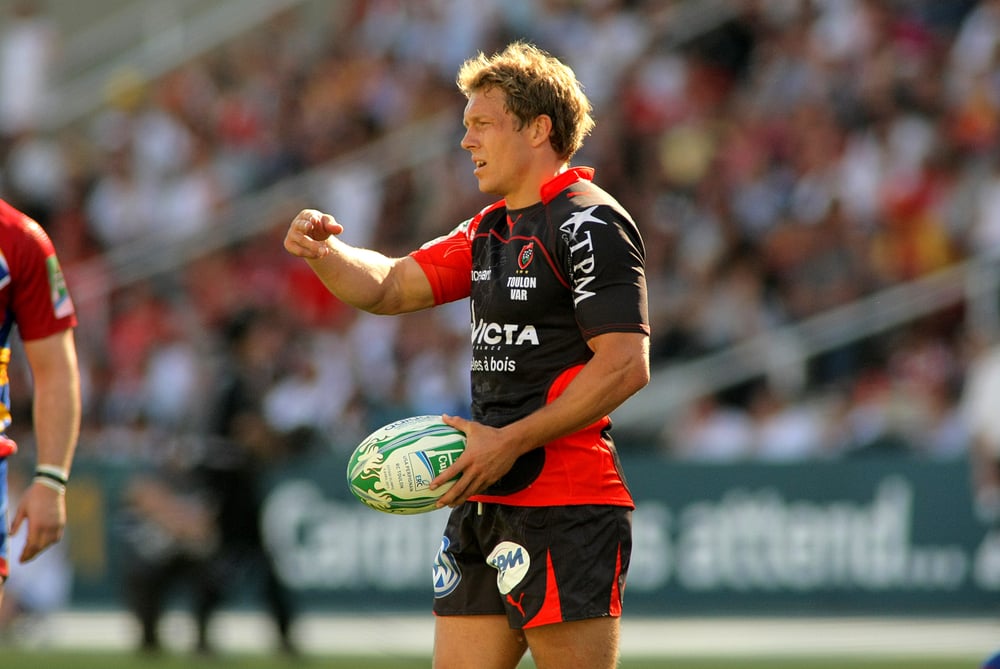
Rugby star Jonny Wilkinson followed an exact stance and hand placement before every crucial kick.
The precision reduced variables. In high-pressure moments, the fewer decisions required, the clearer the mind.
The Psychology Behind Ritual
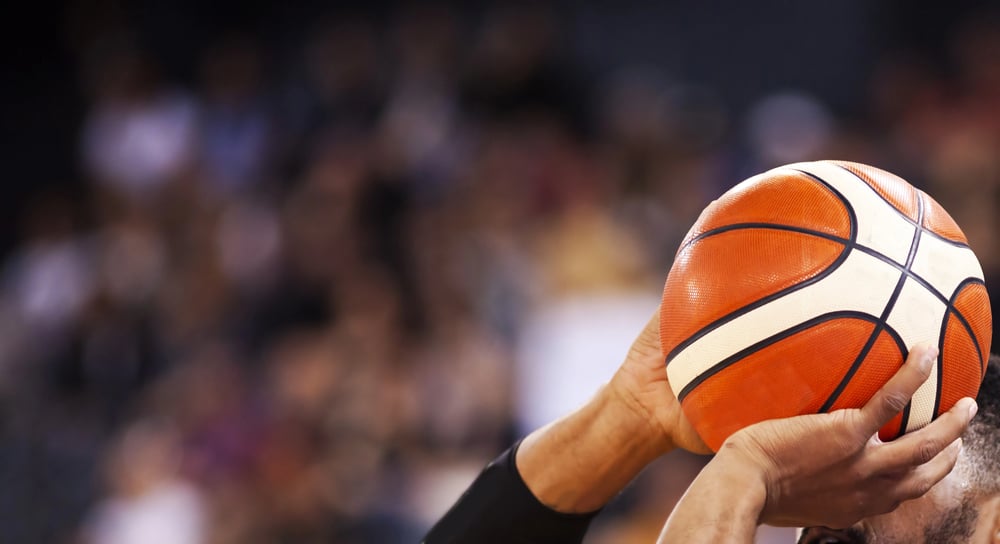
Sports psychologists often explain rituals as grounding techniques. They narrow focus to controllable actions rather than unpredictable outcomes.
The brain interprets repetition as safety, even in chaotic environments. Importantly, rituals do not replace preparation.
They complement it. An athlete who trains relentlessly may still need a consistent pregame routine to steady nerves.
Fans sometimes dismiss these habits as superstition. Yet research suggests routine can enhance performance by reducing cognitive load.
When the body knows what comes next, the mind is freer to execute.
Why Rituals Endure
This is why rituals persist: because sport is inherently unpredictable. The weather is unpredictable.
The opposing team is unpredictable. The referee is unpredictable. In an unpredictable environment, rituals provide stability through repetition.
Some rituals disappear with the end of an athlete’s career. Some rituals live on as legend in the highlight packages and the commentary.
At its most basic, rituals represent belief. Belief in the non-magical sense of the word.
Belief in the importance of rhythm. They remind the athlete that while the game is full of variables that cannot be controlled, the start, the breathing, the step onto the field can be controlled.
In a game where the difference can be a fraction of a second, the difference can be controlled.
More from Go2Tutors!

- The Romanov Crown Jewels and Their Tragic Fate
- 13 Historical Mysteries That Science Still Can’t Solve
- Famous Hoaxes That Fooled the World for Years
- 15 Child Stars with Tragic Adult Lives
- 16 Famous Jewelry Pieces in History
Like Go2Tutors’s content? Follow us on MSN.