Iconic Fashion Items That Were Originally Designed for Men
There’s something quietly fascinating about the way fashion borrows, blurs, and reinvents itself. Some of the most beloved pieces in women’s wardrobes today started out in very different territory — designed for soldiers, laborers, or aristocratic men who had no idea their clothes would one day become staples on the other side of the wardrobe.
The Trench Coat

The trench coat has a name that tells you exactly where it came from. British military officers wore it in the trenches during World War I — it was built for function, not style.
Waterproof, belted, with deep pockets and sturdy fabric. When soldiers came home, they kept wearing them, and soon the coats made their way into civilian life.
Women adopted the silhouette sometime in the mid-20th century, and it never left. Today it sits in closets regardless of gender, aging well in a way most trends don’t.
Stiletto Heels

This one surprises people. Heeled shoes were common among men in European courts during the 16th and 17th centuries — they signaled status and wealth.
Persian cavalry wore them even earlier, where the heel helped keep feet in stirrups while riding. Women began adopting heeled shoes later, and men quietly stepped back from the trend.
The stiletto as you know it today came in the 1950s, but the entire history of elevated footwear started firmly in masculine territory.
The Blazer
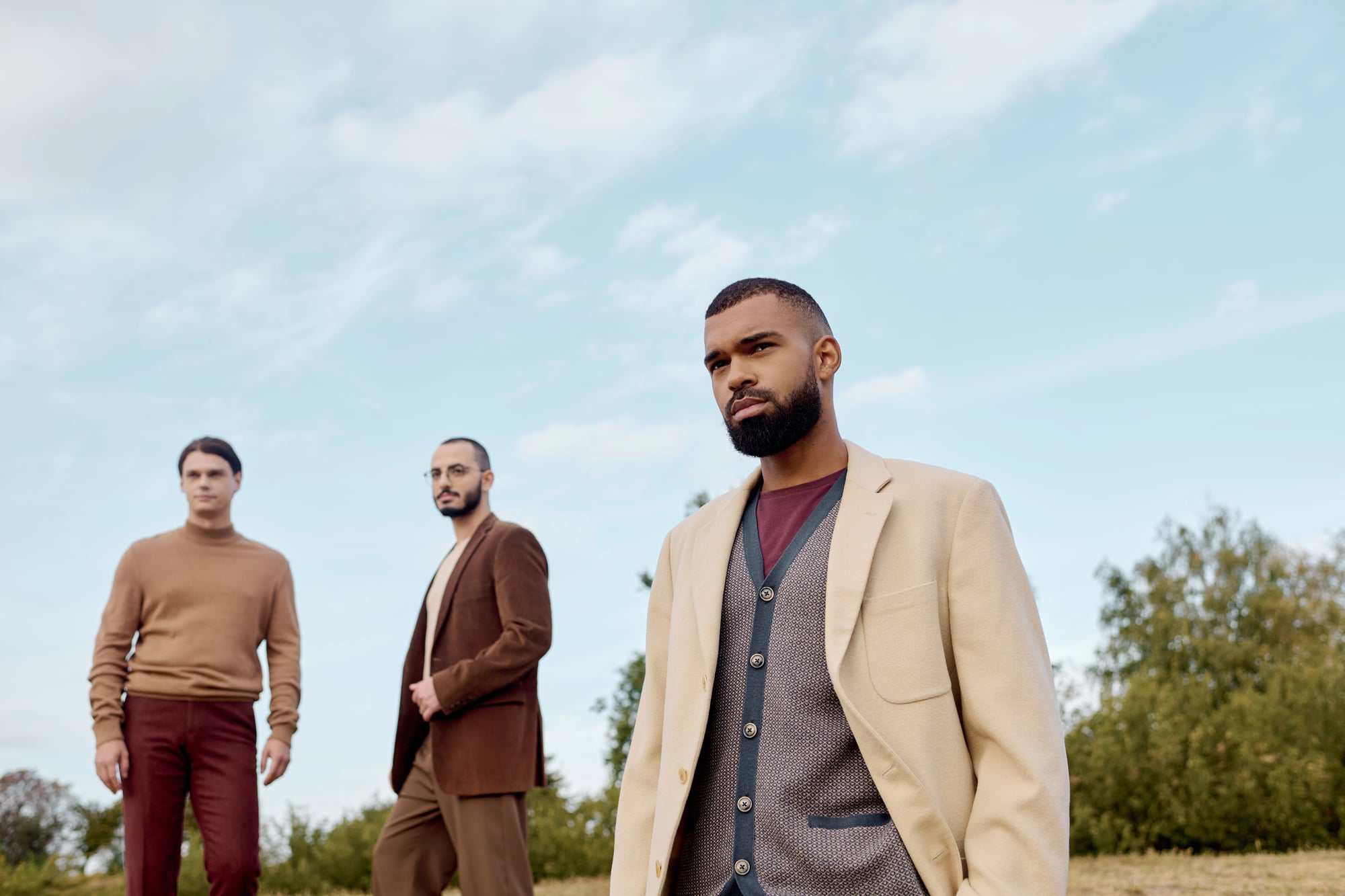
The blazer traces back to the British Royal Navy and rowing clubs in the 19th century. It was a structured, formal jacket for men — practical, uniform-adjacent, very much not meant to be paired with wide-leg trousers and a silk camisole.
But by the 20th century, women had taken it on completely. The oversized blazer is now one of the most versatile pieces a woman can own, and it looks better than it ever did in its naval origins.
Denim Jeans

Levi Strauss designed jeans in the 1870s for miners and manual laborers. The rivets, the heavy denim, the cut — all built for hard work.
Women weren’t really part of the intended market. That changed during World War II, when women working in factories started wearing them out of necessity.
After the war, jeans had already made their move, and there was no pulling them back. The “boyfriend jean” — that loose, borrowed-from-him fit — is basically just a throwback to the original.
The Oxford Shirt

The Oxford shirt started as a men’s sporting shirt in 19th-century Scotland. It was casual, breathable, and slightly more relaxed than formal dress shirts of the time.
It stayed in the men’s section for decades. At some point, women started wearing them loosely buttoned, tucked into skirts, or tied at the waist — and the look stuck.
Now it’s a wardrobe basic that doesn’t belong to anyone in particular.
Brogues

Brogues were originally work shoes for Irish and Scottish men who needed footwear that could handle wet terrain. The decorative perforations — the defining feature of a brogue — actually served a purpose: they allowed water to drain from the shoe.
Somewhere along the way, practical became stylish. Women started pairing brogues with everything from tailored trousers to summer dresses, and the shoe found a second life it never expected.
The White T-Shirt

For most of its early history, the white T-shirt was underwear. The U.S. Navy issued them as undershirts in the early 20th century, and they stayed hidden under uniforms.
It was Marlon Brando and James Dean in the 1950s who pulled them out into the open and made them a statement. Women followed, and the plain white T-shirt became a blank canvas that works for almost everyone.
It’s hard to imagine it ever being considered underwear.
Aviator Sunglasses

The U.S. military developed aviator sunglasses in 1936 specifically for pilots. The teardrop shape, the thin metal frames, the wide lenses — all designed to protect eyes at altitude.
They were standard military issues for years. By the 1970s, they had spilled into mainstream fashion, and women started wearing them just as often as men.
Now they’re one of the most recognizable sunglass shapes in the world, completely divorced from their cockpit origins.
The Bomber Jacket

Another military piece. Bomber jackets were designed in the early 20th century to keep pilots warm in open-cockpit aircraft. They were functional, insulated, and built for movement.
As military surplus flooded civilian markets after World War II, the jacket became a street style staple. Women adopted it, styled it, wore it oversized and cropped and everything in between.
The flight jacket now reads as effortlessly cool in a way that has nothing to do with altitude.
Loafers
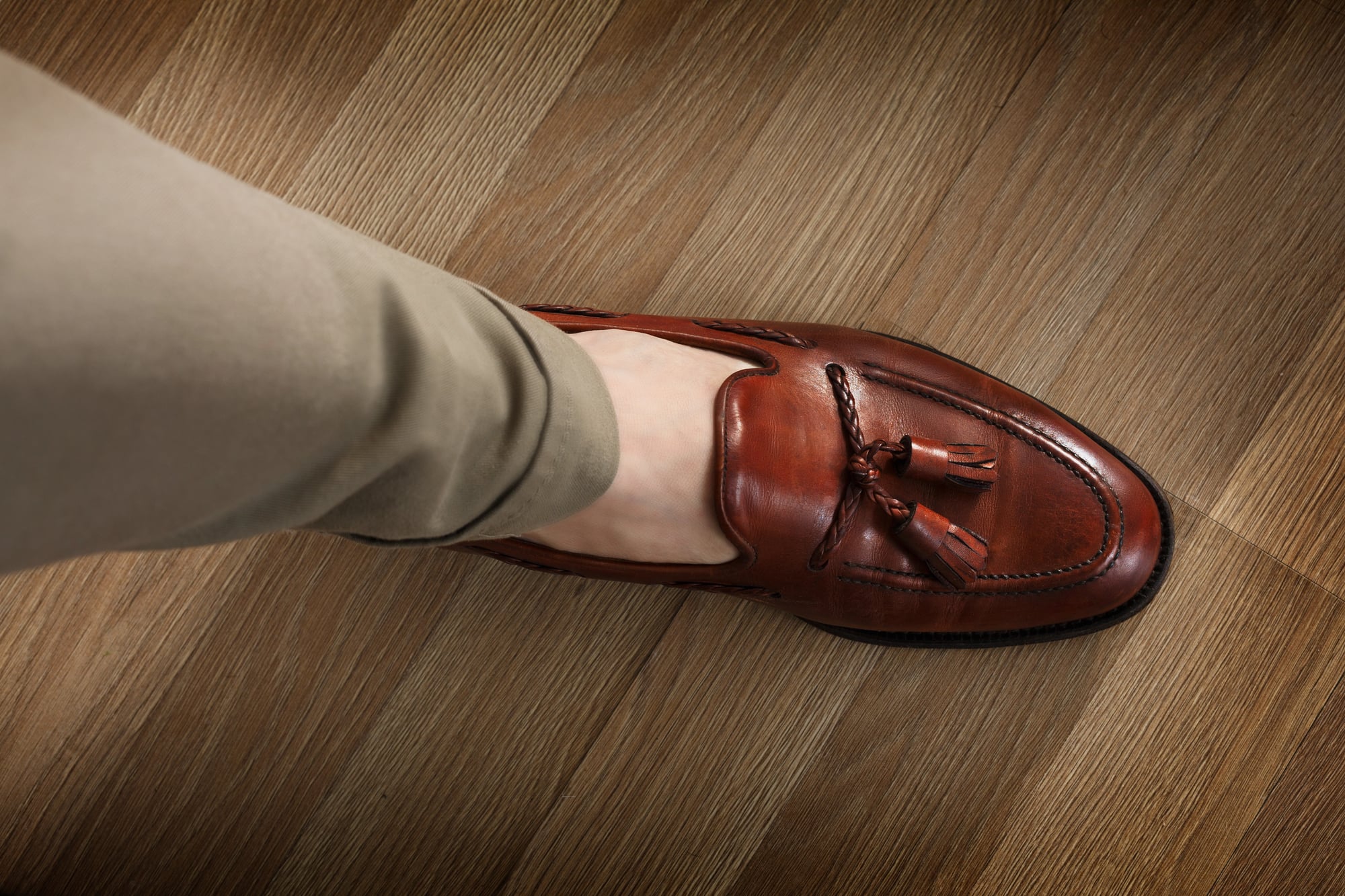
Loafers in their earliest form were inspired by shoes worn by Norwegian farmers and fishermen. G.H. Bass commercialized them for the American market in the 1930s under the name “Weejuns,” targeting men.
Ivy League students picked them up, and for a long time they were firmly associated with preppy, masculine style. Women started wearing them in the latter half of the 20th century, and the penny loafer became a staple of the androgynous dressing movement.
Today, a chunky loafer is one of the most coveted shoes in women’s fashion.
The Necktie

Soldiers from Croatia tied cloths around their throats during battles in the 1600s. French troops noticed, copied the style, then brought it home after war ended.
What started as battlefield gear slowly turned into something worn at court events. Men kept wearing these knots for hundreds of years – each knot signaling status or job.
Women stayed away until styles loosened up decades later. Instead of designing new pieces, they pulled ties straight from male wardrobes. This switch grew alongside looser ideas about gender and clothing rules. By early two thousand teens, narrow versions clung tightly to female blazers.
Sneakers

Shoes made for sports first came shaped like men’s feet. From track meets to hoop games, guys filled the spotlight, so gear followed their lead.
For decades, what women needed barely got attention. Style trends changed that – slowly pulling more into view.
Now it’s women leading many top sneaker releases, while sought-after designs show up on all kinds of wearers. That divide between men’s and women’s sneaker culture? It’s nearly gone.
The Tuxedo Suit

A sharp jacket once meant only for men began shifting shape back in the 1860s, offering a relaxed option compared to stiff tailcoats. Its name came from an exclusive enclave upstate – Tuxedo Park – where wealthy Americans casually slipped them on at gatherings.
For decades, seeing a woman in such attire sparked raised eyebrows across society. Then Marlene Dietrich stepped out draped in one during the thirties, turning heads without saying a word.
Decades later, Yves Saint Laurent redefined the moment with his bold 1966 collection that treated the look as deliberate, not daring by accident. These days, when tailored just right, the silhouette stands tall among the most striking choices around.
The Clothes Don’t Remember Where They Started

Out of nowhere, fashion shifts again. Built for trenches, one jacket now hangs in boutiques.
Water slipped through those shoes on purpose once. Lasting longest? Usually things are made only to work, never to impress. Between purpose and change, a longer life emerged – unplanned, unannounced. What stands out most? Clothes toss aside their rules fast.
More from Go2Tutors!

- The Romanov Crown Jewels and Their Tragic Fate
- 13 Historical Mysteries That Science Still Can’t Solve
- Famous Hoaxes That Fooled the World for Years
- 15 Child Stars with Tragic Adult Lives
- 16 Famous Jewelry Pieces in History
Like Go2Tutors’s content? Follow us on MSN.